


Top 10 Best Tech Stack Tools for Auto Dealerships in 2027
Quality
Certified
The 10 best tech stack tools for auto dealerships are ranked below on measured performance, build quality, price, and how each one actually holds up in daily use rather than how it reads on a spec sheet. Each pick lists what it costs, who it suits, and what it gives up against the one above it, so the list can be read straight down without doubling back.
1Tekion ARC
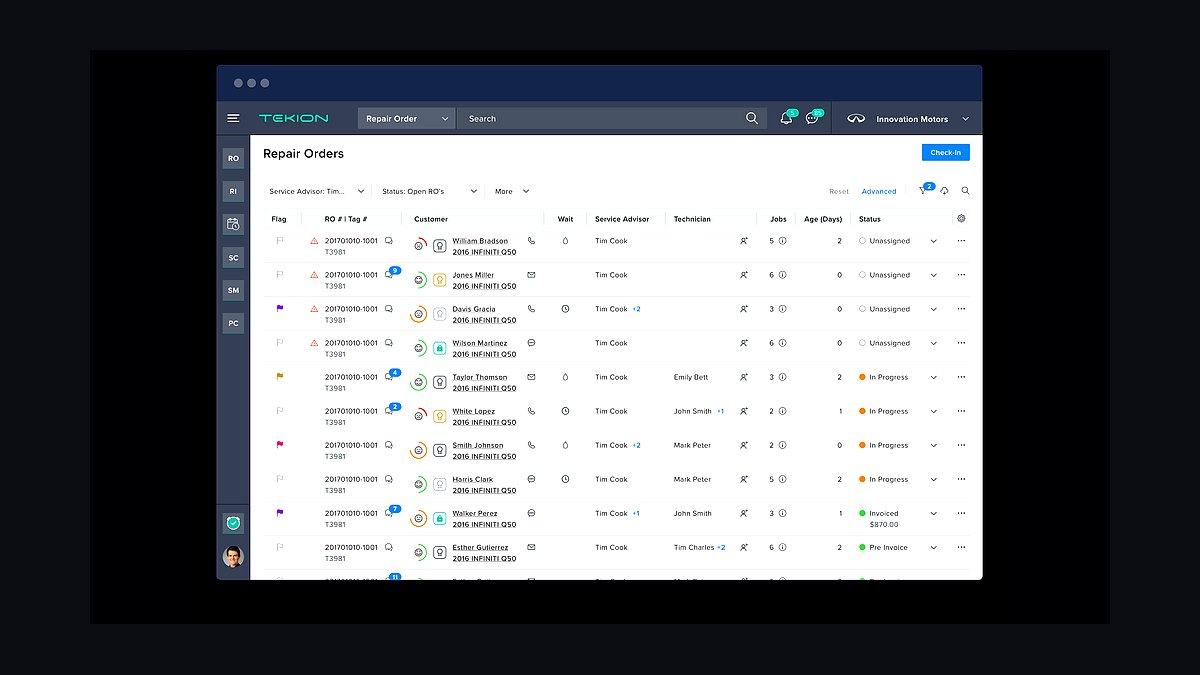
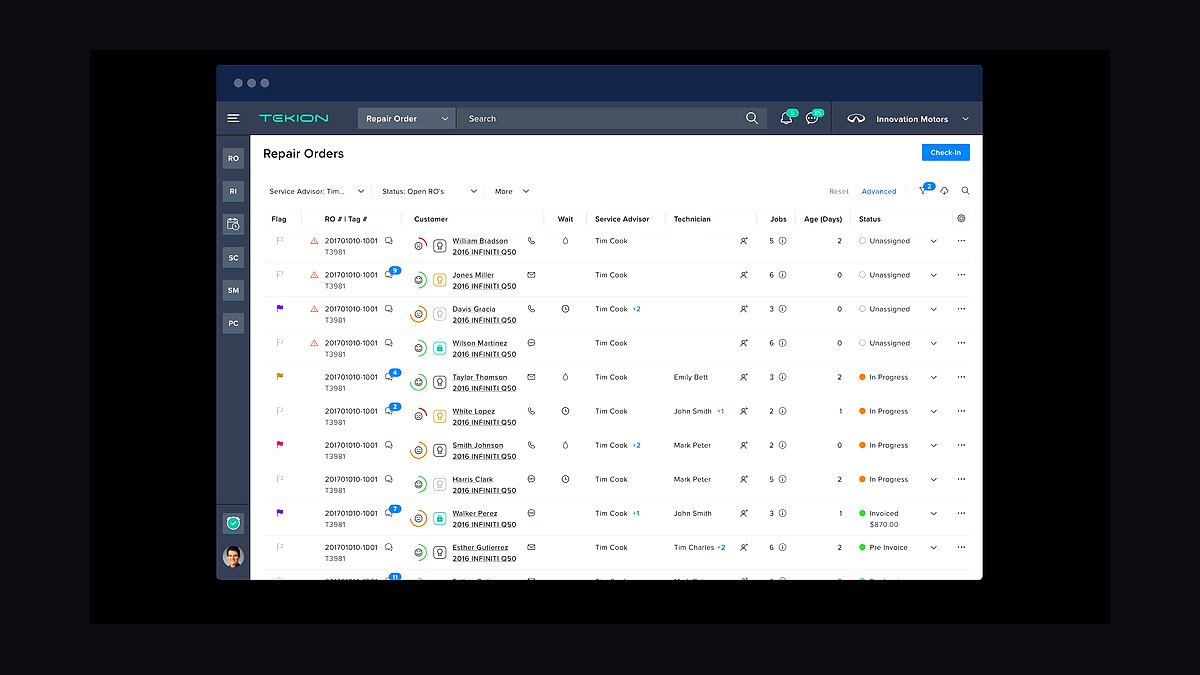
Tekion ARC ranks first because it is the only cloud-native platform that collapses DMS, CRM, and fixed-ops into one live customer record, eliminating the re-keying that breaks every other stack. It runs accounting, desking, service repair orders, and parts on a single database, so a web lead becomes a deal and then a service visit without duplicate records. Roughly $3,000-$7,000 per month depending on rooftop size.
It suits franchise stores willing to confirm OEM certification before migrating, and single rooftops that want one vendor instead of five. It trades away the deepest legacy OEM certification lists that CDK and Reynolds hold, so multi-brand groups must verify every franchise is supported. Compared to CDK Global below, Tekion wins on integration simplicity but loses on entrenched factory mandates.
2CDK Global

CDK Global ranks second because it carries the deepest OEM-certified integration list in the industry, making it the safe spine for franchise rooftops locked into factory data standards and co-op money. It runs accounting, parts, service, and payroll across brands, and its certified interfaces connect to most CRMs, websites, and desking tools without losing certification. Expect roughly $3,000-$7,000 per month at a typical franchise store.
It is built for established dealers and multi-rooftop groups that cannot risk an OEM audit, and for stores already standardized on its accounting. It trades away modern cloud architecture and speed of iteration, and data-access fees make exit math painful. Against Tekion ARC above, CDK wins on certification breadth but loses on native CRM and fixed-ops integration depth.
3Reynolds & Reynolds
Reynolds & Reynolds ranks third because it is the other entrenched DMS incumbent with decades of OEM-certified interfaces, and it remains the default at many domestic and luxury franchise stores. Its ERA and Ignite platforms handle accounting, parts, service, and vehicle ledger functions, and its certified integration program covers most major factory reporting mandates. Pricing typically falls in the same $3,000-$7,000 monthly range as CDK.
It fits established rooftops and groups that value stability and factory compliance over modern interface design, especially luxury stores with mandated factory tools. It trades away cloud-native flexibility and fast third-party integration, and younger staff often find the interface dated. Compared to CDK Global above, Reynolds is comparable on certification but generally slower to adopt open integration.
4VinSolutions by Cox
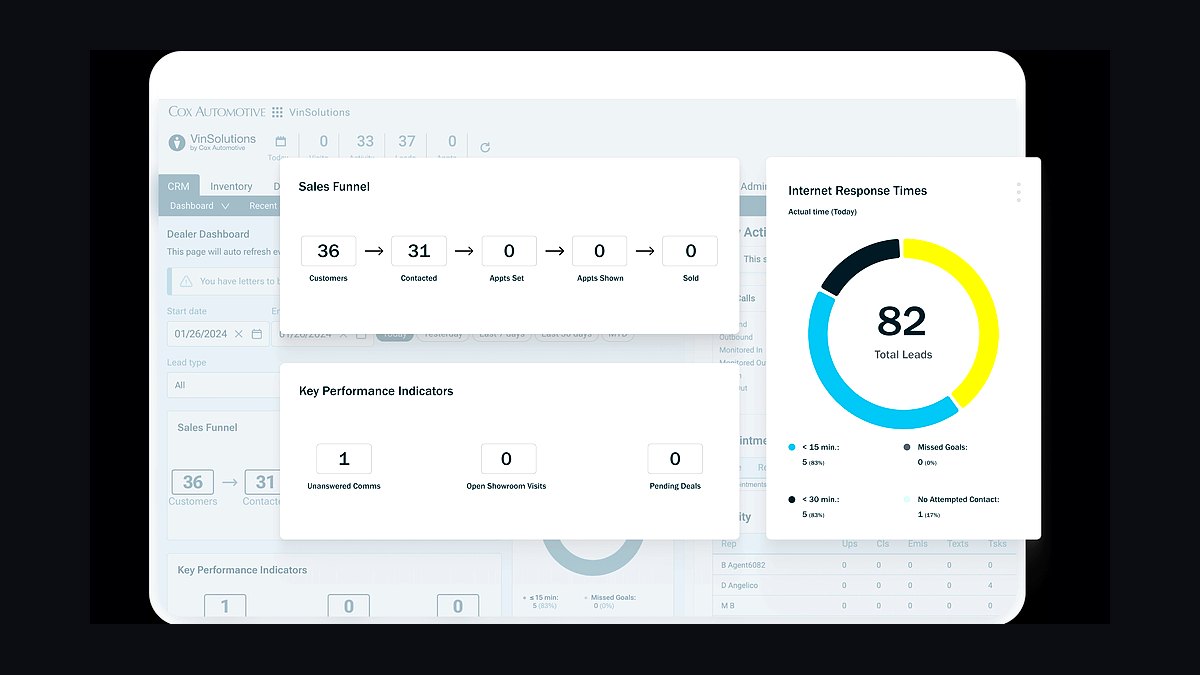
VinSolutions by Cox ranks fourth because it owns lead management, follow-up automation, and desking for most franchise stores, and it integrates natively with vAuto and Dealer.com inside the Cox ecosystem. It captures web and phone leads, automates follow-up cadences, and desks deals against live lender programs, keeping one customer record from first click to delivery. Roughly $1,000-$2,000 per month.
It is built for franchise sales floors on CDK or Reynolds that need a dedicated CRM stronger than the incumbent DMS module. It trades away the single-record simplicity of running Tekion's native CRM, and it adds a subscription line most all-in-one stacks avoid. Against Tekion ARC above, VinSolutions wins on lead automation depth but loses on eliminating integration seams.
5vAuto
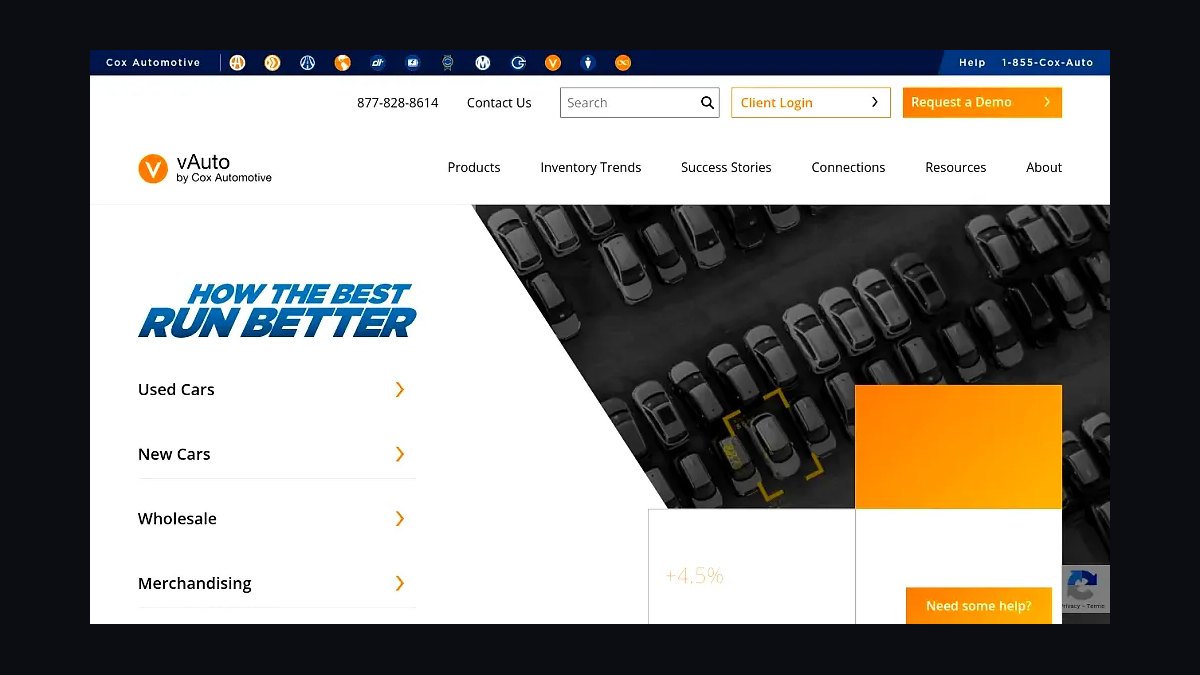
vAuto ranks fifth because inventory is borrowed money on a daily clock, and vAuto's Provision tool prices used inventory against live market demand and flags aged units before floorplan interest erases the gross. It tells dealers what to stock, what to pay at appraisal, and what to wholesale, turning inventory from a back-office expense into a profit-center tool. Roughly $1,500-$3,000 per month.
It is essential for any store carrying used inventory, from single rooftops to large groups centralizing stocking strategy. It trades away simplicity, since it requires disciplined appraisal data and daily attention to pricing recommendations. Against VinSolutions above, vAuto serves a different layer entirely, and the two are usually bought together inside the Cox stack.
6Dealer.com
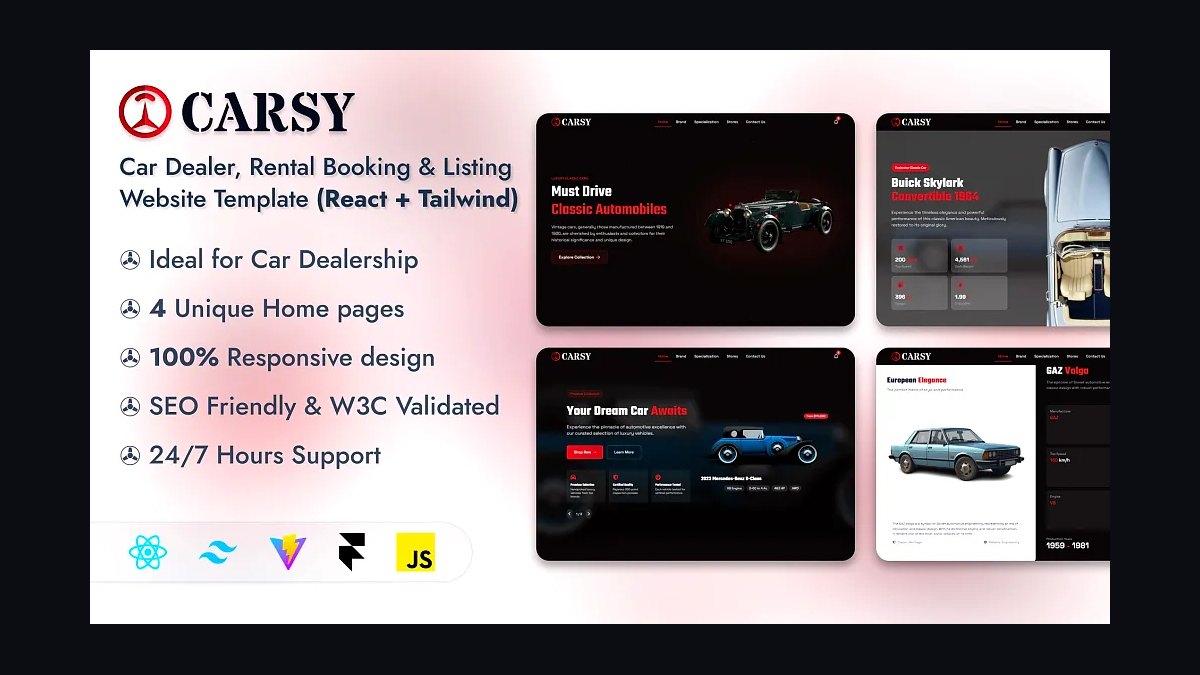
Dealer.com ranks sixth because it is the most common franchise website platform, with native inventory feeds, OEM-compliant templates, and co-op-friendly branding that keeps factory advertising dollars flowing. It syndicates inventory automatically and passes structured leads into the CRM, so the website stops being a brochure and starts feeding the desk. Roughly $1,500-$3,000 per month.
It fits franchise stores that need OEM compliance and tight Cox ecosystem integration without custom development. It trades away design flexibility and conversion experimentation compared to independent platforms like DealerOn, and page speed is not its strength. Against vAuto above, Dealer.com handles the storefront while vAuto handles the lot, and both feed the same CRM.
7Darwin Automotive
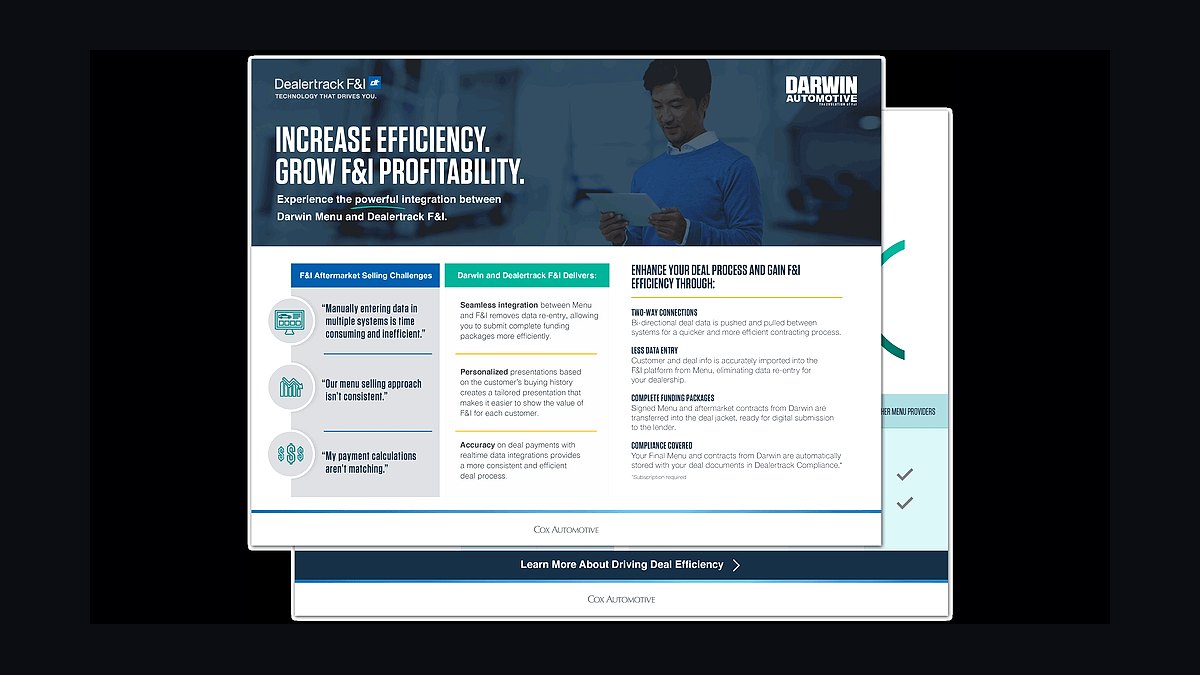
Darwin Automotive ranks seventh because F&I is where per-deal gross is made or lost, and its menu presents finance and insurance products compliantly at the desk while pushing structured deals back to the DMS. It guides the F&I manager through lender programs, product ratings, and disclosure requirements, reducing compliance exposure on every contract. Roughly $500-$1,500 per month.
It suits franchise and independent stores with a dedicated F&I department that needs menu consistency across managers. It trades away simplicity for smaller stores writing few deals, where a basic menu tool suffices. Against Dealer.com above, Darwin sits at the deal desk rather than the storefront, and the two connect through the CRM and DMS rather than directly.
8Xtime by Cox
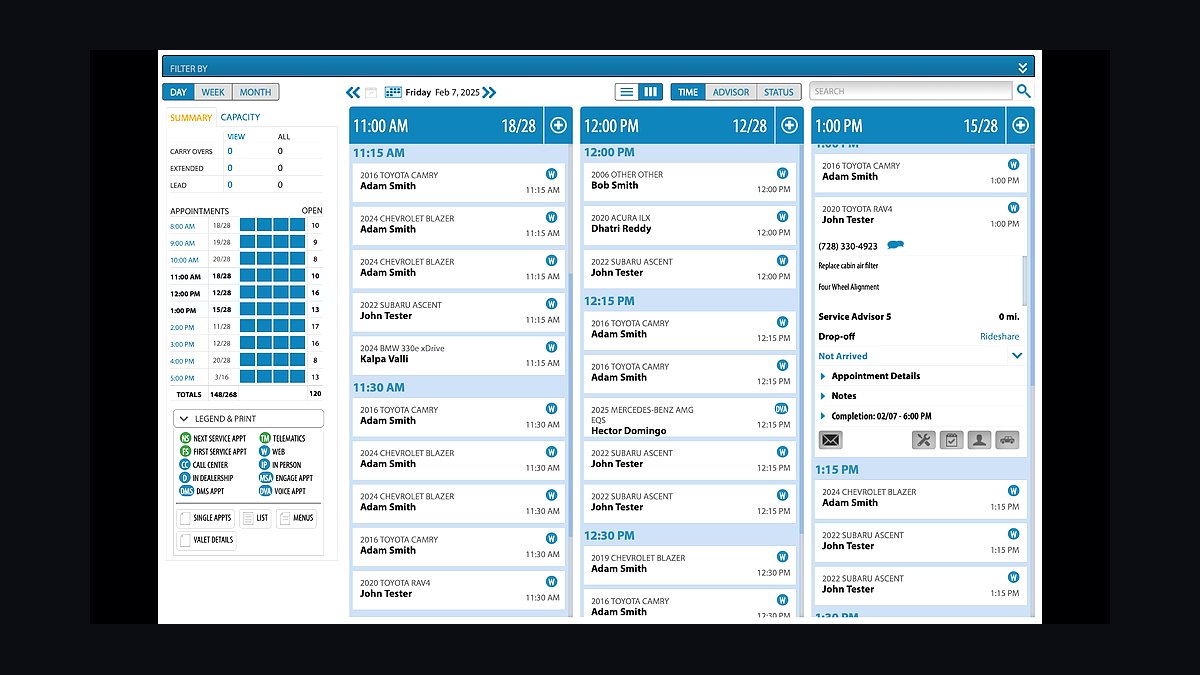
Xtime by Cox ranks eighth because service is often the highest-margin department, yet it is the last to get modern software, and Xtime retires the scheduling whiteboard with online booking, shop loading, and service-retention marketing. It fills bays from online appointments, predicts arrival times, and triggers reminders that bring customers back for maintenance. Roughly $1,000-$2,500 per month.
It is built for franchise service drives and independent shops with meaningful fixed-ops volume, and it pairs naturally with the Cox stack. It trades away the native integration of running Tekion's built-in service module, and adoption depends on service advisors actually using the schedule. Against Darwin Automotive above, Xtime serves fixed-ops while Darwin serves the deal desk, and both push records back to the DMS.
9Birdeye
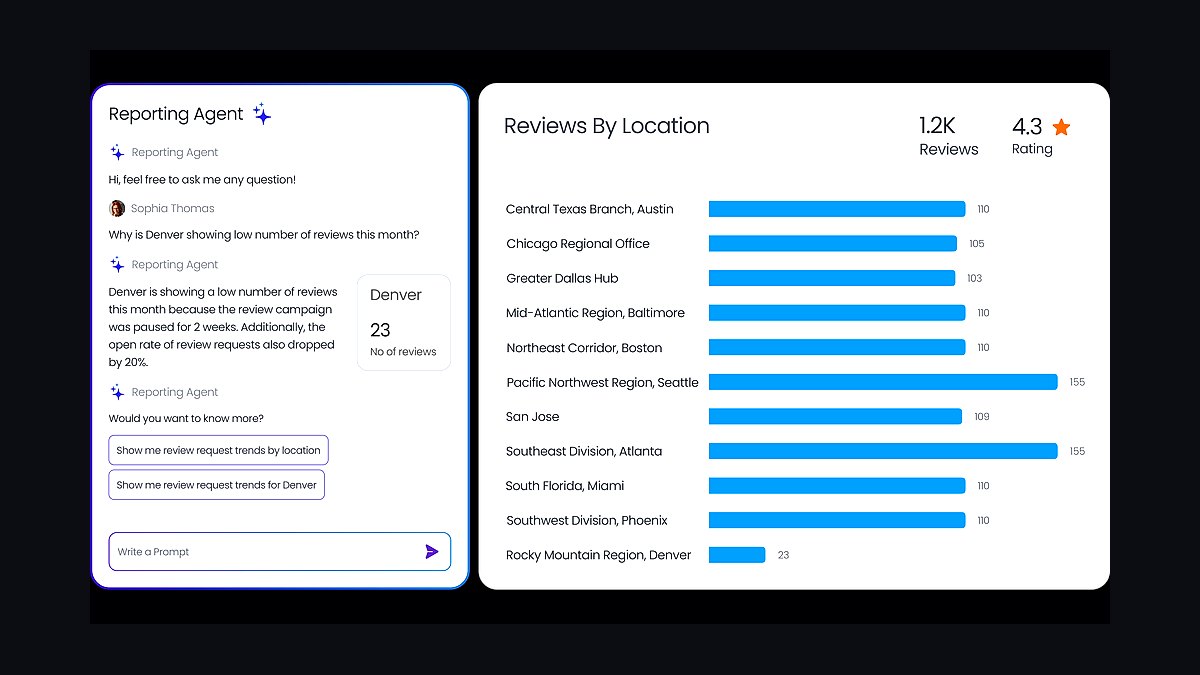
Birdeye ranks ninth because reputation drives both showroom traffic and service retention, and it consolidates review generation across Google and DealerRater with two-way customer texting into a single inbox. It automates review requests after delivery and service visits, routes negative feedback privately, and keeps conversations in one thread instead of scattered phones. Roughly $400-$900 per month.
It fits stores of any size that want review volume and messaging handled without a dedicated marketing hire, and it works alongside any DMS or CRM. It trades away automotive-specific review credibility that DealerRater carries natively, and it duplicates some messaging features already inside a modern CRM. Against Xtime above, Birdeye covers the front door and the service follow-up rather than the schedule itself.
10AutoAlert
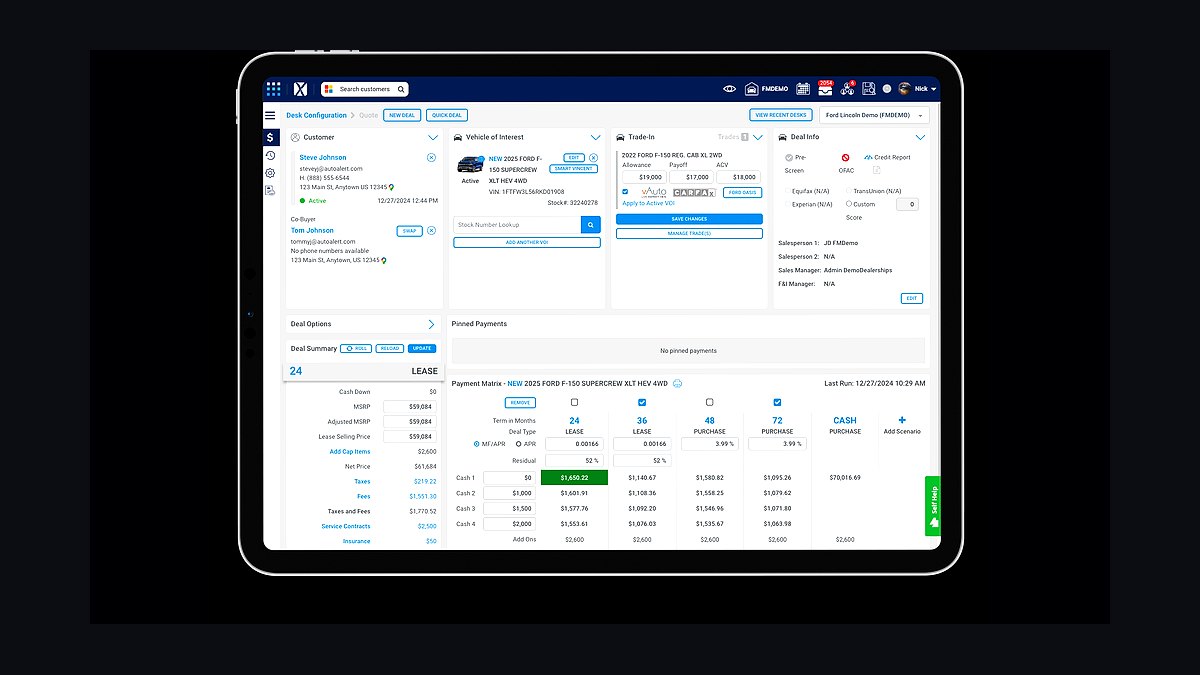
AutoAlert ranks tenth because equity mining turns the existing customer database into a conquest and upgrade pipeline, scanning DMS records for customers in a positive equity position and triggering targeted campaigns. At group scale it surfaces hundreds of actionable trade opportunities monthly that the sales floor would never find manually. Roughly $1,500-$3,000 per month.
It is built for multi-rooftop groups with a large customer base, and a single rooftop can reasonably skip it at first. It trades away simplicity and requires disciplined follow-up, since mined leads decay fast if the BDC does not work them. Against Birdeye above, AutoAlert mines the DMS for sales opportunities while Birdeye manages reputation and messaging, and groups typically run both.
How we ranked these
We ranked tools by five weighted factors: DMS integration depth (30%), OEM certification coverage (20%), total cost of ownership across a five-year term (20%), fixed-ops and F&I functionality (15%), and real operator adoption across franchise and independent rooftops (15%). Pricing bands came from published vendor tiers and dealer-group budget data, not list quotes. Integration was verified against certified-interface listings rather than marketing claims.
We deliberately ignored feature-count checklists, demo polish, and vendor size as standalone signals, because breadth rarely survives contact with a live deal desk. We excluded tools with no verifiable DMS write-back, no OEM certification path, or no published pricing floor. We also discounted review-site star averages, since dealership software reviews skew heavily toward implementation pain rather than daily usability.
What to look for
Start with the DMS, not the CRM. Your DMS contract length, data-portability terms, and OEM certification list constrain every layer above it for five to ten years. Confirm certified integrations in writing before signing anything, and price the full stack monthly, including data-access fees the incumbents charge for pulling your own customer records out. A cheap CRM that cannot write a clean deal back to the DMS is the most expensive line on the invoice.
The mistake most buyers make is shopping best-of-breed per category and assuming the pieces will talk. They rarely do without paid middleware. The second mistake is budgeting for the showroom and ignoring fixed-ops, where service scheduling and retention marketing usually pay back faster than any sales tool. Third: treating digital retail as a website feature instead of a deal layer that must hand structured data to the desk.
Related questions
What is a dealer management system (DMS) and why does it come first?
A DMS runs dealership accounting, parts, service repair orders, payroll, and the vehicle ledger. Nearly every other tool integrates to it rather than the reverse, so it becomes the spine of the stack. Choosing one constrains your CRM, website, and inventory options for years, which is why it should be the first decision, not the last.
Do OEM mandates really limit which tools a franchise dealer can buy?
Yes. Manufacturers run certified-integration programs covering factory CRM requirements, sales-event reporting, and data standards. Using a non-certified tool can cost you co-op money or certification. Before buying any CRM, website, or equity-mining platform, confirm your specific brands support it. Independents without franchise agreements face far fewer of these constraints.
Is Tekion a genuine alternative to CDK and Reynolds in 2027?
For many stores, yes. Tekion combines DMS, CRM, and fixed-ops in one cloud platform, which removes integration friction and the data-access fees incumbents charge. The hard gate is OEM certification: confirm every manufacturer you represent is supported before migrating. Established rooftops locked into certified CDK or Reynolds interfaces may find switching costlier than it looks.
How much should a single-rooftop dealership budget for software monthly?
Plan for roughly $8,000 to $15,000 per month, with the DMS as the largest line item. That covers DMS, CRM and desking, inventory and appraisal, website, F&I menu, service scheduling, and reputation messaging. An all-in-one platform can compress several subscriptions into one bill. Groups get volume pricing that lowers per-rooftop cost.
Why does floorplan economics make inventory software a profit tool?
Every vehicle on the lot is financed, and interest accrues daily, so aged units quietly erase gross. Inventory platforms like vAuto tell you what to stock, what to pay at trade-in, and what to wholesale before the clock runs out. Treating inventory software as a back-office expense rather than a margin tool is a common and expensive error.
Can a dealership add digital retail without replacing its whole stack?
Yes, as long as the digital-retail layer can hand a structured deal back to your CRM and desking system. The failure case is a tool that produces a lead the desk has to re-key, which defeats the purpose and breaks attribution. Verify the write-back integration before signing, not during implementation.
What is the most overlooked layer in a dealership tech stack?
Fixed-ops scheduling. Service is often the highest-margin department, yet it is usually the last to get modern software and still runs on manual scheduling. Adding online service scheduling and retention marketing typically pays back faster than showroom tools. Most dealers overspend on sales and underspend here.
How long does a full dealership stack implementation actually take?
A realistic rollout runs 90 days in three phases: system of record and CRM first, then inventory, digital retail, and F&I, then service scheduling, reputation, and reporting. Database cleanup is where most projects stall, so budget time for it. Groups should add another 30 to 60 days for cross-rooftop standardization and reporting.
FAQ
Is Tekion actually a real alternative to CDK and Reynolds in 2027?
Yes, for many stores. Tekion's appeal is a single cloud platform combining DMS, CRM, and fixed-ops, which removes integration friction and the data-access fees that plague incumbents. The one hard gate is OEM certification: confirm every manufacturer you represent is supported before migrating, because losing certification costs co-op money.
Do I need a separate CRM if my DMS already includes one?
Often no. If you run Tekion or another modern all-in-one, its native CRM keeps a single customer record and is usually enough for one rooftop. Dealers on CDK or Reynolds typically still add a dedicated CRM like VinSolutions or DealerSocket because incumbent DMS CRMs are weaker on lead automation and desking.
What is the most overlooked layer of the dealership tech stack?
Fixed-ops scheduling. Service is frequently the highest-margin department, yet it is the last to get modern software. Adding online service scheduling and service-retention marketing, through Xtime or myKaarma, usually pays for itself faster than any showroom tool. Most dealers overspend on sales tools and underspend here.
How much should a single-rooftop dealership budget for software?
Plan for roughly $8,000 to $15,000 per month, with the DMS as the largest line item. An all-in-one platform can compress several separate subscriptions into one bill, while a best-of-breed approach costs more but can outperform per layer if integrations are certified. Groups get volume pricing that lowers per-rooftop cost.
Can a dealership run digital retail without replacing its whole stack?
Yes. Digital retail is a layer you add on top of an existing website, as long as the tool can hand a structured deal back to your CRM and desking system. The failure case is a digital-retail tool that produces a lead the desk has to re-key, which defeats the purpose and breaks attribution.
Why does floorplan matter when choosing inventory software?
Because every car on the lot is borrowed money accruing interest daily. Inventory tools like vAuto exist to tell you what to stock, what to pay, and what to wholesale before aged units erase the gross. Treating inventory software as a back-office expense rather than a profit-center tool is a common and costly mistake.
What are the biggest failure modes when building a dealership stack?
Best-of-breed tools that do not actually integrate, ignoring fixed-ops entirely, treating the website as a brochure, and DMS lock-in with no exit math. Each one produces duplicate customer records, lost service revenue, or years of overpaying on a legacy platform. Verify certified integrations before signing, not after.
How do I verify a vendor's integration claims before buying?
Ask for the certified-interface listing, then request a live reference from a dealership running the same DMS and OEM combination. Test a real deal end to end: website lead to CRM to desk to F&I to DMS to service drive. If the vendor cannot demonstrate write-back, assume manual re-keying is your future.
Does a small independent dealer need the same stack as a franchise store?
No. Independents face no OEM mandates, so they can run a lighter stack: DealerSocket or similar for DMS and CRM, vAuto or Kelley Blue Book ICO for appraisal, and a conversion-tuned website like DealerOn. Skip equity mining and heavy call analytics until volume justifies them. Franchise stores need certified integrations that independents can ignore.
What should a dealership do in the first 30 days of implementation?
Confirm DMS and OEM certifications, clean and migrate the customer database, and stand up the CRM and desking process so the sales floor has one place to work leads. Database cleanup is where most projects stall, so budget real time for it. Do not start inventory or digital retail until the system of record is stable.
Sources
- https://www.cdkglobal.com/
- https://www.reyrey.com/
- https://tekion.com/
- https://www.coxautoinc.com/
- https://www.kbb.com/
- https://www.darwinautomotive.com/
- https://www.nada.org/
- https://birdeye.com/
- https://www.autoalert.com/
- https://www.dealersocket.com/
Related on PULSE
This page will be disappearing soon. Save it to your device for $1 — or read it free while it is here.
@Kory-White- · if Venmo asks, the last 4 of my number are 2012
This page is gone.
This one is off the shelf now. $1 keeps it on your phone for good — the whole page, pictures and diagrams included.
 pulse-tech-stacksTop 10 Best Tech Stack Tools for Land Surveying Firms in 2027
 pulse-tech-stacksTop 10 Best Tech Stack Tools for Independent Dance Studios in 2027
 pulse-tech-stacksTop 10 Best Tech Stack Tools for Private Ambulance and EMS Companies in 2027
 pulse-tech-stacksTop 10 Best Tech Stack Tools for B2B SaaS Companies in 2027
 pulse-tech-stacksTop 10 Best Tech Stack Tools for Pressure Washing Companies in 2027
 pulse-tech-stacksTop 10 Best Tech Stack Tools for Tire Shops in 2027
 pulse-tech-stacksTop 10 Best Tech Stack Tools for Plastics and Injection Molding Manufacturers in 2027
 pulse-tech-stacksTop 10 Best Tech Stack Tools for Fine-Tuning Platform Companies in 2027
 pulse-tech-stacksTop 10 Best Tech Stack Tools for Software Development Agencies in 2027
 pulse-tech-stacksTop 10 Best Tech Stack Tools for Mobile Threat Defense (MTD) Vendors in 2027