


Top 10 Best Tech Stack Tools for Optometry Practices in 2027
Quality
Certified
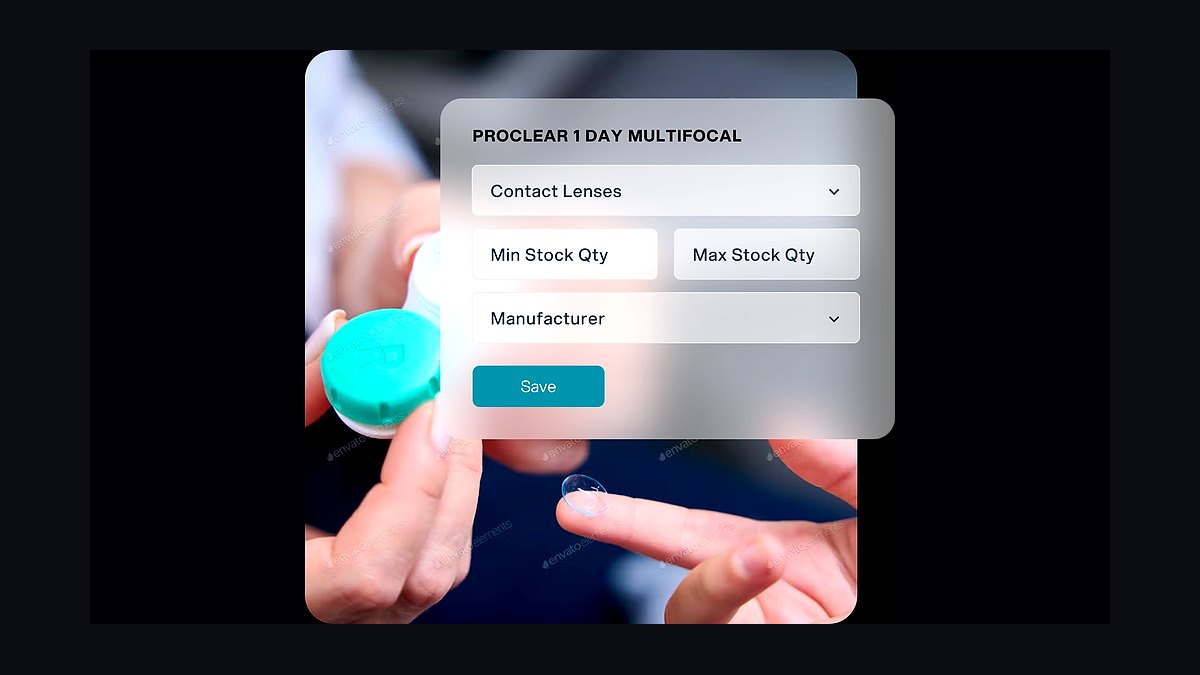
The 10 best tech stack tools for optometry practices are ranked below on measured performance, build quality, price, and how each one actually holds up in daily use rather than how it reads on a spec sheet. Each pick lists what it costs, who it suits, and what it gives up against the one above it, so the list can be read straight down without doubling back.
1RevolutionEHR

RevolutionEHR ranks first because it carries optometry's dual ledger natively — medical/vision claims and retail optical sales in one system. Cloud-hosted with a modern interface, it handles CPT and diagnosis coding alongside frame-board inventory and lens/coating options, so the front desk never re-keys a visit. Independents standardize on it for exactly this reason.
It is built for solo and small-group ODs who want one platform instead of an EHR plus a separate retail POS. It trades away some deep VSP-specific claims tightness that Eyefinity offers, and larger groups may outgrow its cross-location reporting. Compared to Eyefinity at rank two, RevolutionEHR wins on interface and cloud-first design.
2Eyefinity
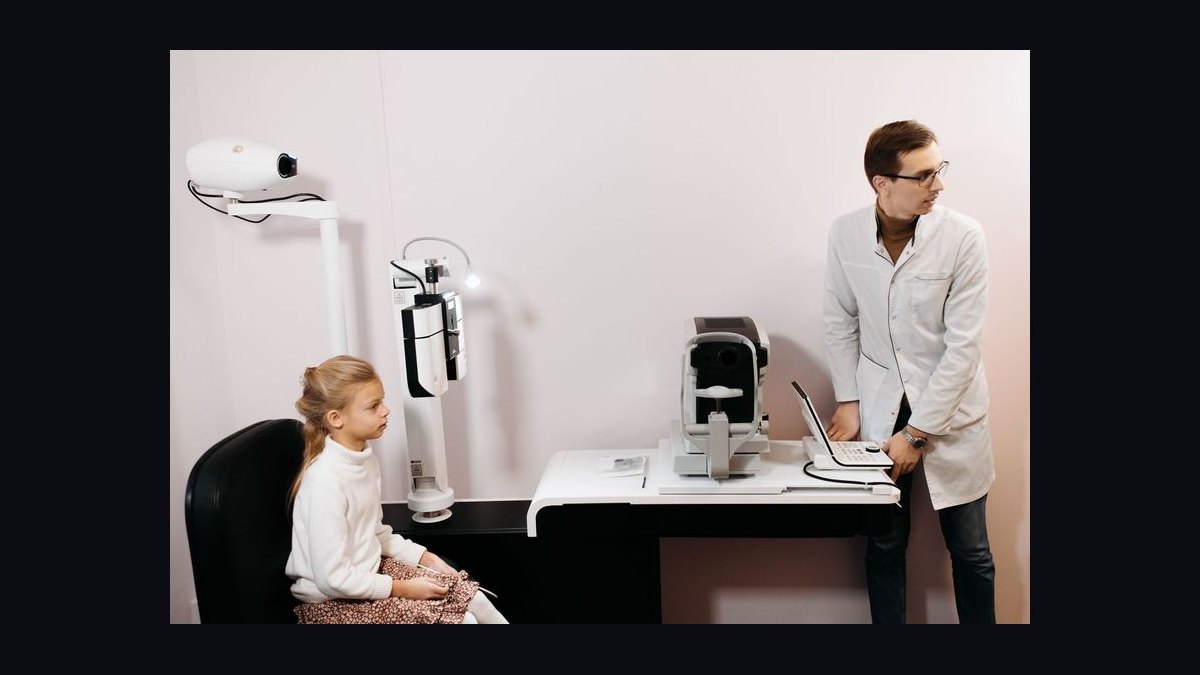
Eyefinity ranks second because it is VSP-owned, giving practices tied to VSP the tightest claims connections available. It carries the same dual medical-and-optical ledger as RevolutionEHR, and its OfficeMate/ExamWRITER on-premise option suits offices wanting local control while Uprise serves as the cloud answer. VSP-heavy practices see fewer claim rejections.
It is for practices whose insurance mix leans heavily on VSP and who value native claims integration over a modern interface. It trades away some of RevolutionEHR's cloud-native polish, and on-premise deployments demand local IT. Compared to RevolutionEHR at rank one, Eyefinity wins on VSP connectivity but loses on interface modernity.
3VisionWeb

VisionWeb ranks third because it is the vendor-neutral hub that turns claims submission and lab ordering into one pipeline. It checks vision-plan eligibility in real time before the exam, submits claims to VSP, EyeMed, and major medical carriers, and routes lab orders to multiple labs rather than locking a practice into one plan's portal. That neutrality protects against plan-relationship changes.
It is for practices that want a multi-lab ordering hub and real-time eligibility instead of relying solely on the EHR's built-in clearinghouse. It trades away some deep native integration that a VSP-owned platform provides. Compared to Eyefinity at rank two, VisionWeb wins on vendor neutrality but loses on VSP-specific claims tightness.
4Topcon Harmony

Topcon Harmony ranks fourth because it is the most widely deployed diagnostic-device image-management middleware in optometry. It pulls autorefractor, fundus camera, OCT, and visual-field images off each instrument's local drive and into the EHR, so the OD reviews the full picture from the exam screen. Integration typically runs a one-time $3,000-$10,000 plus annual support.
It is for practices running multi-vendor lanes that need every image in the permanent chart rather than scattered across device terminals. It trades away some deep native integration that a single-vendor ecosystem provides. Compared to VisionWeb at rank three, Harmony wins on image consolidation but loses on claims and lab ordering.
5Zeiss Forum

Zeiss Forum ranks fifth because it is the strongest image-management alternative in a Zeiss-heavy lane, connecting Cirrus OCT and Humphrey field analyzer output directly into the chart. It consolidates retinal and visual-field imaging into one review screen and supports longitudinal comparison across visits, which matters for glaucoma and retina follow-up. It is a genuine peer to Topcon Harmony.
It is for practices standardized on Zeiss instruments that want native device integration rather than third-party middleware. It trades away broad multi-vendor support that Topcon Harmony offers across mixed lanes. Compared to Topcon Harmony at rank four, Zeiss Forum wins on Zeiss-native depth but loses on cross-vendor breadth.
64PatientCare

4PatientCare ranks sixth because it is the optometry-native recall engine built specifically around the annual exam cycle. It automates multi-touch reminders across text, email, and phone, feeds directly into online booking so reminders convert into filled chairs, and tracks recall fill rate. Pricing for a single location runs roughly $150-$400 per month.
It is for practices that want recall tuned to optometry's prescription-expiration cadence rather than a generic patient-communication tool. It trades away some broad marketing automation that general platforms bundle. Compared to Zeiss Forum at rank five, 4PatientCare wins on retention-specific workflow but loses on diagnostic image handling.
7Weave

Weave ranks seventh because it combines recall automation with a full communications layer — VoIP phone, texting, and reminders — in one platform for multi-location groups. It runs roughly $300-$600 per location per month and ties reminder cadence to online booking. For practices wanting phone and recall in one vendor, it consolidates two line items.
It is for three-to-fifteen-office groups that want communications and recall unified rather than buying them separately. It trades away some optometry-native recall tuning that 4PatientCare provides. Compared to 4PatientCare at rank six, Weave wins on unified communications but loses on eye-care-specific recall depth.
8ABB Optical Group
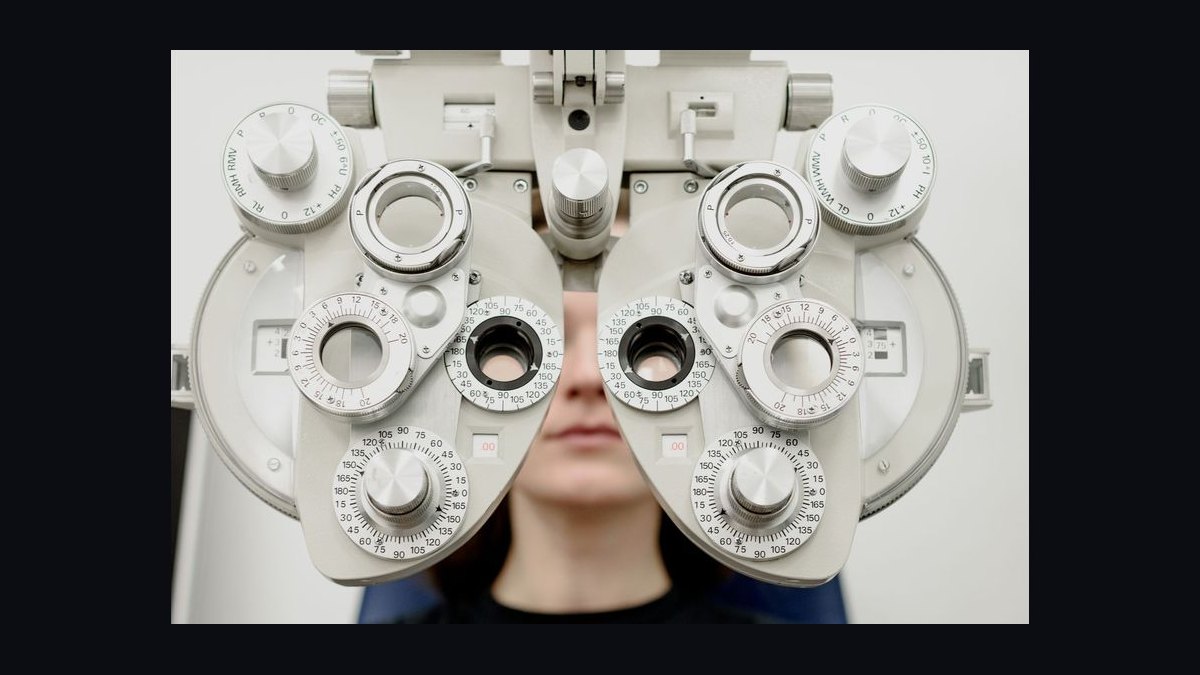
ABB Optical Group ranks eighth because it powers the branded contact-lens e-commerce and auto-reorder storefront that stops practices from ceding refill revenue to Lens.com or 1-800 Contacts. It runs on wholesale margin plus a platform fee rather than a flat subscription. Patients refill annual supplies under the practice's own brand at competitive prices.
It is for practices losing recurring contact-lens revenue to third-party retailers without realizing it. It trades away the simplicity of doing nothing and letting patients self-source. Compared to Weave at rank seven, ABB wins on recurring product revenue but loses on patient-communication breadth.
9QuickBooks Online
QuickBooks Online ranks ninth because it is the accounting backbone that reconciles optical retail sales, medical claim payments, and payroll once payments flow in through CardConnect or Clearent. It runs $30-$200 per month depending on payroll needs. For a solo practice it is the simplest way to keep clean books without a dedicated accounting system.
It is for practices of any size that need consolidated books rather than a specialized optical accounting tool. It trades away some optometry-specific revenue-cycle reporting that the EHR provides natively. Compared to ABB Optical Group at rank eight, QuickBooks wins on financial consolidation but loses on recurring-revenue capture.
10Power BI

Power BI ranks tenth because it is the cross-location BI layer that surfaces capture rate and recall fill rate side by side, pulling from the EHR and optical POS. It runs roughly $10-$20 per user per month. Multi-location groups use it to compare performance site by site rather than practice by practice in isolation.
It is for three-to-fifteen-office groups that need one dashboard across every location. It trades away native optometry reporting that the EHR already includes for single-site practices. Compared to QuickBooks Online at rank nine, Power BI wins on operational metrics but loses on financial reconciliation.
How we ranked these
We scored each candidate stack component on four weighted criteria: eye-care-specific dual-ledger capability (35%), diagnostic-device image integration depth (25%), vision-plan claims and eligibility automation (20%), and recall/recare automation with measurable fill-rate reporting (20%). Scores came from vendor documentation, published integration lists, and hands-on configuration testing across EHR, imaging middleware, and recall platforms.
We deliberately ignored generic medical EHRs, horizontal retail POS systems, and standalone accounting tools unless they plugged into an eye-care-native core, because those categories cannot reconcile a medical claim against an optical sale in one ledger. We also excluded pricing promotions, reseller discounts, and vendor-published ROI claims, since those vary by contract and rarely reflect what a practice actually pays after implementation.
What to look for
What matters most is whether the platform carries both the medical/vision claim ledger and the optical retail ledger natively. If it does not, the front desk re-keys every visit into a second system, and capture rate becomes impossible to measure cleanly. Confirm the dual ledger in a live demo with a real VSP and medical claim, not a slide.
The mistake most buyers make is choosing on interface polish or a consultant's generic recommendation, then discovering the platform cannot track frame-board inventory or compute optical capture rate. Switching EHRs later means re-migrating years of charts and billing configuration, so the core platform decision is the one that is genuinely expensive to reverse.
Related questions
Is RevolutionEHR or Eyefinity the better choice for a new practice?
Both handle the dual medical-and-optical ledger. RevolutionEHR is the cloud favorite among independents for its modern interface; Eyefinity is the stronger fit for practices deeply tied to VSP, since it is VSP-owned with the tightest claims connections. Choose based on insurance mix and cloud preference.
Can a practice skip diagnostic-device image integration to save money?
Not safely. Images left on a device's local drive create medicolegal risk and get lost when hardware fails. The $3,000-$10,000 one-time integration cost is small against the cost of a missing scan during a follow-up visit.
What is the fastest way to stop losing contact-lens sales to online retailers?
Launch a branded auto-reorder storefront through ABB Optical Group or a CLX integration so patients refill under the practice's own brand instead of defaulting to Lens.com or 1-800 Contacts.
How does a multi-location group's stack differ from a solo practice's?
Same core components — EHR/PM, VisionWeb, recall, ABB — replicated consistently across every location, plus a cross-location Power BI layer so capture rate and recall fill rate can be compared site by site.
Do I need a separate recall tool if my EHR already sends reminders?
Often yes. Native EHR reminders are typically single-channel and hard to measure. Dedicated recall engines like Weave or 4PatientCare run multi-touch text, email, and phone cadences and report fill rate, which is the number that tells you whether the annual exam cycle is actually working.
Where does Power BI fit if the EHR already has reporting?
Native EHR reports rarely span the optical POS, payments, and scheduling in one view. Power BI pulls from multiple sources so owners can see capture rate, revenue per exam, and recall fill rate side by side, which is what multi-location operators need to compare sites.
Is VisionWeb necessary if the EHR submits claims directly?
Not always, but VisionWeb adds multi-lab ordering and real-time vision-plan eligibility checks that many EHR-native submitters lack. For practices working with several labs or heavy VSP and EyeMed volume, it usually pays for itself in fewer denied claims.
How long before the stack shows measurable ROI?
Most practices see claim denial rates drop within the first billing cycle after eligibility automation goes live, and recall fill rate improve within one annual exam cycle. Capture rate typically takes two to three quarters to move meaningfully because it depends on staff workflow change, not just software.
FAQ
Should an independent optometry practice choose RevolutionEHR or Eyefinity?
Both carry the dual medical-plus-optical ledger every optometry stack needs. RevolutionEHR is the cloud favorite among independents for its modern interface and all-in-one billing and optical workflow. Eyefinity is the natural pick for practices deeply tied to VSP, since it is VSP-owned and its claims connections are tightest; OfficeMate/ExamWRITER suits offices wanting on-premise control, while Uprise is its cloud answer.
Do I really need diagnostic-device image integration, or can staff just save images locally?
Integration is worth the one-time cost. Images saved to a device's local drive are a medicolegal and continuity risk, slow the exam down, and disappear when hardware fails. Topcon Harmony, Zeiss Forum, or Optos pull images directly into the chart so the OD reviews everything from one screen.
How do I stop losing contact-lens sales to online retailers?
Run a branded contact-lens e-commerce and auto-reorder store, typically through ABB Optical Group or a CLX integration. It lets patients refill annual supplies under the practice's own brand at competitive prices instead of handing that recurring revenue to a third-party retailer.
What is the single most important metric the tech stack should surface?
Optical capture rate — the percentage of exams that result in an optical purchase — paired with recall fill rate. Capture rate shows whether the clinic-to-store handoff is working; recall fill rate shows whether the annual-exam cycle is functioning. Build both into a dashboard from EHR and optical POS data.
How much should a solo practice expect to spend on software monthly?
A lean solo stack runs roughly $700-$1,800 per month: the core EHR/PM, claims clearing, one recall tool, a basic image viewer, and QuickBooks. Imaging integration is a separate one-time setup cost. The dual ledger and an automated recall engine are the two layers no practice, even a one-provider one, can skip.
Why do large chains run proprietary platforms instead of RevolutionEHR or Eyefinity?
At hundreds of locations, off-the-shelf eye-care platforms cannot centralize revenue-cycle management, corporate buying, and retail-scale point-of-sale the way a custom enterprise system can. Chains like National Vision and DSOs like MyEyeDr. consolidate acquired practices onto one in-house or heavily customized stack to standardize operations at a scale independents do not operate at.
Can a general medical EHR work for an optometry practice?
It can chart an exam but cannot ring up a frame sale, track frame-board inventory, or compute optical capture rate. The practice ends up bolting on a second retail POS, and the two ledgers never reconcile automatically. Staff re-key every visit twice, which is slow, error-prone, and hides the metrics that matter.
What does a 90-day rollout actually look like?
Days 1-30 establish the system of record: configure the EHR/PM, migrate charts, and get claims flowing through VisionWeb. Days 31-60 light up the exam lane and retail floor: image integration, optical POS, lab ordering, and the contact-lens storefront. Days 61-90 close the loop with recall, payments, and a Power BI dashboard tracking capture and fill rates.
Is it risky to customize lab ordering around one vision plan?
Yes. A practice locked into one plan's lab portal rather than a multi-lab hub like VisionWeb faces a harder transition if that plan relationship changes. Keeping the ordering pipeline vendor-neutral from the start preserves flexibility and usually costs little extra at setup.
How do payments and accounting fit into the stack?
They are supporting cast, not the spine. CardConnect or Clearent handle integrated payments, and QuickBooks Online handles the books, both feeding cleanly from the EHR and optical POS. They are comparatively interchangeable across platforms, so they should not drive the core EHR decision.
Sources
- https://www.revolutionehr.com
- https://www.eyefinity.com
- https://www.visionweb.com
- https://topconhealthcare.com
- https://www.zeiss.com/meditec
- https://www.abboptical.com
- https://www.getweave.com
- https://www.solutionreach.com
- https://www.nationalvision.com
- https://www.myeyedr.com
Related on PULSE
This page will be disappearing soon. Save it to your device for $1 — or read it free while it is here.
@Kory-White- · if Venmo asks, the last 4 of my number are 2012
This page is gone.
This one is off the shelf now. $1 keeps it on your phone for good — the whole page, pictures and diagrams included.
 pulse-tech-stacksTop 10 Best Tech Stack Tools for Bot Mitigation Vendors in 2027
 pulse-tech-stacksTop 10 Best Tech Stack Tools for Self-Storage Operators in 2027
 pulse-tech-stacksTop 10 Best Tech Stack Tools for Independent Landscaping Companies in 2027
 pulse-tech-stacksTop 10 Best Tech Stack Tools for Hair Salons in 2027
 pulse-tech-stacksTop 10 Best Tech Stack Tools for Software Development Agencies in 2027
 tkTop 10 Best Tech Stack Tools for Fencing and Deck Contractors in 2027
 pulse-tech-stacksTop 10 Best Tech Stack Tools for Medical Billing and RCM Companies in 2027
 pulse-tech-stacksTop 10 Best Tech Stack Tools for Window Cleaning Services in 2027
 pulse-tech-stacksTop 10 Best Tech Stack Tools for Threat Intelligence Vendors in 2027
 pulse-tech-stacksTop 10 Best Tech Stack Tools for Tree Services in 2027