


Top 10 Best Tech Stack Tools for Trade and Vocational Schools in 2027
Quality
Certified
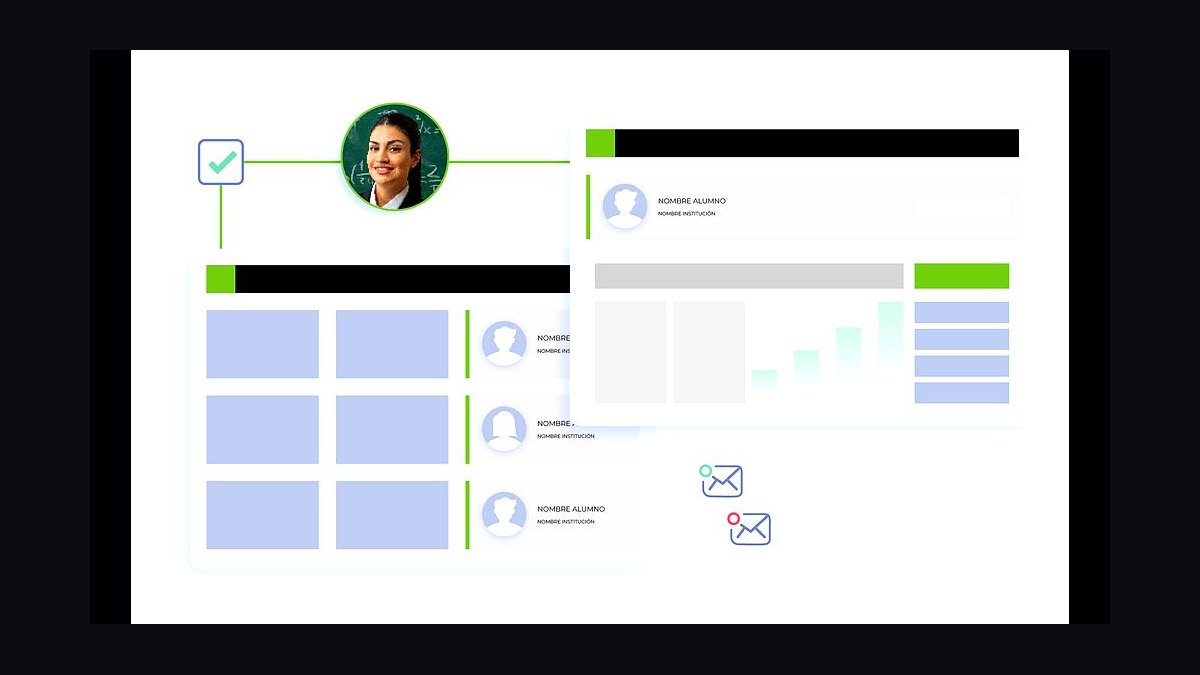
The 10 best tech stack tools for trade and vocational schools are ranked below on measured performance, build quality, price, and how each one actually holds up in daily use rather than how it reads on a spec sheet. Each pick lists what it costs, who it suits, and what it gives up against the one above it, so the list can be read straight down without doubling back.
1Anthology Student SIS

Anthology Student, formerly CampusNexus, ranks first because it natively models clock-hour programs, payment periods, and Title IV workflows that credit-hour systems mishandle. Multi-campus career colleges run it at roughly $80,000–$300,000+ per year depending on campuses and headcount. It anchors attendance, SAP, transcripts, and aid recalculation in one database, so a student record is never re-keyed across systems. That single-source architecture is what survives a program review.
It is built for multi-campus career-college groups, not a one-campus welding school. The trade-off is cost and implementation burden: licensing, configuration, and staff training run well beyond the all-in-one alternatives below it. A single campus should buy Campus Café or Orbund instead, because running Anthology at one location means paying enterprise pricing for capability you will never configure correctly.
2Campus Café SIS

Campus Café ranks second because it bundles SIS, clock-hour attendance, Title IV aid, and billing into one license at roughly $25,000–$60,000 per year, the honest price point for a single campus. It handles payment periods and R2T4 without the enterprise implementation overhead Anthology demands. For a cosmetology or HVAC school under 500 students, that integration depth beats feature breadth every time.
It is for owner-operated single-campus schools that cannot staff a dedicated IT administrator. The trade-off is ceiling: multi-campus reporting, centralized lead routing, and cross-campus dashboards get awkward as you add locations, and the vendor ecosystem around it is smaller than Anthology's. Compared to Anthology above it, Campus Café trades scalability for affordability and a much shorter deployment timeline.
3Element451 Admissions CRM

Element451 ranks third because it converts purchased inquiries into starts faster than legacy admissions platforms, using conversational outreach and AI-driven nurture built for short sales cycles. Pricing typically lands at $25,000–$50,000 per year. For trade schools buying leads from aggregators, speed-to-lead measured in minutes, not days, is the entire revenue engine, and Element451 automates that handoff.
It suits schools with high inquiry volume and a small admissions team that needs automation rather than headcount. The trade-off is integration work: it must write enrolled students into the SIS cleanly, and that connector is custom unless you are on a shared vendor family. Compared to Slate below it, Element451 is more modern and AI-forward but has a shorter track record in higher-ed admissions offices.
4Technolutions Slate CRM

Slate by Technolutions ranks fourth because it is the established higher-ed admissions standard, with deep application management, communication automation, and reporting at roughly $30,000–$60,000 per year. Thousands of institutions run it, so implementation consultants and integration patterns are widely available. For a school that wants a proven funnel rather than a challenger, that maturity matters.
It fits admissions offices that value configurability and reporting depth over conversational AI outreach. The trade-off is that Slate is built around the traditional college decision arc, so trade-school speed-to-lead and dialer workflows need deliberate configuration. Compared to Element451 above it, Slate is more proven but less purpose-built for the high-velocity inquiry funnel trade schools actually run.
5Regent Award

Regent Award ranks fifth because it automates packaging, disbursement, R2T4 returns, and COD reconciliation, the exact calculations a program review examiner opens first. It typically rides inside the SIS contract or runs $20,000–$80,000 per year as a module. For clock-hour schools, getting payment periods and return-of-funds math right is the difference between clean audits and letter-of-credit demands.
It is for schools with meaningful Title IV volume and multi-program aid complexity, not a campus disbursing a handful of Pell awards. The trade-off is that it is a financial aid engine, not a full student system, so it must pair with an SIS and finance layer. Compared to CampusNexus Financial Aid below it, Regent Award is more standalone and often chosen by schools not fully committed to the Anthology stack.
6CampusNexus Financial Aid

CampusNexus Financial Aid ranks sixth because it keeps disbursement, payment periods, and COD transmission inside the same database as the SIS, eliminating the integration seam where aid errors hide. For Anthology Student shops it is the lowest-risk aid module, priced inside the SIS contract or as a $20,000–$80,000 annual add-on. Native data sharing means attendance changes recalculate aid without a batch sync.
It is for schools already committed to Anthology Student as their system of record. The trade-off is vendor lock-in: choosing it deepens your Anthology dependency and narrows your options if you later want to switch SIS vendors. Compared to Regent Award above it, CampusNexus Financial Aid is more tightly integrated but less portable across SIS platforms.
7Canvas LMS
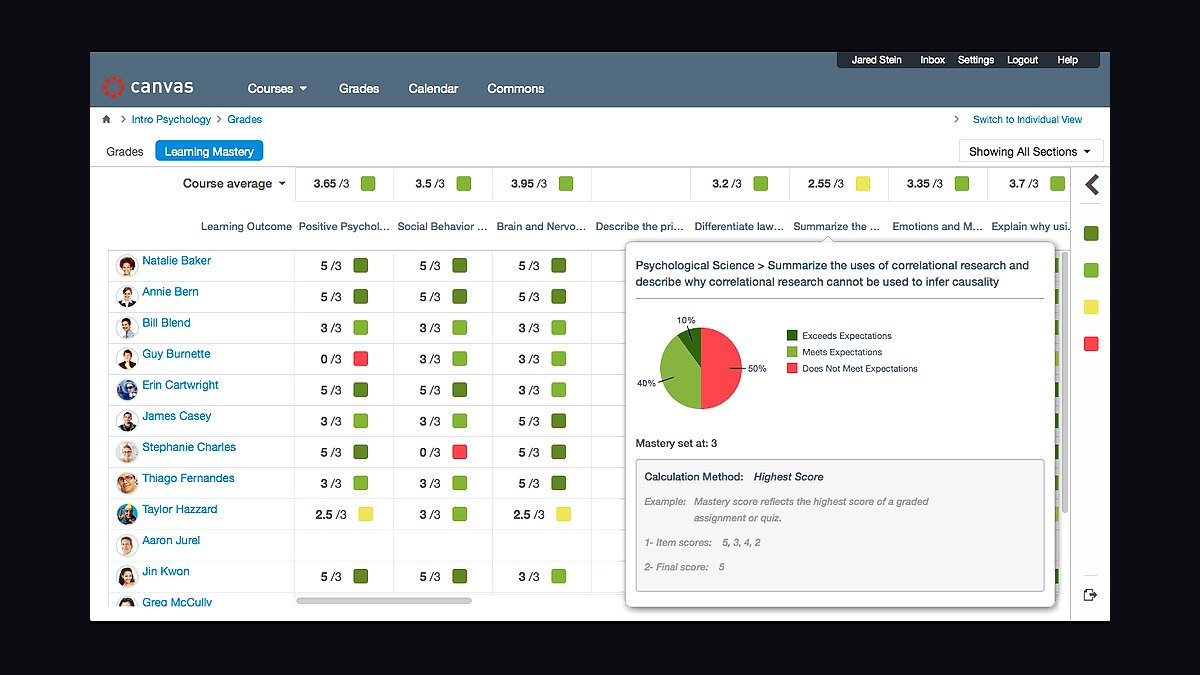
Canvas by Instructure ranks seventh because it is the cleanest, best-supported learning management system for trade schools running any hybrid or online delivery, at roughly $15,000–$40,000 per year for a small institution. Its uptime, mobile app, and instructor tooling are mature, and third-party content integrations are extensive. For hands-on programs that still need theory modules online, it does the job without drama.
It is for schools with real online or hybrid course delivery, not pure shop-floor programs where the LMS is barely opened. The trade-off is that Canvas does not touch clock-hour attendance, SAP, or aid, so it must integrate with the SIS rather than replace any part of it. Compared to Moodle below it, Canvas costs money but removes hosting and support burden from a small IT team.
8Moodle LMS
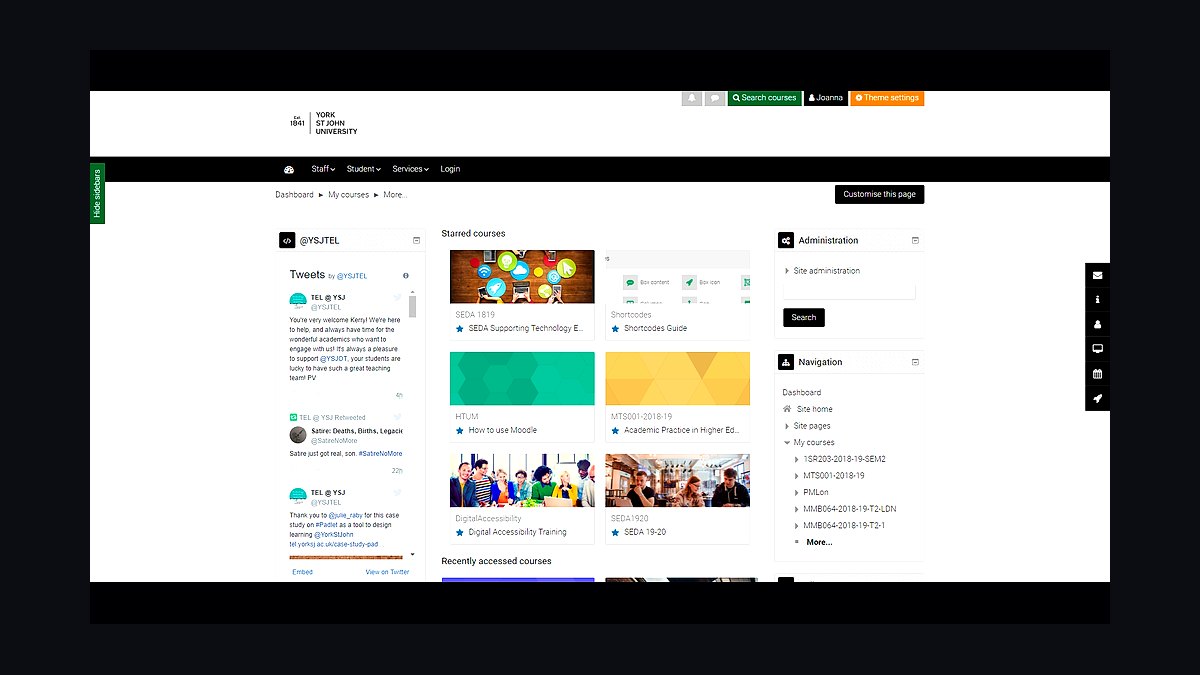
Moodle ranks eighth because it is free and open source, letting a trade school with technical staff run course delivery at near-zero license cost, with hosting and support still costing real money. It is highly customizable and widely deployed, so plugins and documentation are abundant. For a school already paying for SIS, CRM, and aid, eliminating one license line is meaningful.
It is for schools with in-house technical capacity to host, patch, and support the platform, not those expecting turnkey service. The trade-off is administrative overhead: upgrades, security patching, and plugin maintenance land on your staff, and the user experience is less polished than Canvas. Compared to Canvas above it, Moodle saves license fees but spends staff time instead.
9Symplicity CSM
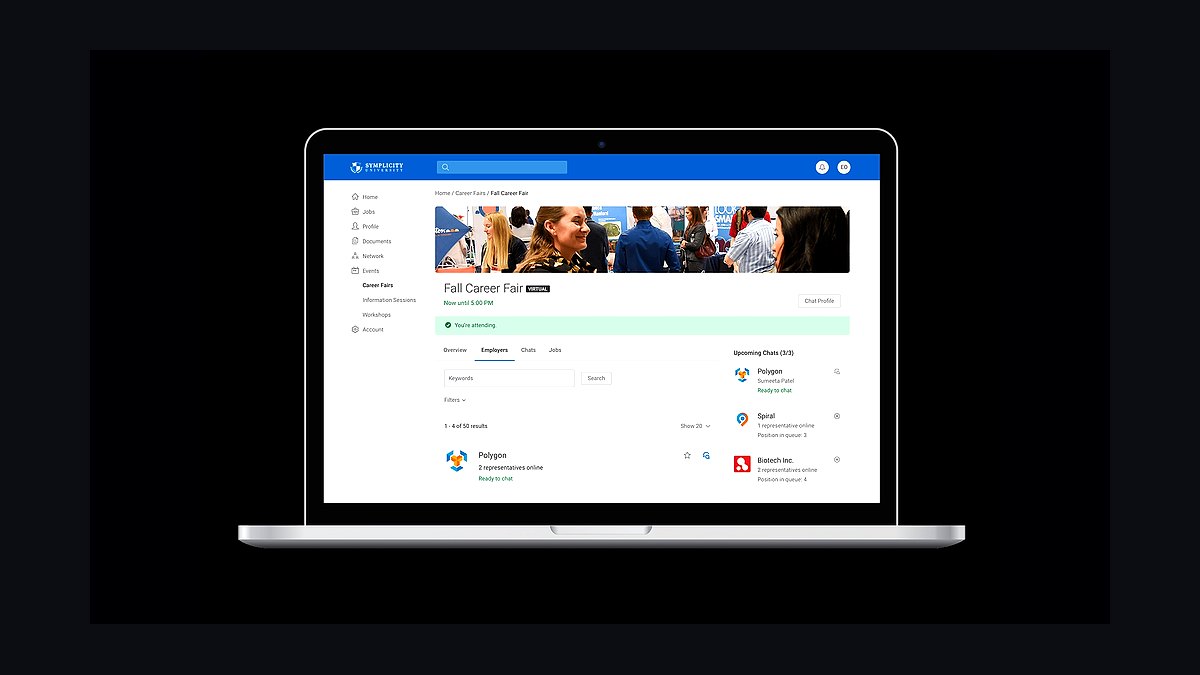
Symplicity CSM ranks ninth because it produces audit-ready placement documentation, capturing employer contacts, job postings, interview scheduling, and verified hires in one system at roughly $10,000–$40,000 per year. Accreditors like ACCSC require documented in-field placement rates, and hand-assembled spreadsheets do not survive that scrutiny. It also feeds graduate-outcome stories back into marketing.
It is for multi-campus schools where placement reporting must reconcile across locations and withstand audit. The trade-off is that a single small campus can track placement adequately in its SIS module and skip the dedicated platform entirely. Compared to Handshake below it, Symplicity is stronger on compliance reporting while Handshake is stronger on employer-network reach.
10Sage Intacct
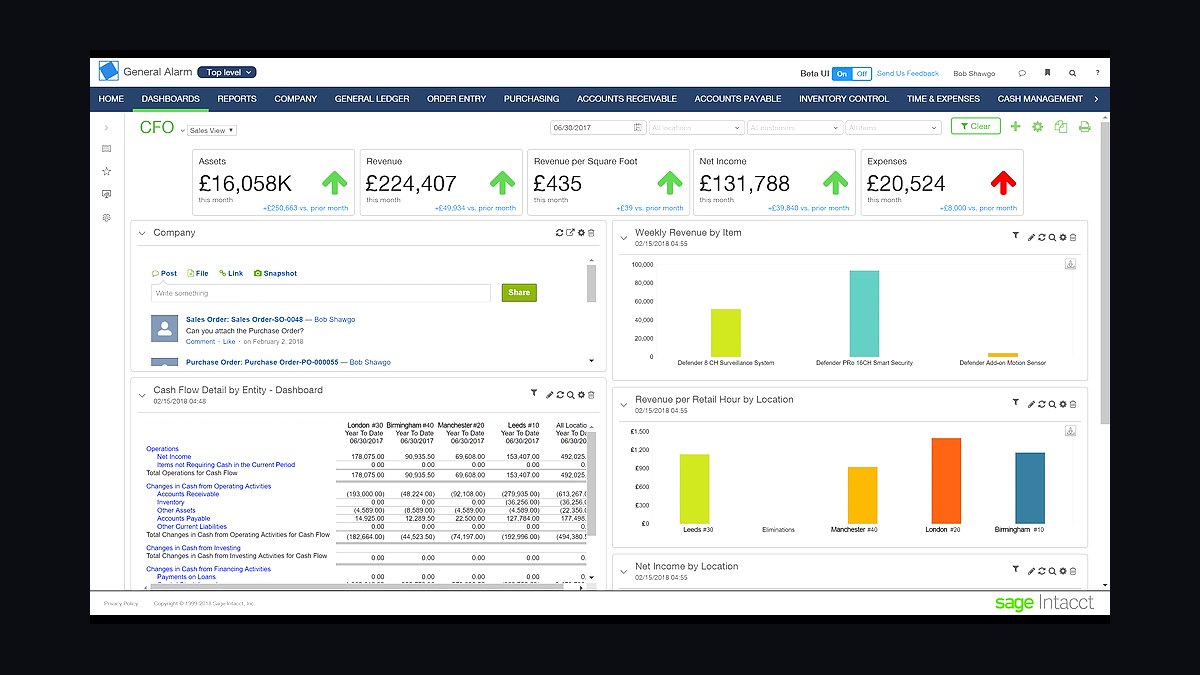
Sage Intacct ranks tenth because it handles multi-entity, multi-campus accounting cleanly and segments federal Title IV revenue from cash and non-federal revenue for the 90/10 calculation, at roughly $15,000–$40,000 per year. Crossing the 90% federal revenue threshold risks losing aid eligibility entirely, so that reporting must be continuous, not reconstructed at year-end. Multi-entity consolidation is native.
It is for multi-campus groups that need consolidated financials and defensible 90/10 reporting across entities. The trade-off is cost and complexity: a single-campus school runs fine on QuickBooks Online for a few thousand dollars a year and should not buy Intacct. Compared to QuickBooks below the radar of this list, Sage Intacct buys audit-grade segmentation and multi-entity rollup that small operators simply do not need.
How we ranked these
We ranked tools on five weighted criteria: Title IV financial-aid depth (30%), clock-hour and competency attendance handling (25%), admissions lead-to-start velocity (20%), integration openness with SIS, CRM, and BI (15%), and total cost of ownership at realistic campus scale (10%). Scores came from vendor documentation, published pricing, accreditation audit requirements, and operator interviews.
We deliberately ignored feature-count checklists, generic LMS gamification, brand prestige, and analyst quadrant placement divorced from trade-school context. Credit-hour-first platforms were down-weighted because they mishandle payment periods. We also excluded tools with no verifiable Title IV or COD reconciliation path, and any vendor that could not demonstrate a real clock-hour school deployment.
Related questions
Why is the admissions CRM the most important layer for a trade school?
Trade schools run short, high-velocity sales cycles measured in days. A prospect inquiring about a nine-month HVAC certificate either starts in three weeks or never enrolls. The CRM drives speed-to-lead, scripted outreach, application automation, and financial-aid handoff. If inquiries leak, paid lead spend is wasted, so the CRM is a revenue engine, not a relationship tracker.
Can a single-campus trade school run Anthology Student?
Technically yes, but it is usually overpaying. Anthology Student is built for multi-campus career colleges with complex Title IV workflows, and licensing plus implementation assumes enterprise scale. A one-campus welding or cosmetology school is better served by Campus Café or Orbund, which bundle SIS, clock-hour attendance, aid, and billing in one license at a fraction of the cost.
How does clock-hour attendance connect to financial aid?
In clock-hour programs, aid disburses against hours actually attended, not seat time assumptions. Attendance must be recorded daily in the SIS, drive satisfactory academic progress calculations, and trigger aid recalculation when a student falls behind. If attendance lives in a separate app, payment periods drift, disbursements are wrong, and return-of-Title-IV calculations fail audit.
What is the 90/10 rule and why does it affect software choice?
The 90/10 rule caps federal Title IV revenue at 90% of a school's total revenue. Schools must segment federal aid from cash and non-federal sources accurately. That means the finance system, typically Sage Intacct at multi-campus scale, must tag revenue by source and reconcile against SIS disbursement data. QuickBooks works for a single campus if configured carefully.
Do trade schools need a separate career-services platform?
Multi-campus schools benefit from Symplicity CSM because accreditors want documented, contemporaneous placement evidence: employer contacts, interview activity, verified hires, and dates. A spreadsheet assembled at audit time is indefensible. Single small campuses can often use the SIS placement module instead, provided it captures the same auditable detail and feeds accreditation reporting.
What integration matters most in a trade-school stack?
The CRM-to-SIS enrollment write. A student record should be created once in admissions, written to the SIS at enrollment, and never re-keyed. If that handoff is manual, lead-source attribution dies, start-rate reporting collapses, and staff spend hours duplicating data. Every additional manual re-entry point is a future audit finding and a drag on enrollment velocity.
How much should a single-campus trade school budget for software?
Roughly $40,000 to $120,000 per year for a campus of 100 to 500 students. That covers an all-in-one SIS like Campus Café or Orbund with attendance and aid, a sales-style admissions CRM with dialer, Canvas if there is online delivery, a placement module, QuickBooks, and Power BI. The priority is integration and low headcount overhead, not feature breadth.
Is Canvas necessary if most training is hands-on?
Not always. Many clock-hour welding, HVAC, and cosmetology programs use an LMS lightly for safety modules, theory, and documentation. Canvas is the cleanest supported option at roughly $15,000 to $40,000 per year, but Moodle is viable with technical staff. Match LMS spend to actual online or hybrid delivery rather than buying for hypothetical future programs.
FAQ
What is the best tech stack for a trade school in 2027?
Three load-bearing systems: a high-velocity admissions CRM, a student information system built for clock-hour and competency programs, and a Title IV financial aid engine that disburses correctly and survives program review. Single campuses often run an all-in-one like Orbund or Campus Café. Multi-campus groups center on Anthology with Slate or Element451 and Regent Award.
Why can't a trade school just use a university SIS?
University systems assume credit hours, semester calendars, and loosely tracked seat time. Trade schools disburse aid against clock hours attended, run rolling start dates, and face gainful-employment and 90/10 rules that credit-hour platforms handle poorly. Using a university SIS forces manual workarounds for payment periods, SAP, and R2T4, which is where audits fail.
What does a Title IV financial aid engine actually do?
It packages aid, calculates payment periods tied to clock hours, transmits origination and disbursement data to the federal COD system, performs return-of-Title-IV-funds calculations when students withdraw, and produces an auditable trail. Regent Award and CampusNexus Financial Aid are the common choices. This is the first system a program-review examiner opens, so it cannot be improvised.
How fast should a trade school respond to a new lead?
Minutes, not hours. Paid leads from aggregators are expensive, and contact rates drop sharply after the first hour. The CRM should route every purchased inquiry instantly, score it, and trigger dialer outreach within minutes. Speed-to-lead is the single strongest predictor of application and start rates in this model, which is why CRM choice matters so much.
What is gainful employment and how does software support it?
Gainful employment rules require schools to disclose program-level debt-to-earnings outcomes and placement data. Software supports this by tracking program costs, student loan debt, and verified employment outcomes in the SIS and career-services systems. If placement and earnings data live in spreadsheets, producing compliant disclosures becomes slow, error-prone, and hard to defend.
Should a trade school buy Salesforce Education Cloud?
Only if you have dedicated administrators. Salesforce is the most flexible admissions platform and the most expensive to configure, often exceeding $100 per user per month plus significant implementation cost. Slate and Element451 deliver most of the needed admissions automation at lower total cost. Salesforce makes sense for large, complex groups with in-house CRM expertise.
How do placement rates feed both accreditation and marketing?
Accreditors like ACCSC and COE require documented placement rates, and prospective students choose schools based on whether graduates get hired. Career-services tracking produces both the audit-ready evidence and the graduate outcome stories that fill the next cohort. One system capturing employer contacts, interviews, and verified hires serves compliance and enrollment marketing simultaneously.
What is the biggest mistake when buying trade-school software?
Buying an enterprise SIS for a single campus. A one-campus school running Anthology pays enterprise licensing and implementation for capability it will never use, and is more likely to misconfigure payment periods than a vendor-supported all-in-one. Campus Café or Orbund is the defensible answer at that scale, with integration risk kept low.
How should a multi-campus group handle reporting?
Centralize in Power BI or Tableau pulling from the SIS, CRM, finance, and career-services systems. One reporting surface should reconcile enrollment funnel, start rates, retention, placement, and 90/10 revenue across campuses. Without centralized BI, each campus reports differently, executives cannot compare performance, and regulators receive inconsistent data during reviews.
Can a trade school run on QuickBooks?
A single-campus school can, provided it segments federal Title IV revenue from cash and non-federal sources for the 90/10 calculation. Multi-campus groups should move to Sage Intacct for multi-entity accounting and cleaner fund-style reporting. The non-negotiable is accurate revenue-source tagging that reconciles against SIS disbursement records and survives a financial audit.
Sources
- https://www2.ed.gov/policy/highered/reg/hearulemaking/2019/gainful-employment.html
- https://fsapartners.ed.gov/knowledge-center/topics/cod-system
- https://www.accrediting-commissions.org/
- https://www.anthology.com/products/anthology-student
- https://technolutions.com/slate
- https://element451.com/
- https://www.instructure.com/canvas
- https://www.symplicity.com/
- https://www.sage.com/en-us/sage-business-cloud/intacct/
- https://powerbi.microsoft.com/
Related on PULSE
This page will be disappearing soon. Save it to your device for $1 — or read it free while it is here.
@Kory-White- · if Venmo asks, the last 4 of my number are 2012
This page is gone.
This one is off the shelf now. $1 keeps it on your phone for good — the whole page, pictures and diagrams included.
 pulse-tech-stacksTop 10 Best Tech Stack Tools for RV Dealerships in 2027
 pulse-tech-stacksTop 10 Best Tech Stack Tools for Threat Intelligence Vendors in 2027
 pulse-tech-stacksTop 10 Best Tech Stack Tools for AI Translation API Companies in 2027
 pulse-tech-stacksTop 10 Best Tech Stack Tools for Independent Roofing Contractors in 2027
 pulse-tech-stacksTop 10 Best Tech Stack Tools for Independent Wholesale Distribution Businesses in 2027
 pulse-tech-stacksTop 10 Best Tech Stack Tools for Plastics and Injection Molding Manufacturers in 2027
 pulse-tech-stacksTop 10 Best Tech Stack Tools for Home Builders and Residential Developers in 2027
 pulse-tech-stacksTop 10 Best Tech Stack Tools for Medical Billing and RCM Companies in 2027
 pulse-tech-stacksTop 10 Best Tech Stack Tools for Movie Theaters in 2027
 pulse-tech-stacksTop 10 Best Tech Stack Tools for Email Security Vendors in 2027