


Top 10 Best Tech Stack Tools for Apparel and Fashion Brands in 2027
Quality
Certified
The 10 best tech stack tools for apparel and fashion brands are ranked below on measured performance, build quality, price, and how each one actually holds up in daily use rather than how it reads on a spec sheet. Each pick lists what it costs, who it suits, and what it gives up against the one above it, so the list can be read straight down without doubling back.
1Cin7 Core OMS

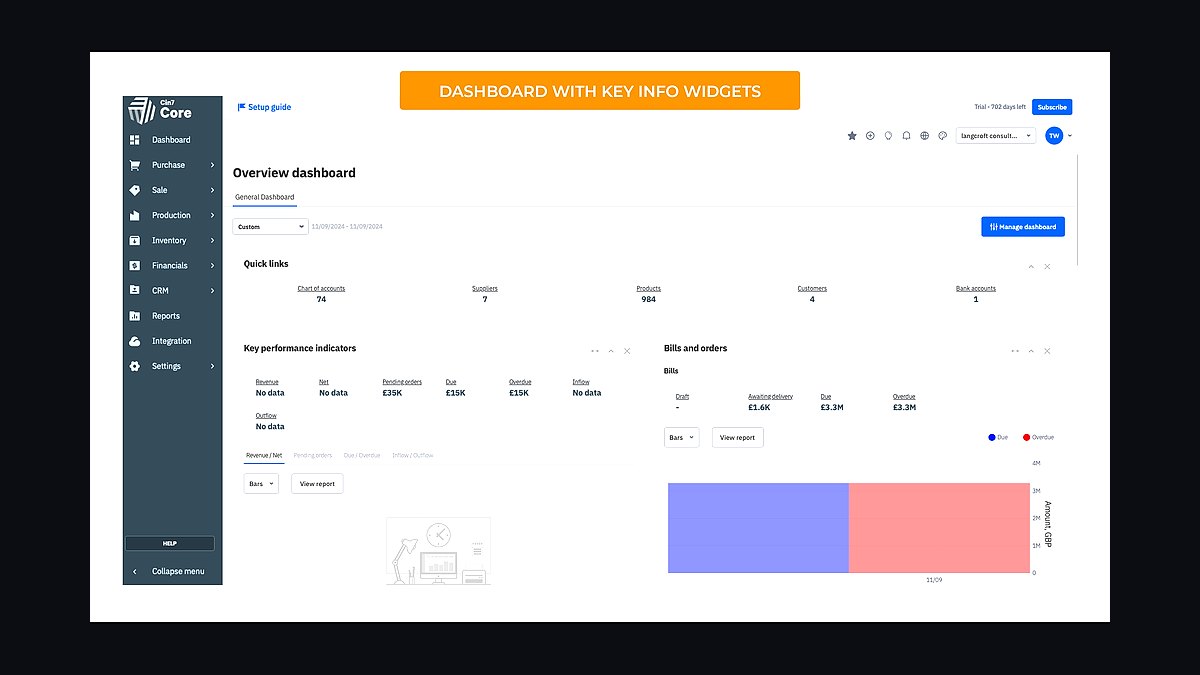
Cin7 Core ranks first because it is the inventory and order management ledger every apparel channel must decrement, and it starts around $349/mo. It syncs Shopify, wholesale, and marketplace stock against one pool, handles purchase orders, landed cost, and the style/color/size matrix. Brands that skip this layer oversell hero SKUs and reconcile spreadsheets for months.
It suits scaling DTC brands doing roughly $1M-$15M that sell direct plus wholesale and need truthful stock before adding channels. It trades away deep multi-entity accounting and native PLM, so finance stays in QuickBooks and product development stays elsewhere. Compared with NetSuite at rank two, Cin7 is cheaper and faster to deploy but caps out once multi-currency complexity arrives.
2Oracle NetSuite ERP
NetSuite ranks second because it consolidates ERP, order management, and inventory accounting for established multichannel apparel companies, typically $30K-$100K+ per year all-in. It handles multi-entity, multi-currency, and real inventory accounting that standalone OMS tools cannot, and it becomes the single ledger once wholesale, retail, and marketplaces all pull from one pool. Implementation is the real cost.
It is built for brands past roughly $15M revenue with staff to configure it, not pre-revenue labels. It trades away speed and simplicity, and a half-finished implementation burns cash while channels still oversell. Compared with Cin7 Core at rank one, NetSuite absorbs the OMS function rather than integrating with it, which is why it sits below the faster, cheaper pick for most scaling brands.
3Shopify Plus

Shopify Plus ranks third because it is the dominant DTC apparel storefront, with Shopify Advanced around $399/mo and Plus starting near $2,300/mo. Its variant model fits clothing, the app ecosystem is deep, and Plus adds checkout customization, B2B wholesale channels, and scripting. Most brands run standard Shopify until DTC revenue clears roughly $1M.
It suits DTC-first apparel brands that want fast launches and a mature integration ecosystem. It trades away inventory allocation logic, so it cannot be the source of truth once wholesale and marketplaces join. Compared with Cin7 Core at rank one, Shopify Plus sells but does not reconcile stock, which is why the OMS layer must sit beneath it.
4Klaviyo

Klaviyo ranks fourth because apparel retention lives in email and SMS flows, and it scales from free to commonly $500-$3K/mo with list size. It powers abandoned cart, post-purchase, win-back, and behavior segmentation, which directly lift repeat purchase rates that McKinsey ties to unified inventory and CRM stacks. For a category with 20-40% online returns, repeat buyers carry the margin.
It suits DTC and wholesale brands with an existing customer file and someone to build flows. It trades away paid acquisition and attribution, so Meta, TikTok, and Triple Whale sit alongside it. Compared with Shopify Plus at rank three, Klaviyo does not sell or fulfill, but it is the cheapest lever on repeat revenue in the stack.
5NuORDER
NuORDER ranks fifth because fashion wholesale runs on digital line sheets and pre-season order portals, typically $5K-$25K per year. Buyers browse collections, check availability, and place at-once reorders, with orders writing into the OMS so wholesale and DTC decrement one inventory pool. It is strongest with contemporary brands, while JOOR leans toward department stores.
It suits brands with many wholesale doors placing seasonal and reorder volume, not labels testing wholesale for the first time. It trades away cost efficiency at low volume, where Shopify B2B included with Plus covers basic wholesale. Compared with Klaviyo at rank four, NuORDER is a channel rather than a retention engine, and it only earns its fee once real buyers are ordering.
6Loop Returns

Loop Returns ranks sixth because fashion returns run 20-40% online and every cash refund erodes gross margin, with pricing from around $300/mo plus per-return fees. It converts refunds into exchanges and store credit, sets return policies by SKU, and keeps revenue inside the brand instead of sending it back out. That swing is worth several points of margin.
It suits brands already processing meaningful return volume, where exchange-first defaults pay for the subscription quickly. It trades away broader post-purchase tracking, which Narvar handles better for brands that need delivery updates across carriers. Compared with NuORDER at rank five, Loop Returns defends margin on existing orders rather than opening a new sales channel.
7Backbone PLM
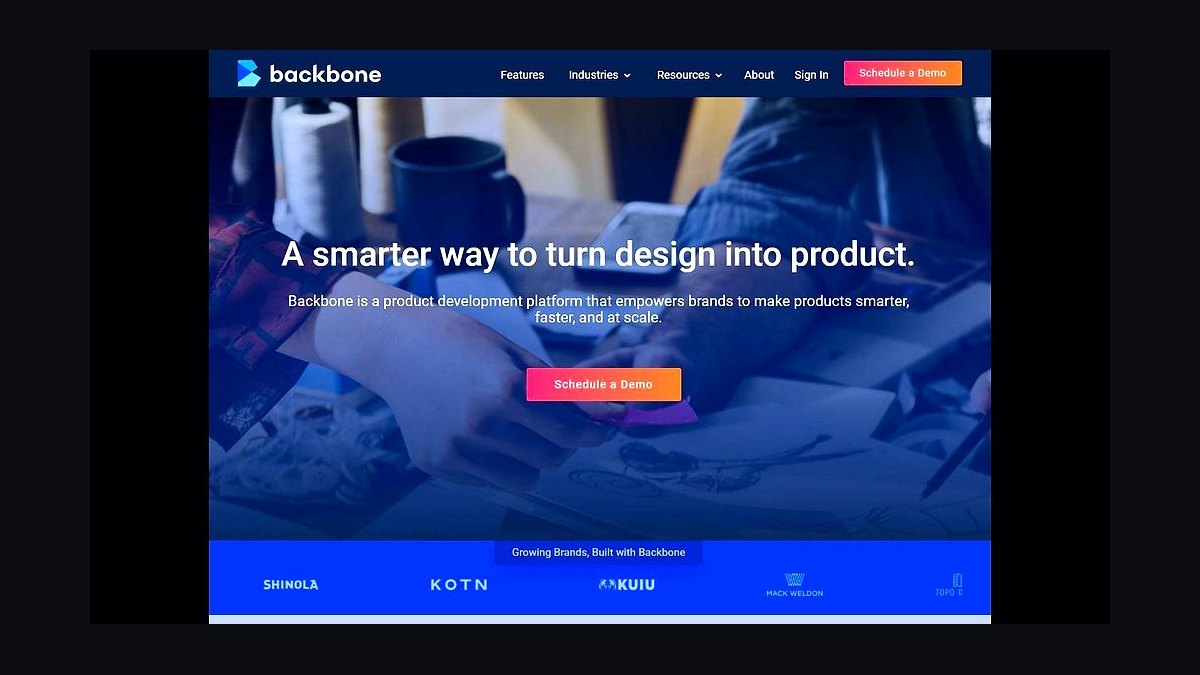
Backbone PLM ranks seventh because apparel is made, not just bought, and tech packs, sampling, and production tracking need a home, starting around $10K per year. It holds bills of materials, costing, and approvals so versioning errors never send wrong specs to a factory on a six-figure production run. It is the favorite of fast-moving DTC and contemporary brands.
It suits brands running two or more concurrent collections, where spreadsheets named final_v7_REAL.xlsx start causing real production mistakes. It trades away enterprise assortment depth, which Centric PLM handles for large multichannel companies at six figures. Compared with Loop Returns at rank six, Backbone prevents upstream errors rather than recovering margin after orders ship.
8ShipBob
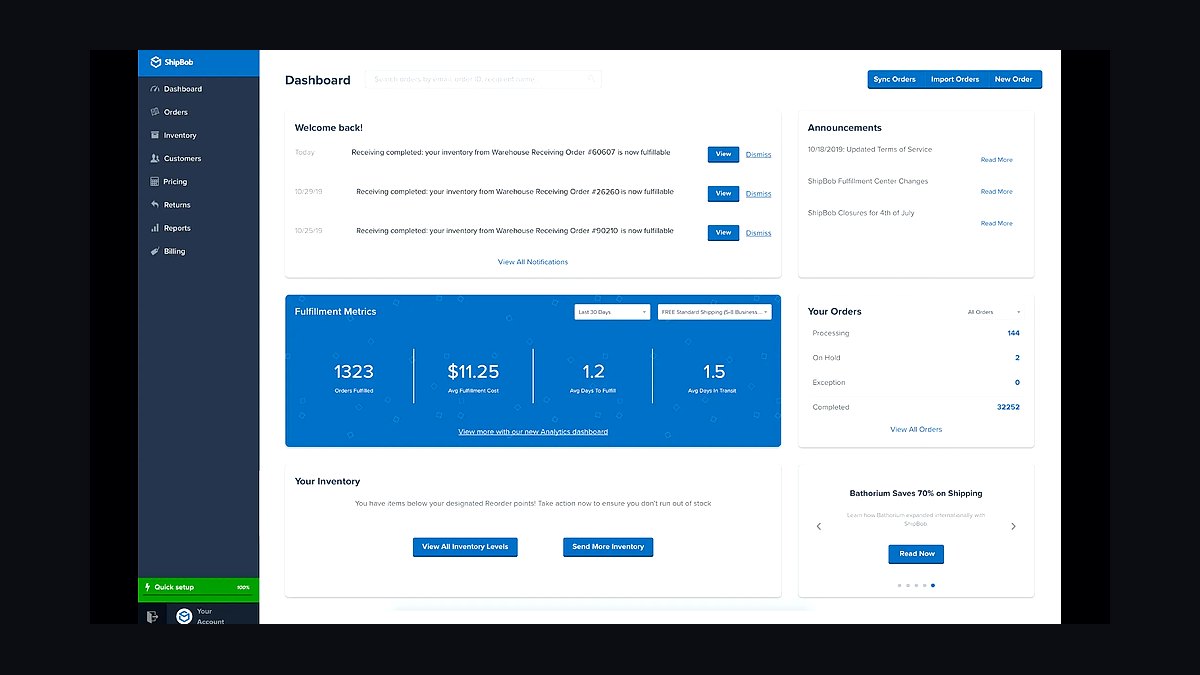
ShipBob ranks eighth because most apparel brands outsource fulfillment, and it offers distributed warehouses, Shopify integration, and returns handling on usage-based storage plus pick, pack, and shipping pricing. Distributed nodes cut transit time for DTC orders, and the integration means the OMS hands off fulfillment without manual intervention. It scales without a brand leasing warehouse space.
It suits DTC apparel brands shipping enough volume to justify outsourcing rather than packing in-house. It trades away control over packing experience and adds per-order cost that in-house fulfillment avoids at low volume. Compared with Backbone PLM at rank seven, ShipBob handles physical movement downstream, while Backbone governs product development upstream.
9Triple Whale
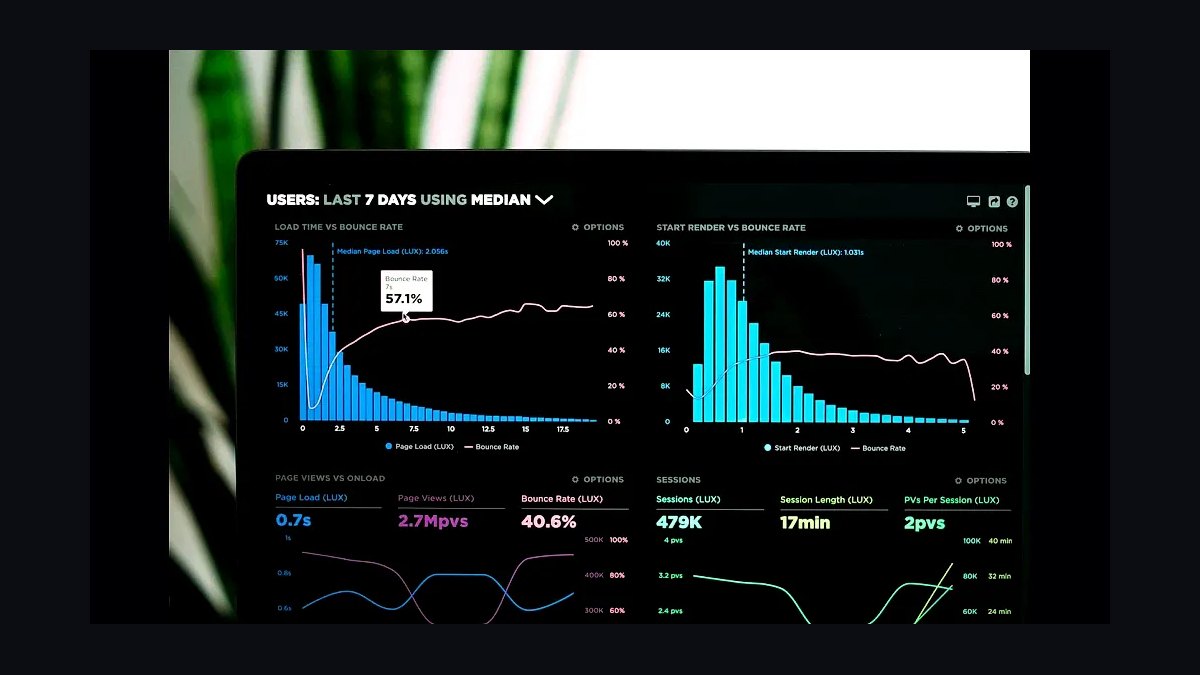
Triple Whale ranks ninth because DTC apparel acquisition depends on blended attribution and cohort LTV across Meta, TikTok, and Google, starting around $129/mo and scaling with ad spend. It shows blended ROAS and cohort retention so brands can judge whether paid social is actually profitable rather than trusting platform-reported numbers. That clarity matters when CAC climbs.
It suits DTC brands spending meaningfully on paid acquisition and needing one dashboard instead of three ad managers. It trades away operational and financial reporting, which Power BI covers by pulling from the OMS and ERP. Compared with ShipBob at rank eight, Triple Whale measures the demand side rather than moving the physical product.
10Shopify POS
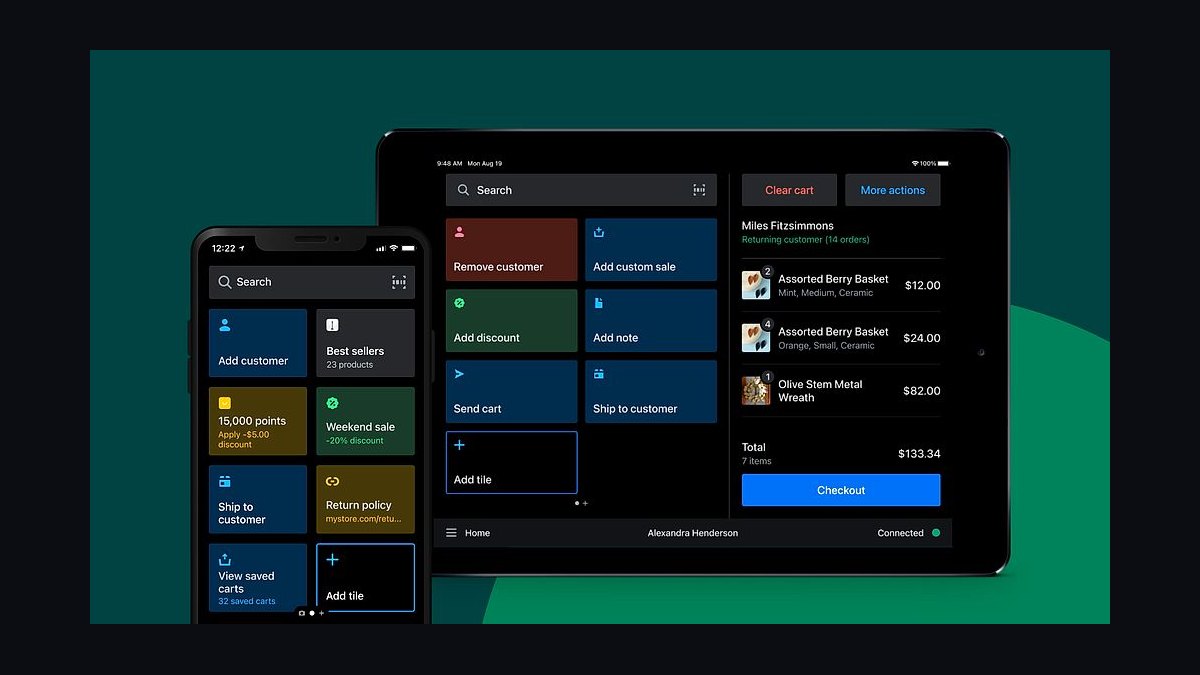
Shopify POS ranks tenth because retail stores and pop-ups must decrement the same inventory ledger as DTC, at $89/mo per location on Pro. It keeps physical and online stock on one source of truth, so a flagship sale and a web order cannot both claim the same unit. For brands testing retail, that consistency matters more than register features.
It suits brands with a flagship, stockists, or pop-up shops already running Shopify for DTC. It trades away deep in-store operations, where Lightspeed Retail fits brands with heavier retail volume. Compared with Triple Whale at rank nine, Shopify POS extends the selling surface rather than measuring it, and it only earns its place once physical locations exist.
How we ranked these
We ranked each tool on five weighted criteria: inventory and order-management depth for size/color SKU matrices (30%), multichannel sync across DTC, wholesale, retail, and marketplaces (25%), product-development and PLM fit for seasonal collections (15%), returns and post-purchase margin protection (15%), and integration ecosystem plus total cost at each revenue stage (15%). Scores came from vendor documentation, analyst coverage, and operator-reported implementations.
We deliberately ignored brand recognition, marketing spend, and feature-count checklists. A tool that demos well but cannot hold one inventory ledger across channels was penalized regardless of popularity. We also excluded pricing promotions and startup discounts, since those distort long-term cost comparisons. Enterprise features irrelevant below $15M revenue were not credited, because over-buying tooling is itself a failure mode.
What to look for
What matters most is whether the order-management layer can serve as the single inventory ledger before you add a second channel. Buy the OMS first, then the wholesale portal, then returns, then PLM. Match each tier to actual revenue and staffing, because implementation and integration cost more than the subscription in almost every case.
The mistake most buyers make is buying wholesale or ERP tooling before volume justifies it, or letting Shopify remain the inventory source of truth after adding channels. Both cause oversells, manual reconciliation, and angry buyers. A close second mistake is treating returns as pure cost instead of a margin lever that exchanges and store credit can protect.
Related questions
Why does an apparel brand need a different tech stack than a generic retailer?
Apparel multiplies every style by size and color, so one dress becomes 40 SKUs and a 30-piece collection becomes 1,200. Add seasonal retirement, long factory lead times, minimum order quantities, and 20-40% online return rates, and generic retail tools break. The stack must model variants, collections, and reverse logistics natively.
What does an order management system actually do for a fashion brand?
The OMS is the single ledger every selling channel decrements. It allocates scarce units between DTC, wholesale, retail, and marketplaces, sends purchase orders, tracks landed cost, and hands fulfillment to the 3PL. Without it, each channel guesses at stock and oversells hero SKUs, which triggers refunds and damaged wholesale relationships.
When should a brand move from Shopify to Shopify Plus?
Most brands run standard Shopify until DTC revenue clears roughly $1M, then upgrade to Plus for checkout customization, native B2B wholesale, and scripting. Plus starts around $2,300 per month versus roughly $399 for Advanced. Move when wholesale, international, or checkout complexity genuinely blocks growth, not before.
Do I need both a wholesale platform and Faire?
They solve different problems. NuORDER or JOOR is your own portal where existing buyers place pre-season and at-once orders against your line sheet. Faire is a marketplace that introduces your brand to independent boutiques you have not met. Many brands run both, using Faire for discovery and their portal for reorders.
How does PLM fit alongside the e-commerce stack?
PLM owns product development before anything is sellable: tech packs, bills of materials, costing, sample rounds, and factory approvals. Approved products then flow downstream into the OMS and storefront. Skipping PLM means production specs live in email and spreadsheets, and a wrong version reaches the factory on a six-figure run.
What is the realistic software budget at each stage?
An emerging brand spends roughly $300-$900 monthly plus marketplace commissions. A scaling DTC plus wholesale brand spends about $6K-$15K monthly before fulfillment and ads. An established multichannel company commonly exceeds $250K yearly in software and services, with implementation often costing more than the licenses themselves.
How do returns platforms protect apparel margin?
Loop Returns and similar tools default customers into exchanges and store credit instead of cash refunds, keeping revenue inside the brand. They also set return policies by SKU and feed data back into sizing guidance. On fashion return rates of 20-40%, swinging even a few points of refund rate changes gross margin materially.
Can one person run this stack, or do I need a team?
Under roughly $5M revenue, one operations generalist can run Shopify, Klaviyo, a light OMS, and QuickBooks with fractional help. Above that, integration maintenance, wholesale operations, and PLM administration justify dedicated roles. The stack does not manage itself, and understaffed implementations are a common cause of failure.
FAQ
What is the single most important tool in an apparel tech stack?
The order management system. Not the storefront, not the marketing platform. The OMS is the one ledger every channel decrements, and getting it right before adding channels prevents the oversell-and-reconcile spiral that consumes brands. Start there, then layer wholesale, returns, and PLM on top.
Do I need a separate wholesale platform or can Shopify handle it?
If wholesale is light, Shopify B2B, native to Shopify Plus, is enough. Once real buyers place pre-season orders, line sheets, and at-once reorders across many doors, a dedicated platform like NuORDER or JOOR earns its cost. Use Faire for boutique discovery regardless of which portal you run.
When should an apparel brand adopt PLM?
When spreadsheets start causing production errors, usually around the second or third concurrent collection. PLM holds tech packs, BOMs, costing, and approvals so the wrong spec never reaches the factory. Backbone suits scaling brands; Centric is the enterprise standard for large assortments.
How do I actually reduce returns instead of just processing them?
Attack the source and the back end together. Detailed size guides and photo reviews via Yotpo reduce fit-driven returns, while a returns platform like Loop Returns defaults to exchanges and store credit so a return keeps revenue in the brand instead of refunding cash.
Should an emerging brand buy NetSuite to be future-proof?
No. A pre-$1M brand on NetSuite pays for and staffs a system it does not need while implementation sits half-finished. Run Shopify, Klaviyo, QuickBooks, and light Cin7, then graduate to NetSuite when multi-entity, multi-currency, or inventory-accounting complexity genuinely demands it.
How do I keep inventory accurate across DTC, wholesale, and retail at once?
One physical inventory pool, one OMS that owns it, and allocation rules deciding which channel gets scarce units. Every channel writes orders into the OMS and the OMS decrements the shared pool. Never let two systems both claim to own stock, because reconciliation will consume your operations team.
Is Triple Whale necessary if I already have Google Analytics?
They answer different questions. Google Analytics reports sessions and conversions but struggles with blended attribution across Meta, TikTok, and Google after privacy changes. Triple Whale focuses on blended CAC, cohort LTV, and channel-level ROAS, which is what DTC apparel brands actually use to decide ad spend.
What breaks first when a fashion brand scales past $10M?
Usually inventory truth. The storefront was the de facto inventory master, wholesale and marketplaces got bolted on, and now nobody agrees on available units. The second break is production planning, where spreadsheet-based tech packs fail under multiple concurrent collections. Both are solved by OMS and PLM discipline.
How long does a full stack implementation realistically take?
A 30/60/90 plan works for the foundation: OMS and inventory truth in month one, wholesale and returns in month two, PLM and BI in month three. Enterprise NetSuite or Centric rollouts routinely take six to twelve months with integration partners. Underestimating implementation time is the most common planning error.
Does a small brand really need a 3PL like ShipBob?
Not always. Under a few hundred orders daily, in-house fulfillment with ShipStation can be cheaper and gives tighter quality control on packaging. ShipBob earns its cost when order volume, geography, or peak seasonality makes distributed warehouses and returns handling operationally necessary.
Sources
- https://www.shopify.com/plus
- https://www.cin7.com/
- https://www.netsuite.com/portal/products/erp.shtml
- https://www.nuorder.com/
- https://joor.com/
- https://www.loopreturns.com/
- https://www.klaviyo.com/
- https://www.shipbob.com/
- https://www.centricsoftware.com/
- https://www.gartner.com/en/documents
Related on PULSE
This page will be disappearing soon. Save it to your device for $1 — or read it free while it is here.
@Kory-White- · if Venmo asks, the last 4 of my number are 2012
This page is gone.
This one is off the shelf now. $1 keeps it on your phone for good — the whole page, pictures and diagrams included.
 pulse-tech-stacksTop 10 Best Tech Stack Tools for AI Document Intelligence Companies in 2027
 pulse-tech-stacksTop 10 Best Tech Stack Tools for Painting Contractors in 2027
 pulse-tech-stacksTop 10 Best Tech Stack Tools for Embeddings API Companies in 2027
 pulse-tech-stacksTop 10 Best Tech Stack Tools for Vulnerability Management Software Vendors in 2027
 pulse-tech-stacksTop 10 Best Tech Stack Tools for Land Surveying Firms in 2027
 pulse-tech-stacksTop 10 Best Tech Stack Tools for Pressure Washing Companies in 2027
 pulse-tech-stacksTop 10 Best Tech Stack Tools for Plastics and Injection Molding Manufacturers in 2027
 pulse-tech-stacksTop 10 Best Tech Stack Tools for B2B SaaS Companies in 2027
 pulse-tech-stacksTop 10 Best Tech Stack Tools for RV Dealerships in 2027
 pulse-tech-stacksTop 10 Best Tech Stack Tools for Home Builders and Residential Developers in 2027