


Top 10 Best Tech Stack Tools for Fencing and Deck Contractors in 2027
Quality
Certified
The 10 best tech stack tools for fencing and deck contractors are ranked below on measured performance, build quality, price, and how each one actually holds up in daily use rather than how it reads on a spec sheet. Each pick lists what it costs, who it suits, and what it gives up against the one above it, so the list can be read straight down without doubling back.
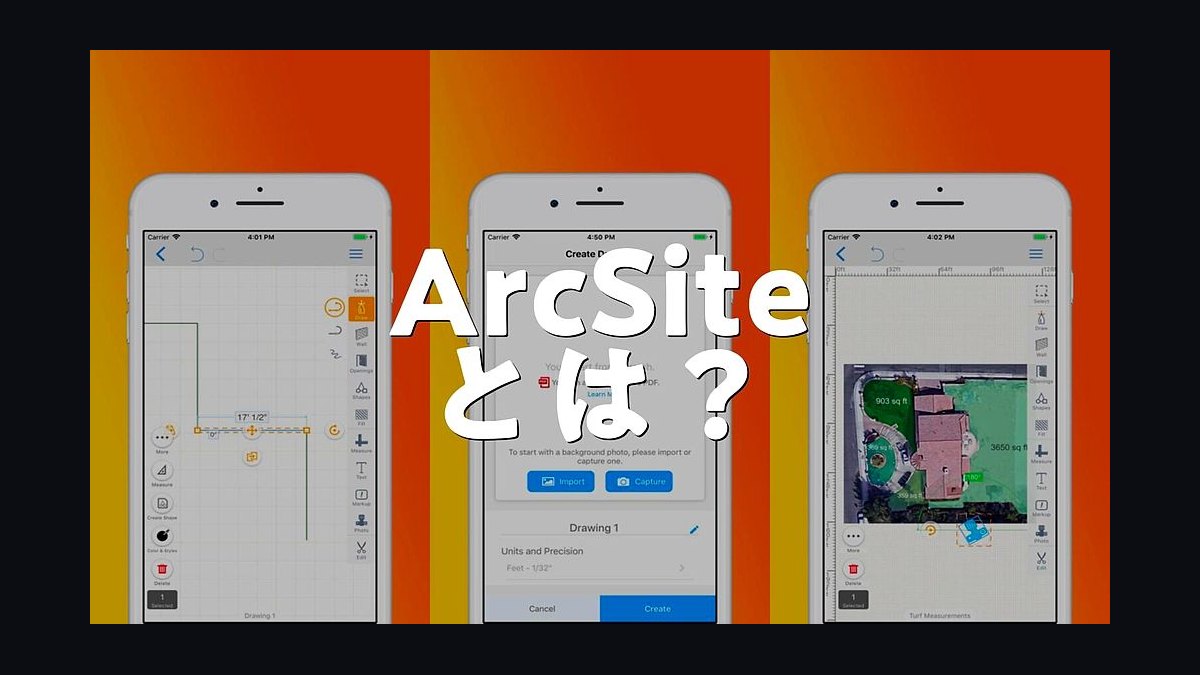
1ArcSite
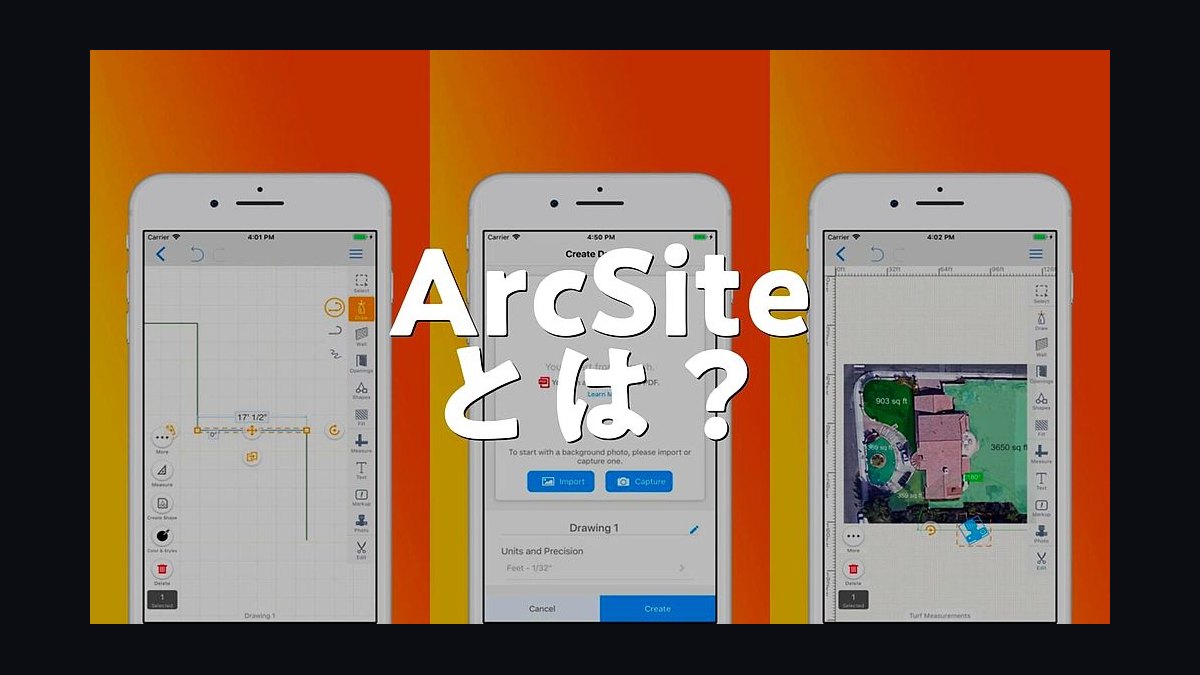
ArcSite ranks first because on-site takeoff is the single highest-leverage step in fence and deck sales, and nothing else does mobile measure-to-quote-to-drawing as cleanly. A rep draws the fence line or deck footprint on an iPad, and it auto-calculates linear feet, posts, panels, gates, and material quantities, then produces a signable drawing and priced quote in the yard. It runs about $159 per user per month.
It is built for reps who quote in front of the customer, not office estimators working from photos. The trade-off is cost: at $159 per user monthly it is the priciest line item in a lean stack, and it does not run the CRM, scheduling, or invoicing. Pair it with Jobber directly below, which handles the workflow ArcSite ignores.
2Jobber
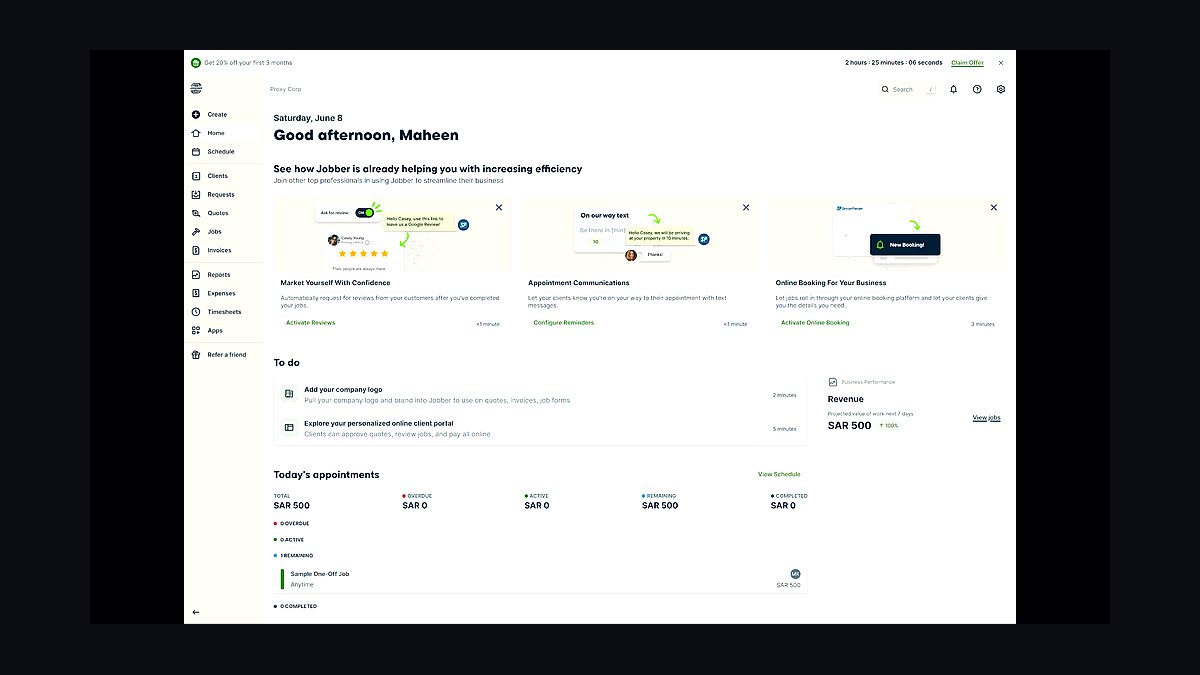
Jobber ranks second as the CRM spine that captures leads, quotes, schedules, dispatches, invoices, and stores customer history in one place. It runs about $169 per month on Connect and $349 per month on Grow for two to five users, and it is the most-used hub for small fence and deck shops because quoting and scheduling are genuinely fast. It natively integrates with ArcSite, CompanyCam, and Wisetack.
It fits owner-operators and small crews who live in the phone all day. It trades away deep construction project management: change orders, selections, and client portals are thin compared with Buildertrend. Choose Jobber over JobNimbus when sales speed matters most; choose JobNimbus when exterior-contractor estimating depth matters more.
3CompanyCam
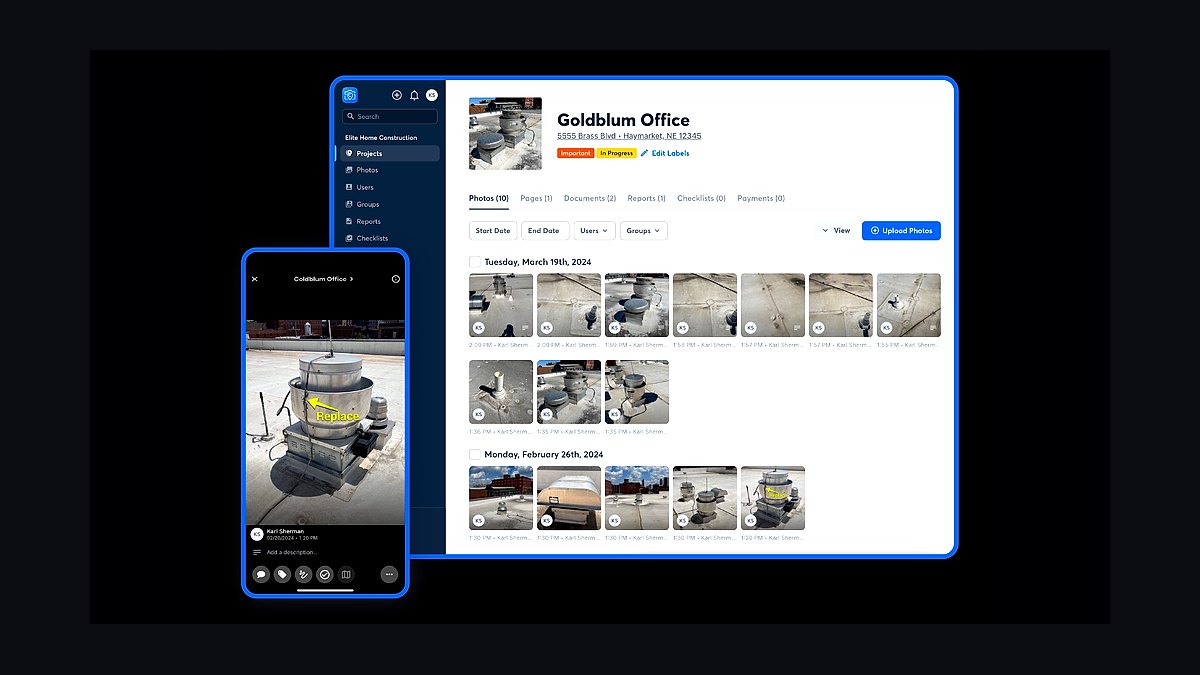
CompanyCam ranks third because time-stamped, geotagged photos protect margin on property-line disputes and pre-existing yard damage, and they feed before/after marketing. It runs about $24 to $48 per user per month and integrates with Jobber, JobNimbus, and Buildertrend. For a solo operator the CRM camera roll may suffice, but the first disputed claim pays for a year.
It is built for crews of two or more where documentation has to survive a handoff from salesperson to foreman. It trades away estimating and scheduling entirely, so it is purely a documentation layer. Compared with ArcSite above, it captures what the yard looked like before and after rather than measuring it, and the two complement each other on every job.
4Buildertrend
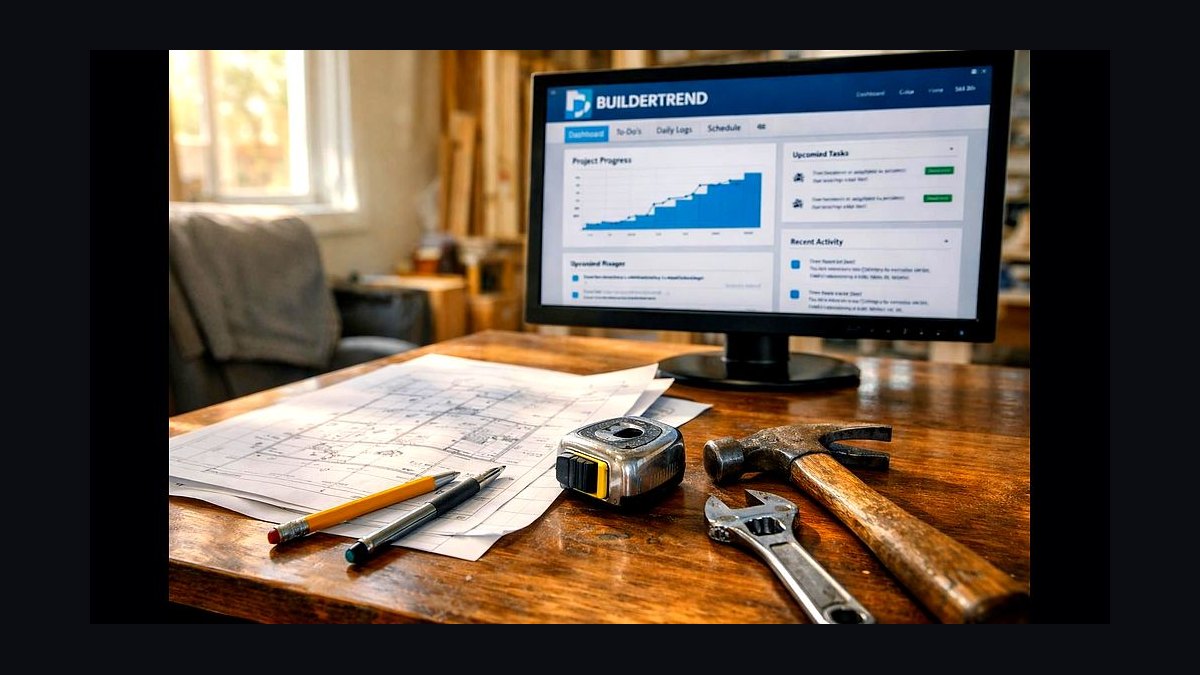
Buildertrend ranks fourth for mid-size and design-build deck companies where the job becomes construction project management: change orders, selections, subcontractor schedules, and client portals. It runs roughly $199 to $799 per month depending on tier and is the standard for design-build deck companies handling $30K-plus builds. It pairs with SketchUp and Trex Deck Designer for 3D visualization.
It is for companies running several crews or selling composite decks that cost as much as a kitchen remodel. It trades away simplicity and price: solo fence shops do not need this layer, and Jobber above covers the same scheduling for a fraction of the cost. Step up to Buildertrend only when change orders and selections genuinely eat your admin hours.
5Houzz Pro
Houzz Pro ranks fifth because fence and deck buyers research design-build work on Houzz before they ever call, and the platform combines lead generation with estimating in one tool. It runs about $99 to $399 per month. For composite deck specialists it delivers inbound homeowners already shopping high-ticket exterior projects, which is expensive pipeline to buy any other way.
It is for design-driven deck builders, not chain-link installers whose buyers come from Google. It trades away CRM depth: scheduling and dispatch are weaker than Jobber or JobNimbus, so most contractors run it alongside a hub rather than instead of one. Compared with Podium below, Houzz Pro fills the top of the funnel while Podium protects the reviews that close it.
6Podium
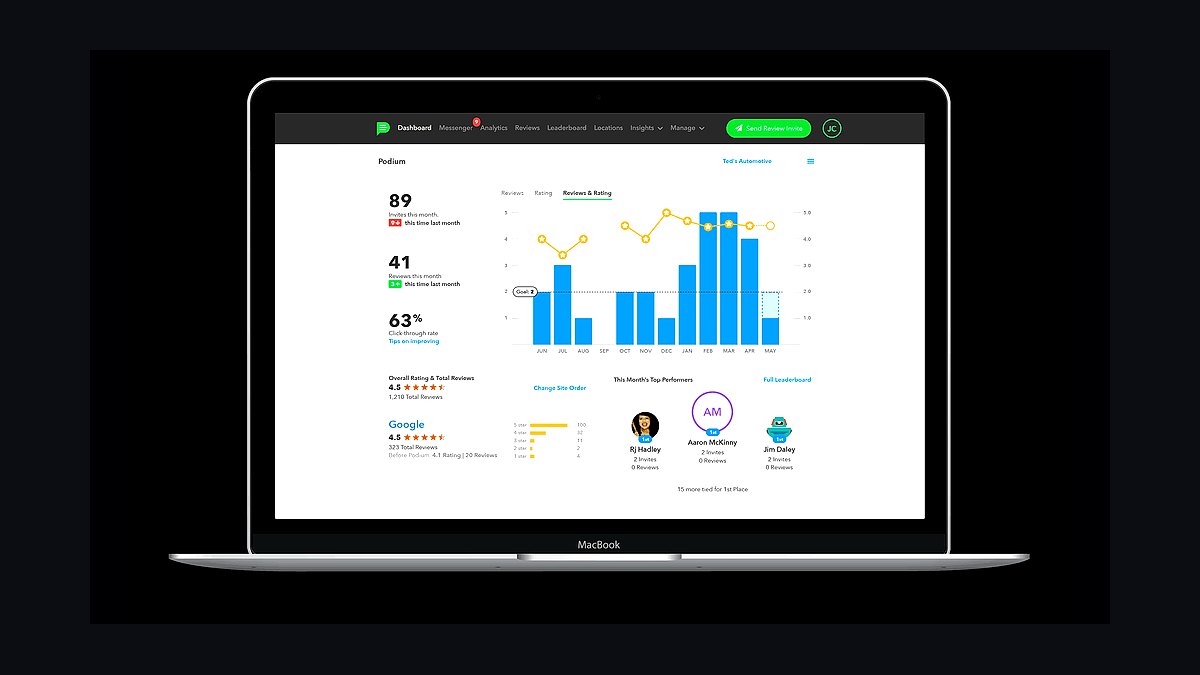
Podium ranks sixth because review volume decides who wins the next bid, and it automates review requests by text while centralizing customer messaging. It runs $399 or more per month, making it the single highest-ROI reputation add for contractors with steady job flow. A deck buyer comparing three bids picks the contractor with the strongest recent Google reviews almost every time.
It is for established shops with enough completed jobs to generate a steady review stream, not brand-new installers with nothing to request. It trades away affordability: at $399 monthly it costs more than Jobber and ArcSite combined. Compared with Houzz Pro above, Podium defends the reputation that wins repeat and referral work rather than buying new leads.
7Wisetack
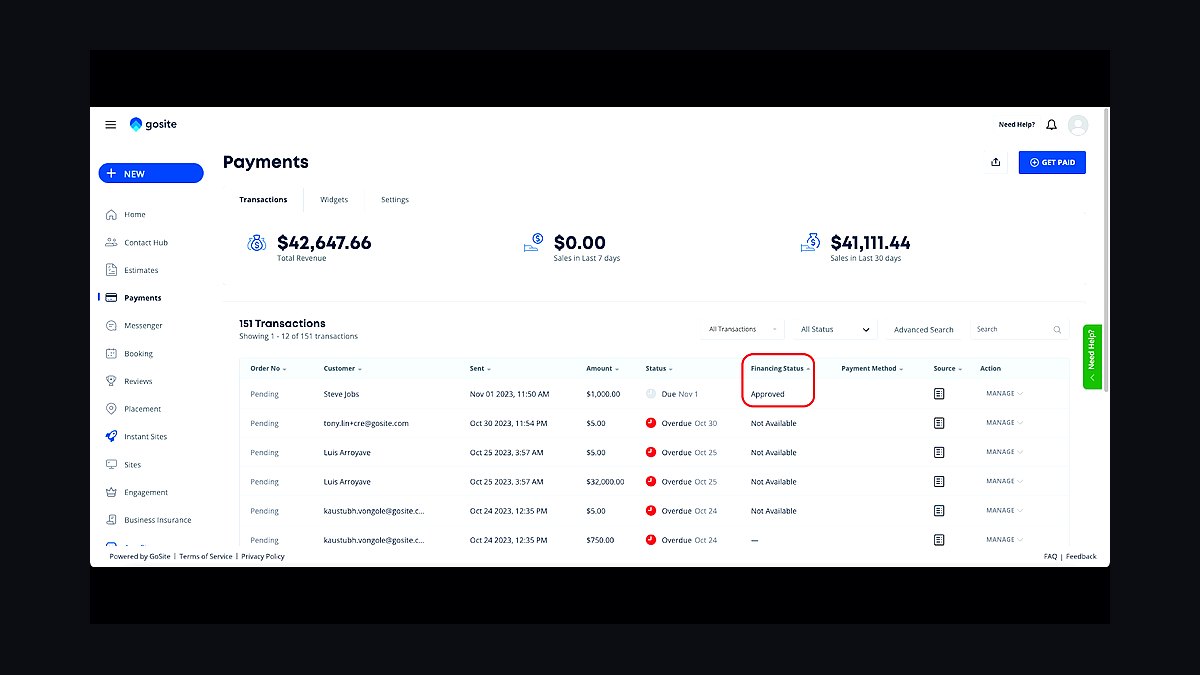
Wisetack ranks seventh because consumer financing closes deals: a $25,000 deck becomes a $399 monthly payment and the buyer says yes. It embeds point-of-sale financing into Jobber, Housecall Pro, and Buildertrend with no monthly fee, taking a merchant fee per funded loan instead. On $8K to $40K projects that structure measurably lifts close rate and average ticket.
It is for contractors selling decks and high-end fencing where the ticket is large enough that monthly payments change the decision. It trades away margin per job through the merchant fee, and it does nothing for small chain-link work where buyers pay cash. Compared with QuickBooks below, Wisetack gets the money approved at the kitchen table while QuickBooks records it afterward.
8QuickBooks Online
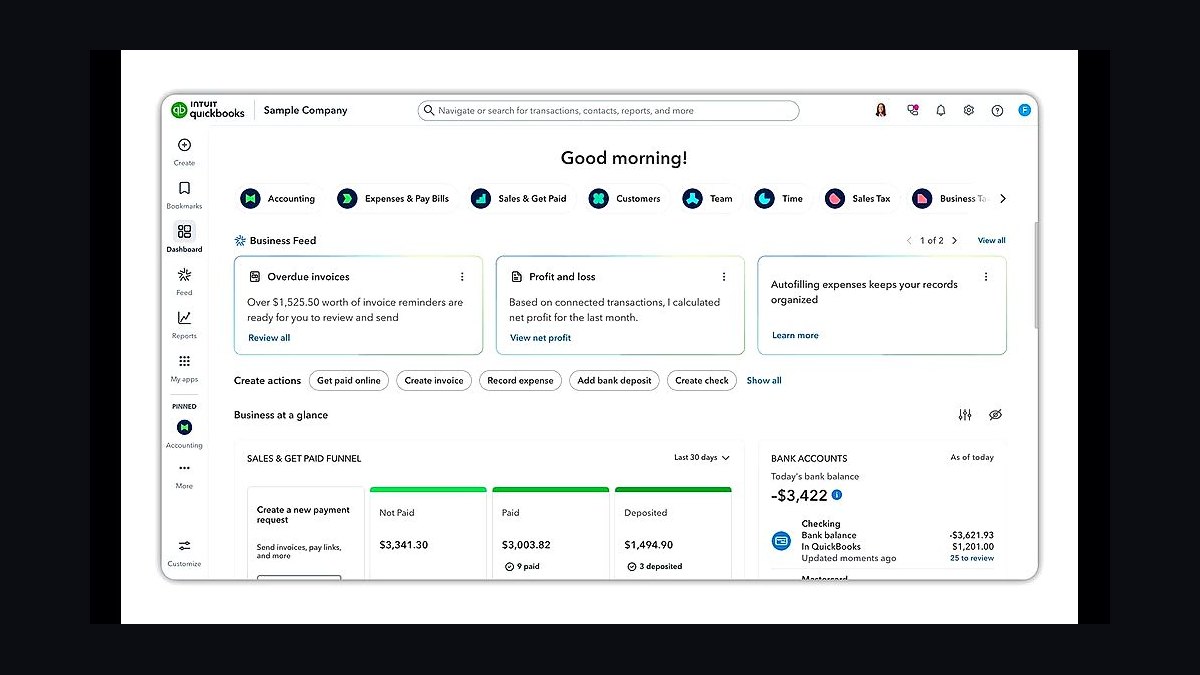
QuickBooks Online ranks eighth as the accounting layer that syncs with every CRM above for job costing, payroll, and tax. It runs about $35 to $235 per month depending on tier. Class tracking is how a combined fence-and-deck contractor learns that cedar privacy fences make money while chain-link jobs barely break even, which is the whole point of costing.
It is for every contractor past the shoebox-receipt stage, from solo operators to regional firms. It trades away multi-entity reporting: regional operations running several branches graduate to Sage Intacct at roughly $400 or more monthly. Compared with Wisetack above, QuickBooks is mandatory back-office plumbing rather than a sales-closing tool, and skipping it guarantees messy job costs.
9Knowify
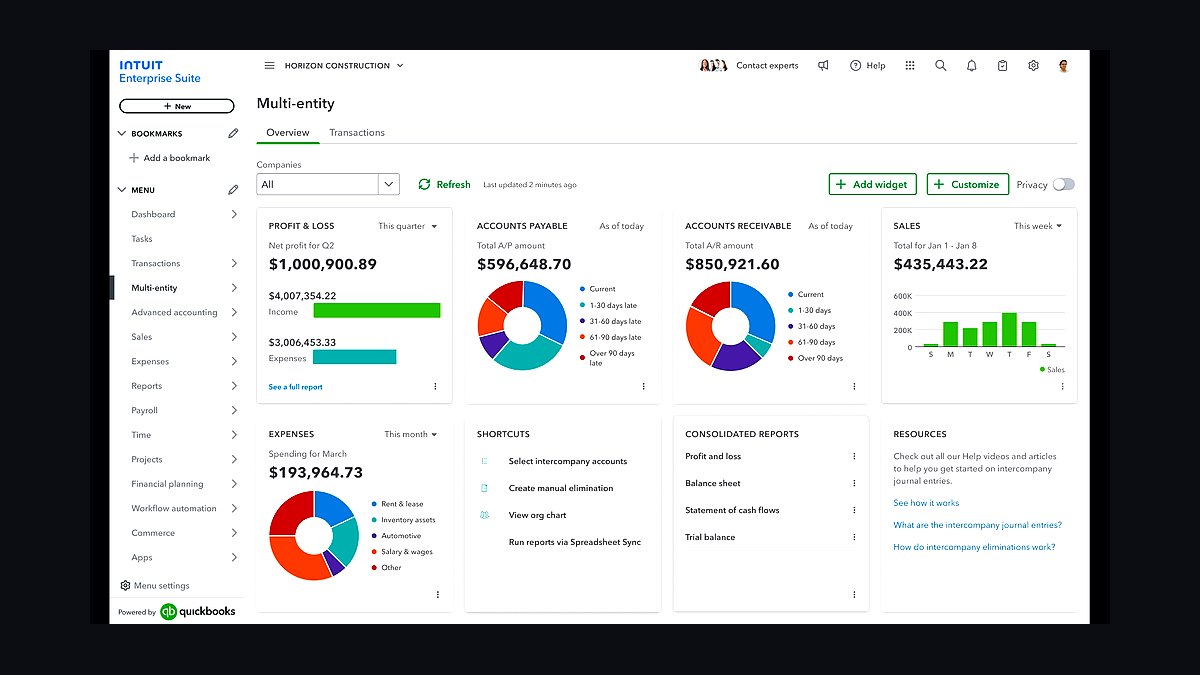
Knowify ranks ninth because commercial fence contractors bidding public and commercial work need AIA-style progress billing and job costing that residential CRMs do not provide. It runs about $186 to $311 per month. Commercial fencing quotes off architect blueprints rather than yard visits, so the estimating and billing structure looks more like a general contractor's than a residential fence shop's.
It is for commercial chain-link, security, and ornamental fencing companies, plus mid-size fence-and-deck firms that outgrew JobNimbus. It trades away residential speed: on-site quoting and consumer booking are weaker than Jobber above. Pair it with PlanSwift or STACK for plan-based takeoff, since commercial work is measured off drawings, not linear footage walked in a yard.
10Power BI
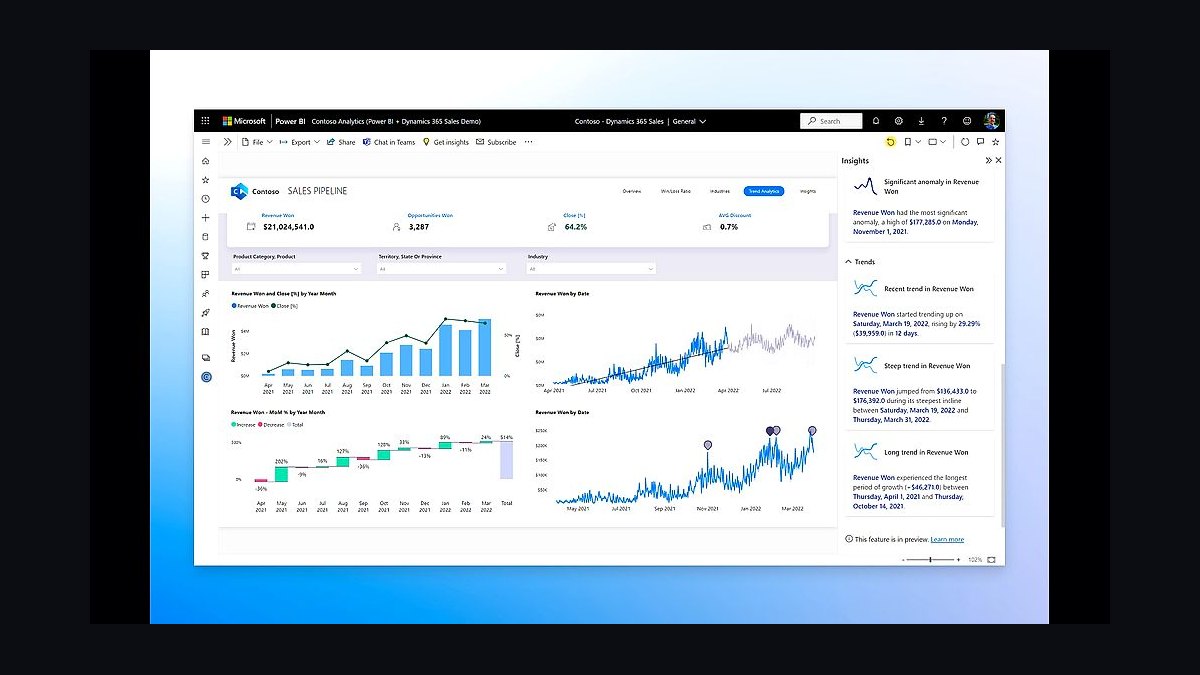
Power BI ranks tenth because a regional operator running multiple branches needs one dashboard consolidating close rate, gross margin by material type, and revenue per crew across locations. It runs about $14 per user per month, the cheapest line item in the entire stack. A single-crew shop reads the same numbers inside Jobber and should not add this layer.
It is for regional multi-crew operations and franchises with more than one P&L to compare. It trades away simplicity: someone has to build and maintain the reports, and bad source data produces confident wrong answers. Compared with QuickBooks above, Power BI analyzes the numbers QuickBooks records, and it is only worth adding once branch-level comparison actually changes decisions.
How we ranked these
We ranked tools by weighting on-site measure-to-quote speed (30%), estimating accuracy against volatile lumber and composite pricing (25%), integration depth with the CRM hub (20%), scheduling and 811/permit gating (15%), and total cost of ownership for a 1-6 crew fence or deck operation (10%). Each product was scored against real 2027 pricing tiers, native integrations, and whether it collapses the site-visit-to-signed-estimate window.
We deliberately ignored vendor marketing claims, feature-count checklists, and enterprise tools built for HVAC or recurring-service models, since fence and deck work is one-time, project-based, high-ticket sales. We also excluded generic CRMs with no takeoff capability, review-only point tools, and any platform whose pricing scales per-job rather than per-user, because those punish the exact project mix this page covers.
What to look for
What matters most is whether the tool shortens the gap between the yard visit and the signed estimate. A rep who draws the fence line or deck footprint on a tablet and hands over a priced, signable drawing before leaving closes at a materially higher rate than one promising a quote next week. Prioritize native integration with your CRM hub over feature breadth.
The mistake most buyers make is choosing the cheapest CRM and then bolting on five disconnected apps, which creates double entry and destroys job-cost data. The second mistake is quoting off stale material unit costs; lumber and composite prices swing hard, so a bid built on last quarter's numbers can erase margin by install day. Update unit costs monthly.
Related questions
Why does a fencing contractor need a different tech stack than an HVAC company?
Fence and deck work is one-time, project-based, high-ticket sales, not recurring service revenue. Each job is a custom quote against custom materials and a custom yard, so the stack must center on measure-to-quote speed and materials-heavy estimating. HVAC stacks optimize dispatch and maintenance contracts, which are the wrong primitives for a $20,000 deck build.
What does ArcSite actually do that a generic CRM cannot?
ArcSite lets a rep stand in the customer's yard, draw the fence line or deck footprint on a tablet, and auto-calculate linear feet, post counts, gate hardware, deck square footage, and joist layout. It then produces a priced, signable drawing on the spot. Generic CRMs capture the quote after the fact but cannot do the on-site takeoff that wins the job.
How should I handle the 811 utility locate in my workflow?
Make the 811 locate a required, scheduled step in your CRM between contract signing and install date, with the permit and HOA approval gated behind it. Booking a crew before the locate clears means showing up to a yard you cannot legally dig in, which wastes a truck roll and slips the schedule. Automate the reminder so no job skips it.
Is consumer financing worth adding for fence and deck projects?
Yes, because a $25,000 composite deck becomes a $399 monthly payment and the buyer says yes. Wisetack embeds point-of-sale financing into Jobber, Housecall Pro, and Buildertrend with no monthly fee, taking a merchant fee per funded loan. On high-ticket exterior projects, financing is often the difference between a signed contract and a lost bid.
When does a fence contractor outgrow Jobber and need Buildertrend or ServiceTitan?
Jobber handles solo and small crews well, but once you run multiple crews, need change orders, selections, subcontractor schedules, and client portals, you have outgrown it. Buildertrend fits design-build deck companies at roughly $199-$799 monthly. ServiceTitan or Knowify fits regional multi-crew operations and commercial fence work with AIA-style progress billing.
How do I keep estimates accurate when lumber and composite prices swing?
Keep current unit costs loaded in your estimating tool and refresh them every time a supplier sends a new price sheet. Build a small volatility cushion into lumber and composite line items. The same material list that priced the job should generate the supplier purchase order, so the quantities that won the bid are exactly what arrives on the truck.
Do I really need CompanyCam if my CRM already stores photos?
For a true solo operator, the CRM camera roll may be enough. The moment you have a second crew, dedicated photo documentation pays for itself on the first disputed property-line claim or pre-existing yard damage argument. CompanyCam's time-stamped, geotagged photos integrate with Jobber, JobNimbus, and Buildertrend, so they attach to the right job automatically.
What is the realistic all-in monthly cost for a small fence and deck shop?
A solo or small operator running Jobber, ArcSite, CompanyCam, Wisetack, and QuickBooks lands around $400-$600 monthly all-in. That stack competes with companies five times its size on quote speed for roughly the price of a single material order. Mid-size companies with three to six crews typically spend $1,300-$2,000 monthly once lead generation and reviews are added.
FAQ
What is the best tech stack for a fencing contractor in 2027?
A field-service CRM hub such as Jobber or Housecall Pro for solo and small crews, JobNimbus or Knowify for mid-size fence-and-deck companies, and ServiceTitan or Buildertrend once you run multiple crews. Layer ArcSite for on-site linear-footage and deck takeoff, CompanyCam for photo documentation, Wisetack for financing, and QuickBooks for accounting.
How much does a fence and deck contractor tech stack cost per month?
Solo operators spend roughly $400-$600 monthly on Jobber, ArcSite, CompanyCam, Wisetack, and QuickBooks. Mid-size companies with three to six crews spend $1,300-$2,000 monthly once Houzz Pro and Podium are added. Regional multi-crew or franchise operations with commercial work run $3,500-$8,000 or more monthly across CRM, takeoff, accounting, and BI layers.
Can I run a fence business with just Jobber and QuickBooks?
You can, but you will lose winnable jobs on quote speed. Jobber handles leads, scheduling, and invoicing, and QuickBooks handles the books, but neither does on-site takeoff. Without ArcSite or an equivalent, your rep leaves the yard without a signable drawing, and the buyer who gets three bids signs with whoever quoted accurately on the first visit.
What is the biggest mistake fence contractors make when buying software?
Buying the cheapest CRM and bolting on five disconnected apps. Quoting in one tool, photographing in another, and re-keying everything into QuickBooks by hand creates double entry and destroys job-cost data. Disconnected tools cost more in admin hours than they save in subscription fees, and they hide which material types actually make money.
How do I automate quote follow-up for high-ticket deck projects?
Build a post-quote sequence in your CRM that texts and emails the buyer at day one, three, and seven. A $20,000 deck buyer gets three bids and signs with whoever followed up fastest and looked most organized. If follow-up depends on a salesperson remembering to call, winnable jobs die in a notebook. Automate it so no opportunity cools.
Do I need Buildertrend if I only build decks and not full houses?
Only once decks get large or you run several crews. Buildertrend fits design-build deck companies needing change orders, selections, subcontractor schedules, and client portals, at roughly $199-$799 monthly. Solo deck builders do not need it because Jobber covers scheduling and quoting. The trigger is crew count and project complexity, not the product type.
What is the best way to document a fence install for disputes?
Use CompanyCam to capture time-stamped, geotagged photos before, during, and after every install. Document the property line, pre-existing yard damage, and post-hole locations. These photos protect you on property-line disputes and HOA complaints, and they feed before-and-after marketing. The moment you have a second crew, dedicated photo documentation pays for itself.
Should I use Houzz Pro or Podium for fence and deck lead generation?
They do different jobs. Houzz Pro drives design-build leads from homeowners researching deck and fence projects, at roughly $99-$399 monthly. Podium automates review requests by text and centralizes customer messaging at $399 or more monthly. Most mid-size companies run both, because Houzz fills the pipeline and Podium protects the reviews that win the next bid.
How long does it take to implement a full fence contractor tech stack?
Plan for ninety days. Days zero to thirty: configure the CRM hub, load ArcSite with current material unit costs, and train reps on on-site takeoff. Days thirty-one to sixty: roll out CompanyCam, wire the 811 and permit gate into scheduling, and connect QuickBooks. Days sixty-one to ninety: turn on Podium, add lead sources, and enable financing.
Is Power BI worth it for a single-crew fence company?
No. A single-crew shop reads its numbers inside Jobber or its CRM dashboard. Power BI at roughly $14 per user monthly makes sense only for regional operators running multiple branches who need to consolidate close rate, gross margin by material type, and revenue per crew across locations. Skip it until you have more than one P&L to compare.
Sources
- https://www.jobber.com/pricing
- https://www.housecallpro.com/pricing/
- https://www.jobnimbus.com/pricing/
- https://www.buildertrend.com/pricing/
- https://www.arcsite.com/pricing
- https://companycam.com/pricing
- https://www.houzz.com/pro/pricing
- https://www.podium.com/pricing/
- https://www.wisetack.com/
- https://quickbooks.intuit.com/online/pricing/
Related on PULSE
This page will be disappearing soon. Save it to your device for $1 — or read it free while it is here.
@Kory-White- · if Venmo asks, the last 4 of my number are 2012
This page is gone.
This one is off the shelf now. $1 keeps it on your phone for good — the whole page, pictures and diagrams included.
 tkTop 10 Best Tech Stack Tools for Concrete and Paving Contractors in 2027
 tkTop 10 Best Tech Stack Tools for Lawn Care and Landscaping Companies in 2027
 pulse-tech-stacksTop 10 Best Tech Stack Tools for Independent Wholesale Distribution Businesses in 2027
 pulse-tech-stacksTop 10 Best Tech Stack Tools for RV Dealerships in 2027
 pulse-tech-stacksTop 10 Best Tech Stack Tools for Bars and Pubs in 2027
 pulse-tech-stacksTop 10 Best Tech Stack Tools for Garden Centers and Nurseries in 2027
 pulse-tech-stacksTop 10 Best Tech Stack Tools for Tree Services in 2027
 pulse-tech-stacksTop 10 Best Tech Stack Tools for Plastics and Injection Molding Manufacturers in 2027
 pulse-tech-stacksTop 10 Best Tech Stack Tools for Painting Contractors in 2027
 pulse-tech-stacksTop 10 Best Tech Stack Tools for Bot Mitigation Vendors in 2027