


Top 10 Best Tech Stack Tools for Packaging and Corrugated Manufacturers in 2027
Quality
Certified
The 10 best tech stack tools for packaging and corrugated manufacturers are ranked below on measured performance, build quality, price, and how each one actually holds up in daily use rather than how it reads on a spec sheet. Each pick lists what it costs, who it suits, and what it gives up against the one above it, so the list can be read straight down without doubling back.
1Amtech Packaging ERP
Amtech ranks first because it is the most widely deployed packaging-specific ERP in North America, built around converting economics rather than generic discrete manufacturing. It prices by MSF, board grade, and flute, combines corrugator orders, and handles order entry, scheduling, and shipping in one system. Mid-size plant implementation budgets run roughly $80,000 to $250,000 plus annual licensing.
It fits independent corrugated and folding-carton plants that run their own corrugator and need board costing without spreadsheet workarounds. It trades away the corporate consolidation that SAP or NetSuite provides, so large integrateds must run it two-tier. Compared directly to Radius below, Amtech carries deeper corrugator and combining functionality but a higher entry cost.
2Radius Packaging ERP
Radius ranks second as the strongest packaging ERP alternative at the smaller and mid-size sheet-plant end, with a lower entry point than Amtech and licensing scaled to plant size. It covers order entry, board costing, and shipping for plants that buy sheets rather than run a corrugator, which is exactly where generic ERPs fail hardest. Implementation typically lands below Amtech's range.
It is for sheet plants and smaller independents that need packaging-specific costing without a six-figure program. It trades away some of the deep corrugator combining depth that Amtech and Kiwiplan provide at integrated-mill scale. Against Amtech above it wins on cost and speed to value; against Kiwiplan below it wins on simplicity but loses on real-time machine data.
3Kiwiplan Packaging MES
Kiwiplan ranks third as the leading dedicated packaging MES for corrugator scheduling, trim and combining optimization, and real-time machine data collection. Full integrated-mill implementations run $150,000 to $500,000 or more, which is why it sits below the ERP layer rather than above it. The trim optimization payoff is real: moving deckle utilization from 88% to 95% recovers roughly 7% of board spend.
It is for larger integrateds with multiple corrugators and complex cross-plant combining, where machine-level data actually drives scheduling decisions. It trades away simplicity and adds a second system to integrate and maintain. A single-corrugator plant running Amtech above usually gets 80% of the optimization benefit from Amtech's own scheduling module at a fraction of the cost.
4Esko ArtiosCAD
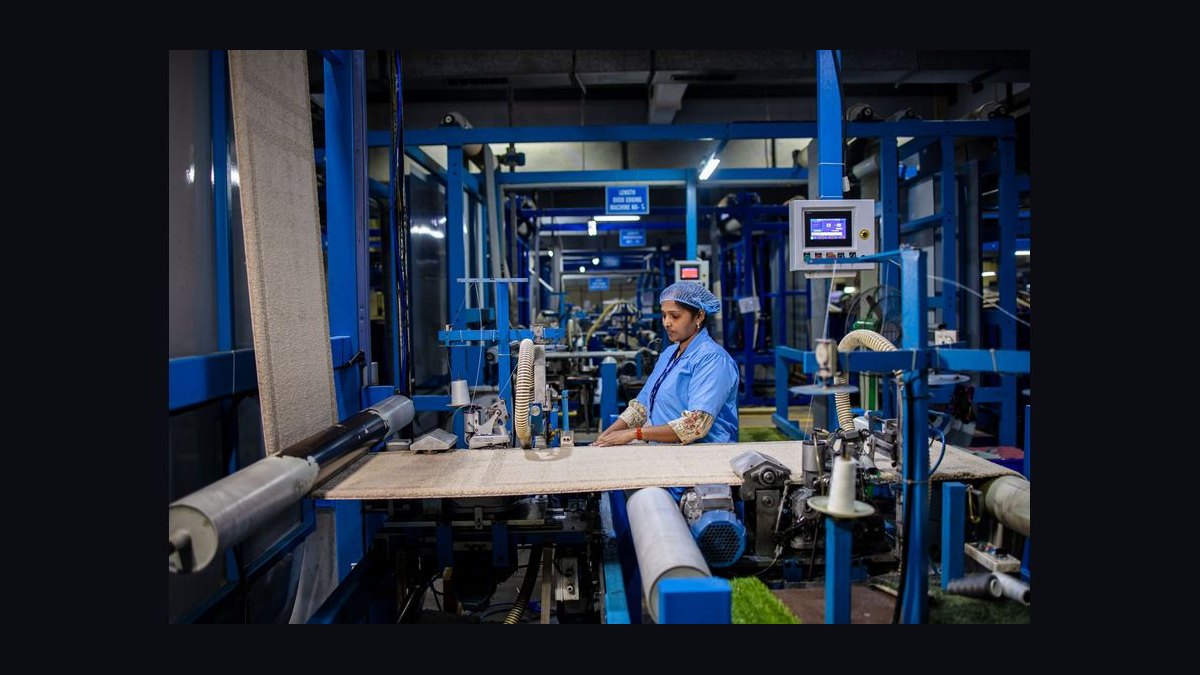
ArtiosCAD ranks fourth because it is the structural design layer that creates the cost model every other system consumes. It carries FEFCO and ECMA box libraries, produces blank layouts and die drawings, and drives cutting dies directly. Seats run roughly $5,000 to $12,000 each plus maintenance, with mid-size plants typically needing two to four seats.
It is for any converter whose designers build box styles, die layouts, and 3D mockups, since generic CAD forces manual die layout and re-keyed estimates. It trades away nothing structurally, but it must be integrated to estimating or the handoff becomes a retyped PDF. Compared to Arden Impact below, ArtiosCAD has the larger corrugated install base and deeper die-making integration.
5EFI Corrugated Packaging Suite

EFI's Corrugated Packaging Suite ranks fifth, competing at the mid-to-large tier from the CTI and Escada lineage with order entry, costing, scheduling, and shop-floor modules built for converting. It is a credible alternative to Amtech and Kiwiplan where the plant's equipment configuration matches EFI's implementation experience. Pricing is quoted per plant, seat, and module mix rather than published.
It is for mid-to-large corrugated plants that want a single vendor spanning packaging ERP and production software. It trades away some of Amtech's North American install-base depth, which matters most during implementation when the vendor must have seen your equipment before. Against Amtech above, EFI wins on suite breadth at larger scale but loses on corrugated-specific deployment history.
6Esko Automation Engine

Esko Automation Engine ranks sixth as the prepress backbone for printed packaging, handling step-and-repeat, trapping, color management, and plate or digital-print file generation from approved artwork. Licensing with Studio typically lands between $20,000 and $100,000 depending on modules and seat count. It is the difference between graphics being the product and graphics being a support function.
It is for converters whose customers buy retail-ready packaging, printed food cartons, or branded e-commerce boxes. It trades away budget that a plant running 90% plain brown shippers simply does not need to spend. Against ArtiosCAD above it is complementary rather than competing, but it ranks lower because print mix, not structural design, determines whether the investment pays back.
7SPS Commerce EDI
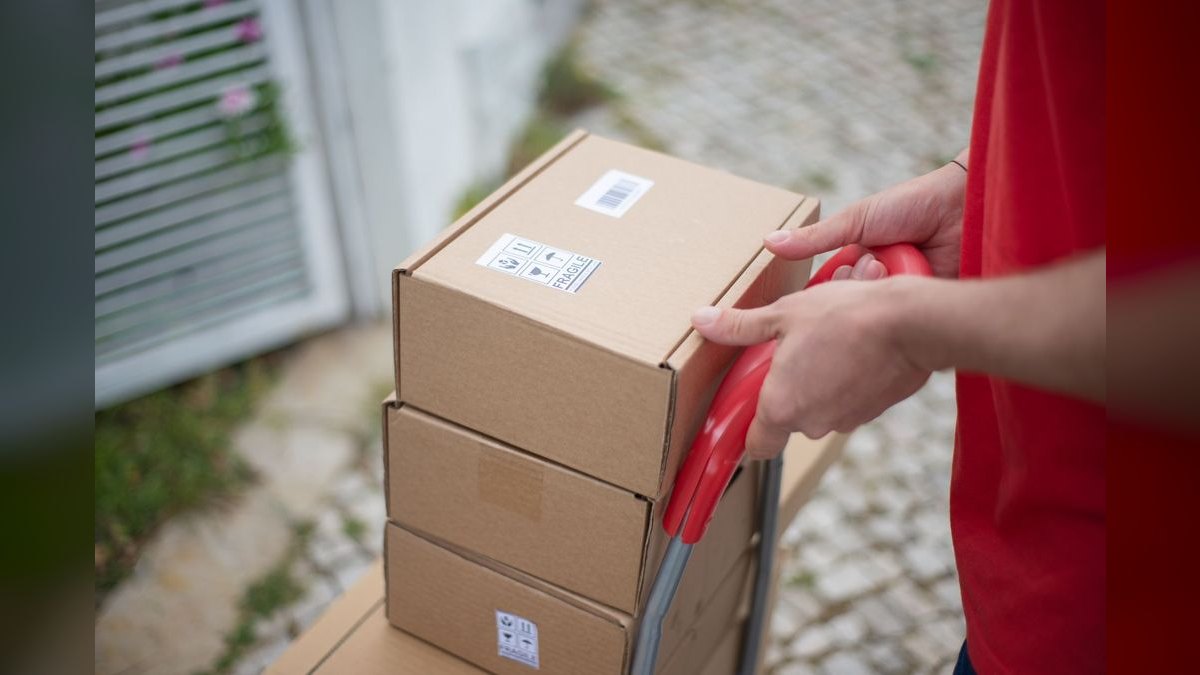
SPS Commerce ranks seventh as the most common managed-EDI choice for converters selling into big-box and CPG accounts, running roughly $500 to $3,000 per month plus per-document and setup fees. Pre-built maps to major retail trading partners and vendor-managed inventory logic reduce chargeback exposure, and someone else owns map maintenance when a partner changes spec. ASN timing errors and SSCC defects are what trigger compliance scorecards.
It is for any plant with more than a handful of retail trading partners, where a failed ASN can cost the account at the next bid. It trades away license-cost savings that direct AS2 integration would capture, and pays that back in avoided staff time and chargeback risk. Against TrueCommerce below it wins on retail map breadth; Cleo wins when internal system-to-system integration is the harder problem.
8TrueCommerce EDI
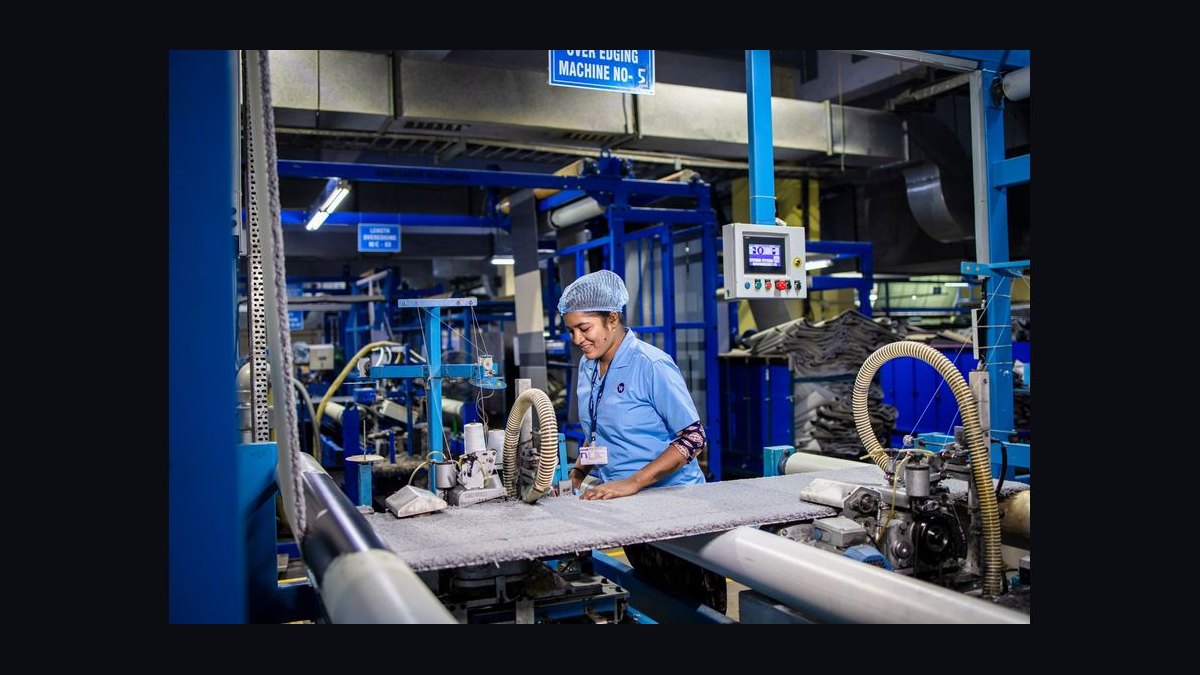
TrueCommerce ranks eighth as a credible managed-EDI alternate to SPS Commerce at similar scale and pricing, covering retail trading-partner maps, ASN generation, and document compliance for packaging suppliers. It handles the same 850, 856, and 810 flows that big-box and CPG programs mandate, with setup and per-document fees structured comparably to SPS.
It is for converters who want managed connectivity but prefer TrueCommerce's pricing structure or already run it elsewhere in the business. It trades away some of SPS Commerce's breadth of pre-built retail maps, which matters when a new account's spec is unusual. Against SPS above the functional gap is narrow; the decision usually comes down to which vendor already maps your specific trading partners.
9Esko Kongsberg Cutting Table
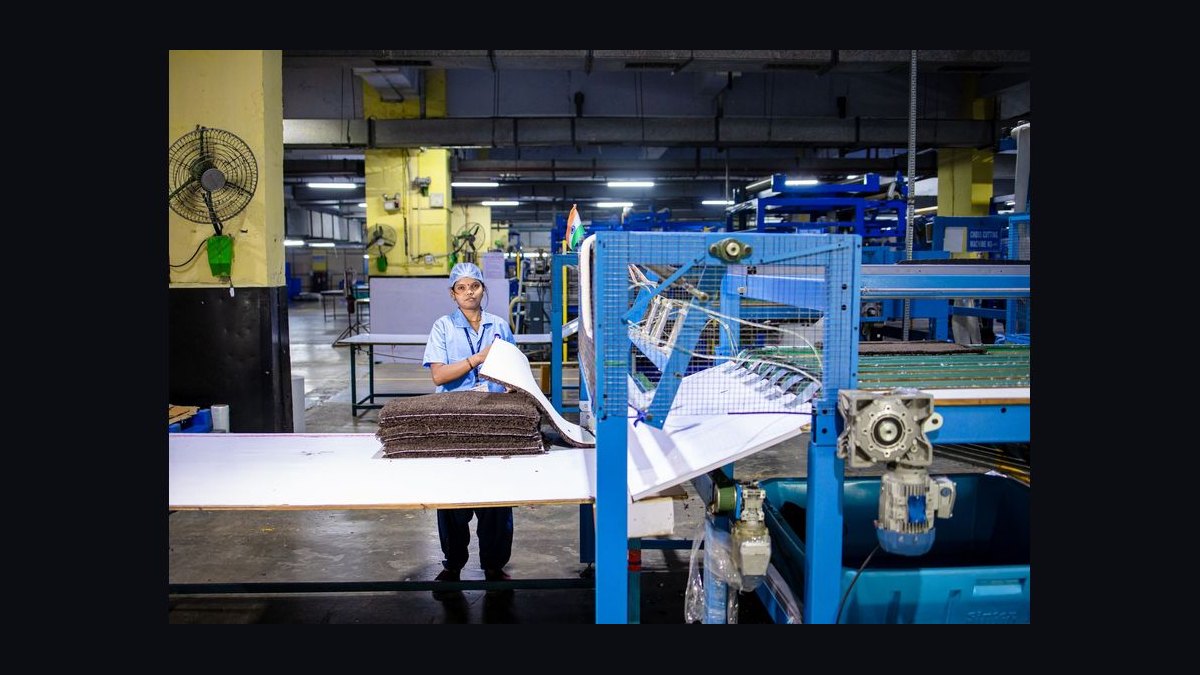
The Esko Kongsberg digital cutting table ranks ninth because it turns structural design into a physical sample a customer can hold, which closes programs that a rendered PDF does not. It cuts samples and short runs directly from ArtiosCAD files, so the design that gets approved is the design that gets priced. It sits alongside ArtiosCAD seats rather than replacing any estimating or ERP function.
It is for converters pursuing new programs where a Thursday sample wins the account, and for plants running short-run or specialty finishing work. It trades away capital that a plant selling only plain brown RSC boxes in truckload quantities cannot justify. Against Automation Engine above it serves the sales and sampling motion rather than production prepress, so the two are bought for different reasons.
10Microsoft Power BI
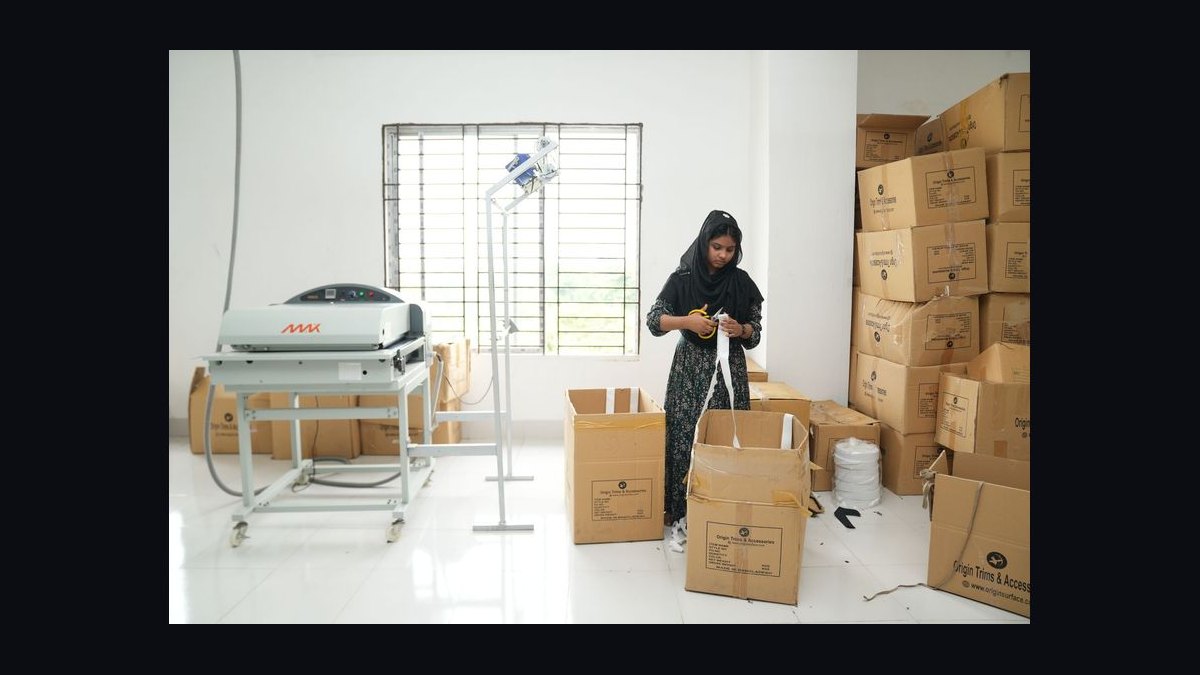
Power BI ranks tenth because it is the reporting layer that makes the rest of the stack measurable, at roughly $10 to $20 per user per month and already owned by most plants through Microsoft 365. The dashboards that matter are margin by job and customer, board yield, trim waste percentage by shift and machine, on-time-in-full, and machine utilization against scheduled hours. Trim waste and deckle utilization are the first-year priority.
It is for any plant that wants to prove the optimization investment worked and detect when scheduling discipline drifts. It trades away the deeper visual analytics that Tableau provides where a company has already standardized on it. Against SPS Commerce above it is far cheaper and far less operational, but without it the board-yield gains from Kiwiplan or Amtech scheduling go unmeasured.
How we ranked these
We ranked tools on five weighted criteria: packaging-specific costing depth (board grade, flute, MSF, and ups-per-sheet logic) at 30%, corrugator scheduling and trim/combining optimization at 25%, CAD-to-estimate integration with structural design tools at 20%, retail EDI/VMI compliance reliability at 15%, and total cost of ownership including implementation at 10%. Scores came from vendor documentation, published case studies, and plant-type fit across sheet plants, independent box plants, and integrated mills.
We deliberately ignored generic ERP feature checklists, brand recognition outside packaging, and corporate-standardization pressure from holding companies. We also excluded user-review sentiment scores, which skew toward whichever system was most recently installed, and headcount-reduction claims, which rarely materialize. Pricing was treated as a planning envelope rather than a ranking factor, since every vendor quotes by plant, seat, and transaction volume.
What to look for
The decision that matters most is plant type, not company size. A sheet plant buying board should weight estimating speed and customer pricing agreements; an independent box plant with a corrugator should weight trim combining and deckle utilization; an integrated mill needs cross-plant scheduling and machine-level data. Match the stack to your equipment configuration, not to a competitor's logo wall.
The mistake most buyers make is selecting a generic manufacturing ERP because corporate wants one system, then discovering it cannot price by MSF and flute. The second mistake is treating CAD-to-estimate integration as a nice-to-have. Insist on a scripted live demo where an ArtiosCAD design flows into a quote without retyping. If the vendor cannot show that, the spreadsheets are already coming.
Related questions
What is the best ERP for a corrugated box plant in 2027?
Amtech is the most widely deployed packaging-specific ERP in North American corrugated and folding carton plants, covering board costing by grade and flute, combined orders, scheduling, and shipping. Radius competes strongly at the smaller sheet-plant end. Kiwiplan and EFI Corrugated Packaging Suite serve mid-to-large integrateds. The selection question is which vendor has the deepest install base in your specific plant type.
How much does a packaging ERP implementation cost?
A small sheet plant typically lands around $40,000-$120,000 one-time with $3,000-$10,000 monthly all-in. A mid-size independent box plant runs $150,000-$400,000 implementation with $12,000-$35,000 monthly. Large integrateds with multiple plants see multi-year, multi-million-dollar programs. Every vendor prices by plant count, seat count, module mix, and transaction volume, so treat these as planning envelopes rather than quotes.
Why can't a generic manufacturing ERP price corrugated jobs?
Generic ERPs quote from a bill of materials that already exists. In converting, nothing exists until a structural designer sets box style, blank dimensions, and board specification, and those three decisions drive nearly all variable cost. Generic systems cannot compute board cost per MSF by grade and flute, cannot combine corrugator orders across a deckle, and cannot model sheet-plant versus integrated-mill sourcing on the same job.
What does corrugator trim and combining optimization actually save?
A plant running 88% deckle utilization versus one at 95% wastes roughly 7% of the board it buys on affected runs. Board is typically 55-65% of corrugated box cost. On a plant consuming $18M of board annually, several points of yield is a seven-figure swing. The optimizer scans open backlog for compatible orders by grade and flute and combines them side by side across the deckle.
Do I need Esko ArtiosCAD or is Arden Impact enough?
ArtiosCAD has the larger corrugated install base and deeper die-making integration. Arden Impact is strong in folding carton and has workflow advocates. The real criterion is not features but which tool your designers already know and which one your die suppliers accept files from without conversion friction. A designer productive in one tool loses months switching to the other.
How much does SPS Commerce EDI cost for a packaging plant?
SPS Commerce runs roughly $500-$3,000 per month plus per-document and setup fees, depending on trading-partner count and transaction volume. TrueCommerce is a credible alternate at similar scale. Cleo fits when you need heavier any-to-any integration across internal systems, not just retail trading-partner maps. The value of a managed network is pre-built maps and someone else owning map maintenance.
When does a dedicated MES like Kiwiplan beat ERP scheduling modules?
Kiwiplan-class MES gives deeper real-time machine data, finer trim optimization, and better WIP visibility, but adds a six-figure implementation and a second system to integrate. For a single-corrugator plant, Amtech's scheduling module usually delivers 80% of the optimization benefit at a fraction of the cost. Dedicated MES clearly wins with multiple corrugators, cross-plant combining, or complex converting floors.
What is the biggest implementation pitfall in packaging tech stacks?
Buying a generic manufacturing ERP for a converting plant. The failure is not immediate because GL, AP, and AR work fine, so the first six months look successful. It surfaces in estimating, where the system cannot compute board cost per MSF, cannot combine corrugator orders, and cannot model sourcing differences. Estimators build spreadsheets, spreadsheets become the real system, and the ERP degrades into an expensive accounting package.
FAQ
What is the best tech stack for a packaging or corrugated manufacturer in 2027?
A packaging-specific ERP such as Amtech, Radius, Kiwiplan, or EFI, paired with Esko ArtiosCAD structural design feeding estimating, corrugator trim and combining optimization, Esko prepress for printed work, SPS Commerce EDI and VMI, and Power BI reporting. The stack must price by MSF, board grade, and flute, and must connect CAD output to estimating as data rather than as a retyped PDF.
How does a packaging stack differ from generic discrete manufacturing software?
In discrete manufacturing you quote from an existing bill of materials. In converting, the physical design creates the cost model, and the cost model creates the schedule. Nothing exists until a structural designer sets box style, blank dimensions, and board specification. Those three decisions determine nearly the entire variable cost of the job, so CAD-to-estimate integration is structural, not optional.
What does board cost per MSF mean and why does it matter?
MSF stands for thousand square feet. Board cost per MSF varies by grade, flute, and liner combination, and it is the primary input to any corrugated estimate. Because board is typically 55-65% of the cost of a corrugated box, small errors in square footage consumed per unit, ups-per-sheet, or grade selection compound into large margin swings across a high-volume program.
How important is ArtiosCAD-to-estimating integration really?
Critical. When the designer emails a PDF and the estimator retypes blank dimensions, a transposed digit changes sheet size, which changes ups-per-sheet, which changes board consumption by several percent. On a 400,000-piece annual program that error is not a rounding difference, it is the entire margin. Insist on a scripted live demo showing a design flowing into a quote without manual entry.
Should I run a corporate ERP like SAP at my packaging plant?
Below roughly 250 employees, running a corporate generic ERP as the primary converting-plant system is a mistake that shows up as spreadsheets within a year. At large integrateds, the workable pattern is two-tier: corporate ERP for finance, procurement, and consolidation, with packaging ERP or MES at each plant for order entry, costing, scheduling, and shop floor. That costs an integration layer and reconciliation.
How do I measure trim waste before investing in optimization?
Instrument it before you optimize it. Measure deckle utilization and trim percentage by shift for a month using whatever data you can extract, establish the baseline, then turn optimization on and measure again. Without a baseline you cannot defend the investment to finance or detect when performance drifts. Plants that skip optimization never quantify what they gave up because the same ERP would have measured it.
What EDI documents do retail packaging customers require?
Most big-box and CPG programs mandate EDI 850 purchase orders, 856 advance ship notices, and 810 invoices, with strict ASN timing and pallet-level SSCC labels. ASN timing errors and label defects produce chargebacks, chargebacks produce compliance scorecards, and a poor scorecard costs the account at the next bid. Stand up EDI and VMI logic before the first release ships, not after winning the program.
How much does Esko prepress software cost for a packaging plant?
Esko Automation Engine plus Studio licensing typically lands between $20,000 and $100,000 depending on modules and seat count. Hybrid Software is the main alternate. A plant running only plain brown shippers can skip nearly all of it. A converter whose customers buy graphics, retail-ready packaging, or branded e-commerce boxes cannot, because color management and artwork workflow are the product.
What BI dashboards matter most for a corrugated plant?
Margin by job and by customer, board yield, trim waste percentage by shift and by machine, on-time-in-full, and machine utilization against scheduled hours. Power BI at roughly $10-$20 per user per month covers most plants already licensed through Microsoft 365. Tableau fits where the company has standardized on it. The dashboards only matter if the underlying ERP records combined-run economics and board consumption accurately.
What is the realistic payback period on a packaging tech stack investment?
Payback is usually carried by trim optimization and quoting accuracy rather than headcount reduction. If board is 55-65% of variable cost and optimization moves deckle utilization two or three points sustainably, a plant buying $10M of board annually recovers a mid-six-figure implementation inside eighteen months. Quoting accuracy is the second lever, eliminating re-keyed blank dimensions that quietly underprice jobs nobody audits.
Sources
- https://www.amtech.com/
- https://www.radius-erp.com/
- https://www.kiwiplan.com/
- https://www.esko.com/en/products/artioscad
- https://www.esko.com/en/products/automation-engine
- https://www.spscommerce.com/
- https://www.truecommerce.com/
- https://www.cleo.com/
- https://powerbi.microsoft.com/
- https://www.arden-software.com/
Related on PULSE
This page will be disappearing soon. Save it to your device for $1 — or read it free while it is here.
@Kory-White- · if Venmo asks, the last 4 of my number are 2012
This page is gone.
This one is off the shelf now. $1 keeps it on your phone for good — the whole page, pictures and diagrams included.
 pulse-tech-stacksTop 10 Best Tech Stack Tools for Pressure Washing Companies in 2027
 pulse-tech-stacksTop 10 Best Tech Stack Tools for Email Security Vendors in 2027
 pulse-tech-stacksTop 10 Best Tech Stack Tools for AI Legal Tech Companies in 2027
 pulse-tech-stacksTop 10 Best Tech Stack Tools for Employee Benefits Consulting Firms in 2027
 pulse-tech-stacksTop 10 Best Tech Stack Tools for Painting Contractors in 2027
 pulse-tech-stacksTop 10 Best Tech Stack Tools for Pilates Studios in 2027
 pulse-tech-stacksTop 10 Best Tech Stack Tools for Independent Driving Schools in 2027
 pulse-tech-stacksTop 10 Best Tech Stack Tools for Vulnerability Management Software Vendors in 2027
 pulse-tech-stacksTop 10 Best Tech Stack Tools for Septic and Portable Sanitation Services in 2027
 pulse-tech-stacksTop 10 Best Tech Stack Tools for Independent Bakeries in 2027