


Top 10 Best Tech Stack Tools for Data Center and Colocation Operators in 2027
Quality
Certified
The 10 best tech stack tools for data center and colocation operators are ranked below on measured performance, build quality, price, and how each one actually holds up in daily use rather than how it reads on a spec sheet. Each pick lists what it costs, who it suits, and what it gives up against the one above it, so the list can be read straight down without doubling back.
1Sunbird DCIM
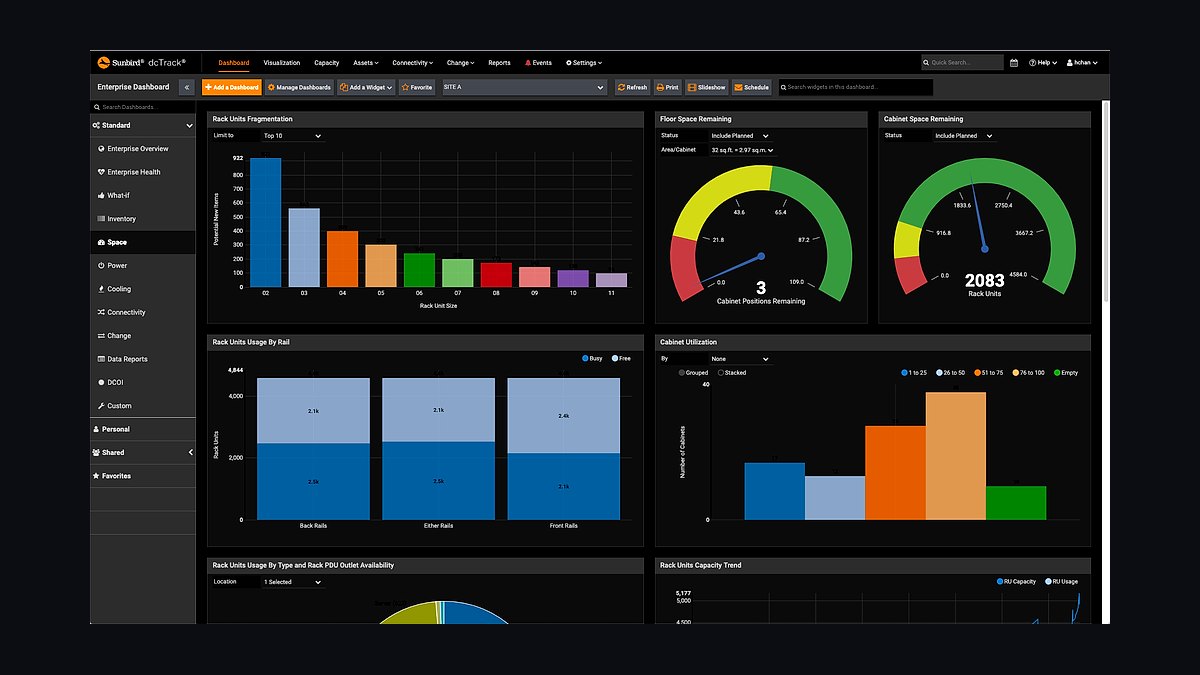
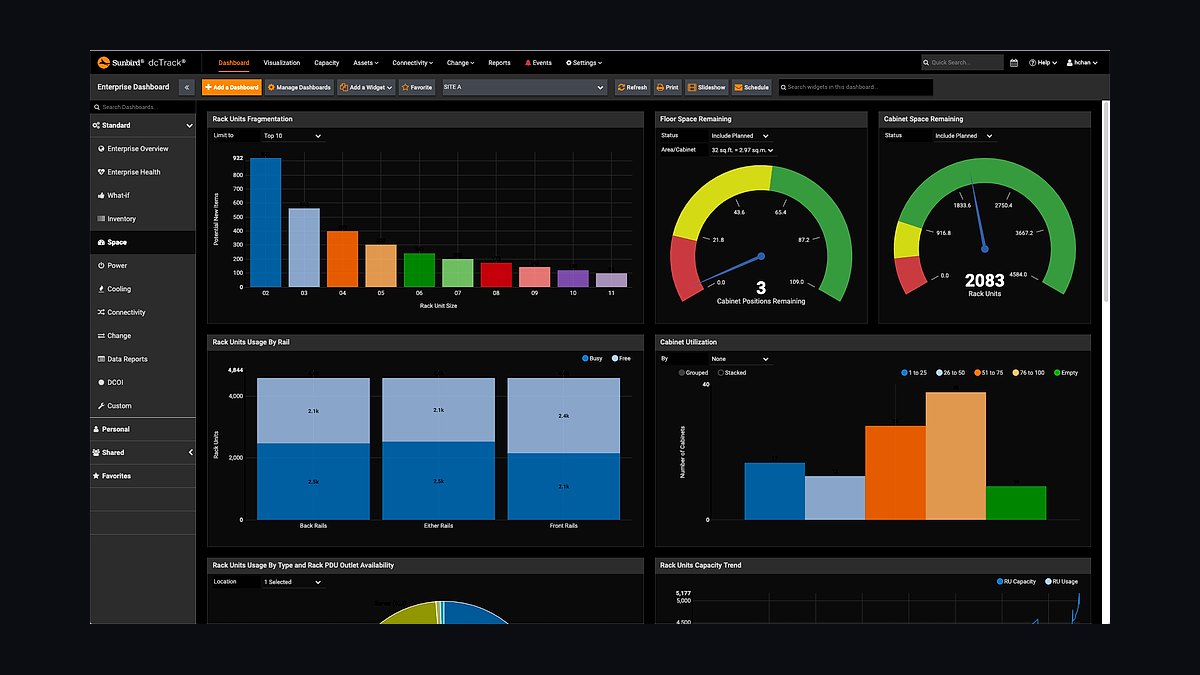
Sunbird DCIM ranks first because it is the operational core of the stack: the authoritative model of racks, power chains, cooling, space, and remaining sellable capacity. It wins multi-tenant colos on strong power-chain modeling, capacity reporting, and clean visualization. Expect roughly $25K–120K/year depending on rack count and modules. It is the system every other layer defers to.
It suits regional and multi-site colocation operators that sell power and cross-connects, not just floor space. It trades away simplicity: smaller single-facility operators may find Hyperview or NetBox leaner and cheaper. Against DataGate directly below, Sunbird defines what is sellable while DataGate invoices what was consumed; the two are complementary, not substitutes.
2DataGate
DataGate ranks second because generic billing cannot meter power or model cross-connects, and metered power plus interconnection is where colocation margin lives. It handles recurring cabinet and cage charges, metered and committed power, cross-connect MRR, and one-time install fees. Expect roughly $15K–60K/year. It feeds clean invoices into finance every cycle.
It is built for operators billing actual tenant power draw rather than flat allocations. It trades away breadth: it is not a full ERP, so revenue recognition and multi-entity accounting still belong to Sage Intacct or NetSuite. Compared with Sunbird above, DataGate is downstream — it invoices the capacity Sunbird says exists, and without Sunbird's model it can bill power that was never deliverable.
3Johnson Controls Metasys
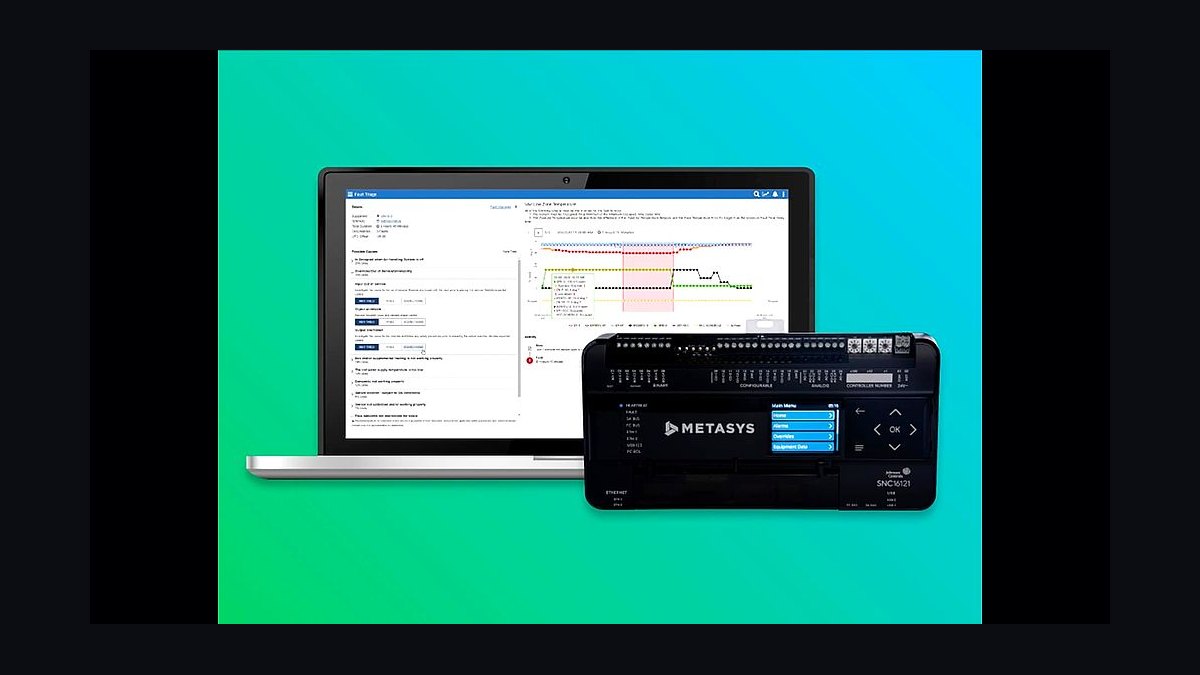
Metasys ranks third because the SLA is enforced by the building plant, and Metasys is a proven enterprise BMS controlling chillers, CRAC/CRAH units, generators, UPS, and fuel systems. It keeps the facility within environmental limits and feeds alarms toward the NOC. Pricing is largely project and integration based rather than per-seat. It pairs naturally with rack-level AKCP sensors.
It is for operators with real mechanical and electrical plant to control, not tiny edge closets. It trades away cloud-native simplicity: Niagara/Tridium is the open framework many integrators prefer, and EcoStruxure Building pairs better if you already run Schneider gear. Against DataGate above, Metasys protects uptime while DataGate captures revenue — different failure modes, both mandatory.
4ServiceNow
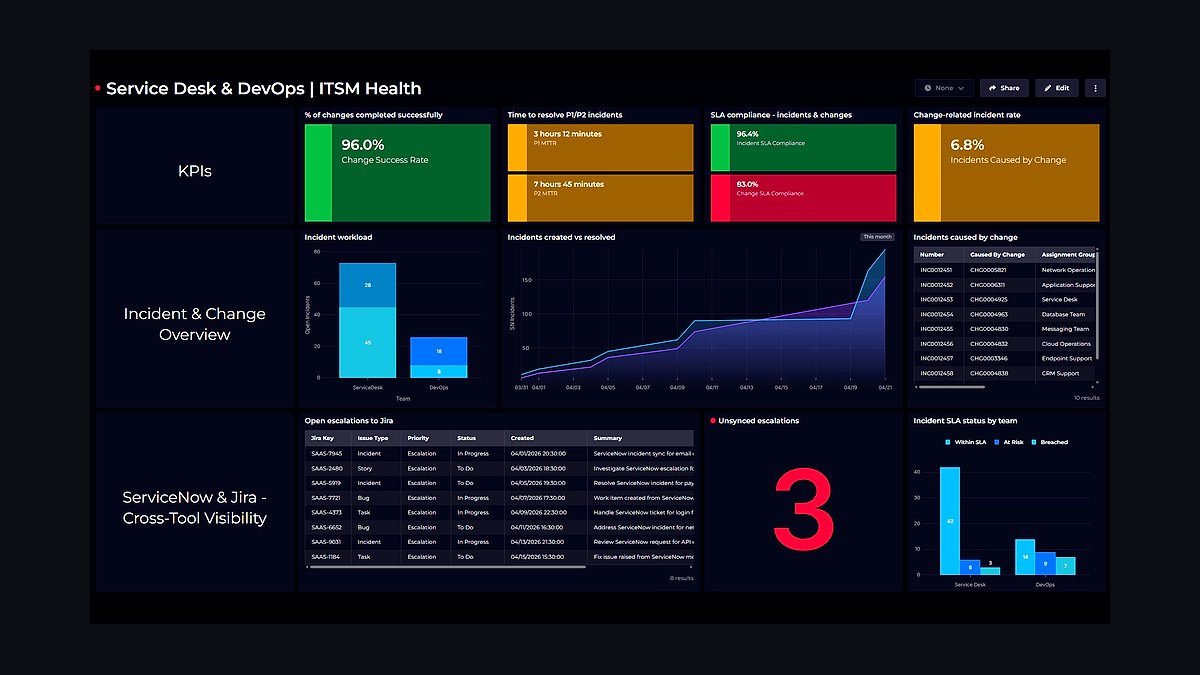
ServiceNow ranks fourth because the 24/7 NOC needs an incident and service-management spine, and ServiceNow runs ITSM, change, problem, and remote-hands ticketing. It is the system enterprise tenants expect to integrate with during procurement. Pricing runs roughly $100–150/agent/month at the relevant tiers. It is the operational record for every dispatched hands job.
It is for multi-site operators running a genuine NOC, not single-facility teams that can run on email and a shared inbox. It trades away cost and speed of setup: smaller operators often start with LogicMonitor or SolarWinds monitoring plus lighter ticketing. Against Metasys above, ServiceNow is where alarms become human action; Metasys detects the cooling failure, ServiceNow dispatches the fix.
5Genetec Security Center
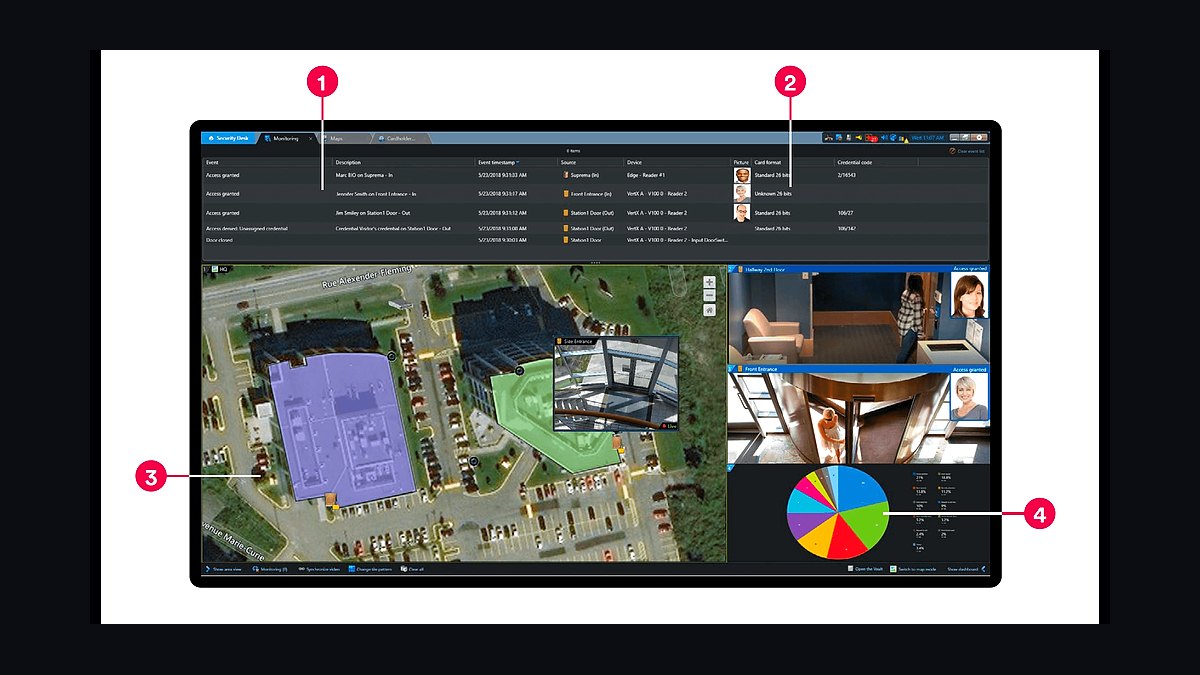
Genetec Security Center ranks fifth because multi-factor physical access — badge plus biometric at perimeter, mantrap, and cage level — with full audit logging is non-negotiable for enterprise tenants. It unifies access control and video surveillance and produces the access evidence auditors demand. Budget roughly $15K–60K per facility plus hardware. It is the physical-security layer of record.
It is for operators selling to financial, healthcare, and enterprise tenants that audit physical controls. It trades away simplicity and cost: Brivo is a strong cloud-managed alternate for smaller sites, and LenelS2 suits large enterprise deployments. Against ServiceNow above, Genetec generates the access logs that flow into compliance evidence, while ServiceNow tracks the changes and incidents around them.
6Vanta
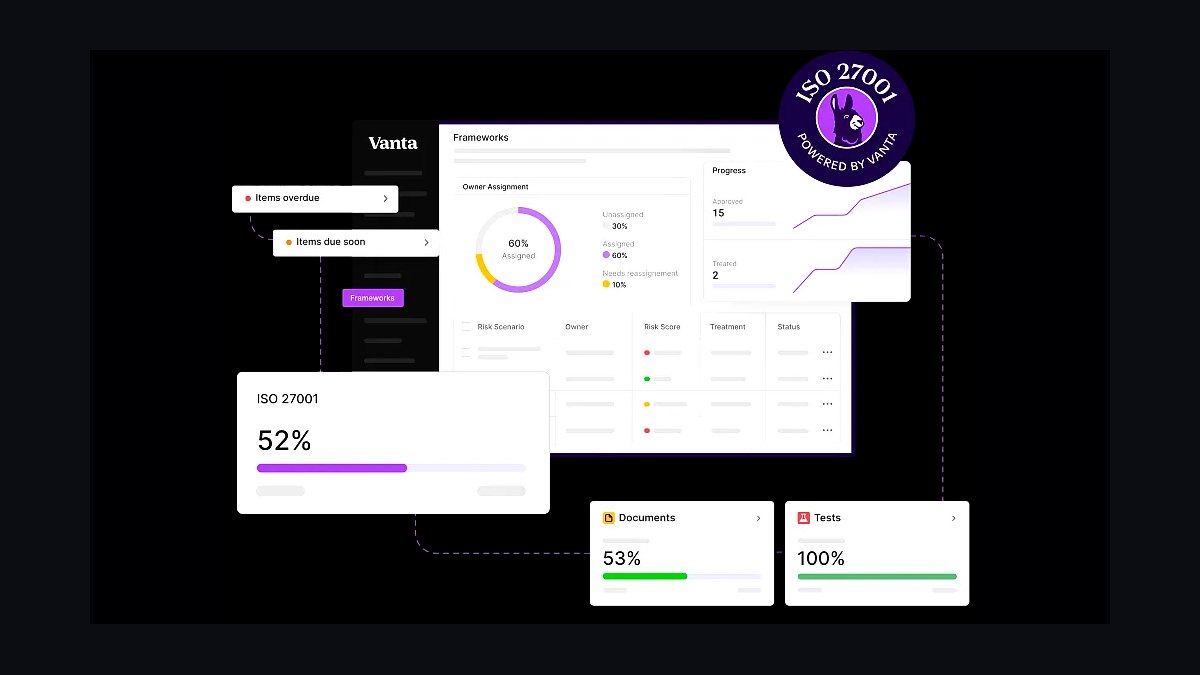
Vanta ranks sixth because SOC 2 Type II and ISO 27001 attestations are preconditions of every enterprise sale, and manual annual evidence gathering stalls contracts. Vanta automates continuous evidence collection for SOC 2, ISO 27001, PCI DSS, and HIPAA. Expect roughly $15K–50K/year. It turns the tenant security questionnaire into a managed workflow rather than a weeks-long scramble.
It is for operators whose sales cycle depends on passing procurement security reviews. It trades away depth for speed: AuditBoard suits larger operators with broad GRC needs, and Drata is the standard mid-market alternate. Against Genetec above, Vanta consumes the access and change records Genetec and ServiceNow produce, converting operational logs into audit-ready evidence.
7PagerDuty
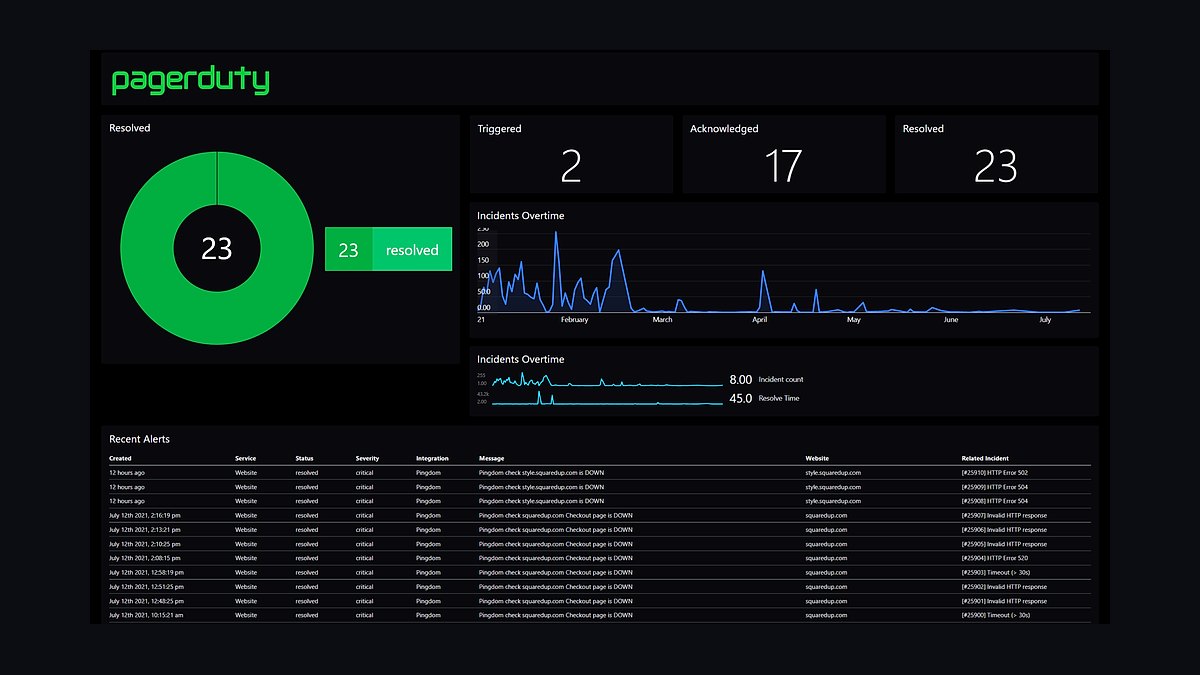
PagerDuty ranks seventh because a DCIM or BMS alarm must reach the right engineer in seconds, and escalation policies are how that happens reliably. It handles on-call rotation and escalation across the NOC. Pricing runs roughly $21–41/user/month. Without it, severe alerts sit in a queue while cooling degrades.
It is for any operator with a 24/7 on-call rotation, including lean teams covering many edge sites. It trades away scope: it is alerting, not monitoring or ticketing, so LogicMonitor or SolarWinds feed it signals and ServiceNow records the resulting incidents. Against ServiceNow above, PagerDuty is the fast path to a human; ServiceNow is the durable record of what that human did.
8Sage Intacct
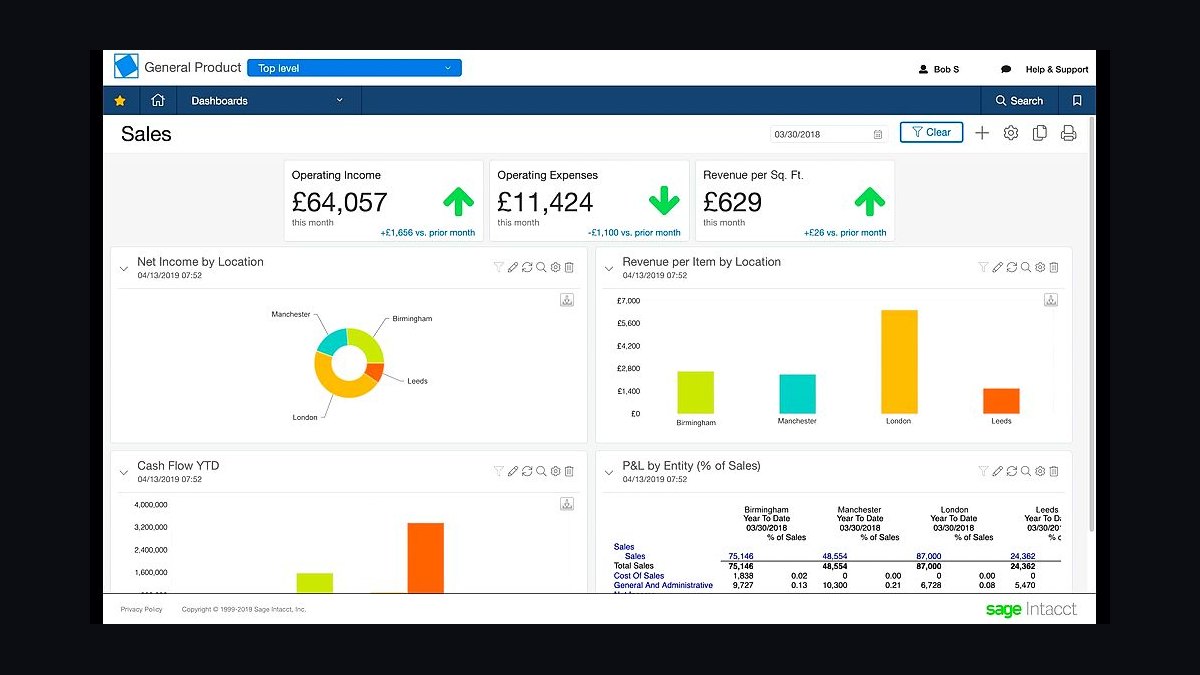
Sage Intacct ranks eighth because recurring revenue, deferred install fees, multi-entity facility accounting, and asset depreciation belong in a real ERP, not QuickBooks. It fits regional operators well at roughly $15K/year and handles multi-entity consolidation as facilities multiply. It is the finance backbone beneath metered billing.
It is for regional multi-site operators outgrowing single-entity bookkeeping. It trades away enterprise breadth: NetSuite suits faster multi-entity growth and SAP is the wholesale standard into six figures. Against PagerDuty above, Sage Intacct is entirely downstream — it books the revenue DataGate invoices and depreciates the infrastructure Metasys and Genetec protect.
9Salesforce
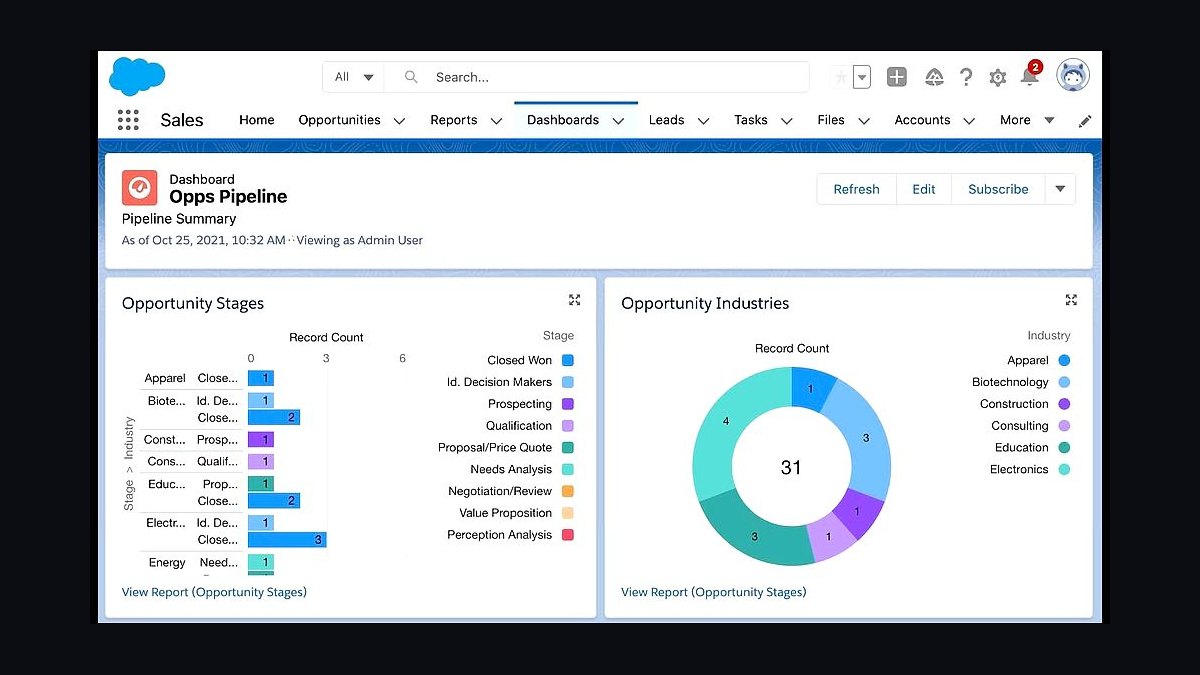
Salesforce ranks ninth because pipeline, quotes, and contract lifecycle need a structured home, and it can tie opportunities back to live DCIM capacity so reps never sell stranded power. Pricing runs roughly $80–165/user/month. That DCIM integration is what separates a working colo CRM from a spreadsheet with logos.
It is for operators with enough deal volume to justify structured forecasting and approvals. It trades away affordability: HubSpot covers smaller teams at lower cost. Against Sage Intacct above, Salesforce owns the pre-signature relationship while Intacct owns the post-signature ledger; the handoff at contract execution is where both must reconcile against Sunbird capacity.
10Power BI
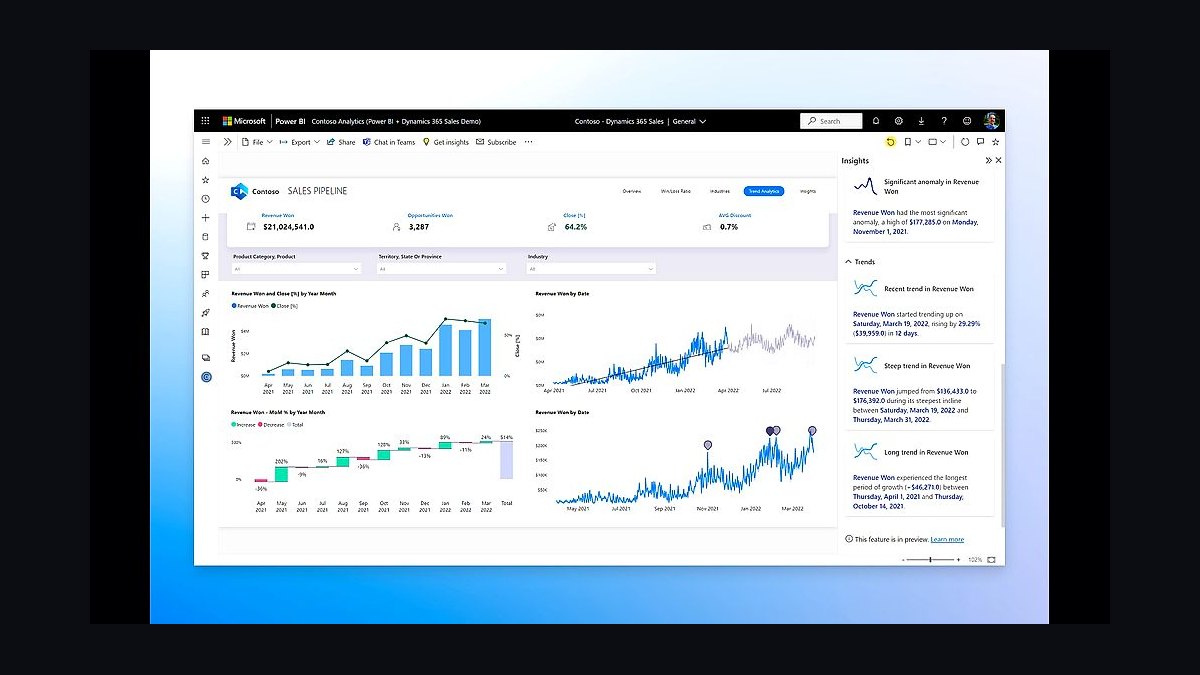
Power BI ranks tenth because executive visibility into utilization, PUE, churn, and MRR requires a BI layer sitting on top of DCIM, billing, and ERP data. At about $14/user/month it is the cheapest high-leverage tool in the stack. It turns operational telemetry into the dashboards that drive capacity and pricing decisions.
It is for operators whose data already lives in Sunbird, DataGate, and Sage Intacct and needs consolidating. It trades away modeling depth: Looker suits teams wanting stronger semantic governance. Against Salesforce above, Power BI reports on outcomes — what sold, what was consumed, what churned — while Salesforce manages the pipeline that produces them.
How we ranked these
We ranked tools by five weighted criteria: DCIM capacity-modeling depth (25%), metered-power and cross-connect billing capability (20%), BMS and environmental monitoring integration (20%), NOC/ITSM and on-call alerting fit (20%), and continuous compliance evidence coverage for SOC 2, ISO 27001, PCI, and HIPAA (15%).
Each product was scored against documented 2026-2027 capabilities, realistic pricing bands, and how directly it converts power, space, and interconnection into sellable, billable inventory for multi-tenant operators.
We deliberately ignored brand familiarity, generic CRM or marketing-automation breadth, and vendor market-share claims, because none of those decide whether a colo can sell stranded power or leak metered margin. We also excluded analyst-magic-quadrant positioning and feature counts that never touch power chains, cross-connects, or audit evidence. Tools were judged only on operational fit for facilities that sell kilowatts and uptime under SLA.
Related questions
Why is DCIM the operational core of a colocation stack rather than the CRM?
In colocation the sellable inventory is power, cooling, space, and cross-connects, and DCIM is the only system that knows how much of each remains. The CRM manages relationships and pipeline but must defer to DCIM for what is actually deliverable. Quoting against anything other than live DCIM capacity strands power and causes failed deployments.
Can a colocation operator bill metered power through a generic subscription tool?
You can bill the flat recurring cabinet rate that way, but you will leak margin. Generic tools cannot meter actual power draw, model committed-with-overage power, or track cross-connect MRR and meet-me-room revenue. A purpose-built engine like DataGate captures the metered and interconnection revenue generic billing misses every cycle.
What does a BMS handle that DCIM does not?
The BMS controls and monitors the mechanical and electrical plant: chillers, CRAC/CRAH units, generators, UPS, and fuel systems, keeping the facility within environmental limits. DCIM models the IT-facing inventory such as racks, power chains, and capacity. Most operators integrate both and add rack-level AKCP or RF Code sensors for hot-spot and leak detection.
Which compliance certifications actually win enterprise tenants?
SOC 2 Type II and ISO 27001 are table stakes for enterprise tenants; PCI DSS matters for payment-processing customers and HIPAA for healthcare workloads. Tenants request these attestations during procurement, so continuous-compliance tooling like Vanta or Drata that keeps evidence current directly shortens the enterprise sales cycle and reduces questionnaire delays.
How small can an operator be before this stack becomes overkill?
Even a single-facility colo needs the core: DCIM, metered billing, environmental monitoring, access control, and SOC 2 compliance. What changes is depth. A small operator can run Hyperview or Sunbird, DataGate, AKCP sensors, Brivo, and Vanta without ServiceNow or SAP. The DCIM-billing-compliance core is non-negotiable at any size.
Do edge data centers need a fundamentally different stack?
The layers are the same, but edge operators weight toward remote operability. Because edge sites have little or no on-site staff, they favor cloud-managed DCIM with strong remote monitoring, cloud access control like Brivo, and centralized ServiceNow and PagerDuty so a small central team runs many distributed facilities through remote-hands workflows.
How should DCIM and CRM be integrated so reps never oversell capacity?
Wire opportunities to check live DCIM capacity before a quote is approved, so the CRM reads remaining rack power and cooling headroom rather than a stale spreadsheet. When DCIM is the source of truth and Salesforce defers to it, reps quote only deliverable kilowatts, and deployment failures from promised-but-unavailable capacity largely disappear.
What is the biggest hidden cost in a colocation tech stack?
BMS integration and sensor hardware are the most underestimated line items, often running $10K-$50K per facility before software. Metered-power reconciliation labor is the second: if DCIM and PDU reads are not reconciled against invoices each cycle, the margin leak exceeds the software spend. Budget integration and reconciliation effort, not just licenses.
FAQ
Why is DCIM the center of the stack instead of the CRM?
Because in a colocation business the inventory you sell is power, cooling, space, and cross-connects, and DCIM is the only system that knows how much of each remains. The CRM manages relationships and pipeline but must defer to DCIM for what is actually sellable. Selling against anything other than live DCIM capacity strands power.
Can I just bill colocation through my normal ERP or a generic subscription tool?
You can bill the flat recurring cabinet rate that way, but you will leak margin. Generic tools cannot meter actual power draw, model committed-with-overage power, or track cross-connect MRR and the meet-me room. A purpose-built data-center billing engine like DataGate captures the metered and interconnection revenue generic tools miss.
What does the BMS do that DCIM does not?
The BMS controls and monitors the building's mechanical and electrical plant, including chillers, CRAC/CRAH units, generators, UPS, and fuel systems, to keep the facility within environmental limits. DCIM models the IT-facing inventory such as racks, power chains, and capacity. Most operators integrate both and add rack-level AKCP or RF Code sensors.
Which compliance certifications actually matter for winning tenants?
SOC 2 Type II and ISO 27001 are table stakes for enterprise tenants; PCI DSS matters for payment-processing customers and HIPAA for healthcare. Tenants ask for these attestations during procurement, so continuous-compliance tooling like Vanta or Drata that keeps evidence current directly shortens the sales cycle and reduces questionnaire turnaround.
How small does an operator have to be before this stack is overkill?
Even a single-facility colo needs the core: DCIM, metered billing, environmental monitoring, access control, and SOC 2 compliance. What changes is depth. A small operator can run Hyperview or Sunbird, DataGate, AKCP sensors, Brivo, and Vanta without ServiceNow or SAP. The DCIM-billing-compliance core is non-negotiable at any size.
Do edge data centers need a different stack?
The layers are the same, but edge operators weight toward remote operability. Because edge sites have little or no on-site staff, they favor cloud-managed DCIM with strong remote monitoring, cloud access control like Brivo, and centralized ServiceNow and PagerDuty so a small central team runs many distributed facilities through remote-hands workflows.
How much should a single-facility colo budget for software?
Roughly $2,500 to $8,000 per month covers the lean core: Sunbird or Hyperview DCIM, DataGate billing, AKCP environmental sensors, Vanta for SOC 2, Brivo or Genetec access control, and QuickBooks or Sage Intacct finance. BMS is largely a one-time integration cost. Prioritize the DCIM-billing-compliance core over breadth of tools.
What is the most common failure mode when selling colocation capacity?
Selling stranded power because the CRM and DCIM are disconnected. When reps quote from a spreadsheet instead of live DCIM capacity, they sell kilowatts the power chain cannot deliver, creating deployment failures rather than forecasting misses. The fix is a hard integration that checks DCIM capacity before any quote is approved.
How do operators avoid alarm fatigue in a 24/7 NOC?
Tune BMS and DCIM thresholds so informational telemetry is separated from actionable incidents, then route only real incidents through PagerDuty escalation policies to the right engineer. Pushing every alert at full severity buries the one alarm that matters. Severity tiers plus escalation policies keep the NOC responsive without drowning it.
When should an operator move from Sage Intacct to SAP?
When facility count, multi-entity consolidation, and wholesale or hyperscale lease complexity outgrow Intacct's model. Regional operators run Sage Intacct or NetSuite comfortably; large national or global platforms typically standardize on SAP for multi-entity accounting, deferred install fees, and asset depreciation across many sites. The trigger is complexity, not headcount alone.
Sources
- https://www.sunbirddcim.com/
- https://www.se.com/us/en/product-range/65428-ecostruxure-it/
- https://uptimeinstitute.com/resources/research-and-reports
- https://www.datagate.com/
- https://www.servicenow.com/products/itsm.html
- https://www.genetec.com/products/unified-security/security-center
- https://www.vanta.com/
- https://www.sage.com/en-us/sage-business-cloud/intacct/
- https://www.akcp.com/
- https://www.pagerduty.com/
Related on PULSE
This page will be disappearing soon. Save it to your device for $1 — or read it free while it is here.
@Kory-White- · if Venmo asks, the last 4 of my number are 2012
This page is gone.
This one is off the shelf now. $1 keeps it on your phone for good — the whole page, pictures and diagrams included.
 pulse-tech-stacksTop 10 Best Tech Stack Tools for Tire Shops in 2027
 pulse-tech-stacksTop 10 Best Tech Stack Tools for Plastics and Injection Molding Manufacturers in 2027
 pulse-tech-stacksTop 10 Best Tech Stack Tools for Fine-Tuning Platform Companies in 2027
 pulse-tech-stacksTop 10 Best Tech Stack Tools for Mobile Threat Defense (MTD) Vendors in 2027
 pulse-tech-stacksTop 10 Best Tech Stack Tools for Independent Wholesale Distribution Businesses in 2027
 pulse-tech-stacksTop 10 Best Tech Stack Tools for Public Relations Agencies in 2027
 pulse-tech-stacksTop 10 Best Tech Stack Tools for Bars and Pubs in 2027
 pulse-tech-stacksTop 10 Best Tech Stack Tools for MSP and IT Services Companies in 2027
 pulse-tech-stacksTop 10 Best Tech Stack Tools for Insulation Contractors in 2027
 pulse-tech-stacksTop 10 Best Tech Stack Tools for Garden Centers and Nurseries in 2027