


Top 10 Best Tech Stack Tools for Self-Storage Operators in 2027
Quality
Certified
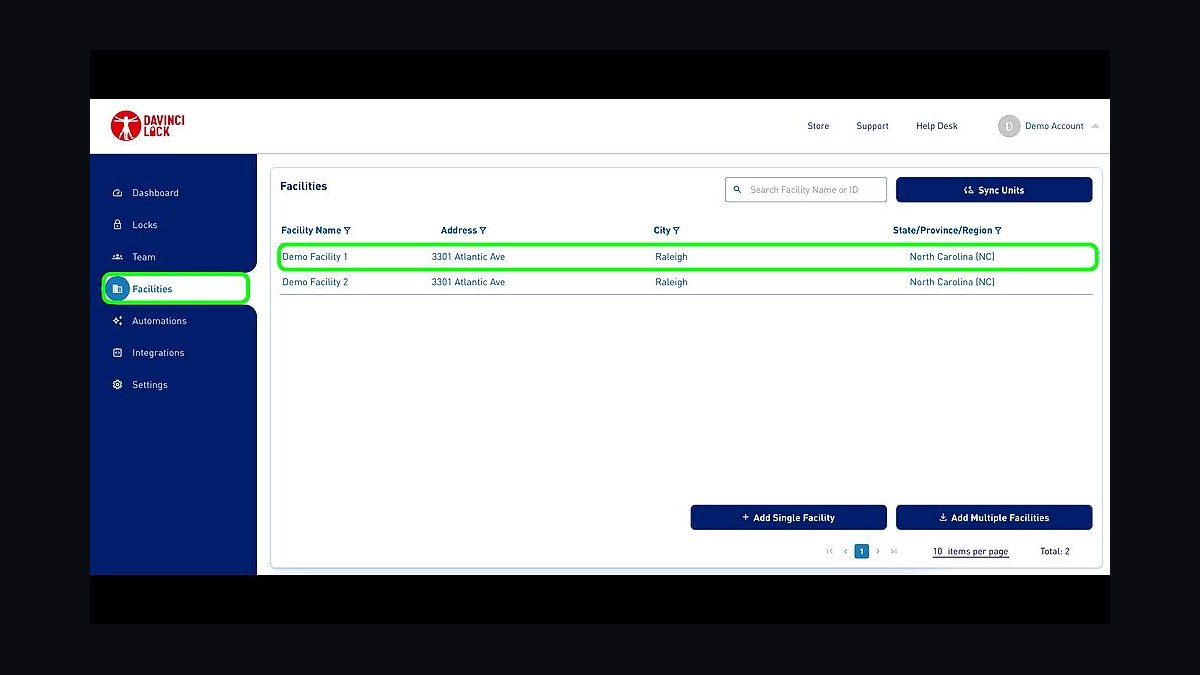
The 10 best tech stack tools for self-storage operators are ranked below on measured performance, build quality, price, and how each one actually holds up in daily use rather than how it reads on a spec sheet. Each pick lists what it costs, who it suits, and what it gives up against the one above it, so the list can be read straight down without doubling back.
1storEDGE Storable Edge
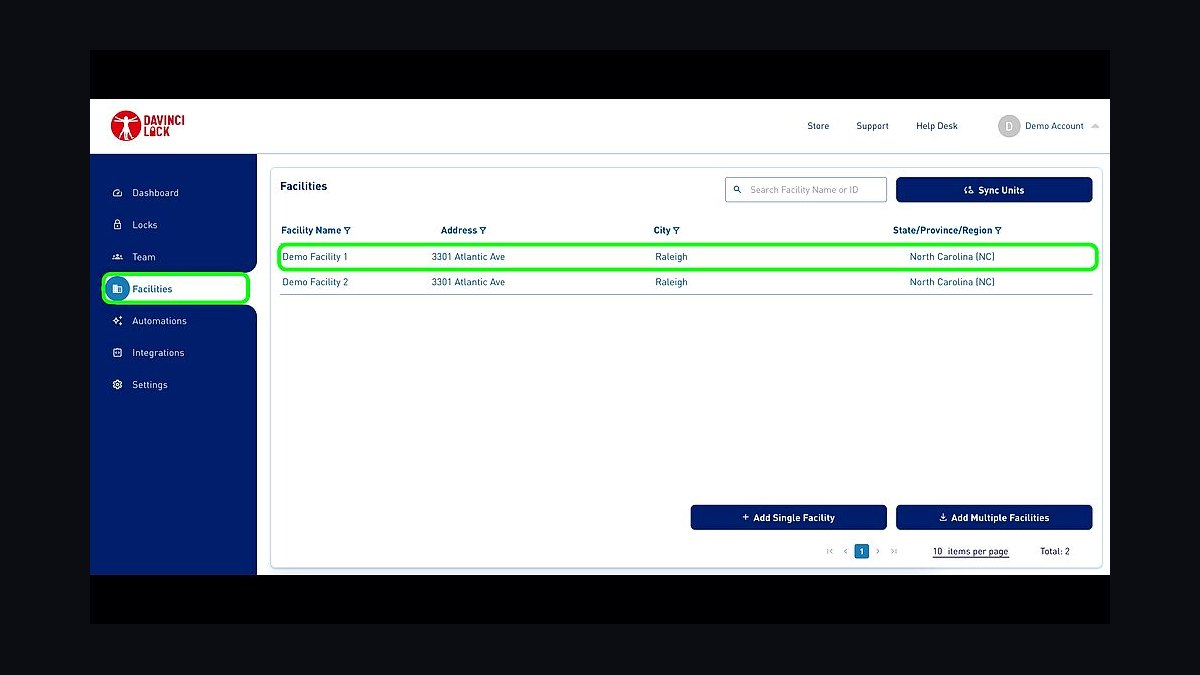
storEDGE ranks first because it is the cloud-native system of record that most growing single-to-multi-site self-storage operators should build around. It owns unit inventory, month-to-month tenant billing, autopay, and the state-specific delinquency-to-lien-to-auction clock in one platform. Storable bundles gate access, payments, websites, marketplace, call center, and tenant insurance integrations natively, so fewer links break.
It is built for operators managing two to fifty facilities who want one vendor spine rather than five stitched point tools. It trades away the deep configurability that legacy SiteLink offers third-party managers, and it costs more than Easy Storage Solutions for a single site. Compared with SiteLink directly below, storEDGE wins on cloud architecture and native Storable ecosystem depth; SiteLink wins on granular legacy controls and long-tenured third-party management workflows.
2SiteLink Self Storage Software
SiteLink ranks second as the deeper, more configurable facility management platform that many third-party management companies still standardize on. Also Storable-owned, it handles unit grids, recurring billing, autopay, late fees, and the lien-to-auction workflow with granular per-state configuration. It integrates with PTI, OpenTech, and Nokē access control, plus Prorize and Veritec pricing science. Pricing is quoted by unit count and modules rather than published flat.
It suits third-party managers and larger regionals running dozens of independently owned sites under one operational playbook. It trades away the cleaner cloud-native interface and tighter Storable-native integration that storEDGE delivers, and onboarding is heavier. Against Easy Storage Solutions below, SiteLink is far more powerful but far more expensive and complex; against storEDGE above, it is more configurable but less modern.
3Easy Storage Solutions
Easy Storage Solutions ranks third as the budget facility management platform for a single self-storage facility, typically 400-800 units. It covers units, tenants, recurring billing, autopay, late fees, and lien workflow at roughly $40-$60 per month, a fraction of storEDGE or SiteLink pricing. It includes a basic website and online rental flow, plus integrations to common gate controllers, so an owner-operator can run the site part-time. It is deliberately simpler than enterprise platforms.
It is for the single-site owner who wants a self-running facility without an enterprise contract or implementation project. It trades away multi-site portfolio reporting, deep revenue management, and the broader Storable ecosystem of call center and insurance modules. Compared with storEDGE above, it costs roughly one-third as much but caps out fast once a second or third facility is added; it is a starting platform, not a scaling one.
4Yardi Breeze Self Storage
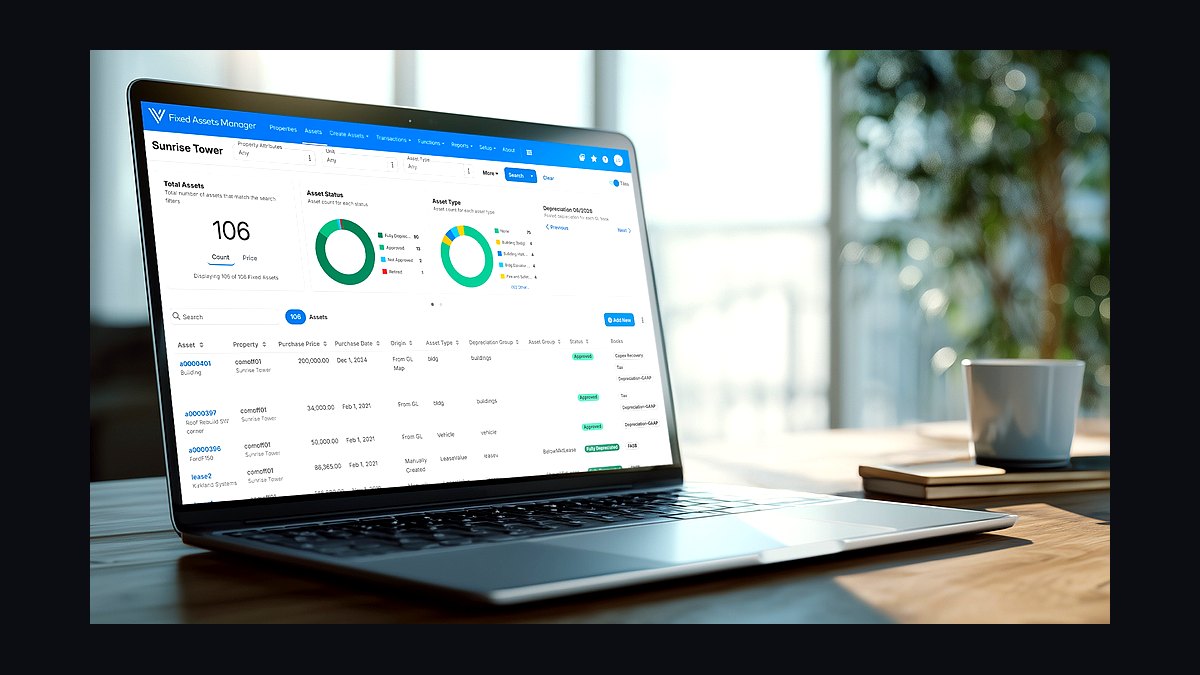
Yardi Breeze Self Storage ranks fourth for operators who already run Yardi across other real estate and want one ledger for storage plus apartments, office, or retail. It handles unit inventory, month-to-month billing, autopay, and lien workflow while consolidating financials into Yardi's accounting core. Yardi Voyager serves REIT-scale portfolios with quoted enterprise pricing, while Breeze targets smaller portfolios at published subscription tiers. The appeal is consolidation, not storage-specific depth.
It suits mixed-asset owners and managers who value a single general ledger over best-of-breed storage features. It trades away the native Storable ecosystem integration around gate access, marketplace, call center, and tenant insurance that storEDGE and SiteLink deliver out of the box. Against Easy Storage Solutions above, Yardi Breeze is more expensive and heavier but wins decisively for multi-asset portfolios needing one accounting spine.
5PTI Security Systems
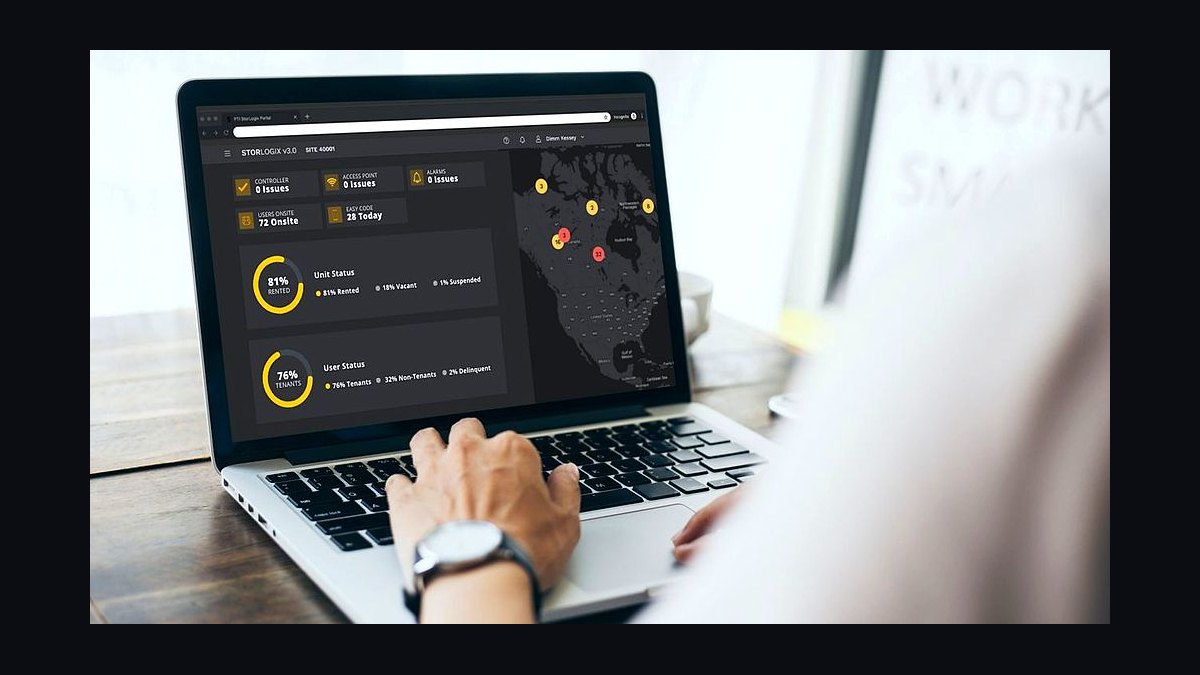
PTI Security Systems ranks fifth as the long-standing market leader in gate controllers and keypads for self-storage, and the enforcement arm that ties access to payment status. It integrates with every major facility platform including storEDGE, SiteLink, Easy Storage Solutions, and Yardi, denying a delinquent tenant's PIN and restoring access within minutes of payment. Hardware install runs roughly $15,000-$60,000+ per facility plus monitoring fees, depending on gate count and configuration.
It is for operators of any size who need reliable, well-integrated gate hardware and don't want to gamble on a newer access vendor. It trades away the smart-lock-per-door model that Nokē delivers for true no-key unattended facilities. Compared with OpenTech Alliance below, PTI is the more traditional gate-controller specialist; OpenTech bundles access with kiosks, call center, and collections automation for operators who want one access-and-contact vendor.
6OpenTech Alliance INSOMNIAC
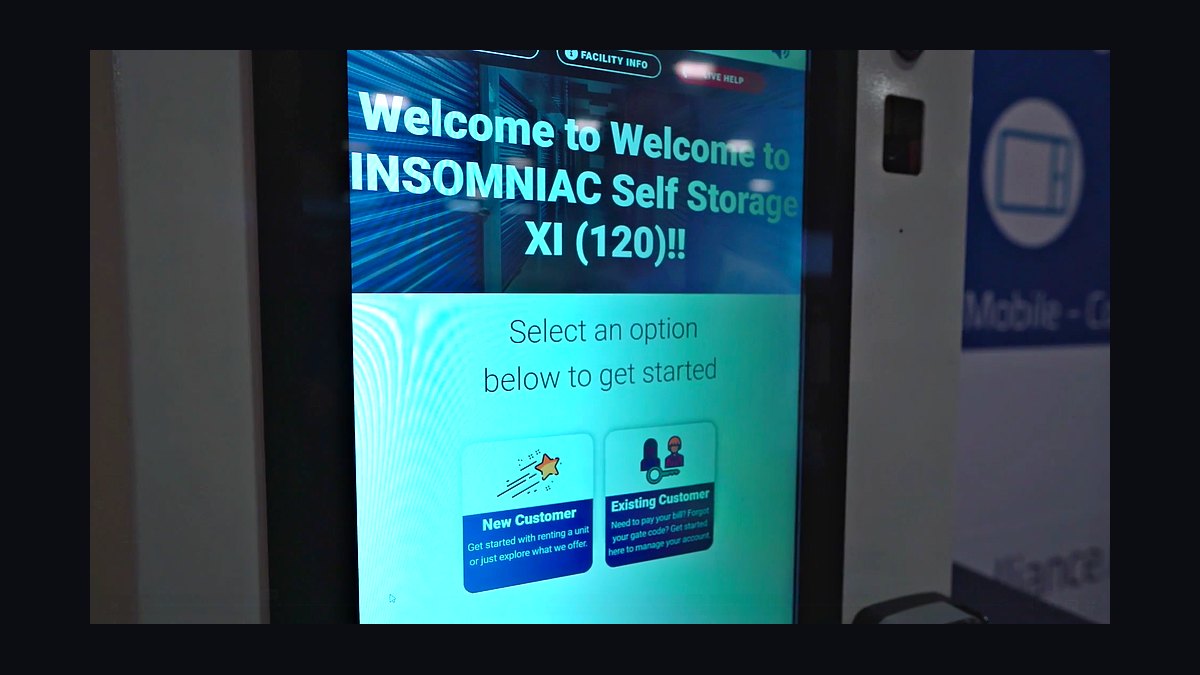
OpenTech Alliance INSOMNIAC ranks sixth as the kiosk, access control, and contact-center ecosystem that lets a self-storage facility run with no front desk at all. INSOMNIAC kiosks handle walk-in move-ins, payments, and access, while OpenTech's access control and XpressCollect texting automate delinquency collection. It integrates with storEDGE, SiteLink, and other major platforms so payment status drives gate and unit access. Pricing is per-kiosk, per-call, or per-seat depending on modules.
It is for operators pursuing unattended or remote-managed facilities where labor is a fraction of a staffed site. It trades away some of the hardware longevity reputation PTI holds in traditional gate controllers. Against Nokē Smart Entry below, OpenTech is broader — kiosks, access, call center, collections — while Nokē is narrower and deeper on per-door smart locks; many operators run both together.
7Nokē Smart Entry
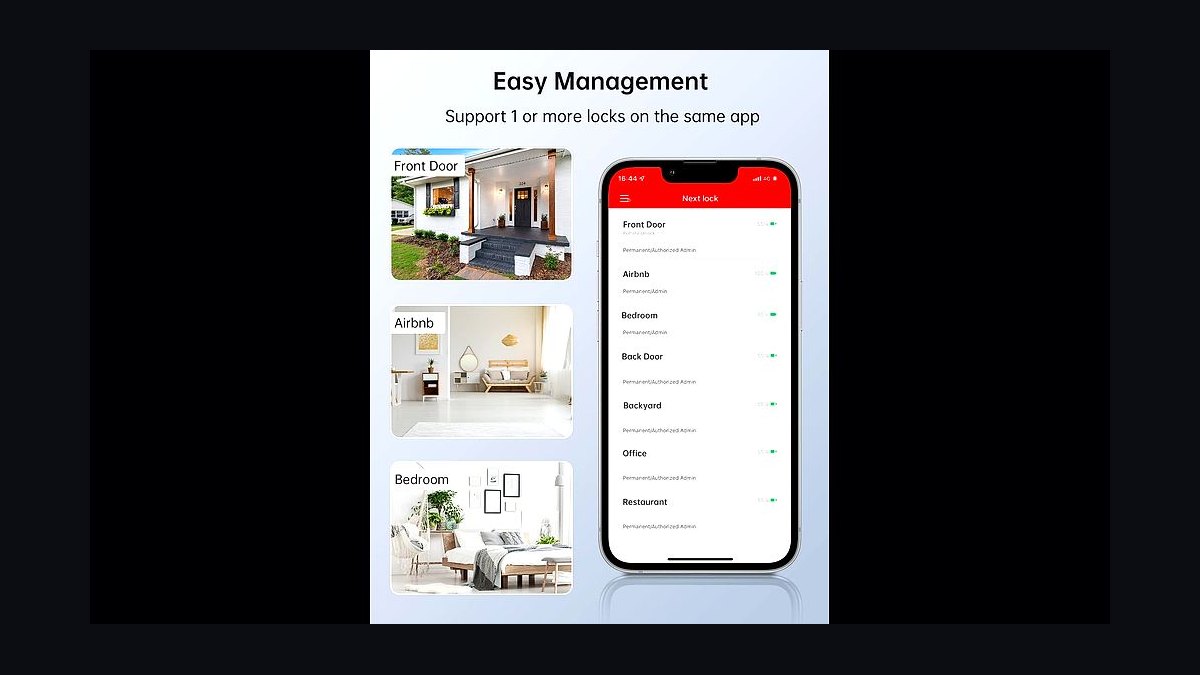
Nokē Smart Entry, from Janus International, ranks seventh as the Bluetooth smart-lock system that replaces the disc lock with a phone-opened lock on each unit door. It is the cleanest path to a true unattended, no-key self-storage facility, with access tied to payment status through the facility platform. Retrofit hardware runs roughly $30-$50 per door plus monitoring, far cheaper per door than gate hardware but multiplied across hundreds of units.
It is for operators committed to unattended or remote-managed operations who want per-door access control, not just gate control. It trades away the gate-controller breadth that PTI and OpenTech provide for drive aisles and common areas. Compared with OpenTech INSOMNIAC above, Nokē is the narrower, deeper per-door lock specialist, while OpenTech covers kiosks, gate access, call center, and collections in one ecosystem.
8Prorize Revenue Management
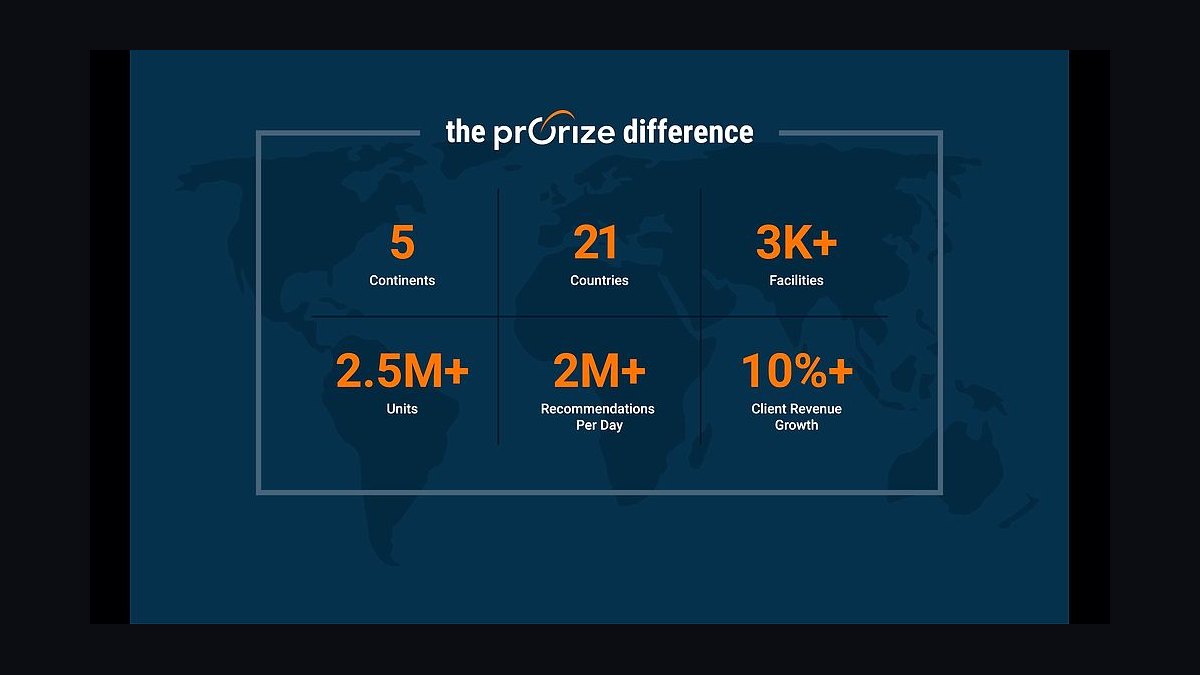
Prorize ranks eighth as the specialist pricing-science engine that sets dynamic street rates and schedules existing-customer-rate-increases for self-storage operators. It models demand, competitor rates, and tenant tenure to time ECRI without spiking move-outs, the lever that actually drives margin in this industry. REITs and large regionals lean on Prorize and Veritec Solutions class tools.
It is for mature multi-facility operators whose occupancy is healthy and whose profit now depends on rate discipline rather than filling units. It trades away simplicity — it is a separate contract, separate data feed, and separate discipline from the facility platform. Against Storable's native revenue management, Prorize is deeper and more scientific but costs more and requires integration work; native tools suffice for smaller portfolios.
9Eagle Eye Networks
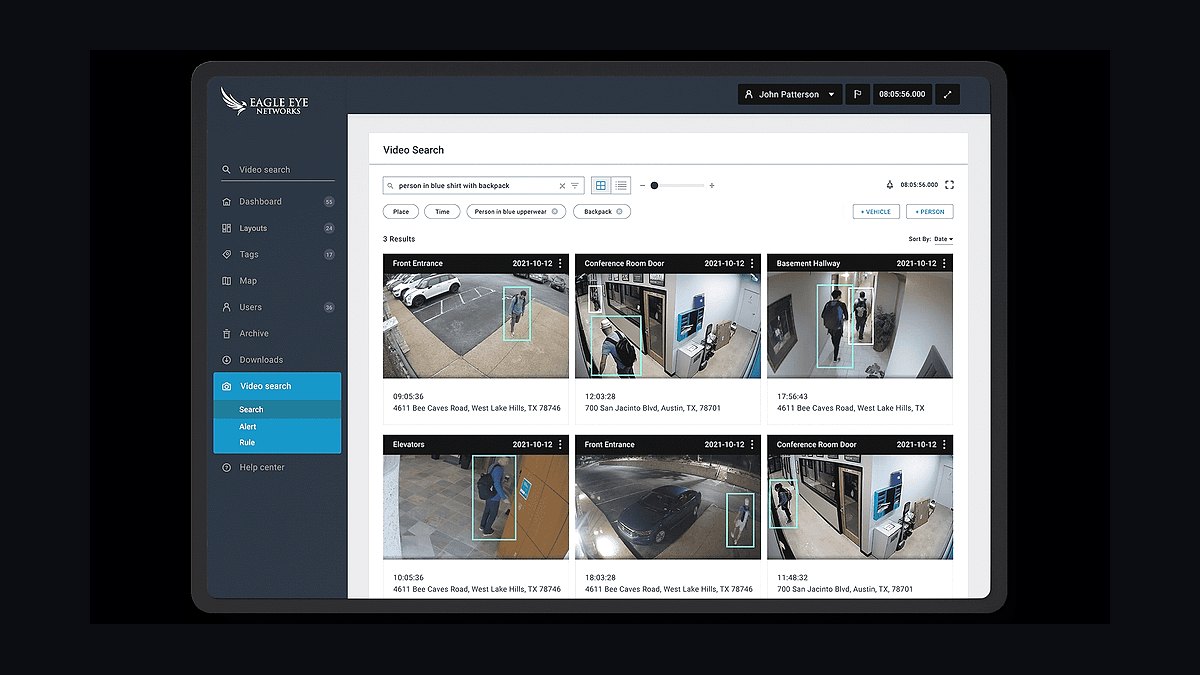
Eagle Eye Networks ranks ninth as the cloud-recorded video surveillance layer that gives a remote self-storage manager eyes on gates, drive aisles, and hallways across every site. It replaces on-prem DVRs that no unattended facility wants to maintain, streaming to the cloud for remote review and incident retrieval. Pricing runs roughly $15-$40 per camera per month plus hardware, scaling with camera count and retention. Verkada is the main alternate in the same cloud-camera category.
It is for operators running remote-managed or unattended facilities where no one is on site to watch a monitor. It trades away nothing functionally versus on-prem video except upfront hardware cost and recurring subscription. Compared with the access and platform layers above, Eagle Eye is supporting infrastructure rather than a system of record — it does not drive billing, access, or rate, but unattended operations fail without it.
10Microsoft Power BI
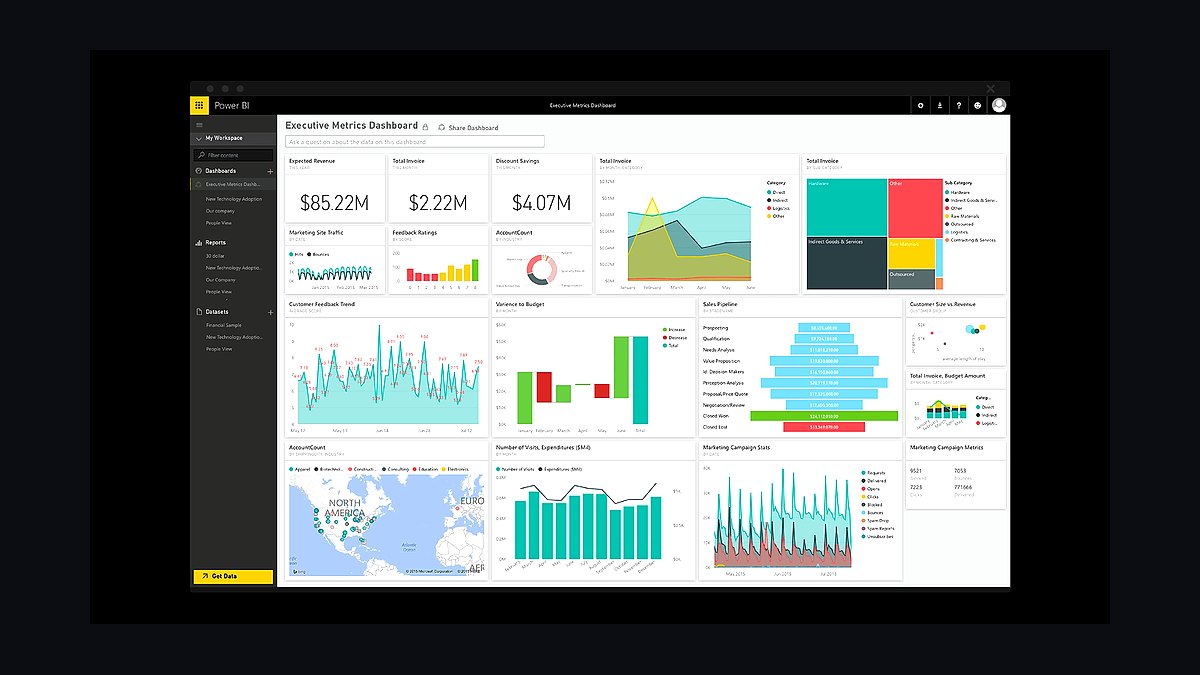
Microsoft Power BI ranks tenth as the portfolio-level business intelligence layer that self-storage operators add once they run more than a handful of sites. Fed by platform exports from storEDGE, SiteLink, or Yardi, it builds dashboards for occupancy, economic occupancy, and rate so a remote team manages by exception. It sits on top of platform-native reporting rather than replacing it. Licensing runs per-user per month at standard Microsoft commercial tiers.
It is for regional and larger operators whose remote team needs one screen across many facilities instead of logging into each platform separately. It trades away the operational depth of the facility platform — Power BI reports, it does not bill, gate, or price. Compared with platform-native dashboards, Power BI is more flexible and portfolio-wide but requires data modeling work; single-site owners should skip it entirely.
How we ranked these
We ranked each tool on five weighted criteria: depth of the delinquency-to-lien-to-auction workflow (25%), real-time gate and access-control integration (20%), revenue management and ECRI capability (20%), unattended online rental and call-center coverage (20%), and total cost at single-site versus portfolio scale (15%). Scores came from vendor documentation, published pricing, integration marketplaces, and operator-reported outcomes.
We deliberately ignored brand familiarity, marketing spend, and feature-count checklists. A long feature list means nothing if the gate and the ledger fall out of sync. We also excluded generic property management suites that lack state-specific lien automation, and any tool whose access control only updates on a batch schedule rather than in real time.
Related questions
What is the single most important tool in a self-storage tech stack?
The facility management platform. It owns unit inventory, month-to-month billing, autopay, and the state-specific delinquency-to-lien-to-auction workflow. Everything else — gate access, revenue management, online rentals, insurance — plugs into it. If the platform is wrong, every downstream layer inherits the error, so pick this first and pick it carefully.
Why does gate access control matter so much in self-storage?
In self-storage, access and billing are the same system. When a tenant goes delinquent, the platform tells the gate controller to deny their PIN and the smart lock to stay shut. A gate that admits a non-paying tenant is a revenue leak; one that locks out a paying tenant is a lawsuit. Real-time integration is load-bearing.
How much does a self-storage facility management platform cost?
Entry-tier platforms like Easy Storage Solutions run roughly $40-$60 per month for a single facility. Cloud platforms such as storEDGE typically run $100-$300+ per facility monthly depending on unit count and modules. Enterprise options like Yardi Voyager are quoted, not published. Expect hardware, gate, and revenue management costs on top of the platform fee.
What is ECRI and why does it drive self-storage profit?
ECRI stands for existing-customer-rate-increases. Mature operators raise rent on tenants already in place, who rarely move their belongings over a $12 bump. A facility with mediocre marketing but disciplined ECRI will out-earn a full facility that never raises rent. Revenue management software schedules those increases without spiking move-outs.
Can a self-storage facility really run with no on-site staff?
Yes, if four layers work together: online rentals and a live website, a backstop call center, smart-lock or gate access replacing a front desk, and cloud surveillance for a remote manager. Miss any one and prospects hit a dead end at 9 p.m. and rent from a competitor. Labor savings only materialize when the funnel is fully covered.
Do I need separate revenue management software if my platform includes it?
Not always. Storable's native revenue management is a lighter built-in option for operators already on storEDGE who want disciplined increases without another contract. Specialist vendors like Prorize and Veritec Solutions offer deeper pricing science and are what REITs and large regionals lean on. Start native, upgrade when portfolio scale justifies it.
How does tenant insurance fit into the stack?
Tenant protection is high-margin attached revenue and genuine risk transfer. Programs like SafeStor and Bader enroll tenants at move-in, often auto-checked inside the online rental flow. The operator keeps a commission share on every enrolled tenant, which at scale becomes meaningful recurring profit layered on top of rent.
What accounting software do self-storage operators actually use?
Most independent operators export to QuickBooks Online. Multi-entity portfolios and REITs consolidate in Yardi or Sage Intacct. The facility platform owns rent and occupancy; accounting owns the general ledger, payroll, and entity-level financials. Keep those roles separate and reconcile them, rather than forcing one tool to do both.
FAQ
What is the best tech stack for a self-storage operator in 2027?
Build around a facility management platform as the system of record: storEDGE for most growing operators, Easy Storage Solutions for a single site, or Yardi Breeze for portfolios wanting one ledger. Wrap it with gate access tied to payment status, revenue management and ECRI, online rentals, a call center, and tenant insurance. The platform is the spine.
Which facility management platform is best for a single self-storage site?
Easy Storage Solutions is the budget pick at roughly $40-$60 per month and handles units, billing, autopay, and lien basics for one facility. Entry-tier storEDGE works if you expect to grow. The deciding factor is whether the platform's lien workflow matches your state's statute and whether gate integration is real-time.
How much should I budget for gate and access control hardware?
Plan on a one-time hardware install of $15,000-$60,000+ per facility plus ongoing monitoring fees. Smart-lock retrofits such as Nokē add roughly $30-$50 per door. PTI is the long-standing leader for gate controllers and keypads; OpenTech pairs access with call-center and kiosk tools. Budget the integration, not just the hardware.
Why do operators get locked into one vendor ecosystem?
Because the tightest integrations — payment status to gate, availability to website, move-in to insurance enrollment — usually live inside one ecosystem like Storable or OpenTech. That coupling is a feature, not a bug, but it raises switching costs. Choose the ecosystem whose roadmap matches your scale before you sign multi-year agreements.
What is the biggest mistake buyers make when choosing self-storage software?
Buying on feature count instead of integration depth. A platform with a hundred features but batch-only gate updates will let delinquent tenants in and lock paying ones out. Weight the payment-status-to-gate link and the state lien workflow above everything else, then compare price. Integration failures cost far more than license fees.
How do REITs run their self-storage technology differently?
REITs run proprietary or heavily customized platforms, roll Nokē Smart Entry across thousands of doors, use Prorize or Veritec-class pricing science for aggressive ECRI, staff large internal call centers, and feed a corporate data warehouse into Power BI or Tableau. Everything is engineered for unattended scale, which independents approximate with vendor ecosystems.
What surveillance setup makes sense for a remote-managed facility?
Cloud-recorded video covering gates, drive aisles, and hallways gives a remote manager eyes on every site. Eagle Eye Networks and Verkada are the leaders, running roughly $15-$40 per camera per month plus hardware. Cloud replaces on-prem DVRs that no unattended facility wants to maintain, and integrates with access-control events.
How should a third-party management company standardize technology?
Standardize every managed site onto one platform — SiteLink or storEDGE — plus one access-control vendor and a centralized call center. That lets a single ops team and one revenue-management discipline cover dozens of independently owned facilities under one playbook. Mixed stacks across sites destroy portfolio-level reporting and slow every decision.
When should an operator add business intelligence tooling?
Once you run more than a handful of sites, portfolio-level occupancy, economic occupancy, and rate dashboards move into Power BI fed by platform exports, layered on top of native reporting. Below that scale, platform dashboards are enough. Adding BI too early creates maintenance overhead without better decisions.
What happens if the lien workflow is misconfigured?
Storage liens are governed by state statute, and notice periods, advertising rules, and timelines differ everywhere. An operator who lets default timers run or skips a required notice can void an auction and face liability. A platform not configured to the specific state's lien clock turns your most important automation into legal exposure.
Sources
- https://www.storable.com/
- https://www.sitelink.com/
- https://www.easystorage.com/
- https://www.yardi.com/
- https://www.ptisecurity.com/
- https://www.opentechalliance.com/
- https://www.prorize.com/
- https://www.sparefoot.com/
- https://www.eagleeyenetworks.com/
- https://quickbooks.intuit.com/
Related on PULSE
This page will be disappearing soon. Save it to your device for $1 — or read it free while it is here.
@Kory-White- · if Venmo asks, the last 4 of my number are 2012
This page is gone.
This one is off the shelf now. $1 keeps it on your phone for good — the whole page, pictures and diagrams included.
 pulse-tech-stacksTop 10 Best Tech Stack Tools for Plumbing Contractors in 2027
 pulse-tech-stacksTop 10 Best Tech Stack Tools for Embeddings API Companies in 2027
 pulse-tech-stacksTop 10 Best Tech Stack Tools for Threat Intelligence Vendors in 2027
 tkTop 10 Best Tech Stack Tools for Concrete and Paving Contractors in 2027
 pulse-tech-stacksTop 10 Best Tech Stack Tools for Bot Mitigation Vendors in 2027
 pulse-tech-stacksTop 10 Best Tech Stack Tools for Email Security Vendors in 2027
 pulse-tech-stacksTop 10 Best Tech Stack Tools for Window Cleaning Services in 2027
 pulse-tech-stacksTop 10 Best Tech Stack Tools for AI Translation API Companies in 2027
 pulse-tech-stacksTop 10 Best Tech Stack Tools for Hardware Security Module (HSM) Vendors in 2027
 pulse-tech-stacksTop 10 Best Tech Stack Tools for HOA and Community Association Management Companies in 2027