
How much does Aquariums cost in 2027?
 PULSEKNOWLEDGE LIBRARY
It depends on the type, size, and complexity of the aquarium system you choose, with costs ranging from a few hundred dollars for a basic freshwater tank to over $10,000 for a large saltwater or custom reef setup in 2027. The total investment includes the tank, stand, filtration, lighting, livestock, and ongoing maintenance.
Aquarium ownership in 2027 involves both upfront and recurring expenses. A small 10-gallon freshwater starter kit can cost as little as $150, while a 75-gallon saltwater reef tank with high-end equipment and coral can exceed $5,000. Custom installations, such as built-in wall tanks or massive public-style displays, can reach $20,000 or more. The hobby has seen price increases due to inflation and supply chain factors, but entry-level options remain accessible. Understanding the full scope of costs, from initial setup to monthly upkeep, is crucial for anyone considering this rewarding but potentially expensive hobby in 2027.
What are the upfront costs for a basic freshwater aquarium in 2027?
For a basic freshwater aquarium, the initial setup cost in 2027 typically ranges from $150 to $800. A 10-gallon starter kit, including tank, lid, filter, heater, and basic lighting, costs around $150 to $250. A 20-gallon setup with a better stand and upgraded filter runs $300 to $500. Larger tanks, such as 55 gallons, require a sturdy stand and can cost $600 to $800 for the equipment alone. Gravel, decorations, water conditioner, and a test kit add another $50 to $100. Fish are relatively inexpensive, with community species like tetras or guppies costing $2 to $10 each, so stocking a 20-gallon tank may cost $50 to $100. These prices are stable compared to previous years, but specialized equipment like LED lights or canister filters can increase costs.
Beyond the basic components, the choice of substrate and hardscape significantly impacts the upfront cost. Natural gravel is affordable at $0.50 to $1 per pound, but specialized planted tank substrates like aquasoil can cost $2 to $4 per pound, adding $30 to $80 for a 20-gallon tank. Driftwood and rocks for aquascaping range from $10 to $50 per piece, depending on size and type. For beginners, a simple setup with a few hardy plants like Java fern or Anubias, costing $5 to $15 each, is recommended to avoid the expense of high-tech planted tanks that require CO2 injection systems, which can add $100 to $300 to the initial cost. These decisions allow hobbyists to tailor their budget to their aesthetic goals without breaking the bank.

How much does a saltwater aquarium setup cost in 2027?
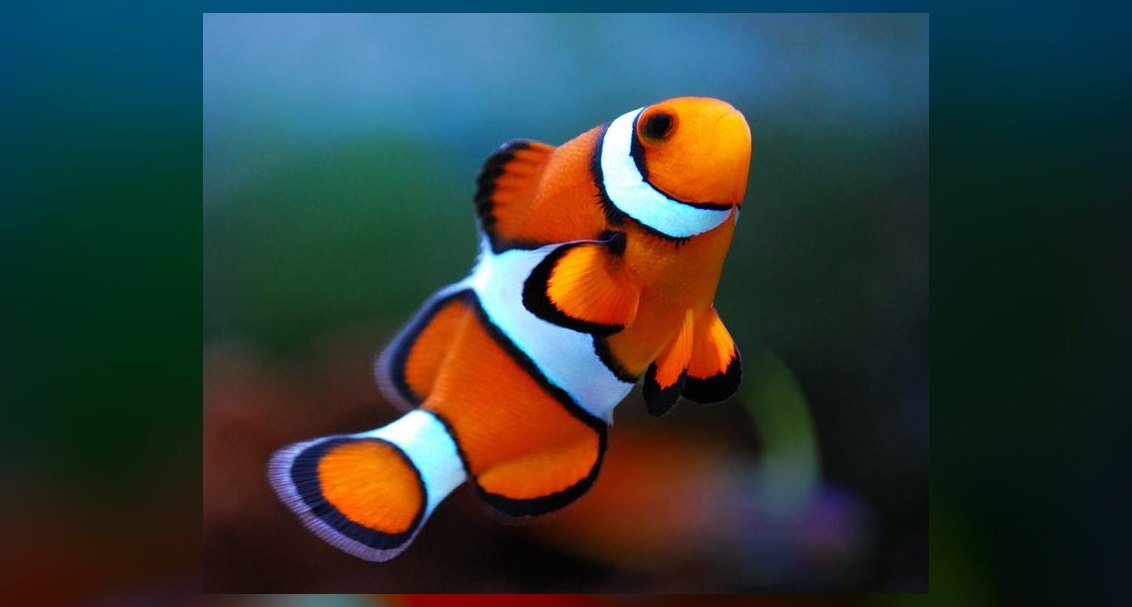
A saltwater aquarium setup in 2027 is significantly more expensive, with costs starting around $500 for a small nano tank and exceeding $3,000 for a standard 75-gallon system. A 20-gallon saltwater tank requires a protein skimmer, live rock, and a sump system, costing $600 to $1,200. For a 75-gallon reef tank, expect to pay $1,500 to $3,000 for equipment alone, including high-output lighting for corals. Live rock and sand add $200 to $500. Fish like clownfish or tangs cost $20 to $100 each, and corals range from $30 for soft corals to $200+ for rare specimens. The total for a fully stocked 75-gallon reef can easily reach $4,000 to $6,000. For more details on saltwater tank costs, see saltwater aquarium costs.
The complexity of saltwater systems drives costs higher due to specialized equipment and the need for precise water chemistry. A quality RO/DI (reverse osmosis deionization) water filtration system, essential for saltwater tanks to remove impurities, costs $100 to $300. The protein skimmer, which removes organic waste, ranges from $50 for small hang-on models to $500 for large in-sump units. High-intensity LED lighting for coral growth is a major expense, with fixtures costing $200 to $1,000 for a 75-gallon tank. Additionally, the cost of live rock, which serves as biological filtration and habitat, has increased in 2027 due to stricter harvesting regulations, with prices ranging from $5 to $15 per pound. A 75-gallon tank may need 60 to 100 pounds, adding $300 to $1,500 to the setup. These factors make saltwater aquariums a premium hobby that requires careful financial planning.

What are the ongoing maintenance costs for an aquarium in 2027?
Ongoing maintenance costs in 2027 vary by tank type but average $20 to $100 per month. For freshwater tanks, expenses include electricity (pumps, filters, heaters) at $10 to $30, fish food at $5 to $15, and water conditioners and filter media at $10 to $20 per month. Saltwater tanks have higher costs: electricity for powerful lights and pumps can run $30 to $60, salt mix at $10 to $20, and replacement filter media or RO/DI water at $15 to $30. Coral supplements and test kits add $20 to $40 monthly. Additionally, replacing fish or corals due to disease or accidents is common, costing $10 to $50 per incident. Annual costs can total $240 to $1,200, making budgeting essential for long-term hobby success.
Beyond direct expenses, hobbyists should account for the cost of water changes, which are critical for water quality. For a 75-gallon saltwater tank, a weekly 10% water change requires about 7.5 gallons of saltwater, costing $1 to $2 for salt mix and $0.50 for RO/DI water production. Over a year, this adds $78 to $130 in water change costs. Equipment maintenance also incurs costs: filter impellers may need replacement every 6 to 12 months ($10 to $30), and heater thermostats can fail, requiring a $20 to $50 replacement. The use of energy-efficient pumps and LED lighting can reduce electricity costs by 20-30% compared to older models, but the initial investment is higher. For more tips on managing these costs, see budget aquarium tips.

How do custom and large aquariums affect cost in 2027?
Custom and large aquariums, such as 150-gallon or built-in wall tanks, can cost $5,000 to $20,000 or more in 2027. A custom 150-gallon acrylic tank with a custom stand and premium filtration system starts at $3,000 to $5,000. Installation, including plumbing, lighting, and cabinetry, adds $2,000 to $10,000. Large tanks require heavy-duty stands, multiple pumps, and advanced controllers, which can double equipment costs. For example, a 300-gallon freshwater system may cost $8,000 to $12,000, while a similar saltwater reef could exceed $20,000. Livestock for large tanks is also pricier, with large fish costing $100 to $500 each and rockwork at $500 to $1,500. These investments often include professional maintenance services, adding $100 to $300 per month. Custom tanks are a major expense but offer unique aesthetic value.
The structural requirements for large aquariums add significant cost. A 150-gallon tank filled with water weighs over 1,200 pounds, necessitating a reinforced floor or a custom stand engineered to distribute weight evenly. Such stands, often made from hardwood or steel, cost $500 to $2,000. Plumbing for large systems includes a sump, return pump, and possibly a chiller or reactor, adding $500 to $2,500. Advanced controllers that monitor temperature, pH, and salinity cost $200 to $800. For saltwater systems, the cost of live rock and coral becomes exponential; a 300-gallon reef may require 200 pounds of live rock ($1,000 to $3,000) and hundreds of corals ($500 to $5,000). Professional installation by a certified aquarium contractor is recommended, with fees ranging from $1,000 to $5,000, ensuring the system is safe and functional. These projects are often undertaken by serious enthusiasts or commercial clients seeking a statement piece.

What factors influence the cost of aquarium equipment in 2027?
Several factors drive aquarium equipment costs in 2027, including brand, technology, and sustainability trends. Premium brands like Fluval and Red Sea command higher prices due to reliability and warranty. LED lighting with smart controls and RGB spectrums costs $100 to $500 per fixture, while basic fluorescent lights are $30 to $80. Filtration systems vary: hang-on-back filters are $30 to $100, canister filters $100 to $300, and sump systems $200 to $600. Energy-efficient pumps and controllers, such as those with variable speed, add 20-30% to costs but reduce electricity bills. Sustainable products, like eco-friendly filter media and low-energy heaters, are gaining popularity and may cost slightly more. Inflation has increased prices by 5-10% since 2025, but competition keeps entry-level options affordable.
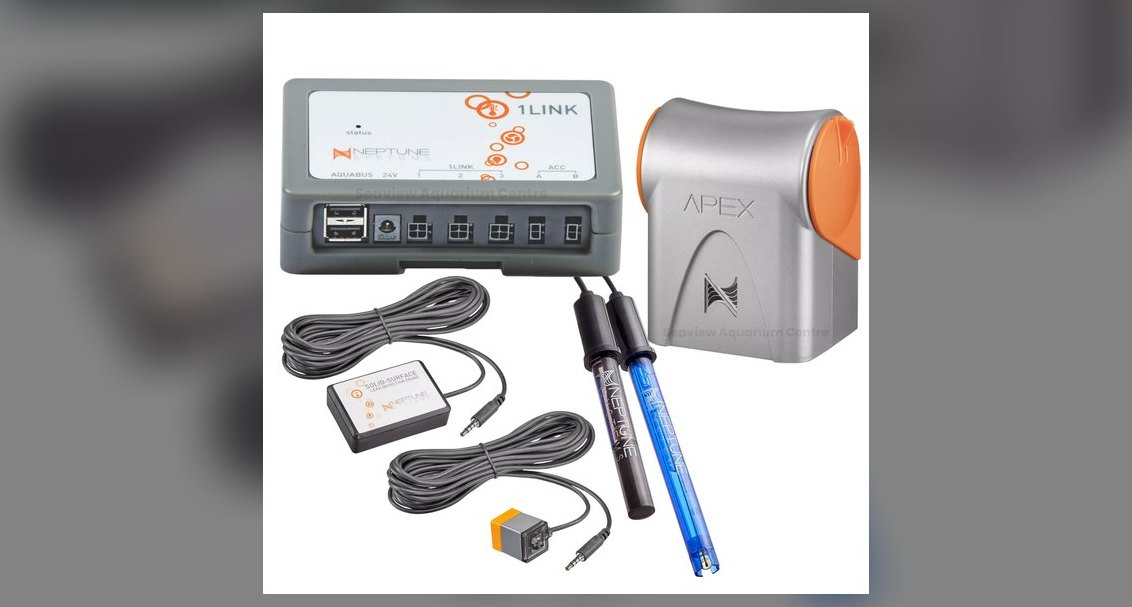
The shift toward smart technology in aquarium equipment is a notable trend in 2027. Wi-Fi-enabled controllers allow hobbyists to monitor and adjust water parameters remotely, with prices ranging from $50 for basic models to $300 for advanced systems that integrate with home automation. Automated dosing pumps for saltwater supplements cost $100 to $400, reducing manual labor but increasing upfront investment. Similarly, LED lighting with programmable sunrise/sunset effects and cloud simulation costs $150 to $600, offering energy savings and enhanced coral growth. The use of sustainable materials, such as recycled glass for filter media and biodegradable fish food packaging, adds a 5-15% premium but appeals to environmentally conscious consumers. These technological advancements provide convenience and efficiency but require a higher initial budget.

Are there ways to reduce aquarium costs in 2027?
Yes, several strategies can lower aquarium costs in 2027. Buying used equipment from online marketplaces or local fish clubs can save 30-50% on tanks, stands, and filters. Starting with a smaller tank (10-20 gallons) reduces upfront and maintenance costs. Using a simple freshwater setup instead of saltwater cuts expenses by 50-70%. DIY solutions, such as building your own stand or using a sponge filter, can save $50 to $200. Choosing hardy, low-maintenance fish and plants reduces replacement costs. Joining a local aquarium society offers discounts on supplies and free advice. For long-term savings, investing in energy-efficient equipment pays off through lower electricity bills.
Another effective cost-saving approach is to practice responsible fishkeeping to minimize losses. Quarantining new fish for two to four weeks in a separate tank prevents disease outbreaks that can wipe out an entire aquarium, saving hundreds of dollars in replacement costs. A simple 10-gallon quarantine tank with a sponge filter costs $50 to $100 to set up. Additionally, breeding hardy fish like guppies or mollies can provide a steady supply of livestock for free, though it requires some knowledge and space. Using live plants instead of plastic ones improves water quality and reduces the need for chemical additives, with low-light plants like Java moss costing $5 to $10 per portion. These practices not only save money but also create a more stable and self-sustaining aquarium ecosystem. For more detailed strategies, see budget aquarium tips.

Related questions
What is the cheapest aquarium setup for beginners in 2027?
A 10-gallon freshwater starter kit is the cheapest option, costing around $150 to $250, including tank, filter, heater, and basic supplies.
How much does a reef tank cost per month in 2027?
A reef tank costs $30 to $100 per month for electricity, salt mix, supplements, and replacement media, depending on size and equipment.
Are large aquariums more expensive to maintain in 2027?
Yes, large aquariums (100+ gallons) cost $50 to $200 per month due to higher electricity, water, and food expenses.
What is the average lifespan of aquarium equipment in 2027?
Quality equipment lasts 3-10 years, with filters and heaters needing replacement every 3-5 years and LED lights lasting 5-10 years.
How can I estimate the total cost of an aquarium before buying?
Use online cost calculators or consult with local fish stores to get quotes for tank size, equipment, and livestock, factoring in a 10-20% contingency for unexpected expenses.
FAQ
How much does a 20-gallon aquarium cost in 2027? A 20-gallon freshwater setup costs $300 to $500, including tank, stand, filter, heater, and basic accessories.
What is the most expensive part of an aquarium? The filtration system and lighting are the most expensive components, especially for saltwater tanks, costing $200 to $1,000.
Can I save money by using a DIY aquarium? Yes, DIY tanks and stands can save 30-50%, but ensure proper sealing and structural integrity to avoid leaks.
How often do I need to replace aquarium water? Weekly water changes of 10-20% are recommended, costing $5 to $15 per change for salt mix and conditioners.
Do aquarium costs vary by location in 2027? Yes, costs are higher in urban areas due to shipping and store overhead, while online shopping offers competitive prices.
What is the cost of a custom built-in aquarium in 2027? Custom built-in aquariums cost $5,000 to $20,000, including installation, cabinetry, and professional design.
Are there hidden costs in aquarium ownership? Yes, hidden costs include electricity, replacement fish, test kits, and emergency equipment like backup pumps.
What is the average cost of fish food per month? Fish food costs $5 to $15 per month for freshwater and $10 to $25 for saltwater, depending on the number and type of fish.
How much does live rock cost for a saltwater tank? Live rock costs $5 to $15 per pound in 2027, with a 75-gallon tank needing 60-100 pounds, totaling $300 to $1,500.
Can I use tap water for a saltwater aquarium? No, tap water contains impurities that harm marine life; an RO/DI system costing $100 to $300 is essential for saltwater tanks.
Sources
- Aquarium Co-Op
- Fishlore
- Reef2Reef
- The Spruce Pets
- Aquarium Advice
- Practical Fishkeeping
- Bulk Reef Supply
- Saltwater Aquarium Blog
- American Aquarium Products
- Aquarium Science
Related on PULSE
- [How much light do planted aquariums need?](/knowledge/aq1001)
- [How much does CPI security monitoring cost for an aquarium facility in 2028?](/knowledge/aq1174)
- [Top 10 reef tank wavemakers and powerheads in 2027](/knowledge/aq1147)
- [Best aquarium UV sterilizer for green water control in 2027](/knowledge/aq1146)
Recently Added — Related
- [What should you know before investing in Aquariums in 2027?](/knowledge/aq1169)
- [What is the best way to approach Aquariums in 2027?](/knowledge/aq1168)
 pulse-aquariumsTop 10 Aquarium Controllers for Smart Tanks in 2027
 pulse-aquariumsHow do you treat ich in a freshwater aquarium?
 pulse-aquariumsHow do you raise water hardness in a shrimp tank?
 pulse-aquariumsWhat are dinoflagellates and how do you get rid of them in a reef tank?
 pulse-aquariumsTop 10 Aquarium Background Plants for Aquascaping in 2027
 pulse-aquariumsTop 10 Clownfish Varieties for Saltwater Aquariums in 2027
 pulse-aquariumsTop 10 Reef-Safe Wrasse Species for Aquariums in 2027
 pulse-aquariumsWhat causes algae blooms in aquariums and how do you stop them?
 pulse-aquariumsWhat is old tank syndrome and how do you avoid it?
 pulse-aquariumsTop 10 Freshwater Aquarium Plants for Beginners in 2027