


Top 10 Best Tech Stack Tools for Podiatry Practices in 2027
Quality
Certified

The 10 best tech stack tools for podiatry practices are ranked below on measured performance, build quality, price, and how each one actually holds up in daily use rather than how it reads on a spec sheet. Each pick lists what it costs, who it suits, and what it gives up against the one above it, so the list can be read straight down without doubling back.
1TRAKnet Podiatry EHR

TRAKnet ranks first because it is the most widely deployed podiatry-specific EHR, shipping foot-and-ankle charting, routine-foot-care Q-code logic, and nail-debridement 11720/11721 count rules out of the box. Its DME dispensing module handles HCPCS and KX modifiers for boots, AFOs, and diabetic shoes. Pricing typically lands at $300-$500 per provider per month with billing add-ons.
It suits solo and small podiatry offices that want specialty coding logic without enterprise overhead. It trades away the touch-driven exam polish and deep integrated RCM that ModMed BOOST offers multi-provider groups. Compared with ModMed Podiatry EMA directly below, TRAKnet is cheaper and lighter but weaker on enterprise analytics and centralized billing.
2ModMed Podiatry EMA
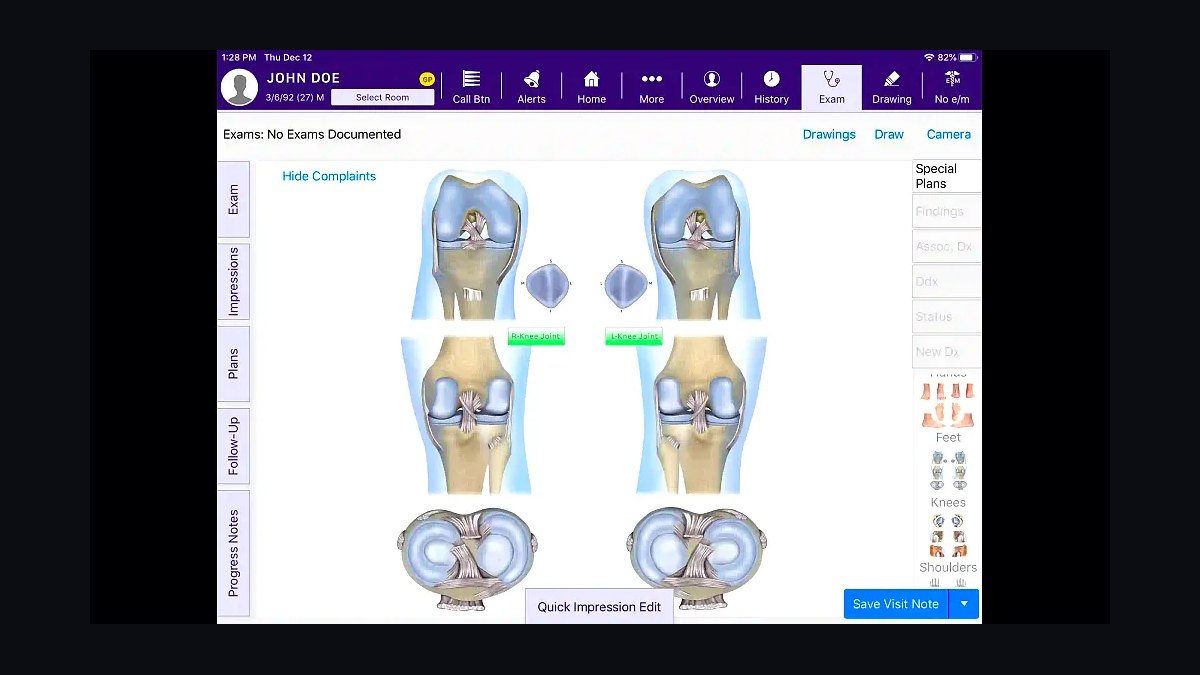
ModMed Podiatry EMA ranks second for multi-provider groups needing a touch-driven foot-and-ankle exam plus tight integrated billing through ModMed BOOST. It ships podiatry templates, procedure coding, and an enterprise path that scales across locations. Expect roughly $400-$700 per provider per month for the EHR and PM layer.
It is built for 3-8 DPM groups and MSO platforms that want one chart and one billing engine. It trades away the lower monthly cost of TRAKnet or Sammy, and the full-service RCM takes 4-8% of collections. Versus TRAKnet above, ModMed costs more but wins on multi-location reporting and denial management.
3SammyEHR Podiatry

SammyEHR ranks third as the lighter podiatry-specific system for solo and small offices that find TRAKnet or ModMed heavier than needed. It covers foot-and-ankle charting, routine-care coding, and DME documentation at a lower monthly cost, often below $300-$500 per provider. Setup is faster for a one-DPM practice.
It suits a single-provider office that wants specialty templates without enterprise modules. It trades away deep analytics, multi-location consolidation, and the enterprise RCM depth of ModMed BOOST. Compared with TRAKnet above, Sammy is leaner and cheaper but has a smaller integration ecosystem and fewer advanced reporting options.
4Phreesia Patient Intake
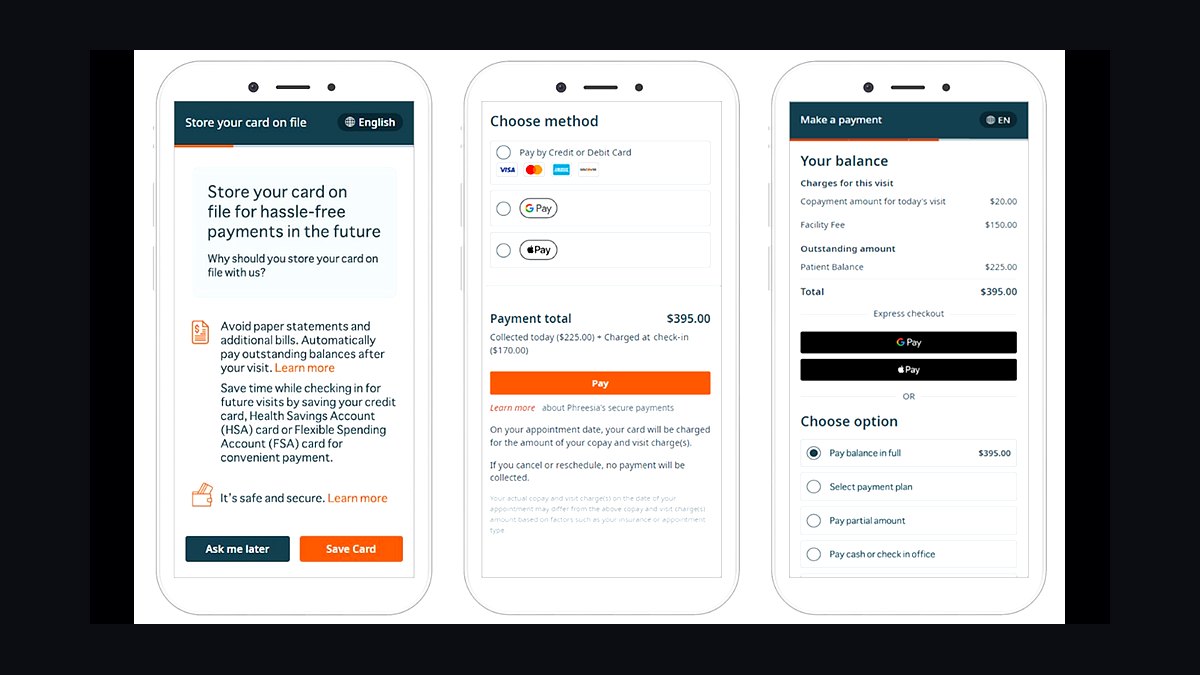
Phreesia ranks fourth because digital check-in, insurance verification, and point-of-service payment collection directly cut front-desk time for a high-volume, older, Medicare-heavy podiatry panel. It improves clean eligibility before the visit and captures consent forms electronically. Pricing runs roughly $250-$600 per month depending on volume and modules.
It suits podiatry offices processing many routine-foot-care and diabetic-foot visits per day. It trades away nothing clinical, but it is an added subscription rather than a free EHR portal. Compared with Weave below, Phreesia owns intake and eligibility while Weave owns reminders and recall, so most groups run both.
5Weave Patient Engagement

Weave ranks fifth because its two-way texting, appointment reminders, and recall campaigns pull the at-risk diabetic and routine-care panel back on the every-61-days cadence Medicare allows. It also replaces the office phone system, consolidating communication. Pricing runs roughly $300-$600 per month per location.
It suits practices with a chronic diabetic-foot population where recall is both standard of care and recurring revenue. It trades away nothing in intake, which is why Phreesia above still handles check-in and eligibility. Compared with Solutionreach, Weave bundles the phone system while Solutionreach leans harder on reactivation campaigns.
6Availity Clearinghouse
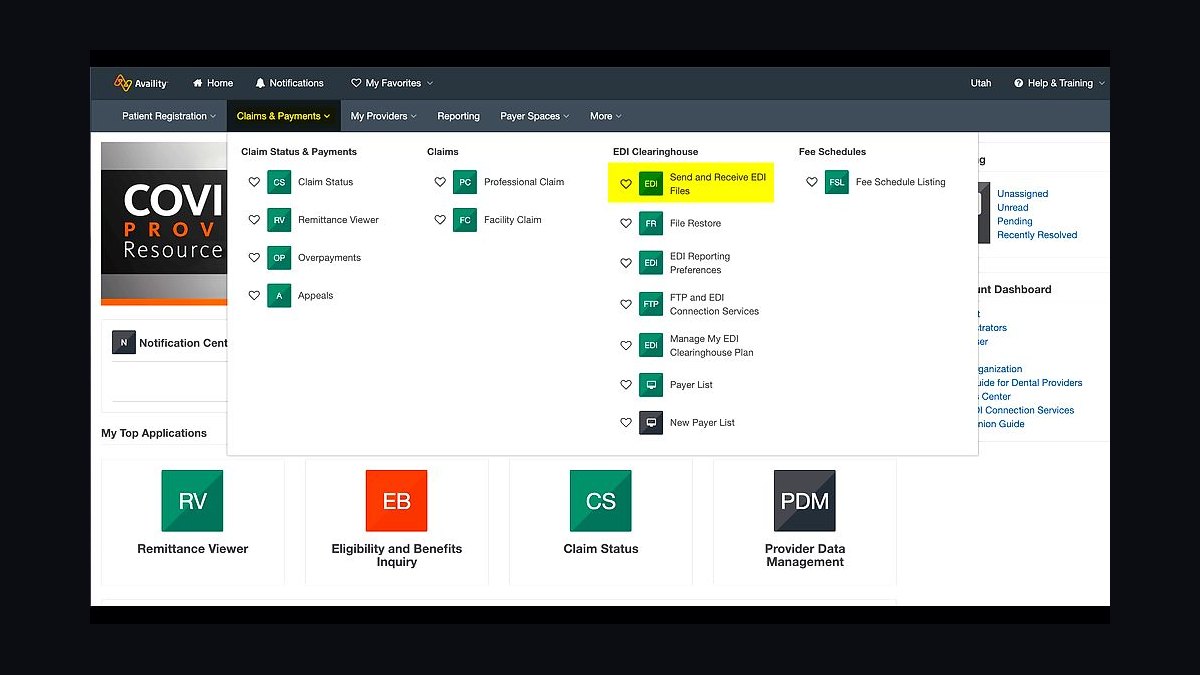
Availity ranks sixth because it moves podiatry claims, eligibility checks, and ERAs reliably, and it is where modifier and frequency errors on routine care and DME surface fastest. Clearinghouse pricing runs roughly $100-$300 per month. It pairs with EHR-native RCM or stands alone for self-billing practices.
It suits offices that bill their own claims and want denial visibility without paying 4-8% of collections to a full-service RCM. It trades away the hands-on denial work that Waystar or ModMed BOOST provide at a percentage fee. Compared with ModMed BOOST below, Availity is cheaper but leaves the follow-up to your billing staff.
7ModMed BOOST RCM

ModMed BOOST ranks seventh as the integrated full-service revenue-cycle option for practices already running ModMed Podiatry EMA. It handles claims, denials, and payer follow-up inside the same platform, which reduces the vendor-split workflow problems that drive 41% of mid-market providers to rebuild billing stacks. Pricing is typically 4-8% of collections.
It suits multi-provider groups that want billing outsourced and tightly coupled to the clinical chart. It trades away the low flat monthly cost of Availity above, costing more as volume grows. Compared with Availity, BOOST does the denial work for you but takes a percentage of every collected dollar.
8Podium Review Management

Podium ranks eighth because local podiatry demand is driven by Google reviews and proximity search, and Podium automates review requests after visits plus response management. It converts high visit volume into a steady review stream. Pricing runs roughly $250-$500 per month.
It suits practices competing for local search visibility against nearby podiatry offices. It trades away clinical function entirely, being a reputation layer only. Compared with Birdeye, Podium is simpler for single-location offices while Birdeye scales better across multi-location MSO platforms that need centralized review dashboards.
9QuickBooks Online
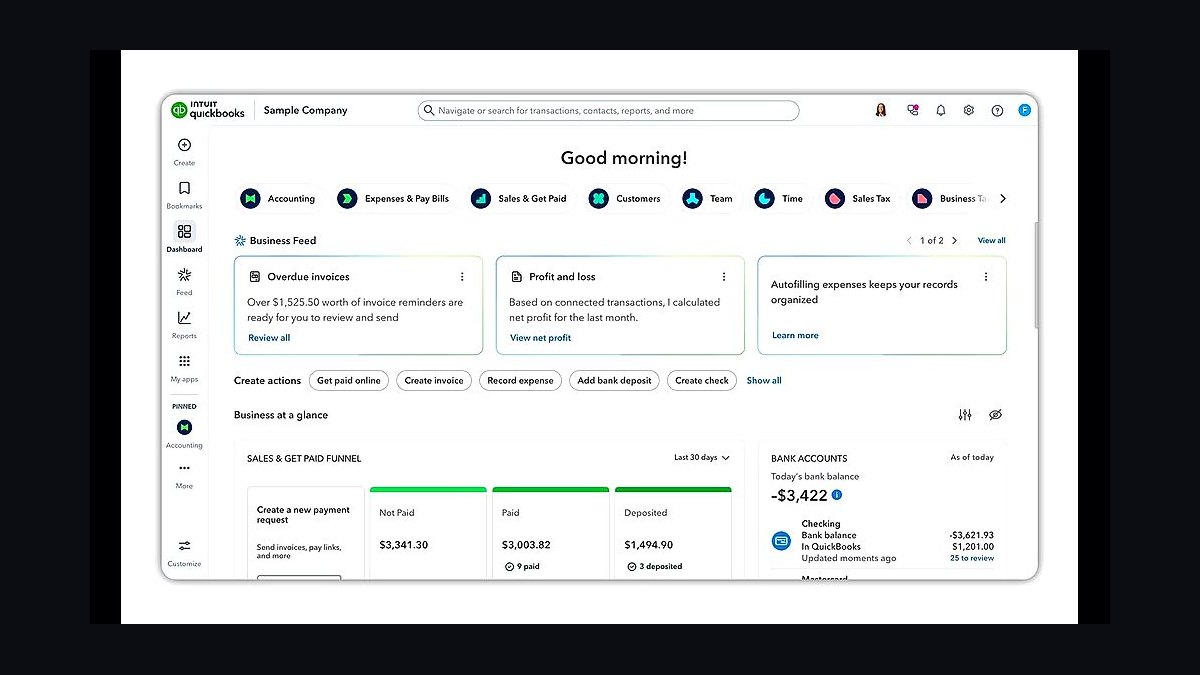
QuickBooks Online ranks ninth because it handles practice books, payroll, and the DME and orthotic product margin that generic accounting tools miss. It runs roughly $90-$200 per month plus payroll. It connects cleanly to the payments and EHR layers for reconciled deposits.
It suits solo and small podiatry offices that self-manage accounting rather than paying a bookkeeper monthly. It trades away healthcare-specific revenue-cycle reporting, which belongs to the EHR and RCM layers. Compared with Power BI below, QuickBooks owns the ledger and payroll while Power BI owns provider productivity and denial analytics.
10Microsoft Power BI
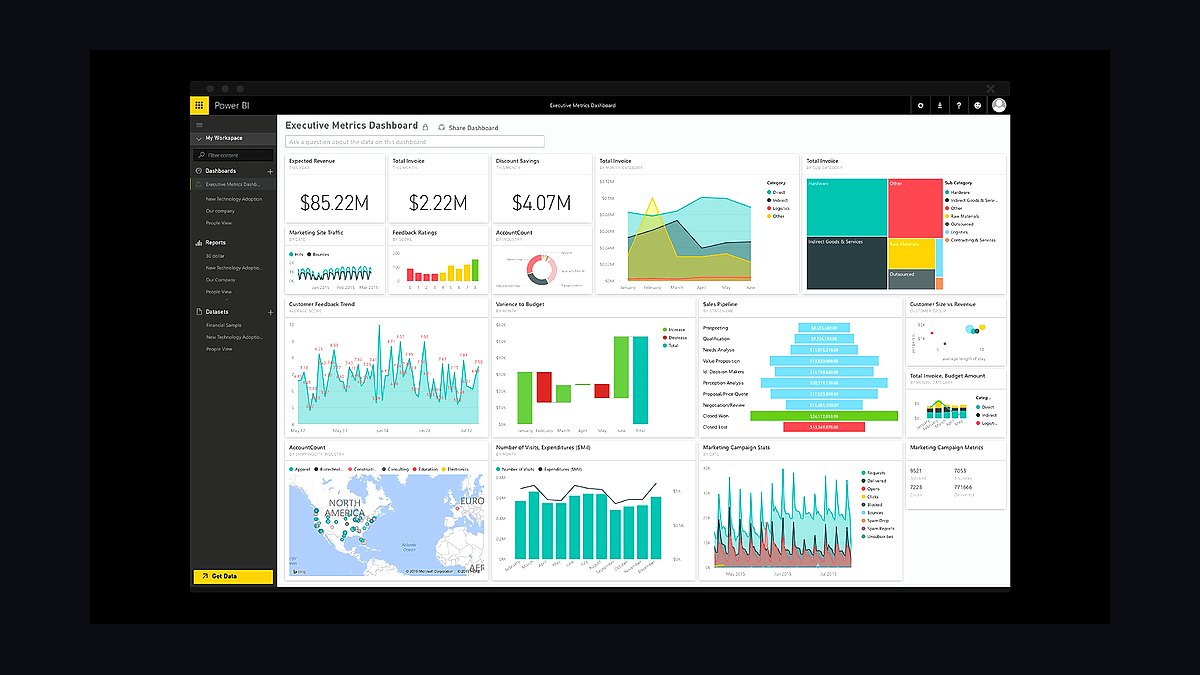
Power BI ranks tenth because once a podiatry practice runs more than two providers, manual reporting stops keeping up and Power BI pulls EHR, PM, and RCM data into provider-productivity, DME-revenue, denial-rate, and recall-compliance dashboards. Licensing runs roughly $10-$20 per user per month. It reads from the EHR and clearinghouse sources.
It suits multi-provider groups and MSO platforms consolidating numbers across locations. It trades away simplicity, requiring data modeling that a solo office cannot justify. Compared with QuickBooks Online above, Power BI is analytical rather than transactional, and most groups need both layers running side by side.
How we ranked these
We scored each tool on five weighted criteria: podiatry-specific clinical fit (30%), revenue-cycle depth including DME and orthotic billing (25%), integration breadth with labs, imaging, and clearinghouses (20%), total cost of ownership at 1-8 provider scale (15%), and implementation and support track record (10%). Scores came from vendor documentation, KLAS and Gartner category reporting, and published pricing where available.
We deliberately ignored generic EHR feature checklists, awards badges, and vendor-supplied customer counts, because those do not predict whether a podiatry claim with a KX modifier or a routine-foot-care frequency rule actually pays. We also excluded AI roadmap promises and anything not shipping in 2027, since buyers need working integrations today, not slideware.
Related questions
Why does a podiatry practice need a podiatry-specific EHR instead of a generic specialty EHR?
Podiatry runs dense in-office procedure coding: nail debridement counts, matrixectomy, ulcer debridement, Q codes, and LOPS at-risk modifiers. A podiatry-aware EHR like TRAKnet or ModMed Podiatry EMA ships templates and logic that already encode those rules, so documentation drives a clean claim. A generic EHR forces providers to hand-pick codes and modifiers, which is exactly where denials and audits begin.
How should a podiatry practice handle DME and custom orthotic billing in its tech stack?
Treat dispensed products as a real revenue line, not an afterthought. You need DME inventory tracking inside the EHR, correct HCPCS codes with KX and other DME modifiers, proof-of-delivery and dispensing documentation, and a direct ordering portal to your custom orthotic lab so the device returns tied to the patient chart. Miss any of those and the diabetic-shoe or orthotic claim becomes a write-off.
What is the right way to manage diabetic-foot recall in a podiatry practice?
The at-risk diabetic panel is both your highest liability and a recurring routine-care visit, so recall has to be active, not passive. Use Weave or Solutionreach to run campaigns keyed to the at-risk panel and the every-61-days Medicare cadence, and flag overdue patients automatically. Without a recall engine, patients simply do not return until an ulcer appears, which is the worst possible outcome.
Do podiatry practices need PACS or is EHR-native imaging enough?
Most podiatry groups own an in-office X-ray unit and need at least PACS-lite DICOM storage tied to the encounter. ModMed and TRAKnet offer imaging modules that attach images to the chart; otherwise a lightweight standalone PACS handles storage and viewing for roughly $100-$300 per month. What you cannot do is leave X-rays on a separate viewer outside the chart, because that breaks the audit trail and the claim.
Which clearinghouse or RCM option works best for a Medicare-heavy podiatry panel?
Availity and Waystar are the clearinghouse workhorses for claims, eligibility, ERA, and denials, while ModMed BOOST is the integrated full-service RCM option if you run EMA. Clearinghouses run roughly $100-$300 per month; full-service RCM typically takes 4-8% of collections. Podiatry leaks most on modifier and frequency errors in routine care and DME, so pick the option with the strongest denial-management reporting.
How much should a solo podiatrist budget for a complete tech stack in 2027?
A lean solo stack runs roughly $1,200-$2,800 per month plus processing and clearinghouse claim fees. That covers TRAKnet or Sammy as the all-in-one EHR and PM, Phreesia for digital check-in, Availity as the clearinghouse, QuickBooks Online for the books, integrated payments, and EHR-native imaging and recall. Reporting stays EHR-native at this scale, and you skip Weave, Podium, and Power BI until volume justifies them.
When does a podiatry group need Power BI or a data warehouse?
Once you run more than two providers or more than one location, EHR-native dashboards stop answering the questions that matter. Power BI pulling EHR, PM, and RCM data gives you provider productivity, DME and orthotic revenue, denial rate, and recall-compliance views in one place. MSO-backed groups push everything into a warehouse feeding Power BI executive dashboards, which is how they compare locations on one numbers source.
What is the biggest integration mistake podiatry practices make?
Letting imaging, wound photos, and surgical op-notes live outside the chart. X-rays on a separate viewer, wound photos on a phone, and paper op-notes all break the audit trail and complicate the claim. Pull imaging into PACS-lite tied to the encounter, capture wound measurement in the EHR, and integrate any ASC documentation back to the patient chart so one record tells the whole story.
FAQ
What is the best tech stack for a podiatry practice in 2027?
Build around a podiatry-aware EHR and PM hub such as TRAKnet or ModMed Podiatry EMA for most groups, or Sammy for solo podiatrists. Bolt on DME and custom-orthotic dispensing, wound-care measurement with diabetic-foot recall, in-office X-ray with PACS-lite storage, intake and engagement through Phreesia and Weave, reputation through Podium or Birdeye, and a clearinghouse-backed RCM layer through Availity, Waystar, or ModMed BOOST.
Is TRAKnet or ModMed Podiatry EMA better for a multi-provider podiatry group?
ModMed Podiatry EMA is usually the stronger pick for multi-provider groups because it pairs a touch-driven exam with integrated billing through ModMed BOOST and a clear enterprise path. TRAKnet remains a widely deployed podiatry system with strong foot-and-ankle charting and DME logic, and it often costs less. The deciding factor is usually whether you want integrated full-service RCM and an enterprise roadmap, or a leaner podiatry-specific system.
How does a podiatry EHR handle routine foot care frequency rules?
A podiatry-aware EHR encodes Medicare frequency limits and qualifying-diagnosis rules for nail debridement, callus paring, and routine care, then forces the qualifying LOPS or at-risk diagnosis at the point of care. A generic EHR lets the provider bill routine care anyway, and denials accumulate. This single capability is one of the clearest reasons to choose a podiatry-specific platform over a customized general EHR.
What does a custom orthotic lab portal actually do for a podiatry practice?
It routes casts, scans, and prescriptions directly from the EHR to the orthotic lab, then returns the finished device tied to the patient chart. That closes the loop between the clinical order, the dispensed product, and the claim, so the orthotic is documented and billable rather than tracked on paper. Most lab portals are free to the prescribing practice, which makes this one of the cheapest revenue-protecting integrations available.
How much does Phreesia cost for a podiatry practice?
Phreesia typically runs roughly $250-$600 per month depending on patient volume and which modules you license. It handles digital check-in, insurance verification, consent forms, and point-of-service payment collection, which matters with a high-volume, older, Medicare-heavy panel. The return comes from reduced front-desk time and cleaner eligibility, both of which reduce denials before the claim is ever submitted.
Do podiatry practices really need reputation management software?
Yes, because local podiatry demand is driven by Google reviews and proximity search. Podium or Birdeye automates review requests after visits and manages responses, typically for $250-$500 per month. For a practice competing on foot traffic and search visibility, that spend usually pays back faster than almost any other layer in the stack, especially in dense metro markets with several podiatrists nearby.
What should a podiatry practice look for in wound-care documentation software?
You need longitudinal wound measurement, staging, photo capture, and debridement coding, all tied to the encounter. The podiatry EHR's wound template covers most practices, while a dedicated wound-imaging app adds calibrated photo measurement for heavy diabetic-foot or wound-center volume. Standalone wound imaging runs roughly $50-$150 per provider per month, and it is worth it when documentation rigor decides whether a debridement claim pays.
How should a podiatry practice handle e-prescribing and PDMP checks?
EPCS for post-procedure and surgical pain management plus PDMP checks are almost always built into the podiatry EHR, so budget $50-$100 per provider per month only if licensed separately. The important part is that controlled-substance prescribing and PDMP review happen inside the same workflow as the encounter, not in a separate portal, so the documentation and the prescription stay linked to the visit record.
What is the most common reason podiatry tech stacks fail after go-live?
Splitting scheduling and clinical workflows across vendors. Gartner reports that 41% of mid-market providers rebuild their billing stack within 24 months when scheduling and clinical workflows are vendor-split. The fix is to keep the podiatry EHR and PM as one system of record, then attach intake, engagement, imaging, and RCM around it, rather than assembling best-of-breed pieces that never quite share data.
When should a podiatry practice move to full-service RCM instead of self-billing?
Move to full-service RCM when denial rate and days-in-AR stop improving despite staff effort, or when you add providers faster than you can hire billing staff. Full-service RCM typically costs 4-8% of collections, which is real money, but it usually beats the write-offs from modifier and frequency errors on routine care and DME. ModMed BOOST and Waystar are the common choices at group scale.
Sources
- https://www.klasresearch.com/
- https://www.gartner.com/en/industries/healthcare
- https://www.idc.com/
- https://www.cms.gov/medicare/coverage
- https://www.ama-assn.org/practice-management/cpt
- https://www.hhs.gov/hipaa/index.html
- https://www.surescripts.com/
- https://www.availity.com/
- https://www.waystar.com/
- https://quickbooks.intuit.com/
Related on PULSE
This page will be disappearing soon. Save it to your device for $1 — or read it free while it is here.
@Kory-White- · if Venmo asks, the last 4 of my number are 2012
This page is gone.
This one is off the shelf now. $1 keeps it on your phone for good — the whole page, pictures and diagrams included.
 pulse-tech-stacksTop 10 Best Tech Stack Tools for Mobile Threat Defense (MTD) Vendors in 2027
 pulse-tech-stacksTop 10 Best Tech Stack Tools for CrossFit Boxes in 2027
 pulse-tech-stacksTop 10 Best Tech Stack Tools for Painting Contractors in 2027
 pulse-tech-stacksTop 10 Best Tech Stack Tools for Fine-Tuning Platform Companies in 2027
 pulse-tech-stacksTop 10 Best Tech Stack Tools for Bars and Pubs in 2027
 tkTop 10 Best Tech Stack Tools for Concrete and Paving Contractors in 2027
 pulse-tech-stacksTop 10 Best Tech Stack Tools for Medical Billing and RCM Companies in 2027
 pulse-tech-stacksTop 10 Best Tech Stack Tools for AI Document Intelligence Companies in 2027
 pulse-tech-stacksTop 10 Best Tech Stack Tools for Garden Centers and Nurseries in 2027
 pulse-tech-stacksTop 10 Best Tech Stack Tools for Public Relations Agencies in 2027