


Top 10 Best Tech Stack Tools for Plastic Surgery Practices in 2027
Quality
Certified

The 10 best tech stack tools for plastic surgery practices are ranked below on measured performance, build quality, price, and how each one actually holds up in daily use rather than how it reads on a spec sheet. Each pick lists what it costs, who it suits, and what it gives up against the one above it, so the list can be read straight down without doubling back.
1Nextech Plastic Surgery EHR
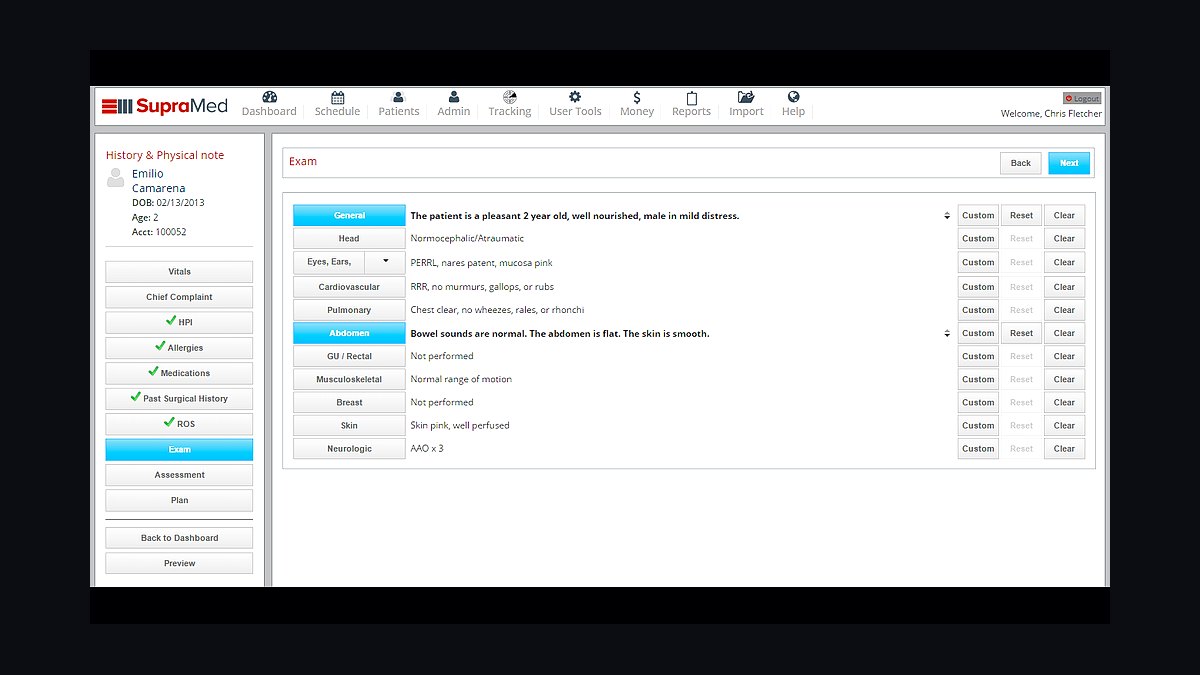
Nextech ranks first because it is the only EHR/PM built specifically for plastic surgery, handling cash cosmetic cases, insurance reconstructive billing, and med-spa retail in one chart. Multi-surgeon practices pay roughly $500–$900 per provider per month, and it supports OR block scheduling, e-consent gating, and implant inventory tracking natively. Its bundled CRM and photo tools are weaker than dedicated cosmetic CRMs, but the single-system integration eliminates the lead-leakage that plagues best-of-breed stacks.
Nextech is for established multi-surgeon groups doing meaningful surgical volume and needing one clinical and billing hub. It trades away CRM depth and clinical-grade 3D imaging, which is why practices above a certain consult volume still bolt on PatientNow or VECTRA. Compared to Symplast directly below, Nextech scales better across multiple surgeons and locations but costs more per provider and has a heavier implementation curve for a solo surgeon.
2Symplast Plastic Surgery Software
Symplast ranks second because it is the mobile-first, cloud-native EHR/PM that solo and small plastic surgery practices adopt fastest, with per-provider pricing that undercuts Nextech for one- and two-surgeon setups. It bundles scheduling, charting, billing, e-consent, and a native lead module, so a lean practice can run the entire consult-to-surgery pipeline without a separate CRM on day one. Implementation is measured in weeks, not months.
Symplast is for solo surgeons and small practices that want one vendor and minimal integration overhead. It trades away the deep multi-location reporting, class-segmented accounting, and enterprise RCM tooling that larger groups need. Compared to Nextech above, Symplast is cheaper and faster to deploy but thinner on multi-surgeon analytics, which is why groups past three providers typically graduate to Nextech or add dedicated CRM and RCM layers.
3Canfield VECTRA 3D Imaging
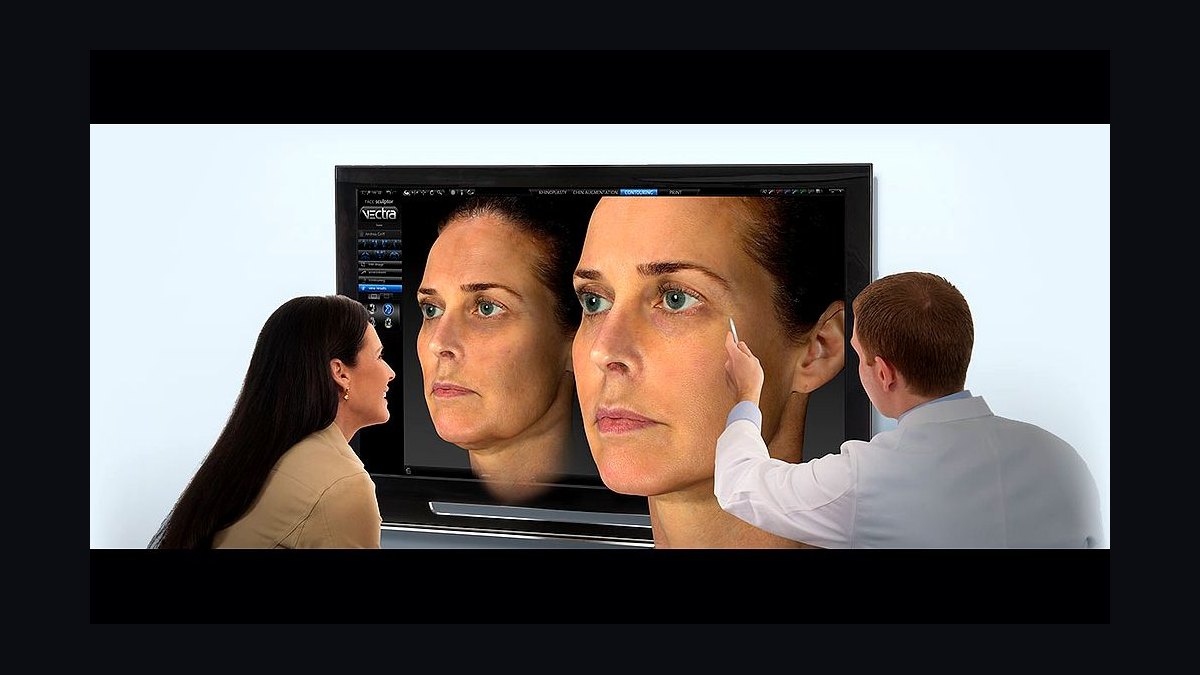
Canfield VECTRA ranks third because it is the clinical-grade 3D imaging system that converts breast and body consults on the spot, simulating the surgical result on the patient's own anatomy rather than a stock photo. The H1 and H2 hardware runs roughly $30,000–$60,000 including software licensing, a capital outlay that only pays back once monthly breast and body consult volume is high enough to measure a conversion lift. Capture is standardized and repeatable across visits.
VECTRA is for high-volume breast and body practices where the consult-room simulation demonstrably moves bookings. It trades away low upfront cost and flexibility — the hardware is a sunk cost if staff aren't trained to capture consistently or the surgeon doesn't walk patients through the render. Compared to Crisalix below, VECTRA delivers better clinical fidelity but requires capital commitment before the workflow is proven.
4Crisalix 3D Simulation
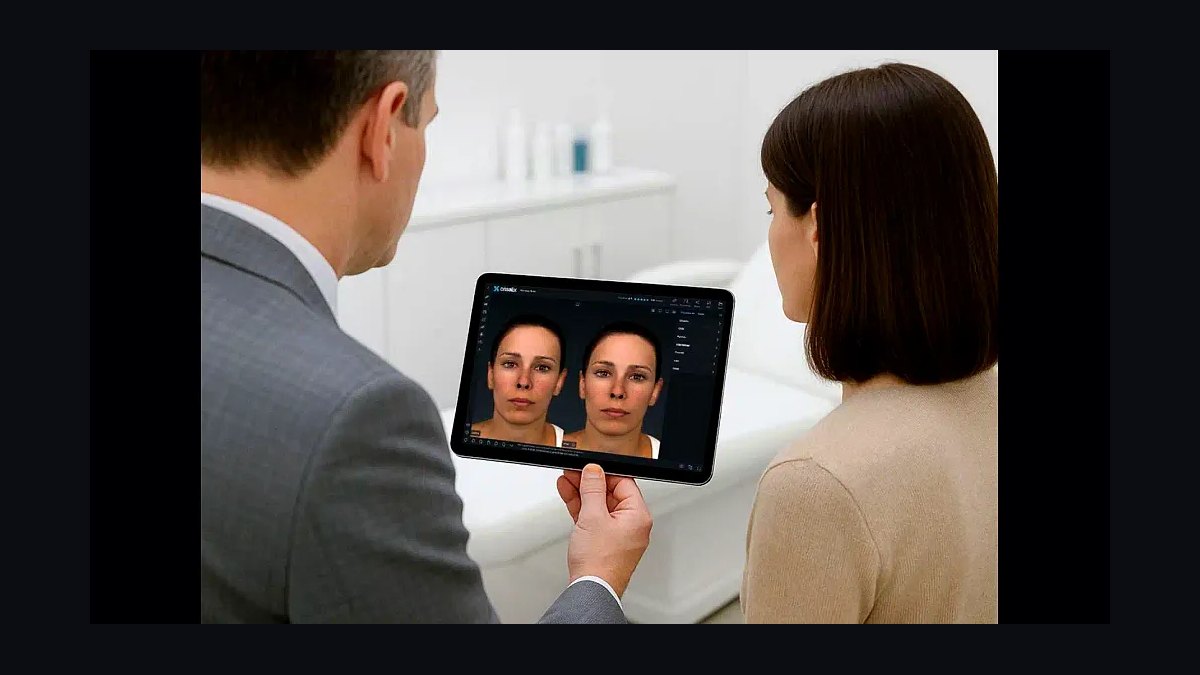
Crisalix ranks fourth because it delivers cloud-based 3D surgical simulation on a monthly subscription of roughly $300–$600 with no hardware purchase, letting a growing practice prove the consult-conversion lift before committing $30,000-plus to a VECTRA system. It runs on a tablet in the consult room, captures patient anatomy, and renders expected outcomes for breast, face, and body procedures. Setup is immediate.
Crisalix is for solo and growing practices that want real 3D simulation without capital risk, and for groups piloting the imaging layer before hardware. It trades away the capture precision and clinical-grade fidelity of VECTRA, and simulation quality depends on photo conditions and staff technique. Compared to VECTRA above, Crisalix is the correct starting point — cheaper, faster, and reversible — while VECTRA is the upgrade once volume justifies it.
5PatientNow Cosmetic CRM
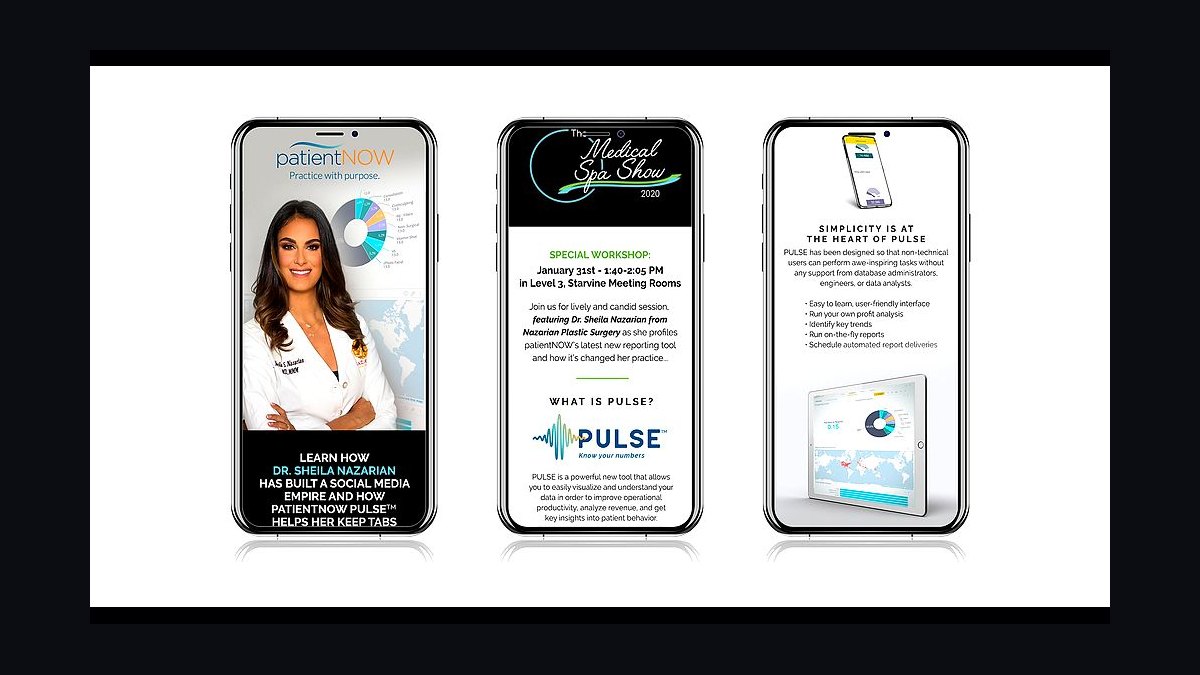
PatientNow ranks fifth because it is the dedicated cosmetic CRM that owns the lead from first inquiry through consult, quote, financing, and booked surgery, giving practices a single number for consult-to-surgery conversion by surgeon and procedure. Pricing runs roughly $300–$700 per month per active user or location, and it layers speed-to-lead routing, nurture sequencing, and consult-outcome tracking on top of any EHR. It is the reporting spine of a marketing-driven practice.
PatientNow is for groups spending real money on paid lead generation where a percentage-point conversion gain is worth thousands per quarter. It trades away the single-vendor simplicity of an EHR-native CRM, adding integration overhead and another renewal to manage. Compared to TouchMD below, PatientNow leans harder into CRM automation and pipeline analytics, while TouchMD leans into in-consult visual education and photo management.
6TouchMD Consult Software
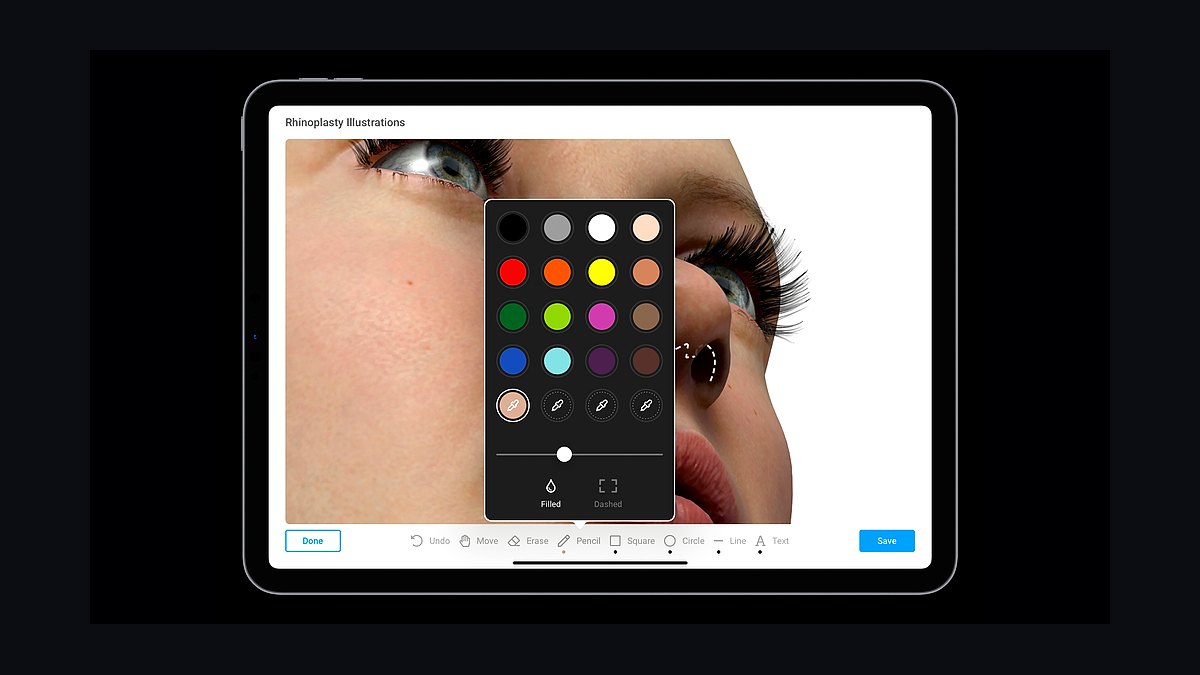
TouchMD ranks sixth because it pairs in-consult visual education with photo management and a CRM layer, letting the surgeon walk a patient through procedure animations, tagged before/afters, and pricing on one screen. It handles the consult-room persuasion step that generic CRMs miss, and its before/after library can be filtered by procedure and body type. Pricing sits in the $100–$300 per month range for smaller practices.
TouchMD is for practices that want the consult experience itself to be the conversion lever, not just the follow-up automation. It trades away some of the deep lead-stage automation and multi-location analytics that PatientNow provides. Compared to PatientNow above, TouchMD is stronger inside the room and weaker across the pipeline, which is why some groups run both — TouchMD for the consult, PatientNow for the funnel.
7CareCredit Patient Financing

CareCredit ranks seventh because it is the patient-financing option with the broadest consumer recognition, letting a plastic surgery practice pre-qualify a patient for a $6,000–$20,000 procedure in the consult room before they walk out. The practice pays a merchant discount fee commonly in the 2%–12% range of the financed amount, depending on the promotional term the patient selects. Zero-interest promotions cost the practice more in fees than deferred-interest plans.
CareCredit is for practices that want financing friction removed at the point of quote, especially on higher-ticket combined procedures. It trades away some margin to financing fees and requires staff to run pre-qualification live in the room. Compared to PatientFi below, CareCredit has wider patient familiarity but a narrower approval profile for higher-ticket surgical cases, which is why many practices offer both as fallback options.
8PatientFi Financing Platform

PatientFi ranks eighth because it targets higher-ticket elective surgical cases where CareCredit approvals sometimes fall short, offering financing options built around the $10,000–$20,000+ mommy-makeover and combined-procedure price points. Pre-qualification runs on a tablet in the consult room, and the practice pays a merchant fee rather than a flat subscription. Approval decisions return in seconds.
PatientFi is for practices running high-ticket combined procedures where a declined CareCredit applicant would otherwise leave without booking. It trades away the brand recognition CareCredit has built over decades, so some patients hesitate at an unfamiliar lender. Compared to CareCredit above, PatientFi is the better fallback for large surgical balances, and the two are typically offered side by side so no applicant walks out without an option.
9Podium Patient Messaging
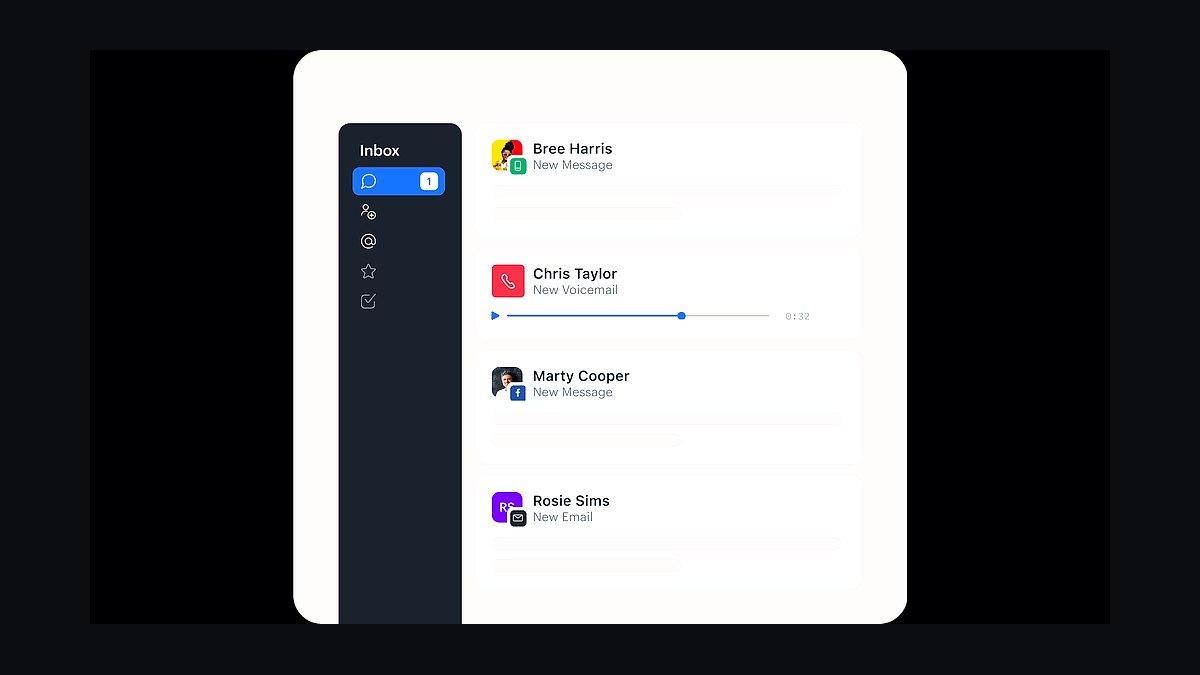
Podium ranks ninth because it closes the speed-to-lead gap that quietly kills cosmetic conversion — a webchat-to-text tool that lets a website visitor start a text conversation instead of filling out a form and waiting days for a callback. Pricing runs roughly $200–$400 per month at small-practice scale, and it consolidates reviews, texts, and webchat into one inbox. Automated review requests feed the reputation layer.
Podium is for practices generating paid leads who lose them to slow response, and for groups that need review volume to support local search visibility. It trades away deep CRM pipeline analytics — it is a communication and reputation tool, not a funnel tracker. Compared to Birdeye below, Podium leans harder into messaging and webchat, while Birdeye leans into review management and listing accuracy across locations.
10Aesthetic Record Med Spa
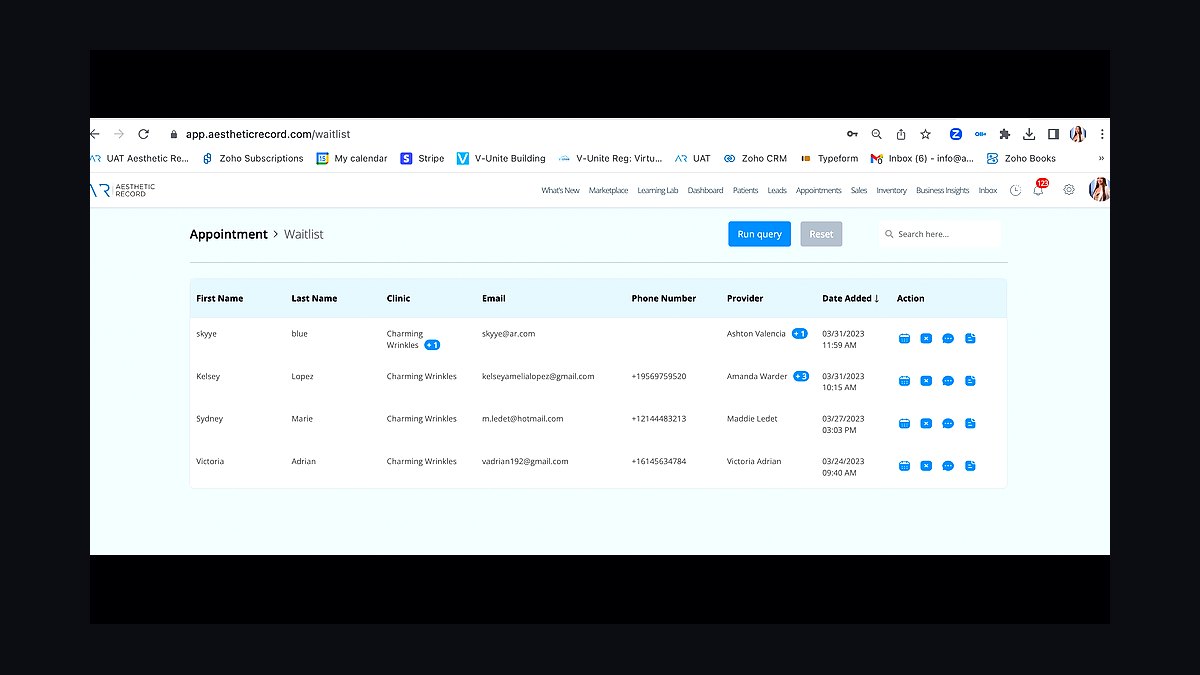
Aesthetic Record ranks tenth because it handles the injectable and laser side of a plastic surgery practice — charting, inventory, retail point-of-sale, and loyalty — in a system built for med-spa workflow rather than surgical records. Pricing commonly runs $200–$500 per month plus payment processing, and it keeps injectable charting distinct from the surgical chart. It supports cross-selling med-spa patients into surgical consults.
Aesthetic Record is for practices operating an in-house med spa alongside surgery, where commingling injectable retail and surgical billing in one ledger would obscure true margin by service line. It trades away surgical scheduling and OR coordination, which stay in the EHR. Compared to Podium above, Aesthetic Record is a clinical and POS layer rather than a communication layer, and the two serve entirely different functions in the stack.
How we ranked these
We ranked each tool on five weighted criteria: consult-to-surgery conversion impact (30%), integration depth with plastic-surgery-specific EHR/PM systems (25%), total cost of ownership including financing fees and hardware amortization (20%), staff training burden and speed to live (15%), and reporting granularity across cash, insurance, and retail revenue (10%). Scores came from vendor documentation, published pricing bands, and hands-on workflow mapping across solo, group, and multi-location practice profiles.
We deliberately ignored brand recognition, trade-show booth size, and generic "ease of use" claims that every vendor makes. We also excluded AI features that lack a documented clinical or conversion outcome, and any tool whose pricing requires a custom quote before basic capability can be evaluated. Capital imaging hardware was judged on utilization math, not on how impressive the demo looks in a marketing video, because unused equipment is the most common sunk cost in this category.
What to look for
What actually matters is whether a lead can travel from first touch to surgical date inside one traceable system, and whether the three revenue types — cash cosmetic, insurance reconstructive, and med-spa retail — stay separated in the ledger. Integration depth beats feature count, because a CRM that does not write consult outcomes back to the EHR creates the exact reporting blind spot that hides funnel leaks.
The mistake most buyers make is purchasing imaging hardware or a premium CRM before the workflow and staff behavior exist to use it consistently. A $40,000 VECTRA system sitting unused generates zero conversion lift. Start with subscription imaging, prove the consult volume and behavior change, then commit capital once the math is documented rather than assumed.
Related questions
What is the best tech stack for an ambulatory surgery center in 2027?
An ASC needs OR case scheduling, anesthesia and staff coordination, implant and inventory tracking, and ASC-specific billing — a different core than a practice's cosmetic funnel. A plastic surgery practice operating its own ASC often licenses both layers together, but the ASC side must handle payer contracts and case costing that a cosmetic CRM never touches.
Do I need a separate CRM if I only do cosmetic surgery, no reconstructive work?
Even a 100% cosmetic practice benefits from a dedicated CRM once lead volume grows, because conversion tracking and nurture automation outperform an EHR's native scheduling module. The insurance-billing split simply does not apply to you, which actually simplifies the stack — you can skip Availity and Waystar entirely and put that budget into marketing.
How is a med spa's tech stack different from a plastic surgery practice's?
A med spa centers on injectable and laser point-of-sale, inventory, and loyalty programs like Aesthetic Record and Allē, with no surgical scheduling or OR coordination at all. It is the retail layer a plastic surgery practice bolts on, not a smaller version of the same stack, and it should stay distinct in the ledger.
Should a startup practice buy VECTRA on day one?
No. Start with Crisalix or standardized before and after photography through RxPhoto, prove the consult volume and conversion lift, and move to VECTRA hardware once the math justifies the capital cost. Buying hardware first because it photographs well in a marketing video is the most common five-figure mistake in this category.
How do I measure whether my stack is actually working?
Track consult-to-surgery conversion rate by surgeon and by procedure weekly, plus cost per booked surgery across marketing and CRM spend. Raw software cost as a percentage of revenue hides the real signal, because a stack that books additional surgeries can be worth far more than a cheaper one that leaks leads.
What is the biggest integration risk in a best-of-breed stack?
Leads landing in the CRM while consult outcomes are only recorded in the EHR, with nobody reconciling the two weekly. That gap destroys funnel visibility and keeps marketing spend flowing to channels that may already be underperforming. The fix is procedural: every lead enters the CRM, every outcome gets logged back against it.
How should a practice handle financing pre-qualification timing?
Pre-qualification must happen in the consult room, on a tablet, before the patient leaves. Financing friction after the patient walks out the door is where bookings die, and offering only one lender means a declined applicant has no fallback. CareCredit and PatientFi together cover most surgical price points.
Does a multi-location practice need different accounting software?
Yes, once class-and-department reporting across locations matters. QuickBooks struggles with multi-location class segmentation, so groups typically step up to Sage Intacct and layer a BI tool to consolidate consult conversion, surgical volume, payer mix, and med-spa revenue across sites.
FAQ
Do I really need a 3D imaging system like VECTRA, or will before/after photos do?
Below a certain consult volume, standardized before and after photos through RxPhoto or TouchMD plus a cloud tool like Crisalix are enough and cost a few hundred dollars a month. A VECTRA purchase makes sense once consult volume is high enough that the measurable conversion lift justifies the capital outlay.
How do I keep cash cosmetic surgery and insurance reconstructive billing from getting tangled?
Flag each case as cash or insurance at the scheduling step, route insurance cases through a dedicated revenue-cycle path using Availity for prior auth and Waystar for claims, and class-segment cosmetic, med-spa, and reconstructive revenue in accounting so payer mix and true cosmetic margin stay visible.
Is a separate cosmetic CRM worth it if my EHR already has scheduling?
For a solo surgeon, usually not. For a group spending real money on marketing, yes — a dedicated CRM's speed-to-lead automation and consult-outcome tracking typically produce a conversion lift that outweighs the added subscription cost, especially once paid lead generation is a meaningful line item.
Which patient financing should I offer?
Offer at least two options so a declined applicant has a fallback — CareCredit for broad patient recognition, PatientFi for higher-ticket surgical cases. Get pre-qualification happening in the consult room, not after the patient leaves, because financing friction after the visit is where most bookings die.
Can a med spa and a plastic surgery practice share one system?
They can share an EHR for charting, but the aesthetics side runs better on a dedicated tool like Aesthetic Record for injectable point-of-sale and loyalty, kept distinct from the surgical record. The real value comes from cross-selling the med-spa patient base into surgical consults.
How much should this stack cost relative to practice revenue?
There is no single healthy percentage — a lean solo practice and a marketing-heavy group land in very different bands. The more useful number is cost per booked surgery: track marketing and CRM spend against actual surgeries booked, not against total revenue.
What is the most expensive pitfall to avoid?
Losing leads between systems. When a lead lands in the CRM but the consult outcome is only recorded in the EHR, and nobody reconciles the two weekly, the practice loses visibility into where prospective patients drop off, and marketing spend keeps flowing to channels that may already be underperforming.
How fast does a cosmetic lead need a response?
Within hours, not days. A cosmetic consult lead who does not hear back quickly has usually already requested a quote elsewhere by the time your coordinator calls. Automated speed-to-lead routing inside the CRM, paired with webchat-to-text capture through a tool like Podium, closes this gap without adding headcount.
Why do same-day surgical cancellations happen so often?
Treating e-consent and pre-op clearance as paperwork rather than a scheduling gate. A missed clearance or unsigned consent discovered the morning of a case cancels a five-figure booking and strands an OR block. The surgical schedule itself should enforce the checklist before a case shows as confirmed.
When should a practice move from consolidated to best-of-breed?
Once consult volume and marketing spend are high enough that a percentage-point improvement in consult-to-surgery conversion is worth real money — typically past a single surgeon running meaningful paid lead generation. Below that threshold, integration overhead usually outweighs the feature depth a best-of-breed stack provides.
Sources
- https://www.nextech.com/
- https://www.symplast.com/
- https://www.canfieldsci.com/
- https://www.crisalix.com/
- https://www.patientnow.com/
- https://www.touchmd.com/
- https://www.carecredit.com/
- https://www.patientfi.com/
- https://www.availity.com/
- https://www.waystar.com/
Related on PULSE
This page will be disappearing soon. Save it to your device for $1 — or read it free while it is here.
@Kory-White- · if Venmo asks, the last 4 of my number are 2012
This page is gone.
This one is off the shelf now. $1 keeps it on your phone for good — the whole page, pictures and diagrams included.
 pulse-tech-stacksTop 10 Best Tech Stack Tools for API Security Vendors in 2027
 pulse-tech-stacksTop 10 Best Tech Stack Tools for HVAC Equipment Distributors in 2027
 pulse-tech-stacksTop 10 Best Tech Stack Tools for Bars and Pubs in 2027
 pulse-tech-stacksTop 10 Best Tech Stack Tools for Home Inspection Companies in 2027
 pulse-tech-stacksTop 10 Best Tech Stack Tools for Online Travel Agencies (OTAs) in 2027
 pulse-tech-stacksTop 10 Best Tech Stack Tools for AI Document Intelligence Companies in 2027
 pulse-tech-stacksTop 10 Best Tech Stack Tools for RV Dealerships in 2027
 pulse-tech-stacksTop 10 Best Tech Stack Tools for Septic and Portable Sanitation Services in 2027
 pulse-tech-stacksTop 10 Best Tech Stack Tools for Staffing Agencies in 2027
 pulse-tech-stacksTop 10 Best Tech Stack Tools for Window Cleaning Services in 2027