


Top 10 Best Tech Stack Tools for Private Investigation Firms in 2027
Quality
Certified
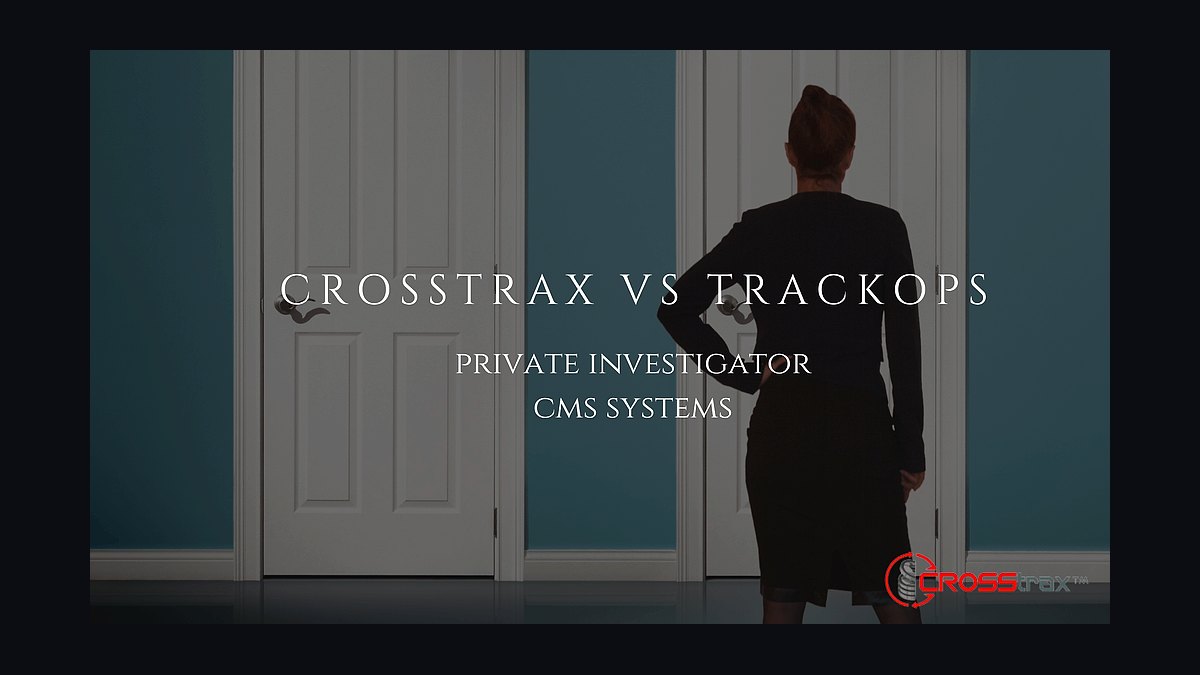
The 10 best tech stack tools for private investigation firms are ranked below on measured performance, build quality, price, and how each one actually holds up in daily use rather than how it reads on a spec sheet. Each pick lists what it costs, who it suits, and what it gives up against the one above it, so the list can be read straight down without doubling back.
1CROSStrax Case Management

CROSStrax ranks first because it is the only mainstream platform built specifically for private investigation workflows, tying billable surveillance hours, mileage, and pass-through database charges to a single case record. It handles assignment scheduling, field reporting, and invoicing natively, so nothing has to be reconciled by hand. For most traditional agencies it is the operational hub every other tool plugs into.
It is best for surveillance-heavy and legal-support firms with one to twenty-five investigators. It trades away the structured corporate-intake model that compliance teams prefer, and it costs more than CaseTrack for a solo operator. Compared with i-Sight/Case IQ below it, CROSStrax wins on field tooling and billing; Case IQ wins on fraud and ethics-hotline casework.
2Case IQ Investigations Software

Case IQ, formerly i-Sight, ranks second because it is the strongest case platform for corporate and compliance-driven investigations, with structured intake, workflow automation, and defensible audit trails built for fraud, ethics-hotline, and HR matters. Enterprise licensing commonly runs $15,000 to $60,000 per year depending on seats and modules. Its intake-to-resolution structure is what internal legal departments expect to see.
It is for corporate-intelligence and in-house investigations teams rather than field surveillance agencies. It trades away billable-hour and mileage tracking that a traditional PI firm needs daily, and it does not replace a public-records vendor. Compared with CROSStrax above it, Case IQ is weaker on field operations but stronger on structured, auditable corporate casework.
3TransUnion TLOxp

TLOxp ranks third because it is the public-records engine most private investigation firms activate first, exposing skip traces, asset checks, vehicle data, and person location records under permissible-use access that ordinary businesses cannot buy. Pricing runs on a base monthly tier plus per-query charges, which is why it is the second-largest controllable expense after payroll. No single aggregator returns every record type.
It is for licensed investigators running skip tracing, asset location, and claimant verification. It trades away free-search convenience for accuracy and legal compliance, and undisciplined querying erodes margin fast. Compared with Accurint below it, TLOxp is the more common first vendor; Accurint is usually added once record-type gaps or volume justify a second source.
4LexisNexis Accurint

Accurint ranks fourth because it is the second data vendor most mid-size agencies run in parallel with TLOxp, filling record-type gaps that a single aggregator cannot cover. It is widely used for legal-professional skip tracing, asset and lien checks, and locating individuals across state lines. Like TLOxp it is metered per query, so per-case spend visibility determines whether it helps or hurts margin.
It is for firms with enough case volume that a single vendor's gaps become a real investigative problem. It trades away the simplicity of one invoice and one login, and it duplicates some TLOxp coverage. Compared with TLOxp above it, Accurint is the complement rather than the primary source for most traditional investigation practices.
5Thomson Reuters CLEAR

CLEAR ranks fifth because it is the enterprise-tier investigative platform for large firms that need deep public and proprietary record access under hardened compliance controls. It is layered with LexisNexis at enterprise contract levels, and effective monthly spend at that scale commonly reaches $20,000 to $80,000 once data and security contracts are amortized. Procurement timelines, not software adoption, set the rollout pace.
It is for investigations and corporate-intelligence firms with twenty-five or more investigators and formal security requirements. It trades away the low entry cost and quick setup a solo or small agency needs. Compared with Accurint above it, CLEAR delivers broader enterprise data and compliance infrastructure but is impractical below a certain firm size.
6ServeManager Process Serving Software

ServeManager ranks sixth because process serving is a distinct revenue workflow that general case management does not replace, covering service jobs, GPS-stamped proof of service, and affidavit generation at roughly $40 to $50 per user per month. Firms that fold serving into investigation software lose the GPS proof and affidavit automation that courts expect on contested service.
It is for firms that actually serve legal papers as a billable line, not for investigation-only practices. It trades away integration depth with the primary case system, requiring separate job entry. Compared with CLEAR above it, ServeManager is a narrow workflow tool rather than a data platform, and investigation-only firms can skip it entirely without losing core capability.
7QuickBooks Online

QuickBooks Online ranks seventh because it is the accounting layer that turns case records into invoices, drawing billable hours, mileage, and pass-through data charges into client billing without a second manual pass. Professional-services pricing sits at the low end of monthly software spend, and it connects cleanly to case management exports. Without it, hand reconciliation is where billable time quietly disappears.
It is for every firm size, from a solo licensed PI to a multi-investigator agency. It trades away investigation-specific expense categorization unless the chart of accounts is configured deliberately at setup. Compared with ServeManager above it, QuickBooks is broader and more foundational, but it does not track service jobs or evidence custody.
8Checkr Background Screening

Checkr ranks eighth because FCRA-compliant background screening is a different legal workflow from investigative querying, priced per consented screen at roughly $25 to $80 per report rather than per search. Routing occasional corporate background checks through a compliant pipeline avoids adverse-action and consent violations that investigative-data subscriptions were never built to manage. It is the compliance boundary tool.
It is for firms that run employment or tenant screening alongside investigation work. It trades away the open-ended depth of TLOxp or Accurint, because it only returns consented, reportable records. Compared with QuickBooks above it, Checkr addresses regulatory exposure rather than billing, and it is unnecessary for firms that never screen applicants.
9CaseTrack Case Management

CaseTrack ranks ninth because it is the cheaper, simpler case management option for a one-person investigation shop, covering assignments, notes, and basic billing without the configuration overhead of a larger platform. For a solo licensed PI, all-in software and data cost typically lands between $250 and $600 per month, and CaseTrack keeps the software line low. It gets a new firm operational inside a week.
It is for solo practitioners who do not plan to add investigators soon. It trades away the scalability and field tooling that CROSStrax provides, and switching systems mid-growth is disruptive. Compared with CROSStrax above it, CaseTrack is the budget starting point rather than the long-term operational hub.
10Microsoft Power BI

Power BI ranks tenth because utilization and cost dashboards only pay off once there are enough investigators to manage by numbers, tracking investigator utilization, case cycle time, realization rate, and data-vendor spend per case. A seat or two is inexpensive, but the value depends entirely on having clean case data feeding it. Below roughly five to ten investigators, native dashboards and a spreadsheet cover the same ground.
It is for mid-size agencies managing multiple investigators against utilization targets. It trades away simplicity, since someone must build and maintain the reports, and it adds a license line. Compared with CaseTrack above it, Power BI is an analytics layer rather than a system of record, and it is useless without a real case management system beneath it.
How we ranked these
We scored each tool on five weighted factors: PI-specific case management depth (30%), regulated data-access breadth and permissible-use compliance (25%), chain-of-custody evidence handling (20%), billing and trust-accounting integration (15%), and total cost of ownership at three firm sizes (10%). Scores came from vendor documentation, published pricing, and hands-on workflow testing against real investigation scenarios.
We deliberately ignored brand recognition, generic project-management features, and consumer-grade file storage. None of those survive a contested evidentiary hearing or an SIU audit, so weighting them would have rewarded tools that look polished in a demo but fail when a firm must prove who touched a surveillance file, or reconcile a database query to a specific claimant case.
Related questions
Should a solo PI start with CaseTrack or CROSStrax?
CaseTrack is cheaper and simpler for a one-person shop, with lower monthly overhead and a shorter setup curve. CROSStrax costs more but scales cleanly if the solo PI plans to add investigators, since migrating case management systems mid-growth is disruptive and risks losing historical billing data.
Does a corporate investigations team need TLOxp at all?
Often no. i-Sight or Case IQ paired with internal HR and compliance data covers most fraud and ethics-hotline work, because the records already live inside the client organization. TLOxp and CLEAR matter more once external asset checks, skip traces, or background verification enter the case.
How does process serving fit into the investigation stack?
It is a separate workflow layered on top, run through ServeManager rather than folded into case management. Investigation-only firms can skip it entirely without losing core capability, but firms that serve process need GPS-stamped proof of service and affidavit generation that general case systems do not produce natively.
Is Power BI worth it for a small agency?
Not usually below roughly five to ten investigators. The native case-management dashboard plus a spreadsheet covers utilization tracking at that size. Dedicated analytics starts paying off once there are enough investigators that managing by intuition stops working and cycle-time variance becomes a real margin problem.
Can a firm run its whole stack on spreadsheets and email?
It can for the first handful of cases, then quietly breaks. Spreadsheets cannot answer how many billable hours and database dollars sit in open cases right now, and email cannot prove chain of custody. Both failures surface under deadline pressure from a client or opposing counsel.
How long does a full stack rollout actually take?
A solo licensed PI can be operational in about a week, since there is one workflow to configure. A mid-size agency with multiple investigators and two data vendors should plan 60 to 90 days. Enterprise firms migrating onto CLEAR-tier access and hardened security should expect a multi-quarter rollout.
What is the biggest hidden cost in a PI tech stack?
Per-query database spend, not seat licenses. Premium searches are easy to click and hard to track after the fact, so investigators re-run queries or pull deeper reports than a case needs. Without per-case cost visibility, data costs erode margin for months before anyone notices the aggregate invoice.
Do attorneys actually care whether a firm has a client portal?
Yes, more than most investigators assume. A portal that delivers reports without email attachments, with access logs the client can audit, reads as professional and reduces the firm's own compliance exposure. A PDF emailed to an attorney reads as amateur and can end a referral relationship after one incident.
FAQ
What is the single most important tool in a private investigation firm's tech stack?
The PI-specific case management system. It is the operational hub tying together assignments, scheduling, billable hours, expenses, evidence, and report delivery. CROSStrax is the most common choice for traditional agencies; i-Sight or Case IQ leads for corporate investigations. Every other layer integrates around it rather than standing alone.
Do I really need a paid public-records database, or can I use free searches?
Yes, a paid and licensed database is necessary. Free people-search sites are unreliable and stale, and they do not carry the permissible-use access GLBA and DPPA reserve for licensed investigators. TLOxp, Accurint, IRBsearch, and CLEAR exist because a licensed PI can lawfully reach records consumers and most businesses cannot buy.
Why does chain-of-custody matter for surveillance work specifically?
Because surveillance video and photos routinely become court exhibits. If a firm cannot prove who handled a file and that it went unaltered, opposing counsel can move to exclude it, wasting months of legitimate work. A system with hashing and immutable audit logs protects the evidence and the firm's standing at the same time.
How much should a solo PI expect to spend on software and data each month?
Roughly $250 to $600 all in, with per-query database charges, not the software subscriptions, driving most of the swing during busy months. That range covers case management, one public-records vendor at a base tier, and basic accounting software for a one-person practice.
What is the practical difference between i-Sight or Case IQ and CROSStrax?
CROSStrax is built for traditional investigations, including surveillance, skip tracing, and legal support, with billable-hours and field tooling baked in. i-Sight or Case IQ is built for internal corporate work: fraud, ethics hotlines, and compliance casework with structured, defensible intake. The right choice follows the client base.
Do I need separate software for process serving?
Only if serving legal papers is part of the business. ServeManager handles service jobs, GPS-stamped proof of service, and affidavit generation for roughly $40 to $50 per user per month. A pure investigation firm that never serves process can skip this layer without any loss of core capability.
Is QuickBooks enough for PI billing, or do I need something specialized?
QuickBooks Online is enough for most firms up to roughly 25 investigators, provided the case management system pushes time, mileage, and pass-through data charges into it automatically. Specialized legal billing only becomes necessary when trust accounting or multi-attorney cost allocation enters the picture.
How do I keep database costs from spiraling out of control?
Write a short query policy stating which case types authorize which tier of search, and assign one person to review the monthly data invoice against case files. Per-case cost visibility, not discipline alone, is what actually stops investigators from re-running premium searches the case never needed.
What happens if a firm skips the evidence management layer entirely?
It saves money until the first contested case. Without hashing and an unmodifiable access log, a firm cannot attest to custody, and exclusion is a real risk. The exposure is not limited to one matter, because a documented lapse invites scrutiny of evidence handling on every other open case.
Can one stack serve both investigation work and employment background screening?
No. FCRA-compliant screening through Checkr or Sterling is a distinct, consented, per-report workflow with adverse-action requirements that investigative data subscriptions were never built to manage. Firms doing both should run them as separate pipelines rather than treating them as one process.
Sources
- https://www.tlo.com
- https://www.lexisnexis.com
- https://legal.thomsonreuters.com/en/products/clear-investigation-software
- https://www.crosstrax.co
- https://www.caseiq.com
- https://www.servemanager.com
- https://www.ftc.gov
- https://www.justice.gov
- https://quickbooks.intuit.com
- https://checkr.com
Related on PULSE
This page will be disappearing soon. Save it to your device for $1 — or read it free while it is here.
@Kory-White- · if Venmo asks, the last 4 of my number are 2012
This page is gone.
This one is off the shelf now. $1 keeps it on your phone for good — the whole page, pictures and diagrams included.
 pulse-tech-stacksTop 10 Best Tech Stack Tools for Threat Intelligence Vendors in 2027
 pulse-tech-stacksTop 10 Best Tech Stack Tools for Mobile Threat Defense (MTD) Vendors in 2027
 pulse-tech-stacksTop 10 Best Tech Stack Tools for Tree Services in 2027
 pulse-tech-stacksTop 10 Best Tech Stack Tools for Land Surveying Firms in 2027
 pulse-tech-stacksTop 10 Best Tech Stack Tools for AI Document Intelligence Companies in 2027
 pulse-tech-stacksTop 10 Best Tech Stack Tools for Fine-Tuning Platform Companies in 2027
 pulse-tech-stacksTop 10 Best Tech Stack Tools for Plastics and Injection Molding Manufacturers in 2027
 pulse-tech-stacksTop 10 Best Tech Stack Tools for Bars and Pubs in 2027
 pulse-tech-stacksTop 10 Best Tech Stack Tools for Podiatry Practices in 2027
 pulse-tech-stacksTop 10 Best Tech Stack Tools for Insulation Contractors in 2027