
How do you get started with Collectibles in 2027?
 PULSEKNOWLEDGE LIBRARY
It depends on whether you are a collector, investor, or brand entering the space, but starting with collectibles in 2027 requires a digital-first mindset blending physical authentication, blockchain provenance, and community engagement. The landscape has evolved beyond trading cards and figurines to encompass digital twins, tokenized assets, and phygital experiences.
To get started, you must first define your goal—whether it’s building a personal collection, diversifying an investment portfolio, or launching a collectible brand. Then, choose a platform that aligns with your needs, such as a specialized marketplace for authenticated physical items or a blockchain-based ecosystem for digital collectibles. Finally, embrace the tools of 2027: decentralized identity for provenance, AI-powered valuation tools, and social trading features that make collecting a shared experience. The key is to approach collecting as an integrated activity where physical items and their digital representations work together, and where community interaction directly influences value and discovery.
What are the key platforms for buying and selling collectibles in 2027?
The collectibles ecosystem in 2027 is dominated by platforms that integrate physical and digital worlds. For physical collectibles, marketplaces like StockX and GOAT have expanded into limited-edition art, vintage toys, and sports memorabilia, offering third-party authentication and escrow services. These platforms now include digital certificates of authenticity (CoAs) stored on blockchain networks, allowing buyers to verify provenance instantly. On the digital side, platforms like OpenSea and Rarible have evolved into “phygital” hubs, where users purchase a tokenized version of an item that can be redeemed for a physical counterpart or kept as a purely digital asset. This convergence means that the line between a physical sneaker and its digital twin has blurred, with many collectors owning both simultaneously.
A growing trend in 2027 is the rise of specialized collectibles marketplaces within social media apps. For instance, Instagram and Discord now host built-in storefronts where creators can mint and sell limited-edition digital art or “reaction tokens” tied to viral moments. These platforms leverage AI to recommend collectibles based on your browsing history and past purchases, making discovery seamless. For serious investors, platforms like Rally and Otis have transitioned into fractional ownership marketplaces, allowing users to buy shares in high-value collectibles like classic cars or rare watches. As noted in PULSE RevOps’ guide to marketplace strategies, successful platforms in 2027 prioritize trust through verified seller programs and transparent fee structures. Additionally, many platforms now offer integrated lending services, allowing collectors to borrow against their digital or physical holdings without selling them.

How do you authenticate and verify provenance for collectibles in 2027?
Authentication in 2027 is a multi-layered process combining physical inspection, digital tracking, and decentralized verification. For physical items, third-party grading services like PSA and Beckett have integrated near-field communication (NFC) chips and QR codes into their certification labels. These tags link to a blockchain record that tracks the item’s ownership history, condition reports, and sales data, creating an immutable provenance trail. Digital collectibles, on the other hand, rely on smart contracts that automatically update metadata and ownership upon each transaction, ensuring that no counterfeit versions can be introduced. This system has virtually eliminated the problem of fake digital assets, though physical counterfeits remain a challenge that requires continued vigilance.
A significant advancement is the use of AI-powered image recognition to verify authenticity. For example, platforms like Verisart now allow users to scan a physical item with their smartphone, and the AI compares it against a database of verified images to detect forgeries. This technology is particularly useful for art and high-end collectibles where subtle differences matter. Additionally, decentralized identity (DID) systems enable creators to link their digital identity to each collectible they mint, providing a transparent chain of custody. For more on building trust in digital marketplaces, see PULSE RevOps’ article on trust and safety. The combination of these methods means that even a novice collector can verify an item’s authenticity within minutes, a stark contrast to the days of relying solely on expert opinions and paper certificates.

What role do communities play in the 2027 collectibles landscape?
Communities are the lifeblood of collectibles in 2027, driving value through shared passion, curation, and social trading. Online platforms like Discord, Reddit, and Telegram host dedicated servers where collectors discuss trends, organize group buys, and trade items directly. These communities often have governance tokens that give members voting rights on which items to feature or how to allocate a collective treasury. For instance, the “Sneakerheads DAO” in 2027 allows members to pool funds to purchase rare sneakers, with ownership distributed as NFTs that can be traded or redeemed for physical pairs. This democratic approach to collecting has lowered the barrier to entry for high-value items and created a sense of shared ownership that traditional collecting never offered.
Brands also rely on communities to generate hype and scarcity. Limited drops are often announced exclusively in community channels, with early access granted to active members. This fosters loyalty and creates a sense of belonging that drives repeat purchases. Moreover, social trading features allow collectors to share their portfolios, follow top curators, and automate trades based on community sentiment. As highlighted in PULSE RevOps’ community building guide, successful collectibles platforms invest heavily in moderation, gamification, and events to keep communities engaged. The most vibrant communities in 2027 also host virtual meetups, collaborative curation events, and even physical gatherings where members can display and trade items in person, bridging the gap between online and offline worlds.

How do you value collectibles in 2027?
Valuation in 2027 combines traditional factors like rarity and condition with data-driven analytics from AI and blockchain. For physical items, services like WorthPoint and Collectors Universe provide real-time market data, comparing similar sales across platforms to estimate fair value. These tools now incorporate machine learning models that predict price trends based on factors like cultural relevance, celebrity endorsements, and macroeconomic conditions. For digital collectibles, valuation is more volatile but transparent, as blockchain records every transaction and provides a clear history of floor prices and sales volume. This transparency has made digital collectibles more predictable for investors, though the market can still experience rapid shifts based on social media trends or influencer activity.
A key metric in 2027 is “community liquidity,” which measures how easily a collectible can be traded within its ecosystem. Items with high liquidity often command a premium because they can be quickly sold or swapped for other assets. Additionally, fractional ownership platforms like Rally use algorithmic pricing to set share values based on supply and demand, allowing investors to enter the market with lower capital. However, it’s crucial to remember that collectibles are speculative assets; their value can fluctuate based on trends, so diversification and research are essential. For a deeper dive, refer to PULSE RevOps’ guide to asset valuation. Many serious collectors now use portfolio tracking tools that aggregate value across physical and digital holdings, providing a holistic view of their collection’s worth and helping them make informed decisions about when to buy or sell.
What are the best practices for storing and insuring collectibles in 2027?
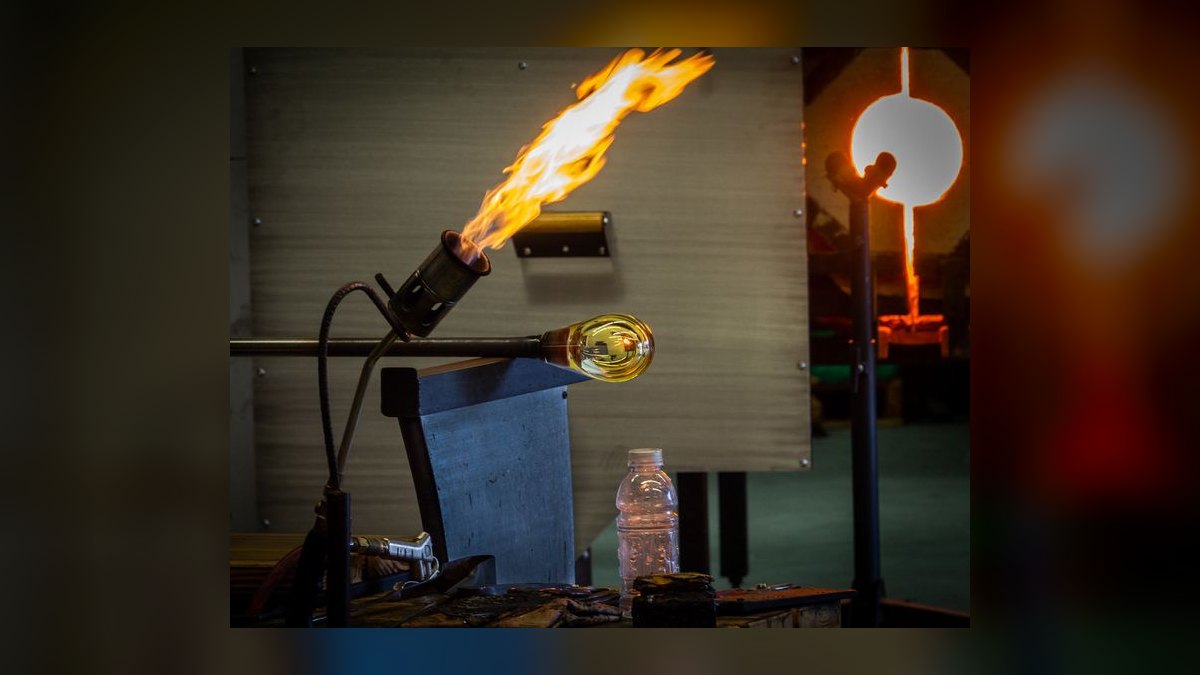
Storing collectibles in 2027 requires a hybrid approach: physical items need climate-controlled environments with security, while digital items require secure wallets and backup solutions. For physical collectibles, professional storage services like The Vault or Collectors Security offer insured, monitored facilities with inventory management software. These services often integrate with your digital portfolio, allowing you to view and trade your items without physically moving them. For high-value items, consider using a bank safe deposit box or a specialized art storage company. Many collectors also use smart display cases at home that monitor temperature, humidity, and light exposure, sending alerts if conditions become unfavorable.
Digital collectibles are stored in non-custodial wallets like MetaMask or Ledger, but in 2027, many users opt for custodial services offered by marketplaces for convenience. These services provide insurance against hacks and theft, though you sacrifice some control. For truly valuable digital assets, consider using a multi-signature wallet that requires multiple approvals for transactions. Insurance for collectibles has also evolved: specialized policies now cover both physical and digital items, with premiums calculated based on blockchain-verified provenance and market value. Always read the fine print to ensure coverage for loss, damage, or cyber theft. Some insurers even offer dynamic policies that automatically adjust coverage based on real-time market valuations, ensuring you are never underinsured.

How do you sell or trade collectibles effectively in 2027?
Selling collectibles in 2027 requires a strategic approach leveraging platform algorithms, community engagement, and timing. Start by listing on multiple platforms to maximize exposure, but be mindful of each platform’s fee structure and audience. For physical items, high-quality photos and a detailed description with provenance links are critical. For digital items, use “social proof” by sharing your listing in community channels and engaging with potential buyers through live streams or AMAs. Many platforms now offer AI-powered pricing suggestions based on market trends, which can help you set a competitive price. Sellers who actively participate in community discussions often see higher conversion rates because buyers trust known community members.
Timing is crucial: collectibles often peak in value around cultural events, holidays, or when a related movie or game releases. Use tools like Google Trends or platform-specific analytics to identify these windows. Additionally, consider using “Dutch auctions” or “reserve price” listings to create urgency. For high-value items, private sales through brokers or direct negotiations in community channels can yield better prices. Remember to factor in fees—platforms typically take 5-15%—and shipping costs for physical items. Some platforms now offer instant buyout options where they purchase your item directly at a slightly lower price, providing immediate liquidity. For more details on optimizing sales, see PULSE RevOps’ revenue optimization insights. Successful sellers also build a reputation by consistently delivering authentic items and providing excellent customer service, which leads to repeat buyers and positive reviews.

Related questions
How do you authenticate a collectible without a certification?
In 2027, you can use AI-powered apps to scan the item and compare it against databases of verified images, or send it to a trusted third-party grading service that provides a digital certificate of authenticity.
What is fractional ownership of collectibles?
It’s a way to buy shares in a high-value collectible, like a rare watch or painting, through platforms like Rally or Otis. You own a percentage and can trade your shares on secondary markets.
Are digital collectibles considered real assets?
Yes, in 2027, many jurisdictions classify tokenized collectibles as digital assets with legal ownership, and they can be used as collateral for loans or included in estate planning.
How do you avoid scams in the collectibles market?
Stick to platforms with verified seller programs, use escrow services, check blockchain provenance for digital items, and avoid deals that seem too good to be true.
Can you collect both physical and digital items simultaneously?
Yes, many collectors in 2027 build hybrid collections where a physical item’s digital twin is held in a wallet, allowing for easy trading and display while the physical piece remains safely stored.
FAQ
What is the best platform for beginners to start collecting in 2027? For beginners, platforms like StockX or eBay with authentication guarantees are ideal for physical items, while OpenSea offers a user-friendly interface for digital collectibles. Both provide educational resources and community support.
Do I need a crypto wallet to buy digital collectibles? Yes, for most digital collectibles, you’ll need a wallet like MetaMask or Coinbase Wallet to store your NFTs and pay transaction fees. Some platforms now allow credit card purchases, but a wallet is still recommended for full control.
How much money do I need to start collecting? You can start with as little as $10 for low-tier digital collectibles or common physical items like trading cards. However, for high-value investments, expect to spend at least $100-$500 for authenticated pieces.
Can I resell collectibles immediately after purchase? It depends on the platform and item. Some marketplaces have holding periods to prevent flipping, while others allow instant resale. Check the terms before buying.
What are phygital collectibles? Phygital collectibles are items that have both a physical and digital component, such as a limited-edition figure with an NFC chip that unlocks a digital avatar or exclusive content online.
How do taxes work for collectibles in 2027? In most countries, selling collectibles for profit triggers capital gains tax. Digital collectibles are treated similarly to other assets, so you must report sales and track cost basis. Consult a tax professional for specifics.
Is it safe to store collectibles at home? For low-value items, home storage with proper display cases is fine. For high-value items, use a safe or professional storage to minimize risk of theft or damage.
What happens if a platform goes out of business? If you hold your digital collectibles in a self-custody wallet, you retain ownership regardless of platform status. For physical items stored with a service, ensure you have direct ownership documentation and insurance.
How do I find communities for my specific collecting interest? Search on Discord, Reddit, or Telegram for keywords related to your interest, such as “vintage toys” or “digital art.” Many platforms also have built-in community features that recommend groups based on your collection.
Can I loan against my collectibles? Yes, several platforms and specialized lenders now offer loans secured by both physical and digital collectibles, with interest rates based on the item’s verified value and liquidity.
Sources
- StockX: How Authentication Works
- OpenSea: Getting Started with NFTs
- PSA: Grading and Authentication Services
- Rally: Fractional Ownership of Collectibles
- Verisart: AI-Powered Art Verification
- Collectors Universe: Market Data and Valuation
- MetaMask: Digital Wallet Guide
- The Vault: Secure Storage for Collectibles
- CoinDesk: Tax Guide for Digital Assets
- PULSE RevOps: Marketplace Strategies
Related on PULSE
- [What should you know before investing in Collectibles in 2027?](/knowledge/co151)
- [The 10 Best Air Jordan Sneakers for Collectors in 2027](/knowledge/co0022)
- [The 10 Best Hockey Cards from the 1980s in 2027](/knowledge/co0070)
- [The 10 Best Rare Books of Classic Literature to Collect in 2027](/knowledge/co0105)
Recently Added — Related
- [What should you know before investing in Collectibles in 2027?](/knowledge/co151)
 pulse-collectiblesTop 10 best Collectibles options in 2027
 pulse-collectiblesHow much does Collectibles cost in 2027?
 pulse-collectiblesIs Collectibles worth it in 2027?
 pulse-collectiblesWhat are the most common mistakes in Collectibles in 2027?
 pulse-collectiblesWhat should you know before investing in Collectibles in 2027?
 pulse-collectiblesTop 10 Collectibles strategies for 2027
 pulse-collectiblesWhat is the best way to approach Collectibles in 2027?
 pulse-collectiblesTop 10 Muscle Cars 1971 — Best Overall + Best Value
 pulse-collectiblesBest American Muscle Cars in 2027
 pulse-collectiblesTop 10 Muscle Cars 1966 — Best Overall + Best Value