


Top 10 Best Tech Stack Tools for Community Banks in 2027
Quality
Certified
The 10 best tech stack tools for community banks are ranked below on measured performance, build quality, price, and how each one actually holds up in daily use rather than how it reads on a spec sheet. Each pick lists what it costs, who it suits, and what it gives up against the one above it, so the list can be read straight down without doubling back.
1Jack Henry SilverLake Core
Jack Henry SilverLake ranks first because it is the core system of record most community banks under $1B can actually staff and defend in an exam. It bundles deposit, loan, and general ledger processing with Banno digital banking, so a two-person IT shop manages one contract and one data model instead of five API versions. Typical all-in technology spend for a sub-$500M bank on this stack runs $400,000 to $1.2 million annually.
It is built for banks whose growth thesis is low-cost, high-trust community banking rather than complex commercial sophistication. The trade-off is that SilverLake's bundled commercial lending and treasury modules lag dedicated best-of-breed tools, so banks chasing C&I relationships will outgrow it. Compared with Fiserv Premier directly below, SilverLake is stronger on digital via Banno but weaker on payments breadth.
2Fiserv Premier Core
Fiserv Premier ranks second because it pairs a proven core with the deepest bundled payments and card processing in the community bank market, letting banks keep interchange and settlement inside one relationship. Card processing is priced per-card and per-transaction and folded into the core contract rather than budgeted separately, which simplifies reconciliation. Mid-size banks running Premier with Fiserv treasury typically land in the $1.5 million to $5 million annual technology range.
It suits banks that value payments integration and vendor consolidation over category-leading commercial lending. The trade-off is that Fiserv's commercial LOS and business treasury modules are adequate rather than excellent, and banks wanting nCino or Q2 must layer them on. Against Jack Henry SilverLake above, Premier wins on payments but loses on digital banking depth.
3nCino Commercial Lending
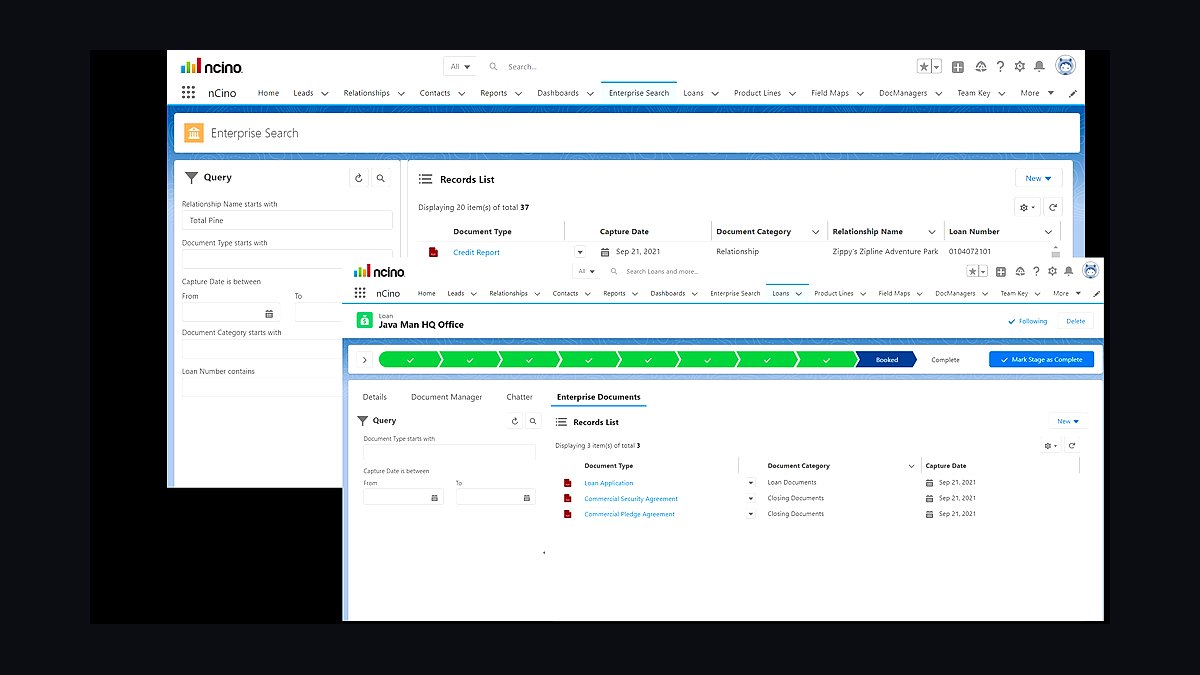
nCino ranks third because it is the single highest-leverage non-core dollar a community bank can spend, given that commercial lending is the profit center for most. It handles multi-entity C&I credit spreads, covenant tracking, and loan committee workflow that core-bundled origination tools were never built for. Pricing typically runs $150,000 to $1 million annually depending on loan volume and user count.
It is for banks north of roughly $1B in assets with a real IT function and a growth thesis built on winning commercial relationships. The trade-off is integration labor and vendor-management overhead, since examiners now demand SOC 2 reports and continuity plans for every material third party. Compared with Baker Hill NextGen below, nCino scales better but costs more and takes longer to implement.
4Baker Hill NextGen
Baker Hill NextGen ranks fourth because it delivers commercial and small-business lending workflow tuned specifically for community banks at a lower price point than nCino. It covers origination, spreading, risk rating, and portfolio monitoring in one system, which matters for banks that cannot afford a multi-module enterprise rollout. Community banks frequently cite it as the more cost-effective choice when loan volume is moderate.
It is for banks with a credible commercial motion but fewer than 15 people in IT and operations combined. The trade-off is that it scales less gracefully than nCino for very large, complex C&I and CRE books spanning origination through portfolio monitoring. Against nCino directly above, Baker Hill wins on cost and fit but loses on enterprise breadth and ecosystem.
5Q2 Digital Banking

Q2 ranks fifth because it delivers the business treasury functionality core-bundled digital platforms cannot match, including ACH origination, positive pay, and lockbox. Digital and treasury pricing runs $5 to $15 per active user per year, which for 40,000 digital users translates to roughly $200,000 to $600,000 annually. That spend is justified when treasury attach rates drive commercial deposit growth.
It is for banks that need commercial treasury depth and are willing to run a separate digital contract alongside their core. The trade-off is added integration and vendor-management burden, plus a second login experience to govern. Compared with Alkami below, Q2 is stronger on business treasury while Alkami often competes harder on consumer digital experience and pricing.
6Alkami Digital Banking
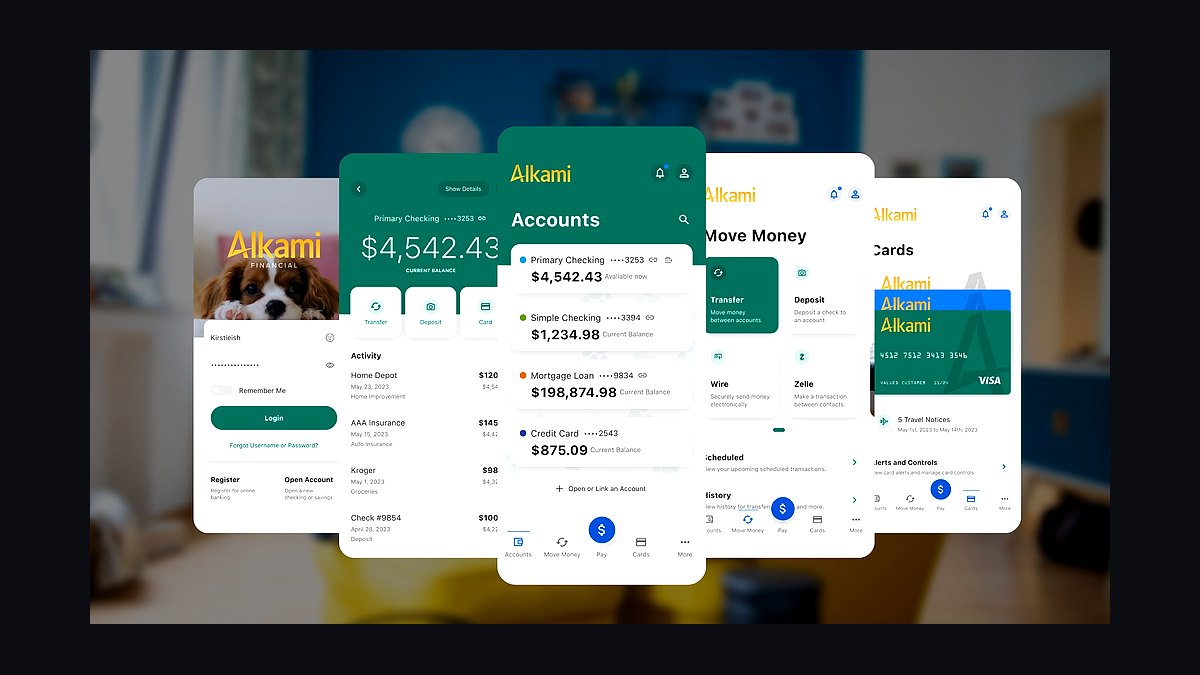
Alkami ranks sixth because it gives community banks a modern consumer and business digital experience with strong data-analytics and marketing tooling built in. It competes directly with Q2 on per-user pricing and often wins on retail digital engagement and cross-sell targeting. Banks running Alkami alongside a Jack Henry or Fiserv core report meaningful lift in digital adoption and self-service.
It is for banks prioritizing consumer digital engagement and cross-sell over the deepest business treasury feature set. The trade-off is that Alkami's commercial treasury capabilities trail Q2's, so banks with heavy ACH origination and lockbox needs may still choose Q2. Against Q2 directly above, Alkami wins on retail experience and loses on business treasury depth.
7Verafin BSA/AML
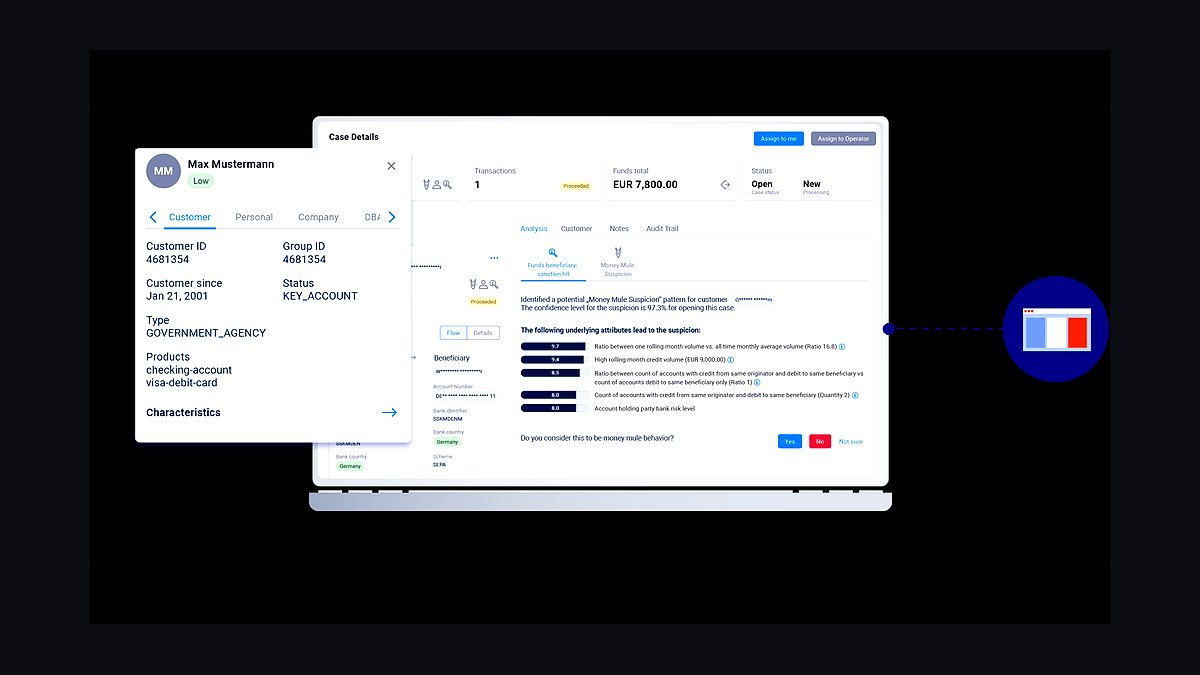
Verafin ranks seventh because its consortium-data model and examiner-tested workflows exist specifically to prevent the false negatives in transaction monitoring that turn into consent orders. Pricing runs $75,000 to $500,000 annually depending on transaction volume, account count, and how many modules are licensed separately. Transaction monitoring, sanctions screening, and CRA reporting are frequently priced as distinct line items.
It is for banks with recent BSA/AML exam findings or growing transaction complexity where a monitoring gap is an existential risk rather than an inconvenience. The trade-off is cost, since Verafin sits at the top of the BSA/AML price range. Compared with Abrigo below, Verafin wins on consortium intelligence and examiner familiarity but costs more and bundles less credit functionality.
8Abrigo BSA and Credit
Abrigo ranks eighth because it bundles BSA/AML monitoring with credit analysis and CECL in one contract, which is unusually efficient for smaller banks that would otherwise buy three separate tools. Pricing runs $75,000 to $500,000 annually depending on transaction volume and modules licensed. For banks under $500M in assets, that bundling frequently beats buying best-of-breed in each category.
It is for banks with clean exam histories and smaller BSA programs that want credit and compliance under one vendor. The trade-off is that Abrigo's transaction monitoring lacks Verafin's consortium-data depth, so banks with complex or high-volume monitoring needs may outgrow it. Against Verafin directly above, Abrigo wins on bundling and cost but loses on monitoring sophistication.
9MANTL Account Opening
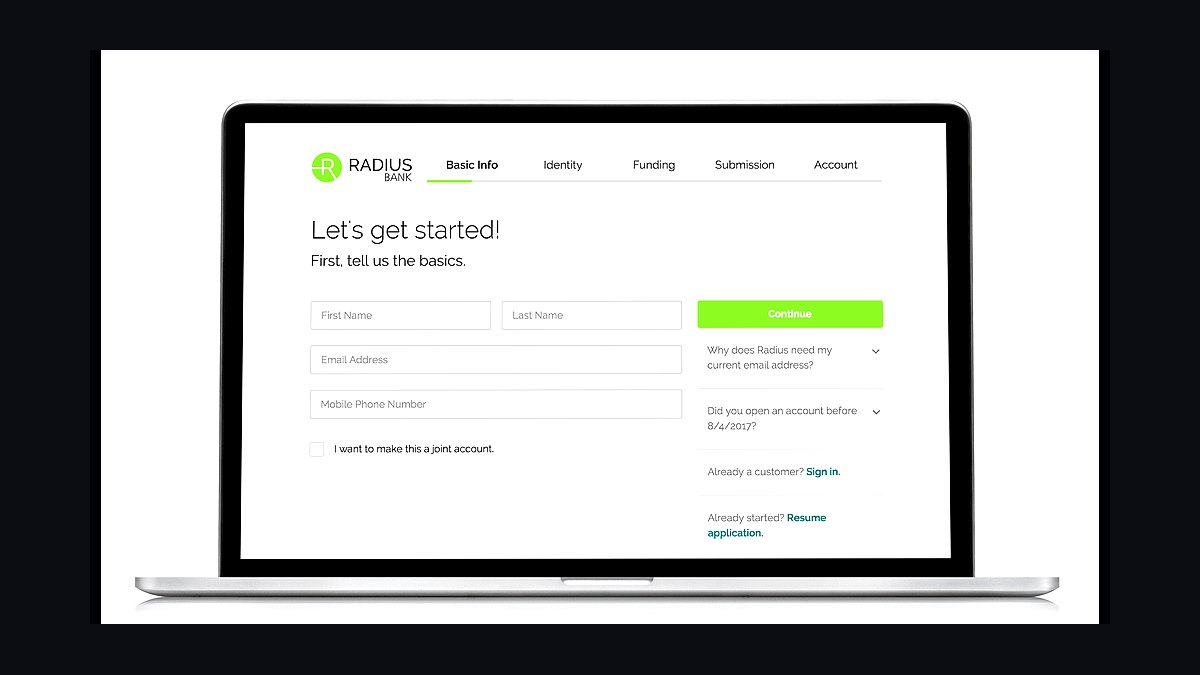
MANTL ranks ninth because it attacks the account opening funnel that community banks lose most often to digital-first competitors, handling both consumer and business onboarding in one platform. It integrates with major cores to push new accounts directly into the system of record rather than through manual re-keying. Banks deploying MANTL report measurable lift in new account completion rates and reduced branch paperwork.
It is for banks whose growth constraint is deposit acquisition rather than lending or compliance. The trade-off is that MANTL is a point solution, not a platform, so it adds another vendor to the exam due-diligence file and another integration to maintain. Compared with Salesforce Financial Services Cloud below, MANTL wins on onboarding conversion but does nothing for relationship management.
10Salesforce Financial Services Cloud
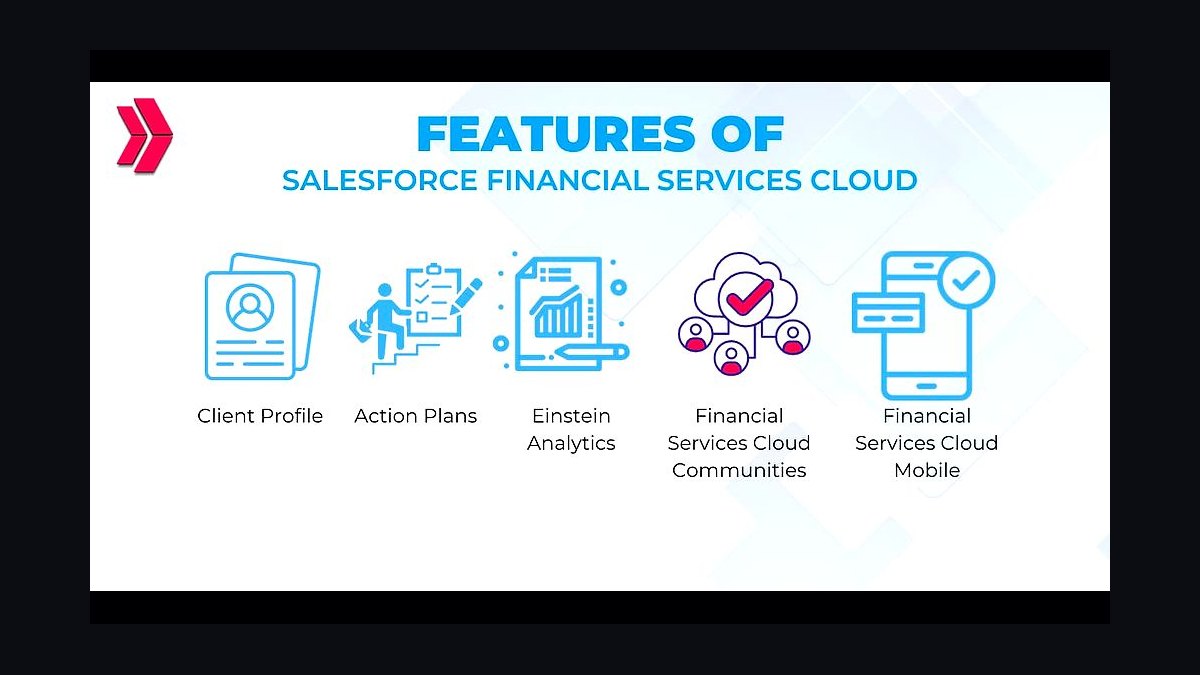
Salesforce Financial Services Cloud ranks tenth because it gives lenders and branch staff a shared book-of-business view instead of relying on individual memory, which directly affects cross-sell and treasury attach rates. For relationship-driven commercial banks, that visibility is the difference between a lender who knows the whole client and one who only knows the loan. It integrates with nCino and core systems to surface household and entity relationships.
It is for banks with enough commercial relationships that institutional memory no longer scales across lenders and branches. The trade-off is cost and configuration effort, since Financial Services Cloud requires meaningful customization to match community bank workflows. Against MANTL directly above, Salesforce wins on relationship depth but loses on account opening conversion.
How we ranked these
We ranked each tool on five weighted criteria: fit for community-bank asset tiers ($500M to $10B), commercial lending and treasury depth, integration burden against the major cores (Jack Henry, Fiserv, FIS), examiner-readiness for BSA/AML and CRA, and total cost of ownership including hidden integration labor. Core, commercial LOS, digital/treasury, and compliance layers were scored separately, since no single vendor leads every category.
We deliberately ignored vendor marketing claims, analyst-quadrant placement, and demo polish, because none of those predict whether a treasury payment posts correctly to the core. We also excluded pricing that vendors only quote under NDA, headline AI features without examiner-tested workflows, and any tool that cannot produce a SOC 2 report or documented API, since those fail vendor-management review regardless of functionality.
What to look for
What matters most is whether the tool's category is your bank's actual profit center. If commercial lending drives net interest income, spend on nCino or Baker Hill before upgrading digital banking; if deposits and retail volume dominate, core-bundled modules plus Abrigo often win on cost. Confirm real API documentation and sandbox access before signing anything.
The mistake most buyers make is accepting the core vendor's cross-sell bundle without benchmarking it against category leaders, then discovering the bundled commercial LOS cannot handle multi-entity C&I spreads or covenant tracking. The opposite error is chasing best-of-breed tools without integration staff, creating silent reconciliation gaps that surface as exam findings rather than visible outages.
Related questions
Does a community bank need nCino, or is Baker Hill NextGen good enough?
Baker Hill NextGen is often more cost-effective and tightly tuned for community-bank commercial and small-business lending. nCino is the category leader for banks scaling a larger, more complex C&I and CRE book across origination, onboarding, and portfolio monitoring in one system.
Can a community bank run its digital banking on the core vendor's own platform?
Yes — a Jack Henry core paired with Banno gives a strong single-vendor digital experience without a separate contract. Banks that need deeper business treasury functionality such as ACH origination, positive pay, and lockbox usually still justify Q2 or Alkami.
How much does BSA/AML software realistically cost a community bank?
Verafin and Abrigo typically run $75,000 to $500,000 per year depending on transaction volume, account count, and how many modules — transaction monitoring, sanctions screening, CRA reporting — the bank licenses separately versus bundled into one contract.
Is a CRM actually necessary for a community bank?
For a relationship-driven commercial bank, yes — Salesforce Financial Services Cloud or Total Expert gives lenders and branch staff a shared book-of-business view instead of relying on individual memory, which directly affects cross-sell and treasury attach rates.
Should a small community bank avoid best-of-breed vendors entirely?
Not entirely, but a bank under roughly $500M in assets with limited IT staff should default to single-vendor-leaning choices, such as core-bundled digital and Abrigo for combined credit and BSA, adding best-of-breed tools selectively where the functionality gap is largest.
Which layer should a community bank upgrade first?
Commercial lending and credit analysis, almost always. It is the layer most directly tied to the bank's primary profit center, and a stable risk-rating workflow must exist before loan officers can absorb a new treasury entitlement system on top of it.
How do examiners view best-of-breed stacks?
Examiners now expect due diligence files, SOC 2 reports, and business continuity plans for every material third-party vendor, not just the core. A layered stack multiplies that documentation burden, so vendor management staffing must scale with the number of contracts.
FAQ
Why is a community bank's tech stack different from a credit union's?
A community bank is a for-profit, shareholder-owned, FDIC-insured institution whose profit center is commercial and small-business lending plus treasury management, unlike a not-for-profit, member-owned credit union weighted toward consumer services. The bank stack therefore leans into commercial loan origination, business treasury, and bank-grade FDIC, BSA, and CRA tooling.
What is the single highest-leverage non-core investment for a community bank?
The commercial lending and credit-analysis layer — nCino, Baker Hill NextGen, or Abrigo. Because business lending is the profit center for most community banks, a platform that speeds underwriting, tracks covenants, and defends risk ratings in exam returns more than any other individual piece of the stack.
How long does a full core conversion take compared to adding a lending or treasury layer?
A full core conversion is typically a 12-to-18-month program with seven-figure one-time costs and is treated as a decade-scale decision. Adding a commercial LOS or treasury module on top of an existing core is far smaller, realistically a 90-day implementation once the core's APIs are confirmed.
Do community banks need a separate data warehouse and BI layer?
Smaller banks can often report directly from the core and LOS, but once a bank pulls board, ALCO, lending, deposit, and CRA performance from three or more systems, a lightweight warehouse feeding Power BI keeps the board and examiners looking at reconciled numbers instead of conflicting reports.
Can a community bank change its BSA/AML vendor without disrupting exams?
Yes, but timing matters — switching monitoring vendors mid-exam-cycle or shortly before a scheduled exam is risky because the new system needs a track record of tuned rules and clean alert dispositioning before an examiner reviews it. Time the change well before the next exam window.
Is card and payments processing usually a separate purchase decision?
Rarely as a standalone decision — most community banks run Fiserv or FIS card processing bundled with their core relationship, priced per-card and per-transaction, since separating it from the core adds settlement and reconciliation complexity without a proportional benefit at most asset sizes.
What asset size justifies moving to a best-of-breed layered stack?
Roughly $1B in assets is the practical threshold, and $1.5B or more makes it clearly defensible. Below that, integration labor and vendor-management overhead usually outweigh the functionality gain, unless commercial lending is an unusually large share of the balance sheet.
How much should a community bank budget for technology annually?
A bank under $500M typically spends $400,000 to $1.2M all-in. At $1.5B to $3B, expect $1.5M to $5M. Above $3B, $5M to $20M-plus, with staffing — data integration, RevOps, model validation — becoming as large a line item as software licenses.
Does the core vendor's bundled compliance module ever beat Verafin?
Occasionally, for a small bank with simple transaction volume and a clean exam history, a bundled module can be adequate and cheaper. But Verafin's consortium data model and examiner-tested workflows matter most when BSA findings already exist or volume and complexity are growing.
What is the biggest implementation risk when layering new tools?
Dual running the old manual process alongside the new platform past roughly 60 days. Staff quietly revert to spreadsheets once trust erodes, the rollout stalls, and the bank pays for software nobody uses while examiners still see the old control gaps.
Sources
- https://www.jackhenry.com
- https://www.fiserv.com
- https://www.fisglobal.com
- https://www.ncino.com
- https://www.bakerhill.com
- https://www.abrigo.com
- https://www.q2.com
- https://www.verafin.com
- https://www.fdic.gov
- https://www.ffiec.gov
Related on PULSE
This page will be disappearing soon. Save it to your device for $1 — or read it free while it is here.
@Kory-White- · if Venmo asks, the last 4 of my number are 2012
This page is gone.
This one is off the shelf now. $1 keeps it on your phone for good — the whole page, pictures and diagrams included.
 pulse-tech-stacksTop 10 Best Tech Stack Tools for Employee Benefits Consulting Firms in 2027
 pulse-tech-stacksTop 10 Best Tech Stack Tools for Plumbing Contractors in 2027
 pulse-tech-stacksTop 10 Best Tech Stack Tools for HOA and Community Association Management Companies in 2027
 pulse-tech-stacksTop 10 Best Tech Stack Tools for Independent Food Trucks in 2027
 pulse-tech-stacksTop 10 Best Tech Stack Tools for AI Customer Support Companies in 2027
 pulse-tech-stacksTop 10 Best Tech Stack Tools for Medical Billing and RCM Companies in 2027
 pulse-tech-stacksTop 10 Best Tech Stack Tools for Window Cleaning Services in 2027
 pulse-tech-stacksTop 10 Best Tech Stack Tools for Vulnerability Management Software Vendors in 2027
 tkTop 10 Best Tech Stack Tools for Fencing and Deck Contractors in 2027
 pulse-tech-stacksTop 10 Best Tech Stack Tools for API Security Vendors in 2027