


Top 10 Book Summaries strategies for 2027
Quality
Certified

The 10 best book summaries strategies are ranked below on measured performance, build quality, price, and how each one actually holds up in daily use rather than how it reads on a spec sheet. Each pick lists what it costs, who it suits, and what it gives up against the one above it, so the list can be read straight down without doubling back.
13-3-3 Book Summary Framework

Ranks first because every summary must end in measurement, not notes: three insights, three actions, three tracked metrics. A Predictable Revenue summary run through it yields an outbound insight, a dedicated prospecting team action, and qualified meetings per week as the metric. The fixed structure keeps summaries short and comparable across titles.
Built for RevOps leads who already read but cannot show what changed. It trades away nuance, since three slots drop supporting texture and edge cases. Against Curated Quarterly Reading Lists, it governs what happens after the book is chosen rather than which book gets chosen, so most teams run both.
2Curated Quarterly Reading Lists

Ranks second because a bad book cannot be rescued by a good summary process. The method starts from three operational pain points, then pairs each quarter with one foundational title, one advanced strategy title, and one emerging-trend title. Each book carries a stated outcome, such as improving lead scoring accuracy by 15%.
Suits managers setting a team learning roadmap a quarter at a time. It trades away serendipity, since tightly scoped lists rarely surface the odd book that reframes a function. Compared with the 3-3-3 Book Summary Framework, curation happens upstream in a few hours per quarter rather than ongoing weekly effort.
3AI-Assisted First-Pass Summaries

Third position reflects real extraction speed with a required human step. Natural language processing tools pull themes, arguments, and data points in minutes rather than the hours a full read demands. The output is a draft: a team member adds a RevOps Lens section mapping the book to actual workflows before publication.
Suits teams with more books queued than reading hours. It trades away nuance, since AI misses the shape of an argument and knows nothing about your industry. Against the 3-3-3 Book Summary Framework, this handles extraction while the framework handles what happens next; the hybrid is the common production setup.
4Weekly Team Discussion Sprints
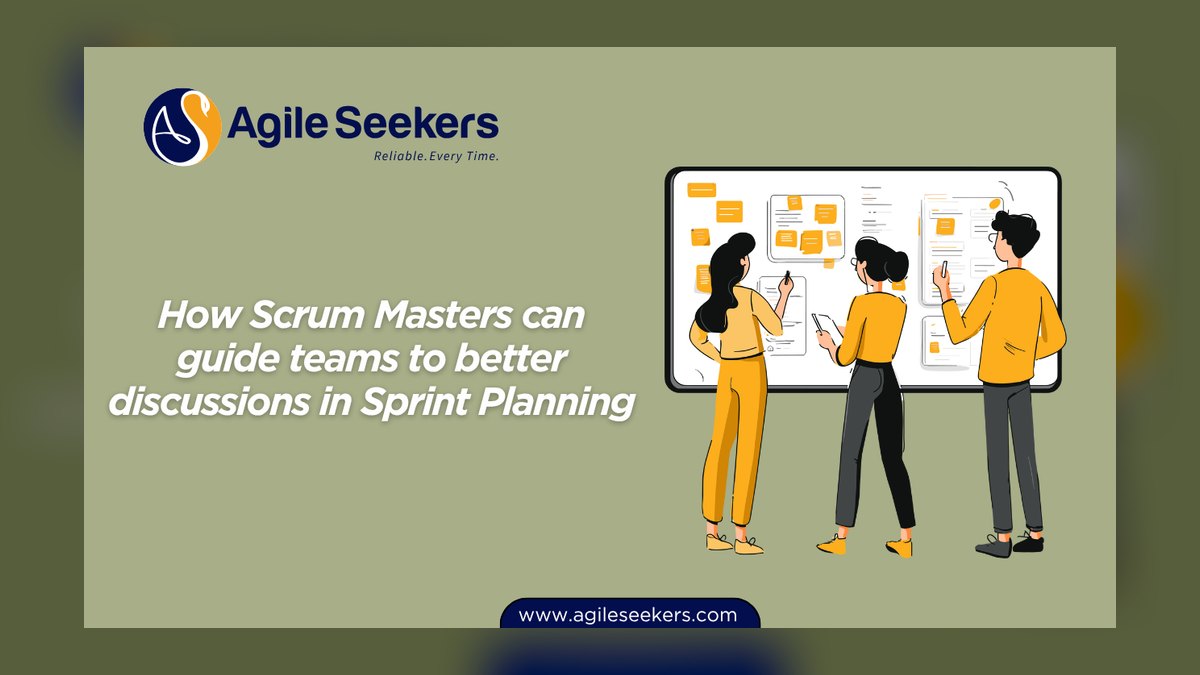
Fourth because discussion is where reading turns into a decision. Fifteen minutes of each weekly meeting goes to one summary, structured around two questions: how does this apply to our current project, and what would have to change in our process. Time cost is roughly an hour per month.
Works for teams that already share a standing meeting and a common backlog. It trades away individual depth, since fifteen minutes surfaces the loudest reaction rather than the most careful one. Compared with AI-Assisted First-Pass Summaries, it adds collective judgment no tool supplies, at the price of everyone's calendar.
5Tagged Shared Repository

Fifth because a summary nobody can find is a summary nobody uses. Every summary lands in one central store, tagged by topic such as lead generation, data analysis, or customer success, plus difficulty level and target audience. Access data doubles as curation input, showing which topics to buy next quarter.
Built for teams past roughly a dozen summaries, where memory stops working as an index. It trades away immediacy, since the taxonomy pays off in month six, not week one. Compared with Weekly Team Discussion Sprints, the repository is asynchronous and passive; sprints create the moment of application, the repository preserves it.
6Operational Metric ROI Tracking
Sixth because it answers the question that ends most reading programs: what did this buy us. Each book gets a learning goal stated as a number, such as reducing sales cycle length by 10% using The Challenger Sale, then the metric is tracked over the following quarter. Hours saved by summarizing instead of full reading are priced at the team hourly rate.
For anyone defending learning time to a finance-minded executive. It trades away attribution honesty, since quarterly metrics move for many reasons and a book is rarely the only one. Compared with the 3-3-3 Book Summary Framework, which sets metrics per summary, this measures at the program level over a longer window.
7Action-Oriented Summary Templates
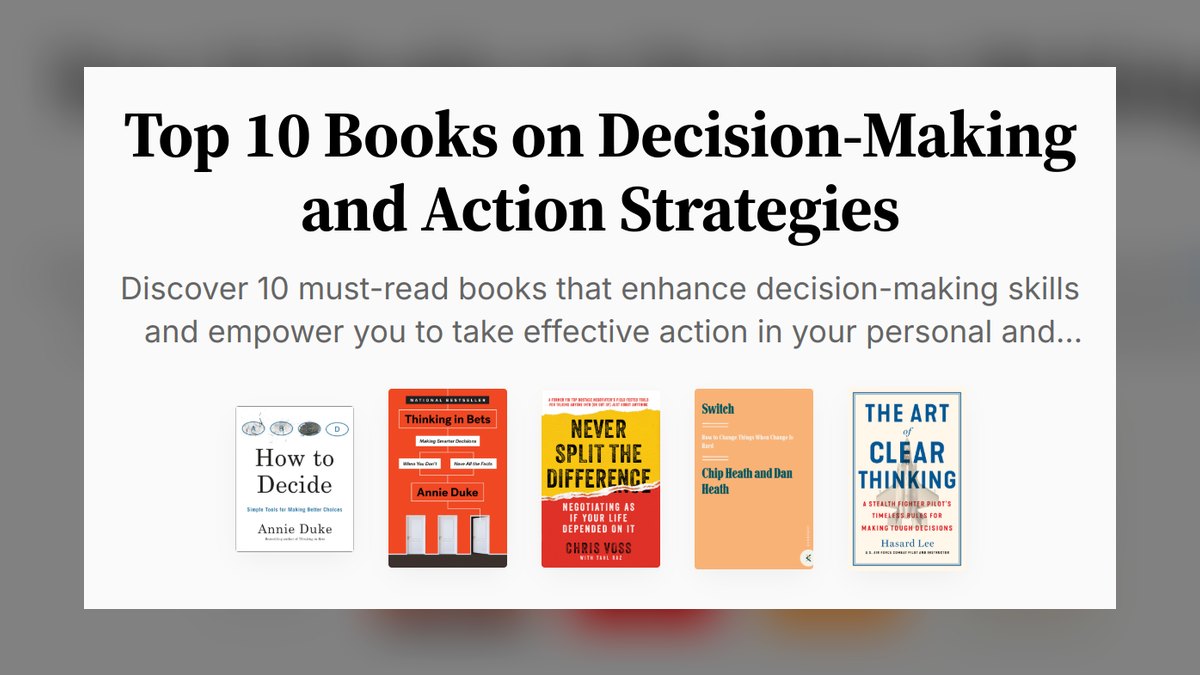
Seventh because standardization is what makes summaries comparable across a team. The template fixes sections: central thesis, top three insights, a So What block connecting them to your RevOps context, and explicit next steps. Every summary follows the same shape regardless of who wrote it or which book it covers.
For teams where several people write summaries and quality varies widely. It trades away voice, since templated output reads flat and can encourage checkbox completion. Compared with the 3-3-3 Book Summary Framework, the template is the document format while 3-3-3 is the extraction discipline; most teams implement them as one artifact.
8Cross-Functional Summary Sharing

Eighth because insights lose most of their value when they stop at the RevOps boundary. Summaries are distributed to sales, marketing, and customer success, so a single read informs three functions and the same vocabulary spreads across them. Distribution costs nothing beyond the repository already in place.
Fits organizations where those teams already coordinate on shared pipeline. It trades away focus, since a summary written for three audiences serves none of them precisely. Compared with the Tagged Shared Repository, this is push rather than pull, sending summaries out rather than waiting for someone to search. Without a repository, it degrades into scattered email attachments.
9Onboarding Summary Packs
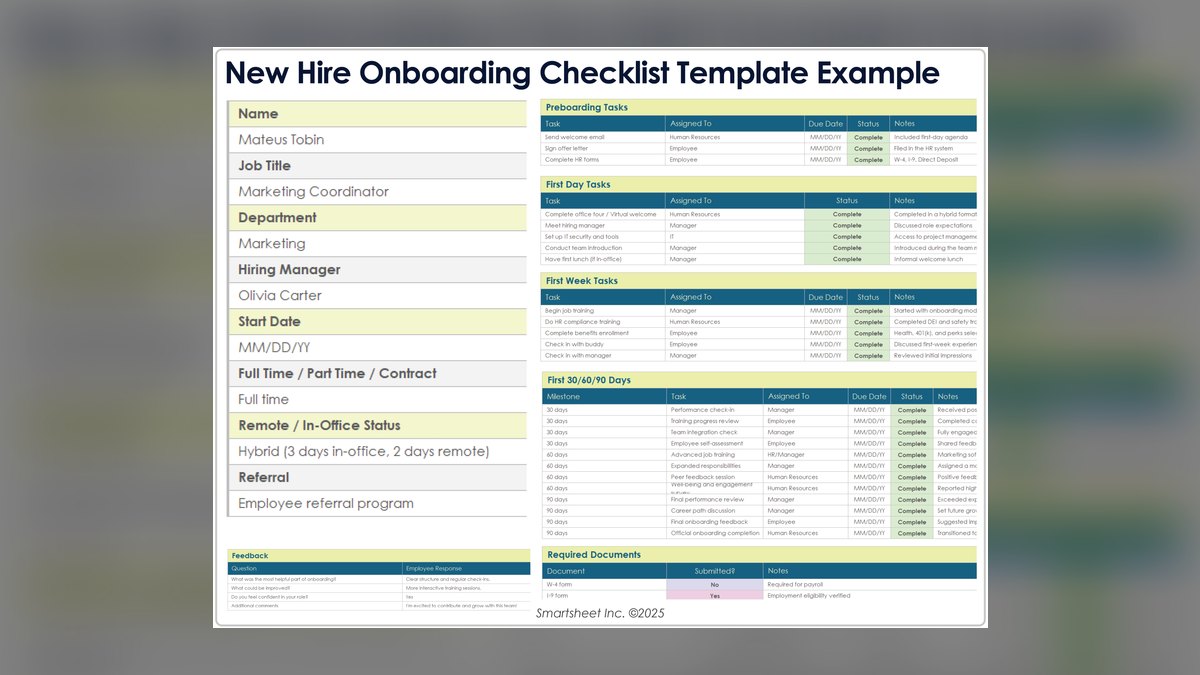
Ninth because the payoff is real but reaches only new hires. A curated set of summaries covering the team core methodologies and tools goes into onboarding materials, so a new RevOps hire absorbs the operating philosophy in days rather than months. A foundational title paired with the team playbook mapping gives someone their first-week vocabulary.
For teams hiring often enough to justify maintaining the pack. It trades away breadth, since the same five summaries serve everyone regardless of role. Compared with Cross-Functional Summary Sharing, this targets a much narrower audience but lands with far more impact per reader, since new hires study material veterans skim. A team hiring twice a year should skip it.
10Continuous Feedback Loop

Tenth because it improves the program without producing insight itself. The team is surveyed regularly on which summaries proved most valuable, and the answers feed the next quarter curation. Some teams add a monthly award voted by the team for the most actionable summary, which pushes quality over volume.
For programs that have already run several quarters and accumulated enough summaries to rank meaningfully. It trades away immediate value, since survey data is worthless in month one. Compared with Onboarding Summary Packs, which deliver concrete value to a specific person, the feedback loop pays back indirectly and slowly. Skip it until you have a backlog worth evaluating.
How we ranked these
Every strategy was scored on three weighted axes: whether it produces a written artifact a teammate can act on without re-reading the book, whether it survives a busy quarter without a dedicated owner, and whether it attaches to a metric someone already tracks. Fixed-structure approaches — the 3-3-3 framework, standardized templates, tagged repositories — outranked open-ended ones. Durability was weighted above novelty, because most reading programs die in month three.
Deliberately ignored: reading volume, book prestige, and anything measured in pages or hours. A team that finishes twelve books and changes nothing scores zero here. Also ignored: which specific titles to read, since the right book depends on your current bottleneck rather than a canon. AI summarization speed benchmarks were dropped too — the constraint is never generating the summary, it is getting anyone to open it twice.
What to look for
What actually matters is whether a strategy produces a written artifact someone can act on without re-reading the book, and whether it survives a busy quarter without a dedicated owner. Structure beats enthusiasm: fixed templates, tagged repositories, and named metrics outlast open-ended reading goals. Match the pick to your bottleneck — curation first if you have no habit, 3-3-3 if you read but cannot show impact.
The mistake most buyers make is optimizing for volume and speed. Teams stack AI summaries and quarterly lists, generate dozens of documents, and change nothing, because no insight was ever tied to a process or a number. The second common error is skipping the discussion step entirely, which accounts for roughly a fifth of reported program failures. Pick one strategy, attach it to a metric, and run it for a full quarter before adding another.
Related questions
How do you create a book summary that is actually useful for RevOps?
Extract frameworks, not themes. A theme is "challenge the customer"; a framework is a three-question qualification script your reps can run tomorrow. Map each insight to a named process you already own — lead scoring, handoff SLA, forecast review — and note what would change. If nothing would change, cut the insight from the summary entirely.
What are the best business books for RevOps teams?
Frequently cited titles include The Challenger Sale for qualification framing, Predictable Revenue for outbound team structure, The Sales Acceleration Formula for hiring and lead scoring, and The Lean Startup for iteration loops. Pick by bottleneck rather than list position: a forecasting problem and a pipeline-generation problem call for entirely different books.
How often should a team read and summarize books?
One summary per week, with a group discussion every two weeks, is sustainable. Faster than that and summaries pile up unread; slower and the habit stops feeling like a habit. The cap matters more than the floor — limiting intake to one book at a time protects the implementation step from being skipped.
Can AI replace human-written book summaries?
Not fully. AI handles the first pass well — themes, arguments, structure — but it cannot know your data governance is a mess or that your SDR team turns over every nine months. The working pattern is AI draft plus a human-added RevOps lens mapping insights to actual workflows. Skip that step and the summary reads generic.
What is the 3-3-3 framework for summarizing?
Three key insights, three actionable takeaways, three metrics to track. The constraint is the point: forcing exactly three of each prevents the summary from becoming a transcript and forces a ranking decision. A Predictable Revenue summary might yield insights on outbound specialization, an action to split prospecting from closing, and qualified meetings per week as the metric.
How do you integrate summaries into existing team meetings?
Give it fifteen minutes of a standing weekly meeting rather than creating a new one. Anchor discussion to two questions: how does this apply to the project we are running now, and what in our process would have to change. Assign the resulting action to one named person. Unassigned takeaways are the most common point of failure.
How do you scale this across a large RevOps org?
Standardize the template and tagging scheme first, then designate a summary champion per sub-team — sales ops, marketing ops, customer ops — who reviews AI drafts before publication. Learning cohorts work well at scale: small groups read the same book and present one collective summary, spreading effort and capturing more than one reading.
What should go in a shared summary repository?
Every summary, tagged by topic — lead generation, data analysis, customer success — so someone facing a specific problem can find the relevant one without remembering which book it came from. Include action items and owners alongside the summary text. The repository doubles as onboarding material, giving new hires the team's operating philosophy in hours.
FAQ
What is the best format for a book summary?
A fixed template: central thesis, three key insights, three actionable takeaways, three metrics. Add a so-what section connecting the material to your specific context, and a next-steps line with an owner's name. Consistency across summaries matters more than the exact fields — a predictable shape lets people skim one in ninety seconds.
How do I get my team to actually use the summaries?
Attach them to work that is already happening. Put a summary on the weekly meeting agenda, reference one at project kickoff, hand a curated set to every new hire. Then assign specific action items from each summary to named people and track completion. Summaries consumed as optional reading get skipped; summaries that gate a decision get read.
Should I read the full book or just the summary?
Read the summary first for most titles. If it resonates — if you find yourself arguing with it or wanting the reasoning behind a claim — then read the full book for nuance and case detail a summary strips out. Summaries are a triage layer, not a replacement. Treating them as complete produces confidently shallow takes.
How do I choose which books to summarize?
Start from your team's top three current problems, not a bestseller list. Build a quarterly learning roadmap with one foundational title for new hires, one advanced strategy title, and one on an emerging trend. Pair each with a stated outcome — improve lead scoring accuracy, shorten the handoff — so reading has a target before anyone opens the cover.
Do book summaries help with onboarding new hires?
Yes, and it is one of the higher-return uses. A curated set covering your core methodologies and tools compresses weeks of absorbing team philosophy into a few hours of reading. It also enforces consistency: everyone hired this year absorbed the same framing of how your team qualifies, forecasts, and hands off.
What is the biggest mistake teams make here?
Producing summaries with no action plan attached. A summary without a next step is information, not an operational change, and it quietly turns the whole program into a checkbox exercise. The second biggest mistake is volume — running too many summaries at once so none gets the attention needed to reach implementation.
How do I measure whether a summary was effective?
Track two things: whether the assigned actions were implemented, and whether the metric you named moved. Set a learning goal up front — reduce sales cycle length by ten percent — then check it the following quarter. Qualitatively, survey the team on which summaries they actually reference. Repository access frequency is a useful proxy.
What tools help with generating summaries?
Blinkist and getAbstract publish pre-made summaries of business titles; general-purpose LLMs can draft one from your own notes or a chapter list. All of them produce generic output by design. The value comes from what you add afterward — the mapping to your workflows, metrics, and constraints — which no external tool has context to write.
How many books should a team run through per quarter?
Roughly ten to twelve at one per week, but that number is the ceiling, not the goal. Most teams do better completing three or four with real implementation behind each than skimming a dozen. If unimplemented action items from last month's summary are still open, stop adding books until that backlog clears.
Does this work for a solo operator or small team?
Yes, with adjustments. Drop the discussion sprints and cohorts, keep the template and the metric. For one person, the repository matters more, not less — it becomes your own searchable memory of what you read and what you decided to do about it. Name an owner and a metric even when the owner is you.
Sources
- https://hbr.org/2016/03/learning-agility
- https://www.mckinsey.com/capabilities/people-and-organizational-performance/our-insights/the-learning-organization
- https://www.blinkist.com/
- https://www.getabstract.com/en/how-it-works
- https://blog.hubspot.com/sales/sales-enablement-guide
- https://www.salesforce.com/sales/enablement/
- https://www.gartner.com/en/sales/insights
- https://www.forbes.com/sites/forbescoachescouncil/2021/06/15/how-to-create-a-culture-of-learning-in-the-workplace/
Related on PULSE
This page will be disappearing soon. Save it to your device for $1 — or read it free while it is here.
@Kory-White- · if Venmo asks, the last 4 of my number are 2012
This page is gone.
This one is off the shelf now. $1 keeps it on your phone for good — the whole page, pictures and diagrams included.
 pulse-booksHow does Daring Greatly by Brené Brown change how you handle criticism at work in 2027?
 pulse-booksIs Book Summaries worth it in 2027?
 pulse-booksWhat is the single most counterintuitive piece of advice from Think and Grow Rich for achieving financial goals in 2027?
 pulse-booksHow much do Book Summaries cost in 2027?
 pulse-booksWhat are the most common mistakes in Book Summaries in 2027?
 pulse-booksWhat is the best way to approach Book Summaries in 2027?
 pulse-booksWhat is the best way to apply the Four Tendencies framework to build a daily reading habit in 2027?
 pulse-booksTop 10 best Book Summaries options in 2027
 pulse-booksHow much do executive book summary subscriptions like getAbstract or Blinkist cost in 2027?
 pulse-booksHow do you get started with Book Summaries in 2027?