


Top 10 Best Tech Stack Tools for Limousine and Black Car Services in 2027
Quality
Certified

The 10 best tech stack tools for limousine and black car services are ranked below on measured performance, build quality, price, and how each one actually holds up in daily use rather than how it reads on a spec sheet. Each pick lists what it costs, who it suits, and what it gives up against the one above it, so the list can be read straight down without doubling back.
1LimoAnywhere Reservation Platform

LimoAnywhere ranks first because it is the deepest, most established chauffeured-ground system of record, running roughly $99-$300-plus per month as seats and add-ons grow. It holds a future-dated, named, quoted reservation, assigns a specific vehicle and chauffeur, dispatches, tracks, and bills inside one record. Affiliate depth and corporate billing are native, not bolted on.
It is built for mid-size and large operators standardizing back-office control across multiple locations. It trades away the clean, fast, low-cost onboarding a lean modern fleet gets from Moovs, and its pricing climbs quickly once affiliate volume and corporate integration are added. A solo owner-operator will find it heavier than needed, while a growing regional company will find Moovs too shallow.
2Moovs Reservation Platform

Moovs ranks second because it delivers the same reserve-assign-track-bill loop at roughly $60-$200 per month, the lowest entry point among serious chauffeured platforms. Owner-operators and modern small fleets get a clean interface, fast online booking, and a driver app without an implementation project. It is the fastest path from phone-and-text booking to one trip record.
It is for lean fleets that want speed over depth. It trades away the affiliate depth, corporate billing controls, and back-office configurability that LimoAnywhere offers mid-size operators, so a company chasing multi-city corporate accounts will outgrow it. Compared with LimoAnywhere directly above, it wins on cost and onboarding and loses on enterprise reach.
3GNet Affiliate Network

GNet ranks third because the affiliate layer is what converts a one-city vendor into a multi-market one, often bundled or running an incremental $50-$150 per month. It hands a farm-out trip electronically to a partner operator's system, tracks status, and reconciles the referral split automatically. That is inexpensive relative to the corporate accounts it unlocks.
It is for any operator whose clients need cars outside the home market. It trades away nothing operationally but requires partner relationships to be built and tested before a real corporate client depends on them. Without it, the platform picks above cap the addressable market to local retail, ceding durable corporate revenue to competitors with network reach.
4FlightAware Flight Tracking

FlightAware ranks fourth because live flight status is the single highest-leverage addition after the core platform for any service doing airport volume. It auto-adjusts scheduled pickup times to actual landing data instead of the printed itinerary, pushing the updated run to the chauffeur's phone. That converts blown pickups into chauffeurs already at the curb.
It is for operators with meaningful airport transfer work, where a missed pickup costs the account, not a review. It trades away nothing but requires integration into the dispatch platform to be useful. Compared with GNet above, it protects existing revenue rather than expanding territory, and it matters more than fleet maintenance at the airport-heavy stage.
5Stripe Payment Processing

Stripe ranks fifth because money has to live in the same record as the trip, running the standard card rate of roughly 2.9% plus $0.30 per transaction. It connects to the reservation platform so each trip and its charge reconcile together rather than through a monthly manual export. That prevents the transcription errors and late invoices that disconnected money layers produce.
It is for operators who want one unified record per trip and are willing to pay a slightly higher effective rate than a platform's native processor for that convenience. It trades away some basis points against native processing. Compared with FlightAware above, it protects margin and cash flow rather than on-time performance.
6QuickBooks Online Accounting

QuickBooks Online ranks sixth because automatic accounting sync closes the reserve-assign-track-bill loop, running roughly $35-$235 per month depending on tier. It should sync with both the payment processor and the reservation platform so revenue reconciles without hand re-keying. Corporate invoicing goes out on time and affiliate splits get counted correctly.
It is for every operator past the very smallest scale, since manual exports break down as trip volume grows. It trades away nothing but requires the sync to be configured and verified rather than assumed. Compared with Stripe directly above, it handles the reporting and invoicing side of the same money layer.
7Fleetio Fleet Maintenance

Fleetio ranks seventh because a mechanically sound vehicle is the physical half of the product, starting around $5-$8 per vehicle per month. It tracks service intervals, inspections, and repair history so a maintenance gap does not become a mid-trip breakdown. It becomes worth adopting once an operator runs more than a handful of sedans and SUVs.
It is for growing fleets where a breakdown during a wedding charter or airport run damages the account. It trades away a small per-vehicle fee and some administrative time. Compared with QuickBooks above, it protects the physical asset rather than the financial record, and it is cheaper and simpler than telematics hardware.
8Samsara Telematics

Samsara ranks eighth because hardware-verified GPS, engine diagnostics, and harsh-driving alerts start delivering real insight once a fleet crosses about ten vehicles, at roughly $25-$45 per vehicle per month. It goes beyond the location pings a driver app alone provides. That data supports insurance conversations and driver coaching.
It is for operators at ten-plus vehicles where per-vehicle cost is justified by the insight. It trades away monthly spend and installation effort that a one-vehicle owner-operator cannot recoup. Compared with Fleetio directly above, it adds live vehicle data on top of maintenance scheduling, and it is the layer most operators should delay longest.
9Podium Review Automation

Podium ranks ninth because referrals and repeat bookings, not paid search, drive the wedding, prom, and executive-transportation segments, running roughly $250-$450 per month. It automates review requests and reputation management so a good trip turns into a public rating. That matters disproportionately in an expectation-driven premium service.
It is for operators with enough completed trips to generate a steady review flow. It trades away meaningful monthly spend that a small fleet may not recoup. Compared with Samsara above, it protects demand rather than vehicles, and it should come after the core platform, affiliate layer, and money sync are stable.
10Microsoft Power BI Reporting
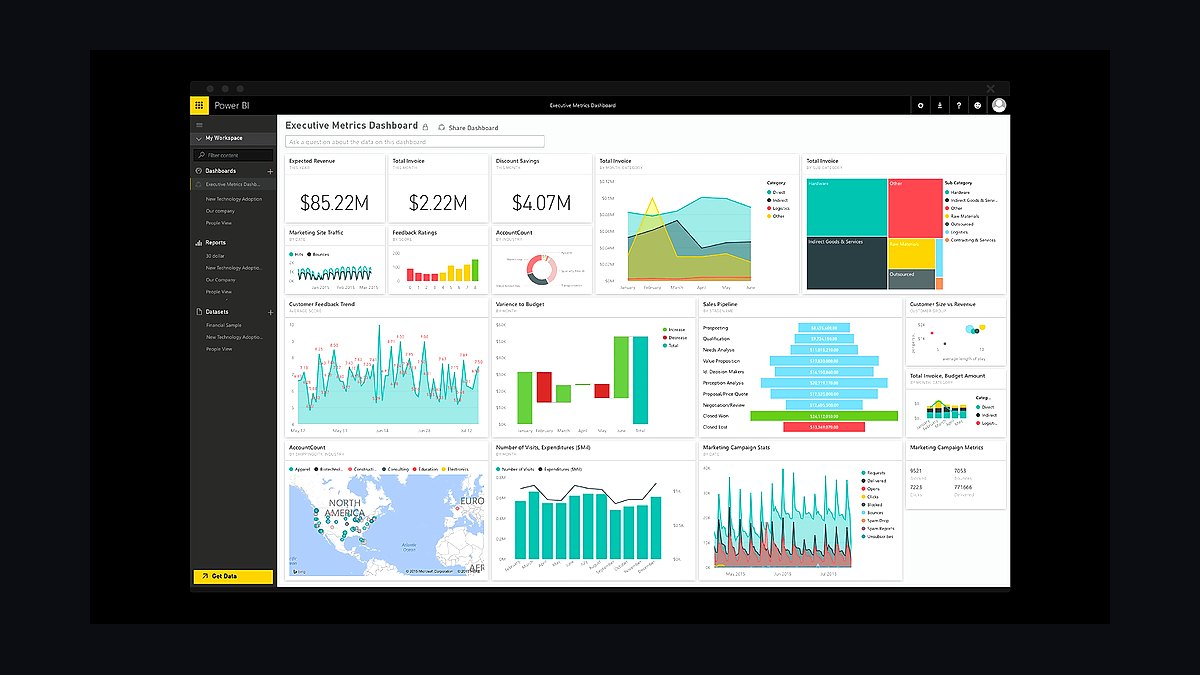
Power BI ranks tenth because business-intelligence reporting is a large-operator layer, running around $14 per user per month. It surfaces on-time percentage, vehicle utilization, and affiliate margin across many vehicles and partner relationships once native platform dashboards are outgrown. It turns the stack into something that reports on itself.
It is for multi-city operators with enough trip, affiliate, and billing volume to make analytics meaningful. It trades away setup effort and per-seat cost that smaller fleets cannot justify. Compared with Podium above, it is the last layer added, and a one-vehicle owner-operator should skip it entirely.
How we ranked these
We ranked reservation-and-dispatch platforms on trip-lifecycle completeness: booking, vehicle and chauffeur assignment, live dispatch, affiliate farm-in/farm-out, corporate billing, and accounting sync. Weighting favored systems that hold a reservation from quote to invoice in one record, then scored driver-app quality, flight-status integration, maintenance tracking, telematics support, and pricing transparency across fleet sizes. Scores were stress-tested against real operator scenarios — airport volume, multi-city corporate accounts, and fleets scaling past ten vehicles.
We deliberately ignored website builders, livery-branding aesthetics, and social-media scheduling tools, because none of them touch the reserve-assign-track-bill loop that determines whether a black car service leaks revenue. We also excluded consumer ride-hail apps, since anonymous on-demand hailing is a structurally different business from future-dated, named, quoted chauffeured reservations. Marketing spend and ad-network integrations were left out because referrals and corporate relationships, not paid search, drive this segment's durable bookings.
Related questions
Do I need a dedicated reservation platform, or can a general booking tool work?
A general booking tool cannot handle vehicle-and-chauffeur assignment, live dispatch, affiliate hand-offs, or corporate billing in one record. A chauffeured-ground platform like LimoAnywhere or Moovs is purpose-built for that full trip lifecycle and is worth the switch even for a small fleet.
What is the single highest-leverage addition after the core platform?
Flight tracking for any service doing airport work. It directly protects the corporate accounts that generate the most durable revenue, since a missed pickup is far more likely to end a relationship than a late review response.
How do affiliate networks handle payment splits between operators?
The affiliate network tracks the referral percentage for the farm-out and farm-in side of each trip and reconciles it alongside the trip record, so the originating and covering operators are each paid their share without a separate manual invoice between the two companies.
At what fleet size does telematics hardware become worthwhile?
Roughly ten vehicles and up, where engine diagnostics, hardware-verified GPS, and harsh-driving alerts start delivering enough insight to justify the added per-vehicle monthly cost over relying on the driver app's location sharing alone.
How much should a mid-size regional operator budget monthly for the full stack?
A company running twenty-five to forty vehicles typically lands in the low-to-mid four figures monthly once affiliate access, driver app, maintenance tracking, billing, and accounting sync are all active. That spend is proportionate given the corporate revenue and account complexity the stack protects.
Can a limo company run dispatch entirely from a shared inbox and group chat?
Only at the very smallest scale. Past a few vehicles, manual booking produces double-bookings, blown airport pickups, and trips that never get billed because no single record tracks a reservation from quote to invoice. The fix is a real dispatch platform, not a better spreadsheet.
Does the reservation platform replace accounting software like QuickBooks?
No. QuickBooks or Xero remains the books of record, but it should sync automatically with both the payment processor and the reservation platform so revenue reconciles without manual re-entry. Disconnected money layers cause late corporate invoices and miscounted affiliate splits.
What triggers adding business-intelligence reporting on top of the core stack?
Once trip, affiliate, and billing data outgrow the platform's native dashboards — typically at the multi-city operator stage where utilization, on-time percentage, and affiliate margin must be tracked across many vehicles and partner relationships simultaneously.
FAQ
Is a rideshare-style app a viable substitute for a real reservation platform?
No. Rideshare apps are built for anonymous, on-demand hails, not future-dated, named reservations with corporate billing, affiliate hand-offs, and chauffeur assignment. A limousine or black car service needs the reservation-and-dispatch category of software, not a consumer ride-hail app.
What is the practical difference between LimoAnywhere and Moovs?
Moovs favors owner-operators and modern small fleets that want a clean interface and fast online booking at a lower monthly cost. LimoAnywhere is the deeper, more established platform that mid-size and large operators tend to standardize on for affiliate depth, corporate billing, and back-office control.
Why does the affiliate network matter so much for corporate accounts specifically?
Corporate travel managers consolidate ground-transportation spend with vendors who can cover every city on an itinerary. A service with no farm-in/farm-out network can only serve its home market, so it loses multi-city corporate business to a competitor who has built that network layer in.
How critical is integrated flight tracking, realistically?
Very, for any service with meaningful airport volume. It auto-adjusts pickup timing to actual landing data rather than the scheduled time, which prevents both wasted paid waiting time and missed pickups — either of which can cost a corporate account, not just a single trip's revenue.
Do payments and accounting really need to be integrated, or is a manual monthly export good enough?
Manual exports work at very small scale but break down as trip volume grows — they introduce transcription errors, delay corporate invoicing, and make affiliate revenue splits easy to miscount. Automatic sync between the payment processor, the reservation platform, and the accounting system prevents all three.
When should a service add business-intelligence reporting on top of the core stack?
Once trip, affiliate, and billing data have outgrown what the reservation platform's native dashboards can show — typically at the large, multi-city operator stage where utilization, on-time percentage, and affiliate margin need to be tracked across many vehicles and partner relationships at once.
What does fleet maintenance software actually prevent for a livery operator?
It prevents a maintenance gap from becoming a roadside breakdown mid-trip, which is the physical half of the product being sold. At roughly five to eight dollars per vehicle monthly, tracking service intervals and inspections is inexpensive relative to a missed airport pickup caused by a failed vehicle.
Is over-buying software a real risk for small limo operators?
Yes. A one-vehicle owner-operator does not need telematics hardware, an affiliate network, or a business-intelligence layer. Adding them creates monthly cost and administrative overhead with no revenue benefit at that scale. Size the stack to the business you run today, with named triggers for each new layer.
How long should a full stack rollout realistically take?
Roughly ninety days in three phases: the reservation platform and payments in month one, affiliate network, driver app, flight tracking, and maintenance in days thirty to sixty, then corporate accounts, review automation, and reporting depth in days sixty to ninety. Compressing all three phases simultaneously is how implementations stall.
Does the reservation platform handle corporate negotiated rates and recurring invoicing?
Yes, that is core functionality for platforms like LimoAnywhere and Moovs. Travel-manager accounts with negotiated rate cards, recurring monthly invoicing, and consolidated billing are exactly what separates a chauffeured-ground platform from a generic booking calendar, and they are what make corporate revenue durable.
Sources
- https://www.limoanywhere.com
- https://www.moovs.app
- https://www.groundwidgets.com
- https://www.flightaware.com
- https://www.samsara.com
- https://gomotive.com
- https://www.fleetio.com
- https://www.concur.com
- https://www.podium.com
- https://quickbooks.intuit.com
Related on PULSE
This page will be disappearing soon. Save it to your device for $1 — or read it free while it is here.
@Kory-White- · if Venmo asks, the last 4 of my number are 2012
This page is gone.
This one is off the shelf now. $1 keeps it on your phone for good — the whole page, pictures and diagrams included.
 pulse-tech-stacksTop 10 Best Tech Stack Tools for Septic and Portable Sanitation Services in 2027
 pulse-tech-stacksTop 10 Best Tech Stack Tools for Small Pest Control Companies in 2027
 pulse-tech-stacksTop 10 Best Tech Stack Tools for AI Observability Platform Companies in 2027
 pulse-tech-stacksTop 10 Best Tech Stack Tools for Independent Food Trucks in 2027
 pulse-tech-stacksTop 10 Best Tech Stack Tools for Home Inspection Companies in 2027
 pulse-tech-stacksTop 10 Best Tech Stack Tools for Commercial HVAC Contractors in 2027
 pulse-tech-stacksTop 10 Best Tech Stack Tools for Online Travel Agencies (OTAs) in 2027
 pulse-tech-stacksTop 10 Best Tech Stack Tools for CrossFit Boxes in 2027
 pulse-tech-stacksTop 10 Best Tech Stack Tools for Appliance Repair Services in 2027
 pulse-tech-stacksTop 10 Best Tech Stack Tools for Independent Roofing Contractors in 2027