


Top 10 Best Tech Stack Tools for Marine and Boat Dealers in 2027
Quality
Certified

The 10 best tech stack tools for marine and boat dealers are ranked below on measured performance, build quality, price, and how each one actually holds up in daily use rather than how it reads on a spec sheet. Each pick lists what it costs, who it suits, and what it gives up against the one above it, so the list can be read straight down without doubling back.
1DockMaster Marine DMS

DockMaster ranks first because it is the only major marine DMS that natively holds serialized HIN unit inventory, parts, F&I, and seasonal rigging-and-service scheduling on one record. It is strongest where dealership, service bay, and marina coexist, and enterprise marine groups deploy it across dozens of stores. Expect roughly $1,500-$5,000+ per month depending on store count, modules, and seats.
It is built for multi-store groups and dealer-plus-marina operations that need one system of record for every hull and service ticket. The trade-off is cost and implementation weight: a single-location dealer rarely needs the full install. Compared with IDS Astra directly below, DockMaster leans harder into the marina and rigging side, while Astra is the more cloud-forward competitor.
2IDS Astra Marine DMS

IDS Astra ranks second as the cloud-forward marine and RV dealer management platform with strong service scheduling and CRM built in. It competes directly with DockMaster for multi-store marine groups and handles serialized HIN units, F&I, parts, and warranty submission without on-premise servers. Pricing sits in the same $1,500-$5,000+ monthly band as DockMaster by seats and modules.
It suits regional dealers of three to eight stores that want cloud access and tighter CRM integration out of the box. It trades away some of DockMaster's deep marina and rigging specialization. Compared with EverLogic below, Astra is heavier and more expensive, but it scales to multi-store groups where EverLogic would strain during selling season.
3EverLogic Marine DMS

EverLogic ranks third as the QuickBooks-integrated marine, RV, and trailer DMS sized for single-location independents. It handles serialized units, parts, service write-up, and F&I at roughly $300-$1,200 per month, a fraction of enterprise marine DMS pricing. The QuickBooks integration keeps accounting simple for owner-operators who watch floorplan personally.
It is for one-location dealers who sell and service boats but do not run a marina or multiple stores. The trade-off is ceiling: outgrow it and a mid-season DMS migration is brutal. Compared with Blackpurl below, EverLogic leans on QuickBooks for accounting while Blackpurl is a more modern cloud-native build with stronger parts and service modules.
4Blackpurl Marine DMS

Blackpurl ranks fourth as the modern cloud DMS with strong parts and service modules for marine and powersports dealers. It runs serialized unit inventory, service scheduling, and parts counter operations from a browser at roughly $300-$1,200 per month. Its cloud-native architecture means no on-premise server and easier multi-location access than older installed systems.
It suits single-store and small multi-store dealers that want modern software without enterprise pricing or implementation weight. It trades away the deep marina and slip management that DockMaster carries. Compared with EverLogic above, Blackpurl is the more modern build but has a smaller marine-specific install base and less QuickBooks-native accounting depth.
5Boat Trader Marketplace

Boat Trader ranks fifth as the dominant listing marketplace where boat buyers actually shop before walking into a dealership. It covers the broad market from $40,000 runabouts to $400,000 yachts, and listing packages commonly run $500-$3,000+ per month by inventory volume and enhanced-placement tier. Automated DMS syndication keeps photos, specs, and pricing in sync.
It is for every dealer with used or new inventory to move, from single stores to national groups. The trade-off is cost at high inventory volume and the risk of stale ads if syndication is manual. Compared with YachtWorld below, Boat Trader reaches the broader market while YachtWorld skews higher-end and brokerage.
6YachtWorld Marketplace

YachtWorld ranks sixth as the marketplace that skews toward higher-end and brokerage boat buyers shopping $100,000-plus vessels. It reaches a global considered buyer who researches for weeks, and it pairs with Boat Trader and Boats.com under the Boats Group umbrella. Listing packages run in the same $500-$3,000+ monthly band by tier and inventory.
It is for dealers and brokers carrying premium inventory where the buyer is months from purchase. The trade-off is narrower reach than Boat Trader for entry-level and mid-market units. Compared with Boat Trader above, YachtWorld trades volume for higher-intent, higher-ticket leads that need a CRM tuned for long cycles.
7Dealer Spike Marine
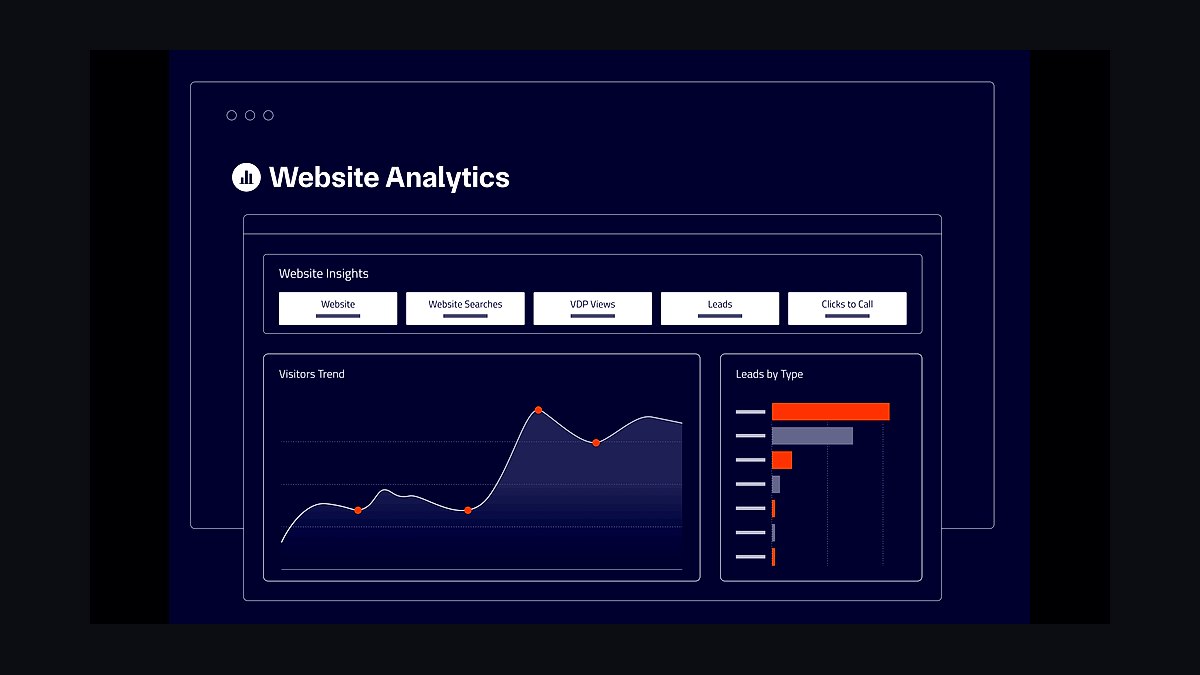
Dealer Spike Marine ranks seventh as the marine-native dealer website and CRM platform that captures marketplace and direct traffic. It pairs a dealer website with lead management tuned for the long, considered boat-buying cycle, and integrates with DMS inventory feeds. CRM pricing typically runs $500-$2,000 per month depending on locations and users.
It is for dealers who need a marine-specific website plus a CRM layer beyond the DMS module. The trade-off is that single stores can often live inside the DMS CRM and skip this cost. Compared with Podium below, Dealer Spike owns the website and lead pipeline while Podium handles text-first conversations and review requests.
8Podium Dealer Messaging
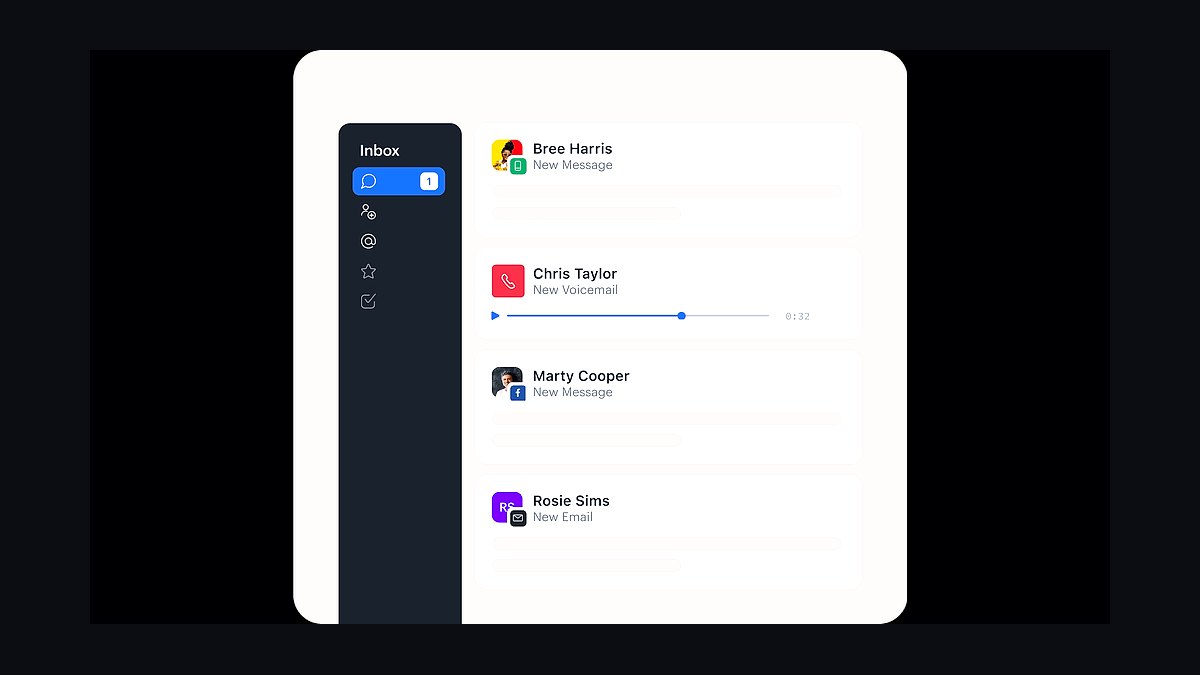
Podium ranks eighth as the conversational messaging and reviews layer that unifies website chat, SMS, Google review requests, and payment links. It runs roughly $300-$700 per month per location, and boat buyers text, so it captures leads that phone-and-email workflows miss. Reviews matter disproportionately for a high-ticket considered purchase.
It is for dealers of any size who want text-first lead capture and reputation management without replacing the CRM. The trade-off is that Podium does not manage inventory or F&I, so it layers on top of the DMS. Compared with Dealer Spike CRM above, Podium is narrower but stronger at conversation and review capture.
9Molo Marina Management
Molo ranks ninth as the modern cloud marina platform for slip and rack assignment, recurring storage billing, and online reservations. It runs roughly $200-$1,500+ per month by slip count and links the boat owner's slip to service history and the original sale. It is the layer that stops marina revenue leaking to spreadsheets.
It is only for dealers who also run a marina, dry stack, or seasonal storage, and it is unnecessary for sell-and-service-only stores. The trade-off is another system to integrate with the DMS customer record. Compared with DockMaster Marina below, Molo is the more modern cloud build while DockMaster Marina integrates natively with the DockMaster dealership system.
10Power BI Dealer Analytics
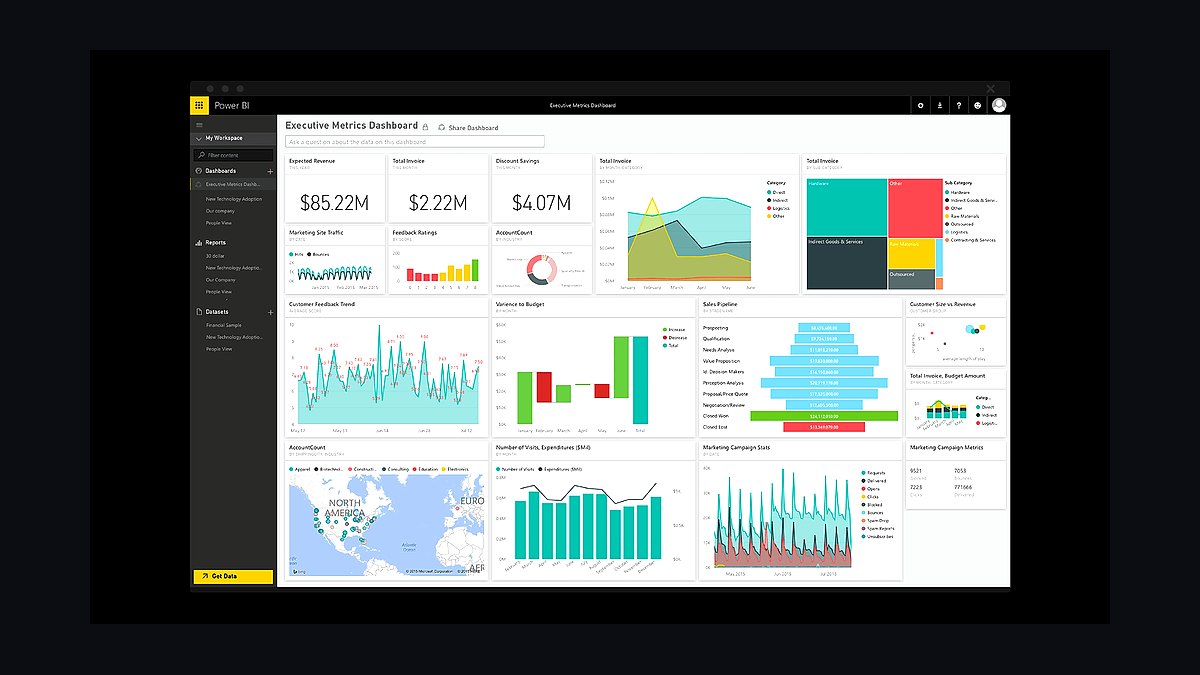
Power BI ranks tenth as the business intelligence layer that pulls DMS, service, and marina data into cross-store unit turn, service margin, and aged-inventory reporting. It runs roughly $10-$20 per user per month, making it the cheapest layer in the stack. Multi-store groups use it to surface floorplan interest on aging hulls before margin disappears.
It is for multi-store groups and dealer-plus-marina operations with enough data to justify a warehouse. The trade-off is setup effort and the fact that single stores can live on DMS-native dashboards instead. Compared with the DMS dashboards above, Power BI adds cross-store and marina reporting the DMS alone cannot produce.
How we ranked these
We ranked tools by five weighted criteria: depth of marine-specific functionality (HIN serialization, seasonal service scheduling, F&I, parts), integration with Boat Trader and YachtWorld syndication, total cost of ownership at one, three, and eight stores, analyst-validated platform stability and roadmap, and real operator adoption across single-store, multi-store, and dealer-plus-marina models. Marine DMS capability carried the heaviest weight because it is the system of record every other layer depends on.
We deliberately ignored generic retail POS feature checklists, horizontal CRM breadth, and auto/RV systems with marine badges bolted on. Those score well in demos but fail on hull tracking, floorplan interest clocks, and seasonal rigging labor. We also excluded vendor-published ROI claims and any tool without verifiable marine dealer deployments, since unverifiable marketing numbers distort ranking more than they inform it.
Related questions
Why can't a generic retail POS run a boat dealership?
A generic POS has no concept of a serialized, financed, depreciating hull the bank technically owns until sale. Every boat is a one-of-one asset with a 12-character HIN, engine serial, trailer VIN, options package, floorplan interest clock, and reconditioning cost. Without per-unit records, floorplan, F&I, and margin tracking collapse into spreadsheets.
How important is Boat Trader and YachtWorld syndication really?
Critical. Boat buyers research for weeks across Boat Trader, YachtWorld, and Boats.com before walking in, comparing photos, specs, and pricing on a $40,000-to-$400,000 purchase. If your DMS does not auto-feed photos and price to those marketplaces, ads go stale, units sit mispriced, and deals die before a salesperson ever sees the lead.
When does a dealer actually need a marina management layer?
Only when you run a marina, dry stack, or seasonal storage. That is a recurring-billing real-estate-plus-service business completely unlike unit sales. If slips and storage exist, you need Molo, Speedy Dock, DockMaster Marina, or Marina Master so the owner's slip, stored boat, service history, and original sale live on one customer record.
What does a marine tech stack cost at each dealer size?
A single-location dealer runs roughly $1,500-$4,000/month all-in on EverLogic or Blackpurl plus Boat Trader, Podium, and QuickBooks. A three-to-eight-store regional group runs $6,000-$18,000/month on DockMaster or IDS Astra with dedicated CRM and marine F&I. A large group or dealer-plus-marina operation runs $20,000-$60,000+/month.
How do floorplan financing and F&I fit into the stack?
Boat loans are longer-term and run through marine-specialized lenders, so the stack needs F&I menu selling, lender connectivity, and floorplan financing to carry unsold inventory. This usually ships inside the DMS F&I module plus lender portals rather than a separate auto-style platform. The hidden risk is floorplan interest on aging hulls quietly eating unit margin.
Should single-store dealers pick EverLogic or a full DockMaster install?
Most single stores should run EverLogic, Blackpurl, or Dominion DX1 at $300-$1,200/month rather than a full DockMaster install. The honest pitfall is outgrowing a light DMS and facing a mid-life migration during selling season. Size for where you will be in three years, not just today's headcount and inventory.
How does the seasonal service department change DMS requirements?
Spring commissioning, repower jobs, electronics rigging, warranty work, and fall winterization compress into a few frantic months. The DMS must run service-write scheduling, technician flat-rate labor, parts attachment, and OEM warranty claims against that curve. Mismanage capacity and you turn away May revenue or pay idle techs in January.
What is the biggest integration mistake marine dealers make?
Running the marina on a spreadsheet while the dealership runs on a DMS. Slip assignments, recurring storage billing, and stored-boat records live outside the system of record, so owner data and recurring revenue leak, and nobody can link a stored boat to its service history or original sale. Put the marina on Molo or DockMaster Marina with a shared customer record.
FAQ
Do I really need a marine-specific DMS instead of an auto or RV dealer system?
Yes, if you carry inventory and a service department. Marine systems handle HIN serialization, marine F&I and floorplan, OEM portals for Mercury and Yamaha, and the seasonal rigging-and-service department. Auto systems have no native concept of hull tracking or marina operations, and bolting them on creates the data leaks that cost margin.
What is the difference between DockMaster, IDS Astra, and EverLogic?
DockMaster is the long-standing enterprise marine DMS, strongest where dealership, service, and marina coexist. IDS Astra is the cloud-forward marine and RV competitor with strong CRM and service. EverLogic is the lighter, QuickBooks-integrated system sized for single-location independents. Pick by store count, marina presence, and three-year growth plan.
How long does a marine DMS implementation actually take?
A staged rollout runs about 90 days. Days 0-30 stand up the DMS, import HIN inventory, and reconcile accounting. Days 31-60 turn on Boat Trader and YachtWorld syndication, CRM, Podium, and marine F&I lender connectivity. Days 61-90 configure seasonal service scheduling, Mercury and Yamaha warranty submission, and marina onboarding if applicable.
Can I run the dealership on QuickBooks alone?
No. QuickBooks handles accounting but has no HIN serialization, no service-write scheduling, no F&I menu, and no marketplace syndication. Single-store dealers on EverLogic or Blackpurl typically integrate QuickBooks for the general ledger while the DMS owns units, parts, and service. Keep one source of truth so floorplan and unit-cost numbers do not drift.
How do I stop marketplace listings from going stale?
Enforce automated syndication from the DMS to Boat Trader, YachtWorld, and Boats.com rather than manual re-uploads. When photos, specs, and pricing sync automatically, phantom inventory disappears and leads match real units. Manual uploads are the single most common cause of mispriced ads and wasted salesperson follow-up on boats that already sold.
What should I watch weekly to protect unit margin?
Days-on-lot per HIN and floorplan interest cost. Every unfinanced day on an aging hull burns carrying cost that quietly eats margin, and most dealers only discover it at sale. Surface aged-inventory and floorplan cost in the DMS or Power BI weekly, and price or wholesale units before the interest clock erases the deal.
Is Podium worth it for a high-ticket boat dealer?
Yes, disproportionately. Boat buyers text, and reviews matter enormously for a considered $90,000 purchase. Podium unifies website chat, SMS, Google review requests, and payment links at roughly $300-$700/month per location. Birdeye is the close competitor. The trust layer earns its keep on review volume alone.
When does a data warehouse like Power BI make sense?
Multi-store groups and dealer-plus-marina operations. Power BI at $10-$20/user/month pulls DMS, service, and marina data into cross-store unit turn, service department margin, and aged-inventory reporting. Single stores live fine on DMS-native dashboards. The warehouse layer only pays off once store and slip count make manual reporting impossible.
How do Mercury and Yamaha warranty portals fit into the stack?
Warranty submission flows out of the DMS to OEM portals for Mercury, Yamaha, and the boat builders. There is no separate license cost beyond the DMS module, but integration discipline matters. Claims rejected for missing HIN or labor-code detail are pure lost margin during your busiest service months, so validate data before submission.
What is the most common mistake when buying a marine tech stack?
Buying on feature breadth instead of integration depth. Dealers over-shop the long tail of point tools, then discover the DMS does not feed the CRM, marketplaces, or warranty portals cleanly. Pick from the analyst-validated leaders, weight integration above feature count, and budget for consolidation within the first two years.
Sources
- https://www.gartner.com/en/documents/magic-quadrant-retail-unified-commerce
- https://www.forrester.com/research/
- https://www.mckinsey.com/industries/retail/our-insights
- https://www.boattrader.com/
- https://www.yachtworld.com/
- https://www.dockmaster.com/
- https://www.idsastra.com/
- https://www.everlogic.com/
- https://www.podium.com/
- https://www.molomarine.com/
Related on PULSE
This page will be disappearing soon. Save it to your device for $1 — or read it free while it is here.
@Kory-White- · if Venmo asks, the last 4 of my number are 2012
This page is gone.
This one is off the shelf now. $1 keeps it on your phone for good — the whole page, pictures and diagrams included.
 pulse-tech-stacksTop 10 Best Tech Stack Tools for Garden Centers and Nurseries in 2027
 pulse-tech-stacksTop 10 Best Tech Stack Tools for Independent Roofing Contractors in 2027
 pulse-tech-stacksTop 10 Best Tech Stack Tools for AI Customer Support Companies in 2027
 pulse-tech-stacksTop 10 Best Tech Stack Tools for Independent Landscaping Companies in 2027
 pulse-tech-stacksTop 10 Best Tech Stack Tools for Independent Food Trucks in 2027
 pulse-tech-stacksTop 10 Best Tech Stack Tools for Pressure Washing Companies in 2027
 pulse-tech-stacksTop 10 Best Tech Stack Tools for HOA and Community Association Management Companies in 2027
 pulse-tech-stacksTop 10 Best Tech Stack Tools for Online Travel Agencies (OTAs) in 2027
 pulse-tech-stacksTop 10 Best Tech Stack Tools for Window Cleaning Services in 2027
 pulse-tech-stacksTop 10 Best Tech Stack Tools for API Security Vendors in 2027