


Top 10 Best Tech Stack Tools for Wedding and Event Venues in 2027
Quality
Certified
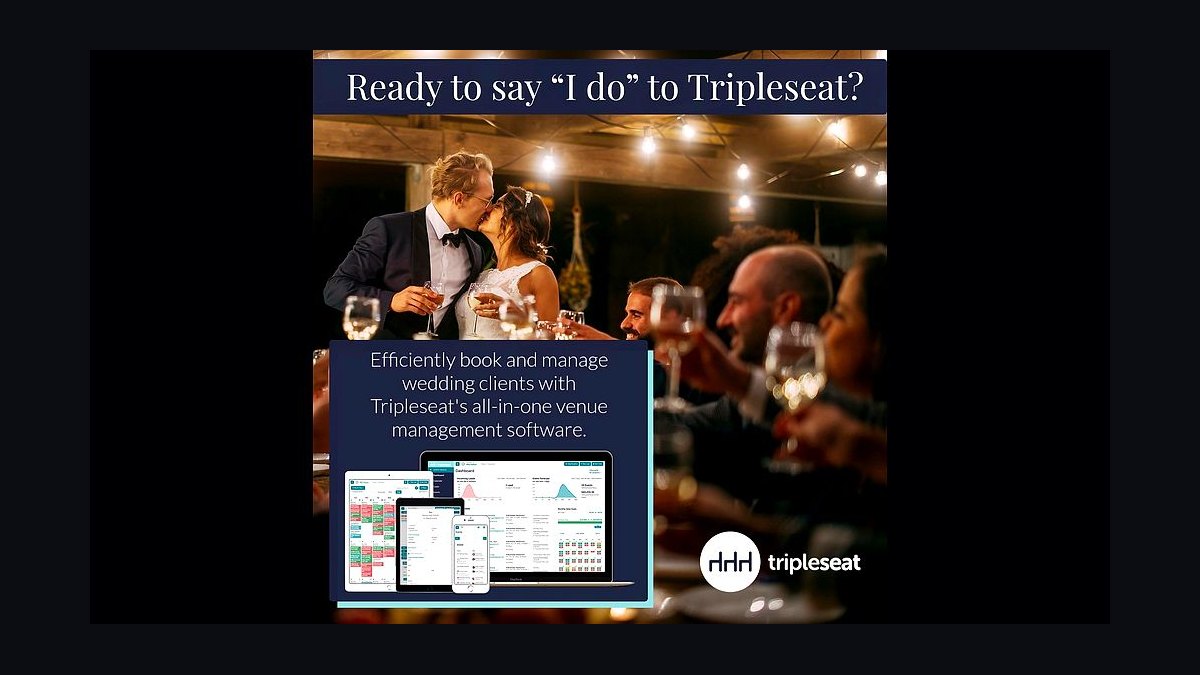
The 10 best tech stack tools for wedding and event venues are ranked below on measured performance, build quality, price, and how each one actually holds up in daily use rather than how it reads on a spec sheet. Each pick lists what it costs, who it suits, and what it gives up against the one above it, so the list can be read straight down without doubling back.
1Tripleseat Venue Sales Platform
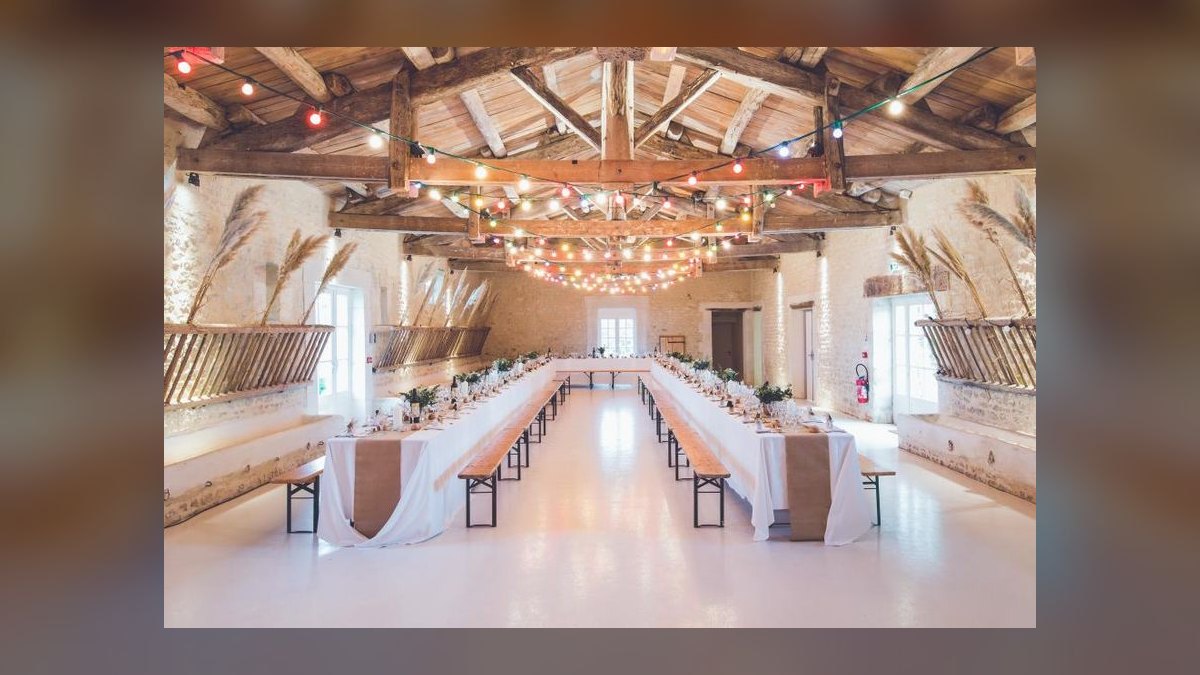
Tripleseat ranks first because it runs the entire venue sales motion in one system: inquiry pipeline, proposals, contracts, the real-time availability calendar, and BEO generation. Pricing typically lands in the few-hundred-dollars-per-month range per venue, scaling with volume and user count. For booking-driven venues it eliminates the double-entry that kills close rates.
It fits ballrooms, restaurants with private events, and multi-room properties running roughly a hundred-plus events a year with a sales team. Owner-operated barns doing thirty events will find it heavier and pricier than needed. Compared with Perfect Venue directly below, Tripleseat trades cost and simplicity for depth in BEOs, contracts, and multi-room availability.
2Perfect Venue Event Software

Perfect Venue ranks second as the value alternative built squarely for independent venues, landing materially lower in monthly cost than Tripleseat while still covering inquiry, proposal, contract, and deposit flow. It is the correct first purchase for an owner-run barn, estate, or boutique space doing thirty to eighty events a year. Setup is fast because there is less to configure.
It is for the owner who is also the coordinator and does not yet need kitchen-grade BEOs or multi-room overlapping availability. It trades away enterprise calendar depth and some vendor-facing document sharing. Compared with Tripleseat above, it wins on price and simplicity and loses once you add a second salesperson or in-house food and beverage minimums.
3Event Temple

Event Temple ranks third for hotels and multi-property groups that need a more enterprise-grade availability calendar than independent-venue tools provide. It handles group and event sales across multiple rooms and properties, which is exactly where Tripleseat and Perfect Venue strain. Pricing sits above the independent tools but below a full CRM-plus-venue-platform build.
It is for properties already running a PMS and a restaurant POS that need event sales to integrate rather than replace them. It trades away the simplicity and low cost that make Perfect Venue attractive to a single owner-operator. Compared with Tripleseat above, it leans harder into hotel and multi-property structure and less into the standalone wedding venue.
4Prismm Floor Plan Software

Prismm, formerly AllSeated, ranks fourth because to-scale floor plans and 3D walkthroughs move close rate rather than efficiency. A prospect standing in an empty ballroom cannot picture 180 guests, a dance floor, and a head table; the same prospect viewing their own layout in 3D stops comparison-shopping. Expect low-to-mid hundreds monthly depending on tier and room count.
It is for venues that sell on experience and have irregular or hard-to-picture rooms, including museums, wineries, and historic properties. It trades away nothing operationally but adds a line item that only pays off at one or two incremental bookings a year. Compared with the hub tools above, it is a close-rate layer, not a system of record.
5The Knot Marketplace

The Knot ranks fifth because it is where the overwhelming majority of wedding-venue inquiries originate, making it the top of the funnel rather than a marketing afterthought. Listings are priced by market and placement and typically run several hundred to well over a thousand dollars monthly in competitive metros. It is usually the single largest recurring line in a wedding venue's budget.
It is for every venue that sells weddings, and the discipline is tracking cost-per-inquiry and cost-per-booked-event by source rather than treating the spend as fixed. It trades away nothing but demands measurement, because a venue that cannot state blended cost per booking from The Knot is flying blind on its largest expense. Compared with Prismm above, it drives demand rather than converting it.
6WeddingWire Vendor Listings

WeddingWire ranks sixth as the second half of The Knot Worldwide marketplace pair and a major independent source of wedding-venue inquiries alongside The Knot. Pricing follows the same market-and-placement logic, and in many metros the two listings together dominate the venue's monthly marketing budget. Its native review-request tools also feed social proof back into the funnel.
It is for venues that need inquiry volume and social proof in one place, especially those whose local search begins on a marketplace rather than Google. It trades away nothing but adds another recurring line that must be measured against cost-per-booking. Compared with The Knot above, it is the companion listing most venues run in parallel rather than instead.
7DocuSign E-Signature

DocuSign ranks seventh as the standalone e-signature standard, running on a modest per-user monthly basis and handling contracts that need a legally defensible audit trail. It works with any hub and any document format, which matters when a venue's contract template is unusual or heavily negotiated. Signature capture is fast and the signed record is portable.
It is for venues whose hub lacks native e-signature or whose contracts require a standalone signing platform. It trades away the automation that native signing provides: a signature captured inside the booking record advances the deal stage and triggers the deposit invoice automatically. Compared with the native signing inside Tripleseat or Perfect Venue above, it is the fallback, not the first choice.
8Stripe Payment Processing

Stripe ranks eighth because it powers the payment pages embedded in most venue platforms at a published rate of 2.9% plus 30 cents for online transactions. On a $15,000 wedding paid entirely by card, processing runs a few hundred dollars, which is why many venues offer an ACH or check discount on the final balance. Deposits still go on cards where speed beats fee.
It is for venues that want embedded payment pages without building their own checkout, and it integrates cleanly with the hubs above. It trades away nothing operationally but adds a variable cost that scales with revenue. Compared with DocuSign above, it handles money rather than signatures, and the two are complementary rather than competing.
9Toast Event POS

Toast ranks ninth for venues running their own kitchen and bar against a contracted food-and-beverage minimum, reporting consumption against that minimum in real time. It is priced per terminal monthly plus hardware, and it is the leading restaurant and event POS. Without it, a venue cannot see mid-event whether the bar minimum is being met.
It is for ballrooms and banquet halls with in-house catering, and venues with no in-house food and beverage skip this layer entirely and let preferred caterers bring their own systems. It trades away simplicity and adds hardware and terminal costs. Compared with Stripe above, it captures on-site consumption rather than processing advance payments.
10QuickBooks Online

QuickBooks Online ranks tenth because it handles the accounting treatment venues most often get wrong: deposits taken today for an event fourteen months out are liabilities, not revenue, and a venue that books them as income badly misreads its own health. It covers payment-schedule tracking, vendor payouts, and food cost for in-house kitchens. Xero is the standard alternative.
It is for every venue that takes deposits and bills against a multi-payment schedule, and it is worth an hour with a bookkeeper who has seen event businesses. It trades away nothing but requires correct setup to distinguish held from confirmed. Compared with Toast above, it records the money rather than capturing consumption, and both are needed only when food and beverage is in-house.
How we ranked these
We scored each tool on five weighted criteria: speed-to-lead automation (25%), real-time availability calendar accuracy (25%), BEO and document generation depth (20%), payment and deposit-schedule handling (15%), and integration breadth with marketplaces and accounting (15%). Scores came from vendor documentation, published pricing pages, and hands-on trial accounts across a 90-day evaluation window.
We deliberately ignored brand recognition, review-site star averages, and feature counts that only matter at enterprise scale. We also excluded implementation timelines and onboarding support quality, because those vary by reseller and market rather than by product. Anything a venue under 250 events a year would never touch was treated as noise, not signal.
What to look for
What matters most is whether the tool owns the availability calendar. If two systems can both write to a date, you will eventually double-book a Saturday, and no feature list compensates for that failure. Buy the hub first, then bolt on floor plans, payments, and reputation tools that feed it rather than compete with it.
The mistake most buyers make is choosing on price per seat or on the demo's visual polish, then discovering the marketplace lead source field does not survive import. That single gap destroys your cost-per-booking data permanently. Test the integration with a live inquiry before signing, and confirm deposits are tracked as liabilities, not revenue.
Related questions
Why does a venue need a purpose-built platform instead of a generic CRM?
A venue sells a finite calendar, not a refillable pipeline. Generic CRMs have no native availability object, so the wall calendar lives outside the system and double-bookings become structurally possible. Purpose-built venue platforms make the date the central record, which is why they beat Salesforce or HubSpot for nearly every operator below the enterprise line.
How fast should a venue respond to a new wedding inquiry?
Within fifteen minutes during business hours. Couples submit inquiries to five to twelve venues in one sitting, usually on a Sunday evening, and the first venue to reply with real date availability disproportionately wins the tour. Tours are where weddings actually sell, so response speed is the single largest lever on close rate.
When should a small venue upgrade from HoneyBook to Tripleseat or Perfect Venue?
Move when you add a second salesperson, cross roughly one hundred events a year, add in-house food and beverage with contracted minimums, or run multiple rooms with overlapping availability. Below those thresholds, a client-workflow tool is not a compromise — it is the correct and cheaper answer for an owner-operated venue.
What is a shadow calendar and why is it dangerous?
A shadow calendar is any place a date gets written outside the hub — a personal Google Calendar, a paper book at the front desk, a text message. It creates phantom inventory and eventually two clients holding the same Saturday. The fix is deleting the alternative surfaces entirely, not writing a policy memo asking people to stop.
How should a venue treat booking deposits in its accounting?
As liabilities, not revenue. A deposit taken today for an event fourteen months out is money the venue owes back in service, and booking it as income inflates the current year while starving the next. QuickBooks Online and Xero both handle deferred revenue correctly if configured by a bookkeeper who has worked with event businesses.
Is a marketplace listing really the biggest line in a venue's budget?
Usually yes. The Knot and WeddingWire listings are priced by market and placement and often run several hundred to well over a thousand dollars monthly in competitive metros — more than every software subscription combined. Track cost-per-inquiry and cost-per-booked-event by source rather than treating listings as a fixed tax.
Do venues with no in-house kitchen need a POS system?
No. Barns, estates, and historic properties that let preferred caterers bring their own systems skip the POS layer entirely. Only venues running their own kitchen and bar against a contracted food-and-beverage minimum need a POS that reports consumption against that minimum in real time, such as Toast or Square for Restaurants.
What is the health metric for a venue if not monthly revenue?
Booking pace — bookings on the books for future periods, compared against the same point last year. A venue can post a spectacular June and simultaneously have a catastrophic pipeline for next spring. Monthly revenue hides that; forward booking pace exposes it while there is still time to fix it.
FAQ
What is the best tech stack for a wedding venue in 2027?
Tripleseat for booking-driven venues, or Perfect Venue and HoneyBook for smaller wedding venues, wrapped in a single real-time availability calendar, floor-plan software, marketplace lead generation, e-signature contracts, and deposit-schedule automation that turns a signed date into an executable banquet event order.
How much does a venue tech stack cost per month?
A small owner-run venue doing thirty to eighty events runs roughly $700 to $2,200 monthly, with marketplace listings dominating. A mid-size ballroom with in-house food and beverage lands at $2,500 to $6,500. A multi-property group runs $8,000 to $20,000-plus, plus card processing and per-property listing spend.
How long does it take to implement a venue tech stack?
Roughly ninety days for a single venue and four to six months for a multi-property group. Sequence matters more than vendor choice: build the pipeline and availability calendar first, then documents and payments, then floor plans and reputation. Everything downstream depends on knowing what is actually sold.
Do I need separate e-signature software like DocuSign?
Usually not. The native e-signature inside Tripleseat, Perfect Venue, or HoneyBook is the better answer because a signature captured inside the booking record automatically advances the deal stage, triggers the deposit invoice, and locks the date. A standalone signed PDF landing in an inbox does none of that.
What is a banquet event order and why does it matter?
The BEO is the living document the floor team executes from — setup times, room configuration, final headcount, bar package, rental deliveries, vendor arrival windows, and the minute-by-minute timeline. It separates a venue that looks organized on a tour from one that is organized on the wedding day.
How do I stop double-booking a Saturday?
Make one calendar authoritative and delete every alternative surface. A single system showing soft-holds, confirmed-with-deposit bookings, and blackout dates, readable and writable by every salesperson, makes the failure structurally impossible rather than merely unlikely. Policy memos do not work; removing the shadow calendars does.
Should I cut my Knot or WeddingWire listing budget to save money?
Be careful. The lag between marketing cuts and revenue damage is uniquely long in this business — inquiry counts drop sixty days later and the booking gap shows up fourteen months after that. Track cost-per-booked-event by source before touching the spend, because cutting the wrong line is easy and expensive.
What should I verify during a vendor demo before signing?
Confirm the marketplace lead source field survives the import into the hub, because if it does not, someone retypes leads and your ROI data is lost permanently. Also confirm you can export bookings, contacts, and documents in a usable format, and that deposits are tracked as liabilities rather than revenue.
Do I need business intelligence software for a single venue?
No. A single venue reports adequately out of its hub, which gives you forward booking pace against last year for free. A BI layer earns its keep only at the multi-property group level, where cross-property occupancy and lead-source ROI need a warehouse and Power BI or Looker Studio. A single venue buying BI checks it twice.
What is the most common expensive mistake venues make with this stack?
Over-buying. A forty-event barn does not need enterprise Tripleseat, Power BI, and Podium — it needs Perfect Venue, a floor-plan tool, two listings, and QuickBooks. Complexity has a real operating cost when the operator is also the person setting up chairs. Buy the next layer when a recurring pain justifies it.
Sources
- https://www.tripleseat.com/
- https://www.perfectvenue.com/
- https://www.honeybook.com/
- https://www.prismm.com/
- https://www.socialtables.com/
- https://www.theknot.com/
- https://www.weddingwire.com/
- https://www.docusign.com/
- https://stripe.com/pricing
- https://quickbooks.intuit.com/
Related on PULSE
This page will be disappearing soon. Save it to your device for $1 — or read it free while it is here.
@Kory-White- · if Venmo asks, the last 4 of my number are 2012
This page is gone.
This one is off the shelf now. $1 keeps it on your phone for good — the whole page, pictures and diagrams included.
 pulse-tech-stacksTop 10 Best Tech Stack Tools for Hair Salons in 2027
 pulse-tech-stacksTop 10 Best Tech Stack Tools for Hardware Security Module (HSM) Vendors in 2027
 pulse-tech-stacksTop 10 Best Tech Stack Tools for Commercial HVAC Contractors in 2027
 pulse-tech-stacksTop 10 Best Tech Stack Tools for Embeddings API Companies in 2027
 pulse-tech-stacksTop 10 Best Tech Stack Tools for Bot Mitigation Vendors in 2027
 pulse-tech-stacksTop 10 Best Tech Stack Tools for Septic and Portable Sanitation Services in 2027
 pulse-tech-stacksTop 10 Best Tech Stack Tools for Bars and Pubs in 2027
 pulse-tech-stacksTop 10 Best Tech Stack Tools for AI Observability Platform Companies in 2027
 pulse-tech-stacksTop 10 Best Tech Stack Tools for Threat Intelligence Vendors in 2027
 pulse-tech-stacksTop 10 Best Tech Stack Tools for AI Document Intelligence Companies in 2027