


Top 10 Best Tech Stack Tools for Quick Service Restaurant (QSR) Franchises in 2027
Quality
Certified
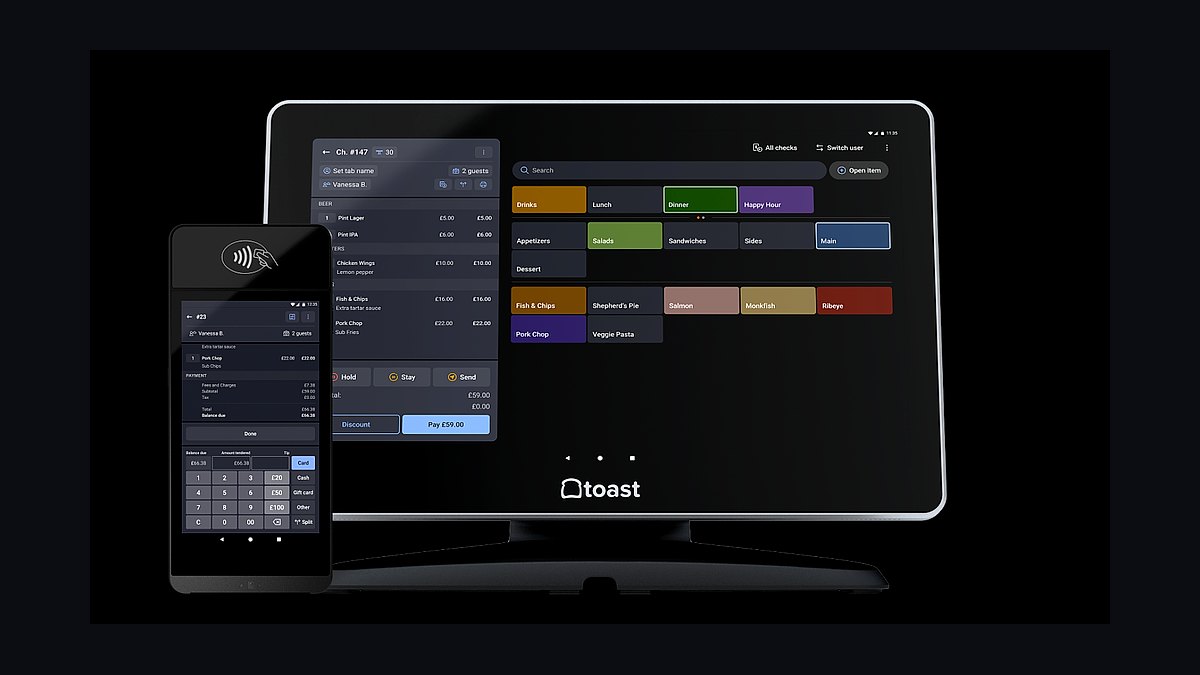
The 10 best tech stack tools for quick service restaurant (qsr) franchises are ranked below on measured performance, build quality, price, and how each one actually holds up in daily use rather than how it reads on a spec sheet. Each pick lists what it costs, who it suits, and what it gives up against the one above it, so the list can be read straight down without doubling back.
1Toast POS
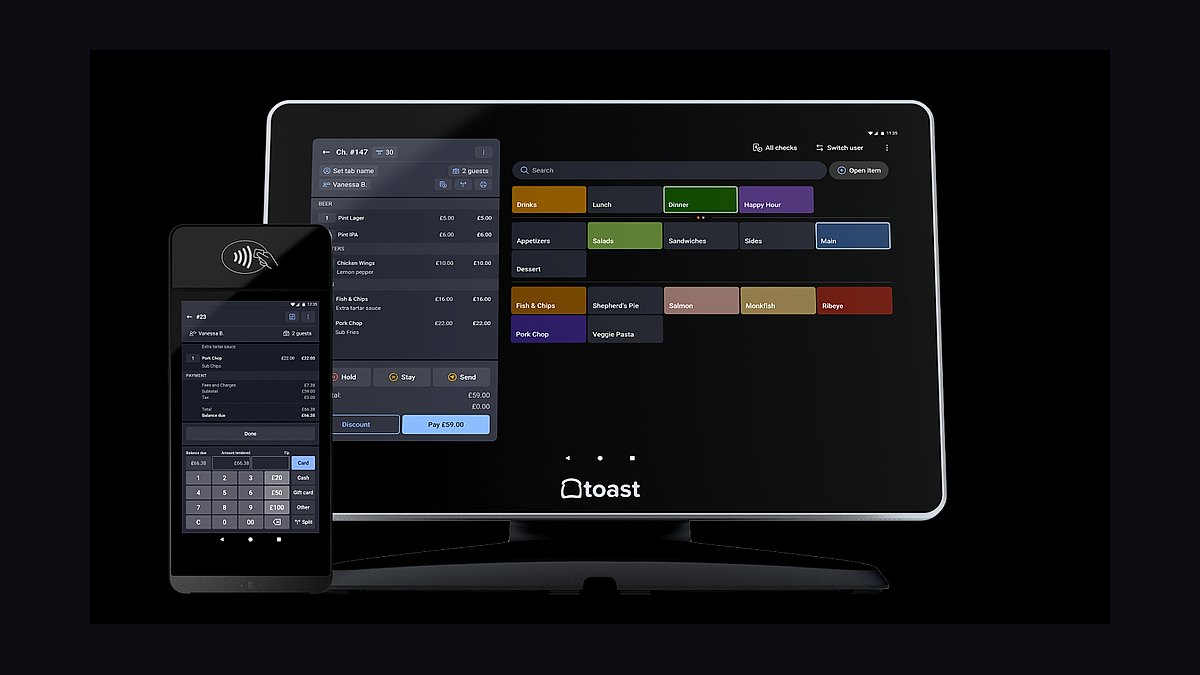
Toast ranks first because it is the restaurant-native system of record for QSR transactions, running POS, drive-thru, KDS, online ordering, and payments in one stack. Software runs roughly $69-$165 per terminal per month, with card processing near 2.49% plus $0.15. It is in production across thousands of franchise locations and drives sub-90-second service pipelines.
It is for single-brand QSR operators under roughly 500 units who want the most modern cloud POS with native digital ordering and kitchen display. It trades away the deepest global multi-currency back-end that Oracle Simphony offers. Compared to Oracle Simphony directly below, Toast is faster to deploy and cheaper per terminal but less suited to multi-brand enterprise consolidation.
2Oracle Simphony
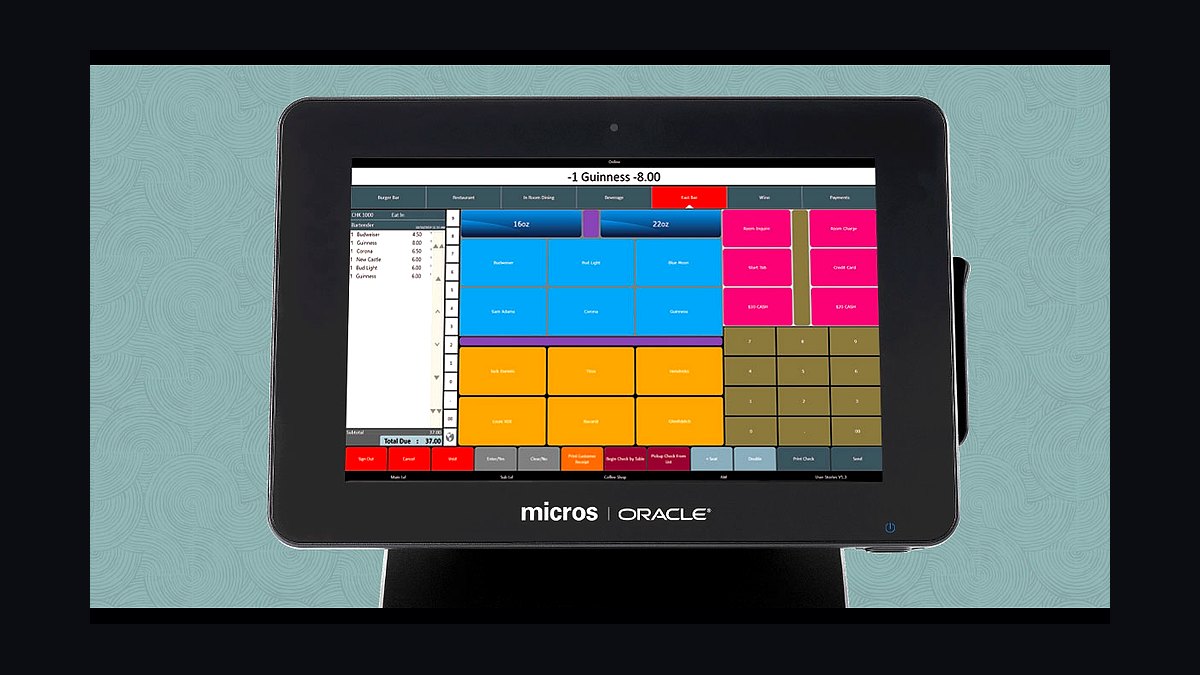
Oracle Simphony ranks second as the enterprise QSR POS for very large multi-brand operators, deployed across Yum Brands banners including Taco Bell, KFC, and Pizza Hut. It is cloud POS with deep back-end support for global menus, multi-currency, and franchise royalty structures. Enterprise franchise quotes are custom and typically land lower per terminal at scale than Toast list pricing.
It is for operators above roughly 500 units or multi-brand holding companies that need one POS across banners. It trades away the fast, self-serve deployment model that smaller franchisors get from Toast. Compared to Toast directly above, Simphony is heavier to implement but handles enterprise complexity and global rollouts that Toast does not.
3Olo
Olo ranks third as the dominant digital-ordering aggregator for QSR chains, fanning orders from DoorDash, Uber Eats, Grubhub, the brand app, and the brand website into one POS feed. Pricing is enterprise-quote, typically $100-$300 per store per month plus a small per-transaction fee. Operators with 50+ units running 25%+ digital mix cannot reasonably operate without it.
It is for QSR brands past roughly 15% digital mix or 50 units where separate delivery tablets collapse kitchen prioritization. It trades away simplicity for a required integration layer that must be wired into POS and KDS. Compared to Toast directly above, Olo is not a POS but the aggregation layer that sits on top of Toast or Simphony.
4PAR Punchh
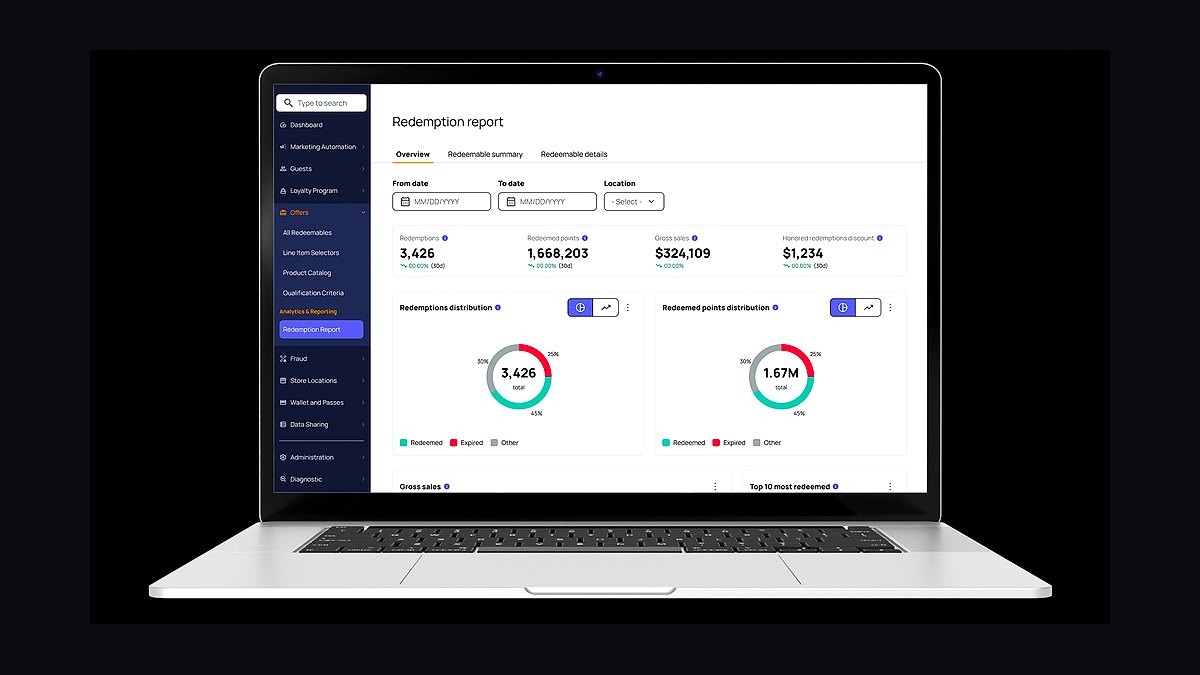
PAR Punchh ranks fourth as the QSR loyalty and CRM platform in production at Taco Bell, Pizza Hut, KFC, and Dairy Queen. It runs loyalty, offers, segmentation, and 1:1 marketing across web, app, and POS. Pricing is custom enterprise, typically a low-single-digit percentage of incremental loyalty revenue plus a per-store fee.
It is for high-frequency QSR brands that are mobile-app-first and need a real guest profile system rather than email marketing. It trades away simplicity for enterprise configuration and integration work with POS and marketing automation. Compared to Olo directly above, Punchh owns the guest identity layer while Olo owns the order pipeline into the kitchen.
5Crunchtime
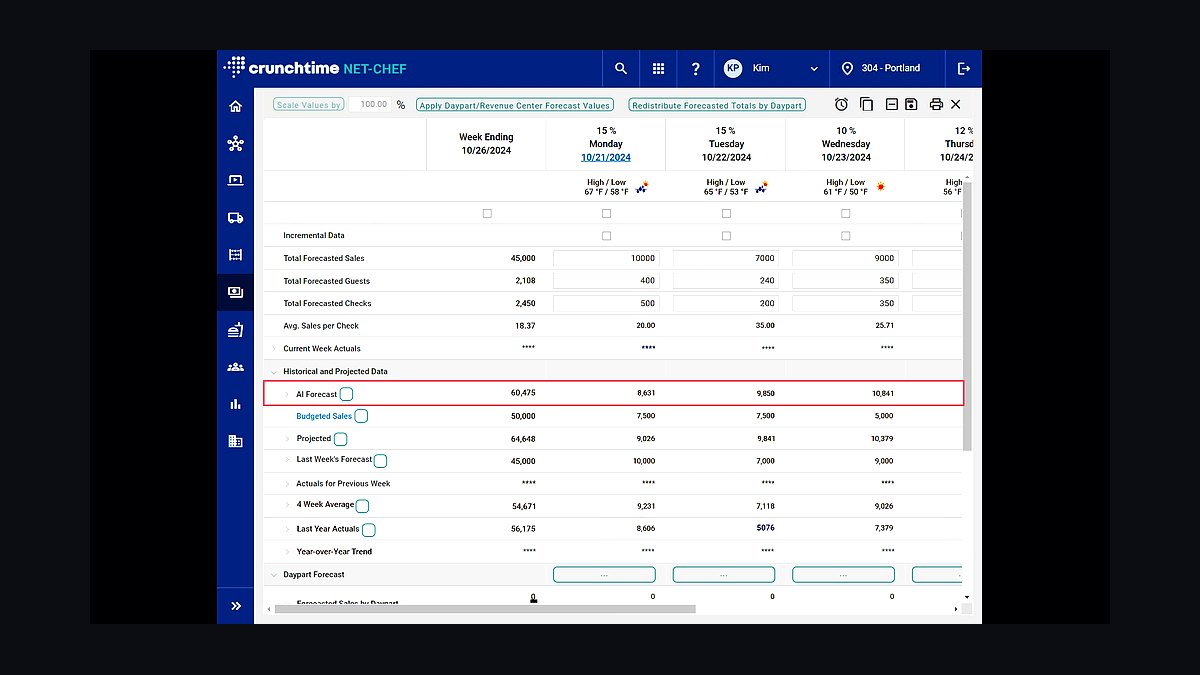
Crunchtime ranks fifth as the back-of-house standard for inventory, recipes, vendor orders, food safety, and labor scheduling tied to forecasted POS sales. It is the platform at chains with 100+ units, with pricing typically starting in the $5,000+ per month range and scaling with store count. It turns food cost from a monthly surprise into a daily managed metric.
It is for QSR franchisors and franchisees past roughly 100 units where theoretical-versus-actual food cost variance must be caught daily. It trades away the lightweight setup that Restaurant365 Workforce offers smaller chains. Compared to PAR Punchh directly above, Crunchtime owns recipes, inventory, and labor while Punchh owns the guest and loyalty data.
6Restaurant365
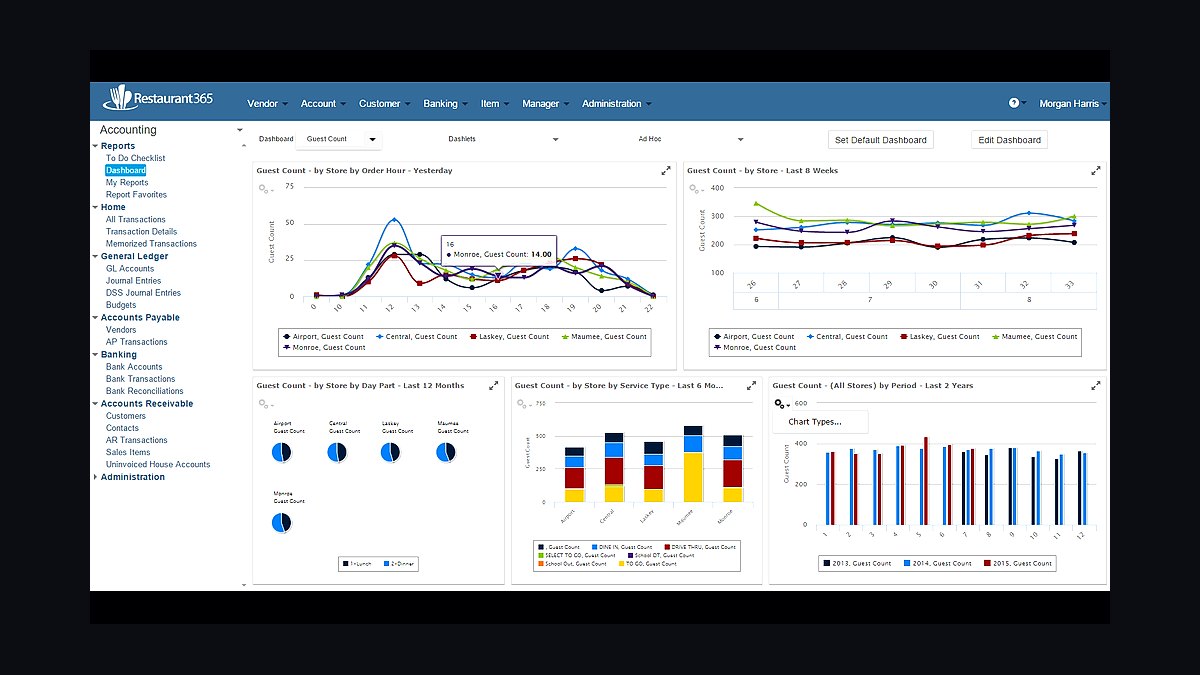
Restaurant365 ranks sixth as the QSR-native accounting platform with built-in store-level P&L, daily sales journal entries from POS, AP automation, and franchisee multi-entity consolidation. Accounting Core starts around $469 per location per month and rises with Operations and Workforce modules. It is the financial system of record behind the daily sales journal.
It is for franchisors and franchisees that need separate entity books consolidated without mixing royalty accounting and store P&L. It trades away the breadth of a general ERP for restaurant-specific workflows. Compared to Crunchtime directly above, Restaurant365 owns financial truth while Crunchtime owns operational inventory and labor data.
7Salesforce Consumer Goods Cloud
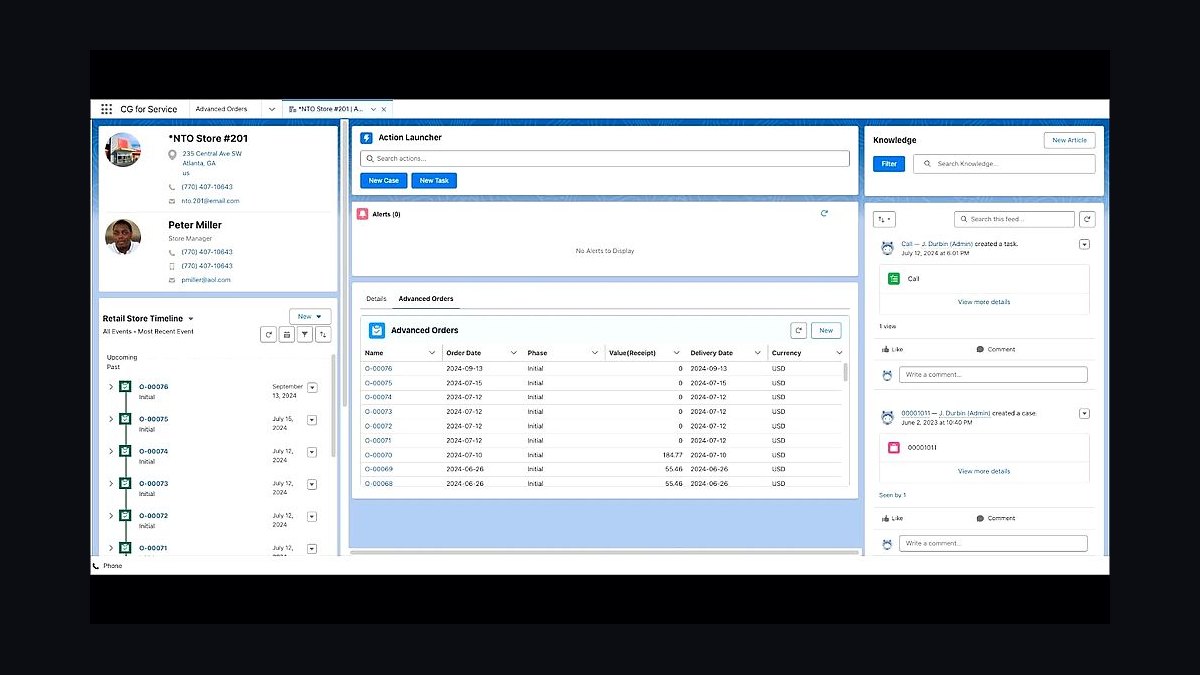
Salesforce Consumer Goods Cloud ranks seventh as the franchise development CRM for territory mapping, candidate pipeline, FDD compliance, and royalty contract management. Pricing runs roughly $165-$330 per user per month at enterprise tiers. It is the standard at franchisors managing hundreds of franchisee candidates and multi-year development schedules.
It is for franchisors with active development pipelines, not for store-level loyalty or guest CRM. It trades away affordability for depth in franchise development workflows that HubSpot only partially covers. Compared to Restaurant365 directly above, Salesforce owns the franchisee pipeline while R365 owns the financial consolidation of existing stores.
8Tableau
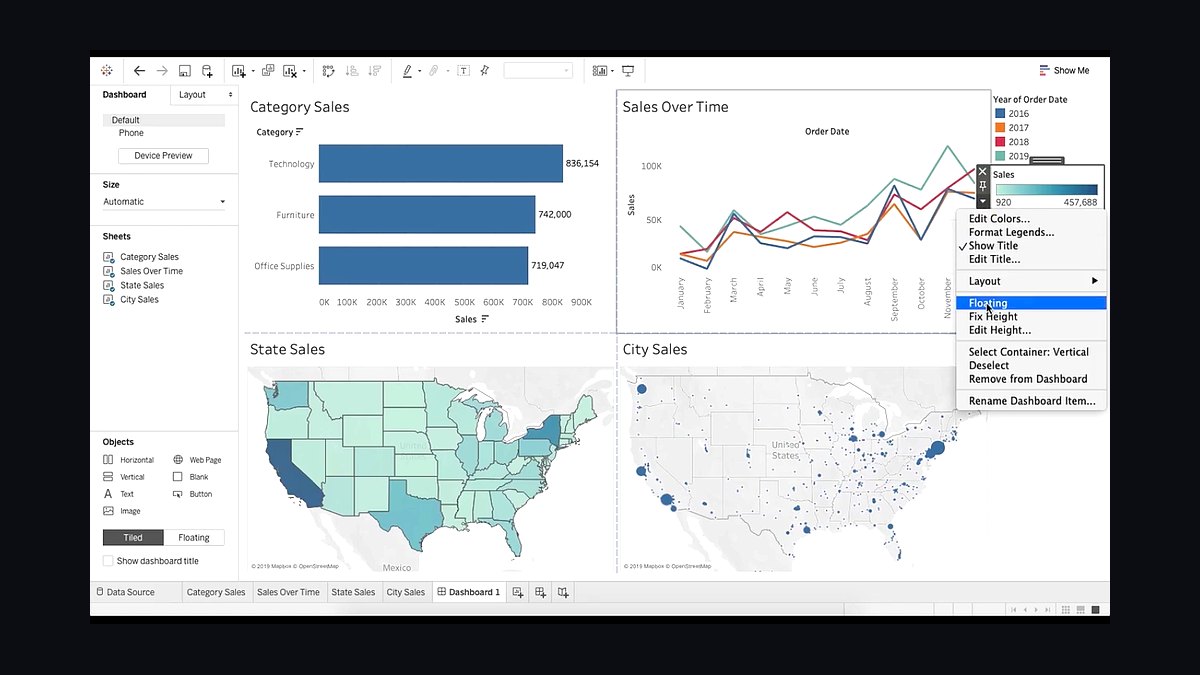
Tableau ranks eighth as the BI layer that reads same-store sales, digital mix, drive-thru times, food cost variance, and labor percent together across Toast, Olo, Crunchtime, Punchh, and Restaurant365. Creator runs roughly $75 per user per month and Viewer about $15. No single operational system shows those metrics side by side.
It is for franchisors and multi-unit operators who need one dashboard leadership and franchisees both trust. It trades away the low cost of Power BI Pro at roughly $14 per user per month. Compared to Salesforce Consumer Goods Cloud directly above, Tableau reads operational and financial data while Salesforce owns the franchisee development pipeline.
9Hi Auto
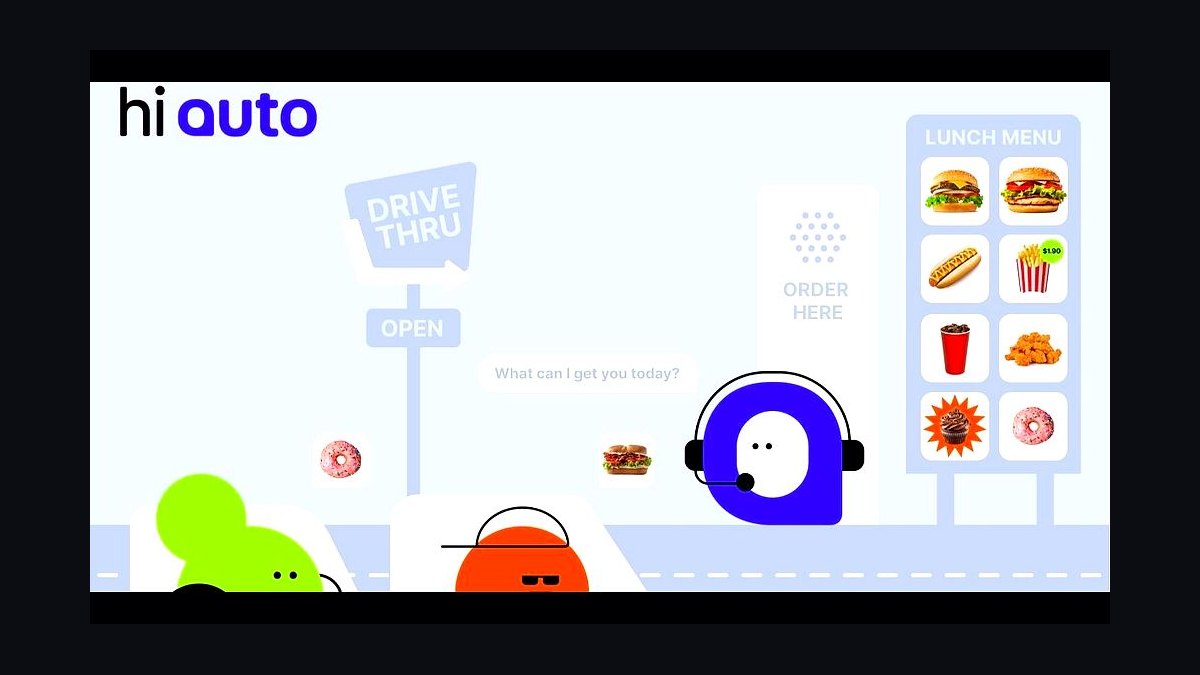
Hi Auto ranks ninth as the drive-thru voice AI layer now in production at Dairy Queen, Carl's Jr., and Checkers, reporting 96% order accuracy across roughly 1,000 stores. Pricing is typically $500-$1,500 per store per month all-in including hardware refresh. The labor offset of replacing a dedicated order-taker on peak shifts pays it back at most franchisees.
It is for high-volume QSR franchisees willing to pilot at 3-5 stores before rolling across the drive-thru network. It trades away the reliability of a human order-taker for measurable labor savings and consistent upsell. Compared to Tableau directly above, Hi Auto is an operational automation layer while Tableau is the visibility layer over the whole stack.
10ADP Workforce Now
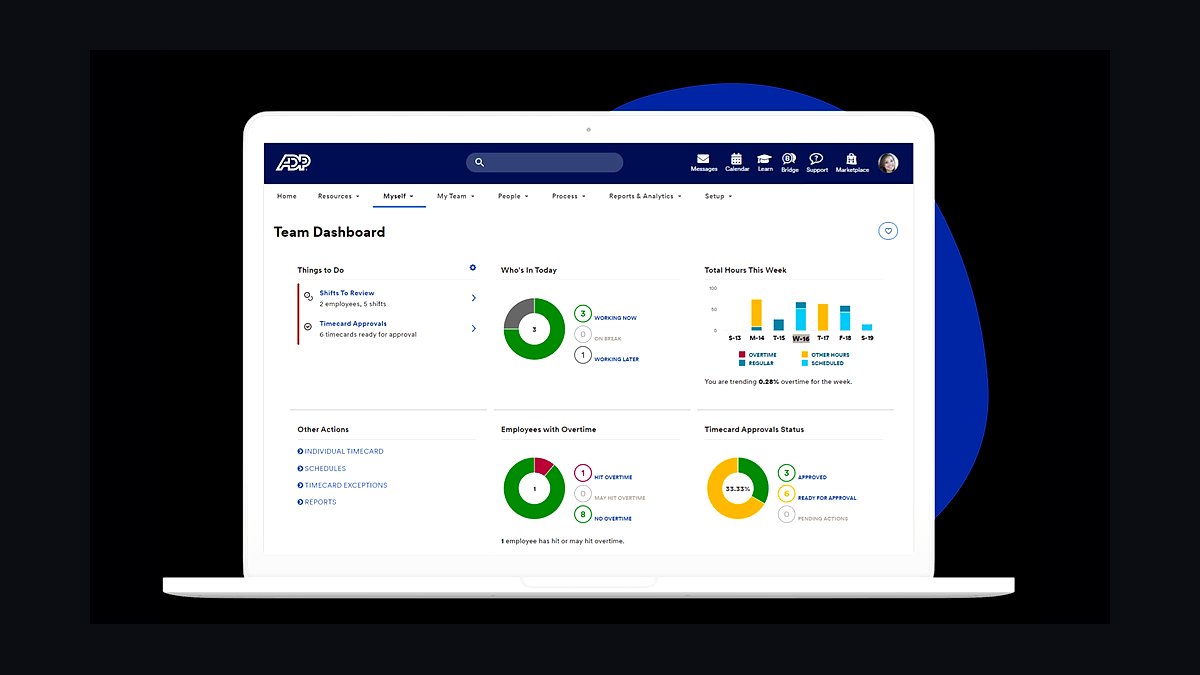
ADP Workforce Now ranks tenth as the QSR payroll and HR platform for hourly crew payroll, certifications, I-9s, and turnover tracking. Pricing runs roughly $8-$15 per employee per month plus base fees. It is the most common QSR payroll and handles tip-credit and tip-handling logic that generic SaaS payroll often fails.
It is for franchisors and franchisees running hourly workforces across many locations with high turnover and certification requirements. It trades away the modern interface of newer HR tools for payroll compliance depth. Compared to Hi Auto directly above, ADP owns crew payroll and HR records while Hi Auto automates the drive-thru ordering role.
How we ranked these
We ranked each tool on four weighted criteria: QSR-native fit (35%), integration depth with POS, digital aggregation, and accounting (30%), total cost of ownership at 50, 250, and 1,000 units (20%), and operator-reported reliability across public case studies and franchisee disclosures (15%). Scores came from vendor documentation, analyst coverage, and named-operator deployments, not demo impressions.
We deliberately ignored feature breadth, UI polish, and vendor sales motion. A tool can have 400 features and still lose if it cannot decrement theoretical inventory daily or post a clean sales journal. We also excluded private pricing rumors, conference-floor claims, and any vendor-supplied ROI figure, because those are unverifiable and skew toward whichever vendor published last.
What to look for
What matters most is whether the tool speaks restaurant. A POS must drive a sub-90-second drive-thru, handle modifier-heavy menus, and push a clean daily sales journal into accounting. An aggregator must fan six digital channels into one kitchen feed. Back-of-house must reconcile theoretical versus actual food cost daily, not monthly. Integration depth beats feature count every time.
The mistake most buyers make is shopping the POS in isolation, then bolting on loyalty, inventory, and accounting later. That produces four systems that each own a slice of the guest and none that own the truth. Buy the spine first, confirm the integration contracts in writing, and only then add layers. Franchisors who skip that sequence rebuild within 18 months at roughly double the cost.
Related questions
Why can't a QSR franchise run on a generic retail POS?
Generic retail POS treats each transaction as a discrete event and cannot drive a sub-minute service pipeline. It also struggles with modifier-heavy menus, drive-thru confirmation boards, and real-time 86'd item sync to the kitchen. Operators who try to save money here typically rebuild on Toast or Oracle Simphony within 18 months at roughly twice the original cost.
What does Olo actually do that the POS cannot?
Olo sits between delivery marketplaces and the POS, normalizing orders from DoorDash, Uber Eats, Grubhub, Google Order, the brand app, and the brand website into one kitchen feed. Without it, each channel becomes a separate tablet on the expo line and order accuracy collapses. Any operator running more than 15% digital mix needs an aggregation layer.
Is drive-thru voice AI ready for production in 2027?
Yes, at scale. Hi Auto reports roughly 96% order accuracy across about 1,000 stores, and Presto Voice is deployed at Dairy Queen franchisees in 25+ states. Pricing runs about $500-$1,500 per store per month all-in. The labor offset of replacing a dedicated order-taker on peak shifts usually pays it back, though McDonald's ended its IBM pilot in 2024.
How should a franchisor and franchisee split the accounting stack?
They share the platform but not the books. Restaurant365 is built for this: the franchisor runs royalty and consolidation entities, while each franchisee sees only their own store-level P&L. Mixing both into one accounting file creates permission nightmares and FDD exposure. Separate entities with consolidation is the correct pattern, not one shared ledger.
When does Crunchtime become worth the cost?
Crunchtime typically starts making sense around 100 units, where daily theoretical-versus-actual food cost variance is the difference between managing COGS and discovering it a month late. Below that, Restaurant365 Workforce covers labor and basic inventory. Pricing generally starts around $5,000 per month for the platform and scales with store count.
Do QSR franchises need a separate CDP on top of loyalty?
Usually no. PAR Punchh or Paytronix already functions as the customer data platform for most QSR brands, holding guest profiles, transaction history, and segmentation. A separate CDP only becomes justified at very large multi-brand operators with complex identity resolution needs. Below that threshold, it is redundant spend that fragments the guest record.
What is the single most important integration in the stack?
POS-to-accounting. Every transaction in Toast or Simphony must land as a daily sales journal entry in Restaurant365 so the store P&L is current the next morning. The second-most important is POS-to-inventory, so every item sold decrements theoretical inventory in Crunchtime and food cost variance is visible daily rather than monthly.
How long does a full stack rollout take at a mid-size franchisor?
Plan on 90 days for the core. Days 1-30 stand up POS and the daily sales journal at 3-5 pilot stores. Days 31-60 add Olo, Punchh, and Crunchtime. Days 61-90 integrate via iPaaS, finish Restaurant365 multi-entity, and build the Tableau dashboard. Full network rollout follows after pilot validation, often another 60-120 days.
FAQ
What is the recommended QSR franchise tech stack in 2027?
Toast or Oracle Simphony as POS, Olo for digital aggregation, PAR Punchh for loyalty, Crunchtime for inventory and labor, Restaurant365 for accounting and store-level P&L, Salesforce Consumer Goods Cloud for franchise development, and Tableau for cross-system BI. Drive-thru voice AI from Hi Auto or Presto is now a production layer at many brands, not a pilot.
How much does the stack cost per month at 50 units?
A growth-stage franchisor at 15-150 units should budget roughly $30,000-$90,000 per month in software, depending on unit count and digital mix. That covers POS, Olo, Punchh, Crunchtime, Restaurant365 with Operations and Workforce, Salesforce, Tableau, ADP, Microsoft 365, Slack, Klaviyo, and Okta. Payment processing sits on top at roughly 2.49% plus $0.15.
Can a franchisee use different software than the franchisor mandates?
Rarely, and usually not wisely. The franchisor sets the technology standard because royalty reporting, loyalty, menu, and pricing rules must be consistent across the brand. Franchisees who deviate create data gaps that surface during audits and FDD reviews. The right pattern is a mandated core stack with franchisee choice only at the accounting and payroll edges.
Is Toast or Oracle Simphony the better POS for a QSR franchise?
Toast is the better fit for most emerging and growth-stage QSR brands because it bundles POS, KDS, online ordering, and payments in one restaurant-native stack at roughly $69-$165 per terminal per month. Oracle Simphony is the choice at very large multi-brand operators like Yum that need enterprise cloud POS with deep back-end integration.
What does Restaurant365 cost per location?
Restaurant365 Accounting Core starts around $469 per location per month, with Operations and Workforce modules priced on top. At multi-entity franchisors, the consolidation and royalty accounting features are the reason to choose R365 over NetSuite, which only wins at holding companies that need to consolidate genuinely different brands under one ledger.
How do QSR franchises handle PCI compliance across hundreds of stores?
PCI scope is minimized by using point-to-point encryption at the terminal and tokenized card data in the POS, so store networks never touch raw card numbers. Okta handles identity and SSO, CrowdStrike Falcon covers endpoint security at roughly $8-$15 per endpoint per month, and the franchisor maintains the compliance attestation on behalf of the network.
When should a QSR franchisor build custom software instead of buying?
Almost never below 500 units. Domino's and Chick-fil-A built proprietary stacks because their scale and differentiation justified it, but most franchisors should buy QSR-native systems and integrate. Custom builds create maintenance burden, vendor lock-in to your own team, and slow feature velocity. Buy the spine, customize the edges.
What BI tool should sit on top of the QSR stack?
Tableau at roughly $75 per Creator and $15 per Viewer is the default because it connects cleanly to Toast, Olo, Crunchtime, Punchh, and Restaurant365. Microsoft Power BI at roughly $14-$24 per user is the right call for Microsoft-first IT shops. Either way, the dashboard must show same-store sales, digital mix, drive-thru times, food cost variance, and labor percent together.
How does a franchisor roll out a new stack without disrupting daily sales?
Run the new POS in parallel with the old one at 3-5 pilot stores for one full week of overlap before cutover. Validate every transaction against the prior system. Only after the daily sales journal posts cleanly to Restaurant365 should you add Olo, Punchh, and Crunchtime. Revenue capture is the priority in the first 30 days; nothing else should be perfected yet.
What is the biggest stack mistake QSR franchisors make?
Shopping the POS in isolation, then bolting on loyalty, inventory, and accounting later. That produces four systems that each own a slice of the guest and none that own the truth. Buy the spine first, confirm integration contracts in writing, and add layers in sequence. Franchisors who skip that order rebuild within 18 months at roughly double the cost.
Sources
- https://www.toasttab.com/
- https://www.olo.com/
- https://www.punchh.com/
- https://www.crunchtime.com/
- https://www.restaurant365.com/
- https://www.salesforce.com/consumer-goods/
- https://www.tableau.com/
- https://www.hiauto.ai/
- https://www.presto.com/
- https://www.gartner.com/en/documents/magic-quadrant-retail-unified-commerce
Related on PULSE
This page will be disappearing soon. Save it to your device for $1 — or read it free while it is here.
@Kory-White- · if Venmo asks, the last 4 of my number are 2012
This page is gone.
This one is off the shelf now. $1 keeps it on your phone for good — the whole page, pictures and diagrams included.
 pulse-tech-stacksTop 10 Best Tech Stack Tools for Land Surveying Firms in 2027
 pulse-tech-stacksTop 10 Best Tech Stack Tools for Appliance Repair Services in 2027
 pulse-tech-stacksTop 10 Best Tech Stack Tools for Data Loss Prevention (DLP) Software Vendors in 2027
 pulse-tech-stacksTop 10 Best Tech Stack Tools for Insulation Contractors in 2027
 pulse-tech-stacksTop 10 Best Tech Stack Tools for Home Builders and Residential Developers in 2027
 pulse-tech-stacksTop 10 Best Tech Stack Tools for RV Dealerships in 2027
 pulse-tech-stacksTop 10 Best Tech Stack Tools for Small Pest Control Companies in 2027
 pulse-tech-stacksTop 10 Best Tech Stack Tools for AI Observability Platform Companies in 2027
 pulse-tech-stacksTop 10 Best Tech Stack Tools for AI Legal Tech Companies in 2027
 pulse-tech-stacksTop 10 Best Tech Stack Tools for Bot Mitigation Vendors in 2027