


Top 10 Best Tech Stack Tools for AI Music Generation Companies in 2027
Quality
Certified
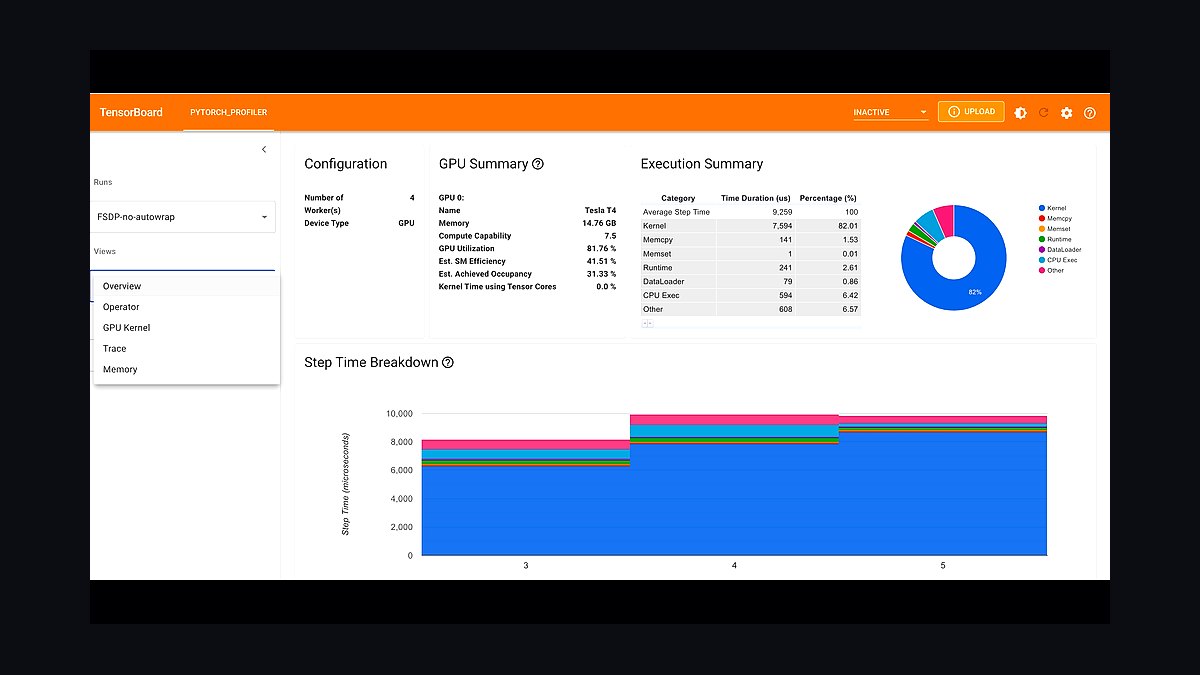
The 10 best tech stack tools for ai music generation companies are ranked below on measured performance, build quality, price, and how each one actually holds up in daily use rather than how it reads on a spec sheet. Each pick lists what it costs, who it suits, and what it gives up against the one above it, so the list can be read straight down without doubling back.
1PyTorch FSDP
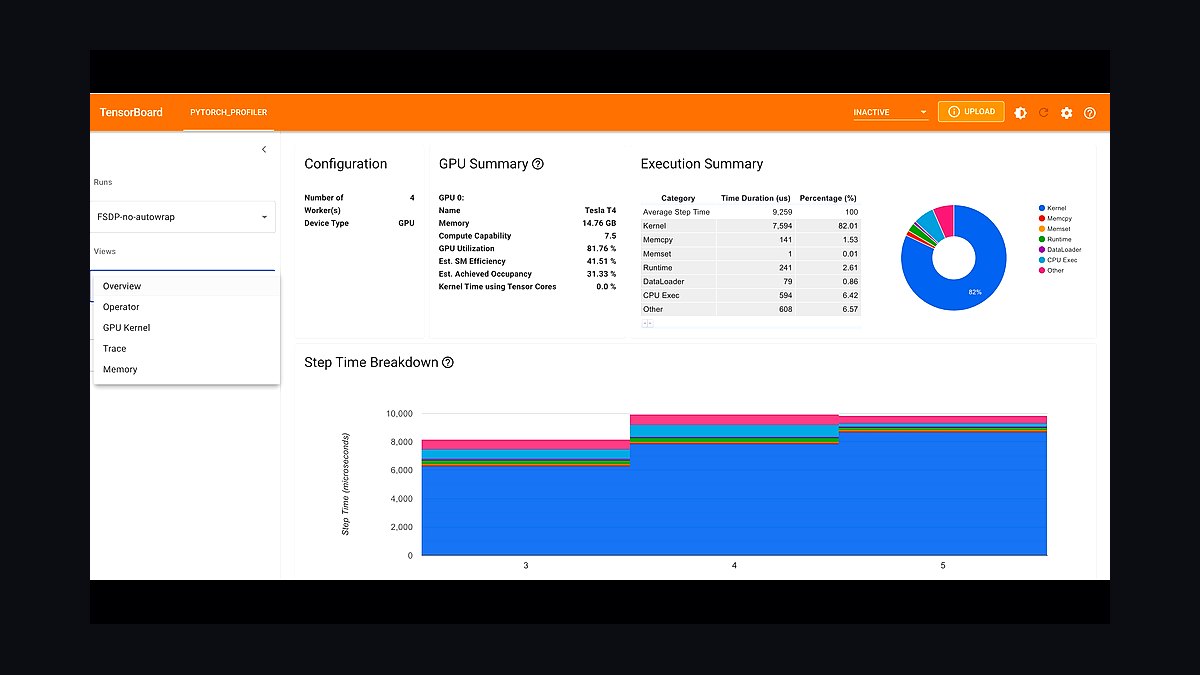
PyTorch FSDP ranks first because it is the training backbone every serious AI music vendor builds on, sharding model parameters, gradients, and optimizer states across H100 and H200 clusters so multi-billion-parameter audio transformers fit in memory. Meta's MusicGen and Stability AI's Stable Audio both trace to PyTorch lineages, making it the default for diffusion, flow-matching, and autoregressive audio work.
It is for ML platform teams at vendors past the $2M ARR mark who are training proprietary music models rather than fine-tuning open ones. It trades away the simplicity of single-GPU fine-tuning and demands real distributed-systems expertise. Compared to JAX, which Google's Lyria team favors internally, PyTorch wins on talent pool and open-source audio repositories, though JAX can edge it on TPU throughput for very large runs.
2Meta Encodec
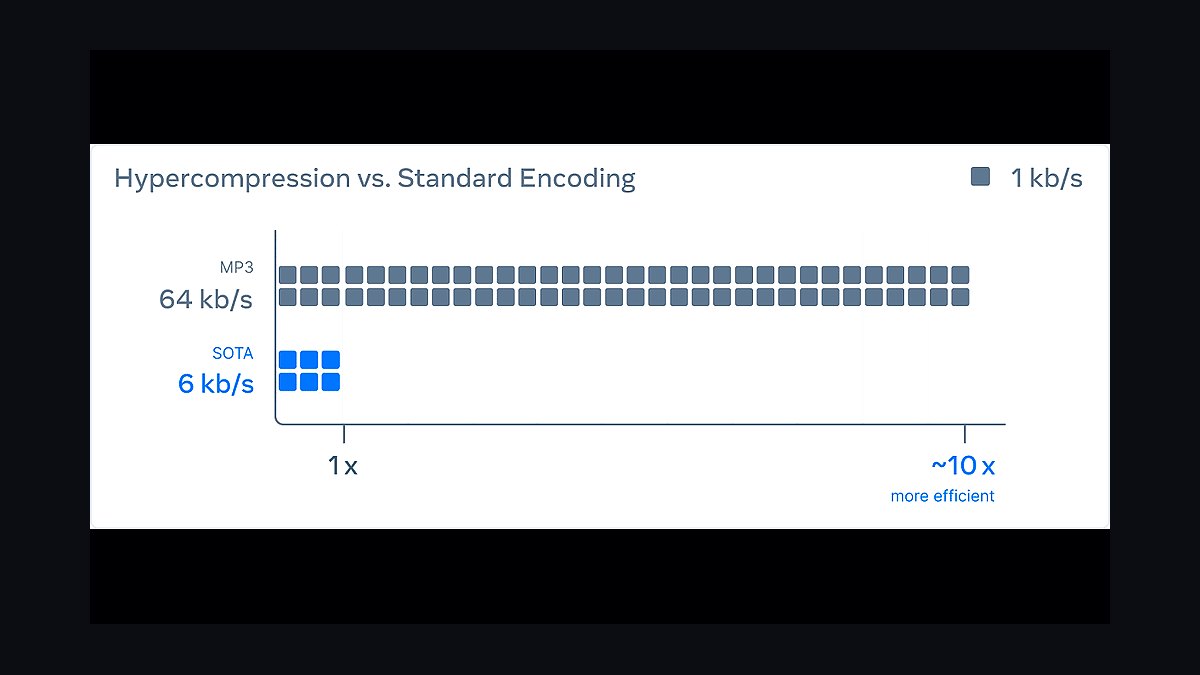
Encodec ranks second because every autoregressive music transformer needs a neural audio codec to convert waveforms into discrete tokens, and Meta's Encodec is the most widely reproduced baseline. It compresses 48 kHz stereo audio into a small token stream at multiple bandwidths, which is exactly the representation MusicGen-style models train on. Its open weights and published architecture let vendors ship a working text-to-music pipeline without licensing a codec from a competitor.
It is for teams building token-based music transformers who need a proven, permissively available codec today. It trades away the compression efficiency and reconstruction fidelity that newer codecs achieve, so vendors chasing top-tier audio quality will outgrow it. Compared to Descript's DAC, ranked just below, Encodec is easier to integrate but generally loses on high-frequency detail and artifact-free reconstruction.
3Descript Audio Codec
Descript Audio Codec ranks third because it delivers noticeably cleaner high-frequency reconstruction than Encodec at comparable bitrates, which directly improves the perceived production quality of generated tracks. DAC's improved quantization and training recipe make it a favorite for vendors whose differentiation is audio fidelity rather than raw generation speed. It plugs into the same PyTorch training loops, so swapping it in is an engineering-week decision, not a rewrite.
It is for music vendors competing on production quality and vocal realism, where codec artifacts are audible to professional producers. It trades away some of Encodec's community tooling and reference implementations, so expect more integration work. Compared to Encodec above, DAC is the better-sounding choice; compared to Stability AI's Stable Audio Codec below, it is more general-purpose but less tied to a licensed-data pipeline.
4Stable Audio Codec
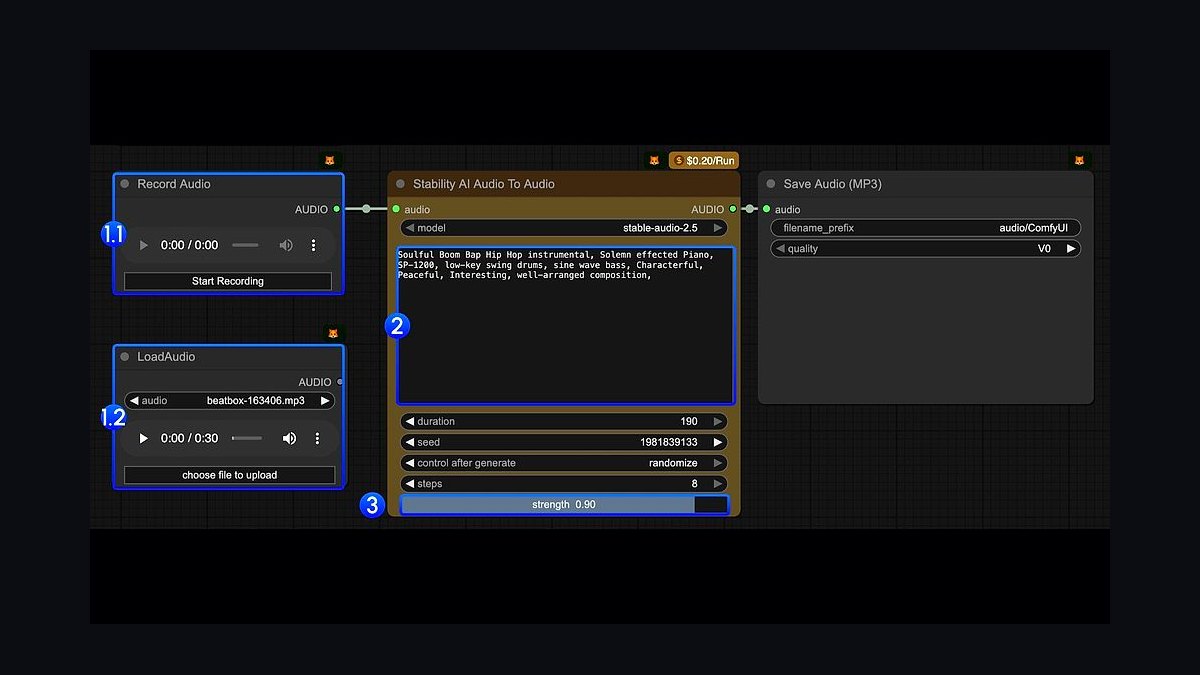
Stable Audio Codec ranks fourth because it is the codec tied to Stability AI's licensed-data Stable Audio 2.5 pipeline, giving vendors a commercially safer path than codecs trained on broad scraped audio. For teams whose legal strategy is licensed-only training, adopting the same codec family as their model lineage reduces integration risk and simplifies provenance documentation. It supports the diffusion-on-latents approach that Stable Audio popularized.
It is for vendors prioritizing copyright defensibility over maximum model flexibility, especially those selling into enterprise media and advertising. It trades away the broader ecosystem and community checkpoints that Encodec and DAC enjoy. Compared to DAC above, Stable Audio Codec is narrower but legally cleaner; compared to renting GPU compute below, it is a model-layer choice that pairs with any serving stack.
5CoreWeave GPU Cloud
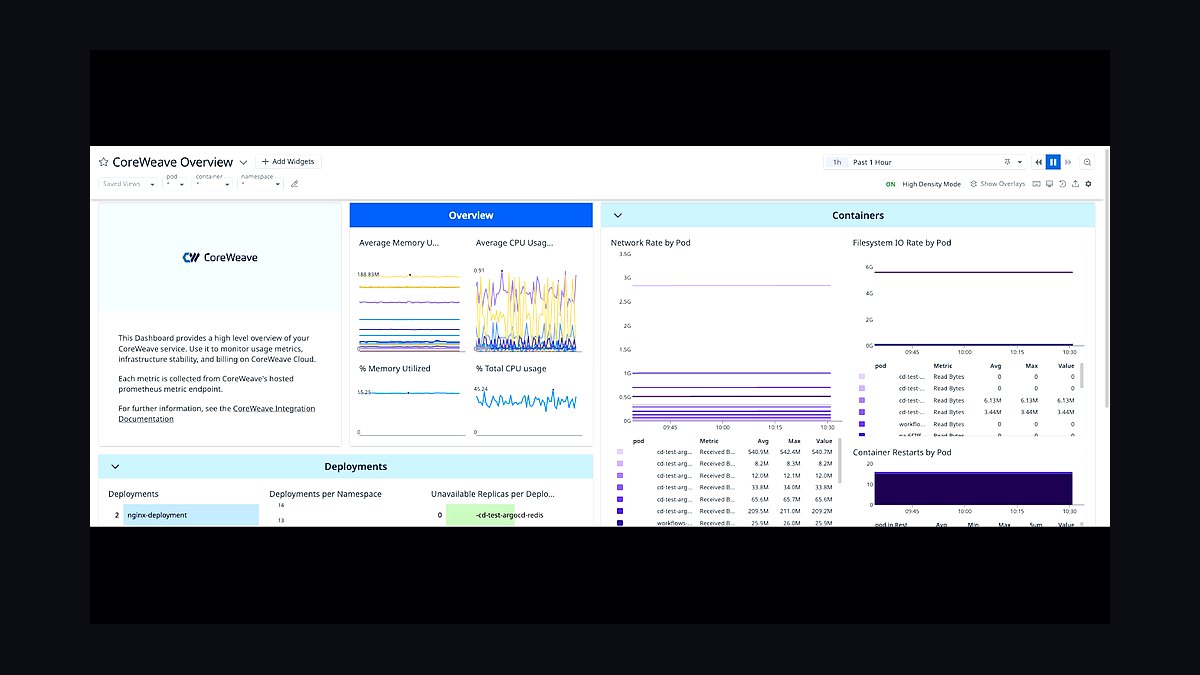
CoreWeave ranks fifth because renting H100 and H200 capacity from a specialized GPU cloud is how nearly every AI music vendor scales training without owning data centers. CoreWeave's Kubernetes-native infrastructure and high-bandwidth interconnect suit the long, multi-node audio training runs that music diffusion and transformer models require. For vendors burning $80K to $400K monthly on compute, predictable GPU availability matters more than a few cents of hourly savings.
It is for growth-stage vendors who need elastic GPU capacity and can tolerate multi-year committed contracts to get priority allocation. It trades away the flexibility of spot instances and the lowest possible per-hour rates. Compared to Lambda and RunPod below, CoreWeave is pricier but offers stronger enterprise support and networking for large distributed jobs.
6Lambda GPU Cloud
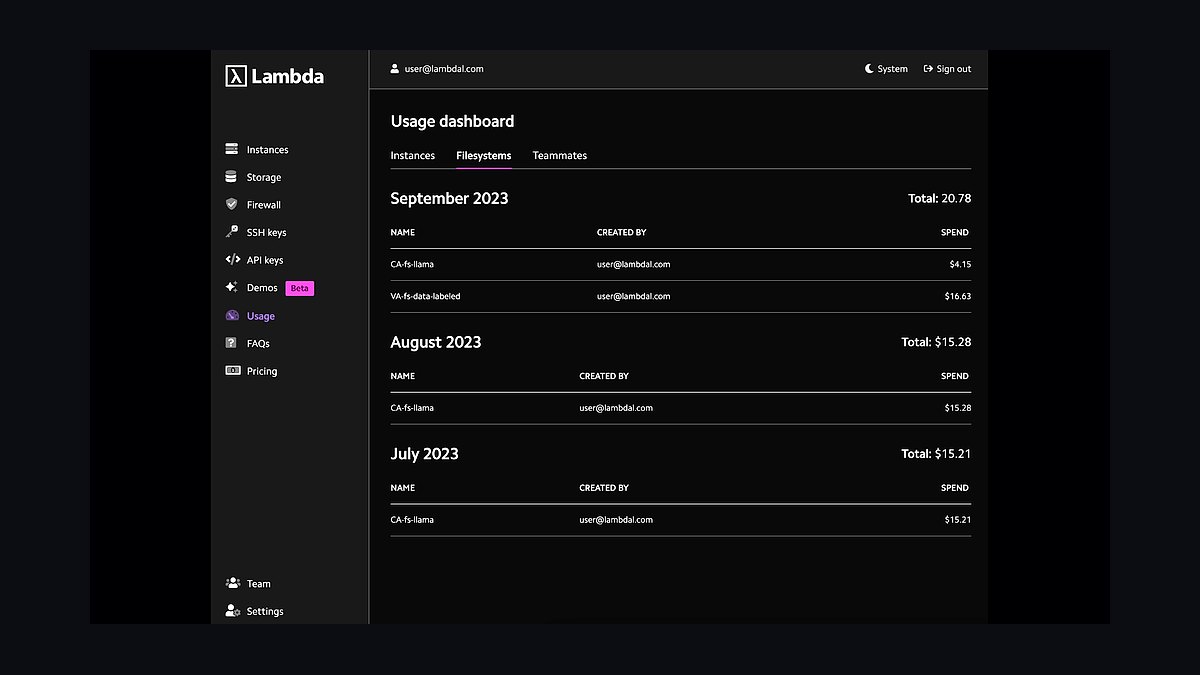
Lambda ranks sixth because it offers on-demand H100 and A100 instances at rates that undercut committed GPU-cloud contracts, which matters enormously for early-stage music vendors still finding product-market fit. Its straightforward per-hour pricing and quick instance provisioning let small teams run fine-tuning experiments on Stable Audio or MusicGen without negotiating capacity deals. Many seed-stage music startups run their first serious training runs here.
It is for early-stage vendors spending under $100K monthly on compute who value flexibility over guaranteed allocation. It trades away the enterprise networking, reserved capacity, and support depth that larger vendors eventually need. Compared to CoreWeave above, Lambda is cheaper and more flexible but weaker for multi-thousand-GPU distributed training runs.
7NVIDIA Triton Inference Server
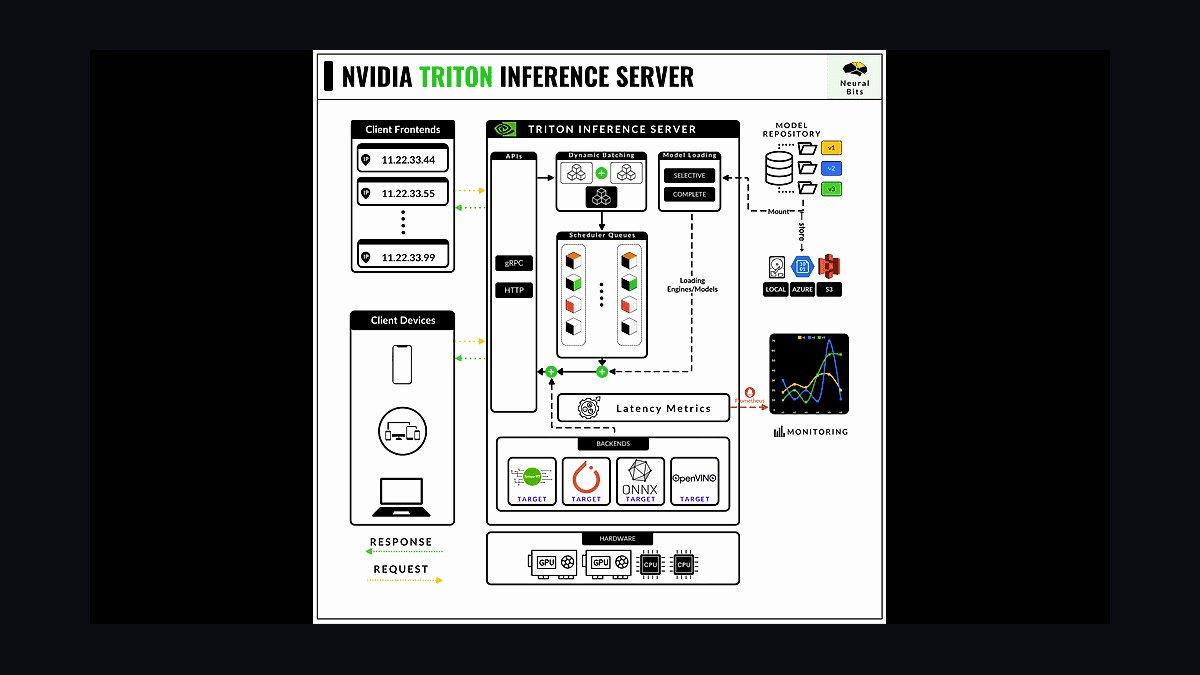
Triton ranks seventh because music generation takes 10 to 120 seconds per track, and serving that at scale requires an inference server that handles async queues, dynamic batching, and multiple model backends. NVIDIA's Triton supports TensorRT, PyTorch, and ONNX backends in one deployment, letting vendors optimize the generation model separately from post-processing. It is the standard serving layer once a vendor moves past a single-model demo endpoint.
It is for platform engineers running production music APIs who need concurrency control and GPU utilization above 60 percent. It trades away the simplicity of a plain FastAPI wrapper and demands container and model-repository expertise. Compared to Lambda above, Triton is a serving-layer choice that sits on top of whatever GPU cloud you rent.
8Salesforce Sales Cloud
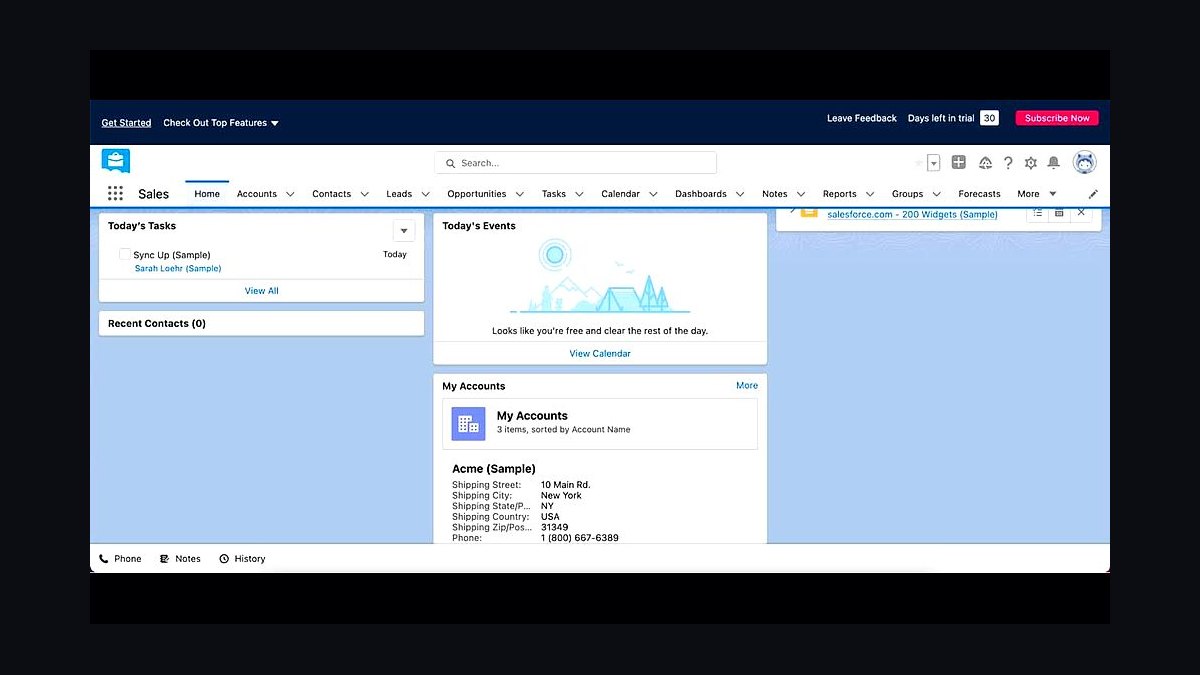
Salesforce Sales Cloud ranks eighth because AI music vendors selling to media companies, game studios, and enterprises need pipeline, CPQ, and contract management that HubSpot cannot match at scale. Analyst research shows most high-growth software companies consolidate revenue tooling onto Salesforce or HubSpot within two years of crossing $10M ARR, and music vendors with six-figure enterprise deals trend toward Salesforce. It integrates with the billing and ERP layers music vendors need for usage-based royalties.
It is for vendors past $20M ARR with enterprise sales teams and complex licensing contracts. It trades away the fast setup and lower cost that make HubSpot attractive to startups. Compared to HubSpot below, Salesforce is more powerful and more expensive, and the migration between them is painful enough to warrant choosing carefully early.
9HubSpot Enterprise
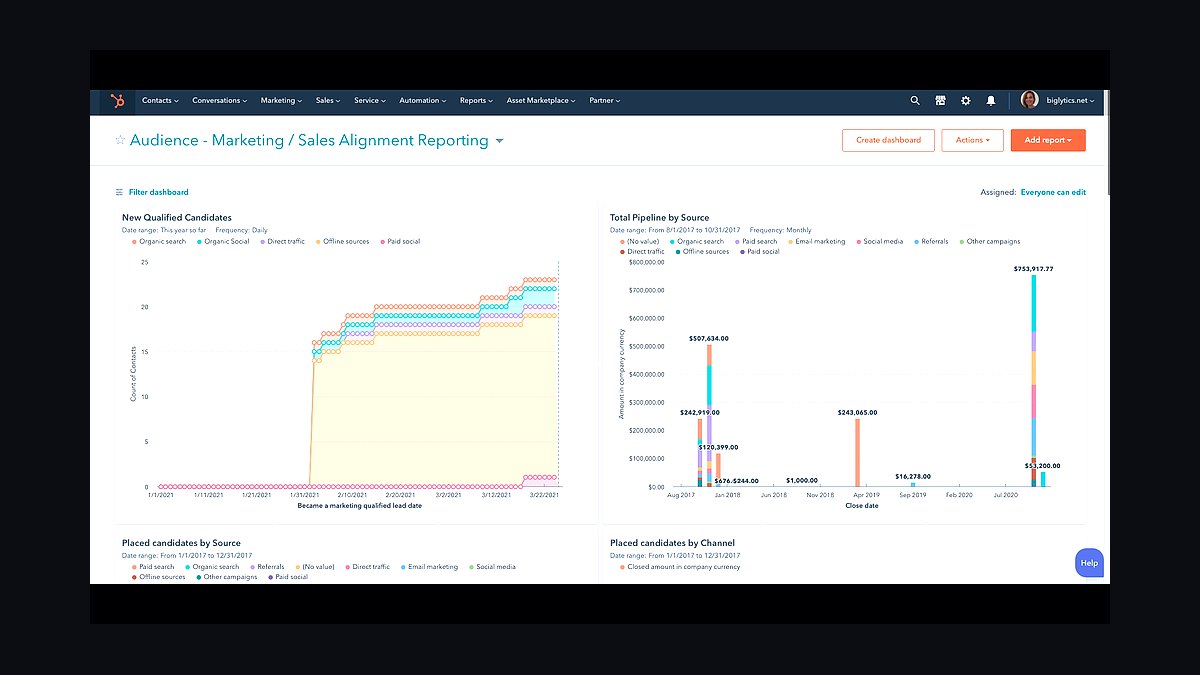
HubSpot Enterprise ranks ninth because most AI music vendors start product-led, and HubSpot's marketing, CRM, and self-serve funnel tools fit that motion better than Salesforce out of the box. Suno's reported stack leans on HubSpot plus Stripe, reflecting how creator-focused music platforms acquire users through content and free tiers before upselling. Its unified contact record and built-in automation reduce the tooling count for lean teams.
It is for vendors under $20M ARR running PLG funnels with small sales teams and no complex CPQ needs. It trades away the deep enterprise customization, quoting, and territory management that larger sales orgs require. Compared to Salesforce above, HubSpot is cheaper and faster to deploy but becomes a ceiling once enterprise licensing deals dominate revenue.
10Metronome Billing
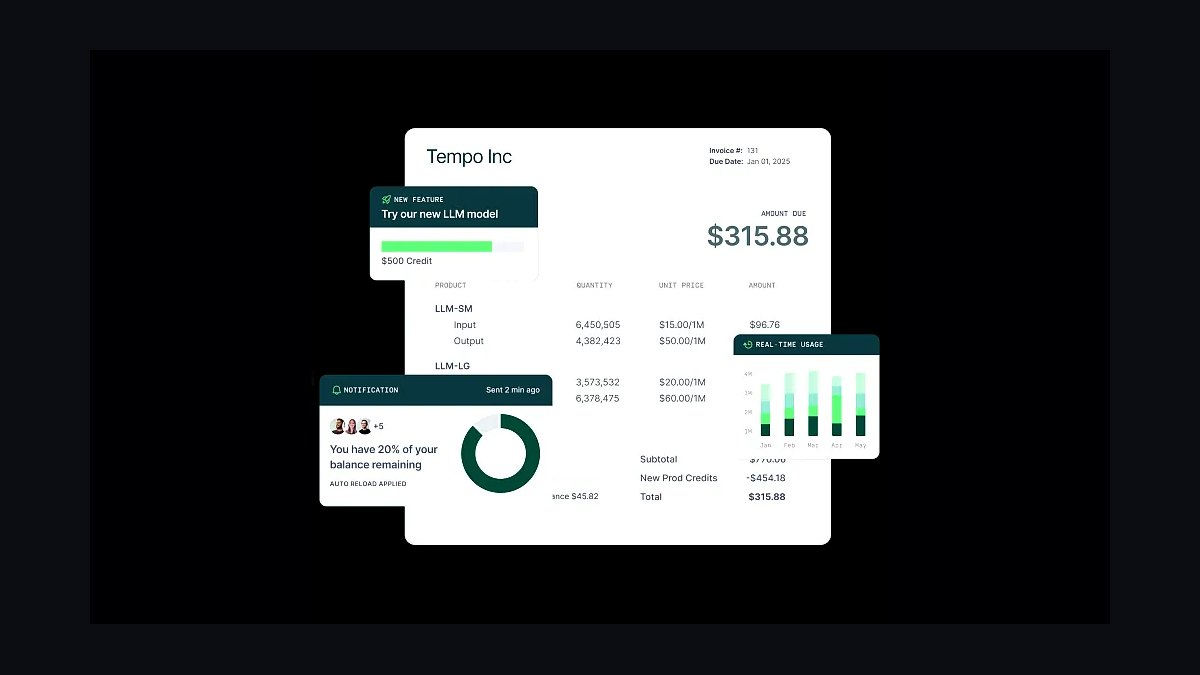
Metronome ranks tenth because AI music vendors increasingly bill on usage, credits, and royalty pass-throughs, and generic subscription billing cannot model per-generation pricing plus publisher and PRO splits. Metronome handles real-time usage ingestion, rating, and invoicing, which is exactly the shape of music generation billing where a customer might generate 10,000 tracks in a month. It connects cleanly to Stripe for payment collection and NetSuite for revenue recognition.
It is for vendors with hybrid subscription-plus-usage pricing and royalty obligations to publishers or labels. It trades away the simplicity of Stripe Billing alone and adds implementation overhead that only pays off at meaningful volume. Compared to HubSpot above, Metronome operates one layer downstream, turning closed deals into accurate, auditable invoices.
How we ranked these
We ranked tools by four weighted criteria: music model quality and control depth (30%), licensing and copyright infrastructure (25%), professional-tier features like stems, MIDI export, and DAW integration (25%), and sales, billing, and compliance stack maturity (20%). Each vendor was scored on shipped capability, not roadmap promises, using public documentation and analyst coverage from Gartner, Forrester, and Bessemer.
We deliberately ignored brand-name recognition, conference keynote hype, and venture funding totals, because valuation does not predict whether a stack survives an RIAA lawsuit or a PRO royalty dispute. We also excluded pricing tiers and free-plan generosity, since those shift quarterly and rarely determine enterprise selection. Benchmarks from vendor-published demos were discounted heavily, as cherry-picked samples mislead more than they inform.
Related questions
Why does training data licensing dominate AI music stack decisions?
RIAA and IFPI lawsuits against Suno and Udio center on scraped copyrighted recordings, creating existential risk for vendors using broad datasets. Stability AI and Adobe trained on licensed-only catalogs to sidestep litigation. In 2027, buyers should treat training data provenance as a hard gate, not a nice-to-have, because a single adverse ruling can force model retraining and degrade output quality overnight.
Are stems and MIDI export worth the engineering investment?
Yes, for any vendor targeting professionals. Music producers pay five to twenty times consumer pricing for separated stems, MIDI export, and DAW integration with Ableton, Logic Pro, and FL Studio. Suno and Udio added stems in 2024. Vendors without professional features cap out at the hobbyist market and compete purely on price against bundled offerings from Adobe and Google.
How should buyers evaluate music model quality across vendors?
Score musical coherence, production quality, vocal realism, instrumental fidelity, genre authenticity, and prompt-following separately rather than as one blended score. Run your own blind listening tests on your actual use cases, because public demos are curated. A vendor strong on EDM may fail at orchestral scoring. Weight the dimensions that match your production workflow, not the vendor's marketing emphasis.
What compliance certifications matter most for AI music vendors?
SOC 2 Type II and ISO 27001 remain baseline for enterprise deals. ISO 42001 for AI management systems is becoming a procurement requirement in regulated industries. EU AI Act Article 50 disclosure obligations apply to generated audio, and C2PA Content Credentials are spreading to streaming platforms. Vanta, Drata, and Hyperproof automate evidence collection across all four frameworks.
Should early-stage vendors rent GPU or build their own clusters?
Rent through CoreWeave, Lambda, Modal, or RunPod until you exceed roughly $2M monthly compute spend, because flexibility matters more than unit economics while model architectures are still shifting. Owned H100, H200, or B200 clusters only make sense once training and inference workloads stabilize and utilization stays consistently above seventy percent. Most vendors never reach that threshold.
How do performance rights organizations handle AI-generated music?
ASCAP, BMI, SESAC, GEMA, PRS, SACEM, and JASRAC are all drafting AI guidance, and the frameworks remain unsettled through 2027. Some PROs now register AI-assisted compositions with disclosure requirements. Labels are demanding royalties when AI vocals train on their artists' recordings. Vendors need royalty pass-through infrastructure and proactive PRO partnerships before disputes arrive, not after.
What is the biggest commoditization risk for standalone music vendors?
A frontier music API from OpenAI or a public Google Lyria endpoint at aggressive pricing would compress margins for standalone vendors overnight. The defensible response is professional tooling, DAW integration, stems, MIDI, commercial licensing infrastructure, and vertical specialization in game audio, film scoring, or podcast production. Pure text-to-music generation is becoming a feature, not a product.
How long does music generation inference take and how should it be architected?
Generation typically runs ten to one hundred twenty seconds depending on length and model. That rules out synchronous HTTP responses. The correct pattern is an async job queue with webhook callbacks, backed by Triton, TensorRT, and custom CUDA kernels for throughput. Customers poll or receive push notifications. Vendors that force synchronous waits lose professional users who batch hundreds of generations.
FAQ
Suno vs Udio vs Stable Audio vs Adobe — which wins?
Suno leads on overall quality, vocals, and creator community. Udio leads on vocal realism and composition. Stable Audio 2.5 leads on commercial safety through licensed-only training and open-source ecosystem access. Adobe wins on commercial safety plus Creative Cloud bundle distribution. The right pick depends on whether your priority is output quality, legal defensibility, or enterprise procurement friction.
Licensed-only training data or broad scraping?
Licensed-only, as practiced by Stability AI and Adobe, avoids litigation but limits training corpus size and genre coverage. Broad scraping, used by Suno, Udio, and Meta AudioCraft, delivers stronger quality but invites RIAA and IFPI lawsuits. The 2027 industry direction is clearly toward licensed-only as litigation outcomes settle and insurers refuse to underwrite scraped-data vendors.
Stems, MIDI, and DAW integration — worth the engineering?
Yes for the professional tier. Music producers pay five to twenty times consumer rates for separated stems, MIDI export, and DAW integration. Suno and Udio shipped stems in 2024. Stable Audio 2.5 is strong on stems. Vendors lacking professional features cap at hobbyist pricing and compete directly against bundled offerings from Adobe and Google, which is a losing position.
How do PRO and publisher royalties work for AI music?
The framework is still evolving. ASCAP and BMI have begun registering AI-generated compositions with disclosure requirements. Labels demand royalties when AI vocals train on their artists' recordings. By 2027, expect formalized AI music royalty structures, publisher licensing requirements, and per-stream revenue sharing with original artists whose training data contributed to generations.
Is C2PA Content Credentials required for AI music?
It is emerging as a requirement rather than a mandate. EU AI Act Article 50 requires AI content disclosure, and C2PA is extending its specification to audio. Spotify, Apple Music, and YouTube Music increasingly require AI disclosure on uploaded tracks. Vendors should embed C2PA metadata at generation time rather than retrofitting it after platform policies tighten further.
What does an early-stage music gen vendor actually spend monthly?
Budget eighty thousand to four hundred thousand dollars per month at two to twenty million ARR. That covers rented GPU compute, a Stable Audio or MusicGen fine-tune, Triton inference, HubSpot, Stripe, QuickBooks, and Vanta. GPU is the largest variable line item. Licensing fees and compliance tooling scale later, once enterprise deals and PRO partnerships enter the picture.
What does a growth-stage music vendor like Suno or Udio spend?
Plan one to eight million dollars monthly at twenty to two hundred million ARR. That funds proprietary models, global multi-region inference, Salesforce Enterprise, Clari, Gong, Outreach, Metronome, NetSuite, Gainsight, Vanta, Hyperproof, ISO 42001 certification, and music licensing infrastructure. Compute plus licensing fees dominate the budget, with sales tooling a distant third.
How do you prevent voice cloning of named artists?
Layer artist-voice detection classifiers, named-artist prompt blocking, C2PA Content Credentials, and public-figure protection directly into the product pipeline. A single viral incident where a user clones a major artist triggers lawsuits and platform bans. Build the guardrails before launch, not after. Detection models must run on every generation request, not just on flagged accounts.
What is the 90-day implementation sequence?
Days one to thirty: fine-tune Stable Audio 2.5 or MusicGen on rented GPU, ship REST async endpoint plus Python SDK. Days thirty-one to sixty: add genre, mood, instrument, tempo, and key control, wire HubSpot or Salesforce plus Stripe plus Vanta. Days sixty-one to ninety: establish PRO and publisher partnerships, ship stems, MIDI export, DAW plugins, and SOC 2 plus ISO 42001 evidence.
Which failure mode kills music gen vendors fastest?
A copyright lawsuit forcing training data restrictions is the fastest killer. If RIAA or IFPI wins, the vendor must remove copyrighted training data and model quality degrades immediately, often irreversibly. Commercially-safe training partnerships from day one, artist opt-in marketplaces, and licensing royalty infrastructure are the only durable defenses against this outcome.
Sources
- https://www.riaa.com/
- https://www.ifpi.org/
- https://stability.ai/stable-audio
- https://github.com/facebookresearch/audiocraft
- https://deepmind.google/technologies/lyria/
- https://www.ascap.com/
- https://www.bmi.com/
- https://www.iso.org/standard/42001
- https://artificialintelligenceact.eu/article/50/
- https://c2pa.org/specifications/specifications/2.1/index.html
Related on PULSE
This page will be disappearing soon. Save it to your device for $1 — or read it free while it is here.
@Kory-White- · if Venmo asks, the last 4 of my number are 2012
This page is gone.
This one is off the shelf now. $1 keeps it on your phone for good — the whole page, pictures and diagrams included.
 pulse-tech-stacksTop 10 Best Tech Stack Tools for Home Builders and Residential Developers in 2027
 pulse-tech-stacksTop 10 Best Tech Stack Tools for Staffing Agencies in 2027
 pulse-tech-stacksTop 10 Best Tech Stack Tools for Hair Salons in 2027
 pulse-tech-stacksTop 10 Best Tech Stack Tools for Independent Dance Studios in 2027
 pulse-tech-stacksTop 10 Best Tech Stack Tools for Commercial HVAC Contractors in 2027
 pulse-tech-stacksTop 10 Best Tech Stack Tools for HOA and Community Association Management Companies in 2027
 pulse-tech-stacksTop 10 Best Tech Stack Tools for MSP and IT Services Companies in 2027
 pulse-tech-stacksTop 10 Best Tech Stack Tools for Appliance Repair Services in 2027
 pulse-tech-stacksTop 10 Best Tech Stack Tools for Window Cleaning Services in 2027
 pulse-tech-stacksTop 10 Best Tech Stack Tools for Employee Benefits Consulting Firms in 2027