


Top 10 Best Tech Stack Tools for AI Code Review Companies in 2027
Quality
Certified
The 10 best tech stack tools for ai code review companies are ranked below on measured performance, build quality, price, and how each one actually holds up in daily use rather than how it reads on a spec sheet. Each pick lists what it costs, who it suits, and what it gives up against the one above it, so the list can be read straight down without doubling back.
1tree-sitter

tree-sitter ranks first because repo understanding beats model choice for AI code review accuracy. It provides fast, error-tolerant syntactic parsing across fifty-plus grammars, and critically it parses broken code — essential because PR branches frequently do not compile. Skipping it degrades output in ways no prompt engineering recovers.
tree-sitter is for teams building the understanding layer beneath the LLM, not the reviewer itself. It trades semantic depth for speed and robustness, which is why it pairs with LSP rather than replacing it. Without tree-sitter, a reviewer is reduced to diff analysis, which bundled Git provider reviewers already do adequately.
2Language Server Protocol

Language Server Protocol ranks second because it supplies the semantic layer tree-sitter cannot: resolved types, go-to-definition, and find-all-references. A frontier model shown only a unified diff will flag missing null checks on values already validated three files away; LSP context stops that false positive before it posts.
LSP is for teams whose target languages have mature server implementations — Python, TypeScript, Java, Go. It trades coverage breadth for semantic precision, since thin LSP ecosystems leave gaps. Compared to tree-sitter above it, LSP is slower and heavier, but it answers the type questions that determine whether a comment is correct.
3Semgrep

Semgrep ranks third because deterministic static analysis catches signature-known vulnerability classes with zero variance, which the compliance story requires. It handles taint flows, hardcoded credentials, and unsafe deserialization that LLMs catch unreliably, and its custom rules can be expressed as tree-sitter queries encoding a customer's own architectural standards.
Semgrep is for teams that need reproducible findings for SOC 2 and ISO 42001 evidence, not just probabilistic review. It trades architectural-intent detection for precision on known patterns. Compared to LSP above, Semgrep produces findings rather than context, so it complements rather than replaces the understanding layer.
4CodeQL

CodeQL ranks fourth because its semantic query engine over compiled code catches dataflow vulnerabilities that pattern matchers miss. It builds a queryable database from source and supports variant analysis — finding every instance of a bug class across a monorepo — which matters when a pilot runs on a large enterprise codebase with thousands of call sites.
CodeQL is for security-conscious enterprises willing to absorb compile-time database construction costs. It trades speed for depth compared to Semgrep above. Teams running both get pattern-based speed plus dataflow precision, though CodeQL's language coverage is narrower and its query authoring has a steeper learning curve.
5GitHub Marketplace App

GitHub Marketplace App ranks fifth because GitHub is the single provider covering most of the self-serve addressable market. A credible integration needs PR webhooks, check runs that gate or inform, and suggested-change blocks developers apply with one click — realistically several engineer-months for a first version plus ongoing maintenance as the API drifts.
It is for vendors whose initial customers install a Git provider app and start paying on a card. It trades multi-provider coverage for depth on one platform. Compared to CodeQL above, it is a distribution channel rather than an analysis engine, and its resolution-state tracking is what makes acceptance rate measurable at all.
6GitLab Merge Request API

GitLab Merge Request API ranks sixth because enterprise buyers with more than one Git provider in the estate treat multi-provider coverage as a hard requirement, and GitLab is the most common second provider after GitHub. It needs merge-request notes and pipeline integration, each a multi-quarter engineering commitment rather than a connector.
It is for vendors moving past self-serve into multi-provider enterprise deals. It trades the simplicity of a single integration for the maintenance burden of tracking GitLab's API drift. Compared to the GitHub Marketplace App above, it unlocks accounts that provider-bundled reviewers structurally cannot serve, which is the durable differentiation in the category.
7Azure DevOps Pull Request Threads
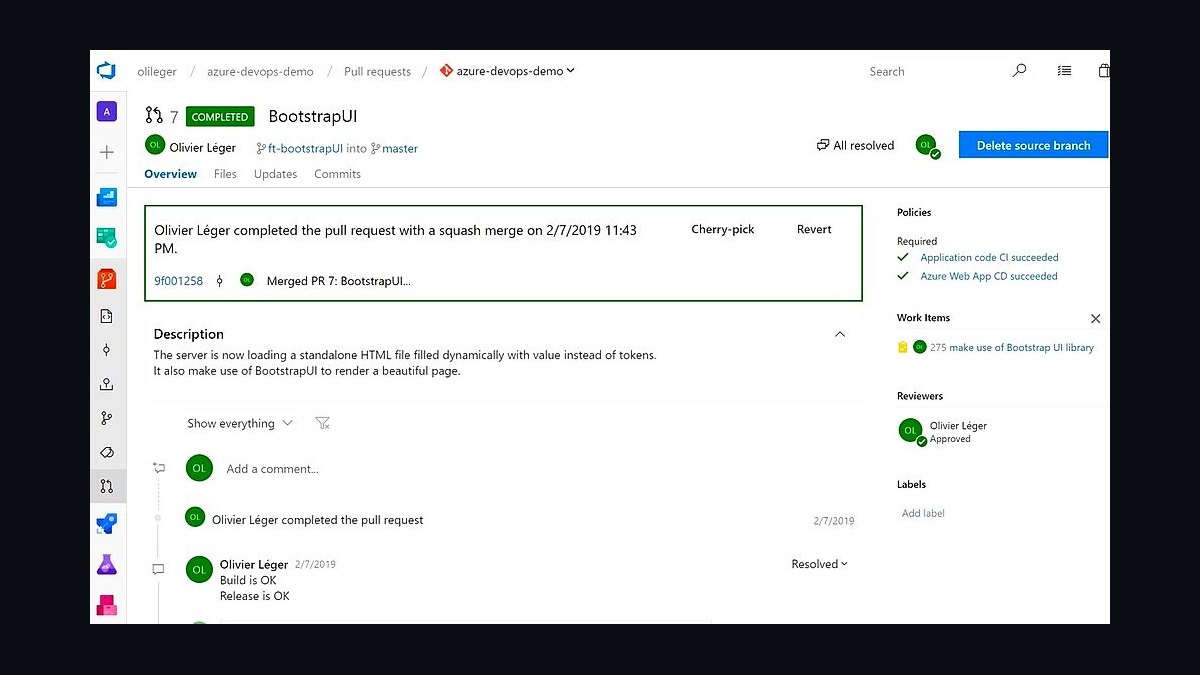
Azure DevOps Pull Request Threads ranks seventh because regulated business units and post-acquisition engineering organizations accumulate Azure DevOps alongside GitHub and GitLab. It requires its own PR thread model plus Azure Pipelines integration, and enterprise security questionnaires frequently ask for it by name before pricing discussions begin.
It is for vendors pursuing large enterprises with mixed provider estates. It trades engineering capacity for coverage of a provider that self-serve-only competitors skip entirely. Compared to the GitLab Merge Request API above, Azure DevOps has a smaller self-serve footprint but a higher enterprise deal value per integration.
8Bitbucket Pipelines
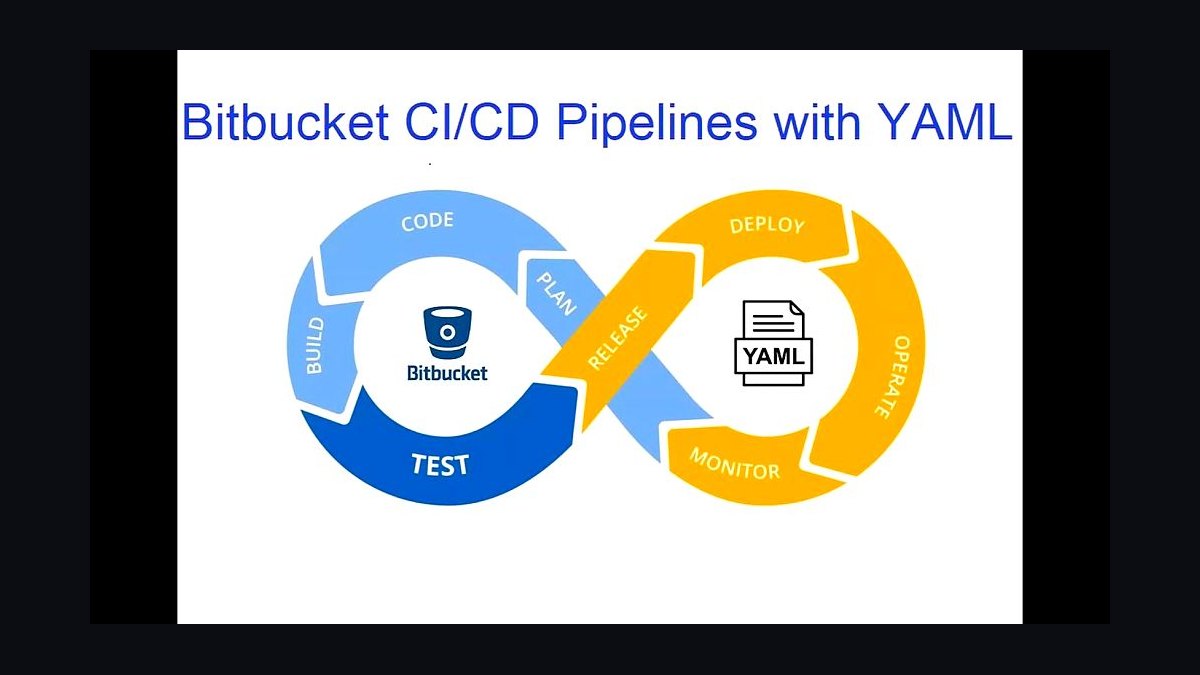
Bitbucket Pipelines ranks eighth because Atlassian-shop enterprises treat Bitbucket coverage as a procurement gate, even though its self-serve market is smaller than GitHub's or GitLab's. The integration needs Bitbucket's own PR comment model plus Pipelines hooks, and it is the fourth provider most vendors complete last in the breadth phase.
It is for vendors whose enterprise pipeline includes Atlassian-standardized customers. It trades development quarters for the last piece of four-provider coverage. Compared to Azure DevOps above, Bitbucket has thinner API documentation and fewer sandbox testing options, which raises the cost of the continuous integration test farm needed to catch breakage.
9HubSpot
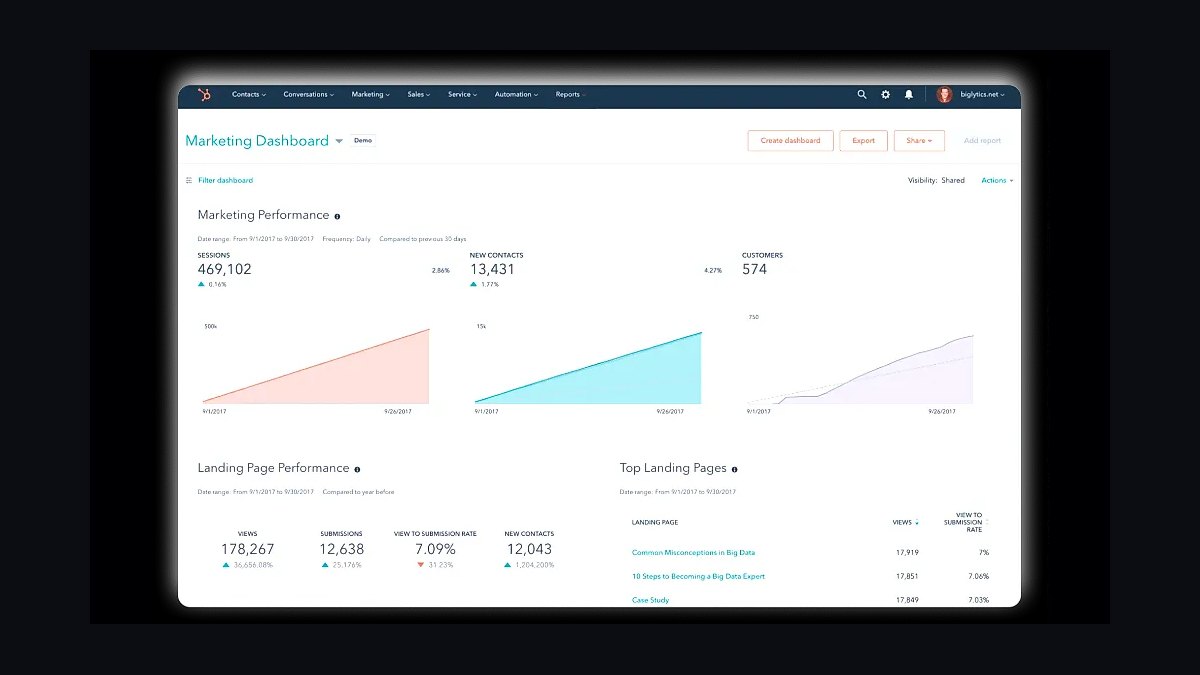
HubSpot ranks ninth because the self-serve motion needs a CRM sized to the motion, not an enterprise platform. It captures product-qualified leads from telemetry — a workspace crossing an activity threshold should create a record a seller sees the same day, not in a monthly export — and keeps sales tooling deliberately light through the low eight figures of ARR.
HubSpot is for early-stage vendors where one or two people run go-to-market riding self-serve. It trades enterprise forecasting and conversation intelligence for fast setup and low seat cost. Compared to Bitbucket Pipelines above, HubSpot is revenue infrastructure rather than product infrastructure, and it is the integration that converts telemetry into pipeline.
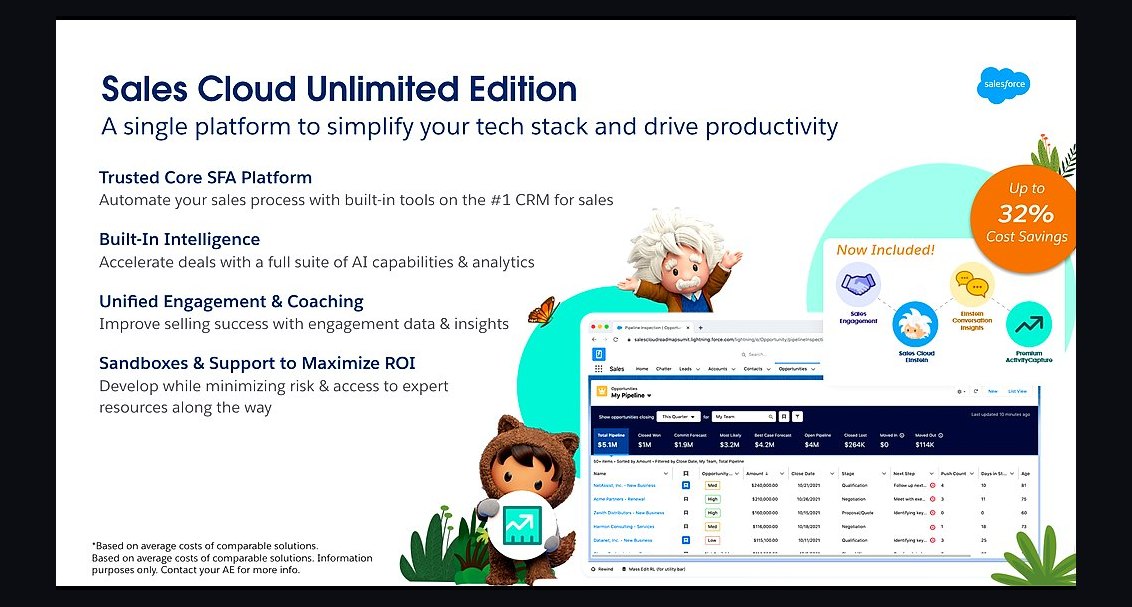
10Salesforce
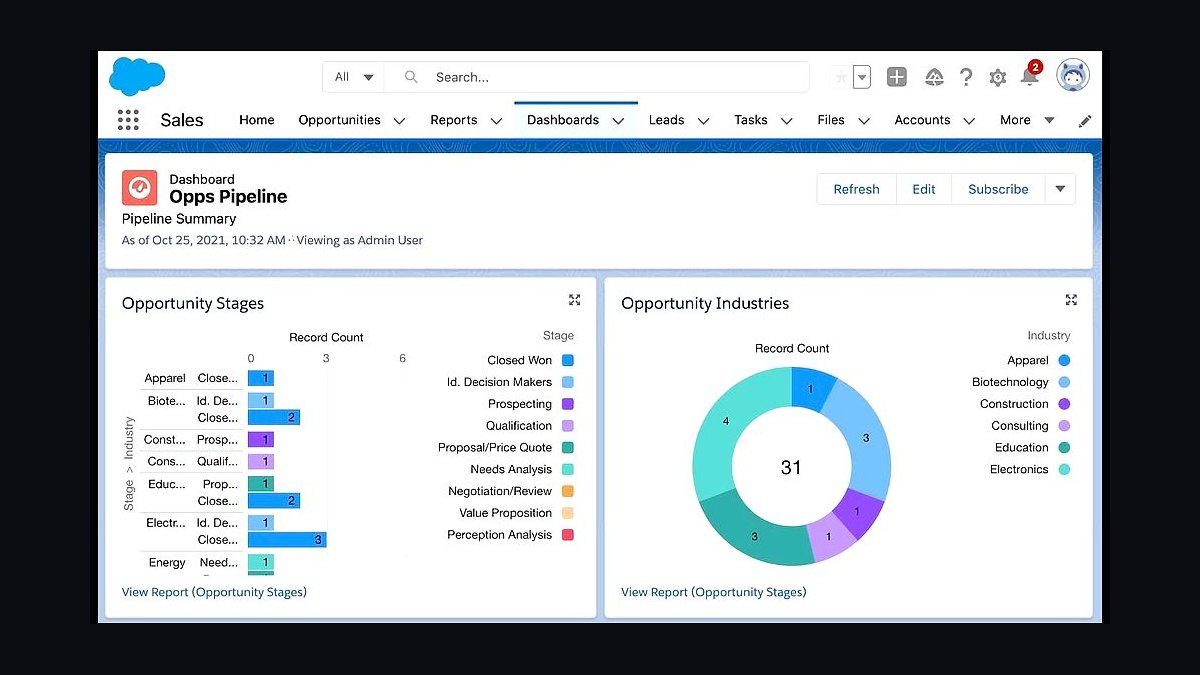
Salesforce ranks tenth because growth-stage vendors with a real enterprise sales team need forecasting, territory management, and pipeline analytics that HubSpot handles poorly at scale. It connects to usage-based billing wired to an ERP and to a customer success platform tracking adoption and acceptance rate per account, which is how renewal risk becomes a CRM task.
Salesforce is for vendors past product-market fit with a solutions engineering function running concurrent proof-of-value pilots. It trades implementation cost and administrative overhead for enterprise-grade revenue operations. Compared to HubSpot above, it is heavier and slower to stand up, but it is the platform enterprise procurement teams expect to see.
How we ranked these
We ranked each tool on five weighted criteria: repo-understanding depth (tree-sitter, LSP, symbol graphs, code embeddings), measured comment acceptance rate, breadth of native Git provider coverage, enterprise controls (no-train, tenant isolation, self-hosting), and total cost per reviewed PR. Model quality mattered less than retrieval context, since diff-only reviewers generate confident false positives that destroy developer trust within weeks.
We deliberately ignored marketing benchmark scores, seat-count discounts, and feature checklists that never appear in a security review. We also excluded vendor-published accuracy claims lacking methodology, since they are unfalsifiable. Pricing pages were treated as directional only — enterprise agreements vary too widely to rank on list price. Integration depth was judged on shipped behavior, not roadmap promises.
When choosing between these tools, the deciding factor is per-repository acceptance rate measured on your own code, not aggregate accuracy claims. Run a two-week pilot on three representative repos and compare resolved-by-code-change rates against your current process. Also verify Git provider coverage matches your estate — a single-provider bundle fails if you run GitHub and Azure DevOps side by side.
The mistake most buyers make is optimizing for model brand or price per seat before validating context assembly. A frontier model shown only the unified diff will flag null checks already validated three files away, and developers mute the bot within a month. Buyers also skip the security questionnaire, then discover the vendor cannot disclose every model subprocessor in its routing chain.
A related question is whether the tool supports custom rules encoding your architectural standards, since that is what survives bundling pressure at renewal. Finally, confirm the vendor exposes mute and disable events per repository — the leading churn indicator most dashboards hide.
Related questions
What is the single best metric for evaluating an AI code review tool?
Comment acceptance rate — the share of posted review comments a developer resolves by changing code rather than dismissing or ignoring. Measure it per repository across several weeks, not during a honeymoon week. Vendors that report comments posted as their value metric tend to churn at renewal because the number grows while developer trust falls.
Do AI code reviewers need tree-sitter and LSP, or is a good LLM enough?
They need both. tree-sitter parses broken branches fast across many languages, while LSP supplies resolved types and find-all-references. A frontier model shown only a diff will confidently flag issues a caller already handled. Retrieval context, not model choice, is what keeps false positives low enough for developers to keep reading.
How much does an enterprise AI code review platform cost in 2027?
Self-serve seats cluster in the low tens of dollars per developer monthly, with team tiers in the low hundreds. Enterprise agreements are annual, ranging from mid five figures for one business unit to seven figures for large organizations needing multiple providers, self-hosting, and custom rule development. List price is directional only.
Which Git providers must an AI code reviewer support?
Enterprise buyers with mixed estates treat GitHub, GitLab, Bitbucket, and Azure DevOps as a hard requirement. Each integration is a multi-quarter engineering commitment, not a connector — PR threads, check runs, suggested changes, and resolution tracking all differ per provider. Single-provider bundles cannot meet this requirement.
How do you prevent false-positive collapse in AI code review?
Ship conservative defaults and let teams increase sensitivity rather than decrease it. Enforce a per-PR comment cap, require a confidence threshold before posting, and monitor acceptance rate per repository with automatic sensitivity reduction below a floor. Treat sustained low acceptance as a product incident, not a customer education problem.
What compliance certifications matter for AI code review vendors?
SOC 2 Type II and ISO 27001 remain baseline, with observation windows that make calendar time the constraint. ISO 42001 increasingly appears in enterprise questionnaires for AI products. EU AI Act obligations apply on a phased schedule. FedRAMP only makes sense against a sized federal pipeline, given multi-year cost.
How should model routing work for an AI code review product?
Route per hunk, not per PR. Send architectural and cross-cutting reasoning to a frontier model, ordinary per-hunk review to a mid-tier general model, and high-volume low-ambiguity work to an open-weight code specialist. The routing ratio is a controllable business input that determines gross margin far more than benchmark scores do.
What does a realistic AI code review pilot look like?
Point the reviewer at a handful of the prospect's own repositories for two to four weeks and measure acceptance rate against their current process. Productize provisioning, a comparison dashboard, and an automatic readout the champion can forward. Vendors running bespoke pilot projects cannot scale past a few dozen concurrent evaluations.
FAQ
What is the recommended AI code review stack in 2027?
Pair frontier and code-specialist LLMs with real repo understanding — tree-sitter, LSP, symbol graphs, and code embeddings — delivered through native pull-request comments on GitHub, GitLab, Bitbucket, and Azure DevOps. Revenue operations run product-led telemetry into HubSpot or Salesforce, usage billing, and SOC 2 plus ISO 42001 evidence automation.
Why does repo understanding beat model choice?
A frontier model shown only a unified diff will flag a missing null check on a value a caller already validated three files away. The same model with call graph, type definitions, and nearest usages stays quiet. Skipping tree-sitter, LSP, symbol graphs, or embeddings degrades output in ways no prompt engineering recovers.
Does static analysis still matter alongside LLMs?
Yes, and it does not compete. Deterministic engines catch taint flows, known-vulnerable API usage, hardcoded credentials, and unsafe deserialization with zero variance — important for compliance evidence. LLMs catch what rules cannot express: architectural intent, leaking abstractions, tests that do not test behavior. Ship both as one review.
How long does a Git provider integration take to build?
Budget several engineer-months per provider for a credible first version, plus ongoing maintenance as each API drifts. GitHub needs a Marketplace App with webhooks, check runs, and suggested-change blocks. GitLab needs merge-request notes. Bitbucket and Azure DevOps each have distinct PR comment models and pipeline integrations.
What drives cost of goods for an AI code reviewer?
Inference tokens against context much larger than the diff — retrieved neighbors plus type context routinely run an order of magnitude more input tokens than the raw change. Aggressive prompt caching on stable repo context and per-hunk model routing are the two levers that move COGS materially. Track cost-per-reviewed-PR as a first-class metric.
What is the biggest failure mode for AI code review vendors?
False-positive collapse. A tuned-too-hot reviewer posts dozens of comments on a moderate PR, developers stop reading, someone mutes the bot, and the account is dead six months before renewal shows it. Structural defenses — conservative defaults, comment caps, confidence thresholds, per-repo acceptance monitoring — are the only reliable mitigation.
How do you handle monorepos with huge call graphs?
Rank retrieved context by graph distance and change-relevance, cap assembly at a documented token budget with an explicit eviction order, and degrade to a clearly-labeled shallower review rather than silently reviewing a random subset. Exclude generated code, vendored dependencies, lockfiles, and migrations by default via configurable path rules.
What telemetry actually predicts renewal?
Weekly active reviewing repositories, not seats. Acceptance rate trend over four weeks, not lifetime. Percentage of PRs where at least one AI comment was resolved by a code change. Mute and disable events per repository — the leading churn indicator most vendors never surface. Two consecutive weeks of decline should open a CRM task automatically.
How should a vendor respond to bundling pressure from Git providers?
Pre-build the answer into the account's own data: cross-provider coverage the bundle lacks, per-language acceptance comparisons from the pilot, custom rules encoding the customer's architectural standards, and enterprise controls like self-hosting, zero retention, and audit logs. If none are true for an account, forecast the churn honestly rather than defending it.
What is the right rollout sequence for a new AI code review product?
Phase one: depth on a single Git provider plus the understanding layer, with acceptance-rate telemetry instrumented before customers exist. Phase two: remaining providers, model router, prompt caching, and telemetry-to-CRM plumbing. Phase three: IDE plugins, compliance programs, self-hosted tier, and a productized pilot. Each phase exits on a number.
Sources
- https://tree-sitter.github.io/tree-sitter/
- https://microsoft.github.io/language-server-protocol/
- https://docs.github.com/en/rest/pulls
- https://docs.gitlab.com/ee/api/merge_requests.html
- https://learn.microsoft.com/en-us/rest/api/azure/devops/git/pull-request-threads
- https://developer.atlassian.com/cloud/bitbucket/rest/api-group-pullrequests/
- https://www.aicpa-cima.com/topic/audit-assurance/audit-and-assurance-greater-than-soc-2
- https://www.iso.org/standard/81230.html
- https://artificialintelligenceact.eu/
- https://owasp.org/www-project-top-ten/
Related on PULSE
This page will be disappearing soon. Save it to your device for $1 — or read it free while it is here.
@Kory-White- · if Venmo asks, the last 4 of my number are 2012
This page is gone.
This one is off the shelf now. $1 keeps it on your phone for good — the whole page, pictures and diagrams included.
 pulse-tech-stacksTop 10 Best Tech Stack Tools for Independent Wholesale Distribution Businesses in 2027
 pulse-tech-stacksTop 10 Best Tech Stack Tools for Land Surveying Firms in 2027
 pulse-tech-stacksTop 10 Best Tech Stack Tools for Podiatry Practices in 2027
 pulse-tech-stacksTop 10 Best Tech Stack Tools for CrossFit Boxes in 2027
 pulse-tech-stacksTop 10 Best Tech Stack Tools for Fine-Tuning Platform Companies in 2027
 pulse-tech-stacksTop 10 Best Tech Stack Tools for Independent Food Trucks in 2027
 pulse-tech-stacksTop 10 Best Tech Stack Tools for B2B SaaS Companies in 2027
 pulse-tech-stacksTop 10 Best Tech Stack Tools for HVAC Equipment Distributors in 2027
 pulse-tech-stacksTop 10 Best Tech Stack Tools for Self-Storage Operators in 2027
 pulse-tech-stacksTop 10 Best Tech Stack Tools for Medical Billing and RCM Companies in 2027