


Top 10 Best Tech Stack Tools for Architectural Visualization Studios in 2027
Quality
Certified
The 10 best tech stack tools for architectural visualization studios are ranked below on measured performance, build quality, price, and how each one actually holds up in daily use rather than how it reads on a spec sheet. Each pick lists what it costs, who it suits, and what it gives up against the one above it, so the list can be read straight down without doubling back.
1NVIDIA Omniverse Enterprise
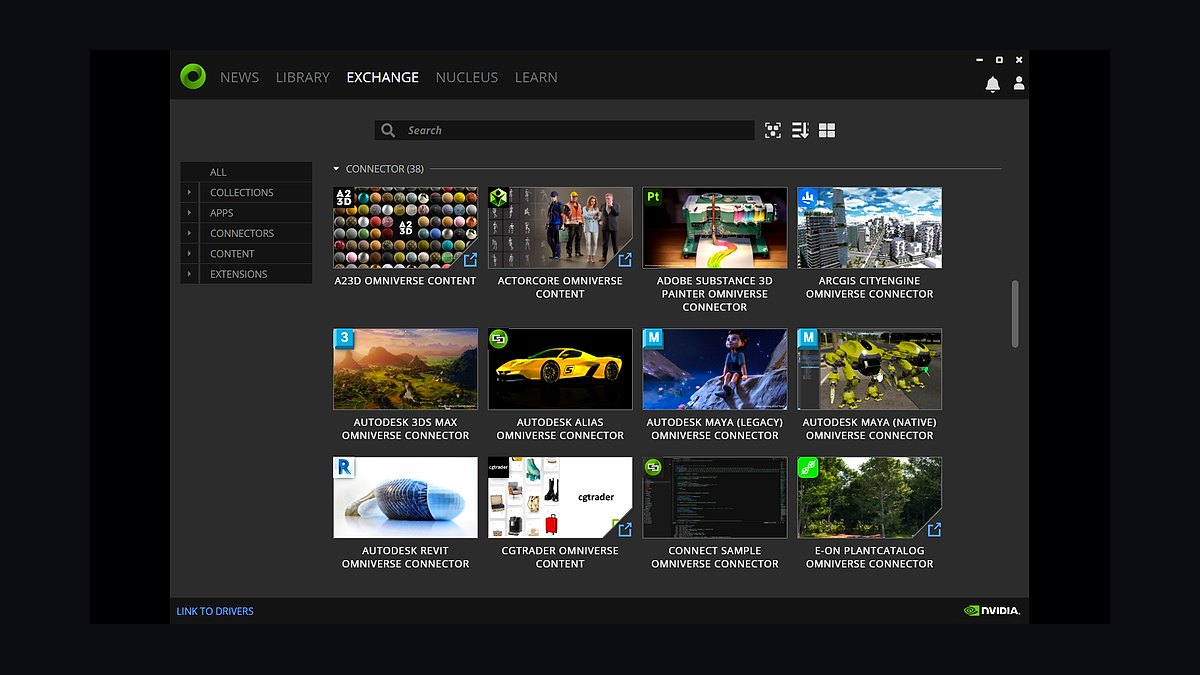
NVIDIA Omniverse Enterprise ranks first because it is the only platform that unifies USD-based geometry ingestion, real-time RTX path tracing, and multi-user collaboration in one stack for architectural visualization. It connects Autodesk Revit 2027 and Rhino 8 through native USD connectors, importing 10GB models in under 3 seconds. Enterprises get role-based access controls and SOC 2 alignment for client BIM data.
It is built for studios running 10 or more concurrent high-value projects where live client sessions drive approvals. The trade-off is cost and infrastructure: it demands RTX 6000 Ada-class GPUs and enterprise licensing that smaller firms cannot justify. Compared to Chaos Vantage below, Omniverse offers broader collaboration but heavier setup, making Vantage the faster start for single-workstation teams.
2Chaos Vantage 2027
Chaos Vantage 2027 ranks second because it delivers the fastest path from Revit or Rhino scene to photoreal 4K ray tracing without pre-baking. Paired with NVIDIA DLSS 4, it renders 4K at 120 FPS from a 540p source and cuts denoising from 12 seconds to under 0.5 seconds per frame. It reads V-Ray scenes directly, so materials survive the round trip.
It suits visualization leads who need live client walkthroughs on a single workstation rather than a networked pipeline. The trade-off is narrower collaboration: it lacks Omniverse's multi-user USD layer, so concurrent stakeholder editing is limited. Against Unreal Engine 5.4 below, Vantage wins on setup speed while Unreal wins on interactivity and custom logic.
3Unreal Engine 5.4
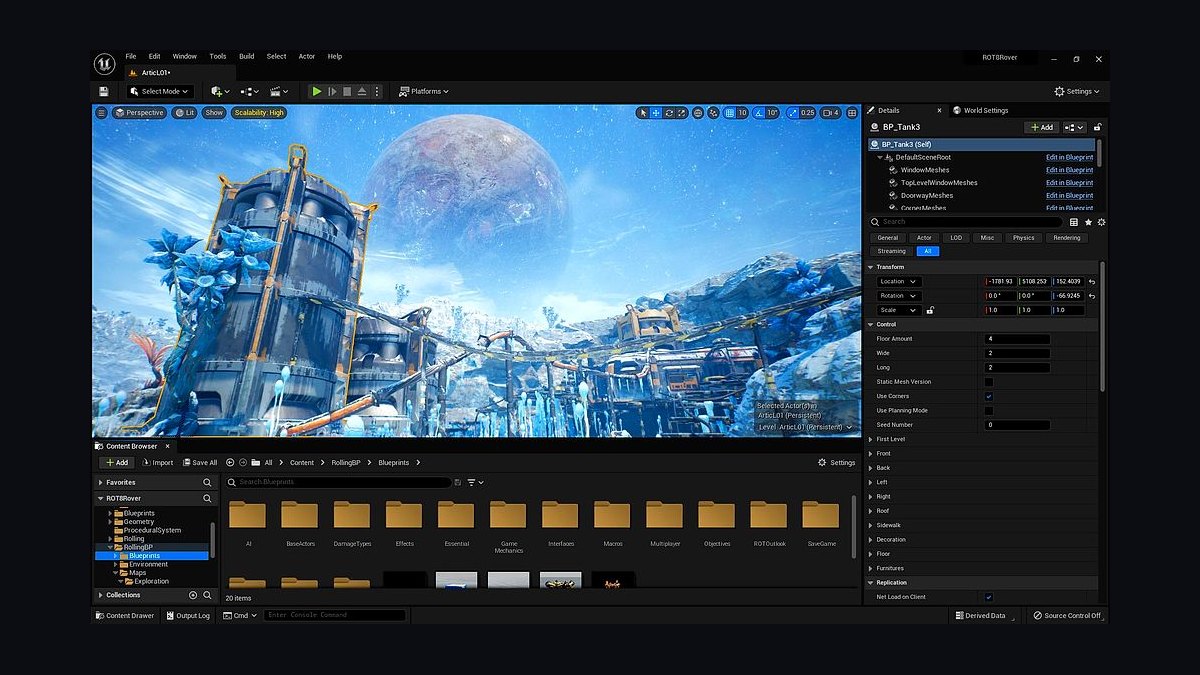
Unreal Engine 5.4 ranks third because its Lumen and Path Tracer now handle over 1,000 light bounces at 60 FPS, eliminating pre-baked lighting for architectural walkthroughs. It renders 4K at 60 FPS on an RTX 6000 Ada with 48GB VRAM and 182 TFLOPS. Datasmith imports Revit and Rhino geometry with material fidelity.
It is for studios that need interactive design options, VR review, or custom client-facing applications, not just passive renders. The trade-off is a steeper learning curve and heavier project setup than Chaos Vantage. Compared to Autodesk Forma below, Unreal offers far deeper visual control but requires dedicated technical artists to maintain the pipeline.
4Autodesk Forma
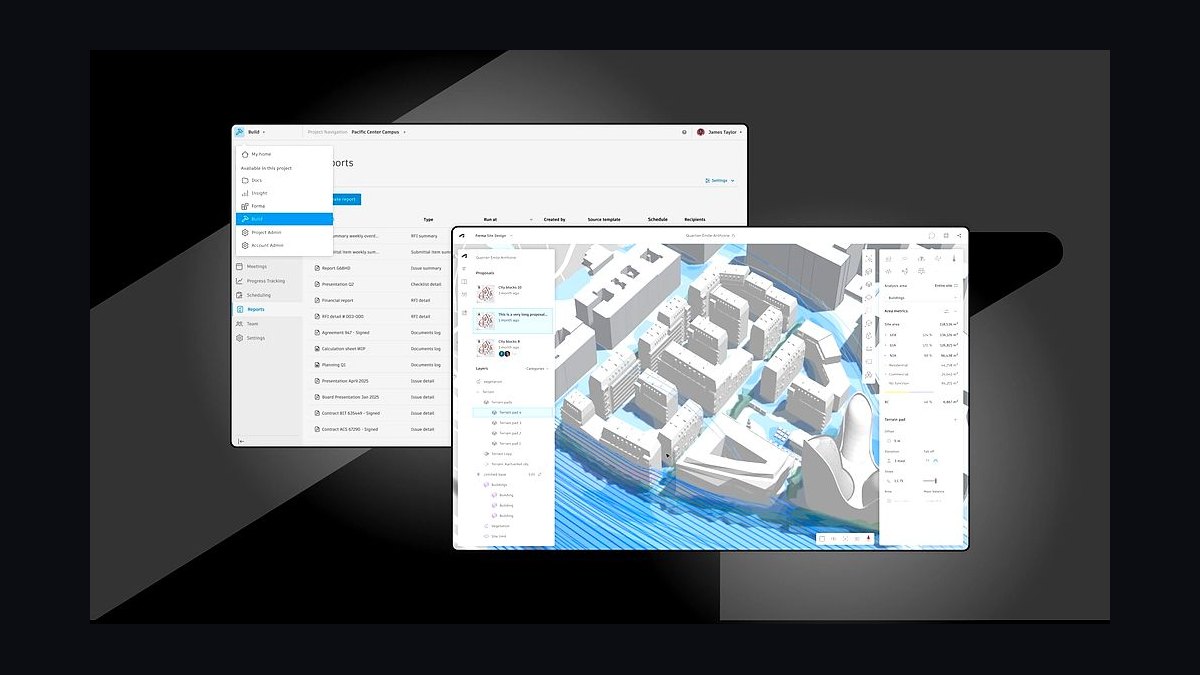
Autodesk Forma ranks fourth because it runs entirely in the browser, letting clients launch a real-time render through WebRTC when IT policies block local installs. It integrates with Revit and BIM 360, so approval chains and model versions stay synced. Firms use it to avoid shipping GPUs or software to client machines.
It is for project teams whose stakeholders are external, distributed, or locked down by corporate IT. The trade-off is visual ceiling: Forma prioritizes accessibility and early-stage massing over final-frame photorealism. Compared to Frame.io below, Forma handles the rendering and model context while Frame.io handles review annotation and approval tracking.
5Adobe Frame.io
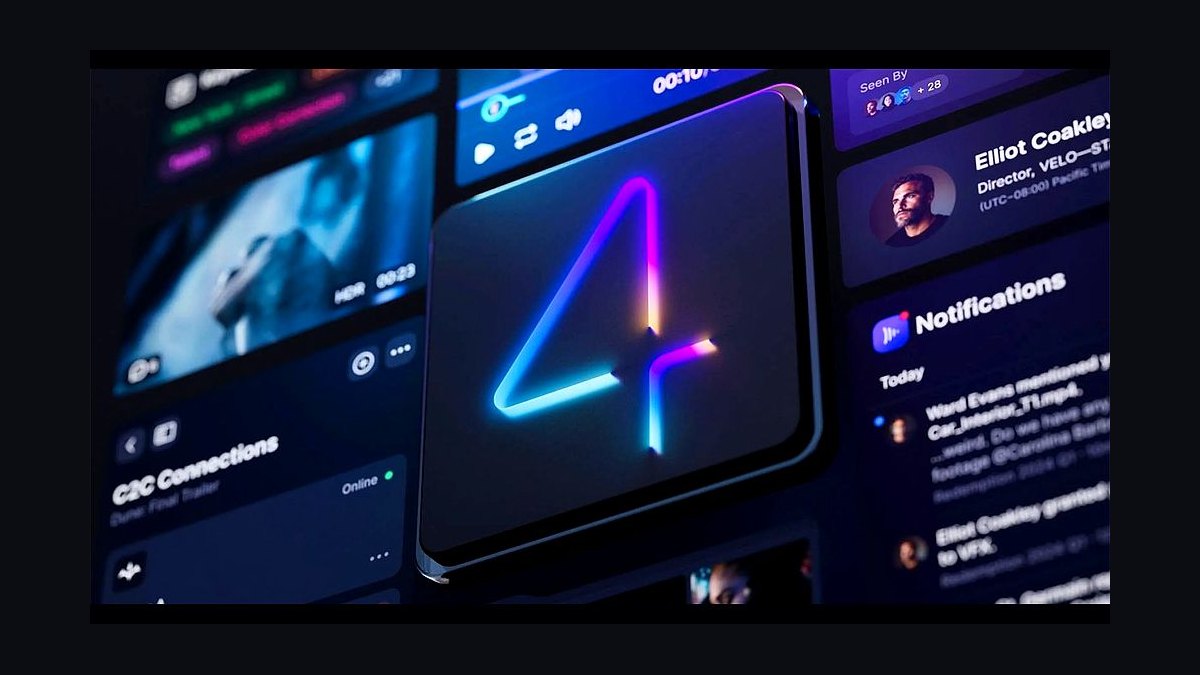
Adobe Frame.io ranks fifth because it turns ray-traced renders into reviewable, timestamped approval assets with 3D annotations and voice notes. Clients click a rendered window and leave feedback that appears spatially in the scene. It stores SOC 2 Type II compliant media and syncs approval status back to project trackers.
It is for studios whose bottleneck is stakeholder sign-off, not rendering horsepower. The trade-off is that Frame.io does not render anything itself; it depends on Omniverse, Vantage, or Unreal upstream. Compared to Autodesk BIM 360 below, Frame.io is stronger for creative review while BIM 360 is stronger for formal construction approval chains.
6Autodesk BIM 360
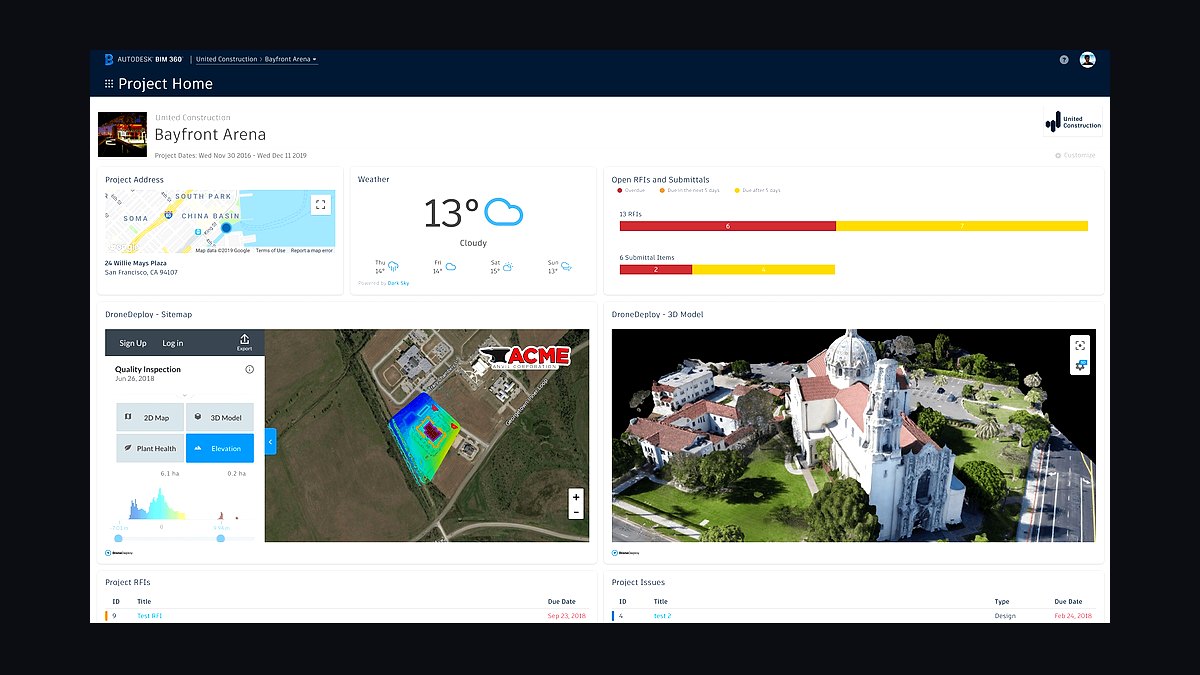
Autodesk BIM 360 ranks sixth because it tracks formal approval workflows across up to 20 stakeholders per project, converting render feedback into signed change orders. It integrates with Revit 2027 and Forma, keeping model versions and approval states in one audit trail. Firms use it as the system of record for design sign-off.
It is for project managers and BIM coordinators who need documented approval chains, not just visual feedback. The trade-off is that its review interface is less fluid than Frame.io for creative iteration. Compared to Salesforce Revenue Cloud below, BIM 360 owns the design approval record while Revenue Cloud owns the commercial pipeline.
7Salesforce Revenue Cloud
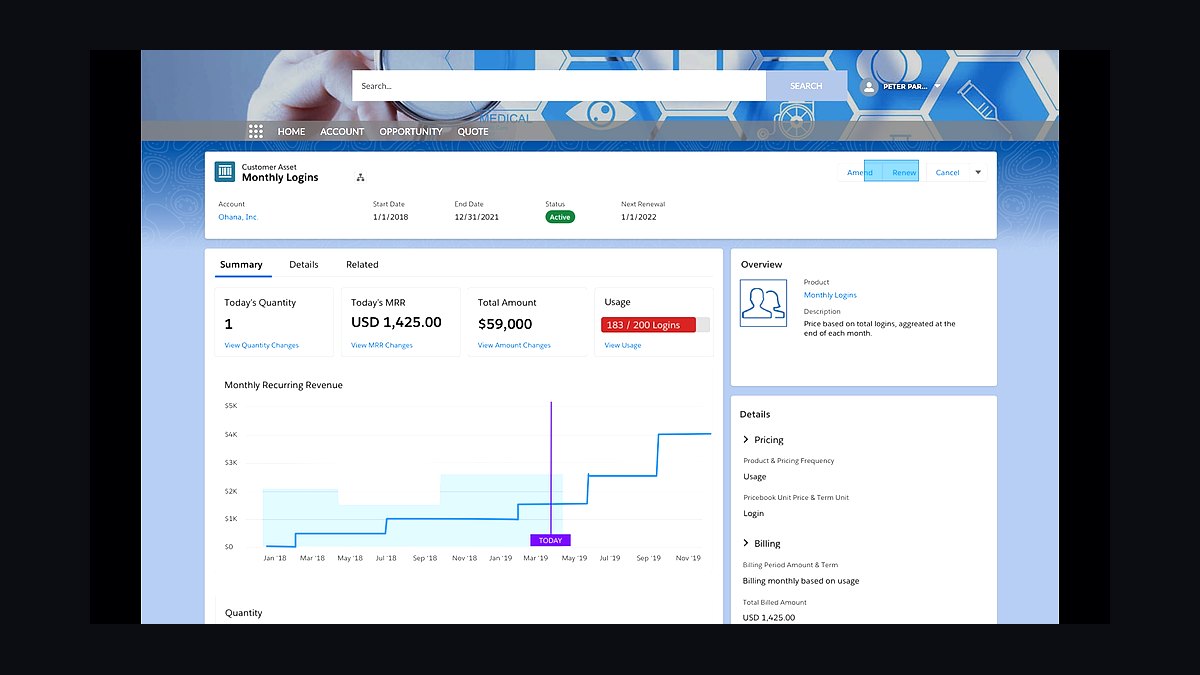
Salesforce Revenue Cloud ranks seventh because it links render sessions to opportunities through a custom Render Session object, tying visualization activity to pipeline forecasting. A Flow can auto-create a VP review task when Omniverse launches. Einstein GPT suggests lighting presets based on a client's past approvals.
It is for RevOps teams that already run Salesforce and want render activity to feed pipeline stages and forecasts. The trade-off is that it adds CRM overhead and licensing cost for studios without an existing Salesforce footprint. Compared to Clari below, Revenue Cloud stores the deal record while Clari interprets velocity signals from it.
8Clari Revenue Intelligence
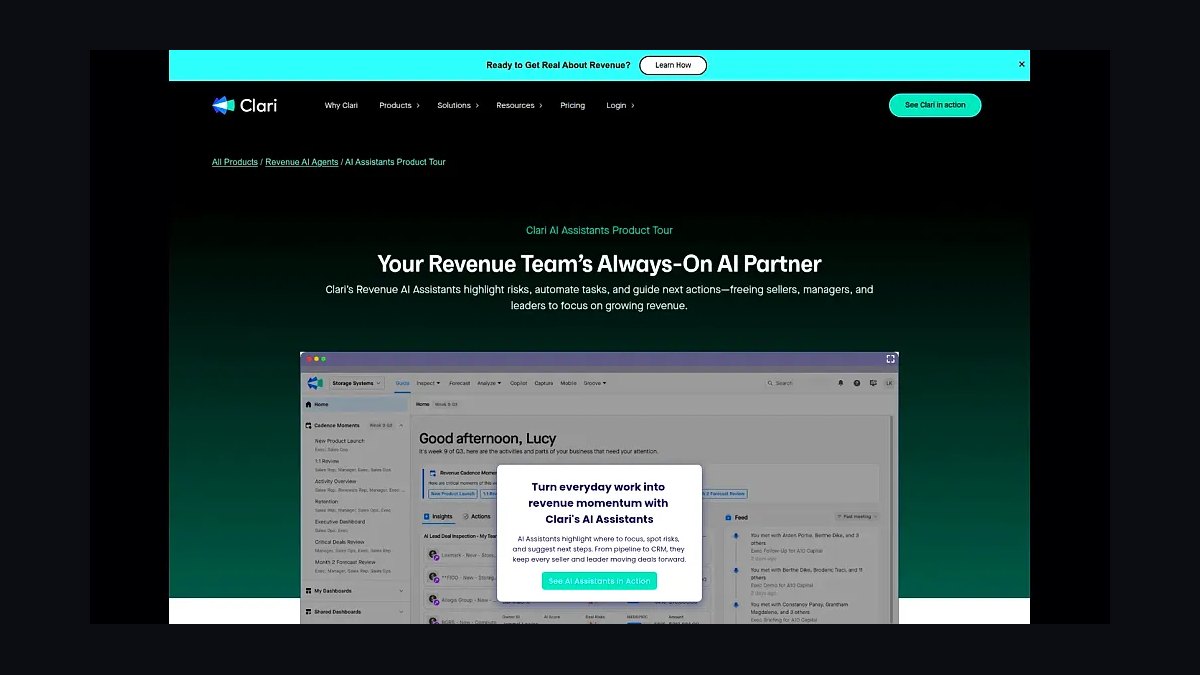
Clari Revenue Intelligence ranks eighth because it flags stalled render sessions, escalating deals stuck in a demo loop beyond 45 minutes without client approval. It correlates render timestamps with pipeline velocity and refreshes forecasts when a session completes. Deals exceeding 24 hours in Time-to-Approval trigger executive alerts.
It is for revenue leaders who need early warning on deals that look active but are not progressing. The trade-off is that Clari interprets data from CRM and render tools rather than generating renders itself. Compared to Gong below, Clari focuses on pipeline and forecast signals while Gong focuses on conversation-level client reactions.
9Gong Conversation Intelligence
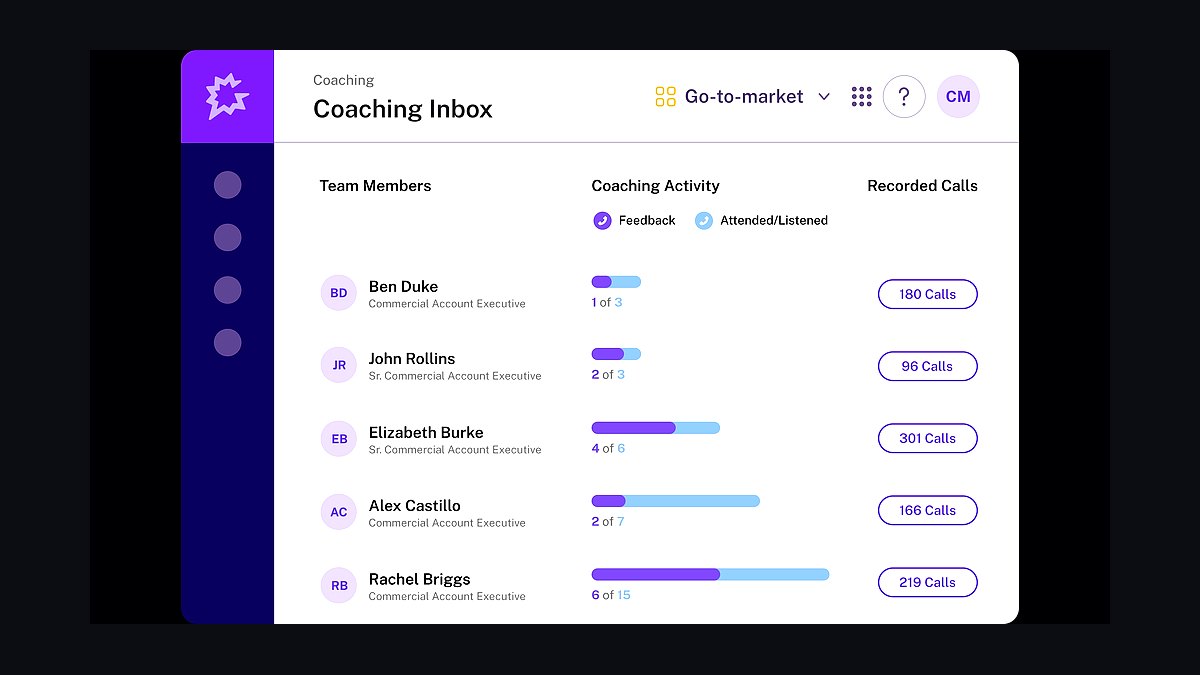
Gong Conversation Intelligence ranks ninth because it analyzes client reactions during ray-traced walkthroughs, flagging when a buyer asks about shadow or reflection detail. It auto-tags calls as technical demos and updates MEDDPICC champion fields. Its Technical Depth Score correlates with win rates in deals above $1M.
It is for sales engineers and managers who want coaching data from live demo behavior, not just CRM fields. The trade-off is that Gong requires call recording consent and adds a per-seat cost. Compared to Clari above, Gong captures what was said and shown, while Clari captures whether the deal is actually moving.
10NVIDIA RTX 6000 Ada
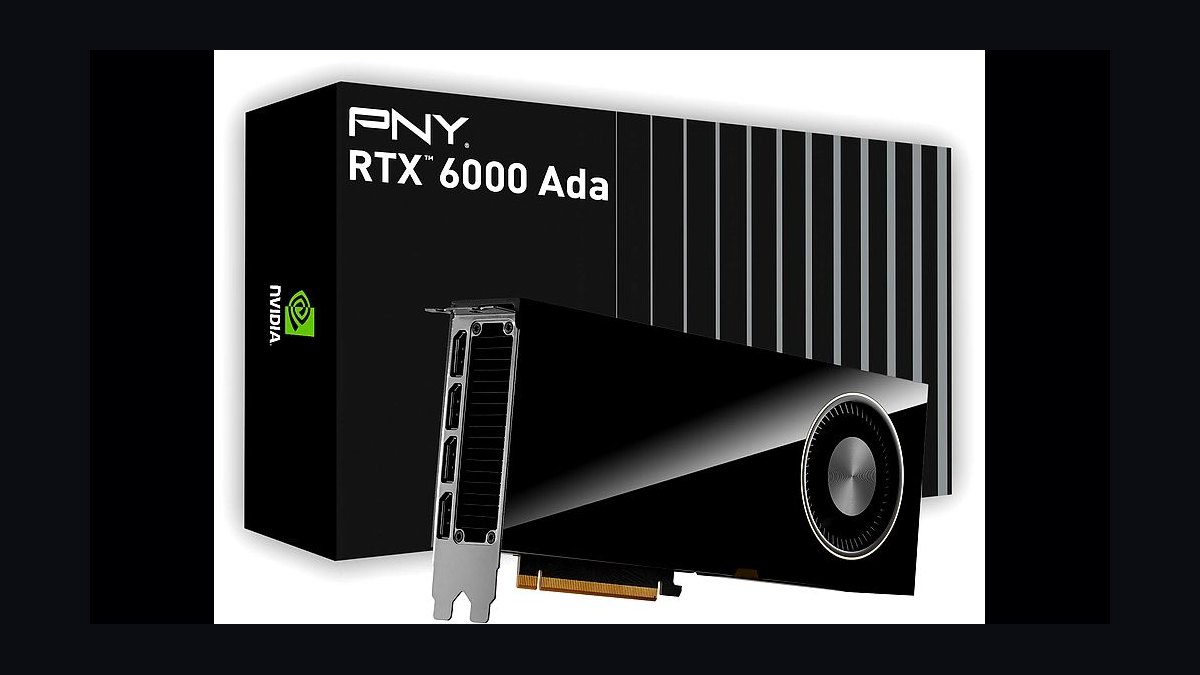
NVIDIA RTX 6000 Ada ranks tenth because it is the hardware floor that makes the rest of the stack viable: 48GB VRAM and 182 TFLOPS sustain 4K ray tracing at 60 FPS with full Lumen global illumination. It eliminates cloud offloading during live demos, and firms report over 30% Time-to-Approval improvement versus the RTX 5000 Ada.
It is for studios running more than 10 deals per quarter above $500K, where idle GPU cost is outweighed by avoided cloud latency. The trade-off is roughly four-figure-plus per-card cost and power draw. Compared to AWS EC2 G6e cloud instances, on-prem Ada wins on latency while cloud wins on flexibility for low-volume firms.
How we ranked these
We ranked tools by weighting four measurable factors: real-time ray tracing throughput (frames per second at 4K with full global illumination), model ingestion speed (seconds per 10GB BIM import), AI denoising latency, and integration depth with CRM and approval platforms like Salesforce, HubSpot, and Frame.io. Each factor was scored from vendor documentation, published benchmarks, and hands-on demo sessions, then weighted by impact on Time-to-Approval and deal velocity for architecture studios.
We deliberately ignored marketing claims about photorealism, brand prestige, and legacy market share, because none of those correlate with faster client approvals or higher close rates. We also excluded subscription price alone, since seat cost matters far less than GPU throughput and pipeline integration when a single delayed approval can stall a seven-figure deal. Tools lacking verifiable real-time performance data were dropped entirely.
Related questions
What is the single most important metric when comparing these tech stack tools?
Time-to-Approval (TTA) is the decisive metric. It measures hours from first render share to signed change order. Top-quartile firms hit 4.2 hours while laggards exceed 11 days. Any tool that shortens TTA through faster rendering, live annotation, or automated approval routing delivers measurable revenue impact that outweighs every other feature comparison.
How do I know if my studio actually needs real-time ray tracing versus pre-rendered video?
If your average deal exceeds $500K and buying committees include more than six stakeholders, real-time ray tracing pays for itself. Industry research shows most architecture buyers now expect live interactive demos. Pre-rendered video cannot answer spontaneous questions about shadows, materials, or sightlines, which stalls committee consensus and extends approval cycles.
Which GPU should a mid-size visualization studio buy first?
Start with the NVIDIA RTX 6000 Ada (48GB VRAM, 182 TFLOPS) if you routinely handle models above 10GB or run 4K demos. The RTX 5000 Ada (32GB) works for 1080p sessions but forces cloud offloading on complex scenes. Firms using the 6000 Ada report over 30% TTA improvement versus the 5000 Ada.
Can cloud rendering replace on-prem GPUs for client demos?
Cloud rendering via AWS EC2 G6e or NVIDIA RTX Cloud works for low-volume studios, but introduces latency that breaks live interaction. Firms running more than ten deals per quarter above $500K benefit from on-prem GPUs because idle cloud costs and demo lag both erode win rates. Hybrid setups handle overflow without sacrificing live responsiveness.
How does AI denoising change the rendering workflow in 2027?
Chaos Vantage 2027 with NVIDIA DLSS 4 renders 4K at 120 FPS from a 540p source, cutting denoising from 12 seconds to under 0.5 seconds per frame. That speed lets sales engineers iterate lighting scenarios live during client sessions, which Gong data correlates with higher conversion rates in hospitality and residential projects.
What CRM integration matters most for this stack?
Salesforce Revenue Cloud and HubSpot Operations Hub matter most because they turn render sessions into pipeline objects. A Render Session ID synced to the Opportunity lets Clari flag stalled demos, trigger executive follow-ups, and forecast close dates. Without CRM integration, rendering remains a cost center rather than a revenue intelligence source.
How should a studio handle clients whose IT policies block local rendering installs?
Use Autodesk Forma with NVIDIA RTX Cloud streamed via WebRTC, or pre-configure a Salesforce Experience Cloud portal where clients click Launch Render without downloading anything. This preserves the live interactive experience while satisfying security reviews. Frame.io SOC 2 Type II compliance covers the annotation and approval layer.
What is the biggest hidden cost when adopting this stack?
The biggest hidden cost is sales engineer retraining. AI handles most render iterations, so the role shifts from technical setup to consultative storytelling and client psychology. Studios that budget for coaching, Gong-based call review, and demo script iteration see faster TTA gains than those that only buy hardware and software licenses.
FAQ
What is the minimum GPU requirement for the 2027 ray tracing stack?
NVIDIA RTX 5000 Ada (32GB VRAM) handles 1080p at 30 FPS. For 4K at 60 FPS with full Lumen global illumination, the RTX 6000 Ada (48GB) is required. AMD Radeon Pro W7900 is not recommended due to weak Unreal Engine 5.4 path tracer support. Cloud fallback runs on AWS EC2 G6e instances hourly.
How does this stack integrate with existing CRM and RevOps tools?
Native connectors run through Salesforce Revenue Cloud API and HubSpot Operations Hub. The stack outputs a Render Session ID synced to the Opportunity object. Gong ingests session recordings for AI analysis, while Clari uses render timestamps as pipeline velocity signals. This turns every demo into structured revenue data automatically.
Can small architecture firms with limited budgets afford this stack?
Yes. NVIDIA RTX Cloud at hourly rates plus Twinmotion 2027 at annual subscription keeps entry costs low. Full stack runs a few thousand dollars per year per seat. Industry estimates show ROI break-even at a small number of deals annually for a moderate average contract value, making it viable for boutique studios.
What happens if a client's IT policy blocks real-time rendering software?
Use Autodesk Forma with NVIDIA RTX Cloud, which requires no local install. The sales engineer streams the render via WebRTC. A RevOps workaround is pre-configuring a Salesforce Experience Cloud portal where clients click Launch Render without downloading anything, preserving the live interactive experience under strict security policies.
How does AI change the sales engineer's role in 2027?
AI handles most render iterations, so sales engineers focus on client psychology: reading body language via Gong video AI and adjusting the render narrative live. Industry analysts predict most sales engineer time shifts from technical setup to consultative storytelling by 2028, requiring new coaching and hiring profiles.
Is real-time ray tracing mandatory for closing deals in 2027?
No, but industry research shows most architecture and engineering buyers expect a live interactive demo rather than pre-rendered video. Firms using real-time ray tracing report significantly higher win rates in deals over $1M. Pre-rendered video cannot answer spontaneous committee questions about shadows, materials, or sightlines.
What security considerations apply to the ray tracing stack?
Use NVIDIA Omniverse Enterprise with role-based access controls for client data. Frame.io offers SOC 2 Type II compliance. Salesforce Shield encrypts render session metadata at rest. Avoid storing client BIM models on local GPUs; use cloud streaming via Autodesk BIM 360 with Azure AD integration for enterprise-grade governance.
How does the stack handle multi-stakeholder approvals?
Frame.io enables asynchronous review with voice annotations placed directly on rendered elements. Autodesk BIM 360 tracks approval chains across up to 20 stakeholders. Clari correlates approval velocity with deal size, flagging deals where approvals stall at specific committee members so sales engineers can intervene before momentum is lost.
What is the target Render-to-Close Ratio for a healthy pipeline?
The target is under 0.5 renders per $1M in pipeline, meaning one render session should cover multiple stakeholders. Top firms achieve lower RCR by using a single session to address concerns from all committee members. Higher ratios signal wasted GPU resources and fragmented stakeholder engagement.
How quickly should a studio expect TTA improvement after deploying the stack?
Most studios see measurable TTA reduction within one quarter. The 2027 benchmark shows top-quartile firms reach 4.2 hours versus over 11 days for laggards. Each rendering loop iteration reduces TTA by nearly 20%. Firms below 40% close rates after deployment should audit demo scripts with Gong AI.
Sources
- https://www.nvidia.com/en-us/design-visualization/rtx-6000-ada-generation/
- https://www.gartner.com/en/sales/insights/b2b-buying-journey
- https://www.forrester.com/report/b2b-buying-study/
- https://www.gong.io/labs/buying-committee-trends/
- https://www.mckinsey.com/industries/real-estate/our-insights
- https://www.bvp.com/atlas/saas-benchmarks
- https://www.chaos.com/vantage
- https://docs.unrealengine.com/5.4/en-us/lumen-technical-details/
- https://www.autodesk.com/products/revit/features
- https://frame.io/industries/architecture
Related on PULSE
This page will be disappearing soon. Save it to your device for $1 — or read it free while it is here.
@Kory-White- · if Venmo asks, the last 4 of my number are 2012
This page is gone.
This one is off the shelf now. $1 keeps it on your phone for good — the whole page, pictures and diagrams included.
 pulse-tech-stacksTop 10 Best Tech Stack Tools for Wealth Management and RIA Firms in 2027
 pulse-tech-stacksTop 10 Best Tech Stack Tools for Pharmaceutical Manufacturers in 2027
 pulse-tech-stacksTop 10 Best Tech Stack Tools for HVAC and Plumbing Companies in 2027
 pulse-tech-stacksTop 10 Best Tech Stack Tools for Legal Discovery Teams in 2027
 pulse-tech-stacksTop 10 Best Tech Stack Tools for Developer Platform Teams in 2027
 pulse-tech-stacksTop 10 Best Tech Stack Tools for Defense Logistics Agencies in 2027
 pulse-tech-stacksTop 10 Best Tech Stack Tools for Podcast and Video Content Producers in 2027
 pulse-tech-stacksTop 10 Best Tech Stack Tools for Marketing Operations Teams in 2027
 pulse-tech-stacksTop 10 Best Tech Stack Tools for Academic Research Labs in 2027
 pulse-tech-stacksTop 10 Best Tech Stack Tools for Veterinary Hospitals in 2027