


In what order should I do things when switching cell phone carriers in 2027?
Quality
Certified

The correct order for switching cell phone carriers in 2027 is: verify your device is unlocked and paid off, confirm the new plan and coverage, then port your number last — only after the new SIM or eSIM is active. Do the things in that sequence and you avoid losing your number, double billing, or a dead line.
The two paths compared: port-first versus activate-first
When you decide to switch cell phone carriers, you face a sequencing choice: move your existing number over to the new carrier, or start fresh with a new number and wind down the old line separately. Each path forces a different order of things, and getting that order wrong can cost you your number, a month of double billing, or a service gap measured in hours.
The port-first path means you initiate the number transfer at the moment you sign up with the new carrier. In the United States, the receiving carrier submits a port request to the Number Portability Administration Center, which routes it to your current carrier for validation. If everything matches — account number, transfer PIN, billing name, billing address — the old carrier releases the number and the new carrier activates it, often within minutes but legally allowed up to one business day for wireless-to-wireless moves. The advantage is a clean cutover with almost no downtime. The risk is that any mismatch in the four data points above causes a rejection, and meanwhile you may have already started paying for the new line.
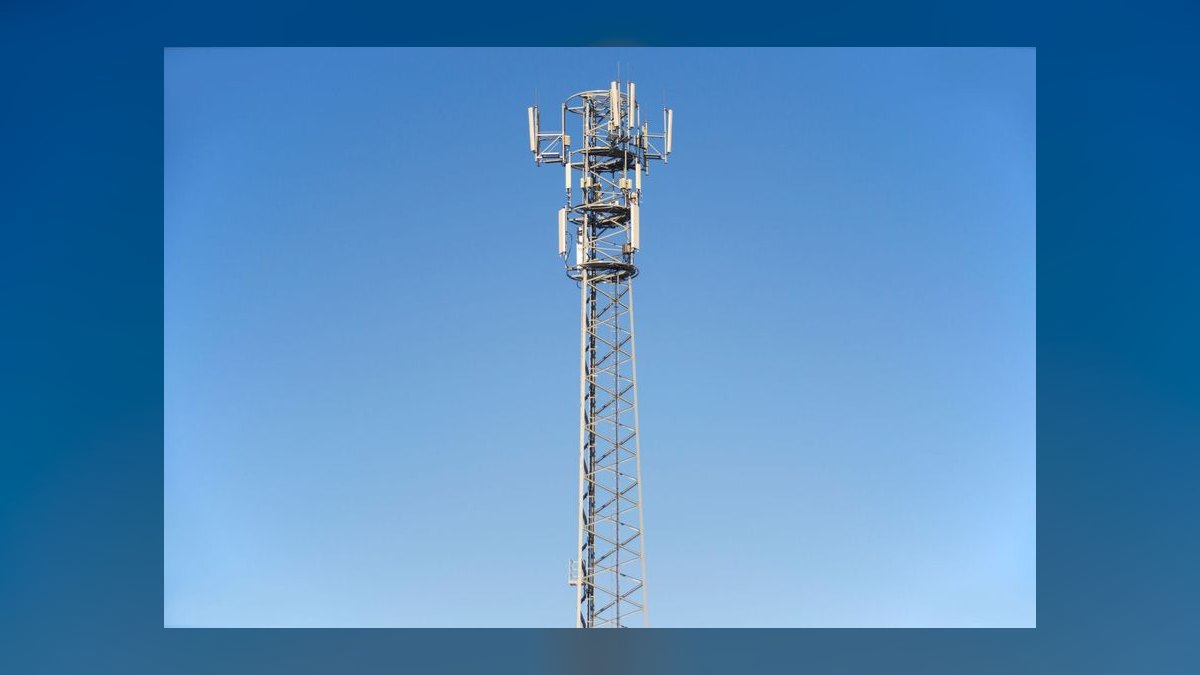
The activate-first path means you get the new line working on a temporary or new number, confirm coverage and data performance in the places you actually use the phone, and only then port your real number over. This is slower and briefly more expensive because you carry two lines. But it de-risks the switch: you find out whether the new carrier's signal reaches your basement, your office parking garage, and your commute route before you commit your primary number to it. It also lets you test whether the new carrier's customer service is reachable when something goes wrong — which is exactly when you need them.
A third, less common path is the dual-SIM approach: keep the old line active on a physical SIM or eSIM while the new line runs alongside it on the same handset. Most phones sold since the late 2010s support either dual physical SIM or one physical plus one eSIM, and many 2027-era flagships support two active eSIMs. This lets you run both carriers simultaneously for a month, compare real-world performance, and then port or cancel in whichever order you prefer. The trade-off is paying two bills during the overlap and managing which line handles data, which handles calls, and which handles your bank's two-factor texts.

The choice between these paths comes down to three variables: how much you value your current number versus a clean start, how confident you are in the new carrier's coverage where you live and work, and how much tolerance you have for a brief period of paying twice. If your number is tied to business contacts, a decade of two-factor authentication, and your identity in general, you almost certainly want to port — and the question becomes when, not whether.
How to decide between them
The decision tree below walks through the order of things you should do, starting from the moment you decide to switch. Work top to bottom; each branch resolves a specific risk before you commit.

The critical insight from this flow is that cancellation is always last. Never cancel your old line before the new one is confirmed working, because a cancelled line cannot be ported — the number returns to the original carrier's pool and may be reassigned. This single rule prevents the most common and most painful switching failure.
If your phone is locked to your current carrier, nothing else can proceed. Carriers in the US must unlock devices that are paid off and meet their unlock policy, typically after 60 days of active service on the line, though policies vary. Request the unlock, confirm it took effect by checking your phone's settings for a carrier-lock status, and only then buy a SIM or eSIM for the new carrier. Buying service for a locked phone is one of the most common ordering mistakes and it wastes both time and money.
Concrete numbers behind each option
Practitioners need real figures to sequence this correctly, so here are the ranges you should expect in 2027.
Porting timelines. Wireless-to-wireless ports in the US are typically completed in 10 minutes to 2 hours when all data matches. The FCC allows up to one business day for wireless-to-wireless and up to several days for landline-to-wireless ports. If your port has not completed within 24 hours, something is wrong — usually a mismatched account number or an unpaid balance.

Transfer PIN validity. Most major US carriers issue a transfer PIN that expires in 7 days, though some are valid for 24 hours or up to 30 days. Generate the PIN the same day you plan to port, not a week in advance, or it may expire mid-transfer.
Device unlock windows. Common unlock policies require 60 days of active service on a paid-off device, though some prepaid carriers require 12 months. Verizon historically auto-unlocked after 60 days; AT&T and T-Mobile unlock on request once the device is paid off and the account is in good standing, typically within 2 business days.
Billing overlap. Expect to pay for two lines for 1 to 30 days depending on your path. Most postpaid carriers bill in full-month cycles with no proration on the final bill in some cases, so cancelling mid-cycle can mean paying for a full month you barely used. If you can time the switch to the end of a billing cycle, you minimize this.
Early termination fees. If you are still under a device financing agreement or a promotional contract, expect an ETF or the remaining device balance. These can range from under $100 to over $800 depending on the device and how far into the term you are. Pay it off before you port, or the port will be blocked.

Number retention window. Once a line is cancelled, the number is typically held by the original carrier for a period before being returned to the pool — often 30 to 60 days, but this is not guaranteed and should never be relied upon. Treat cancellation as permanent.
Trial periods. Some carriers offer network passes or trial eSIMs that let you test coverage for free for 7 to 90 days. These are worth using before committing, because they let you run the "activate first, port later" path at zero cost.
Data migration effort. Moving photos, contacts, and authenticator apps typically takes 30 to 90 minutes. Budget a full evening if you have years of accumulated data, and do it before you cancel the old line so you still have access to any SMS-based verification codes sent to the old number.
Two-factor authentication exposure. If your number is used for 2FA at banks, email, or work systems, every hour between cancelling the old line and activating the new one is an hour you cannot receive codes. This is the strongest argument for porting rather than cancelling-and-replacing.
Implementation details and sequencing

Here is the step-by-step order that works reliably, with the reasoning behind each step.
Step one: audit your current situation. Before anything else, write down your current carrier, account number, billing name and address exactly as they appear on your bill, your transfer PIN, the device's paid-off status, and any active promotions or financing. This audit is the foundation of every subsequent thing you do. Mismatched data is the number one cause of port failures.
Step two: unlock your device. Confirm your phone is carrier-unlocked. If it is not, request the unlock and wait for confirmation. Do not proceed until this is done. On iPhone, check Settings > General > About > Carrier Lock. On Android, check Settings > Network & Internet > SIMs or your carrier's app.
Step three: verify coverage at your real locations. Do not rely on coverage maps alone. Ask neighbors, check crowd-sourced coverage apps, or use a trial eSIM. Coverage maps show outdoor predicted signal, not indoor performance in your specific building.

Step four: choose your plan and confirm the details in writing. Note the monthly price, the data allotment, throttling thresholds, hotspot allowance, international terms, and whether taxes and fees are included. Get the confirmation email before you port.
Step five: initiate the port or activate the new line. If porting, provide the four data points from step one. If activating a new number first, do that and keep the old line alive.
Step six: test everything on the new line. Make a call, send and receive a text, run a speed test, test data in your home and office, and confirm incoming calls reach you. Do this before cancelling anything.
Step seven: cancel the old line. Only after the new line is verified working. Get written confirmation of cancellation and a final bill estimate. Watch for one more bill cycle to catch any lingering charges.
The sequencing logic is simple: every step that is reversible comes before every step that is not. Unlocking is reversible. Testing coverage is reversible. Porting is mostly reversible within a short window. Cancelling is not reversible. So cancellation goes last, always.
Related questions

What is the single most important thing to do first when switching carriers?
Confirm your device is unlocked and paid off. Nothing else can proceed correctly until this is true, because a locked phone cannot use another carrier's SIM or eSIM, and an unpaid device balance will block a port request outright.
Can I keep my number if I cancel my old line first?
No. Once a line is cancelled, the number is released and may be reassigned. You must port the number while the old line is still active. Port first, cancel second — never the reverse.
How long does a carrier switch take from start to finish?
The port itself usually completes in 10 minutes to 2 hours. The full process — unlocking, testing coverage, porting, verifying, and cancelling — realistically takes 1 to 14 days depending on whether you test coverage first.
What happens to my phone financing when I switch?
You must pay off the remaining device balance before the device can be unlocked and the port approved. The balance does not transfer to the new carrier unless you finance a new device through them.
Do I need a new SIM or can I use eSIM?

Most 2027 phones support eSIM, which activates in minutes via a QR code or carrier app. Physical SIMs still work and may be preferable if you want to swap between devices or keep a backup line.
FAQ
What is the correct order of steps when switching cell phone carriers? Audit your account data, unlock your device, verify coverage, choose a plan, port or activate, test the new line thoroughly, then cancel the old line last. Cancellation is always the final step because it is the only irreversible one in the sequence.
Will I lose my number if I do things in the wrong order? You can. If you cancel the old line before porting, the number is released and may be reassigned to someone else. Port the number while the old line is active, confirm it works on the new carrier, and only then cancel.
How do I avoid paying for two carriers at once?

Time your switch to the end of a billing cycle and use a free trial eSIM if the new carrier offers one. If you must overlap, keep the overlap to under a week and cancel in writing the day your port is confirmed.
What information do I need to port my number? Your current carrier's account number, a transfer PIN generated the same day, the billing name exactly as it appears on the bill, and the billing address. Any mismatch in these four items causes a port rejection.
Can I switch carriers if I still owe money on my phone? Not without paying off the balance first. The device must be paid off and unlocked before the new carrier can activate it and before your current carrier will release the number.
What should I test before cancelling my old line? Incoming and outgoing calls, SMS and MMS, data speed at home and work, hotspot functionality, voicemail setup, and any two-factor authentication texts. Confirm all of these work on the new line before you cancel anything.
Sources
- https://www.fcc.gov/consumers/guides/porting-phone-number
- https://www.fcc.gov/consumers/guides/cell-phone-unlocking
- https://www.consumer.ftc.gov/articles/0187-cell-phone-unlocking
- https://www.npac.com/number-portability
- https://www.ctia.org/
- https://www.ftc.gov/business-guidance/resources/mobile-phone-unlocking
- https://www.consumerfinance.gov/
Related on PULSE
- How to compare cell phone plans without getting misled by promotional pricing
- What to check before porting a business number to a new carrier
- How eSIM versus physical SIM changes your switching process
- Managing two-factor authentication when your phone number changes
- When it makes sense to keep two carriers active on one device
- Understanding early termination fees and device financing before you switch
This page will be disappearing soon. Save it to your device for $1 — or read it free while it is here.
@Kory-White- · if Venmo asks, the last 4 of my number are 2012
This page is gone.
This one is off the shelf now. $1 keeps it on your phone for good — the whole page, pictures and diagrams included.
 telcoWhat is Wi-Fi calling and should I turn it on in 2027?
 telcoBest Cellular and Wireless Carrier in Denver in 2027
 telcoBest Cellular and Wireless Carrier in Columbus in 2027
 telcoBest Cellular and Wireless Carrier in Des Moines in 2027
 telcoBest Cellular and Wireless Carrier in South Dakota in 2027
 telcoBest Cellular and Wireless Carrier in Greensboro in 2027
 telcoWhat is the best plan for a frequent international traveler in 2027?
 telcoBest Family Cell Phone Plans in 2027
 telcoIs 5G home internet good enough to replace cable in 2027?
 telcoBest Cellular and Wireless Carrier in Hartford in 2027