


How do I set up a 30-day listening tour for a fractional CRO who is new to my company in 2027?
Quality
Certified

Run the tour as three structured phases inside the first 30 days: week one is pure listening (structured 1:1s with sales, marketing, CS, finance, and the CEO, no changes made), weeks two and three cross-check what you heard against the CRM, pipeline, and comp plan, and week four turns findings into a written 30-60-90 plan the whole leadership team signs off on before any process changes ship.
The job a listening tour is hired to do
A fractional CRO who walks into a new company on day one and starts changing quota structures, tooling, or territory maps is gambling with information they don't have yet. The listening tour exists to close that information gap before it becomes an expensive mistake. Its real job is not "meet everyone" — it is to build a defensible, evidence-based map of where revenue is actually leaking, who owns which piece of the number, and which fixes will be tolerated by the culture versus which will trigger quiet sabotage from a VP who wasn't consulted.
This matters more for a fractional CRO than a full-time hire because the trust clock runs faster. A full-time CRO gets six to twelve months of runway before the board asks hard questions. A fractional CRO, brought in specifically because the company needs revenue clarity now, usually has 30 to 60 days before someone asks "so what have you found." The listening tour is how that short runway gets spent productively instead of defensively. Skipping it and going straight to recommendations is the single most common way a fractional engagement fails in month two: the CRO proposes a fix for a problem that was already tried and failed for reasons nobody wrote down, and credibility never recovers.

The tour also does something political that a pure data audit cannot. Sitting across from a frontline AE, a support rep, and the head of finance and asking genuine open questions signals that the new CRO's diagnosis will be grounded in how the company actually works, not in a generic playbook copied from the last client. That signal is worth almost as much as the findings themselves, because a fractional executive's authority to make changes later depends entirely on people believing the changes are informed rather than imposed. Interviews should be structured but not scripted rigidly — a consistent core set of questions across every conversation ("what's the one thing that would double your output if it disappeared tomorrow," "where do deals actually die," "what have you already tried that didn't work") makes the findings comparable across departments, while leaving room for a conversation to go somewhere unexpected.
Two failure modes bookend this phase. The first is treating the tour as a formality and having conclusions already drafted before the first interview — people can tell, and it poisons every conversation after word gets around. The second is never converging: 30 days of listening that produces no written output, so the company gets a diagnostic-only engagement and nothing changes. The tour has to end in a document, not a vibe.
How the listening tour fits the RevOps stack

RevOps is the discipline of making sure the systems that touch revenue — CRM, marketing automation, billing, forecasting, comp administration — tell one consistent story instead of five conflicting ones. A listening tour is the human-side data-gathering exercise that RevOps depends on, because no CRM report explains why a rep stopped logging activity or why marketing and sales quietly stopped trusting each other's lead-quality numbers. Interviews surface the "why" behind the numbers the systems already show.
The tour should be run in parallel with, not instead of, a technical audit of the RevOps stack. While interviews are happening in week one, someone (the fractional CRO personally, or a RevOps analyst working under them) should be pulling CRM hygiene data: percentage of deals with no activity in 14 days, pipeline stages with no defined exit criteria, forecast accuracy over the last two quarters, and how comp plans map to the behavior leadership actually wants. By week two, the interview findings and the system data get reconciled against each other. When a VP of Sales says "our forecast is basically accurate" and the data shows 40% variance quarter over quarter, that gap is itself a finding — either the VP doesn't see the real numbers, or the forecast process is theater that nobody trusts enough to actually use.
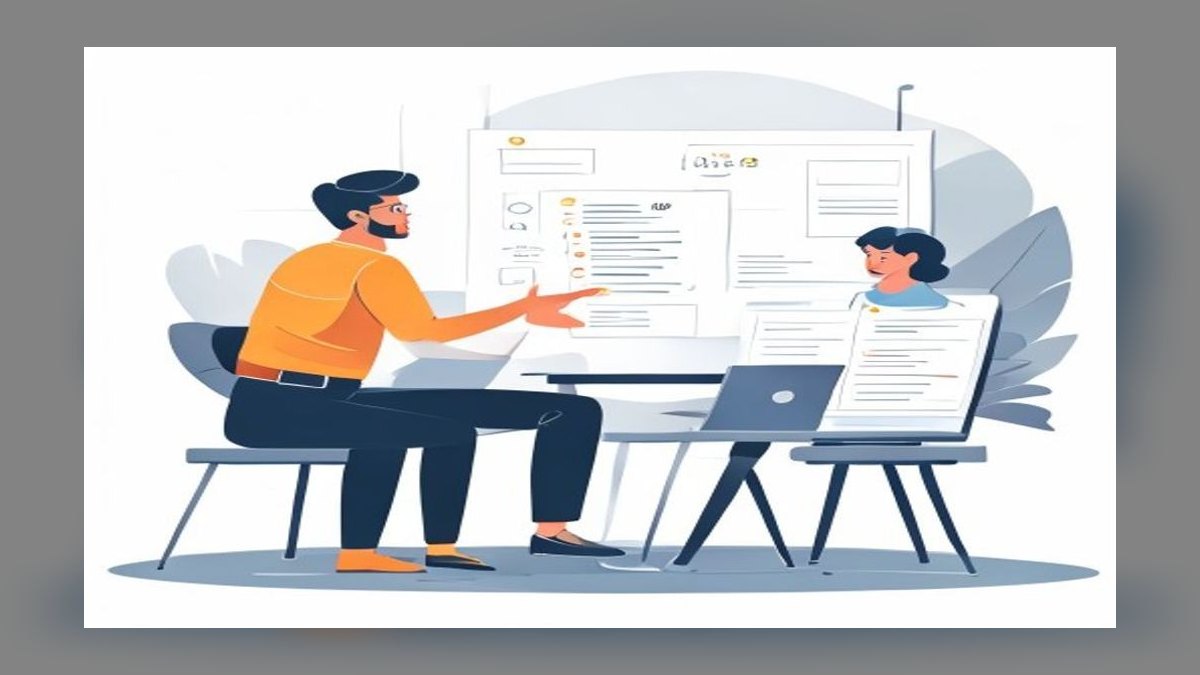
This reconciliation step is where a fractional CRO earns their rate compared to a generalist consultant. Anyone can run interviews; anyone can pull a CRM report. The value is in holding both up side by side and asking what the mismatch reveals about incentives, tooling gaps, or unspoken politics. A common pattern: sales blames marketing for bad leads, marketing blames sales for not following up, and the CRM shows nobody actually defined what "qualified" means in a way both teams agreed to. That's not a tooling problem or a people problem — it's a missing definition, and it surfaces only when the interview narrative gets checked against the data trail.
Downstream, the tour's findings should feed directly into the systems the company already has rather than spawning a parallel set of decks nobody opens again. If HubSpot or Salesforce already houses the pipeline, the 30-60-90 plan should reference actual stage names and actual field names from that instance, not generic RevOps terminology. If the comp plan lives in a spreadsheet nobody has updated since last year, that spreadsheet becomes exhibit A in the pricing-and-incentives section of the plan. The tour is not a stand-alone ritual — it is the input layer for whatever RevOps rebuild follows it.
Pricing, engagement models, and typical fractional CRO ranges
Fractional CRO engagements are usually priced one of three ways, and the listening tour period should be scoped explicitly under whichever model the contract uses, because "just listening" for 30 days feels to some boards like paying full rate for no visible output.
Monthly retainer. This is the most common structure for an ongoing fractional relationship, typically running two to three days a week of the CRO's time. Retainers commonly fall in the range of roughly $8,000 to $25,000 a month depending on company size, deal complexity, and how much of the CRO's time is contracted. A retainer contract should explicitly name the first 30 days as a discovery/listening phase in the statement of work, with a defined deliverable (the written plan) at the end of it — otherwise the client has no way to evaluate whether the first month's invoice bought anything concrete.

Day-rate or hourly. Less common for the ongoing relationship but frequently used for the diagnostic period itself, especially when a company wants to "try before they commit" to a longer retainer. Day rates for an experienced fractional CRO often land between roughly $1,500 and $3,500, with the listening tour billed as a fixed number of days (commonly 8 to 12 days spread across the month, since a CRO is rarely on-site or in interviews every single day).
Project-based diagnostic fee. Some fractional executives price the 30-day listening tour itself as a standalone, fixed-fee engagement — deliverable is the written assessment and 30-60-90 plan, with a separate contract negotiated afterward for implementation. This model is attractive to a board that wants a hard ceiling on discovery spend before committing to a longer relationship, and it forces the CRO to be disciplined about scoping the tour to a fixed number of interviews and a fixed deadline rather than letting it drift.
Whichever model is used, the contract should specify: number of interviews included, whether a written plan is a required deliverable (it should be, non-negotiable), and what happens if the findings suggest the engagement isn't a fit — a short, defined off-ramp protects both sides and is a sign of a mature fractional relationship rather than a red flag. Equity or bonus-on-outcome components sometimes get layered on top of a base retainer for longer engagements, but tying compensation to results before the diagnostic phase is even finished inverts the purpose of the listening tour, which is to establish an honest baseline, not to pre-commit to a number that hasn't been validated yet.
How to evaluate and shortlist a fractional CRO for this work

Not every fractional CRO runs a real listening tour, and not every company knows to ask for one — which means evaluating candidates for this specific engagement requires checking for the discipline explicitly rather than assuming it's standard practice.
Ask for their interview framework, not just their resume. A fractional CRO who has done this before should be able to describe, concretely, how many interviews they typically run in 30 days (a reasonable range is 15 to 30 across sales, marketing, customer success, finance, and sometimes product), what a standard question set looks like, and how they document findings. If the answer is vague — "I just talk to people and get a feel for it" — that's a sign the process isn't repeatable and the output won't be defensible to a board later.
Check how they handle the data cross-check. The best fractional CROs treat interviews and system data as two halves of one exercise, as described above. Ask a candidate directly: "walk me through how you'd reconcile what a VP tells you in an interview against what the CRM actually shows." A strong answer names specific metrics (activity logging rates, forecast variance, stage conversion) and describes a process for surfacing contradictions, not just confirming what leadership already believes.
Require a written deliverable as a contract term, not a courtesy. The 30-60-90 plan should be a named deliverable with a due date, reviewed in a live session with leadership before it's considered final. A fractional CRO who resists putting this in writing, or who wants to keep findings verbal "so nothing feels like an attack," is optimizing for their own comfort over the company's ability to act on the diagnosis.
Reference-check specifically for the first-30-days period. When calling a candidate's past clients, don't just ask "did revenue improve." Ask "what did the first month look like — did they show up with a plan already formed, or did they actually change their approach based on what they heard here?" A CRO who ran the identical playbook at every company, regardless of what interviews turned up, is selling a template, not a diagnosis.
Weigh company-size fit over generic pedigree. A fractional CRO whose background is entirely enterprise SaaS may default to a listening tour structure that assumes a large, siloed org chart with dedicated RevOps headcount. A 40-person company doesn't have five separate functions to interview — the same three or four people wear all the hats, and the tour needs to be scoped down accordingly rather than forced into an enterprise template that produces 25 redundant interviews with the same handful of people.
Buyer decision framework and the 30-60-90 handoff
The core decision a board or founder makes when hiring for this work is not "do we like this person" — it's "will this person's first month produce something we can act on, or something we have to take on faith." Two structural choices drive that outcome more than anything in the candidate's résumé.

The first is whether the tour's scope is written down before day one. A vague mandate ("get to know the team, figure out what's wrong") invites drift — interviews sprawl past 30 days, findings stay verbal, and the engagement quietly becomes an extended interview process rather than a diagnostic. Scoping the tour explicitly — a fixed interview list agreed with the CEO in week zero, a hard deadline for the written plan, a scheduled leadership review meeting already on the calendar before the CRO starts — turns the listening tour from an open-ended vibe check into a project with a deliverable.
The second is how much authority the CRO has to actually interview people freely. If department heads are allowed to sit in on their own team's interviews with the new CRO, or vet the question list first, the tour will produce sanitized answers instead of honest ones. Part of the contracting conversation before day one should establish that the CRO interviews individually and confidentially, and that raw individual comments won't be attributed by name in the final plan — only aggregated themes. Without that guarantee, frontline reps and even VPs will tell the new executive what they think leadership wants to hear, and the entire exercise collapses into a 30-day exercise in confirming existing assumptions.
The 30-60-90 handoff itself deserves its own discipline separate from the listening period. Day 30 delivers the diagnosis: where revenue is leaking, what the interviews and data both confirm, and a prioritized list of fixes ranked by impact and difficulty. Day 60 is typically the first wave of implementation — the two or three highest-leverage, lowest-resistance changes identified in the plan, chosen deliberately to build credibility with quick, visible wins before tackling anything politically harder. Day 90 is the point where the fractional CRO and the company jointly revisit the original findings and adjust: some assumptions from the listening tour will have been wrong, some fixes will have met more resistance than expected, and a rigid adherence to the original 30-day diagnosis past day 90 is itself a red flag that the engagement has stopped listening. The tour was never meant to produce a fixed roadmap — it was meant to produce the best available understanding at one moment in time, which the CRO keeps updating as the company keeps talking.
Related questions

How many interviews should a fractional CRO conduct during a 30-day listening tour?
Most engagements run 15 to 30 structured interviews across sales, marketing, customer success, and finance, scaled to company size. A 40-person company might only need 10 to 12 conversations to cover every functional perspective without redundant coverage of the same few people wearing multiple hats.
Should the fractional CRO interview customers as well as employees?
Yes, where possible — a handful of customer conversations (5 to 8) often reveal gaps between how the company believes it sells and how prospects actually experience the sales process. These should be scheduled toward the end of the internal interview phase so the CRO knows what to probe for.
What if leadership wants changes before the 30 days are up?
Resist making structural changes before the written plan is finished, but flag any urgent, obvious fixes (a broken handoff process, a clearly miscalibrated comp incentive) as interim recommendations rather than full changes, with a note that they'll be revisited in the 30-60-90 plan.
How is a listening tour different for a fractional CRO versus a full-time one?
The compressed timeline is the main difference — a full-time CRO can spend a full quarter observing before committing to conclusions, while a fractional CRO typically has 30 days before the engagement's ROI starts being questioned, so the interview and cross-check process has to be tighter and more structured from day one.
Can the listening tour reveal that the company doesn't actually need a CRO-level fix?
Yes, and a credible fractional CRO should say so if that's what the evidence shows. Sometimes the diagnosis is that the RevOps tooling and process are fine and the real gap is execution discipline or a single underperforming hire — a smaller, cheaper fix than a full revenue-strategy overhaul.
FAQ
What exactly should a 30-day listening tour produce by the end of day 30?
A written 30-60-90 plan: a summary of themes from interviews, the data findings that confirm or contradict those themes, and a prioritized list of recommended changes ranked by expected impact and organizational difficulty. This document should be presented in a live review with leadership, not just emailed and left unread.
Who should be on the interview list for a new fractional CRO's listening tour?
At minimum: the CEO or top sponsor, every sales leader and a sample of individual reps, marketing leadership, customer success or account management leadership, and finance (for comp plan and forecast accuracy context). At smaller companies, product and support leads are often worth including since they touch the customer relationship too.

Should the fractional CRO review the CRM before or after the interviews?
Both, at different points. A light pass before interviews (pipeline volume, stage names, obvious hygiene issues) helps frame smart interview questions. The deeper reconciliation — checking specific interview claims against specific data points — happens in weeks two and three, after the interview themes are established.
How does a listening tour avoid becoming just an extended interview process with no output?
By contracting the deliverable and deadline in writing before day one, and by scheduling the leadership review meeting on the calendar in advance rather than "whenever it's ready." A fixed end date creates the forcing function that keeps 30 days of listening from drifting into 45 or 60.
What's the biggest mistake fractional CROs make during this phase?
Arriving with conclusions already formed from a prior client and using the interviews to confirm them rather than genuinely test them. The second most common mistake is going fully silent for 30 days with no interim communication, which makes an anxious board or founder start second-guessing the engagement before the plan even lands.
Does a listening tour replace the need for a RevOps audit of the CRM and reporting stack?
No — it runs alongside one. Interviews explain the "why" behind numbers; a technical audit of CRM hygiene, pipeline stage definitions, and forecast accuracy supplies the "what." The 30-60-90 plan is strongest when it visibly reconciles both sources rather than relying on interview narrative alone.
Sources
- https://www.forbes.com/sites/forbesbusinesscouncil/ — Forbes Business Council contributor articles on fractional executive engagements and onboarding practices.
- https://hbr.org/topic/subject/onboarding — Harvard Business Review's collection on executive onboarding research and practice.
- https://www.sba.gov/business-guide/manage-your-business/hire-manage-employees — U.S. Small Business Administration guidance on management structure and hiring for small businesses.
- https://www.gartner.com/en/sales — Gartner's sales research hub, covering revenue operations and sales leadership benchmarks.
- https://www.forrester.com/blogs/category/b2b-marketing/ — Forrester B2B research on go-to-market alignment between sales and marketing.
- https://www.score.org/resource/business-planning-financial-statements-template-gallery — SCORE's planning templates, useful for structuring a 30-60-90 executive plan.
- https://www.shrm.org/topics-tools/topics/onboarding — SHRM's onboarding resource hub, relevant to structuring a new executive's first 30-90 days.
Related on PULSE
- How do I structure a 90-day plan for a new VP of Sales?
- What questions should a new RevOps leader ask in their first month?
- How do I audit CRM hygiene before a leadership transition?
- What's the difference between a fractional CRO and a sales consultant?
- How do I fix sales and marketing misalignment on lead quality?
This page will be disappearing soon. Save it to your device for $1 — or read it free while it is here.
@Kory-White- · if Venmo asks, the last 4 of my number are 2012
This page is gone.
This one is off the shelf now. $1 keeps it on your phone for good — the whole page, pictures and diagrams included.
 pulse-toolsHow do I set up a handoff process when a fractional CRO's engagement ends and my full-time sales leader takes over in 2027?
 pulse-toolsHow Many Technicians Should I Schedule Each Day at My Nail Salon in 2027?
 pulse-toolsHow do I structure a fractional CRO contract to include performance-based compensation in 2027?
 pulse-toolsHow do I evaluate a fractional CRO's cultural fit with my leadership team in 2027?
 pulse-toolsHow do I find a fractional CRO who can also cover interim VP of Sales duties in 2027?
 pulse-toolsHow do I onboard a fractional CRO without disrupting my existing sales team's morale in 2027?
 pulse-toolsHow Many Baristas Should I Schedule Each Shift at My Coffee Drive-Thru in 2027?
 pulse-toolsWhere do I find a fractional CRO who's open to equity-based compensation in 2027?
 pulse-toolsHow do I find a fractional CRO with experience in international market expansion in 2027?
 pulse-toolsHow do I calculate the total cost of a fractional CRO engagement over 12 months in 2027?