
How Many Sales Reps Do I Need to Hire for My Cold Storage Warehouse?
 Curated byKory White · Fractional CRO · Maryland
 PULSEKNOWLEDGE LIBRARY
Quality
Certified

Back into headcount from the revenue gap, not a gut feel: reps to hire equals net-new revenue needed divided by productive capacity per ramped rep, plus attrition backfills, adjusted for ramp. A $9M cold storage warehouse targeting $13M at 90% renewal needs about $4.9M net-new — roughly eight to ten hires.
Working the capacity math end to end
The number of sales reps a cold storage warehouse needs is not a staffing question, it is an arithmetic question with five inputs. Every operator already knows all five; they just rarely write them down in the same place. Current booked revenue. Target revenue. Contract renewal rate on the anchor accounts. Productive capacity per fully ramped rep. Attrition on the existing team. Ramp time is the sixth input and the one that turns a clean number into a calendar.
Start with the base. Say the warehouse does $9M a year in combined storage and handling revenue across food, beverage, and a small pharma book. The owner wants $13M. That looks like a $4M gap, and the naive move is to divide $4M by a quota and hire. It is wrong in both directions, because it ignores what renews on its own and what walks out the door.
Apply the renewal rate first. At 90% contract renewal, that $9M base carries itself to roughly $8.1M without a single new account signed. The remaining gap is $13M minus $8.1M, or about $4.9M — bigger than the headline $4M, because renewal churn quietly ate $900K before anyone sold anything. This is the single most common error in warehouse headcount planning: sizing to the growth gap instead of the net-new gap. Every point of renewal rate you lose adds real net-new revenue your reps must carry, which is why keeping a grocery distributor from leaving is worth as much as landing a new one and costs a fraction as much.
Now divide by real productive capacity. A fully ramped rep selling committed refrigerated and frozen space plus value-added handling — blast freezing, case picking, repack, labeling, cross-dock — books something in the range of $600K to $800K a year of new committed revenue in a regional market. Use $700K as the working figure. That $4.9M net-new divided by $700K is seven rep-years of selling capacity.

Seven rep-years is not seven hires. A rep hired in March is not producing at $700K annualized in March; they are producing close to zero for the first quarter and maybe half rate through months four through nine. If a new hire delivers roughly 40% of a ramped rep's first-year output, seven rep-years of capacity from brand-new hires requires far more than seven bodies — or it requires hiring earlier, or it requires a mix of experienced hires who ramp faster.
Then add attrition. A ten-rep team at 20% annual turnover loses two reps a year. Those two hires are standing still, not growing. They come out of the hiring budget and the recruiter's pipeline exactly like growth hires do, but they contribute zero to closing the $4.9M.
Net it out and the honest answer for this warehouse is roughly eight to ten reps, started early enough that the ramp curve crosses into productivity before peak harvest inbound in the fall and holiday volume in Q4. Start them in January and February and they are useful by September. Start them in August and you have paid nine months of salary to watch your busiest season go by uncovered.

One thing separates this model from the same math in a trucking brokerage or a software company: the ceiling is physical. A SaaS company can sell infinite seats. A cold storage warehouse cannot sell a pallet position that does not exist. Before you approve the hire number, check it against the open positions and the throughput the docks can handle. If the building is at 92% occupancy in a market with no expansion planned, the right hire number is small and the right project is a second facility or a rate increase, not a bigger sales team.
Where the plan creates and leaks revenue
The capacity model creates revenue in three places and leaks it in about five. Knowing which is which is what separates an operator who hires confidently from one who hires reactively after a bad quarter.
It creates revenue by making renewal rate a lever, not a footnote. Once you see that a 90% renewal rate on a $9M base costs you $900K of net-new every year, the account management conversation changes. Moving renewal from 90% to 94% recovers $360K of selling capacity — half a rep — without adding a salary, a car allowance, or a commission plan. In most cold storage operations that improvement comes from unglamorous work: quarterly business reviews with the top ten accounts, temperature-excursion reporting the customer's quality team actually wants, and a rate-increase conversation that happens in October rather than as a surprise on the renewal date. RevOps teams call this net revenue retention, and in warehousing it is the cheapest growth available.
It creates revenue by exposing capacity mix. Storage revenue is recurring and predictable. Handling and value-added services are variable and higher margin per labor hour. A rep who books $700K of pure storage fills the building and stalls; a rep who books $500K of storage plus $200K of blast freezing, repack, and case-pick work fills the building and the labor plan. When you write productive capacity into the model, split it: storage revenue per rep and services revenue per rep. Two reps hitting the same total number can have wildly different effects on EBITDA.

It creates revenue by forcing start dates onto a calendar. The output of the model is not a number, it is a schedule. Hiring is a lagging function — thirty to sixty days to source and interview a logistics sales rep, two weeks of notice, then six to nine months of ramp. Back-date from when you need production and the requisitions open far earlier than instinct suggests.
Now the leaks.
Leak one: paper quota instead of real attainment. If the comp plan says $1M and the team median is $640K, using $1M in the model under-hires you by roughly a third. Pull actual booked new revenue per rep for the last two full years, take the median of ramped reps only, and use that. Excluding the first-year reps matters; including them drags the figure down and over-hires you instead.
Leak two: counting renewals as new business. In warehousing the line blurs. An existing grocery account that expands from 400 to 900 pallet positions is expansion revenue, not net-new logo revenue, and it usually closes with a fraction of the effort. If your reps are credited with expansion at the same rate as new logos, your capacity input is inflated and your hire number is too low. Track them as separate lines.
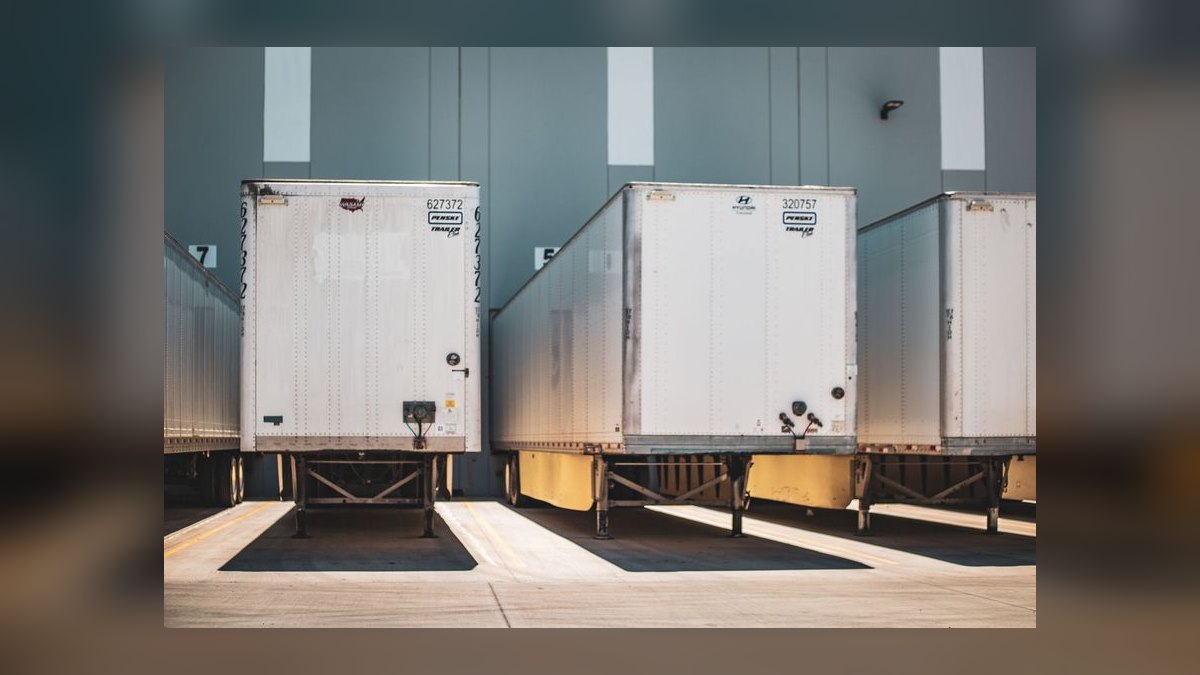
Leak three: ignoring seasonality in the ramp. Cold storage inbound is seasonal — harvest, holiday, and in many markets a spring produce push. A rep who ramps into a slow month has fewer live deals to learn on and ramps slower. Cluster start dates so new reps hit their first live season at month four or five, not month one.
Leak four: selling space you cannot deliver. This one is unique to the physical business. A sales team that overshoots occupancy creates a service failure, and a service failure in a temperature-controlled environment is not a late delivery, it is spoiled product and a claim. Cap the hire number against sellable positions and reserve headroom — most operators keep 5% to 8% of positions open for surge and rotation.
Leak five: no backfill plan. Attrition is not a surprise; 20% is roughly the logistics sales norm and cold storage tracks close to it. Operators who treat every departure as an emergency pay a recruiter premium and a ninety-day vacancy on top of the ramp. Build the two backfills into the annual plan and keep a warm bench.
Concrete numbers, ranges, and benchmarks
Numbers make this real. Every figure below is a working range you should replace with your own actuals as soon as you have two clean years of data — but they are defensible starting points when you do not.

Productive capacity per ramped rep: $600K to $800K. For a regional cold storage operator selling committed space plus handling, $700K is a workable midpoint. Multi-site operators selling national accounts run higher, often $1M to $1.5M, because a single national food manufacturer can commit thousands of positions across several buildings in one contract. Single-building operators in a thin market run lower, sometimes $400K to $500K, because the addressable buyer list is short.
Ramp to full productivity: six to nine months. Longer than general freight sales. A cold storage rep has to learn temperature zones and what each product class actually requires, FSMA and food-safety obligations that shape what you can and cannot store together, blast-freeze throughput economics — how many pallets per cycle, at what energy cost, at what turn time — and the local buyer map of food processors, distributors, importers, and in some markets pharma and clinical logistics. Hiring from a competitor compresses ramp to three or four months. Hiring a strong general logistics seller and training them takes the full nine.
Attrition: about 20% annually. Ten reps means two backfills a year. Fifteen reps means three. This is the input operators forget most often, and forgetting it is always a one-way error: you under-hire.

First-year contribution from a new hire: roughly 35% to 50% of a ramped rep. If a ramped rep books $700K, budget $250K to $350K from a first-year hire depending on start date and prior experience. This is why "gap divided by quota" always under-hires.
Cost per hire, fully loaded: base plus commission plus benefits plus recruiting fee plus a car or travel allowance. For a mid-market logistics seller this commonly runs well into six figures in year one against maybe $300K of production — meaning a new rep is often roughly breakeven to modestly positive in year one and profitable in year two. Budget accordingly and do not judge the hire on twelve-month numbers.
Working the example fully: $9M base, 90% renewal, $13M target, $700K capacity, 20% attrition, ten current reps.
- Carried base: $8.1M
- Net-new required: $4.9M
- Rep-years needed: 7.0
- Attrition backfills: 2
- New hires at ~45% first-year contribution: to deliver 7.0 rep-years of production from mostly new bodies you need substantially more than seven — which is why the practical answer lands at eight to ten hires with staged start dates, plus the assumption that your existing ramped team carries part of the net-new too.

That last clause matters. If the existing ten reps are already producing $700K each and that production is already inside the $9M base, they carry their own renewals but not much incremental. If they have room to grow — underloaded territories, a new service line, a second building coming online — then some of the $4.9M comes from them and the hire number drops toward five or six. Model both scenarios and pick your assumption deliberately.
Adjacent comparison: the same math runs in dry warehousing and 3PL, in equipment rental, in commercial HVAC service contracts, and in any business selling recurring committed capacity. What changes is the capacity constant and the ramp. Dry 3PL ramps faster because the compliance surface is thinner. Pharma-grade cold chain ramps slower because validation and qualification requirements add months to both the rep's learning curve and the sales cycle itself. Adjust the ramp input; the structure holds.
Pitfalls that wreck the hire plan
Hiring all at once. Six reps starting the same Monday means one manager onboarding six people simultaneously, six ramp curves competing for the same ride-alongs, and one shared pool of accounts to prospect. Stagger in waves of two or three, six to eight weeks apart. Ramp quality improves and cash burn smooths out.
Hiring against a building that is already full. Run the occupancy check before the requisition. If sellable positions are under roughly 10% of total and there is no expansion or churn coming, more reps produce more signed contracts you cannot honor. The correct move is a rate action on the lowest-margin accounts, freeing positions, then hiring into the space you created.

Confusing activity capacity with revenue capacity. A rep can only run so many meetings and site tours a week. In cold storage the site tour is the close — buyers want to walk the freezer, see the dock seals, and check the temperature logs. Tours consume half a day. If your capacity figure implies a rep needs forty new logos a year, check whether forty tours plus the prospecting to fill them fits in a calendar. Usually the deal-size assumption is wrong, not the effort assumption.
Not defining what a rep owns. New-logo hunting, expansion inside existing accounts, and renewal defense are three different jobs. Many warehouses hire "sales reps" and hand them all three, then wonder why net-new stalls — because renewal defense is urgent and prospecting is not. If net-new is the goal, separate the roles or ring-fence the time. A dedicated account manager holding renewals at 94% may be a better hire than the eighth seller.
Skipping the sales-operations layer. Eight new reps with no CRM hygiene, no defined stages, and no shared proposal template will produce eight versions of the truth and a forecast nobody trusts. Whatever your headcount plan, budget for the RevOps work that makes it measurable: stage definitions, a capacity dashboard, and a clean split between new, expansion, and renewal revenue. Without it you cannot compute next year's inputs, and the whole model degrades into guessing again.
Treating the number as annual and static. Re-run the model quarterly. Renewal rate moves. A big account leaves and the net-new gap jumps by $600K overnight. An expansion lands and it shrinks. The plan should be a living model, not a January spreadsheet nobody opens in June.
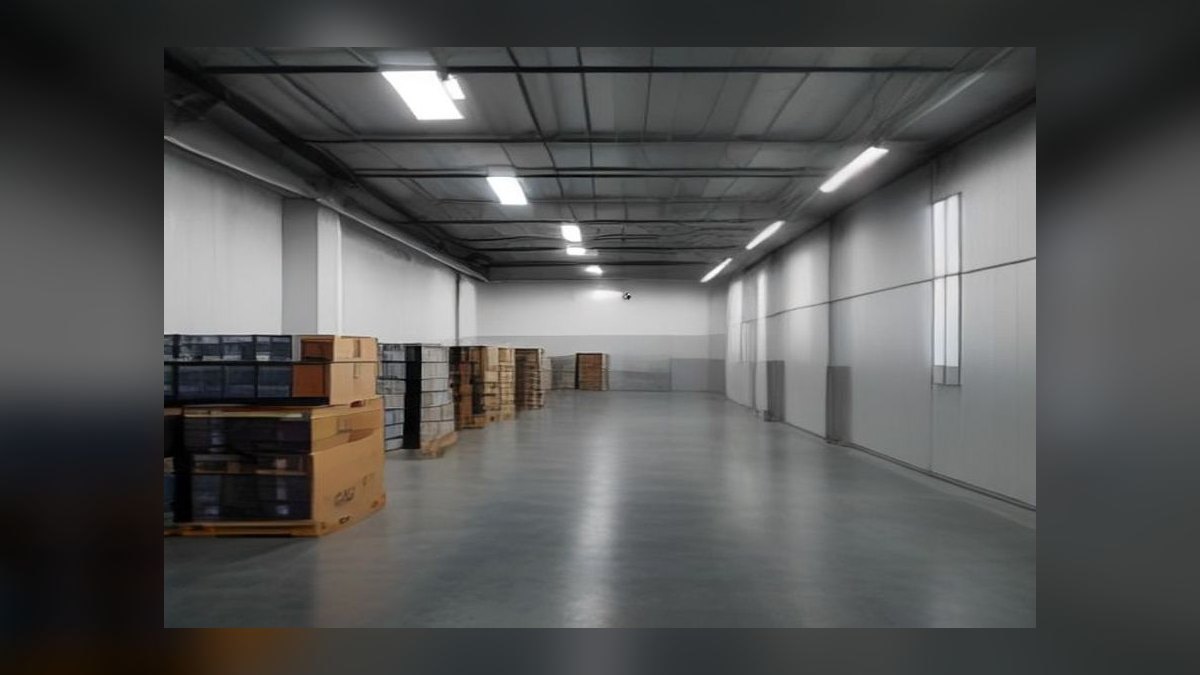
Under-investing in ramp. Six to nine months of ramp is not a passive waiting period. It is a structured program: shadowing tours, learning the WMS well enough to quote handling accurately, sitting in on rate builds so they understand margin, and a defined list of target accounts rather than "go find some." Operators who formalize ramp routinely pull three months out of the curve, which is worth more than an extra hire.
Choosing the approach and validating the number
There is no single right tool for this, only the right level of rigor for your size. A single-building operator with ten reps needs a defensible model and quarterly discipline. A multi-site cold chain network running dozens of sellers across regions needs a living planning system connected to actuals.
At the light end, a purpose-built recruiting or capacity calculator takes the six inputs and returns a hire count with start dates in minutes — the fastest way to get a defensible number in front of a lender or a board. A well-built spreadsheet does the same thing free and fully transparent; every assumption is visible and editable, at the cost of your time to build it and the risk of a broken formula nobody catches.

At the middle, your CRM supplies the actuals the model depends on. Whether you run Salesforce, HubSpot, or something lighter, the value is the same: real booked new revenue per rep, real renewal rate, real cycle length. Commission and attainment tools grounded in what reps actually earned keep the productive-capacity input honest instead of aspirational. Spreadsheet-native FP&A tools sit between a calculator and a platform and suit finance-led operators who want rigor without abandoning Excel.
At the heavy end, enterprise planning platforms model ramp curves, territory carrying capacity, and attrition continuously across many sites. Overkill for one building, standard once you run a national network.
The input nobody in software thinks about is the WMS. Your warehouse management system holds occupancy, throughput, and revenue per pallet position — the operational truth that tells you whether the hire number is even physically legal. Pair the capacity model with real utilization data and the plan stops being a sales fantasy.
Whatever you use, validate the output three ways before you sign requisitions. First, sanity-check it against the building: does the hire number imply more committed space than you have positions for? Second, check it against the calendar: can your recruiter realistically source that many qualified logistics sellers in the window, and will they ramp before peak? Third, check it against cash: eight fully loaded hires is a real annual expense against year-one production that may only be breakeven. If any of the three fails, the answer is fewer hires with better ramp support, not the same number rushed.
Related questions
Should I hire experienced cold storage reps or train general logistics sellers?
Experienced cold storage reps ramp in three to four months but are scarce and expensive. Strong general logistics sellers take the full six to nine months and need a structured program covering temperature zones, food-safety obligations, and the local buyer map. Most teams blend both.
What if my warehouse is already near full occupancy?
Then hiring is the wrong lever. Run a rate action on your lowest-margin accounts to free positions, or plan expansion. Adding sellers to a full building produces contracts you cannot honor, and a service failure in temperature-controlled storage means damaged product and claims.
How does this differ from a dry warehouse or general 3PL?
The structure is identical; the constants change. Dry 3PL ramps faster because the compliance surface is thinner and capacity per rep often runs higher. Cold storage adds temperature compliance, blast-freeze economics, and longer sales cycles driven by site tours and qualification.
Should renewals and new business be the same role?
Usually not, past about eight reps. Renewal defense is urgent and prospecting is not, so blended reps drift toward defense and net-new stalls. A dedicated account manager holding renewal at 94% can be worth more than an additional hunter.
How often should I re-run the headcount model?
Quarterly. Renewal rate, occupancy, and per-rep attainment all move. One large account leaving can add hundreds of thousands to the net-new gap overnight, which changes the hire count and the start dates you need.
FAQ
How long does it take a new cold storage sales rep to become fully productive?
Six to nine months is the realistic range, longer than general logistics. The rep has to learn temperature compliance and food-safety obligations, understand blast-freezing throughput and its cost economics, and build relationships in the local food, beverage, and pharma buyer market. Hiring directly from a competitor compresses this to roughly three to four months; training a strong general logistics seller takes the full nine.
What is a realistic attrition rate for a cold storage sales team?
Around 20% annually is a reasonable planning assumption, consistent with logistics sales broadly. On a ten-rep team that means budgeting two backfills every year just to hold headcount flat. Those backfills are not growth hires and should never be counted against the net-new revenue target.
How do I know whether my revenue gap justifies hiring at all?
Apply your renewal rate to your current base first, then subtract that carried revenue from your target. If the remaining net-new number is larger than what your existing ramped team can realistically book with headroom left in their territories, hiring is justified. If it is not, the answer is better coverage of existing accounts or a rate action.
What happens if I hire too many reps too quickly?
Three things go wrong at once: onboarding quality collapses because one manager is ramping too many people, cash burn spikes against production that will not arrive for months, and if the building fills you start signing space you cannot deliver. Stagger hires in waves of two or three, six to eight weeks apart.
Can one rep sell both storage and value-added handling?
Yes, and they should. Most cold storage sales are a bundled solution — committed positions plus blast freezing, repack, case picking, and labeling. The per-rep capacity figure should include both, so do not double-count separate reps for storage and services. Do track the split, since services carry different margin and different labor implications.
Does this model work for a multi-site cold chain network?
Yes, with one change: run it per facility, then roll it up. Occupancy, local buyer density, and renewal rate differ building to building, and a network-level average will hide a facility that is full and one that is half empty. National-account sellers who sell across facilities get modeled separately at a higher capacity figure.
Sources
- U.S. Food and Drug Administration — Food Safety Modernization Act (FSMA): https://www.fda.gov/food/guidance-regulation-food-and-dietary-supplements/food-safety-modernization-act-fsma
- FDA — Sanitary Transportation of Human and Animal Food rule: https://www.fda.gov/food/food-safety-modernization-act-fsma/fsma-final-rule-sanitary-transportation-human-and-animal-food
- U.S. Bureau of Labor Statistics — Job Openings and Labor Turnover Survey (JOLTS): https://www.bls.gov/jlt/
- U.S. Bureau of Labor Statistics — Occupational Outlook Handbook, Sales Representatives, Wholesale and Manufacturing: https://www.bls.gov/ooh/sales/wholesale-and-manufacturing-sales-representatives.htm
- Global Cold Chain Alliance: https://www.gcca.org/
- U.S. Department of Agriculture — Refrigerated warehouse capacity data: https://www.nass.usda.gov/
- U.S. Department of Energy — Energy efficiency in refrigerated warehouses: https://www.energy.gov/eere/iedo/industrial-efficiency-decarbonization-office
- Harvard Business Review — sales force and go-to-market research: https://hbr.org/topic/subject/sales-and-marketing
- U.S. Small Business Administration — hiring and staffing guidance: https://www.sba.gov/business-guide/manage-your-business/hire-manage-employees
Related on PULSE
- [How Many Sales Reps Do I Need to Hire for My Logistics Company?](/knowledge/tl0058)
- [How Many Salespeople Do I Need to Hire for My Car Dealership?](/knowledge/tl0052)
- [How Many Producers Do I Need to Hire for My Insurance Agency to Grow My Book?](/knowledge/tl0015)
- [How Many Attendants Should I Schedule Each Day at My Car Wash?](/knowledge/tl0067)
- [How Do I Figure Out How Many People to Schedule Each Day and at What Times for My Single Store?](/knowledge/tl0002)
This page will be disappearing soon. Save it to your device for $1 — or read it free while it is here.
@Kory-White- · if Venmo asks, the last 4 of my number are 2012
 pulse-toolsHow do I calculate the ROI of hiring a fractional CRO versus building an in-house sales team in 2027?
 pulse-toolsHow do I calculate the ROI of hiring a fractional CRO versus keeping an in-house VP of Sales in 2027?
 pulse-toolsWhere do I find a fractional CRO with experience in hostile board takeovers in 2027?
 pulse-toolsHow do I estimate the total cost of hiring a fractional CRO once onboarding and tooling are included in 2027?
 pulse-toolsHow do I calculate the ramp-up time before a fractional CRO starts moving pipeline metrics in 2027?
 pulse-toolsHow do I structure a 30-60-90 day onboarding plan for a fractional CRO in 2027?
 pulse-toolsWhere do I find a fractional CRO who has worked with a founder-led sales team before in 2027?
 pulse-toolsHow Many Employees Should I Schedule Each Shift at My Ghost Kitchen?
 pulse-toolsHow do I calculate the ROI of hiring a fractional CRO versus building an in-house sales leadership team in 2027?
 pulse-toolsWhere do I find a fractional CRO who can operate remotely across multiple time zones in 2027?