

Is there a fractional CRO available near me in Salt Lake City in 2027?
 Curated byKory White · Fractional CRO · Maryland
Quality
Certified

Yes, fractional CROs are available in Salt Lake City in 2027, though the local supply is thin. Expect to budget a retainer for 5–10 days of engagement per month, with the exact figure depending on company stage (seed vs. Series A), scope (full GTM vs. sales-only), and whether you pay cash or cash-plus-equity. Most strong fractional CROs work remote-first, so geography matters less than alignment on your revenue stage.
The Local Talent Landscape in Salt Lake City
Salt Lake City’s tech ecosystem has matured significantly over the past decade, with a concentration of B2B SaaS companies in verticals like fintech, healthtech, and property tech. The local talent pool includes former VPs of Sales from companies like Domo, Pluralsight, and Qualtrics, though many of those individuals now work remotely for out-of-state firms. In 2027, you will find a small but credible set of fractional CROs who have built their practices here, but they often have full rosters. Expect to compete for their time, especially if you are below $1M ARR — many prefer later-stage companies where they can make a larger impact in fewer hours.
The Wasatch Front has produced a handful of practitioners who have held VP or CRO roles at B2B SaaS companies, but the majority of fractional CROs you will evaluate will be based elsewhere and willing to travel quarterly. Salt Lake City’s time zone (Mountain) is convenient for both coasts, and the airport is a major Delta hub, so travel is easy. Do not limit your search to local candidates. Instead, prioritize candidates who have experience in your industry, at your ARR range, and with your sales motion (product-led, sales-led, or hybrid). A remote fractional CRO who has scaled a similar company from $1M to $5M is worth more than a local one who has only worked at large enterprises.

When evaluating local candidates specifically, ask about their current client load. A fractional CRO based in Salt Lake City may already serve three to five clients, leaving limited bandwidth for new engagements. Request a clear breakdown of how many hours per week they can dedicate to your company. If they cannot commit to at least 15 hours per week (roughly two full days), the arrangement may lack the depth needed for meaningful impact. Also inquire about their local network — a Salt Lake City-based fractional CRO can introduce you to local sales talent, channel partners, and investors in the Wasatch Front ecosystem, which is a tangible advantage over a remote-only candidate.
How to Find and Evaluate a Fractional CRO
Start with local networks: Pavilion’s SLC chapter and RevOps Co-op’s local Slack groups for referrals. Define scope first by writing down exactly which functions (sales, marketing, CS, revops) you want covered and how many hours per week. Interview for stage fit by asking about their experience at your ARR range — a $2M–$5M CRO may struggle at $500K, and vice versa. Verify remote readiness by confirming they can work in your time zone and visit quarterly if needed; do not assume local equals available. Request reference calls and speak to two former clients who used them fractionally, not just as a full-time hire. Negotiate terms by agreeing on a 90-day trial with a 30-day out clause, then decide on cash vs. cash-plus-equity.

The best fractional CROs have three things: proven experience scaling revenue at your stage, strong operational discipline (they build dashboards, run forecast calls, and enforce pipeline hygiene), and the ability to hire and fire (they will not hesitate to replace underperforming reps). Avoid candidates who only talk about "strategy" without showing you how they will structure your weekly cadence or which metrics they will track. Ask for a sample 30-60-90 day plan, and check references specifically on whether the candidate was responsive between engagements — fractional leaders who overcommit will leave you hanging.
During the interview process, use a structured scoring rubric. Rate candidates on a scale of 1 to 5 across four dimensions: stage fit (have they scaled revenue at your exact ARR range?), operational rigor (can they produce a sample forecast dashboard?), cultural alignment (do they understand your team size and communication style?), and availability (can they commit to your required hours consistently?). A candidate scoring below 3 in any dimension should be deprioritized. This systematic approach prevents you from being swayed by a charismatic but ill-suited candidate.
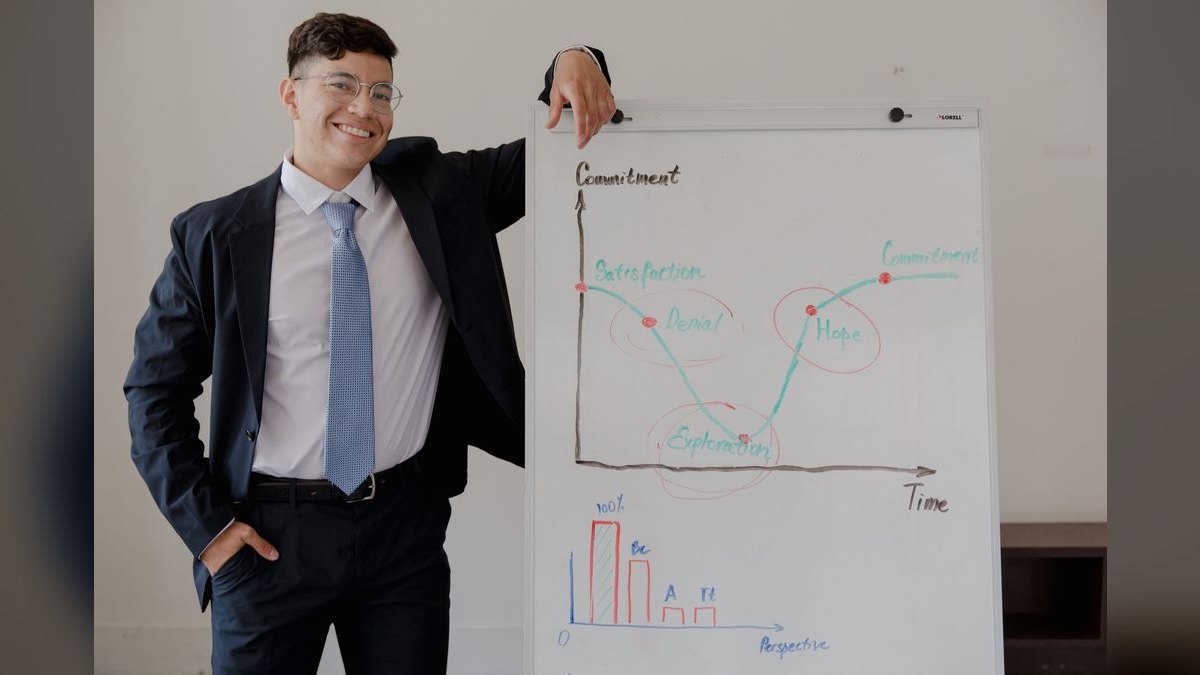
What a Fractional CRO Actually Does
A fractional CRO is not a part-time sales rep or a coach who joins your weekly pipeline call. They own the revenue function end-to-end: setting strategy, building the GTM playbook, hiring and managing sales leadership, selecting tech stack (CRM, dialer, revenue intelligence), and holding the team accountable to forecasts. They do not typically carry a personal quota, though some will run key deals if the cycle is short and the team is small.
The most common mistake founders make is hiring a fractional CRO to "fix sales" without giving them authority over marketing and customer success — revenue leadership requires all three legs of the stool. A fractional CRO will typically spend 5–10 days per month on your business, with the rest of their time allocated to other clients or personal pursuits. This means they must be ruthlessly efficient: they will prioritize the highest-leverage activities (strategy, hiring, pipeline review) and delegate or automate the rest.

A typical week for a fractional CRO includes: Monday morning pipeline review with the sales team (60 minutes), Tuesday strategy session with the founder (90 minutes), Wednesday mid-week check-in on key deals (30 minutes), Thursday review of marketing-generated leads and conversion metrics (45 minutes), and Friday forecast call and weekly reporting (60 minutes). The remaining hours are spent on ad-hoc tasks: interviewing candidates, reviewing CRM hygiene, updating the GTM playbook, and preparing board materials. This cadence ensures consistent coverage without requiring daily presence.
Fractional vs. Full-Time: Making the Right Call
The decision hinges on three factors: ARR stage, team size, and burn rate. If you are pre-revenue or below $500K ARR, a fractional CRO is likely overkill — you probably need a founding salesperson or a part-time VP of Sales. Between $500K and $3M ARR, fractional can work well if you have a repeatable sales motion and need strategic refinement, not daily execution. Above $3M ARR, especially with multiple reps and a complex sales cycle, you will almost certainly outgrow a fractional arrangement within 12 months.

Be honest about your runway: if you have less than 12 months of cash, a fractional CRO’s monthly fee may be a better bet than a full-time hire, but only if you can execute on their recommendations. A fractional CRO is not a substitute for a full-time VP of Sales when your company needs daily pipeline management and team coaching. If you have more than 5 sales reps or your sales cycle is longer than 90 days, a fractional arrangement may leave you under-resourced.
The speed of impact differs significantly: a fractional CRO can start fast (30–60 days) but has limited bandwidth, while a full-time CRO has a slower ramp (90–120 days) but offers full ownership. The financial risk is lower with fractional, but you may outgrow the arrangement quickly. Full-time carries higher financial risk, but you get a dedicated leader to scale with you.

Consider a hybrid approach: hire a fractional CRO for 6–9 months to build your GTM infrastructure, then convert them to a full-time role or hire a permanent replacement. This model gives you the speed of fractional engagement with the long-term stability of full-time leadership. Some fractional CROs explicitly offer "fractional-to-full-time" transition clauses in their contracts, allowing you to convert after a defined period without a separate search.
The Cost Breakdown
The monthly fee for a fractional CRO in Salt Lake City in 2027 ranges from a retainer for 5–10 days of engagement. The lower end typically covers a company at $500K–$1M ARR with a simple sales motion and no direct reports. The higher end covers a company at $2M–$5M ARR with multiple reps, a complex enterprise sales cycle, and marketing oversight. Some fractional CROs will accept a lower cash retainer in exchange for equity (typically 0.5%–2% vested over 2–3 years). Do not expect a local discount — Salt Lake City’s cost of living has risen, and top talent commands national rates.

Beyond the monthly retainer, budget for additional expenses: travel costs if the CRO visits quarterly (flights, lodging, meals — roughly $1,500–$3,000 per trip), potential bonus or commission if you tie compensation to revenue milestones, and legal fees for the engagement contract. A typical engagement letter includes a 30-day notice period for termination, intellectual property assignment clauses, and non-compete restrictions that prevent the CRO from working with direct competitors. Have your legal counsel review the agreement before signing.
The Remote Reality
In 2027, the best fractional CROs work across multiple time zones and visit clients quarterly. Salt Lake City’s time zone (Mountain) is convenient for both coasts, and the airport is a major Delta hub, so travel is easy. Do not limit your search to local candidates. Instead, prioritize candidates who have experience in your industry, at your ARR range, and with your sales motion (product-led, sales-led, or hybrid). A remote fractional CRO who has scaled a similar company from $1M to $5M is worth more than a local one who has only worked at large enterprises.

When evaluating remote candidates, confirm their availability for weekly calls during your business hours, their willingness to travel quarterly for board meetings or key reviews, and their experience working with distributed teams. Ask for examples of how they have managed remote teams and built culture across time zones. A fractional CRO who has done this before will have a playbook for asynchronous communication, clear escalation paths, and regular in-person touchpoints.
Remote fractional CROs often use a standard tech stack to maintain visibility: a CRM (Salesforce or HubSpot), a revenue intelligence platform (Gong or Chorus), a forecasting tool (Clari or InsightSquared), and a communication platform (Slack or Teams). Ask candidates which tools they prefer and whether they have experience implementing or optimizing these systems. A CRO who can set up automated pipeline alerts and forecast dashboards within the first 30 days will deliver faster value than one who needs weeks to learn your existing tools.

How to Maximize Your Fractional CRO Engagement
To get the most out of a fractional CRO, set clear expectations from day one. Define the specific outcomes you want to achieve in the first 90 days: pipeline generation targets, sales process improvements, team hiring milestones, or revenue forecasting accuracy. Establish a weekly cadence of a 60-minute strategy call and a 30-minute pipeline review. Provide access to your CRM, financial data, and key team members.
Be prepared to act on their recommendations quickly. A fractional CRO’s value comes from their ability to identify problems and implement solutions fast — if you hesitate or over-analyze, you waste their limited hours. Set a 90-day review point to assess progress and decide whether to extend, convert to full-time, or end the engagement. Plan for the transition: if you outgrow the fractional arrangement, some fractional CROs will offer a transition period to hand off to a full-time hire.

Create a shared dashboard that tracks the five metrics your fractional CRO will be measured against: monthly recurring revenue (MRR) growth, pipeline coverage ratio (pipeline value divided by quota), win rate percentage, average deal size, and sales cycle length. Review this dashboard together every two weeks. If any metric shows negative trends for two consecutive reviews, escalate immediately. This data-driven approach prevents subjective evaluations and keeps the engagement focused on measurable outcomes.
Related questions
How much does an interim CRO cost in Salt Lake City in 2027?
Expect a retainer for 5–10 days per month, with the exact figure depending on company stage and scope. Cash-plus-equity arrangements can lower the cash portion by 20–30%.
How do I hire a fractional Chief Revenue Officer in Salt Lake City in 2027?
Start with Pavilion’s SLC chapter and RevOps Co-op Slack. Define scope, interview for stage fit, request reference calls, and negotiate a 90-day trial with a 30-day out clause.
How do I evaluate a fractional Chief Revenue Officer in Salt Lake City in 2027?
Look for proven experience at your ARR range, operational discipline (dashboards, forecast calls, pipeline hygiene), and the ability to hire and fire. Ask for a sample 30-60-90 day plan.
How much does a part-time Chief Revenue Officer cost in Salt Lake City in 2027?
Part-time CROs typically charge a retainer for 5–10 days per month. The lower end applies to companies at $500K–$1M ARR; the higher end applies to $2M–$5M ARR with complex sales cycles.
Is there a fractional CRO available near me in Pasadena in 2027?
Yes, Pasadena has a similar talent pool to Salt Lake City. Most fractional CROs work remote-first, so geography matters less than alignment on revenue stage and industry.
FAQ
What if I can't find a fractional CRO in Salt Lake City? Expand your search to remote candidates. Use Pavilion’s national directory, post in RevOps Co-op’s Slack, or reach out to CRO Syndicate for referrals. Most fractional CROs are open to quarterly travel.
How long does it take to see results from a fractional CRO? Expect 30–60 days to assess the current state and implement changes, then 90–120 days to see measurable pipeline and revenue improvements. If you see no movement by day 90, the arrangement may not be working.
Can a fractional CRO help me raise funding? Yes, if they can build a credible revenue forecast, clean up your CRM data, and present a clear GTM plan to investors. Many fractional CROs have experience supporting fundraising efforts.
What happens if I outgrow the fractional arrangement? Plan for it. Set a 12-month review point to decide whether to convert the fractional CRO to full-time or hire a new full-time CRO. Some fractional CROs will offer a transition period to hand off to a full-time hire.
Should I offer equity to a fractional CRO? Equity can lower the cash retainer by 20–30% and align incentives. Typical grants range from 0.5%–2% vested over 2–3 years. Only offer equity if you believe the CRO will significantly impact your company’s valuation.
How many clients does a fractional CRO typically take on? Most fractional CROs take 3–5 clients at a time to maintain quality. If a candidate has more than 5 clients, they may be overcommitted and unable to give your company adequate attention.
Sources
- Pavilion – Community for revenue leaders with local chapters and job boards.
- RevOps Co-op – Slack community for revenue operations professionals.
- SaaStr – Practical advice for SaaS founders and executives.
- First Round Review – Deep dives on GTM strategy and leadership.
- Harvard Business Review – Research-backed articles on sales management and organizational design.
- LinkedIn – Network for finding and vetting fractional CRO candidates.
- Sales Hacker – Sales community with resources on hiring and scaling revenue teams.
- Revenue Collective – Community for revenue leaders with local chapters and events.
Related on PULSE
- How much does an interim CRO cost in Salt Lake City in 2027?
- How do I hire a fractional Chief Revenue Officer in Salt Lake City in 2027?
- How do I evaluate a fractional Chief Revenue Officer in Salt Lake City in 2027?
- How much does a part-time Chief Revenue Officer cost in Salt Lake City in 2027?
- Is there a fractional CRO available near me in Pasadena in 2027?
- Who is the best fractional Chief Revenue Officer in Middletown in 2027?
This page will be disappearing soon. Save it to your device for $1 — or read it free while it is here.
@Kory-White- · if Venmo asks, the last 4 of my number are 2012
This page is gone.
This one is off the shelf now. $1 keeps it on your phone for good — the whole page, pictures and diagrams included.
 pulse-toolsHow do I hire a fractional head of revenue for a dev tools company in 2027?
 pulse-toolsWhere do I find a fractional VP of Sales in San Mateo in 2027?
 pulse-toolsHow do I hire a fractional VP of Sales in Milwaukee in 2027?
 pulse-toolsWhere do I find a fractional VP of Sales in Fort Collins in 2027?
 pulse-toolsWhere do I find a fractional VP of Sales in San Jose in 2027?
 pulse-toolsHow do I hire a fractional VP of Sales in Charlotte in 2027?
 pulse-toolsWhere do I find a fractional VP of Sales in Greenville in 2027?
 pulse-toolsHow do I hire a fractional VP of Sales in Huntsville in 2027?
 pulse-toolsHow do I hire a fractional VP of Sales in Olympia in 2027?
 pulse-toolsHow do I hire a fractional VP of Sales in Hartford in 2027?