
Top 10 Best Towns to Live in the Mountain West in 2027
 Curated byKory White · Fractional CRO · Maryland
 PULSEKNOWLEDGE LIBRARY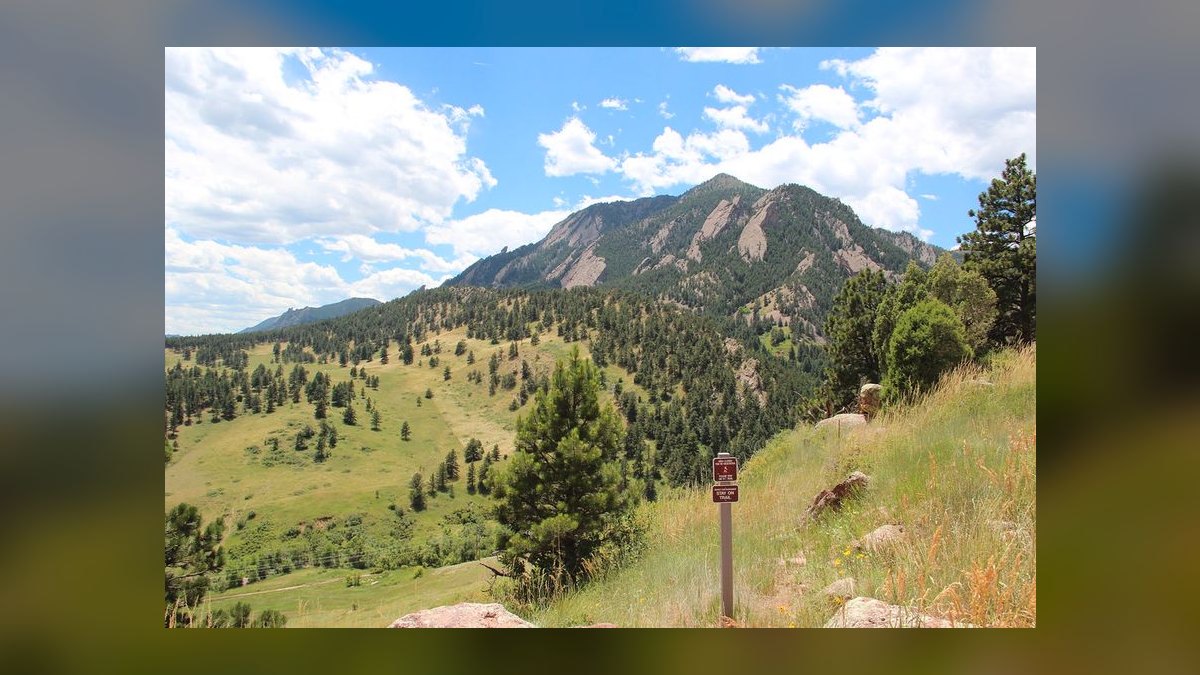
The Best Overall town to live in the Mountain West is Boulder, Colorado, where a median home price near $850,000 buys access to a top-tier public university, a thriving science-and-tech job base, and trailheads at the edge of town that draw active families and professionals alike.
The Best Value pick is Missoula, Montana, where a median home around $510,000 delivers genuine mountain-town living, a respected university, and a walkable downtown for far less than the Colorado and Wyoming hot spots. This list is built for active families, remote professionals, and outdoor-minded retirees who want clean air, real four-season recreation, and strong schools across the Rocky Mountain and high-desert region.
Every pick uses real, publicly reported figures on population, home values, and school reputation.
How We Ranked the Top 10
We weighted each town against what people relocating to the Mountain West actually prioritize, drawing on published data from Niche, the U.S. Census, Zillow, Realtor.com, BestPlaces, GreatSchools, and regional "best places to live" coverage. The weighting:
- Affordability and home value — 25%
- Schools — 20%
- Safety — 20%
- Jobs and commute — 15%
- Amenities and outdoor lifestyle — 10%
- Community feel — 10%
A town that wins on scenery but bleeds residents on affordability, or offers cheap homes but weak schools, drops fast. The winners balance all six.
1. Boulder, Colorado 🏆 BEST OVERALL
County: Boulder | Median home: $850,000 | Best for: Professionals and families who want jobs, schools, and trails in one place
Home to roughly 105,000 residents at the foot of the Flatirons, Boulder is the most complete town in the region. The University of Colorado Boulder anchors a deep employment base alongside federal science labs like NIST and NOAA, aerospace firms, and a dense startup scene that keeps household incomes well above the national average.
The Boulder Valley School District earns strong GreatSchools marks, crime sits below comparable cities its size, and the Pearl Street pedestrian mall gives downtown genuine walkability. Cost of living runs high — homes near $850,000 and limited inventory are the tradeoff — but the 45,000 acres of protected open space ringing the city and a short commute to Denver justify the premium for many buyers.
Pros:
- Deep tech, science, and university job base keeps incomes high
- 45,000 acres of city open space with trailheads minutes from downtown
- Strong Boulder Valley schools and below-average crime for its size
- Walkable Pearl Street core and excellent bike infrastructure
Cons:
- Median home near $850,000 is the priciest on this list
- Tight inventory makes entry difficult for first-time buyers
Verdict: Boulder wins on balance — jobs, schools, safety, and recreation with no real weak spot beyond price.
2. Bozeman, Montana
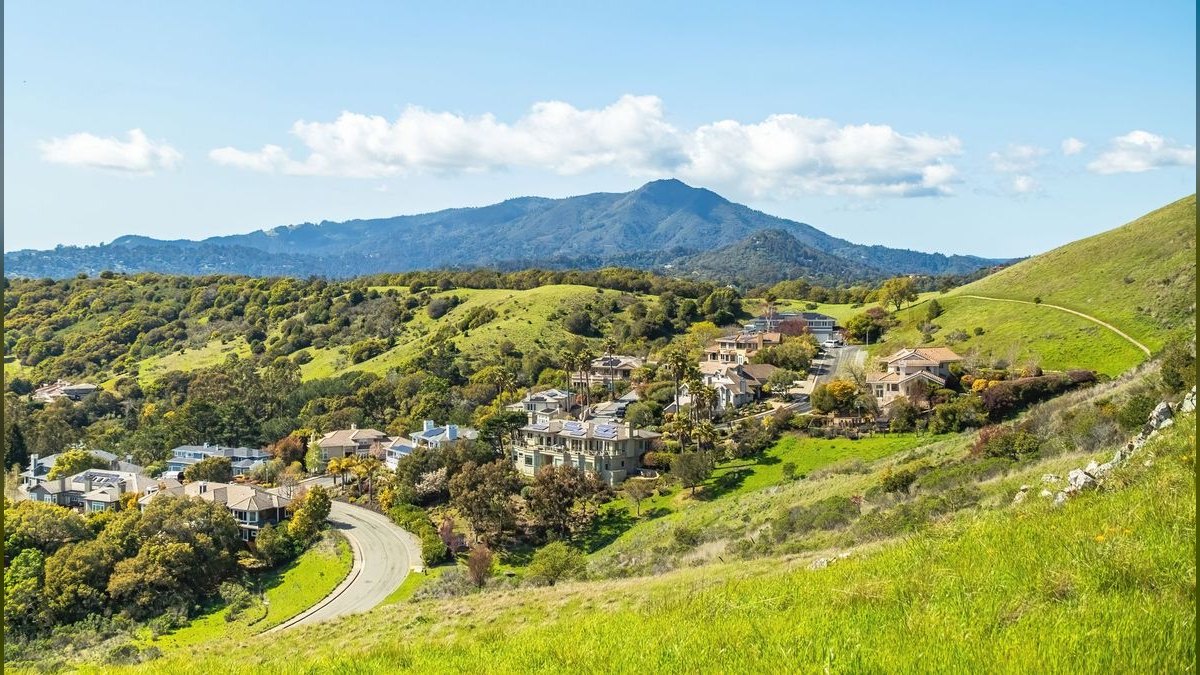
County: Gallatin | Median home: $720,000 | Best for: Remote workers and families who want a fast-growing university town
Bozeman has become the Mountain West's breakout star, growing past 57,000 residents as remote professionals chase its blend of Montana State University energy and Yellowstone-gateway access. The tech and outdoor-gear sectors have expanded sharply, downtown Main Street stays lively year-round, and Bridger Bowl ski area sits 20 minutes from town. Schools in the Bozeman district post solid scores, and crime remains low. The catch is price: rapid in-migration pushed the median home near $720,000, and traffic and housing strain are the local conversation. For buyers who can bring an income with them, the quality of life is hard to beat.
Pros:
- Montana State University and a growing tech/outdoor employer base
- Bridger Bowl skiing and Yellowstone access within easy reach
- Lively, walkable Main Street downtown that stays active in winter
- Low crime and a strong sense of civic momentum
Cons:
- Home prices near $720,000 have outpaced local wages
- Growing pains in traffic and housing supply
Verdict: A superb university-and-outdoors town — buy if you bring your own income and want momentum.
3. Park City, Utah
County: Summit | Median home: $1,650,000 | Best for: Affluent families and retirees who want world-class skiing at the door
Park City, with about 8,400 full-time residents, is the luxury end of Mountain West living, built around two major resorts and the Sundance Film Festival. The Park City School District is among Utah's best-funded and highest-performing, the historic Main Street is genuinely walkable, and Salt Lake City's airport sits only 35 minutes away — a rare combination of resort isolation and connectivity. Safety is excellent. The barrier is cost: a median home near $1.65 million makes this the priciest pick here, and that figure prices out most buyers who aren't relocating with significant equity.
Pros:
- Two world-class ski resorts and Sundance within town limits
- Top-funded Park City schools with strong outcomes
- 35-minute drive to Salt Lake City International Airport
- Very low crime and a polished, walkable Main Street
Cons:
- Median home near $1.65 million is the highest on this list
- Resort-economy pricing inflates everyday costs
Verdict: The luxury pick — unbeatable if your budget clears $1 million and skiing tops your list.
4. Coeur d'Alene, Idaho
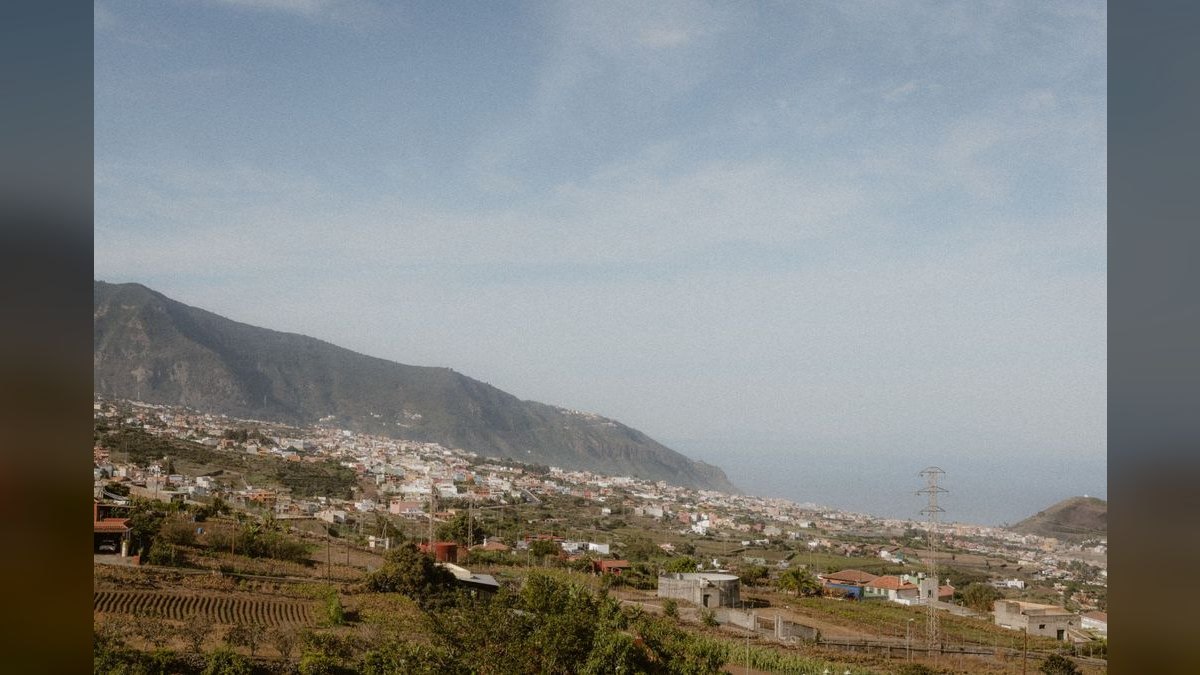
County: Kootenai | Median home: $540,000 | Best for: Families and retirees who want lakefront living near a city
Set on a stunning glacial lake, Coeur d'Alene has grown to about 57,000 residents drawn by waterfront recreation and a 35-minute commute to Spokane, Washington, which adds a full metro job market and airport. The downtown and Tubbs Hill lakeside trails are walkable and lively in summer, schools in the Coeur d'Alene district post respectable scores, and Idaho's lower tax burden appeals to retirees.
A median home near $540,000 is reasonable for lakefront access, though prices have climbed with steady in-migration from the West Coast. Winters are milder than the high-Rockies towns.
Pros:
- Lakefront living with beaches, marinas, and the Tubbs Hill trail system
- 35-minute commute to Spokane's metro jobs and airport
- Lower Idaho tax burden appeals to retirees
- Walkable, lively downtown along the waterfront
Cons:
- Summer tourist crowds strain downtown and the lake
- Home prices have risen with West Coast in-migration
Verdict: The lake-town all-rounder — strongest for buyers who want water access plus a real city nearby.
5. Bend, Oregon
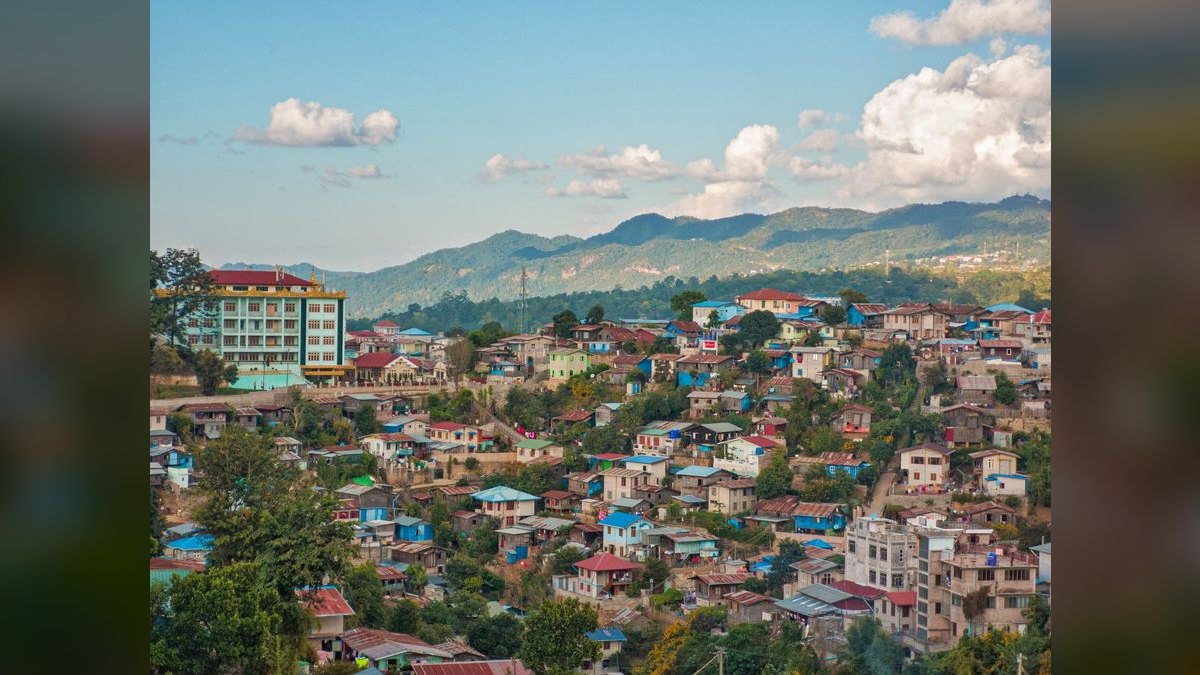
County: Deschutes | Median home: $640,000 | Best for: Outdoor enthusiasts and remote workers who want high-desert sun
Bend sits on the dry, sunny side of the Cascades with roughly 104,000 residents and a reputation as one of the country's premier recreation hubs — skiing at Mt. Bachelor, mountain biking, and river surfing on the Deschutes all within minutes. The economy has diversified into tech, healthcare, and a famous craft-beer scene, and downtown plus the Old Mill District are highly walkable. Schools in the Bend-La Pine district earn solid marks. A median home near $640,000 reflects the town's popularity, and the main drawback is wildfire-smoke season and a job market still thinner than its population implies.
Pros:
- Mt. Bachelor skiing, biking, and river recreation minutes from town
- Sunny high-desert climate with diversified tech and healthcare jobs
- Walkable downtown and Old Mill District along the river
- Strong Bend-La Pine schools and an active, fit community
Cons:
- Wildfire smoke can affect late-summer air quality
- Local wages lag the in-migrating remote-worker incomes
Verdict: The recreation capital — pick it for year-round outdoor access and high-desert sunshine.
6. Fort Collins, Colorado
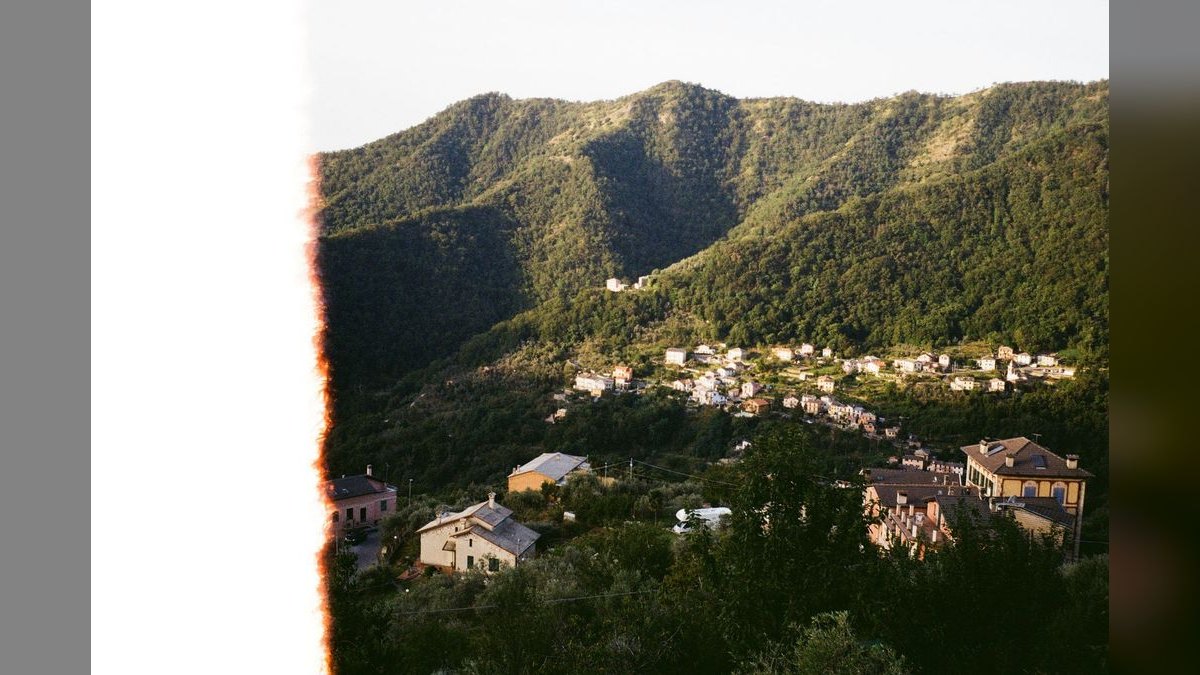
County: Larimer | Median home: $560,000 | Best for: Families who want a college-town feel with more affordability than Boulder
About an hour north of Denver, Fort Collins offers much of Boulder's appeal at a friendlier price. Home to roughly 170,000 residents and Colorado State University, it pairs a vibrant Old Town district — the model for Disney's Main Street — with a strong job base in agriculture tech, brewing, and engineering. The Poudre School District posts strong GreatSchools scores, crime is moderate for its size, and the Cache la Poudre River and nearby foothills provide easy recreation.
A median home near $560,000 makes it markedly more attainable than Boulder while keeping the college-town energy and amenities.
Pros:
- Colorado State University and a strong engineering/ag-tech job base
- Historic, walkable Old Town with a renowned dining and brewery scene
- Poudre School District earns strong GreatSchools marks
- More affordable than Boulder at a median near $560,000
Cons:
- Hour-long commute to Denver for some metro jobs
- Growth has pushed traffic on the I-25 corridor
Verdict: The smart-value college town — nearly Boulder's quality of life for meaningfully less money.
7. Flagstaff, Arizona
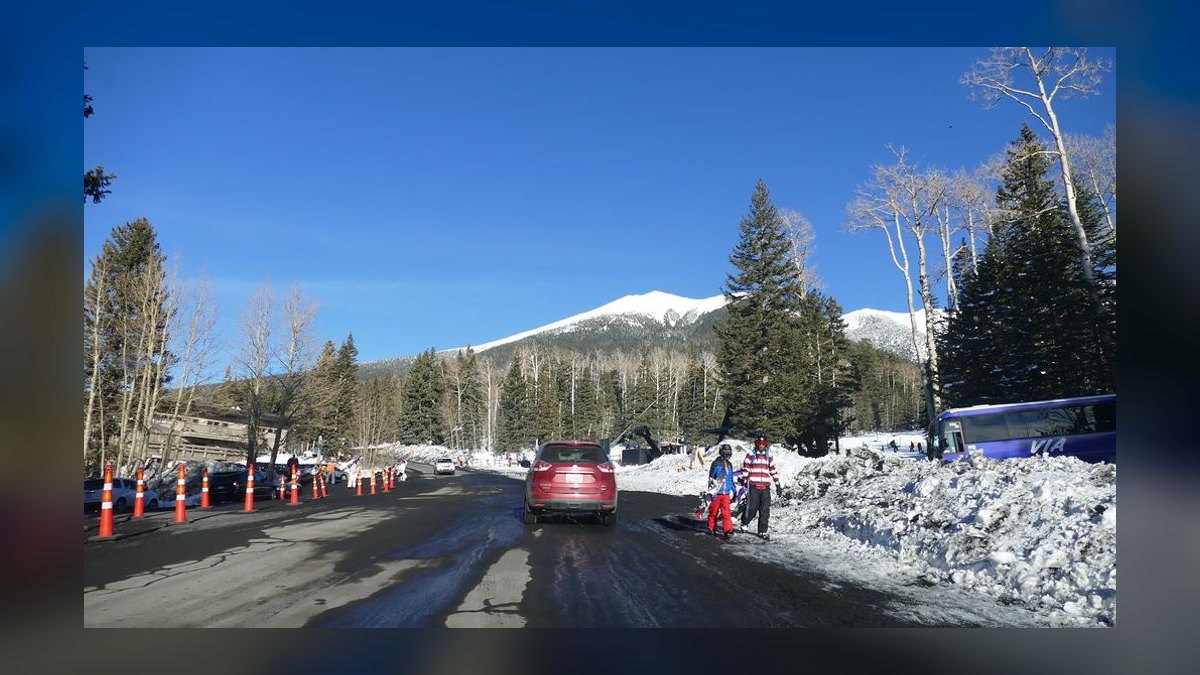
County: Coconino | Median home: $620,000 | Best for: Buyers who want pine-forest mountain living in the Southwest
At 7,000 feet amid the world's largest ponderosa pine forest, Flagstaff surprises newcomers expecting desert Arizona — it gets real snow and four seasons. Roughly 77,000 residents support Northern Arizona University, a healthcare hub, and Lowell Observatory, where Pluto was discovered. The historic downtown along old Route 66 is walkable, schools post respectable scores, and the San Francisco Peaks offer the Arizona Snowbowl ski area minutes away.
A median home near $620,000 is high for Arizona, reflecting limited buildable land. The town's dark-sky designation and forest setting make it a distinctive choice.
Pros:
- Pine-forest, four-season climate at 7,000 feet near Arizona Snowbowl
- Northern Arizona University and a regional healthcare hub anchor jobs
- Walkable historic downtown along Route 66
- Designated Dark Sky City with Lowell Observatory access
Cons:
- Median home near $620,000 is steep for the local wage base
- Limited buildable land keeps inventory tight
Verdict: The Southwest's mountain surprise — buy it for pine forest, snow, and a walkable historic core.
8. Missoula, Montana 💎 BEST VALUE
County: Missoula | Median home: $510,000 | Best for: Buyers who want genuine mountain-town living at the lowest price here
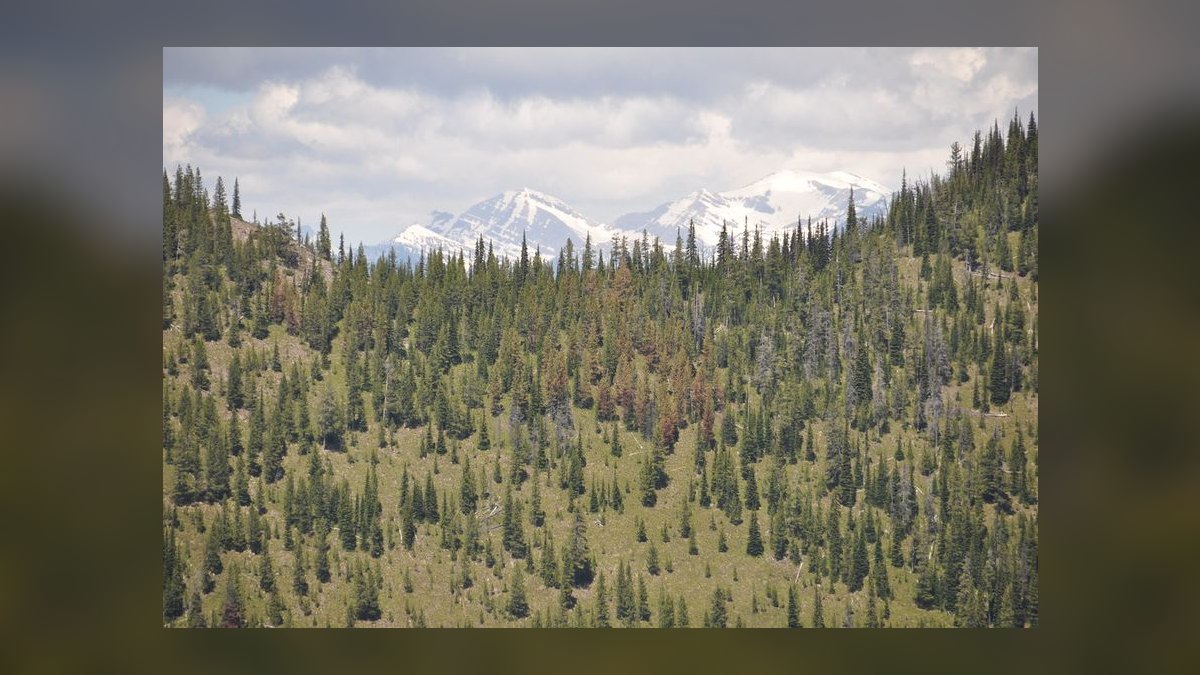
Missoula is the value champion of the Mountain West, delivering a real university town at a median home near $510,000 — the most attainable on this list. About 77,000 residents support the University of Montana, a regional hospital system, and a creative downtown built where five valleys and three rivers meet. The Clark Fork River runs right through a walkable, riverfront downtown with strong dining and a famous farmers market. Schools post solid scores, and Snowbowl skiing plus blue-ribbon trout streams sit minutes out. Cost of living trails Bozeman and the Colorado towns while offering much of the same lifestyle.
Pros:
- Lowest median home price among these picks at roughly $510,000
- University of Montana and a regional hospital anchor the economy
- Riverfront, walkable downtown where five valleys converge
- Snowbowl skiing and blue-ribbon trout rivers minutes from town
Cons:
- Local wages are modest, so incomes can be tight
- Winter inversions can trap valley air for stretches
Verdict: The value leader — genuine mountain-town living for far less than Bozeman or Boulder.
9. Durango, Colorado

County: La Plata | Median home: $675,000 | Best for: Outdoor families who want a tight-knit small-town feel
Tucked into Colorado's southwest corner, Durango combines a historic railroad downtown with serious access to the San Juan Mountains and the desert canyons of the Four Corners. About 20,000 residents support Fort Lewis College, a regional medical center, and a tourism economy built around the famous Durango & Silverton Narrow Gauge Railroad. Purgatory ski resort is 25 minutes north, the Animas River runs through a walkable Main Avenue downtown, and schools post respectable marks.
A median home near $675,000 reflects the town's desirability and relative isolation — the nearest large airport hub is a drive — but the small-town community feel is among the strongest here.
Pros:
- San Juan Mountains and Four Corners desert canyons both within reach
- Purgatory skiing 25 minutes north and the Animas River in town
- Walkable historic Main Avenue and a strong small-town community
- Fort Lewis College and a regional medical center anchor jobs
Cons:
- Relative isolation means limited flight options nearby
- Tourism-driven economy can mean seasonal job swings
Verdict: The tight-knit pick — best for families who want big mountains and a real small-town bond.
10. Jackson, Wyoming

County: Teton | Median home: $1,500,000 | Best for: Affluent buyers who want Grand Teton and Yellowstone at the door
Jackson, gateway to Grand Teton and Yellowstone national parks, offers some of the most spectacular surroundings in North America — and the price tag to match. Roughly 10,500 residents live in a town where Wyoming's zero state income tax draws wealth and the famous antler-arch town square stays walkable and lively. Jackson Hole Mountain Resort is world-class, schools are well-funded, and crime is very low. The barrier is extreme cost: a median home near $1.5 million and limited developable land (most of the county is federal) make this the most exclusive pick. For buyers with the means, the access to two national parks is unmatched.
Pros:
- Grand Teton and Yellowstone national parks at the doorstep
- Wyoming's zero state income tax appeals to high earners
- World-class Jackson Hole skiing and a walkable town square
- Well-funded schools and very low crime
Cons:
- Median home near $1.5 million rivals Park City for the priciest
- Federal-land constraints keep housing supply extremely tight
Verdict: The national-park luxury pick — incomparable scenery if your budget clears seven figures.
Which Town Is Right for You?
What to Look For When Choosing a Town in the Mountain West
- Home price versus local wages — Many of these towns have home values driven by in-migrating remote incomes, not local pay. Confirm whether your job travels with you or depends on the local market.
- Real school data — Check published GreatSchools and state assessment scores by specific school, not district reputation. Boulder, Fort Collins, and Park City lead here.
- Winter reality — High-elevation towns like Flagstaff, Durango, and Jackson get heavy snow and long winters; valley towns like Missoula can trap cold-air inversions. Visit in February before committing.
- Wildfire and smoke season — Late-summer smoke affects much of the region, especially Bend and the Montana towns. Factor air quality into the year-round picture.
- Airport access — Park City and Coeur d'Alene sit near major airports; Durango and Jackson are more isolated. Match connectivity to how often you travel.
- Tax and cost of living — Wyoming and to a degree Idaho offer lighter tax burdens, which matters for retirees on fixed incomes.
What matters less than marketing implies: glossy "best small town" awards and downtown brewery counts. Real affordability, specific school scores, commute time, and how a place feels in January affect your life far more than a ranking badge.
FAQ
Which Mountain West town is the best overall to live in? Boulder, Colorado earns the top spot for balancing a deep tech-and-university job base, strong Boulder Valley schools, low crime, and 45,000 acres of open space at the city's edge — the most complete package despite a median home near $850,000.
What is the best value town in the Mountain West? Missoula, Montana, at a median home near $510,000, is the value leader, offering a genuine university town, a walkable riverfront downtown, and nearby skiing for far less than Bozeman or the Colorado picks.
Which Mountain West town is most affordable for families? Missoula and Fort Collins (median near $560,000) offer the strongest mix of attainable home prices and good schools, while most other towns on this list run higher.
Which towns have the best skiing access? Park City has two resorts in town, Jackson offers world-class Jackson Hole, and Bend sits minutes from Mt. Bachelor — all with skiing within a short drive of home.
Which Mountain West towns are best for retirees? Coeur d'Alene and Jackson appeal to retirees for their lower tax burdens (Idaho and Wyoming), while Flagstaff and Durango offer four-season mountain living with regional healthcare hubs.
Are Mountain West home prices still rising? Most of these towns have seen prices climb with remote-worker in-migration; Bozeman, Bend, and Coeur d'Alene rose fastest, while Missoula and Fort Collins remain comparatively attainable.
Bottom Line
For the Mountain West, Boulder, Colorado is our Best Overall town — its jobs, schools, safety, and open-space access make it the most complete place to live despite a median home near $850,000. Missoula, Montana, at roughly $510,000, is our Best Value, delivering genuine mountain-town living for far less.
If your priorities lean toward world-class skiing, national-park access, lakefront living, or high-desert recreation, use the decision tree above to route yourself to Park City, Jackson, Coeur d'Alene, or Bend instead. Buy on real affordability, specific school scores, and how a town feels in winter — not on award badges — and you will be happy for years.
Related on PULSE
- [Top 10 Best Cities for Families on the West Coast in 2027](/knowledge/tn0129)
- [Best West Coast US Cities for Tech Professionals in 2027](/knowledge/tn0104)
- [10 Best Mountain Towns to Live in 2027](/knowledge/tn0136)
- [10 Best Mountain Towns to Retire in 2027 (Scenery, Clean Air, Outdoor Life)](/knowledge/tn0112)
- [Top 10 Best Mountain Towns in America](/knowledge/tn0024)
- [10 Best Lake Towns to Live in 2027](/knowledge/tn0141)
Sources
- Niche — Best places to live in the Mountain West
- U.S. Census Bureau — data.census.gov population and income
- Zillow — home values by city and county
- Realtor.com — median listing prices and market trends
- BestPlaces — cost of living and climate data
- GreatSchools — school ratings and test scores
- Livability — Best places to live rankings
- Money — Best places to live
- City of Boulder — open space and city data
- Visit Montana — Missoula and Bozeman town profiles
*Best towns to live in the Mountain West review — where to live, rankings, home prices, schools, and a review of the best places to live in the Rockies.*
People also search for: best towns to live in the mountain west · top towns to live in the mountain west · top rated towns to live in the mountain west · top ranked towns to live in the mountain west · highest rated towns to live in the mountain west · towns to live in the mountain west reviews
@Kory-White- · if Venmo asks, the last 4 of my number are 2012
 pulse-moviesTop 10 Movies on Netflix 2027
 pulse-moviesTop 10 Movies on Max 2027
 pulse-moviesTop 10 Fantasy Movies of All Time in 2027
 pulse-moviesTop 10 Documentaries of All Time in 2027
 pulse-moviesTop 10 Superhero Movies of All Time in 2027
 pulse-moviesTop 10 Romance Movies of All Time in 2027
 pulse-moviesTop 10 Westerns of All Time in 2027
 pulse-moviesTop 10 Musical Movies of All Time in 2027
 pulse-moviesTop 10 Thriller Movies of All Time in 2027
 pulse-moviesTop 10 Crime Movies of All Time in 2027