
How does Tennessee's unique geography, from the Mississippi Delta to the Great Smoky Mountains, shape its distinct regional cuisines, music scenes, and cultural identities?
 Curated byKory White · Fractional CRO · Maryland
 PULSEKNOWLEDGE LIBRARY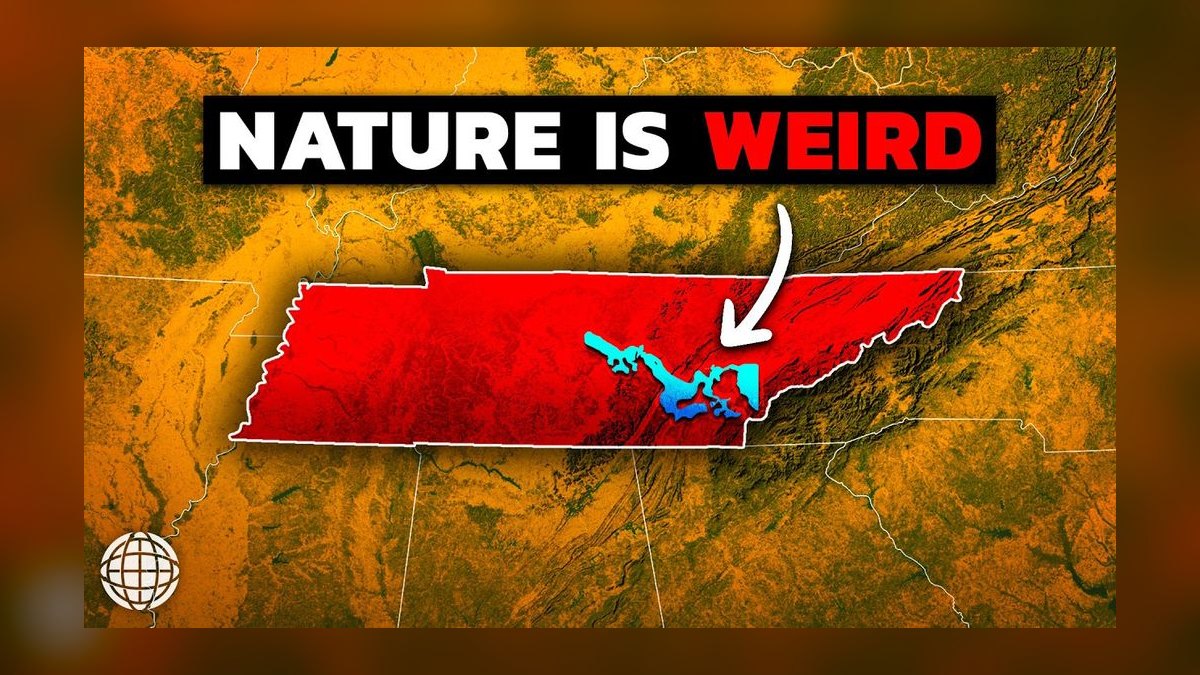
Tennessee's geography—from the Mississippi Delta's flat floodplains to the Great Smoky Mountains' steep ridges—creates three distinct cultural zones with separate cuisines, music traditions, and identities. West Tennessee developed Delta blues and soul food, Middle Tennessee produced country music and hot chicken, and East Tennessee preserved bluegrass and mountain cooking. These regional differences persist today because geographic isolation historically limited cultural exchange.
The Three Regions Compared
Tennessee stretches approximately 440 miles from the Mississippi River on its western border to the North Carolina line in the east. Within that span, the state contains three fundamentally different physical landscapes, each with its own agricultural possibilities, settlement history, and cultural trajectory.
West Tennessee occupies the Mississippi Alluvial Plain, a flat expanse of dark, nutrient-rich soil deposited by centuries of river flooding. This land proved ideal for cotton cultivation, which drove the plantation economy and brought enslaved Africans and their descendants into the region in large numbers. The flat terrain allowed for large-scale agriculture and the development of river ports like Memphis, which became a commercial hub connecting the South to the rest of the nation via the Mississippi River.
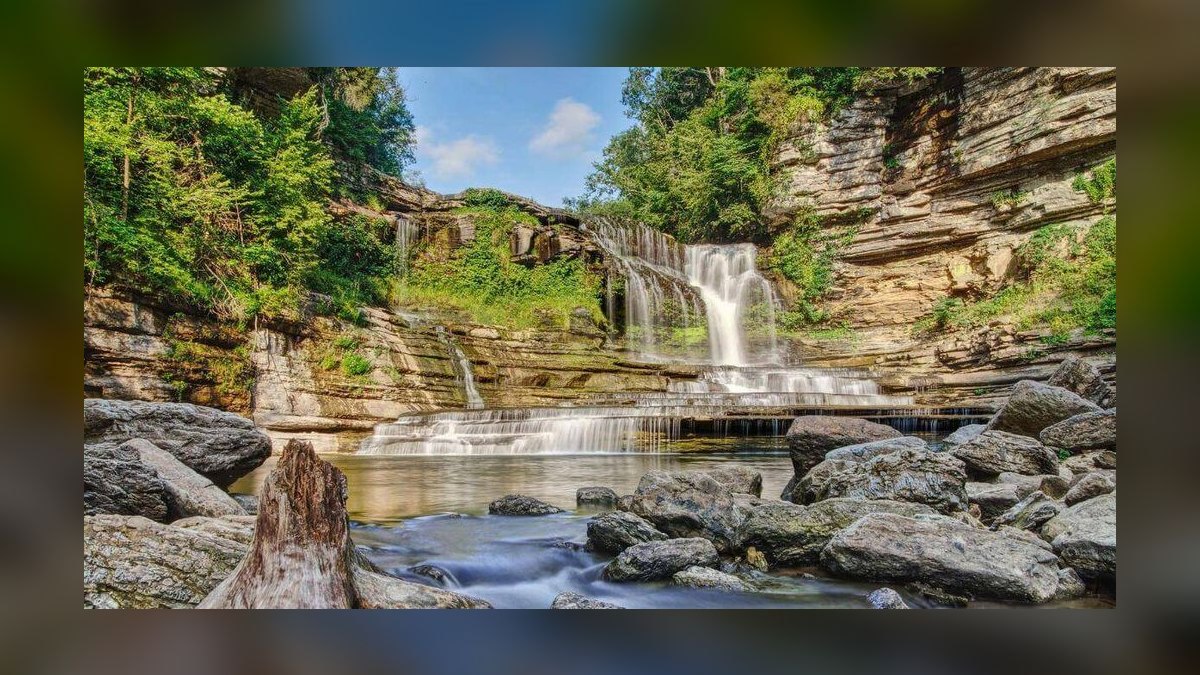
Middle Tennessee sits in the Nashville Basin, a rolling limestone plateau surrounded by the Highland Rim. The region's fertile valleys supported livestock grazing, corn cultivation, and tobacco farming. The limestone bedrock filters water naturally, creating the mineral-rich springs that later became essential to the state's whiskey distilling industry. The geography here is less extreme than either the western floodplain or the eastern mountains, which allowed for more diverse agricultural practices and a more mixed economy.
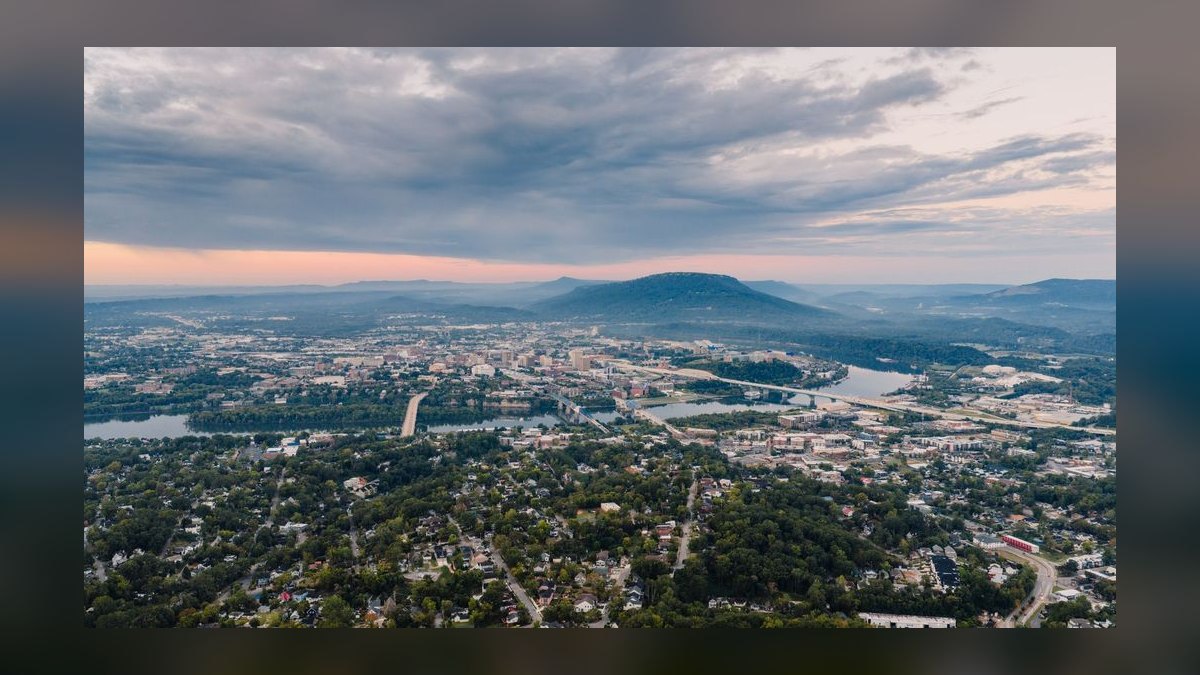
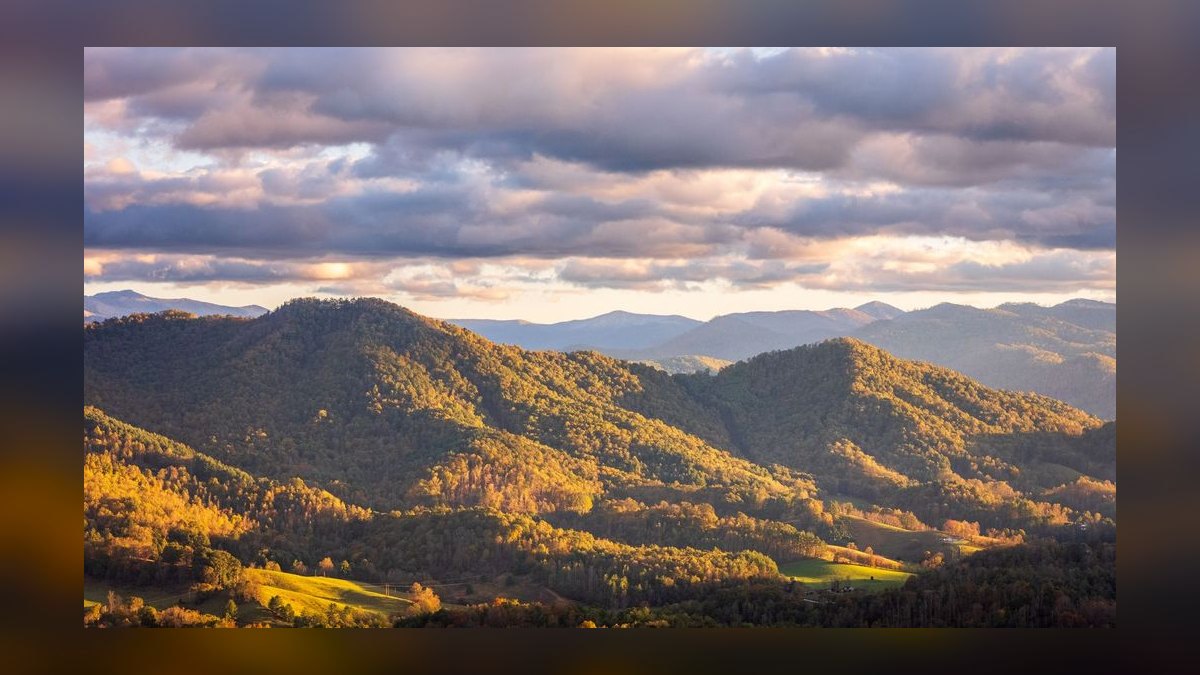
East Tennessee rises into the Appalachian Mountains, with the Great Smoky Mountains forming the state's eastern boundary. Steep ridges, narrow valleys, and dense hardwood forests created natural barriers that isolated communities for generations. The rocky, thin soil could not support large-scale plantation agriculture, so settlement patterns consisted of small family farms scattered through hollows and coves. This isolation preserved cultural traditions in ways that did not happen in the more connected western and middle regions.
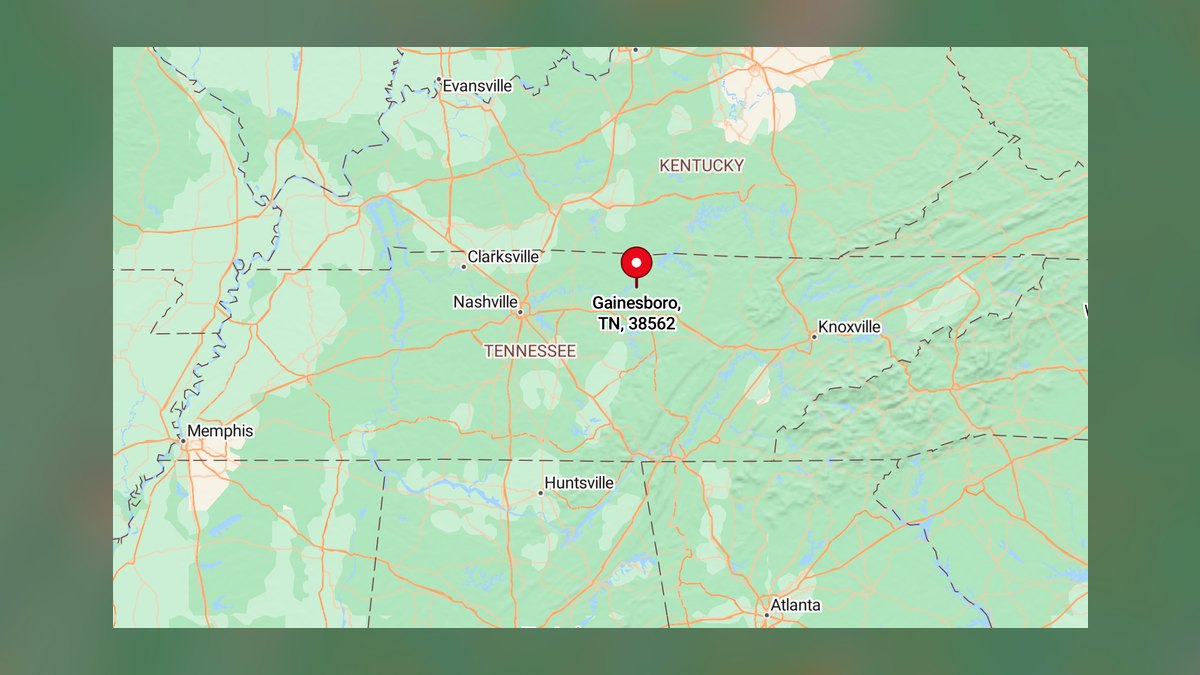
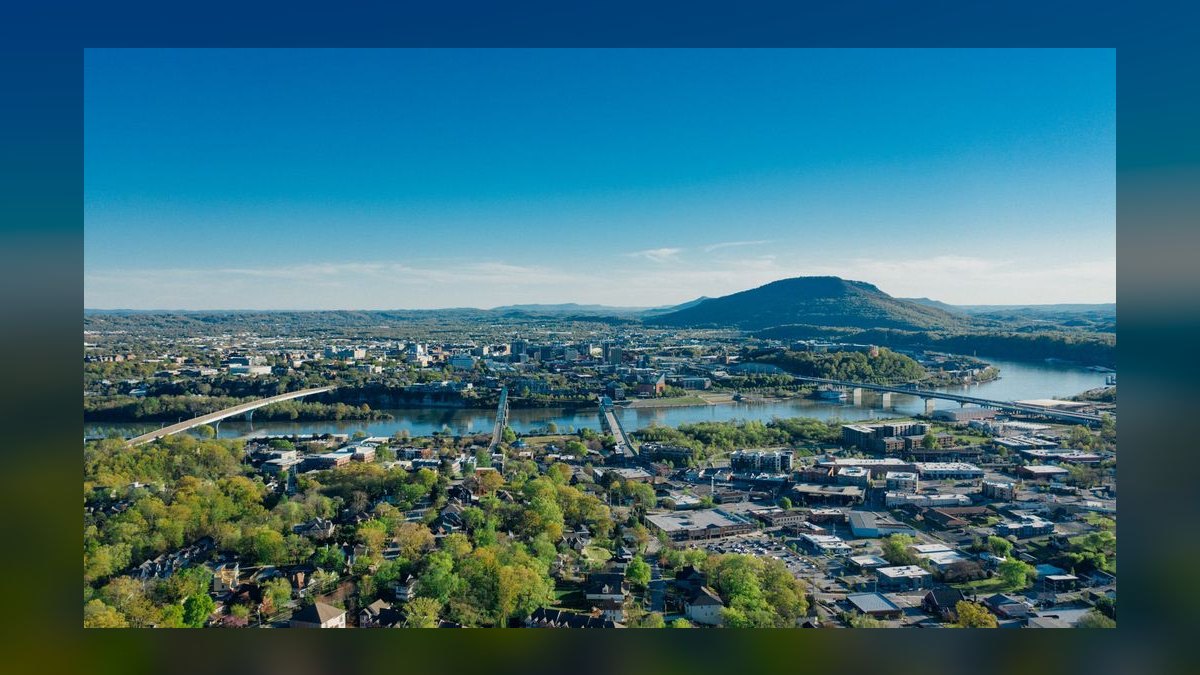
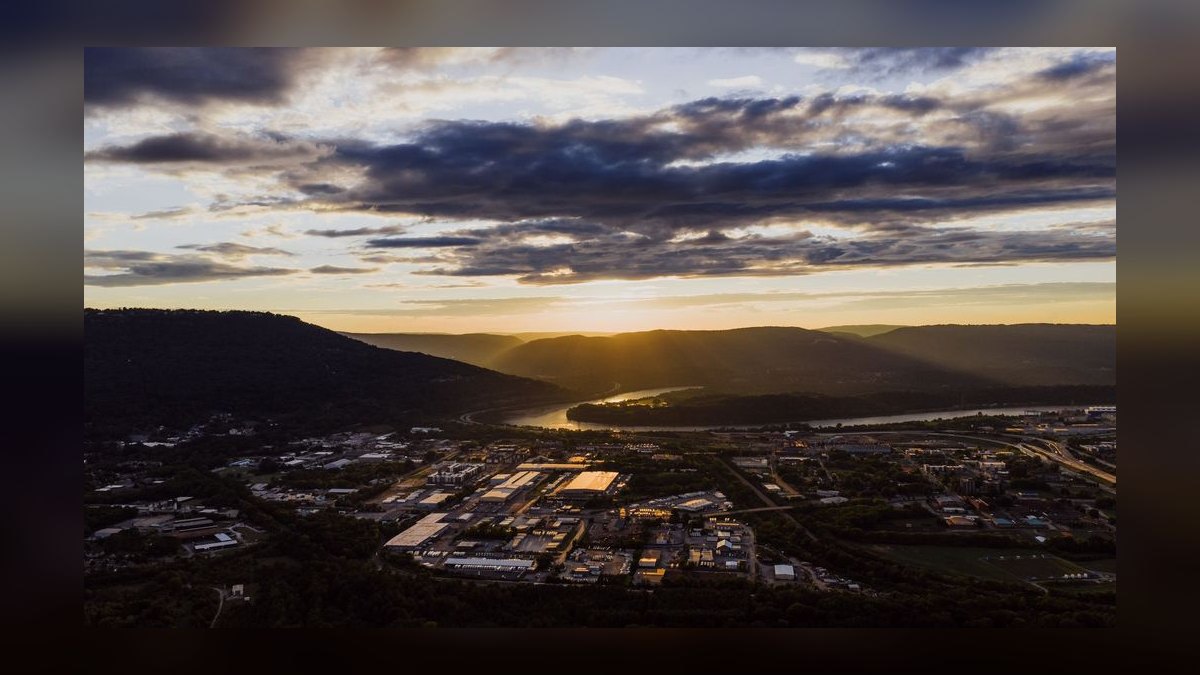
The Tennessee River connects all three regions, flowing south from Knoxville into Alabama before turning north and re-entering the state near the Kentucky border. This waterway provided transportation for agricultural goods and enabled cultural exchange, though its navigability varied by season, limiting how much it unified the state before modern infrastructure.
How Geography Shapes Each Region's Culture
The Mississippi Delta's flat, fertile landscape produced a specific set of cultural expressions rooted in the plantation economy. The blues emerged from African American sharecroppers working cotton fields, with artists like W.C. Handy and Memphis Minnie transforming the hardships of flood cycles, labor exploitation, and river life into a musical language built on bottleneck slide guitar and call-and-response vocals. Memphis's Beale Street became the epicenter of this music, where it evolved into rhythm and blues and later rock 'n' roll at Sun Studio.
The Delta cuisine reflects the same agricultural foundation. Fried catfish from the Mississippi and its tributaries, collard greens, black-eyed peas, and skillet-fried cornbread (never sweet, always savory) formed the core of soul food traditions. Memphis barbecue developed its distinctive style: dry-rubbed ribs with a spice crust rather than sauce, and pulled pork shoulder smoked over hickory wood for hours. The Four Way restaurant in Memphis has served this food since 1946, preserving recipes that trace directly back to Delta farm kitchens.
Middle Tennessee's limestone plateau produced a different cultural identity centered on Nashville. The Grand Ole Opry, broadcasting since 1925, established the city as the country music capital of the world. The "Nashville Sound" of the 1950s, developed by producer Chet Atkins, blended Appalachian folk traditions with polished pop arrangements, creating a commercially successful style that dominated the genre for decades. Music Row now houses hundreds of recording studios, publishing houses, and record labels, making it the global center of the country music industry.
Middle Tennessee's signature dish, Nashville hot chicken, emerged from a local legend: a jilted lover reportedly served extra-spicy fried chicken to a cheating partner, who loved it. The dish—fried chicken coated in a cayenne-lard paste, served with pickles and white bread—has become a citywide obsession. Prince's Hot Chicken Shack, founded in 1945, and Hattie B's now draw lines around the block. The "meat-and-three" plate—one meat plus three vegetables—remains the working-class staple, born from farm kitchens where pork from the smokehouse and vegetables from the garden were daily fare.
East Tennessee's mountain geography preserved different traditions. Scots-Irish settlers brought fiddles, ballads, and later adopted the banjo from West African instruments, creating old-time string band music. The isolation of mountain hollows kept these traditions relatively pure until the 1927 Bristol Sessions recorded the Carter Family and Jimmie Rodgers, launching country music's commercial era. Bluegrass emerged in the 1940s when Bill Monroe sped up old-time music and added mandolin and dobro.

Appalachian cuisine relies on what the land provides: stone-ground cornbread cooked in cast iron, pinto beans with ham hock, ramps (wild leeks foraged in spring), sorghum molasses, and fried apple pies. Moonshine—illegal corn whiskey—was a cash economy for poor farmers, made possible by clear mountain spring water, abundant corn, and remote hollows where federal revenue agents could not find the stills. Today, legal moonshine operations like Ole Smoky and Sugarlands have turned this tradition into a tourist industry.
Concrete Numbers Behind Each Region
The demographic and economic differences between Tennessee's three regions are measurable and significant. Memphis, the anchor of West Tennessee, has a population of approximately 633,000, with African Americans making up roughly 64 percent of the city's residents. The city's poverty rate hovers around 20 percent, reflecting the legacy of the plantation economy and ongoing economic challenges. Memphis attracts about 13 million visitors annually, driven largely by music tourism centered on Beale Street, Graceland, and the National Civil Rights Museum at the Lorraine Motel.

Nashville, the anchor of Middle Tennessee, has grown to approximately 689,000 residents, with the broader metropolitan area exceeding 2 million. The city added roughly 100 new residents per day during the 2010s, driven by the healthcare, technology, and music industries. Music tourism generates an estimated $5 billion annually for the local economy, with the Grand Ole Opry, Ryman Auditorium, and Broadway's honky-tonks drawing millions of visitors. The Tennessee Whiskey Trail connects 30 distilleries across the state, with Jack Daniel's in Lynchburg alone attracting more than 300,000 visitors annually.
East Tennessee's largest city, Knoxville, has approximately 190,000 residents, with the metro area around 900,000. The Great Smoky Mountains National Park is the most visited national park in America, drawing more than 12 million visitors annually—roughly double the attendance of the Grand Canyon. Tourism revenue in Sevier County, home to Pigeon Forge and Gatlinburg, exceeds $3 billion annually, driven largely by Dollywood (which attracts 3 million visitors per year) and access to the national park.
The Tennessee Valley Authority, created in 1933, operates 29 hydroelectric dams across the Tennessee River system. These dams transformed the state's economy by providing flood control and electricity to rural areas, but they also flooded hundreds of thousands of acres of farmland, displacing communities and changing the river's ecology. The TVA now generates about 10 percent of the electricity used in the Tennessee Valley, with the remainder coming from coal, natural gas, nuclear, and increasingly solar sources.
Implementation Details of the Cultural Exchange
The three regions of Tennessee did not develop in complete isolation, and the Tennessee River played a crucial role in connecting them. Before railroads and highways, the river was the primary transportation corridor for agricultural goods like cotton, tobacco, and corn. Musicians traveled the river, sharing songs and styles between regions. The river also provided food—catfish, crayfish, and watercress—that appears in dishes across all three regions.
The Tennessee Music Pathways program, developed by the state tourism department, now connects these regions through a series of marked routes. The western route starts in Memphis, following the blues legacy through Beale Street, Sun Studio, and Stax Records. The middle route centers on Nashville, covering the Grand Ole Opry, Music Row, and the Country Music Hall of Fame and Museum. The eastern route ends in Bristol, where the 1927 recordings launched country music's commercial era. The program includes more than 200 markers across the state, each telling the story of a musician, venue, or moment in music history.
The cultural exchange accelerated dramatically in the 20th century. Sun Studio in Memphis recorded Elvis Presley, Johnny Cash, Jerry Lee Lewis, and B.B. King in the 1950s, creating rock 'n' roll from a blend of blues, country, and gospel. Stax Records in Memphis produced Memphis soul in the 1960s and 1970s, with artists like Otis Redding and Booker T. & the M.G.'s. Nashville's country music industry absorbed influences from both regions, creating the polished Nashville Sound that dominated the charts. Today, festivals like Bonnaroo in Manchester and CMA Fest in Nashville bring artists and audiences from all three regions together.
The culinary exchange followed similar patterns. Memphis barbecue techniques spread eastward, influencing Nashville's meat-and-three restaurants. Nashville hot chicken gained national attention and appeared on menus across the state. Appalachian foraging traditions—ramps, morel mushrooms, pawpaws, and black walnuts—found their way into upscale restaurants in Memphis and Nashville through the farm-to-table movement. The Tennessee Food Trail, promoted by the state tourism department, highlights this culinary diversity across all three regions.
The Role of State and Federal Programs
The Tennessee Valley Authority's dam-building program in the 1930s and 1940s fundamentally changed the state's relationship with its geography. The dams created a chain of lakes along the Tennessee River that provided flood control, hydroelectric power, and recreational opportunities. The electricity generated by these dams attracted manufacturing industries to the region, particularly in the mid-20th century. However, the dams also flooded farmland and displaced communities, creating resentment that persists in some areas today.
The Appalachian Regional Commission, created in 1965, has invested billions of dollars in infrastructure, healthcare, and economic development across the Appalachian portions of the state. The commission's programs have funded highway construction that reduced the isolation of mountain communities, healthcare clinics that addressed rural health disparities, and workforce training programs that prepared residents for new economic opportunities. Despite these investments, East Tennessee continues to face significant economic challenges, including poverty rates above the national average and an opioid addiction crisis that has devastated many communities.
The National Park Service manages the Great Smoky Mountains National Park, which straddles the Tennessee-North Carolina border. The park's 800 square miles of protected wilderness preserve the region's biodiversity and provide recreational access for millions of visitors annually. The park also preserves historic structures—log cabins, barns, and grist mills—that document the mountain way of life that existed before the park's creation in 1934. The park's popularity has driven tourism development in nearby communities, but it has also created tension between preserving the landscape and accommodating commercial growth.
The Southern Foodways Alliance, based at the University of Mississippi, documents and studies the food cultures of the American South, including Tennessee's three distinct regional cuisines. The alliance's oral history projects have recorded stories from barbecue pitmasters in Memphis, hot chicken cooks in Nashville, and moonshine distillers in East Tennessee, preserving knowledge that might otherwise be lost. The alliance's annual symposium brings together chefs, scholars, and food writers to explore how geography shapes what people eat.
How Regional Identities Persist Today
The cultural identities forged by geography remain strong in the 21st century, even as modern transportation and communication have reduced physical isolation. West Tennesseans often identify as "river people," shaped by the Mississippi's floods and booms, with a cultural memory rooted in the plantation economy and the civil rights movement. Memphis's majority-Black population and its history as the site of Dr. Martin Luther King Jr.'s assassination at the Lorraine Motel infuse the city's music and food with a sense of struggle and celebration.
Middle Tennesseans see themselves as "Music City," blending Southern hospitality with creative industry ambition. The Nashville skyline has exploded with high-rises and tech companies, but the region's rural roots remain in county fairs, bluegrass festivals, and church suppers. The cultural tension between old Nashville—songwriters, session musicians, family-owned barbecue joints—and new Nashville—corporate relocations, luxury condos, celebrity chefs—defines the region's contemporary identity.
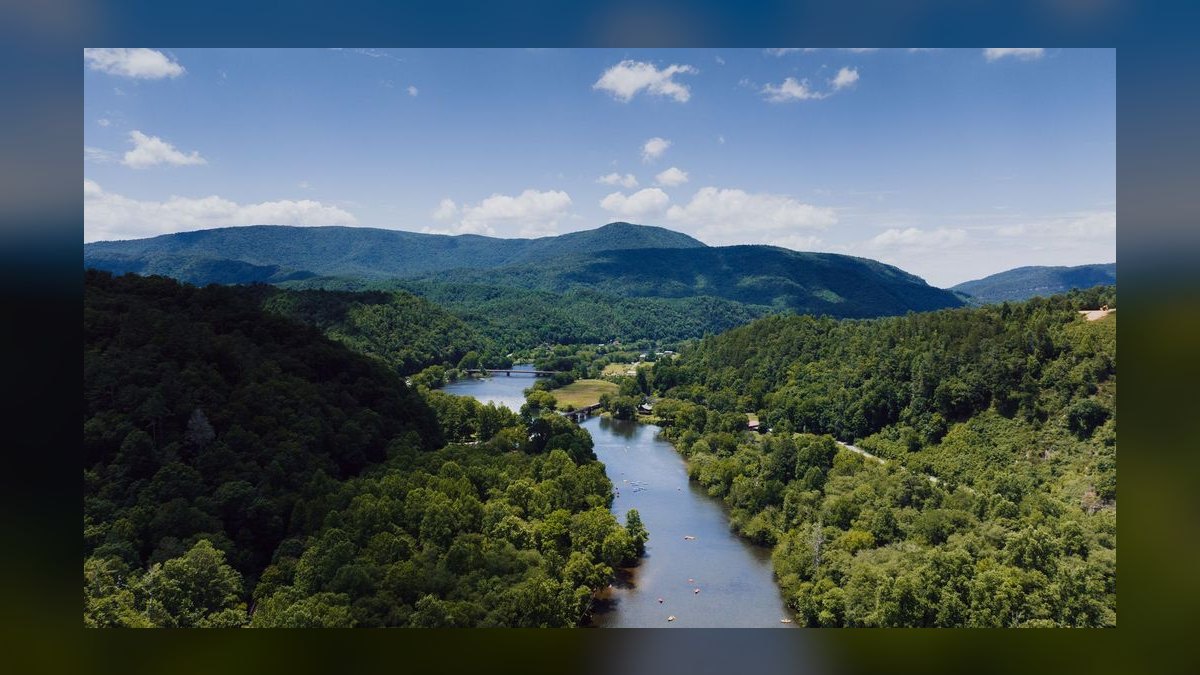
East Tennesseans identify as "mountain people," self-reliant and proud of their heritage. The region was pro-Union during the Civil War, the only part of Tennessee that sided with the North, a legacy of independent thinking that persists in libertarian politics and gun culture. Dolly Parton embodies the Appalachian success story: born poor in a mountain cabin, she built a global entertainment empire while maintaining deep roots in her home region. Her theme park, Dollywood, employs thousands of local residents and has become a cultural touchstone.
The Tennessee Whiskey Trail connects these regional identities through a shared agricultural heritage. Jack Daniel's in Lynchburg and George Dickel in Cascade Hollow, both in Middle Tennessee, use limestone-filtered water that gives their products a distinctive character. Craft distilleries in East Tennessee, including several that produce legal moonshine, draw on Appalachian traditions. The trail includes more than 30 stops across the state, each telling a story about how the land shapes what people produce.
Related Questions
How does Memphis barbecue differ from Nashville barbecue?
Memphis barbecue emphasizes dry-rubbed ribs with a spice crust and no sauce, plus pulled pork shoulder smoked over hickory. Nashville barbecue tends to be saucier, and the region's signature dish is hot chicken rather than ribs. Both traditions rely on slow smoking and local pork.
Why is moonshine historically associated with East Tennessee?
The remote mountain hollows provided secrecy for illegal stills, while clear spring water and abundant corn made the region ideal for distilling. Poor farmers used moonshine as a cash economy when other income sources were scarce. Federal revenue agents struggled to locate hidden operations.
What role did the Bristol Sessions play in country music history?
The 1927 Bristol Sessions, recorded in Bristol, Tennessee, captured the Carter Family and Jimmie Rodgers, launching country music's commercial era. These recordings demonstrated that rural Appalachian music had national appeal. The sessions are why Bristol claims the title "Birthplace of Country Music."
How did the Tennessee Valley Authority change the state?
The TVA dammed the Tennessee River for flood control and hydroelectric power, bringing electricity to rural areas and attracting manufacturing. The dams created recreational lakes but also flooded farmland and displaced communities. The TVA transformed the state's economy and infrastructure.
FAQ
Why does West Tennessee have such different food from East Tennessee?
The Mississippi Delta floodplain is flat and fertile for cotton and catfish farming, while the Appalachian Mountains are steep and forested, supporting foraging and small-scale farming. Geography dictates what can be grown, hunted, or harvested in each region, shaping the ingredients and cooking methods that define each cuisine.
Is Nashville hot chicken really that spicy?
Yes, Nashville hot chicken uses a cayenne-lard paste that delivers intense heat. The dish is traditionally served with pickles and white bread, which help cool the palate between bites. Heat levels vary by restaurant, with most offering mild, medium, hot, and extra-hot options.
What is the difference between Memphis and Nashville barbecue?
Memphis barbecue is dry-rubbed ribs with a spice crust and no sauce, plus pulled pork shoulder smoked over hickory. Nashville barbecue tends to be saucier, and the region's signature dish is hot chicken rather than ribs. Both traditions emphasize slow smoking and local pork.
Why is moonshine associated with East Tennessee?
The remote mountain hollows provided secrecy for illegal stills, while clear spring water and abundant corn made the region ideal for distilling. Poor farmers used moonshine as a cash economy when other income sources were scarce. Federal revenue agents struggled to locate hidden operations.
How did the Tennessee River shape the state's culture?
The river served as a transportation highway for agricultural goods and musicians, connecting the three regions. It provided catfish and watercress that appear in dishes across the state. The Tennessee Valley Authority's dams transformed the river into a source of electricity and recreation.
What is the best way to experience Tennessee's cultural diversity?
Drive the Tennessee Music Pathways from Memphis (blues) to Nashville (country) to Bristol (bluegrass), stopping at local diners and barbecue joints along the way. The Tennessee Food Trail highlights culinary diversity across all three regions. Allow at least a week to experience each region properly.
Sources
- https://www.nps.gov/grsm/index.htm
- https://www.countrymusichalloffame.org/
- https://www.southernfoodways.org/
- https://www.tva.gov/
- https://www.arc.gov/
- https://www.tn.gov/tourism.html
- https://www.memphismusiccommission.org/
- https://www.tennesseewhiskeytrail.com/
Related on PULSE
- [How Southern Food Traditions Vary by State](/knowledge/tn0143)
- [The Evolution of American Country Music](/knowledge/tn0144)
- [Appalachian Culture and Mountain Living](/knowledge/tn0145)
- [Best Cities for Music Lovers in the South](/knowledge/tn0146)
- [Understanding Southern Regional Barbecue Styles](/knowledge/tn0147)
@Kory-White- · if Venmo asks, the last 4 of my number are 2012
 editorialMy Thoughts: Top 10 Best Towns to Live in the Rocky Mountains in 2027
 pulse-townsWhat should you know before investing in Towns in 2027?
 pulse-townsTop 10 Towns strategies for 2027
 pulse-townsTop 10 best Towns options in 2027
 boatTop 10 Boats for Couples 2027
 pulse-reviewsTop 10 E-Readers — Best Overall + Best Value in 2027
 pulse-reviewsTop 10 LG TVs — Best Overall + Best Value in 2027
 pulse-reviewsTop 10 Laptops — Best Overall + Best Value in 2027
 pulse-carsBest Acura ILX Model Years (Ranked) in 2027
 pulse-reviewsTop 10 Robot Vacuums — Best Overall + Best Value in 2027