

How Much Does It Cost to Live in a Small Town in 2027?
 Curated byKory White · Fractional CRO · Maryland
Quality
Certified

Living in a Small Town in 2027 typically costs $2,400–$4,200 per month for a household of two, with a midpoint near $3,400 all-in. Housing runs $900–$1,400 in rent or roughly $1,250–$1,500 for a mortgage on a $175,000–$225,000 home. Transportation, healthcare, and utilities claw back 30–50% of the housing savings.
The household that moved for the mortgage and got surprised by the truck
Consider a two-person household leaving a mid-size metro for a town of 8,000 people two hours out. They ran the math the way almost everyone runs it: they compared rent. Their metro one-bedroom was $2,150. The small-town three-bedroom house they found listed at $189,000, which at prevailing 2026–2027 mortgage rates works out to roughly $1,250–$1,400 monthly principal and interest with 10% down, plus escrow. On the housing line alone they were saving something like $600 a month and gaining 1,400 square feet. That is the headline number that drives most relocation decisions, and it is real.
What they did not model was everything downstream of the house. Within four months they had bought a second vehicle, because the town had no transit and the nearest employer for one of them was 24 miles away. That vehicle was a used pickup at $19,000 financed over five years — call it $370 a month, plus another $110 in insurance, plus fuel for roughly 1,800 additional miles a month between the two of them. Rural auto insurance is often cheaper per policy than urban, but two policies beat one, and the mileage exposure raises the premium. Add tires, brakes, and the maintenance load of a vehicle doing highway miles in winter, and the transportation line went from about $340 a month to roughly $980.
Then came the smaller erosions. Groceries at the single supermarket in town ran 6–12% above what the metro chain charged, because there was no competing store within 30 minutes and no discount grocer at all. Internet was one provider at $85 a month for service that would have cost $55 in the city, with no realistic alternative until fixed wireless improved. Their dentist was 40 minutes away. When one of them needed a specialist, the appointment was a 90-mile round trip and a half day of PTO, which is a real cost even if it never shows up on a budget spreadsheet.

Net, they still came out ahead — but by about $450 a month, not the $600 they had penciled from housing alone, and only after the vehicle was paid off did the gap widen meaningfully. This is the shape of the small-town cost question in 2027: the housing savings are large and durable, and a predictable set of counter-costs eats 30–50% of them. Understanding which counter-costs apply to *your* town is the entire exercise. A town of 8,000 with a hospital, two grocery stores, and a community college behaves very differently from a town of 1,200 with a gas station and a volunteer fire department, even if their median home prices are within $20,000 of each other.
How the small-town cost structure actually works
Cost of living is not one number, it is a stack of line items that respond to different forces, and small towns pull those forces in opposite directions. Understanding the mechanism lets you predict your own outcome instead of trusting a national average.

Housing responds to land supply and demand density. This is where small towns win, and win big. Land is abundant, construction costs less per square foot outside union-density metros, and demand is thin. Median home values in rural counties have historically run 40–60% below national metro medians, and rent gaps are similar. This is the engine of the entire savings story. It is also the most durable — housing is the largest line item in almost every household budget, typically 28–35% of gross income, so a 45% cut to the largest line moves the total meaningfully.
Transportation responds to distance and the absence of alternatives. This is where small towns lose. Rural households drive substantially more miles per year than urban households, and they have no zero-cost substitute — no subway, no bus, no walkable errands. Vehicle ownership shifts from optional to mandatory, and often from one vehicle to one-per-adult. Transportation frequently doubles as a share of budget when someone moves rural.
Tradeable goods barely move. A laptop, a pair of shoes, a streaming subscription, a car part ordered online — these cost the same in a town of 3,000 as in Chicago. Roughly 25–35% of a typical household budget is tradeable goods and national-price services that simply do not care where you live. This is why "cost of living is 30% lower" never means your total spending drops 30%.
Non-tradeable local services split unpredictably. A haircut, a plumber, childcare, a restaurant meal — these track local wages, which are lower, so they usually cost less. But thin markets can invert this: if there is exactly one HVAC contractor within 40 miles, that contractor's emergency rate may exceed what a competitive metro market charges, because scarcity beats wage differentials. The rule of thumb is that routine local services are cheaper and *specialized* local services are more expensive or simply unavailable.

Healthcare responds to provider density, and small towns are thin. Rural hospital closures over the past decade have lengthened travel distances for emergency and specialty care in many regions. Insurance premiums on individual marketplaces in low-density counties are frequently higher than in metro counties because there are fewer competing insurers and less negotiating leverage. If you buy your own coverage rather than getting it through an employer, this line can partially offset housing savings by itself.
Utilities respond to climate, housing stock age, and infrastructure. A 1,900-square-foot farmhouse built in 1948 costs far more to heat than a 900-square-foot metro apartment with neighbors on three sides. Propane or fuel oil heat, common in rural areas without natural gas lines, is typically more expensive per BTU than piped gas and is exposed to spot-price volatility. Well and septic mean no water bill but real periodic capital costs — a septic replacement runs into five figures, a well pump into four.
Real numbers, ranges, and benchmarks for 2027
The table below reflects the range you should expect for a two-person household in a town of roughly 2,000–15,000 people, assuming no employer-subsidized housing and one or two vehicles. Numbers are monthly unless noted.

| Line item | Low | Mid | High | Notes |
|---|---|---|---|---|
| Rent (2BR) | $850 | $1,100 | $1,450 | Varies sharply by state and proximity to a regional hub |
| Mortgage P&I on $200k | $1,150 | $1,320 | $1,500 | Assumes 10% down, 6.5–7.5% rate, excludes escrow |
| Property tax + insurance | $250 | $400 | $650 | Reassessment after purchase often pushes this higher |
| Utilities (heat, electric, water/sewer) | $180 | $280 | $450 | Propane or oil heat pushes toward the high end |
| Transportation (1 vehicle) | $420 | $560 | $720 | Payment, insurance, fuel, maintenance |
| Transportation (2 vehicles) | $780 | $980 | $1,250 | Most rural households land here |
| Groceries | $520 | $650 | $820 | Single-store towns run 5–12% above metro |
| Healthcare (premium + out-of-pocket) | $380 | $620 | $1,100 | Individual market in thin counties is expensive |
| Internet + phone | $140 | $190 | $260 | One-provider towns rarely see promotional pricing |
| Childcare (if applicable) | $500 | $800 | $1,300 | Scarce slots; waitlists measured in months |
| Home maintenance reserve | $150 | $250 | $400 | Only if owning; older stock skews high |
| Travel back to family | $0 | $150 | $300 | Four to six trips per year amortized |
| Total (renter, 1 car) | $2,400 | $3,100 | $4,000 | |
| Total (owner, 2 cars) | $3,300 | $4,200 | $5,600 |
A single person in a modest rental can run $1,600–$2,600. A family of four with two cars, a mortgage, and childcare frequently runs $4,500–$6,000 — still meaningfully below the $7,000–$9,500 the same family would spend in a major metro, but nowhere near the "half price" figure that gets thrown around.
The savings rate is the number that actually matters. Against a metro baseline of $5,500–$8,000 for a household of two, a small-town total of $2,400–$4,200 represents net savings of 25–40%. That is the honest range. Anything above 40% usually means the household either kept a metro income, owns the home outright, or is undercounting transportation and healthcare.
Trade-offs and alternatives

The small-town arbitrage is not a single decision, it is a portfolio of decisions, and each one has a counterweight. The flowchart below maps the branches most households actually face.
Small town versus small city. A city of 50,000–150,000 often wins on total cost. Housing is only slightly higher than a rural town — maybe 10–20% — but transportation drops because transit and walkability return, groceries are competitive, healthcare is local, and broadband is reliable. The small city also carries less concentration risk: if your one local employer closes, there are others. For most households, the small city is the better risk-adjusted choice, and the small town wins only when the housing gap is very large or the household is fully remote.
Owning versus renting. Owning locks in the housing savings and builds equity, but it also locks you into the maintenance reserve, the property tax reassessment, and the illiquidity of a thin market. Renting in a small town is often cheaper than owning in year one and preserves the option to leave. The twelve-month rental is the single best sanity check available: it costs you one year of appreciation and buys you certainty on the largest financial decision most households make.
Remote income versus local income. Keeping a metro salary while paying small-town housing costs is the strongest version of this arbitrage. Taking a local job at local wages commonly converts a cash-savings story into a purchasing-power story — you spend less, but you also earn 15–30% less, and the net difference can be close to zero. Confirm your employer's location-based pay policy and state employment restrictions in writing before relocating.
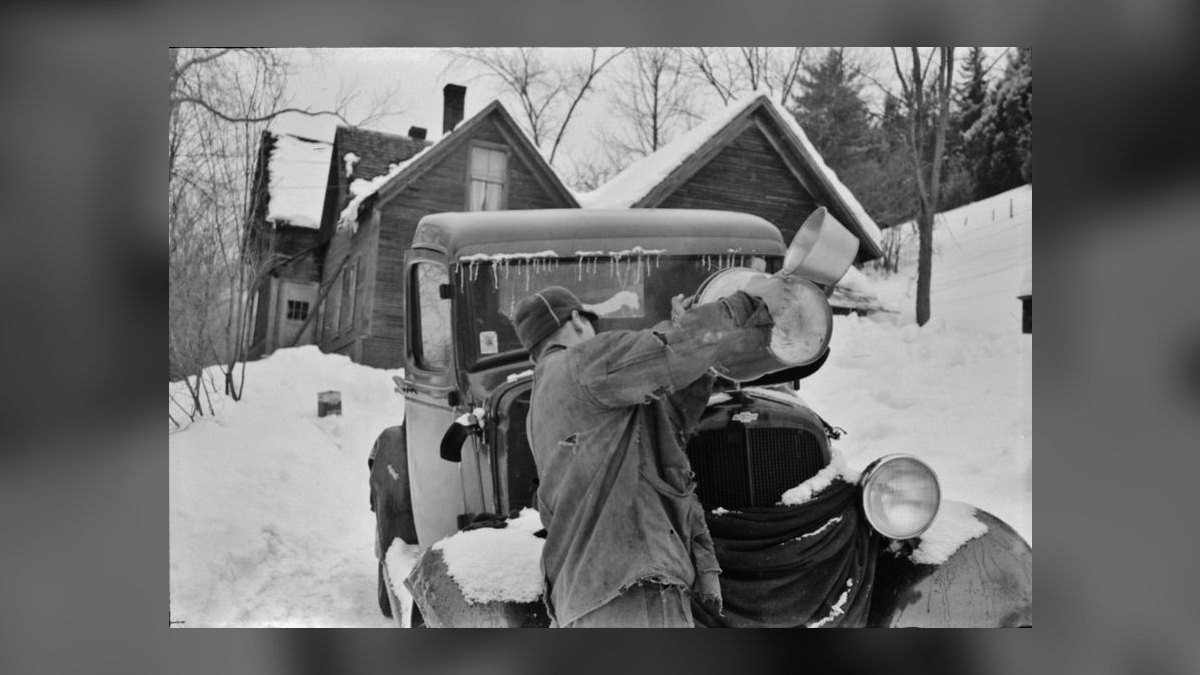
Proximity to a regional hub versus deep rural. A town 30 minutes from a regional hub of 80,000 people retains most of the housing savings while inheriting the hub's hospital, grocery competition, and broadband. A town two hours from anything gives up those things and adds travel cost to every specialty errand. The 30-minute ring is usually the sweet spot.
Common pitfalls and how to avoid them
Most bad small-town cost estimates fail in the same handful of ways. Each has a cheap check.
Pitfall: using a cost-of-living index as a budget. Indexes are weighted averages across a basket that may not resemble your spending. If you have no kids, no car payment, and a chronic condition requiring monthly specialist visits, the index is nearly useless for you. *Check:* build your own line-item budget with your actual current spending and adjust each line individually. Housing down 45%, transport up 100%, groceries up 8%, tradeables flat, healthcare varies.
Pitfall: comparing medians instead of comparables. The metro median includes housing you would never buy and the small-town median includes housing you would never accept. *Check:* pull five actual listings in each place that you would genuinely live in, and compare those.
Pitfall: ignoring property taxes and insurance. These vary by multiples between states and by hazard exposure within states. *Check:* look up the actual tax bill on the actual parcel (most counties publish this) and get a real insurance quote on the actual address before you make an offer.

Pitfall: assuming remote work is portable. Some employers reduce pay on relocation, some require occasional in-office presence, some restrict which states they will employ in at all for tax and registration reasons. *Check:* get your employer's relocation and location-pay policy in writing before you sign anything.
Pitfall: not verifying broadband at the address. Coverage maps have historically been optimistic. *Check:* call the provider with the exact street address and ask what they will actually install and at what speed, and ask a neighbor what they actually get at 8 p.m.
Pitfall: modeling one vehicle. If both adults work outside the home and there is no transit, you need two, and you need them to be reliable enough for winter highway miles. *Check:* map every recurring trip — work, school, groceries, gym, doctor, church, hardware store — and total the weekly miles honestly. Multiply by 52 and apply a per-mile operating cost.
Pitfall: budgeting the honeymoon year. Year one has moving costs, setup purchases, and the excitement of a new place. Year three has a roof, a furnace, and a car that needs replacing. *Check:* build a capital reserve line from day one rather than discovering it as a crisis.
Pitfall: pricing the town instead of the address. Within a single small town, one address has natural gas, municipal water, sewer, and fiber; another three miles out has propane, a well, a septic tank, and satellite internet. Those two addresses can differ by $300–$500 a month in operating cost at identical purchase prices. *Check:* confirm utilities, road maintenance responsibility (some rural roads are privately maintained, with an association fee), snow plowing, and trash service on the specific parcel.
Related questions

Is it cheaper to live in a small town or a small city?
A small city of 50,000–150,000 often wins on total cost. Housing is only slightly higher than a rural town, but transportation, groceries, healthcare travel, and broadband are all cheaper, and job depth reduces the risk of a forced second move.
How much do I save moving from a big city to a small town?
Realistically 25–40% of total household spending if you keep your income. Housing savings of 40–60% are partly offset by transportation roughly doubling and healthcare and utilities often rising. If you take a local job at local wages, cash savings shrink substantially.
Do small towns have hidden costs?
Yes — vehicle count, propane or fuel oil heat, well and septic reserves, home maintenance you previously outsourced to a landlord, travel back to family, specialty healthcare mileage, and property tax reassessment after purchase. Together these commonly consume 30–50% of the housing savings.
Should I rent or buy when moving to a small town?
Rent for twelve months first. Small-town real estate is illiquid, round-trip transaction costs run 8–10%, and a year of renting reveals winter utility bills, real drive times, actual internet performance, and whether the place fits before you commit capital.
Does remote work change the small-town math?

Substantially. Keeping a metro salary while paying small-town housing costs is the strongest version of this arbitrage. But confirm your employer's location-based pay policy and state employment restrictions first — some companies adjust compensation to local market rates on relocation.
FAQ
How much does it cost to live in a small town in 2027?
Plan on roughly $2,400–$4,200 monthly for a two-person household, with the middle around $3,400 all-in. A single person in a modest rental can run $1,600–$2,600. Homeownership with a mortgage on a $175,000–$225,000 house pushes the upper end higher once taxes, insurance, and maintenance reserves are included. The dominant variables are the state's property tax rate, your heat source, how many vehicles you need, and whether health coverage comes from an employer or the individual market.
What is the single biggest cost difference versus a city?
Housing, by a wide margin. It is the largest line item in most budgets and it falls the most — commonly 40–60% for comparable square footage. No other line moves enough to matter as much. That is why the savings thesis survives even after transportation doubles and healthcare gets more expensive.
What is the biggest hidden cost people miss?

Transportation, followed closely by property taxes. Rural households drive far more miles with no low-cost alternative, and moving from one vehicle to two adds a payment, a second insurance policy, and a second maintenance stream. Property taxes vary by multiples between states and are frequently reassessed upward at your purchase price.
Are groceries more expensive in a small town?
Usually modestly — often 5–12% higher where there is a single store and no discount competitor within a reasonable drive. Towns with a supercenter or discount grocer within 15 minutes largely eliminate the penalty. The bigger cost is time and fuel when the nearest full grocery is 30-plus minutes away.
Will my salary drop if I move to a small town?
If you take a local job, likely yes — small-town wages commonly run 15–30% below metro wages for comparable roles, which converts much of the cost savings into a purchasing-power story rather than a cash-savings story. If you work remotely for a metro employer, it depends entirely on their location-pay policy, which you should confirm in writing before relocating.
How do I estimate my own number rather than using an average?
Take your current budget line by line. Cut housing 40–50%, roughly double transportation, add 5–10% to groceries, leave tradeable goods and subscriptions flat, and price healthcare, property tax, and homeowners insurance from actual quotes on the actual address. Add a capital reserve of $200–$400 a month for a single-family home. That personalized total beats any national index.
Sources
- https://www.bls.gov/cex/ — Bureau of Labor Statistics Consumer Expenditure Survey, household spending by category and region
- https://www.census.gov/programs-surveys/acs — U.S. Census American Community Survey, housing costs, commute times, and county-level demographics
- https://www.ers.usda.gov/topics/rural-economy-population/ — USDA Economic Research Service, rural economy and population data
- https://www.huduser.gov/portal/datasets/fmr.html — HUD Fair Market Rents by county
- https://www.federalreserve.gov/consumerscommunities/shed.htm — Federal Reserve Survey of Household Economics and Decisionmaking
- https://www.healthcare.gov/ — Marketplace plan and premium information by county
- https://www.eia.gov/ — U.S. Energy Information Administration, heating fuel and electricity price data
- https://www.fhwa.dot.gov/policyinformation/ — Federal Highway Administration travel and vehicle-miles data
- https://www.bea.gov/data/income-saving/regional-price-parities-state-and-metro-area — Bureau of Economic Analysis Regional Price Parities
- https://www.aha.org/statistics — American Hospital Association statistics on hospital access and closures
Related on PULSE
- How much does it cost to live in a mid-size city in 2027?
- What does remote work actually save a household per year?
- How do property taxes vary by state for a $200,000 home?
- What is the real cost of owning a second vehicle?
- How should a household build a home maintenance capital reserve?
- Is it cheaper to rent or buy in a thin real estate market?
This page will be disappearing soon. Save it to your device for $1 — or read it free while it is here.
@Kory-White- · if Venmo asks, the last 4 of my number are 2012
This page is gone.
This one is off the shelf now. $1 keeps it on your phone for good — the whole page, pictures and diagrams included.
 pulse-townsTop 10 Best Towns to Live in New England in 2027
 pulse-townsWhen is the best time to buy a home in a small town in 2027?
 pulse-townsTop 10 Best Suburbs of Columbus in 2027
 pulse-towns10 Best Mountain Towns to Live in 2027
 pulse-townsTop 10 Best Suburbs of Baltimore in 2027
 pulse-townsTop 10 Best Suburbs of Seattle in 2027
 pulse-townsTop 10 Best Towns on Maryland's Eastern Shore in 2027
 pulse-townsBest Sun Belt Cities for Young Professionals in 2027
 pulse-townsTop 10 Best Towns to Live in the Midwest in 2027
 pulse-townsThe 10 Best Suburbs Near Chicago, Illinois in 2027