
The 10 Best Ski Resorts in the French Alps in 2027
 Curated byKory White · Fractional CRO · Maryland
 PULSEKNOWLEDGE LIBRARY
Quality
Certified
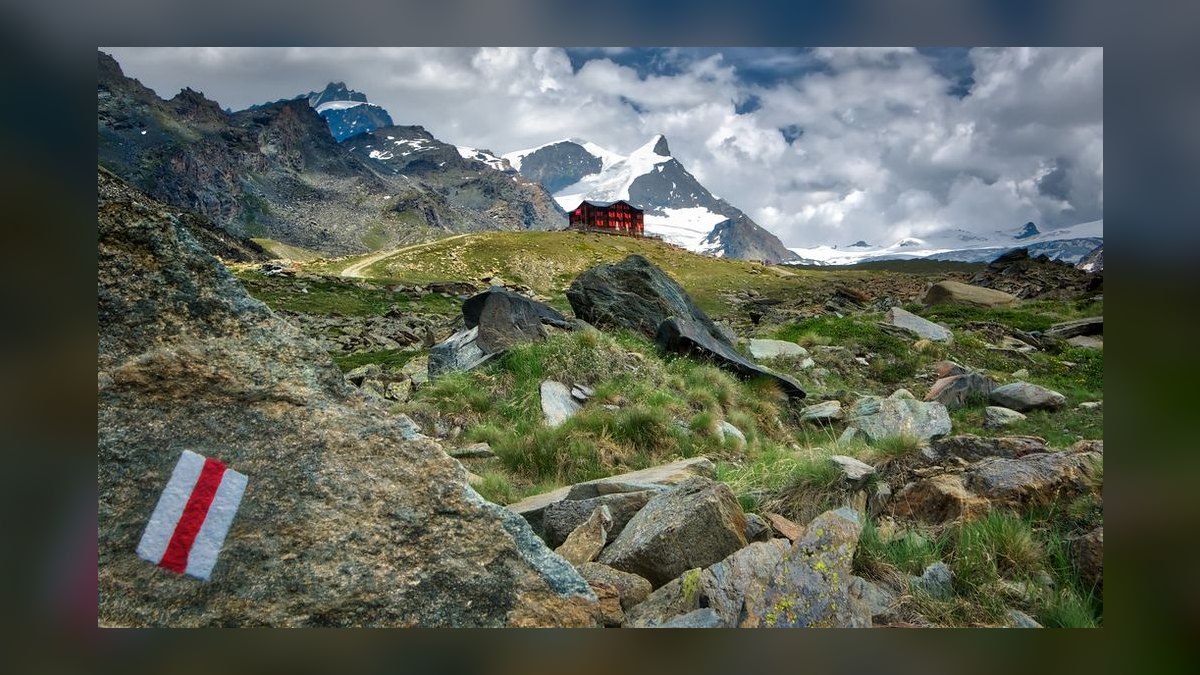
The best French Alps ski resort overall is Val d'Isère / Tignes (Espace Killy), a vast, snow-sure, high-altitude domain whose six-day lift pass runs roughly €350–€380 for access to 300 km of linked pistes. The best value is Les Deux Alpes, where a six-day pass runs about €260 for Europe's largest skiable glacier and a lively, affordable resort town.
This list is for skiers planning a 2027 trip to France's premier alpine destinations and weighing terrain, snow reliability, and price. French lift passes are typically sold by the day or week rather than as North American–style season passes, with six-day adult passes ranging from roughly €230 to €400. Every resort below is a real, currently operating French ski area, ranked on terrain size, snow reliability, vertical, value, and overall experience.
But before we dive into the rankings, let's understand what makes the French Alps so special for skiing. Unlike the compact, lift-ticket-heavy model in North America, French resorts emphasize village culture, long lunches, and interconnected mega-domains that let you ski from one country to another. The 2027 season promises continued investment in high-speed lifts, snowmaking upgrades, and sustainable energy initiatives across the major resorts.
Whether you're a first-timer looking for gentle nursery slopes or an expert seeking couloirs that would make a mountain goat nervous, the French Alps deliver with a style that's uniquely Gallic.
1. Val d'Isère / Tignes (Espace Killy) 🏆 BEST OVERALL
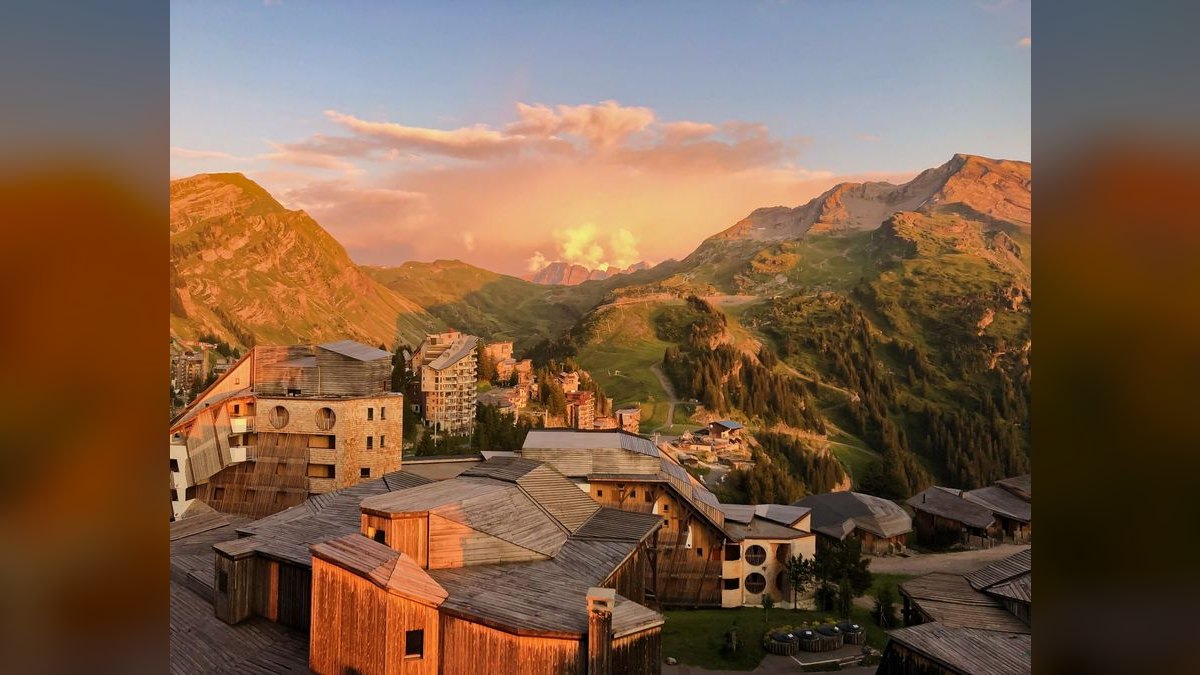
Linked together as the Espace Killy domain, Val d'Isère and Tignes share 300 km of pistes served by around 78 lifts, topping out at the Grande Motte glacier (3,456 m). The high altitude guarantees excellent snow from late November into May, and the terrain spans everything from gentle cruisers to the fearsome Face de Bellevarde World Cup downhill.
What sets Espace Killy apart from other mega-domains is the sheer concentration of high-quality terrain packed into a relatively compact area—you can ski from one resort to the other without ever feeling like you're wasting time on long, flat traverses.
A six-day Espace Killy lift pass runs roughly €350–€380. Val d'Isère is a stylish, upscale village with strong nightlife and dining, while Tignes is higher and more functional. Combined vertical and off-piste options (the Tour du Charvet, the Spatule) are world-class. The glacier at Tignes means you can ski year-round, and the resort has invested heavily in snowmaking to supplement natural snowfall, ensuring that even in lean winters, the pistes remain skiable.
It ranks #1 for the rare combination of huge linked terrain, dependable high-altitude snow, and a season that runs into spring — the most complete big-Alps experience in France. The Espace Killy also hosted the 1992 Albertville Winter Olympics, and the legacy of those games means world-class infrastructure, including the famous Face de Bellevarde run that still hosts World Cup races annually.
For intermediate skiers, the Sache and Le Laisinant blue runs off the Solaise gondola offer wide, perfectly groomed rollers that stretch for kilometers without a flat spot.
2. Chamonix-Mont-Blanc
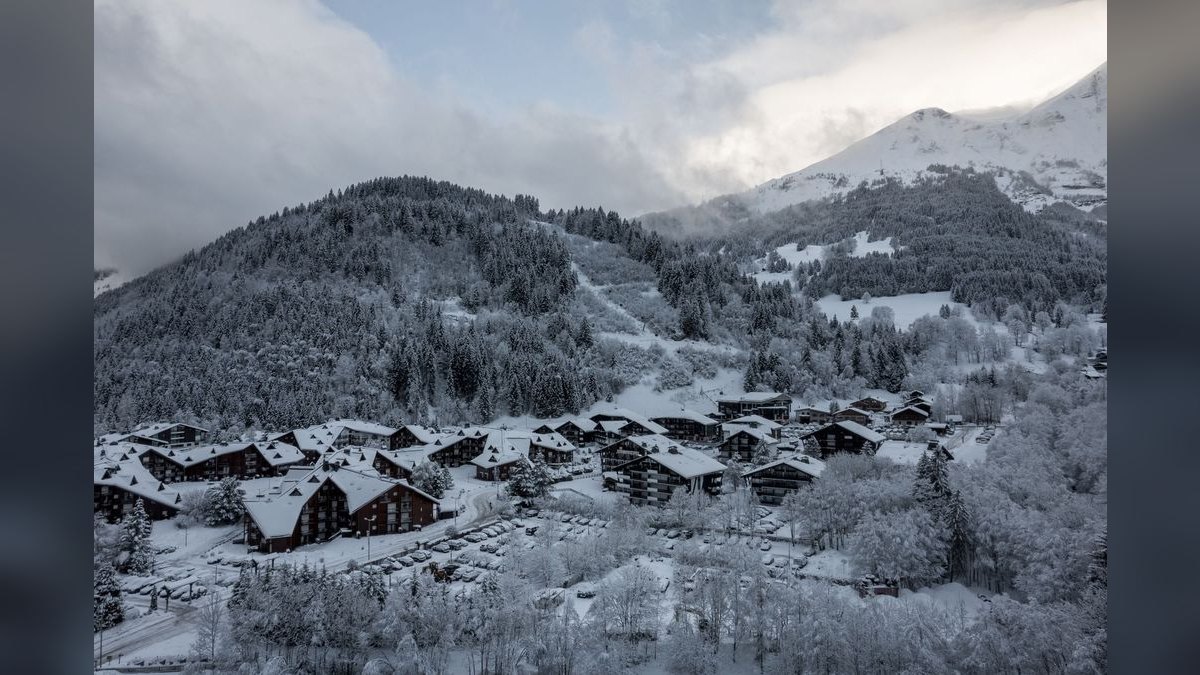
Chamonix sits beneath Mont Blanc (4,808 m) and is the spiritual home of extreme alpine skiing. Its disconnected ski areas — Brévent-Flégère, Les Grands Montets, Le Tour, Les Houches — total over 150 km of piste, but the real draw is the legendary Vallée Blanche, a 20+ km off-piste glacier descent from the 3,842 m Aiguille du Midi.
What many visitors don't realize is that Chamonix is not a single ski area but a collection of distinct mountains, each with its own character and microclimate. Brévent-Flégère faces south and gets sun all day, while Les Grands Montets faces north and holds powder longer.
A six-day Chamonix Le Pass runs roughly €300–€330 (the Mont Blanc Unlimited pass costs more and adds Courmayeur and Verbier). The town is a bustling year-round mountaineering hub. It ranks #2 for unrivaled off-piste and big-mountain heritage, though its scattered, lift-accessed areas suit experienced skiers more than beginners.
The lift system can be frustrating for families—you often need to take buses between the different areas, and on busy days, queues at the Aiguille du Midi cable car can stretch for hours. But for experts who want to push their limits, there's simply no comparison to skiing the same lines that inspired the first Winter Olympics in 1924.
3. Courchevel (Les Trois Vallées)
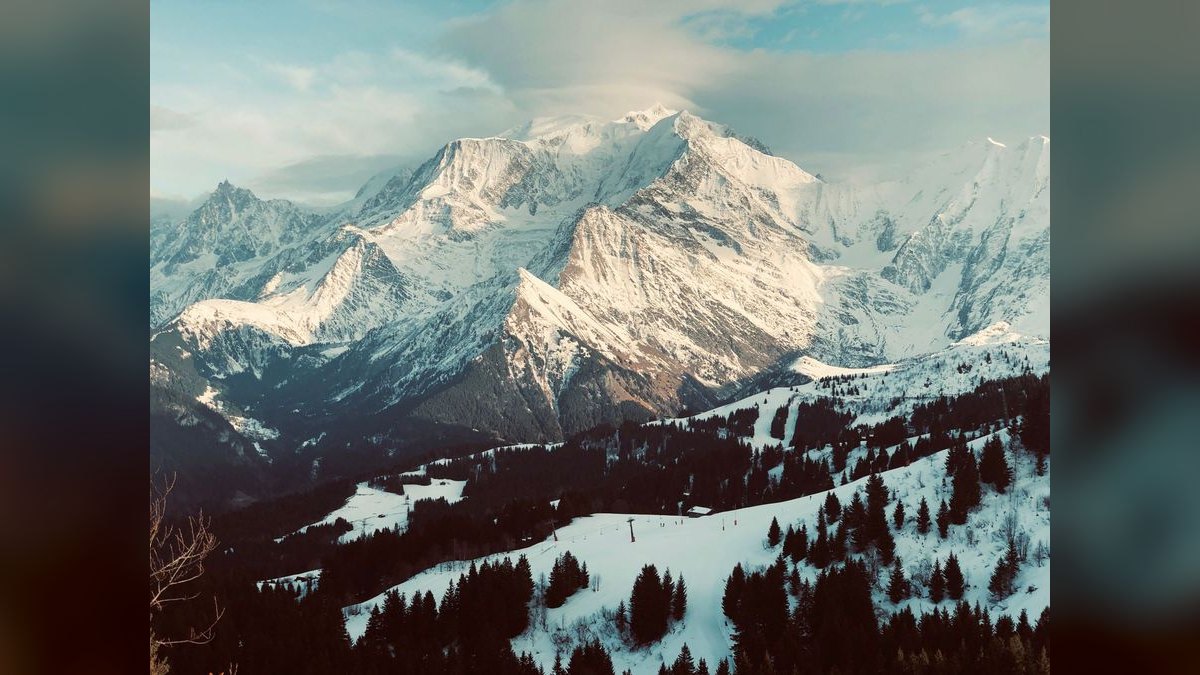
Courchevel is the glamorous flagship of Les Trois Vallées, the world's largest linked ski area at 600 km of pistes. Courchevel itself offers immaculate grooming, an altiport for private jets, Michelin-starred dining, and terrain from gentle 1850-level greens to steep couloirs.
The resort is actually a collection of five villages at different altitudes—Courchevel Le Praz (1,300 m), Courchevel Village (1,550 m), Courchevel Moriond (1,650 m), Courchevel 1850 (1,850 m), and the newest addition, La Tania (1,400 m). Each has its own personality, from the rustic charm of Le Praz to the glitzy luxury of 1850.
A six-day Three Valleys pass runs roughly €350–€390 and connects Courchevel with Méribel, Val Thorens, and more. It ranks #3 for access to the largest ski domain on earth combined with five-star luxury, just behind Espace Killy on snow reliability at its lower altitudes. The Courchevel 1850 altitude is high enough to guarantee good snow through most of the season, but the lower villages can suffer in warm spells.
What Courchevel lacks in glacier skiing, it makes up for in the sheer variety of its terrain—from the wide, gentle Bouc Blanc blues to the mogul fields of the Couloir des Fusillés.
4. Val Thorens (Les Trois Vallées)
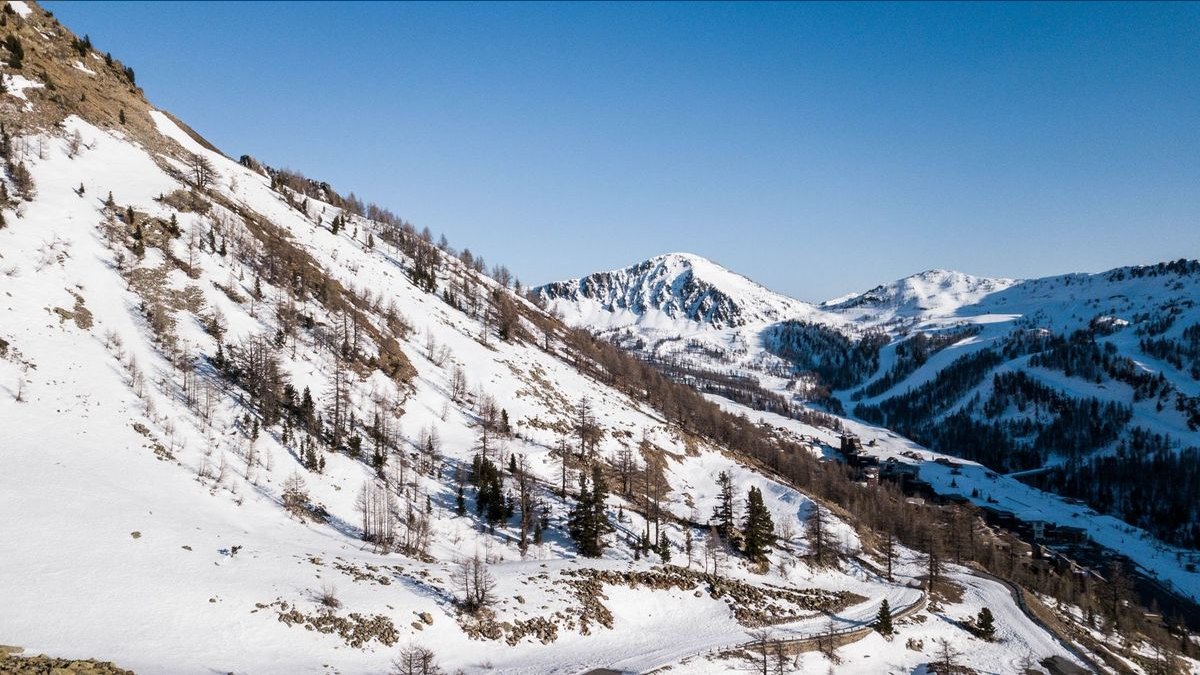
Val Thorens is Europe's highest ski resort, with a base at 2,300 m and lifts reaching 3,230 m, ensuring some of the most snow-sure skiing in the Alps. As part of the Three Valleys, it accesses the same 600 km domain while offering a purpose-built, ski-in/ski-out village.
The resort was deliberately constructed in the 1970s as a high-altitude alternative to lower villages, and its architecture—while not as charming as Courchevel's—is highly functional, with most accommodation directly on the slopes.
A six-day Three Valleys pass (about €350–€390) covers it, or a Val Thorens–Orelle pass is cheaper. It ranks #4 for guaranteed snow, high-altitude cruising, and lively après-ski, a notch below Courchevel only on village charm. The Cime de Caron cable car takes you to 3,195 m, where a 360-degree panorama reveals Mont Blanc, the Matterhorn, and the Ecrins massif on clear days.
The resort has earned a reputation as a party destination, with bars like the Folie Douce and the Malaysia hosting DJs and dancing on the snow well into the afternoon.
5. Méribel (Les Trois Vallées)
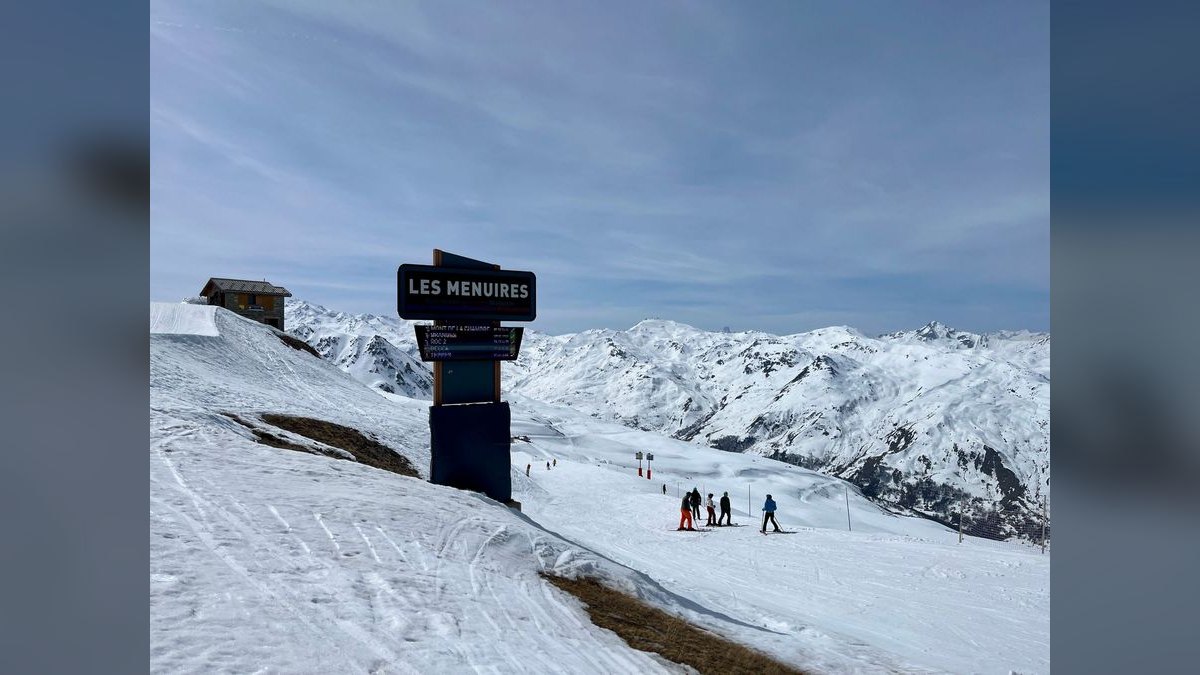
Méribel sits at the heart of the Three Valleys and is the most central, chalet-style village in the domain, popular with British skiers. Its tree-lined runs and central position make it ideal for exploring all 600 km of linked terrain.
Unlike the high-rise concrete of Val Thorens or the luxury of Courchevel, Méribel maintains strict building regulations that require all structures to use wood and stone in a traditional Savoyard style, giving the village a cozy, alpine feel that appeals to families and couples alike.
A six-day Three Valleys pass (roughly €350–€390) applies. It ranks #5 for its picturesque architecture, central access, and balanced terrain, slightly lower than its valley neighbors only because its mid-altitude pistes can soften in spring. The Méribel valley runs north-south, which means the slopes get sun throughout the day but also hold snow well in shaded areas.
The resort is particularly strong for intermediates, with long blues like the Combes and the Rhodos offering gentle gradients that are perfect for building confidence.
6. Les Deux Alpes 💎 BEST VALUE
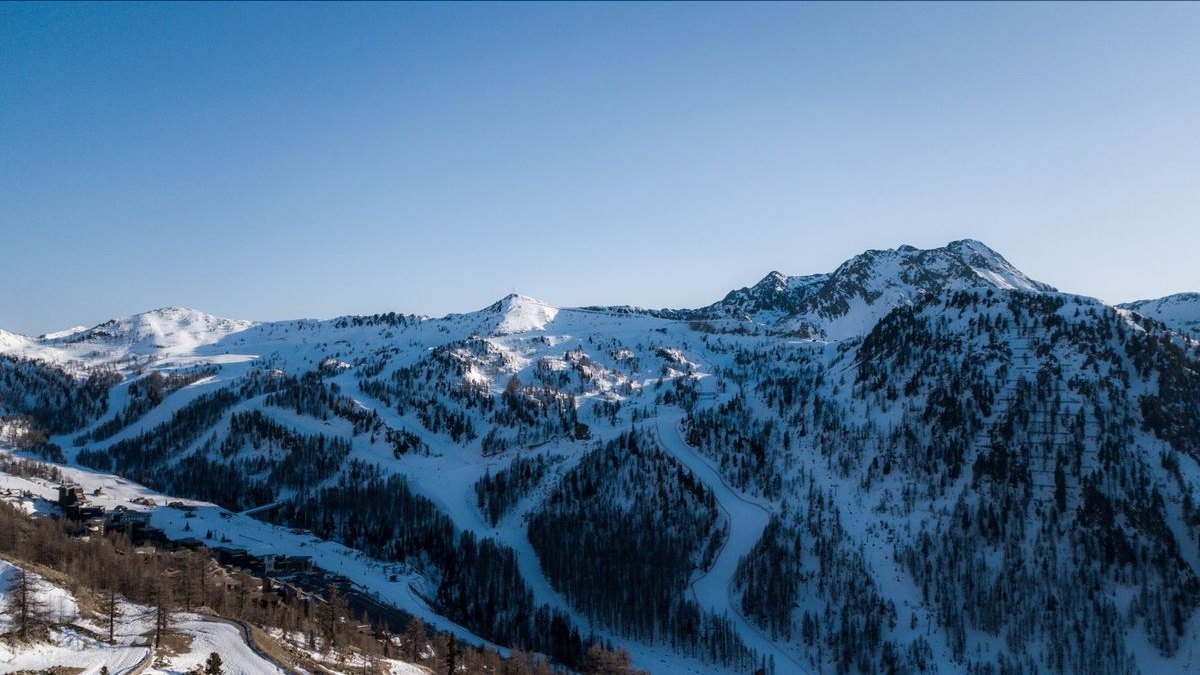
Les Deux Alpes offers 200 km of pistes and Europe's largest skiable glacier, with lifts reaching 3,600 m for year-round snow and summer skiing. The terrain features an unusually long, gentle top-to-bottom vertical and a vibrant, youthful resort town. The glacier is the star attraction—it's so large that you can ski it from late June through early September, making Les Deux Alpes one of the few French resorts where summer skiing is reliably available.
During winter, the glacier provides a high-altitude playground above 3,200 m, while the lower slopes wind down through forests to the village at 1,650 m.
A six-day lift pass runs about €260, well below the marquee Three Valleys and Espace Killy domains. The combination of glacier snow reliability, big vertical, and a lively, affordable village makes it a standout. It ranks #6 and earns Best Value for delivering high-altitude, snow-sure skiing at a meaningfully lower price than France's most famous resorts.
The town itself is a working-class ski destination with a strong après-ski scene, budget-friendly apartments, and a youthful energy that contrasts with the formality of Courchevel or the quiet of Méribel.
7. La Plagne (Paradiski)
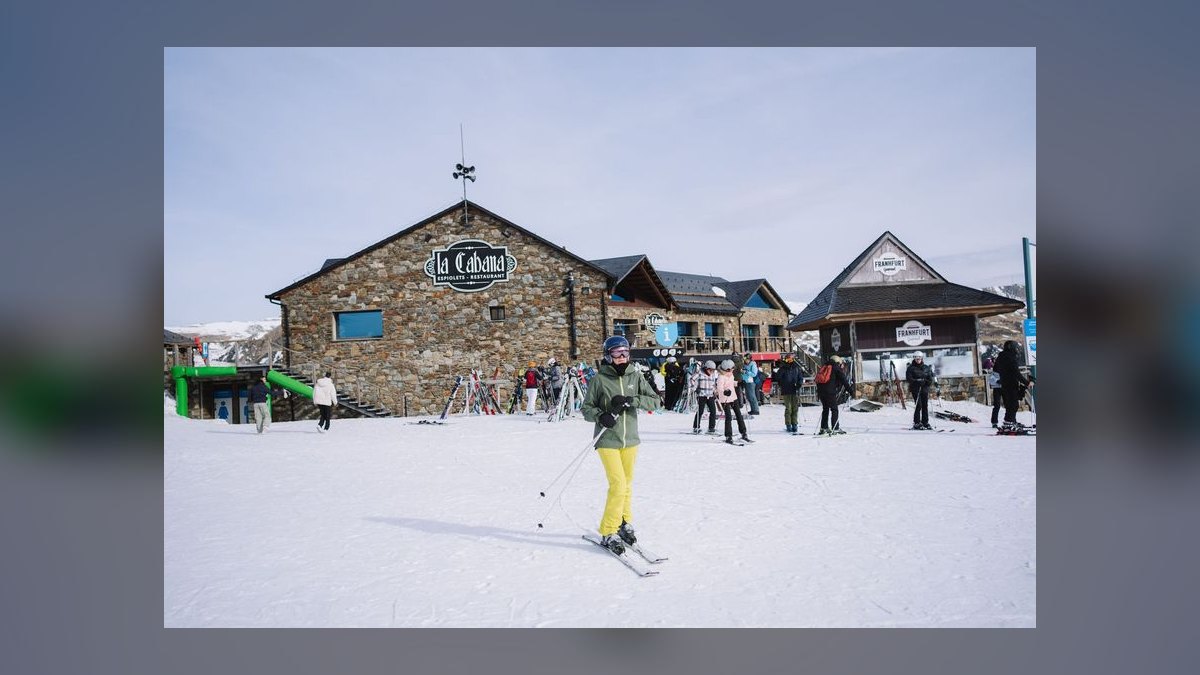
La Plagne anchors the Paradiski domain — 425 km of pistes linked to Les Arcs by the double-decker Vanoise Express cable car. It spans high glacier terrain at Bellecôte (3,250 m) down to wooded lower villages, offering enormous variety across ten interconnected base areas.
Each of La Plagne's ten villages has its own personality—Aime 2000 is high and functional, Montchavin is a charming hamlet, and Plagne Centre is the original 1960s purpose-built resort with all amenities within walking distance.
A six-day Paradiski pass runs roughly €330–€360. It ranks #7 for vast, varied terrain ideal for intermediates and families, plus the famous La Plagne Olympic bobsleigh track where visitors can take a passenger ride with a professional pilot—a unique experience that draws thrill-seekers even in summer. The Bellecôte glacier provides reliable snow for early and late season skiing, while the lower forest runs offer protection from wind and a different skiing experience entirely.
8. Les Arcs (Paradiski)
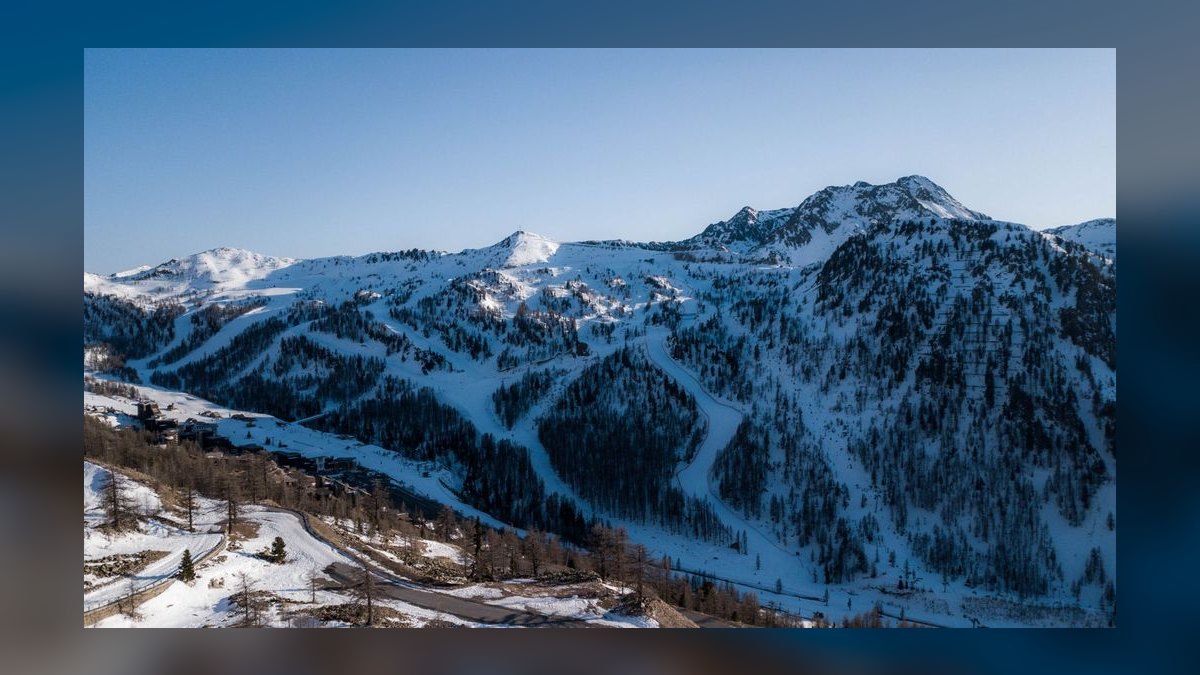
Les Arcs, the other half of Paradiski, is a purpose-built resort known for its modern lifts, steep couloirs off the Aiguille Rouge (3,226 m), and a long descent to Bourg-Saint-Maurice. It offers excellent off-piste and a car-free, ski-in/ski-out village layout. The resort is divided into four main villages—Arc 1600, Arc 1800, Arc 2000, and Arc 1950—each built at a different altitude and with its own character.
Arc 1950 is the newest and most luxurious, built in a traditional Savoyard style that contrasts with the brutalist concrete of the older villages.
A six-day Paradiski pass (about €330–€360) applies. It ranks #8 for big vertical, strong intermediate-to-expert terrain, and easy rail access via the funicular from Bourg-Saint-Maurice. The descent from Aiguille Rouge to Bourg-Saint-Maurice is a 7 km vertical drop of 2,000 m—one of the longest continuous descents in the Alps. The resort also has a strong freeride culture, with marked but ungroomed itineraries like the Combe de la Bellandaz and the Couloir du Pisaillas.
9. Alpe d'Huez
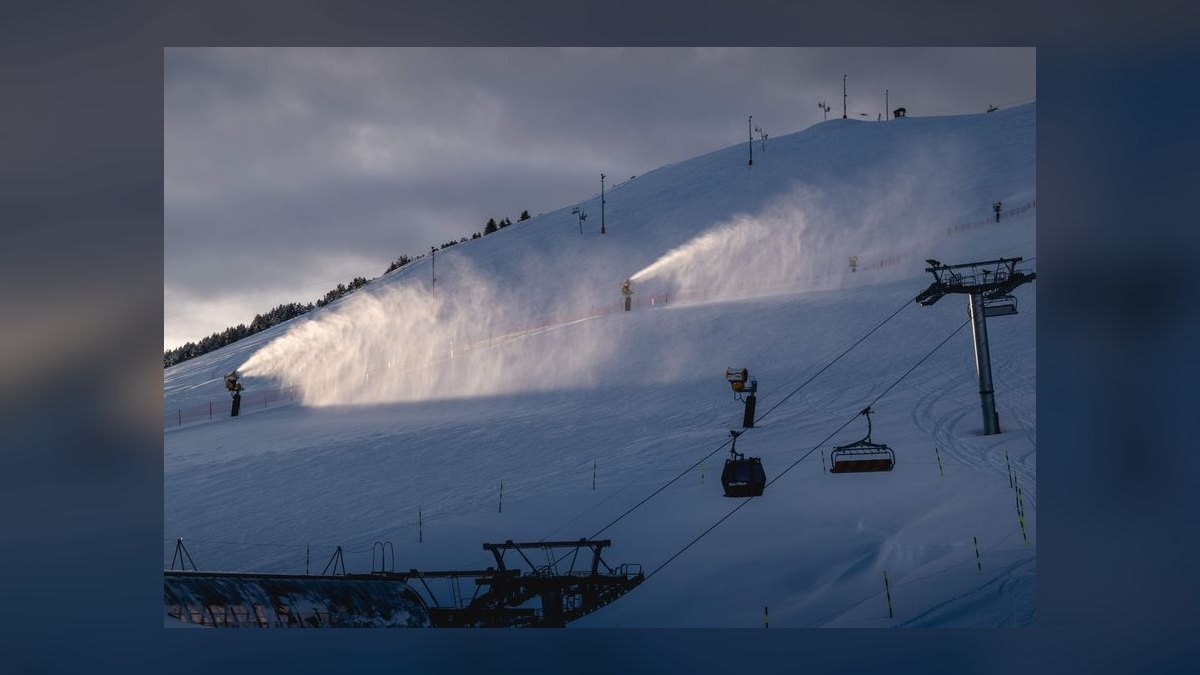
Alpe d'Huez boasts 250 km of pistes, 300+ days of sunshine a year, and the legendary Sarenne — at 16 km, one of the longest black runs in the Alps, descending from the 3,330 m Pic Blanc. Its sunny, south-facing slopes and lively town make it a perennial favorite.
The resort is built on a high plateau at 1,860 m, and its south-facing orientation means it gets more sun than almost any other major French resort—great for sunbathing on the terrace but a potential problem for snow quality in late spring.
A six-day pass runs roughly €290–€320. It ranks #9 for huge sunshine, that epic Sarenne descent, and a great mix of terrain, with the caveat that sunny exposure can affect snow quality late season. The resort also offers night skiing on a floodlit run, a large snowpark, and the famous "21 bends" cycling road that becomes a ski run in winter.
The village itself is a lively purpose-built resort with a strong British presence, plenty of bars, and a good range of restaurants.
10. Avoriaz (Portes du Soleil)
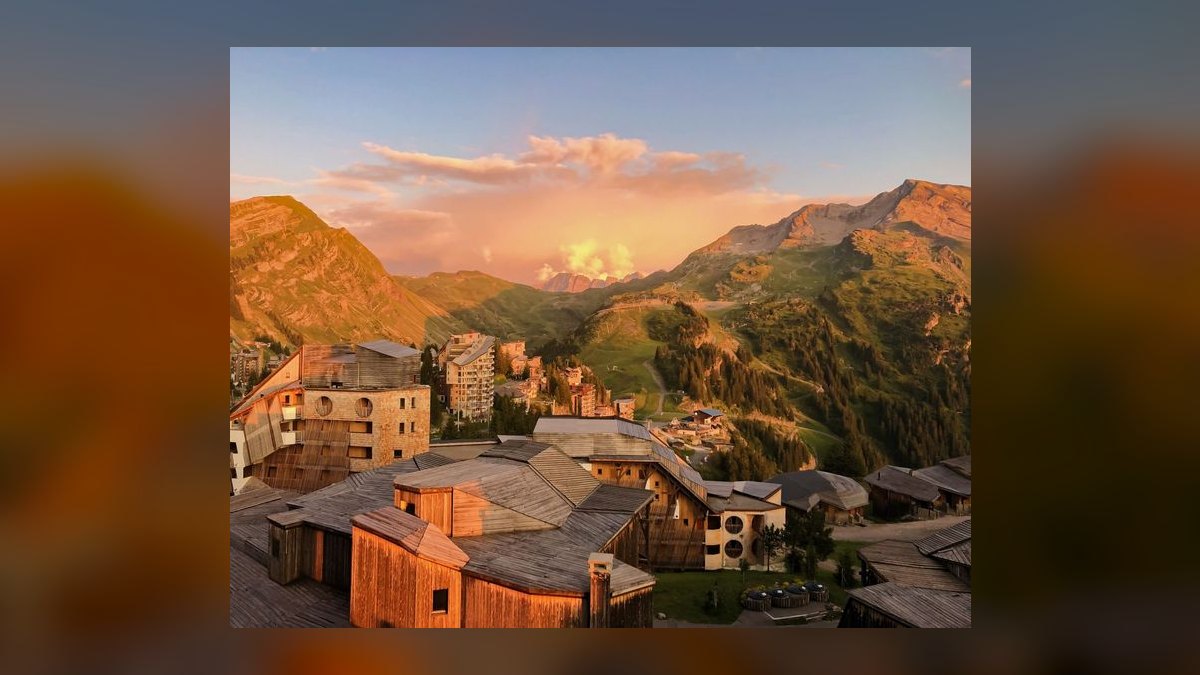
Avoriaz is a car-free, cliff-top resort and the French gateway to the cross-border Portes du Soleil domain — 600 km of pistes spanning 12 villages across France and Switzerland. Its snowboard and freestyle scene is excellent, with several terrain parks. The resort was built in the 1960s in a distinctive, futuristic style with wooden buildings on stilts that blend into the forested cliff-top setting.
The car-free policy means you get around by foot, horse-drawn sleigh, or ski—a charming throwback to an earlier era of alpine tourism.
A six-day Portes du Soleil pass runs roughly €270–€300. It ranks #10 for vast international terrain, family-friendly ski-in/ski-out design, and strong value, though its lower altitude makes early and late season less reliable than the high resorts above. The resort is particularly popular with snowboarders thanks to the Stash, a natural terrain park built into the forest with features made from logs and stone.
The cross-border aspect adds a unique dimension—you can ski from France into Switzerland for lunch and return the same afternoon without a passport.
What to Know Before You Book
The French Alps operate on a fundamentally different model from North America. Rather than season passes, French resorts sell lift passes by the day or, more commonly, the week ("forfait six jours"), and most visitors book a Saturday-to-Saturday package combining accommodation, lift pass, and often ski rental.
The classic French formula is the self-catering apartment in a purpose-built ski-in/ski-out residence, which keeps costs down versus hotels and lets families cook rather than pay restaurant prices. Half-board chalet holidays, popular with British visitors, bundle breakfast and dinner with a host.
Getting there is easier than many expect. Geneva, Lyon, Chambéry, and Grenoble airports all serve the Savoie and Haute-Savoie resorts, with transfer times of one to three hours by road. The Eurostar and TGV rail networks reach Bourg-Saint-Maurice (for Les Arcs and Tignes), Moûtiers (for the Three Valleys), and other gateways, and the seasonal direct Eurostar from London to the Alps is a low-stress alternative to flying.
French school holidays — particularly the February "vacances scolaires" — bring the biggest crowds and highest prices, so book those weeks far ahead or avoid them.
Snow reliability tracks closely with altitude. The high, glacier-backed resorts ski dependably from December into spring, while lower, tree-lined villages depend more on storms and snowmaking. Spring skiing (March into April) at the high resorts is a French specialty: long sunny days, soft afternoon snow, and dramatically cheaper lodging once the school holidays end. Whatever the week, ski insurance covering mountain rescue and the "carré neige" supplement is strongly recommended, as helicopter evacuation in France is expensive.
One aspect many visitors overlook is the French lunch culture. Most resorts have mountain restaurants that serve sit-down, multi-course lunches with wine, and the whole French skiing day revolves around a long midday break. The pistes empty from about 12:30 to 2:30 PM, and then everyone returns for an afternoon session.
If you're used to North American grab-and-go cafeteria lunches, the French approach takes some getting used to—but it's also one of the great pleasures of skiing in the Alps.
How to Choose
- Prioritize altitude for snow reliability. Val Thorens, Tignes, Les Deux Alpes, and Val d'Isère sit highest and ski well from December into spring; lower resorts like Avoriaz depend more on storms.
- Pick a linked domain for variety. The Three Valleys (600 km), Paradiski (425 km), and Portes du Soleil (600 km) let you cover huge ground on one pass.
- Match the town. Val d'Isère and Courchevel are stylish and upscale; Méribel and Avoriaz are charming chalet villages; Val Thorens and Les Arcs are functional ski-in/ski-out.
- Experts go to Chamonix. For serious off-piste and glacier touring like the Vallée Blanche, Chamonix is unmatched — but hire a guide.
- Budget with a six-day pass. France sells week passes, not season passes; expect roughly €260–€390 for six days at a major domain.
FAQ
What is the largest ski area in the French Alps?
Les Trois Vallées (the Three Valleys), linking Courchevel, Méribel, Val Thorens, and others, is the largest in France and the world, with 600 km of connected pistes on a single lift pass. The Portes du Soleil and Paradiski domains are also enormous.
Which French resort has the most reliable snow?
High-altitude resorts have the most reliable snow: Val Thorens (Europe's highest at 2,300 m base), Tignes (with its 3,456 m glacier), and Les Deux Alpes (Europe's largest glacier) all offer dependable cover from early season into spring.
How much does a French Alps lift pass cost?
A six-day adult lift pass at a major domain typically runs €260–€390 for 2027, depending on the resort. Les Deux Alpes is among the cheaper big options (~€260), while the Three Valleys and Espace Killy are at the top end (~€380).
Where should I ski the Vallée Blanche?
The famous Vallée Blanche off-piste glacier descent starts at the Aiguille du Midi (3,842 m) above Chamonix and runs more than 20 km down to the valley. It's not a marked piste — hire a certified mountain guide, as it crosses crevassed glacier terrain.
When is the best time to ski in the French Alps?
The ideal period is January through March, when snow conditions are most reliable across all altitudes. December can be hit-or-miss at lower resorts, while April offers sunny spring conditions but softer snow on south-facing slopes.
Which French resort is best for beginners?
La Plagne and Méribel are excellent choices for beginners, with dedicated nursery slopes, gentle green runs, and ski schools that cater to English speakers. Les Deux Alpes also has a great beginner area on its wide, gentle lower slopes.
Can I ski between France and Switzerland in one day?
Yes, the Portes du Soleil domain links 12 resorts across France and Switzerland, including Avoriaz (France) and Champéry (Switzerland). You can ski from one country to the other and back in a single day without needing a passport.
Bottom Line
For the best overall French Alps experience, Val d'Isère / Tignes (Espace Killy) wins on its 300 km of snow-sure, high-altitude linked terrain, for roughly €350–€380 a week. For the best value, Les Deux Alpes offers Europe's largest glacier and a lively town for about €260 — a substantial saving over the marquee domains.
Related on PULSE
- The 10 Best Ski Resorts in the Swiss Alps in 2027
- Top 10 All-Inclusive Resorts in French Polynesia in 2027
- Top 10 Resorts in French Riviera in 2027
- Top 10 Resorts in French Polynesia in 2027
- The 10 Best Overwater Bungalow Resorts in Bora Bora & French Polynesia in 2027
- Top 10 Best Ski Towns in America in 2027
Sources
- Val d'Isère and Tignes official sites (valdisere.com, tignes.net)
- Compagnie des Alpes / Les Trois Vallées official site (les3vallees.com)
- Chamonix-Mont-Blanc tourist office (chamonix.com)
- Paradiski and Portes du Soleil official sites (paradiski.com, portesdusoleil.com)
- France Montagnes national ski resort body (france-montagnes.com)
- OnTheSnow and Snow-Forecast resort data (onthesnow.com, snow-forecast.com)
- The Telegraph and PlanetSki Alps resort reviews
People also search for: best ski resorts in the french alps 2027 · top ski resorts in the french alps 2027 · top rated ski resorts in the french alps 2027 · top ranked ski resorts in the french alps 2027 · highest rated ski resorts in the french alps 2027 · ski resorts in the french alps reviews 2027
This page will be disappearing soon. Save it to your device for $1 — or read it free while it is here.
@Kory-White- · if Venmo asks, the last 4 of my number are 2012
This page is gone.
This one is off the shelf now. $1 keeps it on your phone for good — the whole page, pictures and diagrams included.
 pulse-travelThe 10 Best Ski Resorts in the Swiss Alps in 2027
 pulse-travelThe 10 Best Luxury Resorts in Bali for Couples & Honeymooners in 2027
 pulse-travelTop 10 Ski Resorts in North America in 2027
 pulse-travelTop 10 Wellness & Spa Retreat Resorts in the World in 2027
 pulse-travelThe 10 Best Ski Resorts in Colorado in 2027
 pulse-travelThe 10 Best Disney World Resorts for Families with Young Kids in 2027
 pulse-travelTop 10 All-Inclusive Caribbean & Mexico Resorts in 2027
 tvThe 10 Best Powder Ski Resorts in Japan in 2027
 pulse-travelThe 10 Best Ski Resorts in Austria in 2027
 pulse-travelTop 10 Luxury Resorts in Hawaii in 2027