
The 10 Best Powder Ski Resorts in Japan in 2027
 Curated byKory White · Fractional CRO · Maryland
 PULSEKNOWLEDGE LIBRARY
Quality
Certified
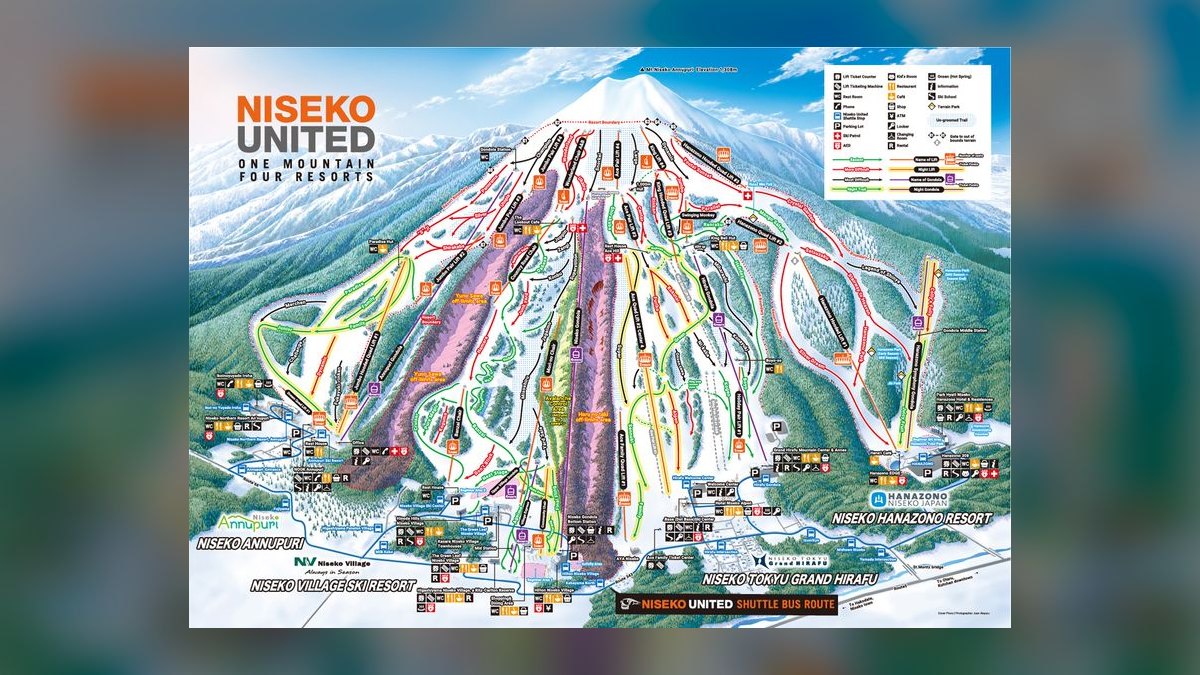
The best Japan powder resort overall is Niseko United on Hokkaido, where four linked areas, world-famous "Japow," and roughly 590+ inches of annual snow come with an all-mountain day pass near ¥9,500 (about US$65). The best value is Furano, also on Hokkaido, where a day pass runs about ¥6,800 (US$46) for dry powder and short lift lines away from the crowds.
This list is for skiers planning a 2027 Japan powder trip and weighing snowfall, terrain, and the country's excellent value. Japanese day passes typically run ¥5,500–¥9,500 (roughly US$37–$65), far below Western resorts. Every resort below is a real, currently operating Japanese ski area, ranked on snowfall, terrain, tree skiing, value, and overall experience.
When building this ranking, we considered not just the raw snowfall numbers but also how the snow interacts with the specific terrain at each resort. For example, a resort with 500 inches of annual snow but poorly spaced trees or flat runouts will deliver a worse powder experience than a resort with 400 inches but perfectly spaced glades and consistent fall lines.
We also factored in lift infrastructure — modern high-speed quads and gondolas make a massive difference in how many powder laps you can stack in a day — and the availability of gated backcountry access, which is still relatively rare in Japan.
Finally, we weighed the cultural and logistical experience: how easy is it to get there from major airports or cities, how welcoming is the base village to international visitors, and how well does the onsen culture complement the skiing. The result is a list that balances pure snow metrics with the real-world experience of planning and executing a powder trip to Japan in 2027.
1. Niseko United 🏆 BEST OVERALL
Niseko United, on Hokkaido's Mount Annupuri, is the most famous powder destination in Japan, linking four resorts — Grand Hirafu, Hanazono, Niseko Village, and Annupuri — under one all-mountain pass covering around 2,191 acres. It's legendary for "Japow": incredibly light, dry, abundant snow averaging 590+ inches (15+ meters) a year, plus excellent gated backcountry access and night skiing.
An all-mountain adult day pass runs roughly ¥9,500 (about US$65), and multi-day passes lower the rate. The international village of Hirafu offers world-class dining and après. Terrain ranges from gentle groomers to steep tree runs and peak backcountry.
It ranks #1 for the perfect combination of legendary snow volume, big linked terrain, easy backcountry gates, and a fully developed resort base. The night skiing here is among the best in the world — skiing fresh, falling powder under the lights is a signature Niseko experience — and the gated backcountry policy, unusual in Japan, lets competent skiers legally access sidecountry powder through marked gates.
Off the slopes, Hirafu's international dining scene, izakayas, and easy access to nearby onsen rounds out a destination that justifies the long flight for powder seekers worldwide.
What truly sets Niseko apart from other Japanese resorts is the sheer consistency of its snow delivery. The resort sits directly in the path of the Siberian weather pattern, and when storms roll in — which they do, repeatedly, from December through March — they can drop 12 to 24 inches of new snow in a single night.
The night skiing operation, which runs from late December through late March on designated runs at Grand Hirafu and Hanazono, means you can ski fresh powder under floodlights after dinner, a luxury almost unheard of at North American resorts. The gated backcountry system is also a differentiator: Niseko has established gates that lead into designated sidecountry zones, patrolled by ski patrol and avalanche control teams, giving advanced skiers access to steep, untracked terrain without requiring a full backcountry setup.
For beginners and intermediates, the lower mountain offers wide, gentle groomers that hold snow well, and the ski school at Hanazono is one of the best in Asia for English-speaking instructors.
2. Hakuba Valley
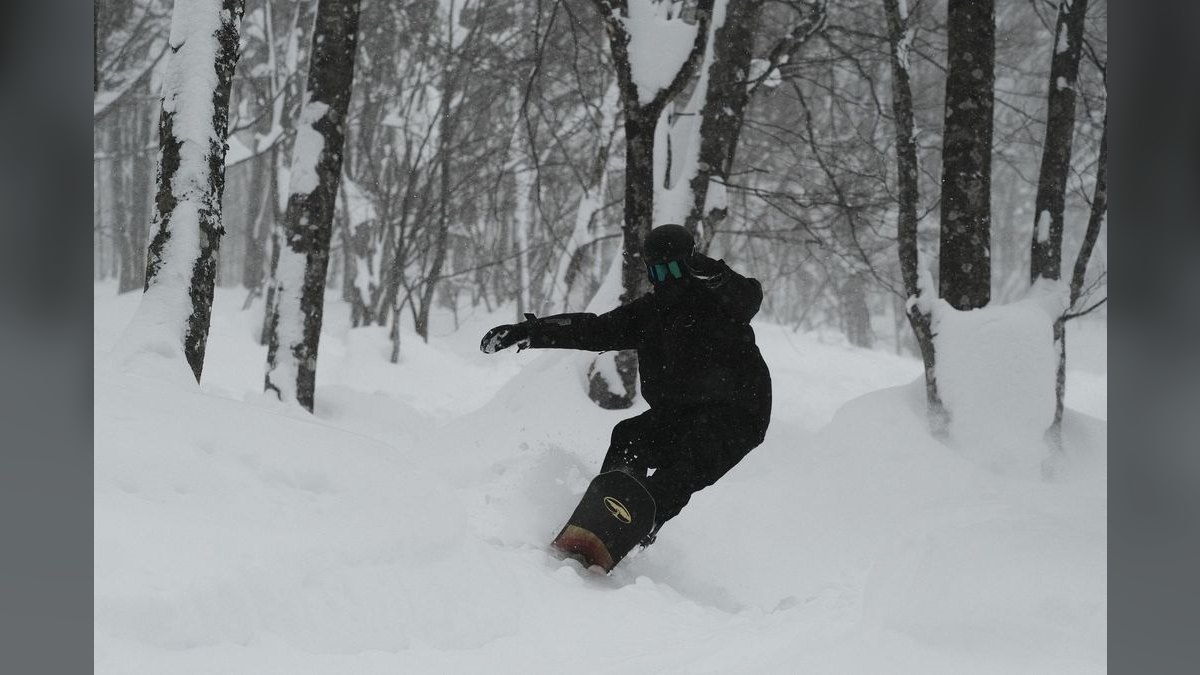
The Hakuba Valley on Honshu links ten ski areas — including Happo-One (the 1998 Olympic downhill venue), Hakuba 47, and Goryu — under one pass, totaling huge, varied terrain with a 3,300+ foot vertical at Happo-One. It averages around 440 inches of snow and offers the steepest, most challenging terrain in Japan.
A Hakuba Valley all-area day pass runs roughly ¥7,500–¥8,500. The area is more accessible from Tokyo (via the Nagano Shinkansen) than Hokkaido. It ranks #2 for serious vertical, expert terrain, and dramatic alpine scenery, just behind Niseko on snow consistency. The valley's spread of ten linked areas means there is genuine variety, from Happo-One's intimidating Olympic pitches to the gentle, family-friendly slopes of Hakuba Goryu and the renowned terrain parks at Hakuba 47.
The lively village of Happo offers an excellent and increasingly international dining scene, and the natural hot springs scattered through the valley provide the classic après-ski soak after a long day on the steeps.
Hakuba's main draw for expert skiers is the sheer scale of its vertical and the sustained steepness of its runs. Happo-One's Olympic course — the men's downhill from the 1998 Nagano Games — drops over 3,300 vertical feet in a single, uninterrupted pitch, with sections like "Sky Line" and "Panorama" that are among the steepest groomed runs in Japan.
When the snow is deep, which it often is in January and February, the ungroomed sections of Happo-One and the tree runs at Hakuba 47 offer some of the most challenging lift-served terrain in the country. The valley also benefits from its proximity to Nagano City and the Shinkansen station at Nagano Station, which is about a 45-minute bus ride from Happo village.
This accessibility makes Hakuba a natural choice for skiers who want to combine a few days of powder skiing with a visit to Tokyo, Kyoto, or the snow monkeys of Jigokudani.
3. Rusutsu
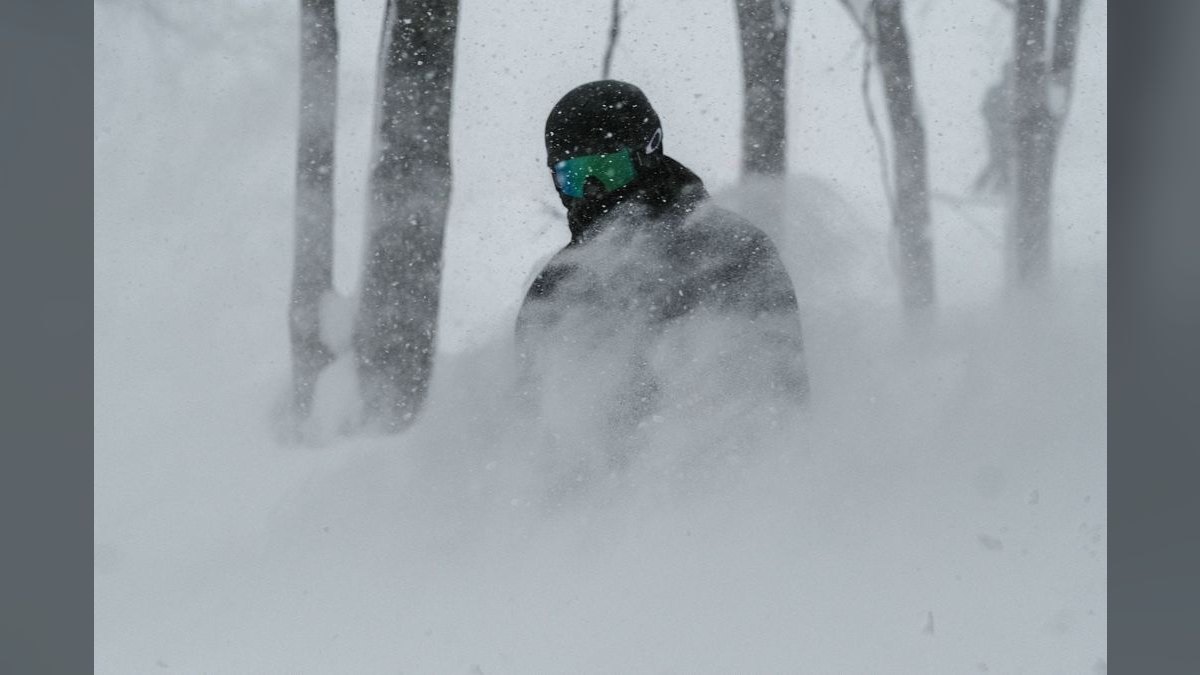
Rusutsu, near Niseko on Hokkaido, is renowned for the best tree skiing in Japan — perfectly spaced birch glades that hold powder for days — across three mountains and around 1,360 acres. It averages a massive 490+ inches of dry snow and is notably less crowded than Niseko.
A day pass runs roughly ¥7,400. A large resort hotel sits at the base, complete with an indoor amusement park. It ranks #3 for world-class glade skiing, deep reliable snow, and a quieter alternative to its famous neighbor.
The tree skiing at Rusutsu is what separates it from every other resort in Japan. The resort's three peaks — Mt. Isola, Mt. East, and Mt. West — are covered in natural birch and pine forests that have been thinned by years of wind and snow, creating perfectly spaced glades that are ideal for powder skiing.
Unlike Niseko, where the best tree skiing often requires navigating gated backcountry zones, Rusutsu allows in-bounds tree skiing on designated runs, meaning you don't need avalanche gear or a guide to access world-class glade powder. The terrain is also more consistent: the fall lines are predictable, the trees are spaced wide enough for intermediate skiers to navigate confidently, and the snow stays dry and light for days after a storm because of the resort's northern exposure and elevation.
The base area is centered around the Rusutsu Resort Hotel, which is a sprawling, slightly quirky complex that includes an indoor amusement park with a carousel and roller coaster — a surreal but charming touch that adds to the resort's unique character.
4. Kiroro
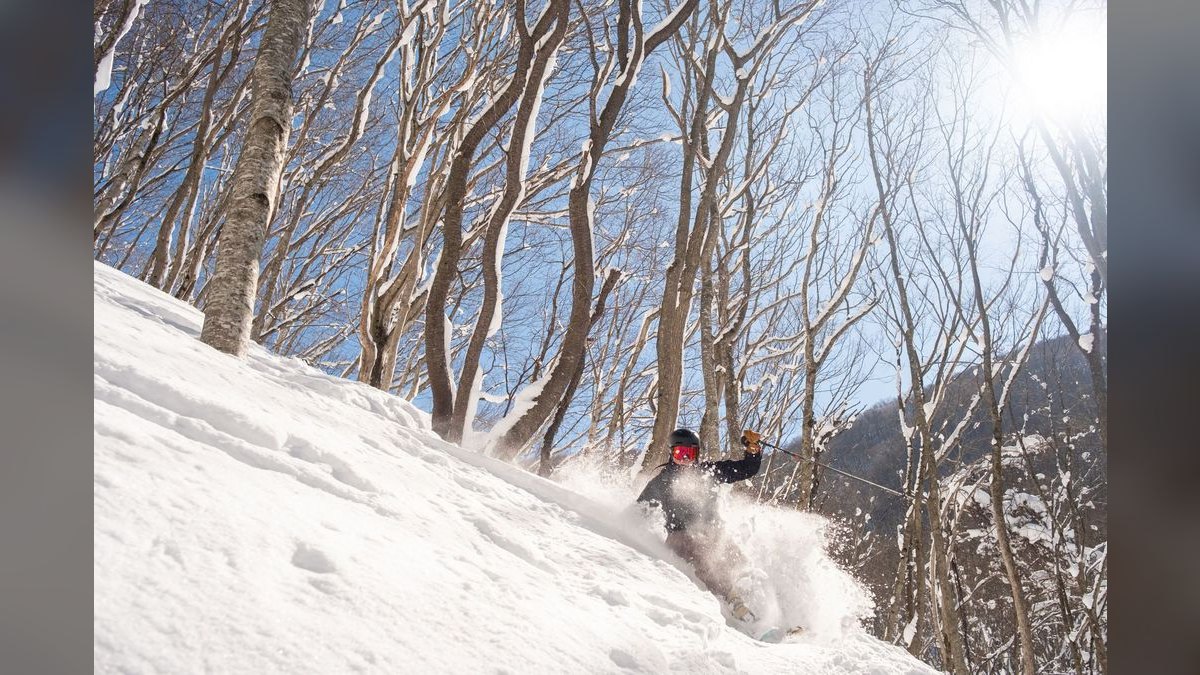
Kiroro, between Niseko and Sapporo, receives some of the highest snowfall in Japan — often cited around 530+ inches — and offers consistently deep, dry powder across 180+ acres of marked terrain plus expanding backcountry gates. Its two ski-in/ski-out hotels make for a convenient base.
A day pass runs roughly ¥7,000–¥8,000. It ranks #4 for elite snowfall, uncrowded slopes, and a quiet, snow-focused experience ideal for powder seekers who want fewer people.
Kiroro's claim to fame is its extraordinary snowfall, which regularly exceeds 500 inches annually and often rivals or surpasses Niseko's totals in any given season. The resort sits at a higher elevation than Niseko, which means the snow is even drier and lighter, and the resort's location in a natural bowl traps the snow and prevents it from being blown away by wind.
The terrain at Kiroro is relatively compact — about 180 acres of marked runs — but the resort has been expanding its backcountry gates in recent years, opening up access to large areas of untracked powder on the surrounding ridges and bowls.
The two ski-in/ski-out hotels, the Sheraton Hokkaido Kiroro Resort and the Club Med Kiroro Grand, make for an incredibly convenient base: you can ski from your room to the lifts in under five minutes, and the hotels offer direct access to the resort's onsen, restaurants, and rental shops. For skiers who want to maximize their time on snow and minimize their logistical hassle, Kiroro is an excellent choice.
5. Furano 💎 BEST VALUE
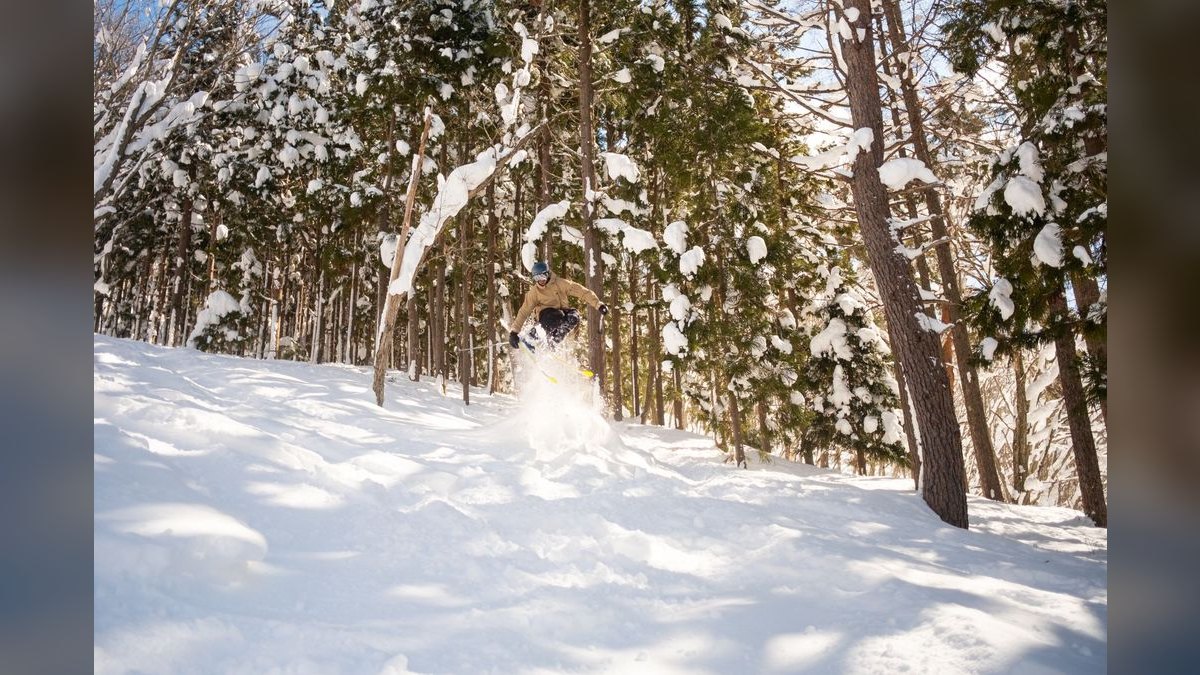
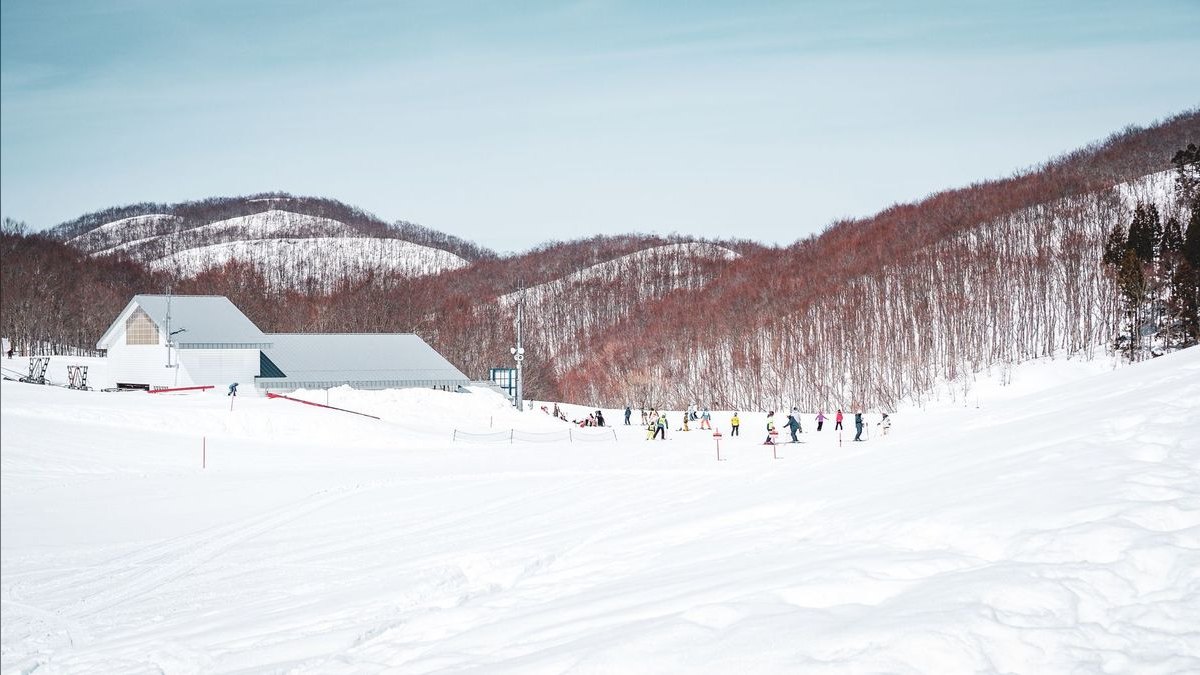
Furano, in central Hokkaido, is a classic Japanese resort known for exceptionally dry, light powder, well-groomed pistes, and short lift lines, with around 460 inches of snow and a 3,000-foot vertical. It hosts World Cup events and offers a more authentically Japanese, less internationalized experience than Niseko.
A day pass runs about ¥6,800 (US$46), undercutting the marquee Hokkaido resorts. The terrain is excellent for intermediates and groomer lovers, with gated tree skiing for the adventurous. It ranks #5 and earns Best Value for premium dry powder, great grooming, and a relaxed atmosphere at a notably lower price.
Furano's twin zones — the Furano and Kitanomine sides — connect via a ropeway, and the surrounding town offers an authentically Japanese base with excellent ramen, sake, and onsen rather than an internationalized resort bubble. For skiers who want the famous Hokkaido powder and grooming without Niseko's prices or crowds, Furano is consistently the smartest-value pick on the island.
What makes Furano such exceptional value is not just the lift ticket price but the overall cost of the trip. Accommodation in Furano is significantly cheaper than in Niseko's Hirafu village — you can often find a comfortable Japanese-style inn or pension for ¥8,000–¥12,000 per night, compared to ¥20,000–¥30,000 in Niseko.
Dining is also more affordable: a bowl of rich, pork-based Furano ramen costs around ¥1,000, and a multi-course kaiseki dinner at a local restaurant might run ¥3,000–¥5,000, compared to the inflated prices of Niseko's international dining scene. The skiing itself is excellent: Furano's snow is famously dry and light, and the resort's grooming crew does an outstanding job of maintaining the pistes, even after heavy snowfall.
The gated tree skiing on the Furano side offers access to well-spaced birch glades that hold powder for days, and the lack of crowds means you can ski fresh tracks well into the afternoon, even on a powder day.
6. Nozawa Onsen
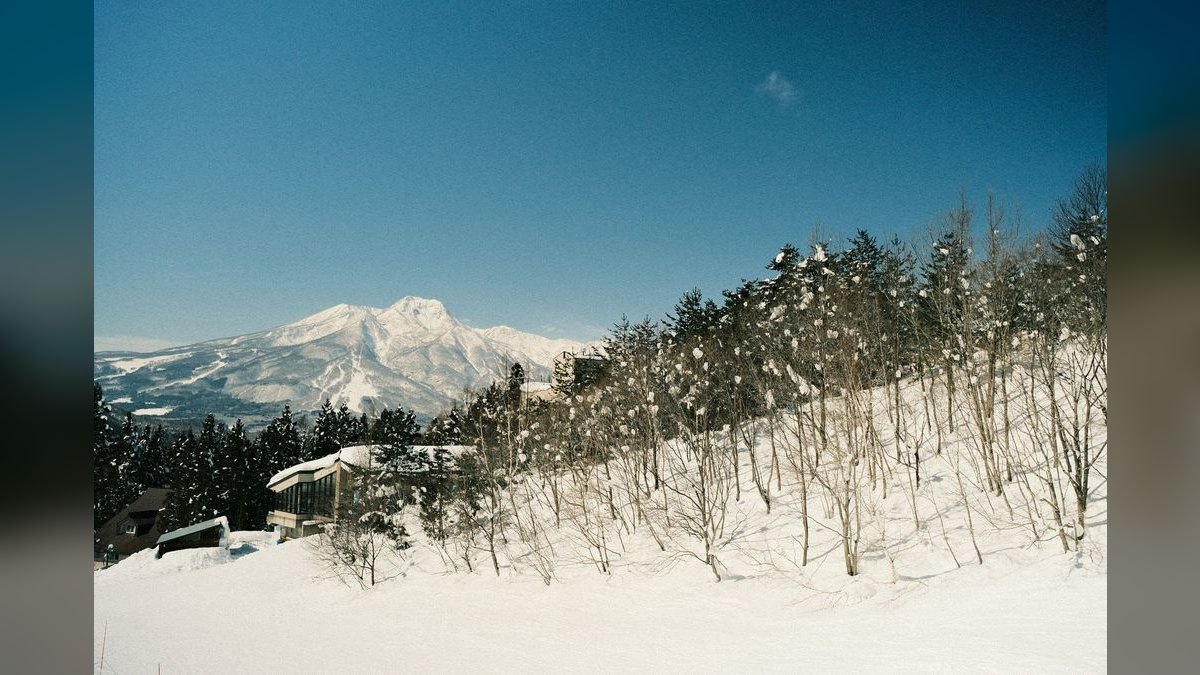
Nozawa Onsen, in Nagano, pairs 740 acres of varied terrain with a centuries-old hot-spring village and free public onsen baths. It averages around 400 inches of snow and offers a big 3,500-foot vertical, plus one of Japan's most atmospheric traditional ski towns.
A day pass runs roughly ¥6,500–¥7,200. The cobbled village streets and steamy public baths make it a cultural highlight. It ranks #6 for the unbeatable mix of solid terrain, deep snow, and authentic onsen-town charm.
Nozawa Onsen is the quintessential Japanese ski town experience. The village at the base of the mountain has been a hot-spring destination for over 1,300 years, and the narrow, cobbled streets are lined with traditional inns (ryokan), public bathhouses (sotoyu), and small restaurants serving local sake and soba noodles.
The resort itself is surprisingly large for a village-based ski area: 740 acres of terrain spread across two main peaks, with a 3,500-foot vertical that rivals Hakuba's Happo-One. The snow is reliably deep, averaging around 400 inches annually, and the resort's northern and eastern exposures mean the snow stays cold and dry through most of the season.
The tree skiing at Nozawa is excellent, particularly in the Yamabiko and Karasawa areas, where the birch and beech forests are spaced wide enough for intermediate skiers to navigate. After a day on the slopes, the village's 13 free public onsen baths are the perfect place to soak aching muscles and soak in the atmosphere of one of Japan's most historic ski towns.
7. Myoko Kogen
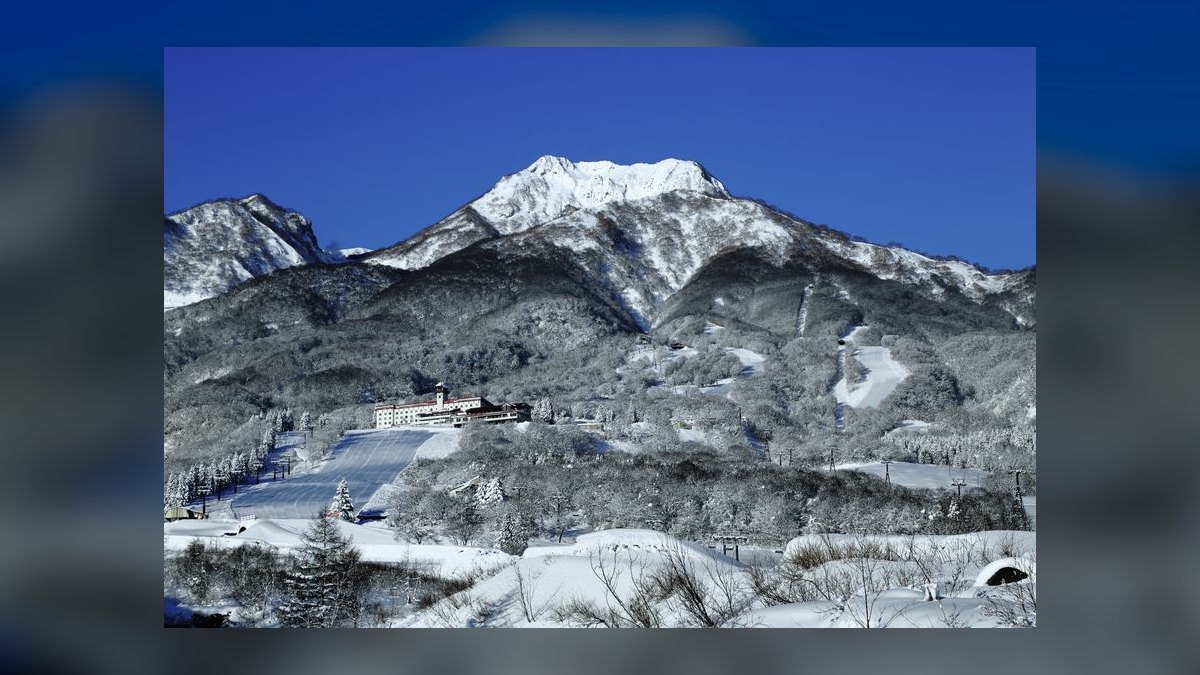
Myoko Kogen, in Niigata, comprises several linked areas (Akakura Onsen, Akakura Kanko, Suginohara) that receive some of the heaviest snowfall in Japan — often over 520 inches — including Suginohara's long 8.5 km run, one of Japan's longest. It retains a nostalgic, old-Japan ski feel.
Day passes run roughly ¥5,500–¥7,000. It ranks #7 for enormous snowfall, long descents, hot-spring villages, and excellent value, with fewer international crowds than Hakuba.
Myoko Kogen is a collection of five distinct ski areas spread across the base of Mount Myoko, a dormant volcano that towers over the region. The snow here is legendary: Myoko sits directly in the path of the Siberian weather pattern, and the region regularly receives over 500 inches of snow annually, with some years exceeding 600 inches.
The standout area is Suginohara, which features an 8.5-kilometer run from the summit to the base — one of the longest continuous runs in Japan — that takes you through deep powder fields, birch glades, and finally, a long, winding groomer through the forest. The other areas — Akakura Onsen, Akakura Kanko, Ikenotaira, and Seki Onsen — each offer their own character, from the steep, ungroomed chutes of Seki Onsen to the family-friendly groomers of Ikenotaira.
The base villages are small and traditional, with a handful of family-run ryokan and onsen, and the atmosphere is authentically Japanese, with very little of the international glitz found in Niseko or Hakuba.
8. Appi Kogen
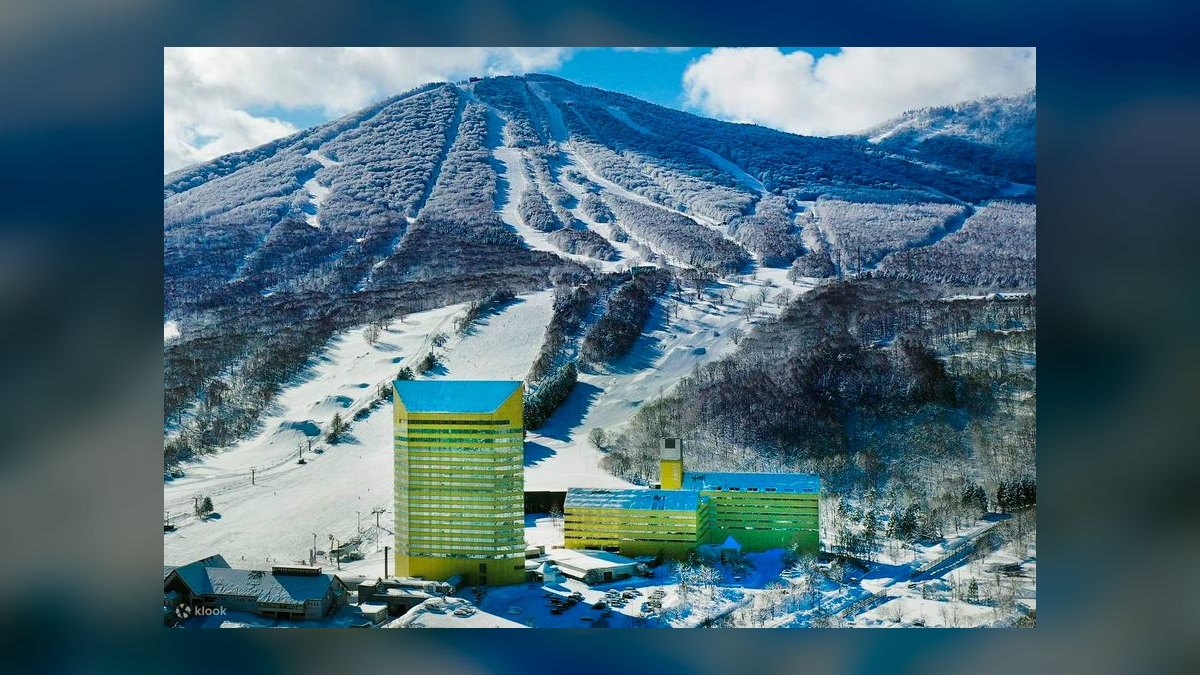
Appi Kogen, in Tohoku's Iwate Prefecture, is famous for its long, immaculately groomed "aspirin snow" runs and around 390 inches of light powder. With 21 courses and a long vertical, it's beloved by cruisers and intermediates and has invested heavily in luxury hotels.
A day pass runs roughly ¥6,000–¥7,000. It ranks #8 for outstanding grooming, dry Tohoku powder, and uncrowded, well-maintained slopes off the typical tourist trail.
Appi Kogen is a resort that prides itself on quality over quantity. The 21 courses are meticulously groomed each night, and the snow — which falls as ultra-light, dry powder — is often referred to as "aspirin snow" because of its small, crystalline flakes that sparkle in the sunlight. The resort's vertical drop of over 2,800 feet and its wide, sweeping runs make it ideal for intermediate skiers who want to cruise long, uninterrupted turns on perfectly maintained corduroy.
The base area has undergone significant investment in recent years, with the opening of the luxurious Appi Kogen Grand Hotel and the Appi Kogen Resort Hotel, both of which offer ski-in/ski-out access and world-class amenities, including multiple restaurants, onsen, and a fitness center. For skiers who want to avoid the crowds of Hokkaido and Nagano and experience some of Japan's best groomed runs in a quiet, beautifully maintained setting, Appi Kogen is an excellent choice.
9. Zao Onsen
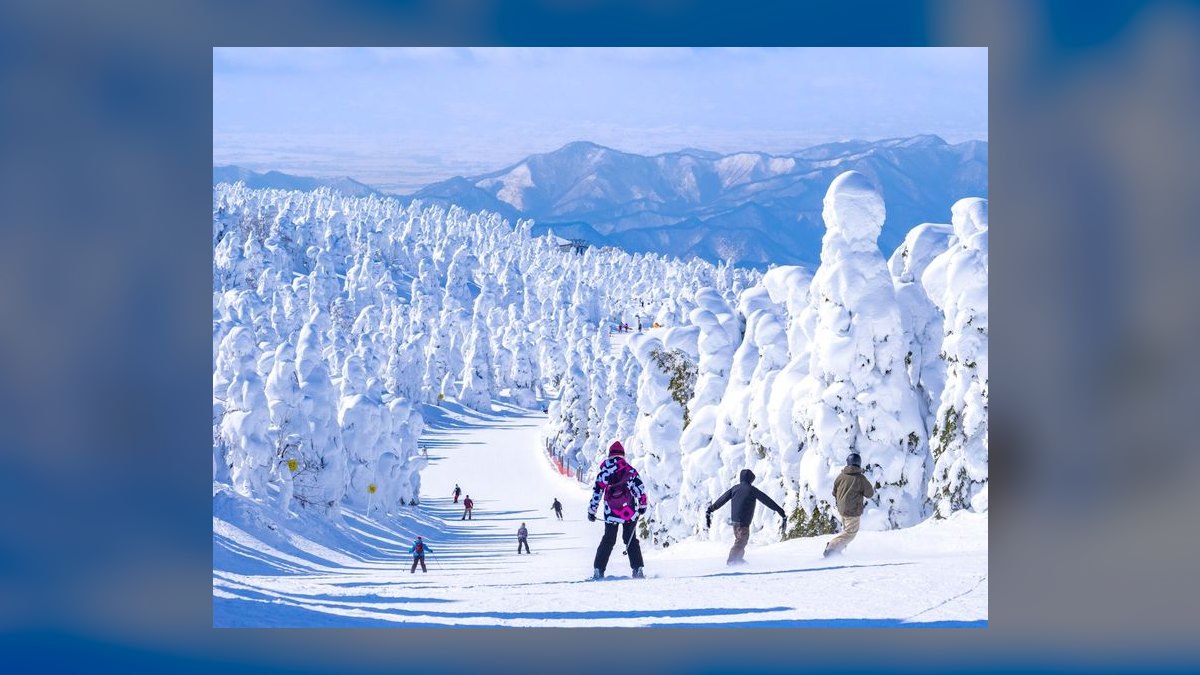
Zao Onsen, in Yamagata, is famous for its eerie "snow monsters" (juhyo) — trees encased in rime ice — and a sprawling network of runs fed by around 430 inches of snow. The historic onsen village at the base offers sulfur hot springs and traditional inns.
A day pass runs roughly ¥6,500. It ranks #9 for unique scenery, abundant snow, extensive terrain, and a deeply traditional Japanese ski-and-onsen experience.
Zao Onsen is one of Japan's most visually striking ski resorts. The "snow monsters" — trees that become completely encased in rime ice and snow, forming grotesque, alien-like shapes — are a natural phenomenon unique to Zao and a handful of other Japanese mountains. The resort's summit area, at over 5,600 feet, is the best place to see them, and the resort offers night tours of the snow monsters during peak season, when they are illuminated with colored lights.
The skiing itself is excellent: Zao's 430 inches of annual snow are consistently dry and deep, and the resort's 30+ runs offer a good mix of groomed cruisers, steep chutes, and tree skiing. The base village is one of Japan's oldest and most atmospheric onsen towns, with sulfur hot springs that have been used for over 1,900 years. The combination of unique natural scenery, reliable snow, and deep cultural history makes Zao Onsen a truly memorable destination.
10. Madarao Kogen
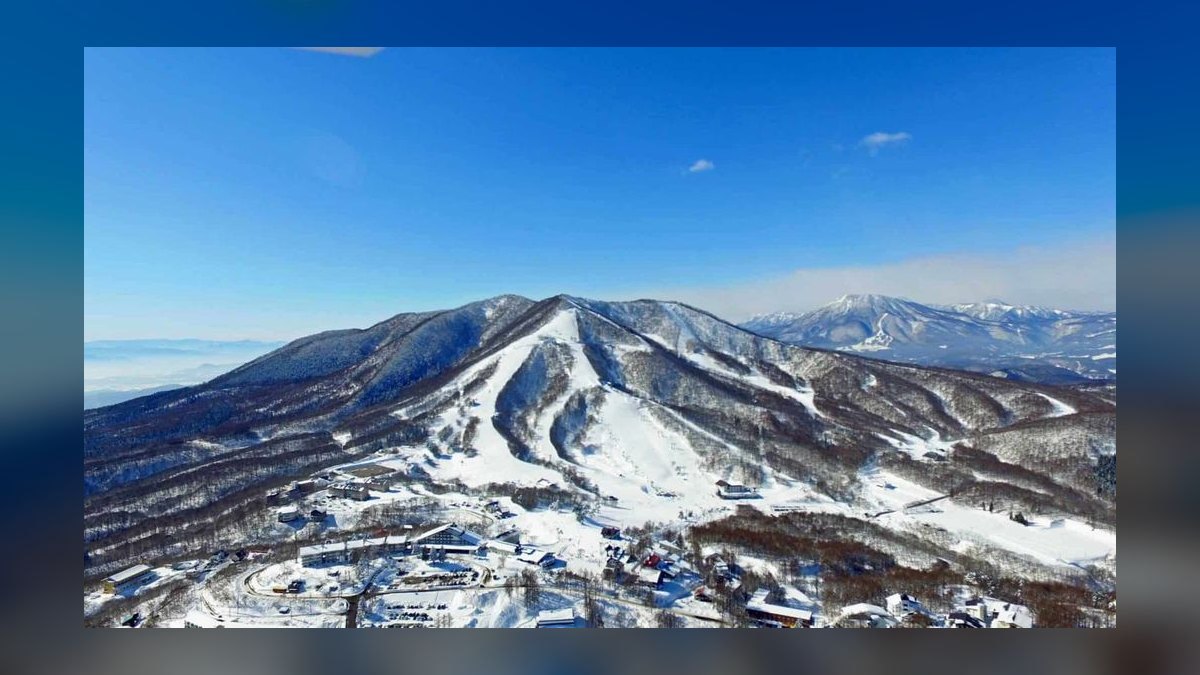
Madarao, in Nagano near Myoko, has become a tree-skiing cult favorite, leaving large swaths of its terrain ungroomed and open for powder laps through well-spaced birch forests, with around 430 inches of snow. It's compact but powder-focused.
A day pass runs roughly ¥5,500–¥6,500, excellent value. It ranks #10 for dedicated tree-skiing terrain, deep snow, and an unpretentious, powder-first ethos at a low price.
Madarao Kogen is a resort that has deliberately chosen to prioritize powder skiing over grooming and crowd-pleasing amenities. The resort leaves huge sections of its terrain ungroomed — sometimes as much as 70% of the mountain — and the result is some of the best lift-served tree skiing in Japan.
The birch glades are perfectly spaced, the fall lines are consistent, and the snow, which averages over 430 inches annually, stays dry and light for days after a storm. The resort is compact — just over 200 acres of marked terrain — but the tree skiing areas are extensive, and you can easily spend an entire day lapping the same glades without crossing your own tracks.
The base area is small and unpretentious, with a handful of family-run restaurants and a ryokan or two, and the atmosphere is relaxed and powder-focused. For skiers who value deep, untracked snow over luxury amenities and international dining, Madarao is a hidden gem.
What to Know Before You Book
Japan rewards a little planning with an extraordinary combination of deep snow, low prices, and rich culture. The first decision is Hokkaido versus Honshu. Hokkaido — Niseko, Rusutsu, Kiroro, Furano — gets the lightest, driest, most abundant powder, reached via New Chitose Airport near Sapporo with a one-to-three-hour transfer.
Honshu — Hakuba, Nozawa, Myoko, Madarao, Zao — offers bigger vertical, steeper terrain, and far easier access from Tokyo by Shinkansen bullet train, making it ideal for combining skiing with a city visit to Tokyo or Kyoto.
The legendary "Japow" peaks in January and early February, when the Siberian weather pattern dumps the most consistent, driest snow; it's cold, often grey, and storm cycles can deliver meters in days. December is building and quieter, while late February and March bring sunnier, slightly heavier snow and excellent value.
Throughout the season, the experience is defined by onsen culture — soaking in natural hot-spring baths after skiing is half the appeal, especially at Nozawa Onsen, Zao, and Myoko, where public baths are part of village life. Note the etiquette: wash thoroughly before entering, and many traditional onsen do not admit visible tattoos.
Value is a constant theme. Lift tickets run a fraction of Western prices (roughly US$37–$65 a day), lodging and food are reasonable, and the famously polite, efficient service makes everything smooth. Many international visitors base in an English-friendly hub like Niseko's Hirafu or Hakuba's Happo for ease, but venturing to less-internationalized resorts like Furano, Myoko, or Madarao delivers a more authentic — and often cheaper, quieter — experience.
A Japan Rail Pass can pay off for those combining Honshu skiing with city travel.
Another key consideration is the type of skiing you want to do. If you're a powder purist who wants to ski deep, dry snow every day, Hokkaido is the clear choice. If you're an expert skier who wants big vertical, steep terrain, and challenging tree runs, Honshu's Hakuba Valley and Myoko Kogen are better options.
If you're a beginner or intermediate skier, both regions have excellent groomed runs and ski schools, but Hokkaido's consistent snow quality and gentler terrain at resorts like Furano and Kiroro make it particularly appealing. And if you're looking for a cultural experience, the onsen villages of Nozawa, Zao, and Myoko offer a depth of tradition and authenticity that the purpose-built resort towns of Niseko and Hakuba can't match.
How to Choose
- Hokkaido for the lightest, deepest snow. Niseko, Rusutsu, Kiroro, and Furano get the driest, most abundant powder in Japan.
- Honshu for access and vertical. Hakuba, Nozawa, Myoko, and Madarao are reachable from Tokyo by Shinkansen and offer bigger steeps (especially Hakuba).
- Trees are the move. Rusutsu and Madarao are the best dedicated glade resorts; Niseko's gated backcountry is world-class.
- Want culture? Nozawa Onsen and Zao Onsen pair skiing with traditional hot-spring villages.
- Leverage the value. Even top Japanese resorts cost US$37–$65 a day, a fraction of Western prices — and multi-day passes lower it further.
FAQ
Why is Japanese powder ("Japow") so good?
Cold Siberian air masses pick up moisture crossing the Sea of Japan and dump enormous volumes of very dry, light snow on the western mountains of Hokkaido and Honshu. The result is consistently deep, ultra-light powder, with top resorts averaging 400–590+ inches a year.
Which Japanese resort gets the most snow?
Niseko United, Kiroro, and Myoko Kogen are among the snowiest, each averaging roughly 520–590+ inches (13–15 meters) annually. Hokkaido resorts generally get the driest, lightest snow, while Niigata's Myoko gets the heaviest totals.
How much does skiing in Japan cost?
Lift tickets are a major bargain: adult day passes typically run ¥5,500–¥9,500 (about US$37–$65) for 2027, far below comparable North American or European resorts. Lodging, food, and onsen access are also reasonably priced.
Is Niseko or Hakuba better?
Niseko has lighter, more reliable powder and easier backcountry access, ideal for pure powder seekers. Hakuba has bigger vertical, steeper expert terrain, and easier access from Tokyo. Powder hounds choose Niseko; those wanting steeps and convenience often prefer Hakuba.
Do I need avalanche gear for tree skiing in Japan?
It depends on the resort. At Niseko, the gated backcountry requires avalanche gear (transceiver, probe, shovel) and knowledge of how to use it. At Rusutsu and Madarao, in-bounds tree skiing is allowed without avalanche gear on designated runs, but it's always a good idea to carry basic safety equipment and ski with a partner.
What is the best time to visit Japan for powder skiing?
The peak powder season is January and early February, when the Siberian weather pattern is most active and the snow is at its lightest and deepest. December offers building conditions, while late February and March bring sunnier days and slightly heavier snow, with excellent value and fewer crowds.
Can I use a Japan Rail Pass to reach ski resorts?
Yes, the Japan Rail Pass is excellent for reaching Honshu ski resorts. You can take the Shinkansen from Tokyo to Nagano (for Hakuba, Nozawa, and Madarao) or to Echigo-Yuzawa (for Myoko), and then take a bus or taxi to the resort. The pass does not cover travel to Hokkaido resorts, which require a separate flight or ferry.
Are Japanese ski resorts beginner-friendly?
Yes, most Japanese ski resorts have excellent beginner terrain and ski schools with English-speaking instructors. Hokkaido resorts like Niseko and Furano are particularly beginner-friendly, with wide, gentle groomers and patient instructors. Honshu resorts like Hakuba and Nozawa also have good beginner areas, though some of the steeper terrain can be intimidating for first-time skiers.
What should I pack for a Japan powder trip?
Pack your usual ski gear, but bring extra layers because Japanese winter temperatures can be very cold, especially at altitude. A good pair of waterproof gloves and a face mask are essential for powder days. Don't forget a swimsuit for onsen visits (some onsen require swimsuits, while others are nude-only), and pack cash, as many smaller restaurants and shops in ski villages don't accept credit cards.
How do I get around between ski resorts in Japan?
The easiest way is to rent a car, which gives you the flexibility to chase snow and visit multiple resorts. Rental cars are available at major airports and train stations, and the roads are generally well-maintained in winter. Alternatively, you can use ski resort shuttle buses and public transportation, which connect most major resorts but require more planning and time.
Bottom Line
For the best overall Japan powder experience, Niseko United wins on its legendary 590+ inches of "Japow," four linked resorts, and easy backcountry gates, for about ¥9,500 (US$65) a day. For the best value, Furano delivers premium dry powder and superb grooming for roughly ¥6,800 (US$46) — a clear saving with smaller crowds.
Related on PULSE
- [Top 10 Resorts in Japan in 2027](/knowledge/tv0151)
- [Top 10 Cities in Japan to Visit in 2027](/knowledge/tv0011)
- [Top 10 Best Ski Towns in America in 2027](/knowledge/tv0276)
- [Top 10 Ski Resorts in North America in 2027](/knowledge/tv0098)
- [The 10 Best Ski Resorts in the Lake Tahoe Region in 2027](/knowledge/tv0070)
- [The 10 Best Ski Resorts in Austria in 2027](/knowledge/tv0069)
Sources
- Niseko United official site (niseko.ne.jp)
- Hakuba Valley official site (hakubavalley.com)
- Rusutsu Resort official site (rusutsu.com)
- Kiroro Resort official site (kiroro.co.jp)
- Furano Ski Resort official site (furano.ne.jp)
- Nozawa Onsen official site (nozawaski.com)
- Myoko Kogen Tourism Association (myokokogen.net)
- Appi Kogen official site (appi.co.jp)
- Zao Onsen Ski Resort official site (zao-ski.or.jp)
- Madarao Kogen official site (madarao.jp)
- Japan National Tourism Organization (japan.travel)
- SnowJapan resort guide (snowjapan.com)
- OnTheSnow Japan resort data (onthesnow.com)
- Powderhounds Japan resort reviews (powderhounds.com)
People also search for: best powder ski resorts in japan 2027 · top powder ski resorts in japan 2027 · top rated powder ski resorts in japan 2027 · top ranked powder ski resorts in japan 2027 · highest rated powder ski resorts in japan 2027 · powder ski resorts in japan reviews 2027
This page will be disappearing soon. Save it to your device for $1 — or read it free while it is here.
@Kory-White- · if Venmo asks, the last 4 of my number are 2012
This page is gone.
This one is off the shelf now. $1 keeps it on your phone for good — the whole page, pictures and diagrams included.
 tvThe 10 Best Luxury Ski Resorts in the World in 2027
 pulse-travelTop 10 Luxury Resorts in Arizona in 2027
 pulse-travelThe 10 Best Luxury Resorts in Bali for Couples & Honeymooners in 2027
 pulse-travelTop 10 Golf Resorts in the United States in 2027
 pulse-travelTop 10 Luxury Resorts in Europe in 2027
 pulse-travelThe 10 Best Disney World Resorts for Families with Young Kids in 2027
 pulse-travelTop 10 Ski Resorts in North America in 2027
 pulse-travelTop 10 Luxury Beach Resorts in Mallorca in 2027
 pulse-travelThe 10 Best Ski Resorts in the Lake Tahoe Region in 2027
 pulse-travelTop 10 Luxury Beach Resorts in Spain in 2027