


What is the total cost of attending a major music festival in 2027?
Quality
Certified
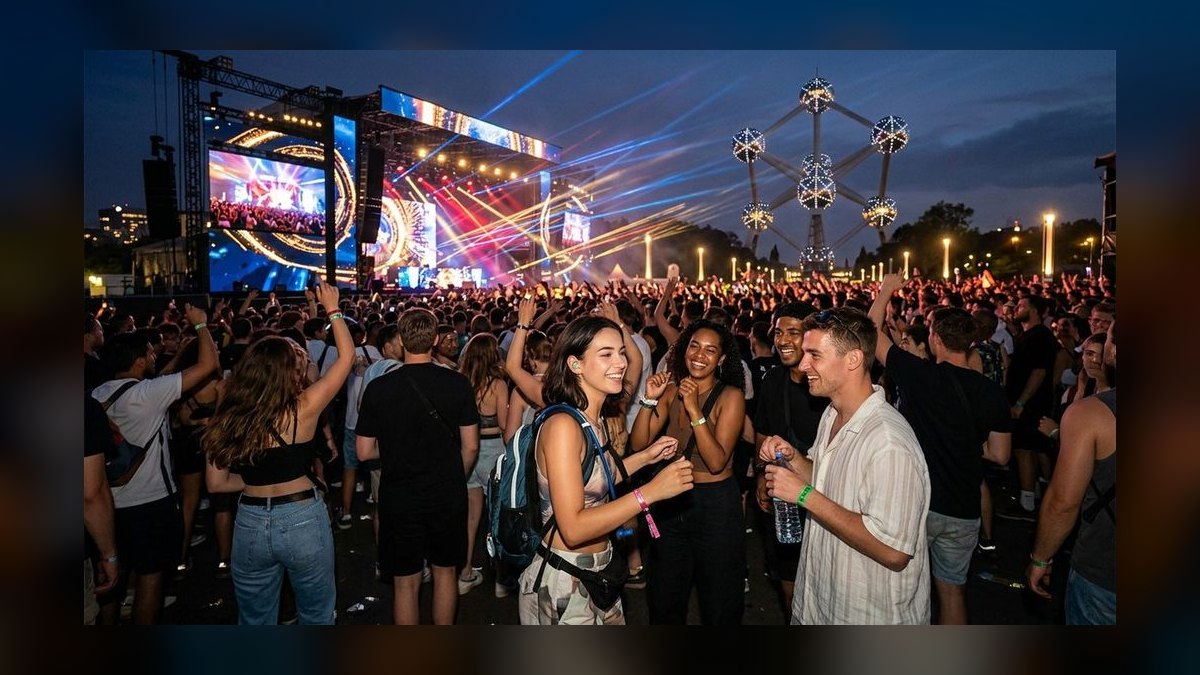
A single attendee at a major 2027 music festival should budget roughly $1,200 to $3,500 all-in for a domestic three-day event: general admission passes run $400–$650, camping or hotels $150–$900, travel $150–$600, food and drink $200–$450, and fees, merch, and incidentals another $200–$500. VIP tiers push totals past $5,000.
The scenario that makes the sticker price misleading
Picture a buyer in October 2026 watching a lineup announcement drop. The pass price flashes on screen — call it $499 for three days, general admission, tier one. That number lodges in their head, and it is the number they repeat to friends, to a spouse, to anyone asking whether they are going. Six months later the same person is standing at a gas pump three states from home, having already paid for the pass, the campsite add-on, the parking pass, a rideshare from a hotel that was booked because the campsite sold out, and a cooler full of groceries that festival security may or may not let through the gate. The $499 has quietly become $1,900, and nobody lied to them. The advertised figure was accurate. It was just never the total.
This gap between headline pass price and total outlay is the single most useful thing to understand about festival budgeting, and it is structurally similar to how any bundled-plus-variable purchase behaves. It is the same arithmetic as a cruise fare that excludes shore excursions and gratuities, a wedding venue fee that excludes catering minimums, or a SaaS platform license that excludes per-seat overages and implementation. In each case a marketing-visible anchor price captures maybe a third to a half of what the buyer ultimately spends. The festival version is unusually severe because so much of the spend happens on-site, in a cashless environment, under conditions engineered to reduce price sensitivity: heat, crowds, scarcity, and a wristband that abstracts dollars into taps.
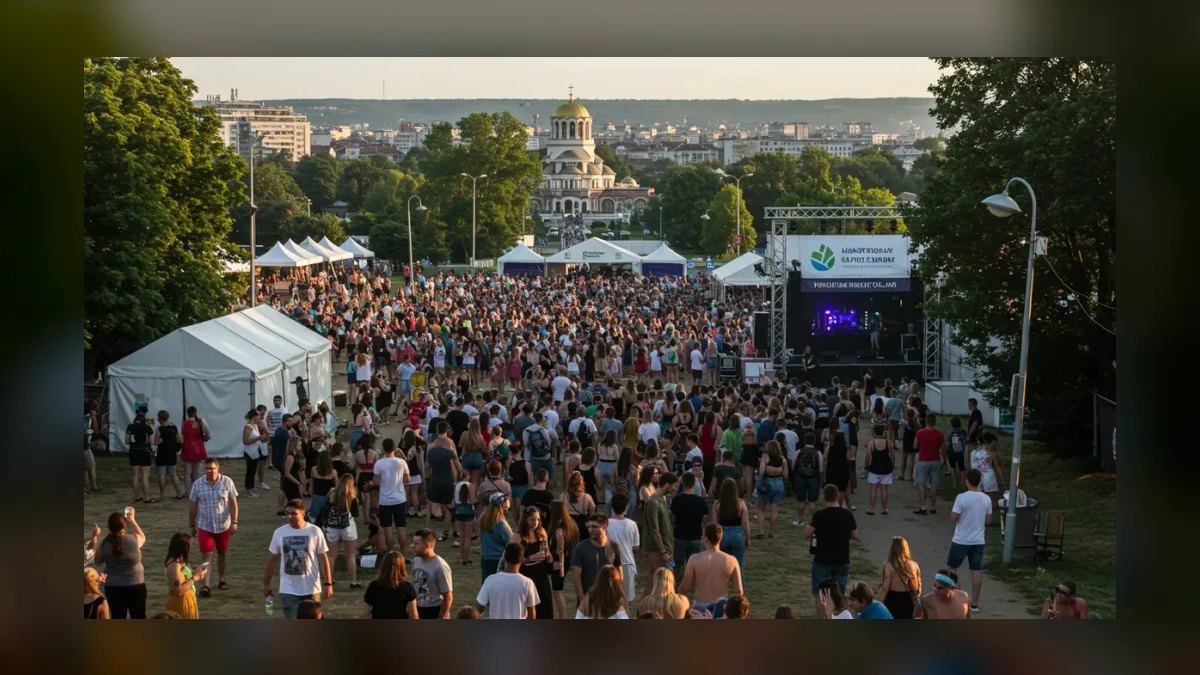
The practical consequence is that "how much does the festival cost" and "how much will attending the festival cost me" are different questions with answers that can differ by a factor of three or four. Anyone planning for a major event in 2027 — whether that is a large destination festival in the desert, a multi-stage urban event in a city park, a camping festival on farmland, or an international event requiring a flight — should build the budget from the bottom up, category by category, rather than starting from the pass price and adding a vague cushion. The cushion is never big enough. The categories, once enumerated, are surprisingly predictable.
There is a second scenario worth naming: the group buy. Festivals sell heavily into groups of four to eight, and group economics change every line item. A car camping pass amortized across four people is a fraction of what it costs solo. A rented house within twenty minutes of the venue can undercut on-site camping per head while adding air conditioning and a real bathroom. But group buying also introduces coordination cost, cash-flow risk when one person flakes after tickets are non-refundable, and a pattern where the organizer fronts several thousand dollars and spends the following month chasing reimbursements. Those are real costs even if they never show up on a receipt.
How the total actually assembles itself

The mechanism is layered, and each layer has a different pricing logic. Understanding which layer you are in tells you where you have leverage and where you do not.
Layer one: the pass. Festival passes are almost always sold in escalating tiers. An early-bird or pre-sale tier releases before the lineup is announced, priced lowest because the buyer is absorbing uncertainty about who will actually play. Subsequent tiers step up as inventory sells, often in increments of $25 to $75, and the final tier before the event can sit meaningfully above tier one. This is straightforward yield management — the same mechanic airlines and hotels use — and it means the cheapest possible pass requires committing before you know the lineup. Payment plans are widely offered and typically require a deposit with the balance spread over monthly installments; they usually carry a modest plan fee and are almost never refundable.
Layer two: the mandatory add-ons. These are the items you cannot decline if you intend to physically attend. Service and processing fees are the big one, commonly landing somewhere in the low-to-mid teens as a percentage of face value once you stack the per-ticket service charge, the order processing fee, and any facility charge. Shipping or will-call fees appear on top. Parking passes, camping passes, vehicle passes, and shuttle passes are separately priced at most camping festivals, and a single car camping spot for a weekend is a real line item, not a rounding error.

Layer three: lodging and travel. This layer has the widest variance in the entire budget — it can be near-zero for a local attendee who drives home each night, or it can exceed the pass cost several times over for someone flying internationally into a market where every hotel within thirty miles has doubled its rate for the weekend. Hotels near major festivals routinely impose multi-night minimums and surge pricing during event weekends. Short-term rentals do the same. Flights into secondary airports serving festival markets spike on the Thursday in and the Monday out.
Layer four: on-site spend. Food, drink, water, ice, merchandise, lockers, phone charging, and whatever the event has decided to monetize. This layer is where cashless wristbands do their work. When a beer is a wristband tap rather than a bill handed over, per-transaction friction drops and average spend rises. Most major events now run fully cashless.
Layer five: the invisible costs. Unpaid time off work, pet boarding, gear you buy once and use once, the tent that does not survive the mud, the phone that goes swimming, travel insurance, and the resale-market premium if you bought late from a secondary seller. These rarely make it into a spreadsheet and reliably show up on the statement.

mermaid flowchart LR D["Budget decision"] --> L1["Lodging choice"] D --> L2["Ticket timing"] D --> L3["Group size"] D --> L4["Event tier"] L1 --> C1["Camping<br/>saves $150-450<br/>costs comfort + sleep"] L1 --> C2["Hotel<br/>costs more<br/>buys AC + shower"] L2 --> C3["Early tier<br/>saves $75-200<br/>risks lineup"] L2 --> C4["Late tier<br/>costs more<br/>full information"] L3 --> C5["Group of 4<br/>cuts lodging 40-60%<br/>adds float risk"] L3 --> C6["Solo<br/>full flexibility<br/>full cost"] L4 --> C7["Major festival<br/>spectacle + scale"] L4 --> C8["Two regionals<br/>often cheaper total"] </parameter> </invoke>
The pitfalls that blow up otherwise-sound budgets

Forgetting that fees are not optional. The single most common budgeting error is treating the face value as the ticket cost. Add 12–20% before you do anything else. If you are comparing two events, compare all-in prices or you are comparing nothing.
Underestimating the cashless multiplier. Wristband payment removes the physical act of handing over money, and spend rises accordingly. The countermeasure is mechanical rather than willpower-based: load a fixed amount onto the wristband and treat it as the ceiling, or set a daily on-site cap and check the balance each morning. People who do this reliably spend less than people who intend to be careful.
Booking lodging late. Inventory near major festivals prices on demand and sells through. The difference between booking in November for a June event and booking in April is frequently $100+ per night. Book refundable early, then re-shop closer in and cancel if something better appears — the option value is free if the reservation is genuinely refundable, and you should verify that it is.
Ignoring the resale market's real shape. Secondary prices for sold-out majors can run well above face, but they also collapse in the final days when holders realize they cannot go. Waiting is a real strategy with a real failure mode: you may end up with nothing. Use official resale platforms where the event operates one — they verify transfers and eliminate the counterfeit risk that plagues open marketplaces.

Not reading the gate policy before packing. Every event publishes a prohibited-items list, and every event has a line of people at the gate discarding items they paid for. Sealed water, factory-sealed food, empty reusable bottles, and sunscreen are commonly allowed; glass, outside alcohol, large bags, and professional cameras commonly are not. Read the actual list for your event, in the week of the event, because policies change.
Skipping the water strategy. Free refill stations exist at essentially every major event and are the highest-leverage cost avoidance available. Bringing an empty bottle you can fill turns a $5-per-fill line item into zero, and hydration is also the difference between enjoying day three and not.
Treating time off as free. Two or three unpaid days off, or two or three days of PTO you would otherwise have used on something else, is a genuine cost. Price it honestly. For an hourly worker it is a directly countable number, and for a salaried worker the PTO has real alternative uses.
Forgetting the return leg. Post-festival exit is consistently under-planned: surge pricing at closing, hours-long campground exit queues, a driver who has not slept properly in three days, and a hotel room that would have cost $180 and prevented a dangerous drive. Budget the Monday, not just the weekend.
Assuming international events map to domestic math. A major festival abroad adds airfare, currency conversion spread, possible visa or entry fees, international data, and travel insurance. It also frequently offers substantially cheaper passes than comparable US events, which is exactly why the comparison has to be done on total landed cost rather than pass price. Some attendees find a European festival with a $300 pass genuinely competitive with a domestic $600 event once every category is counted; others find the flight erases the advantage entirely. Do the arithmetic for your specific origin airport.
Related questions

How far in advance should I buy a festival pass?
Early-bird or pre-sale tiers, typically released before the lineup announcement, are the cheapest — usually $75–$200 below final tier. Buy then if you would attend regardless of lineup and the event runs an official resale platform to cap your downside. Otherwise wait for the announcement.
Is VIP worth the upgrade at a major festival?
Situationally. VIP typically costs two to three times general admission and buys shorter restroom lines, shade, dedicated entrances, and elevated viewing. At hot-climate or very large-capacity events the comfort delta is substantial. At compact urban festivals with short walks, it is mostly cosmetic.
What is the cheapest realistic way to attend a major festival?
Buy at the earliest tier, camp with a group of four sharing site and vehicle passes, drive rather than fly, bring sealed food and an empty refillable bottle, and set a hard on-site spending cap. That path lands most people near $900–$1,300 all-in for a domestic weekend.
Do festival ticket prices include all fees?

Usually not. Face value typically excludes service, processing, and facility charges that add 12–20%. Some events have moved to all-in displayed pricing. Always check the final checkout total before comparing two events — the advertised numbers are not comparable.
How much should I load onto a cashless wristband?
For a three-day event, $250–$400 covers typical food, drink, and incidentals without merch. Add $75–$200 if you plan to buy merchandise. Loading a fixed amount and treating it as the ceiling is more effective than intending to spend carefully.
FAQ
What is the total cost of attending a major music festival in 2027?
Plan on $1,200–$3,500 per person all-in for a domestic three-day event. The low end assumes an early-tier pass, group camping, driving, and disciplined on-site spending. The mid range assumes a late-tier pass, a shared hotel, and a short flight. The high end assumes flying, a private hotel room, and unconstrained on-site purchasing. VIP tiers, destination locations, and international travel push totals past $5,000 without much effort. The pass itself typically accounts for only 25–40% of the final number, which is why building the budget category by category — pass, fees, lodging, travel, food, merch, incidentals — produces a far more accurate figure than adding a cushion to the ticket price.
Why is the total so much higher than the advertised ticket price?
Because the advertised price covers one layer of a five-layer purchase. Fees add 12–20% immediately. Mandatory add-ons like parking, camping, and shuttle passes are priced separately at most camping events. Lodging and travel are entirely outside the ticket. On-site food, drink, and merchandise are a separate economy operating in a cashless environment designed to reduce price friction. And invisible costs — unpaid time off, gear, pet boarding, insurance — never appear in any marketing material. Each layer is individually reasonable; stacked, they routinely take a $500 pass to a $2,000 weekend.
Does camping actually save money versus a hotel?
Usually yes, and often substantially — roughly $150–$450 per person across a three-night stay once you account for the camping pass, vehicle pass, and gear amortization versus shared hotel nightly rates. But the saving is real only if you already own gear or can borrow it; a first-time camper buying a tent, pad, canopy, cooler, and wagon can spend $300–$600 and erase the advantage in a single weekend. Camping also eliminates commute cost and rideshare surge, which is a bigger factor than most people expect. The genuine cost of camping is sleep quality, and at a hot-weather event that cost is not trivial.
Are payment plans a good idea for festival passes?
They are a cash-flow tool, not a discount. A plan spreads the pass across monthly installments for a modest fee, which helps if the lump sum is genuinely difficult. The tradeoff is that they harden your commitment before you know the lineup, and default terms can mean forfeiting both the pass and the installments already paid. Read the specific default and transfer language rather than the marketing summary. If you would have bought the pass outright anyway, the plan fee is pure cost.
How do international festivals compare on total cost?
Pass prices at many major international festivals run meaningfully below comparable US events, sometimes 30–50% lower for a multi-day ticket. Whether that translates into a lower total depends almost entirely on airfare from your origin. Add international flight, currency conversion spread, possible entry fees, international data or a local SIM, and travel insurance, then compare landed totals rather than pass prices. For attendees near a major international gateway with flexible dates, the math sometimes favors going abroad. For attendees deep inland with fixed dates, it rarely does.
What single habit saves the most money on-site?
Bringing an empty reusable bottle and using the free refill stations. It converts a recurring $4–$6 purchase into zero across three days, and hydration directly determines whether you are functional on the final day — which is itself worth money, since day three is the one people most often abandon after paying full price for it. Second place goes to loading a fixed amount on the cashless wristband and treating that number as an absolute ceiling.
Sources
- https://www.billboard.com/pro/
- https://www.rollingstone.com/music/music-news/
- https://www.pollstar.com/
- https://www.bls.gov/cpi/
- https://www.ticketmaster.com/
- https://www.nerdwallet.com/article/travel
- https://www.consumerfinance.gov/
- https://www.transportation.gov/individuals/aviation-consumer-protection
Related on PULSE
- How to build a bottom-up event budget that survives contact with reality
- Why bundled pricing makes buyers underestimate total cost of ownership
- Group buying economics: when splitting costs actually works
- Cashless payment systems and the spend-lift effect
- Comparing all-in pricing versus face-value pricing across vendors
- Travel and lodging surge pricing during high-demand event weekends
This page will be disappearing soon. Save it to your device for $1 — or read it free while it is here.
@Kory-White- · if Venmo asks, the last 4 of my number are 2012
This page is gone.
This one is off the shelf now. $1 keeps it on your phone for good — the whole page, pictures and diagrams included.
 pulse-travelThe 10 Best Marathons in the United States for Runners in 2027
 pulse-travelThe 10 Best All-Inclusive Family Resorts in the Caribbean with Kids Clubs in 2027
 pulse-travelTop 10 All-Inclusive Resorts in Puerto Vallarta in 2027
 pulse-travelThe 10 Best Day of the Dead Destinations in Mexico in 2027
 pulse-travelThe 10 Best Overwater Bungalow & Swim-Up Suite All-Inclusive Beach Resorts in 2027
 pulse-travelTop 10 Food Cities in Portugal in 2027
 pulse-travelThe 10 Best Pro Cycling Races to Watch Live as a Spectator in 2027
 pulse-travelThe 10 Best Food and Wine Festivals in Australia and New Zealand in 2027
 pulse-travelTop 10 All-Inclusive Resorts in Hawaii in 2027
 pulse-travelTop 10 Luxury Resorts in Asia in 2027