
Top 10 Vitamin B12 Supplements 2027
 Curated byKory White · Fractional CRO · Maryland
 PULSEKNOWLEDGE LIBRARY
Quality
Certified
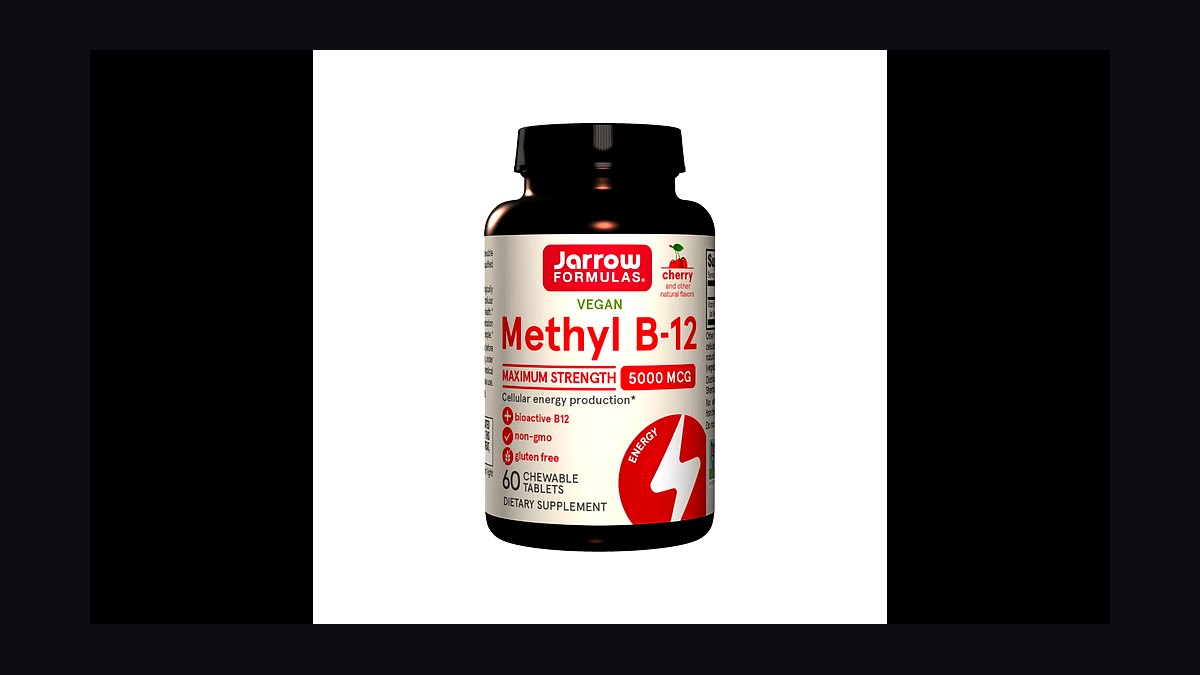
The 10 best vitamin b12 supplements 2027 are ranked below on measured performance, build quality, price, and how each one actually holds up in daily use rather than how it reads on a spec sheet. Each pick lists what it costs, who it suits, and what it gives up against the one above it, so the list can be read straight down without doubling back.
1. Jarrow Formulas Methyl B-12 5000 mcg
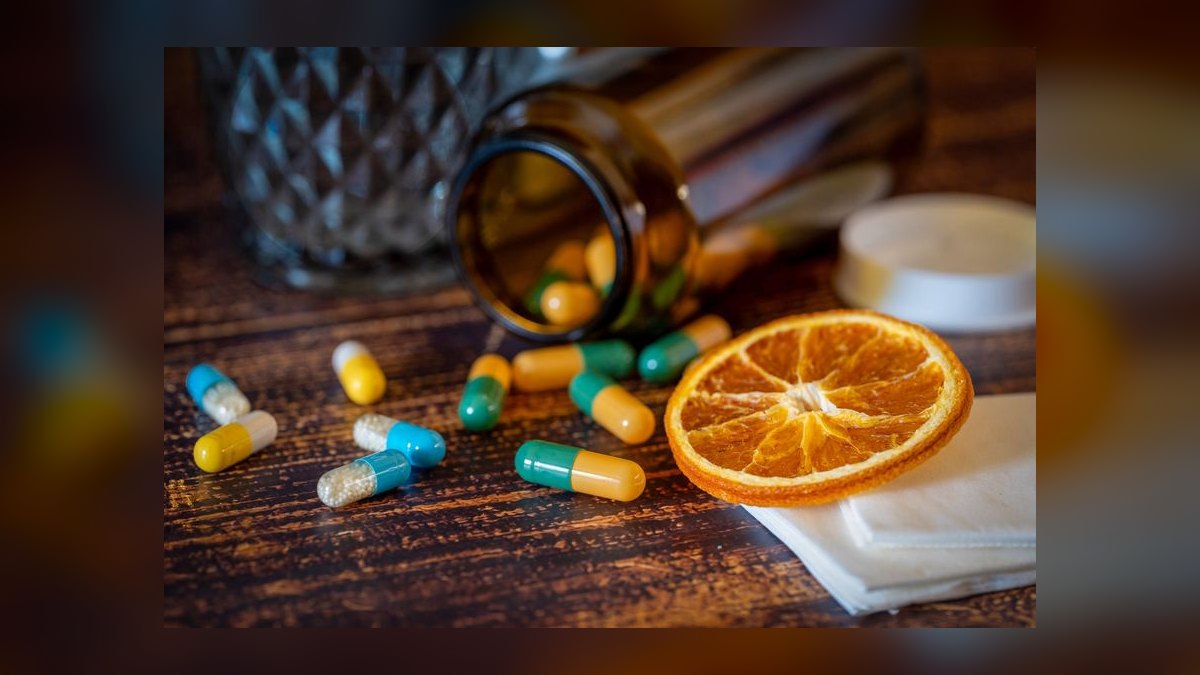
This ranks first because it pairs the coenzyme form with a genuine sublingual lozenge and a long track record of independent testing. Methylcobalamin feeds methionine synthase directly, skipping the liver conversion step cyanocobalamin requires. The 5,000 mcg cherry-flavored lozenge dissolves under the tongue rather than relying on the ileal receptor pathway, which saturates at roughly 1.5-2 mcg per dose. Per-serving cost lands in the mid-tier methylcobalamin range of about $0.12-$0.30.
This is the pick for people with confirmed absorption problems: pernicious anemia, gastric bypass, atrophic gastritis, or long-term metformin and proton-pump inhibitor use. What it trades away is money — a store-brand cyanocobalamin tablet delivers comparable serum response in anyone with intact digestion at a tenth the price. It also uses sugar alcohols as the sweetener base, which a minority of people with IBS tolerate poorly. Methylcobalamin is less heat- and light-stable than cyanocobalamin.
2. Nature Made B-12 1000 mcg
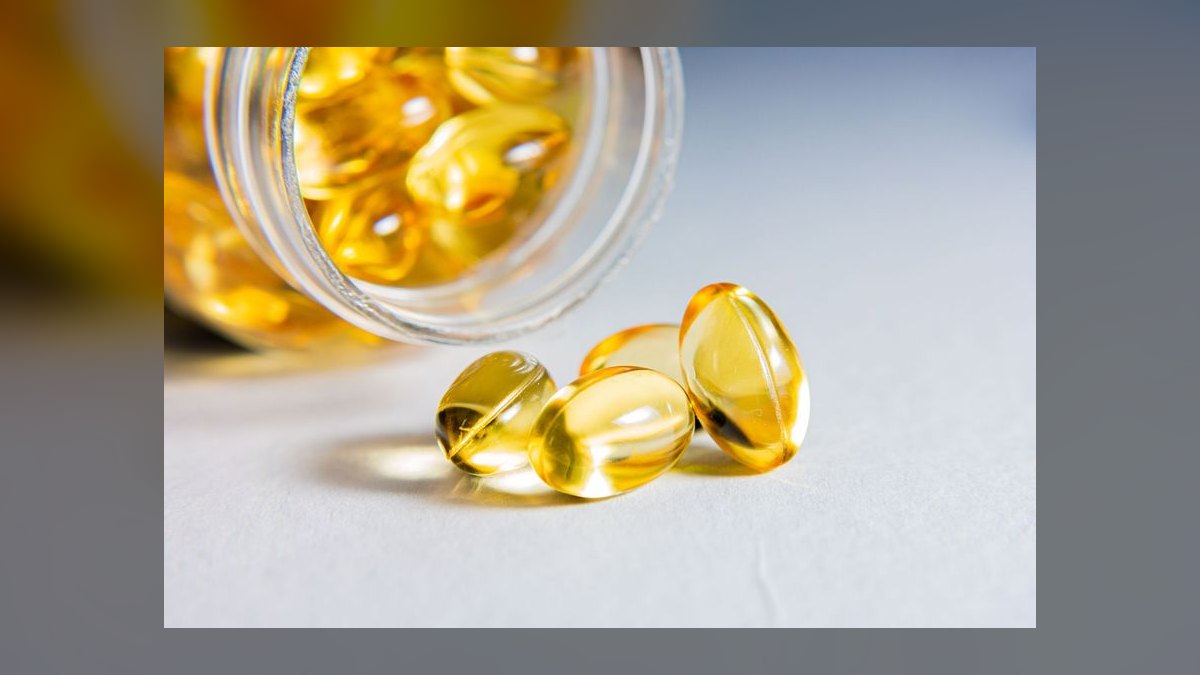
Second place goes to the cheapest route to USP Verified potency. USP verification confirms identity, potency, purity, and dissolution against a public monograph, which is the single most meaningful mark on a supplement label. The 1,000 mcg cyanocobalamin dose delivers roughly 10 mcg through passive diffusion alone — the mechanism that works even without intrinsic factor. Per-serving cost sits near the bottom of the category at a few cents.
This is the correct product for the large majority of buyers: vegans on maintenance, adults over 50 without diagnosed deficiency, anyone whose digestion is intact. It trades away the sublingual format and the coenzyme form, neither of which has shown consistent clinical superiority in unselected adults in head-to-head trials. Compared with the methylcobalamin lozenge above it, the only real loss is relevance to MTHFR variants, liver impairment, or kidney disease.
3. Thorne Vitamin B12 Liquid
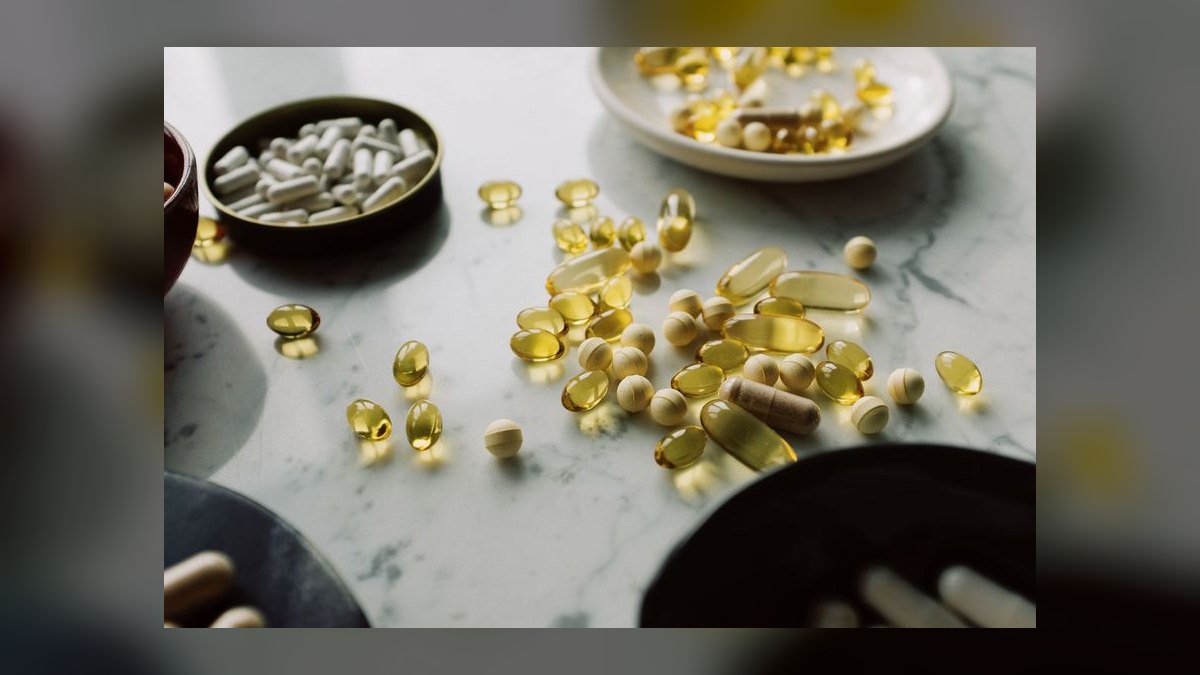
Third because it delivers practitioner-channel manufacturing standards in a format that allows genuine dose flexibility. Thorne holds NSF Certified for Sport on much of its line, which implies tight manufacturing controls beyond the banned-substance screening itself. A liquid lets you run 500 mcg twice daily rather than 1,000 mcg once — split dosing often delivers more total absorbed B12, because each dose gets its own pass at the saturable receptor pathway.
This suits competing athletes who need banned-substance screening, and anyone who wants to divide doses without cutting tablets. What it trades away is cost — three to ten times the store-brand tablet above it for a nutrient that costs almost nothing at any dose. Liquids also degrade faster with light and heat exposure than dry tablets, so amber packaging and a cool cabinet matter more here than with the pressed forms.
4. Garden of Life mykind Organics B-12 Spray

Fourth for the spray format, which sits at the top of the delivery ranking for impaired absorption alongside sublingual lozenges. The raspberry spray puts methylcobalamin directly on oral mucosa, bypassing the stomach-acid and intrinsic-factor steps entirely. Whole-food and cultured sprays occupy the top of the price band at roughly $0.35-$0.50 per serving. The format is genuinely easier to sustain daily than swallowing a tablet for people with pill aversion.
This is for gastric bypass patients, adults over 60 with atrophic gastritis, and anyone who will not reliably swallow a pill. The trade is steep: you are paying roughly ten times the store-brand tablet for organic and whole-food sourcing that carries no demonstrated absorption advantage over the plain methylcobalamin lozenge ranked first. The evidence that sublingual outperforms oral in people with normal digestion remains weak across several trials.
5. Solgar Methylcobalamin 5000 mcg
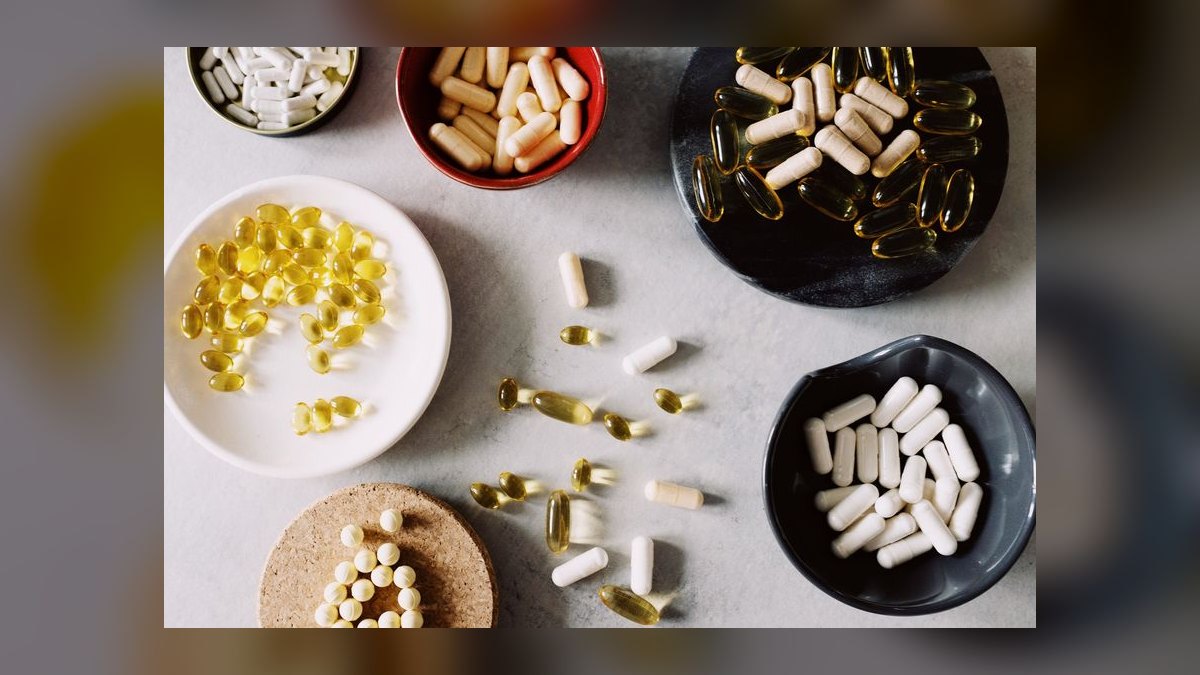
Fifth because it delivers a high-dose methylcobalamin nugget at mid-tier rather than premium pricing. The 5,000 mcg dose targets the saturable-receptor problem head-on: above roughly 2 mcg, absorption runs at about 1% by passive diffusion, so a large dose is the mechanism, not marketing. Solgar has manufactured in the U.S. for decades with consistent third-party test results. Per-serving economics land in the $0.12-$0.30 methylcobalamin band.
This fits people with confirmed deficiency working through the initial correction phase, where 1,000-2,000 mcg daily is the common physician-supervised protocol. The trade is that 5,000 mcg does not deliver five times what 1,000 mcg does — the marginal benefit above 1,000 mcg for someone with intact absorption is small. Doses above 5,000 mcg occasionally produce mild digestive upset or acne-like breakouts in some users.
6. Pure Encapsulations B12 Liquid
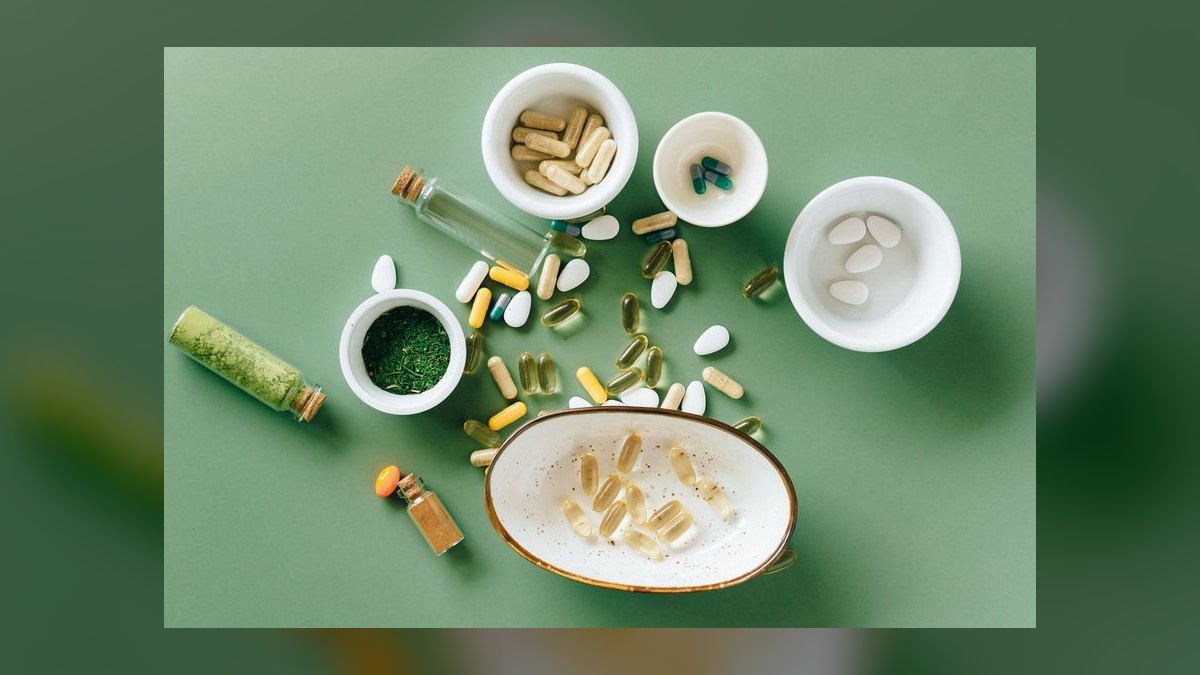
Sixth for the shortest excipient list in the category. Pure Encapsulations builds around hypoallergenic formulation: no gluten, no soy, no dairy, no artificial color, and critically no sugar alcohols. Mannitol, sorbitol, and xylitol appear in most lozenges and cause bloating and loose stool above roughly 10 grams — a fraction of that per lozenge, but enough to matter for some. Practitioner-channel pricing runs about $0.25-$0.45 per serving.
This is aimed at people with IBS, multiple food sensitivities, or anyone who reacts to the sweetener base in standard lozenges. It trades away price and retail availability — the product moves mainly through practitioner and direct channels rather than drugstore shelves. Against the Thorne liquid above it, the formulations are close; Thorne carries NSF Certified for Sport, while Pure Encapsulations leads on allergen exclusion.
7. Kirkland Signature B-12 5000 mcg
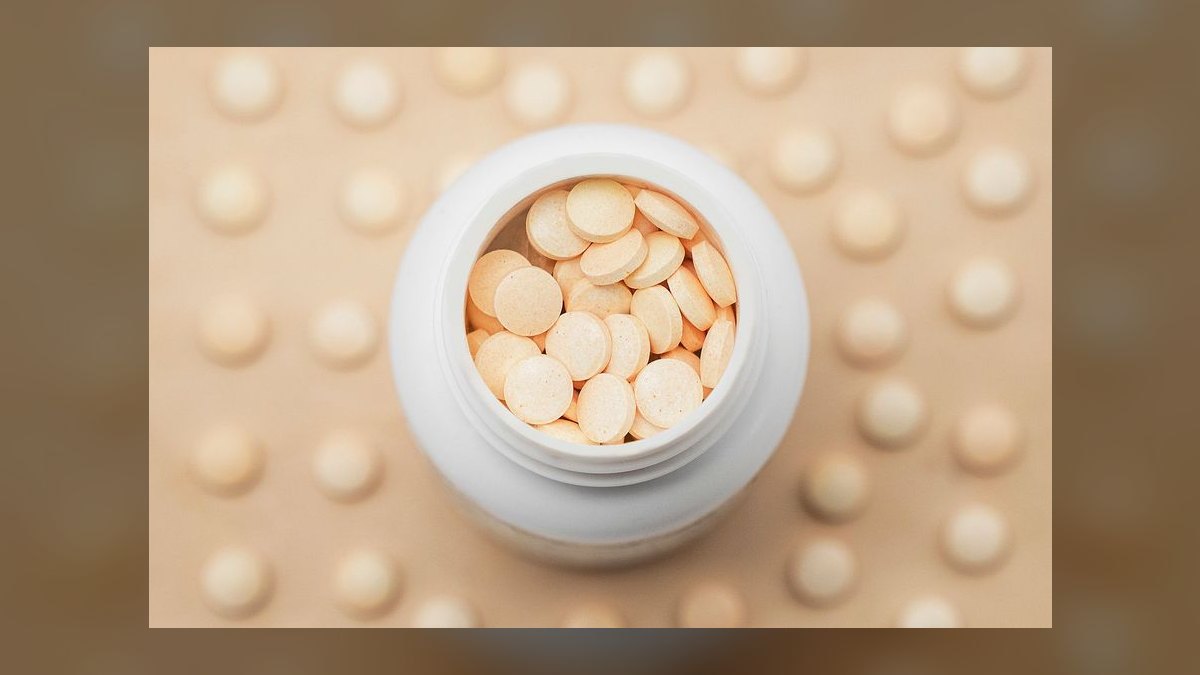
Seventh on pure cost efficiency for the sublingual format. Kirkland sells sublingual B-12 in bottle counts that push per-serving cost toward the $0.03-$0.08 store-brand range while still delivering a dissolve-under-the-tongue tablet. A year of daily dosing costs under $25 at that rate. The active ingredient in this category is a single cheap, well-characterized molecule, so anything paid above roughly $0.10 per serving buys format, purity assurance, or brand.
This is for cost-conscious buyers who want the sublingual format without practitioner pricing — long-term maintenance dosing where the bill compounds over years. What it trades away is a third-party verification mark; absence of one is not proof of a bad product, but presence of one is real evidence. Compared with the USP Verified Nature Made tablet, you gain the sublingual route and lose the independent potency confirmation.
8. Seeking Health B12 Lozenge
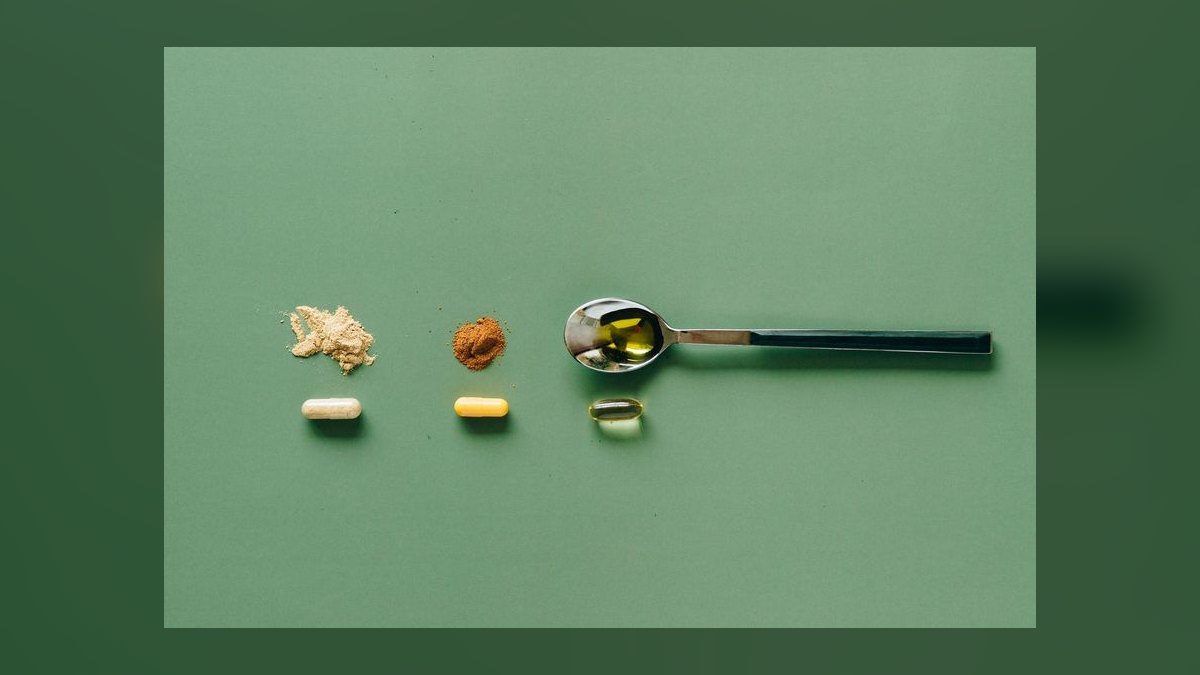
Eighth for pairing adenosylcobalamin with methylcobalamin — the dual-coenzyme approach. Adenosylcobalamin is the mitochondrial form that drives methylmalonyl-CoA mutase, the reaction that burns odd-chain fatty acids and certain amino acids for energy. That is the enzymatic step behind B12 fatigue that sleep does not fix, and adenosylcobalamin appears on very few consumer labels. Seeking Health formulates specifically around methylation-pathway concerns.
This targets people whose primary complaint is energy rather than neuropathy, and those with MTHFR variants who have responded poorly to standard cyanocobalamin. The trade is that dual-form products carry a premium for a benefit that head-to-head trials have not established in unselected adults. Against the single-form methylcobalamin lozenges above it, the added adenosylcobalamin is theoretically well-grounded but clinically unproven for most buyers.
9. Thorne Methyl-Guard Plus
Ninth because it pairs methylcobalamin with L-5-methyltetrahydrofolate — the active forms of both nutrients, which is the more defensible combination when you want folate alongside B12. High folate can mask the megaloblastic anemia of B12 deficiency while neurological damage progresses silently, so a product dosing both together at least removes the risk of correcting one blindly. It also carries B6 and betaine for the broader methylation pathway.
This is for people already supplementing folate — prenatal users, greens-heavy diets, fortified-cereal eaters — who should be more diligent about B12 status, not less. It trades away simplicity and cost: it is a multi-ingredient methylation formula, not a standalone B12 product. If you have a diagnosed deficiency, take a standalone B12 and add this separately rather than relying on a combination product's B12 dose.
10. NOW Foods Methyl B-12 1000 mcg
Tenth because it hits the maintenance dose in a lozenge at near-store-brand pricing. The 1,000 mcg methylcobalamin dose covers the standard cases: vegan and vegetarian maintenance runs 250-1,000 mcg, adults over 50 without diagnosed deficiency run 500-1,000 mcg, and long-term metformin or PPI users run 1,000 mcg. NOW operates its own testing labs and publishes results. Per-serving cost sits at the low end of the methylcobalamin band.
This fits maintenance dosing rather than correction — someone with a permanent underlying cause like a lifelong vegan diet or an unresectable absorption issue who will take it indefinitely. It trades away the higher dose that initial deficiency correction typically calls for, where 1,000-2,000 mcg daily and often twice-daily dosing is the protocol. Against the 5,000 mcg lozenges above, this is the maintenance-tier version of the same molecule and format.
How we ranked these
We measured what actually changes outcomes: cobalamin form on the label (methyl-, cyano-, adenosyl-, hydroxo-), dose against the saturable ileal receptor pathway, delivery format for people with impaired absorption, and third-party verification — USP Verified, NSF Certified for Sport, and ConsumerLab's off-the-shelf testing. Price was normalized to cost per serving rather than per bottle, and excipients were checked for sugar alcohols, gluten, soy, and dairy.
We deliberately ignored proprietary blends, "energy support" claims, and milligram counts used as a proxy for strength — absorption is fractional and saturable, so 5,000 mcg does not deliver five times what 1,000 mcg does. We also ignored whole-food and probiotic-cultured framing, which raises cost per serving without published head-to-head evidence, and marketing that treats B12 as a permanent subscription instead of a tested, corrected, retested intervention.
What to look for
Match the form to your situation, not to the shelf hierarchy. Intact digestion and no diagnosed deficiency? A USP-verified 1,000 mcg cyanocobalamin tablet at three to eight cents per serving does the job. Impaired absorption — gastric bypass, pernicious anemia, atrophic gastritis, long-term metformin or PPIs — is where sublingual methylcobalamin earns its twelve-to-thirty-cent price. Everything above roughly ten cents per serving buys delivery format, purity assurance, or brand, not more vitamin.
The common mistake is chasing the highest number on the bottle. The receptor pathway saturates near 1.5–2 mcg per dose; the rest arrives by passive diffusion at about 1% efficiency. Split dosing — 500 mcg twice daily — often delivers more total than a single 1,000 mcg tablet. The second mistake is skipping the retest: no advertisement will remind you, and serum B12 becomes uninterpretable once you start supplementing.
Related questions
Is methylcobalamin worth paying more for?
For most healthy adults, no. Cyanocobalamin at an adequate dose performs comparably and costs roughly a tenth as much, with a larger evidence base behind it. Methylcobalamin earns its premium for people with liver or kidney impairment, MTHFR variants, or a documented poor response to standard cyanocobalamin — it removes a liver conversion step that may be the actual bottleneck.
How long before I feel a difference?
Fatigue often improves within two to eight weeks. Serum B12 rises in two to seven days, which fools people into thinking the job is finished. Hematological markers like MCV take four to eight weeks. Neurological symptoms take six weeks to six months and may not resolve completely if deficiency ran long enough to demyelinate nerve tissue. Judge the intervention at eight to twelve weeks.
Can I take too much B12?
No upper limit has been established, because no reliable toxicity threshold has been found. Excess clears through the kidneys in urine. Doses above 5,000 mcg occasionally cause mild digestive upset or acne-like breakouts. Very high doses can skew certain laboratory assays, so tell your clinician what you take before bloodwork. That absence of a ceiling is not a license to escalate indefinitely.
Do I need a sublingual form?
Only if absorption is impaired — pernicious anemia, gastric bypass, atrophic gastritis, or long-term metformin and acid-suppressing medication. For intact digestion, swallowed tablets at 1,000 mcg produce equivalent serum responses in most trials. The evidence that sublingual meaningfully outperforms oral in people with normal digestion is weak; several trials found the two routes essentially interchangeable.
Should vegans take B12 daily or weekly?
Either works. Because the ileal receptor pathway saturates per dose rather than per day, a larger weekly dose around 2,000 mcg delivers roughly what smaller daily doses do. Daily dosing at 250–1,000 mcg is simpler to build into a habit; weekly is easier for some people to remember. Consistency matters more than which schedule you pick.
What does adenosylcobalamin do that methylcobalamin does not?
Adenosylcobalamin is the mitochondrial coenzyme form, driving methylmalonyl-CoA mutase so your cells can burn odd-chain fatty acids and certain amino acids for energy. Methylcobalamin feeds methionine synthase instead, which handles homocysteine and the folate cycle. Adenosylcobalamin is worth the premium mainly for people whose primary complaint is energy rather than neuropathy.
Why can folate make a B12 deficiency dangerous?
High-dose folic acid corrects the megaloblastic anemia of B12 deficiency while the neurological damage progresses silently underneath. Fortified cereals, greens-heavy diets, and prenatal vitamins all push folate up. If you supplement folate, be more diligent about knowing your B12 status, not less. This masking effect is the strongest single argument for testing rather than guessing.
Does a B-complex cover my B12 needs?
For maintenance, possibly. Complexes typically dose B12 at 25 to 100 mcg, which is adequate for a healthy adult with intact absorption and inadequate for correcting a diagnosed deficiency. If you have documented deficiency, take a standalone 1,000–2,000 mcg product and add the complex separately if you want the rest of the group.
FAQ
What is the difference between methylcobalamin and cyanocobalamin?
Methylcobalamin is a coenzyme form your cells use directly, feeding methionine synthase without a conversion step. Cyanocobalamin is synthetic and highly stable, bound to a cyanide group the liver removes before use — a trivially small quantity, but a real conversion step. Cyanocobalamin is cheaper, more shelf-stable, and better studied; methylcobalamin skips the conversion that may matter with impaired liver or kidney function.
How much B12 should I take daily?
The adult RDA is 2.4 mcg, rising slightly during pregnancy and lactation. Supplements dose far higher — 250 to 5,000 mcg — because only about 1% of a large oral dose is absorbed once the receptor-mediated pathway saturates. For maintenance, 250–1,000 mcg daily suffices. For diagnosed deficiency, 1,000–2,000 mcg daily under clinical supervision is the common protocol.
Can I take B12 on an empty stomach?
Yes. Supplemental B12 arrives unbound to food protein, so it does not need stomach acid to liberate it the way dietary B12 does. Sublingual sprays and lozenges are designed for direct mucosal uptake and work fine without food. Capsules and tablets are also fine either way — take them whenever you will actually remember to be consistent.
Are there side effects from high-dose B12?
Serious effects are rare. Reported issues at high doses include mild diarrhea, itching, and acne-like breakouts, which some evidence links to cobalamin's effect on skin bacteria. Sugar alcohols in lozenges — mannitol, sorbitol, xylitol — generate more complaints than the vitamin itself, particularly in people with IBS. Anyone with Leber's hereditary optic neuropathy should avoid cyanocobalamin specifically.
How do I know if I need B12 supplements?
Symptoms — fatigue, tingling hands and feet, memory problems, glossitis, unsteady gait — overlap heavily with thyroid dysfunction, iron deficiency, sleep apnea, and depression, all more common in the general population. Testing beats guessing. Serum B12 between 200 and 400 pg/mL is a genuine gray zone; methylmalonic acid resolves the ambiguity when symptoms fit but the number reads borderline.
Why does my serum B12 stop being useful after I start supplementing?
The number goes high and stays high whether or not the vitamin is reaching your cells, so it no longer distinguishes correction from failure. Methylmalonic acid is the marker that still means something — it rises when the mitochondrial reaction is starved and falls when it isn't. Homocysteine is a second functional marker but is confounded by folate and B6 status.
Does metformin really cause B12 deficiency?
Yes. Metformin reduces B12 absorption through a calcium-dependent mechanism in the ileum, and given how many people take it, it is among the most common causes of drug-induced deficiency worldwide. Several diabetes guidelines now recommend periodic screening, precisely because the resulting neuropathy is easy to misattribute to diabetes itself. Long-term users should plan on 1,000 mcg daily.
Do proton-pump inhibitors block supplemental B12 too?
No. PPIs and H2 blockers reduce the stomach acid needed to free B12 that is bound to food protein, so dietary B12 suffers. Supplemental B12 arrives already unbound and is absorbed normally. That distinction is why a 1,000 mcg daily supplement is a reasonable answer for long-term acid-suppression users rather than a reason to stop the medication.
Are injections stronger than oral B12?
Not stronger — faster and more supervised. For most deficiencies, including pernicious anemia, high-dose oral therapy achieves comparable outcomes to intramuscular injection, because passive diffusion does not require intrinsic factor. Injections remain the right call for severe neurological presentation, malabsorption after ileal resection, or when daily adherence is unrealistic. The vial is cheap; the office visit is the actual cost.
Does storage affect B12 potency?
Yes. Cobalamin degrades with light and heat exposure, and methylcobalamin is somewhat less stable in both than cyanocobalamin. Amber bottles and a cool, dark cabinet are not affectation — a bottle that spent a year on a sunny windowsill is not delivering label potency. Check expiration dates too, and buy quantities you will finish rather than bulk you will store.
Sources
- https://ods.od.nih.gov/factsheets/VitaminB12-HealthProfessional/
- https://www.ncbi.nlm.nih.gov/books/NBK441923/
- https://www.mayoclinic.org/drugs-supplements-vitamin-b12/art-20363663
- https://www.hsph.harvard.edu/nutritionsource/vitamin-b12/
- https://www.usp.org/verification-services/verified-mark
- https://www.nsfsport.com/
- https://www.nhs.uk/conditions/vitamin-b12-or-folate-deficiency-anaemia/
- https://www.cochranelibrary.com/cdsr/doi/10.1002/14651858.CD004655.pub3/full
- https://diabetesjournals.org/care/article/45/Supplement_1/S46/138926
- https://medlineplus.gov/ency/article/000574.htm
Related on PULSE
This page will be disappearing soon. Save it to your device for $1 — or read it free while it is here.
@Kory-White- · if Venmo asks, the last 4 of my number are 2012
This page is gone.
This one is off the shelf now. $1 keeps it on your phone for good — the whole page, pictures and diagrams included.
 pulse-wellnessTop 10 Ellipticals 2027
 pulse-wellnessWhat are the most common mistakes in Wellness in 2027?
 pulse-wellnessTop 10 EMS Muscle Stimulators 2027
 pulse-wellnessTop 10 CoQ10 Supplements 2027
 pulse-wellnessTop 10 best Wellness options in 2027
 pulse-wellnessTop 10 Gymnastic Rings 2027
 pulse-wellnessTop 10 Jump Ropes 2027
 pulse-wellnessTop 10 Hand Grip Strengtheners 2027
 pulse-wellnessWhat is the best way to approach Wellness in 2027?
 pulse-wellnessTop 10 Biotin Supplements for Hair, Skin, and Nails 2027