


What is the difference between a sauna blanket and a traditional sauna in 2027?
Quality
Certified

A sauna blanket is a portable, zippered infrared cocoon you lie inside on the floor, heating your skin by direct contact for roughly $400 to $800. A traditional sauna is a built room heated to 160-200°F by hot rocks or an electric element, costing thousands and warming the air around you. The blanket sweats you; the room bakes you.
What each one actually is, and why the distinction matters
The confusion between these two categories comes from a shared outcome — you sweat, a lot — attached to two completely unrelated pieces of engineering. Understanding the difference starts with understanding what is actually touching your body.
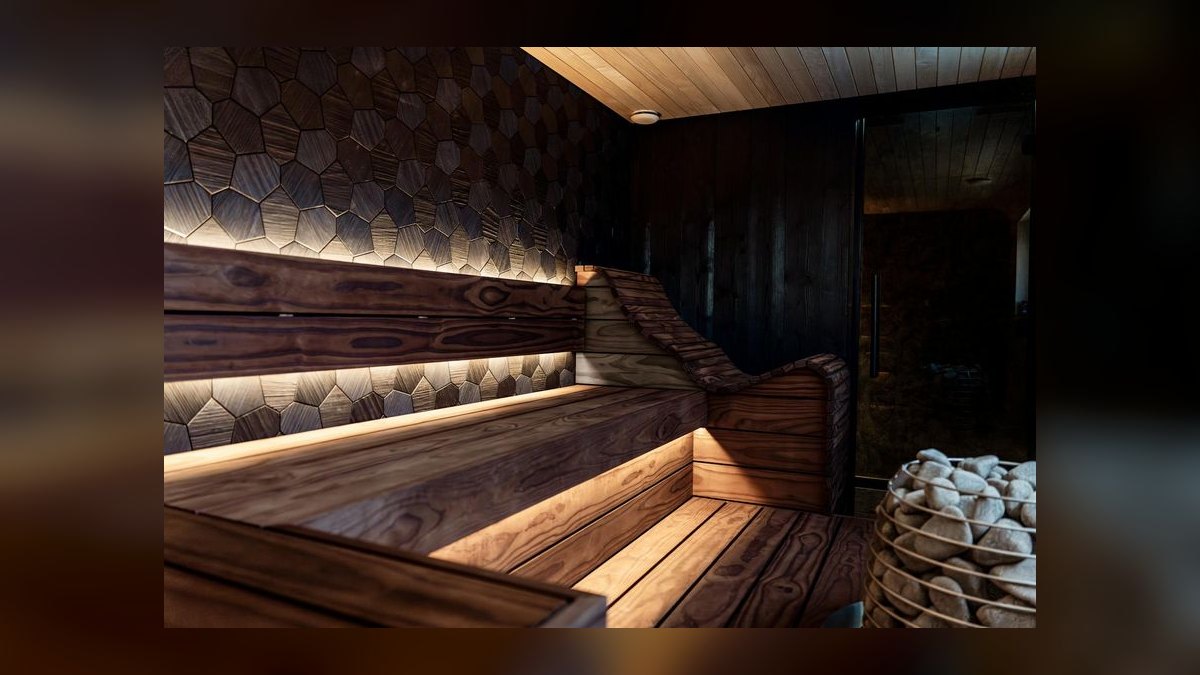
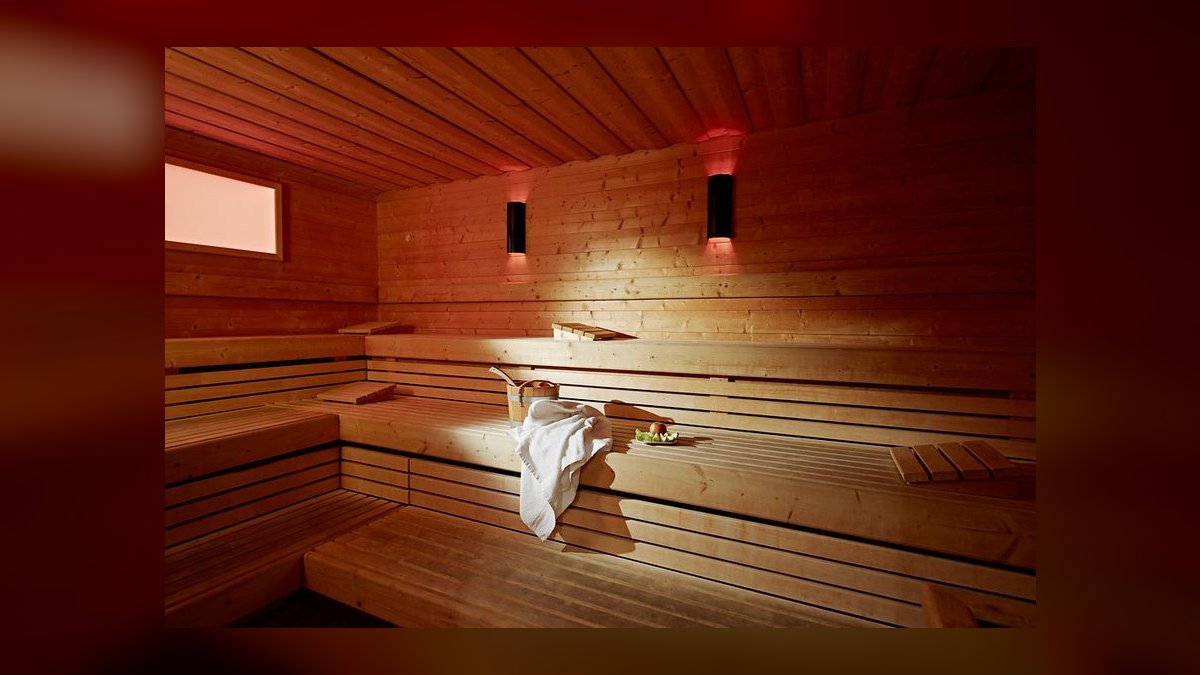
A traditional sauna is a room. It is an insulated wooden enclosure, usually cedar, hemlock, spruce, or basswood, with a heat source that raises the *air* temperature to somewhere between 160°F and 200°F (roughly 70°C to 95°C). The classic Finnish configuration uses a stove — wood-fired or electric — topped with a pile of stones. You throw water on those stones to produce a burst of steam the Finns call *löyly*, which spikes the perceived heat and humidity for a few seconds. Humidity in a traditional sauna typically sits between 10% and 20% at rest, jumping momentarily much higher after each ladle. The air is the medium. Convection carries heat to your skin from every direction at once, and because you are in a room, you can sit up, lie down, move to a lower bench when the top bench gets brutal, or step outside for a cold plunge and walk back in.
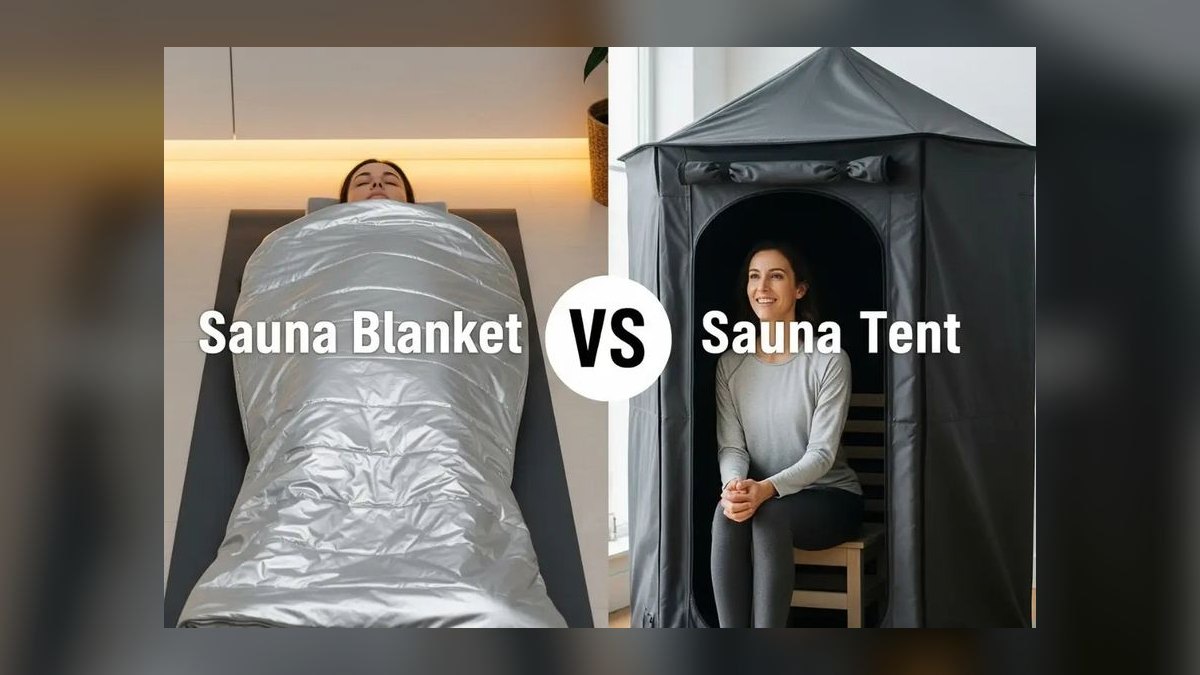
A sauna blanket is not a room and is not, strictly speaking, a sauna in the Finnish sense at all. It is a body-sized sleeping-bag-shaped envelope with heating elements — usually carbon fiber or a similar far-infrared emitter — laminated between an outer waterproof shell (commonly PU leather or a coated nylon) and an inner liner. You lie on the floor or a bed, zip it around yourself up to the neck or chest, and set a controller to a temperature between roughly 95°F and 175°F depending on the model. Your head stays outside. The heat is delivered by conduction and radiant infrared directly into the skin and the tissue just beneath it, not by warming a volume of air you then breathe.

That is the load-bearing difference, and everything else follows from it. In a room sauna, your face, scalp, and airways are inside the hot environment. In a blanket, they are not. Some people find that a relief — no scorched sinuses, no burning eyes, no dizziness from breathing 190°F air. Others find it disappointing, because that full-envelope, slightly punishing air heat *is* the traditional sauna experience, and it does not survive translation into a zippered bag.
The second consequence is what "temperature" means in each. A traditional sauna at 180°F means the air is 180°F, and your skin surface will climb toward 104-108°F over a 15-minute sit. A sauna blanket set to 150°F means the interior surface pressed against you is approaching 150°F, which is a much more aggressive contact condition at a much lower nominal number. This is why blanket users frequently run 130-160°F and sweat as heavily as they would at 180°F in a wooden room, and why the numbers on the two controllers are not comparable. Anyone shopping by "max temp" alone is comparing two different physical quantities that happen to share a unit.
A third difference worth naming: a sauna blanket has no meaningful thermal mass, and a traditional sauna has enormous thermal mass. The cedar walls, the benches, the rock pile — that assembly stores heat and releases it slowly, which is why a well-built room stays comfortable when the door opens and why the stones can carry a session after the element cycles off. A blanket goes from cold to hot in 10-15 minutes and back to cold within a few minutes of shutdown. That makes the blanket enormously more convenient and makes the room enormously more stable.
How each session actually runs, start to finish
The lived process diverges immediately, and the operational overhead is where most buyers eventually form their real opinion.
Traditional sauna session. You preheat. An electric heater in a small residential room (4-6 person) typically needs 30-45 minutes to bring the space to temperature; a wood-fired stove wants 45-90 minutes and needs someone to build and tend the fire. You bring water for the rocks, a towel to sit on, and drinking water. You sit for 8-20 minutes, exit, cool down — cold shower, cold plunge, or just sitting outside — and go back in. Two to four rounds is the common rhythm, and the cooldown between rounds is genuinely part of the practice, not an interruption. Total wall-clock commitment including preheat is 90 minutes to two and a half hours. Afterward you leave the door cracked so the wood dries, and you wipe down the benches periodically. There is no per-session cleanup in the way there is with a blanket.
Sauna blanket session. You unroll it on a bed, floor, or couch. Almost every manufacturer and every experienced user will tell you to wear long sleeves and long pants — cotton sweats or a dedicated towel liner — because bare skin against a 150°F interior surface is uncomfortable at best and a burn risk at worst, and because the sweat has to go somewhere other than directly onto the electronics-adjacent liner. You preheat 10-15 minutes, get in, zip up, and lie still for 30-50 minutes. You cannot really move. You cannot read comfortably. Your arms are either inside (hot, immobile) or outside (cooler, but the zipper gaps). When you finish, you unzip into a puddle of your own sweat, and you must wipe the interior down with a damp cloth and a mild cleaner, then leave it open to air-dry before folding. Skip that step for a week and the interior develops a smell that does not come out.
That cleanup asymmetry is underrated in purchase decisions. A room sauna's sweat evaporates into the air and vents. A blanket's sweat pools in a sealed vinyl-ish envelope. Five minutes of maintenance after every single use, forever.
The diagram above compresses something important: the traditional path loops naturally, and the blanket path does not. Multi-round cycling with cold exposure between rounds is central to Finnish practice and to most of the contrast-therapy protocols people cite. Getting out of a blanket, cooling down, and getting back into a sweat-soaked bag is unpleasant enough that virtually nobody does it. Blanket use is single-round by nature.
Costs, installation, and what the ranges really look like
Price is where the two categories stop resembling each other entirely.
Sauna blanket. The mainstream market runs roughly $200 to $600, with premium and heavily-marketed models reaching $600 to $1,000. There is no installation. It arrives in a box, plugs into a standard 120V household outlet, and draws power comparable to a space heater — typically in the 300-600 watt range, which is pennies per session. Shipping weight is usually 10-20 lbs. It stores rolled or folded under a bed. If you move apartments, it goes in a suitcase. Realistic lifespan is where the value proposition gets murkier: these are heating elements and a controller inside a folded, repeatedly flexed, sweat-exposed shell. Two to five years of regular use is a reasonable expectation, and the failure modes — a dead zone in the heating element, a controller that stops holding setpoint, a delaminated interior seam — are generally not economically repairable.

Traditional sauna. The spread is enormous and depends entirely on form factor.
- A prefabricated indoor kit for 2-4 people, self-assembled, generally starts in the low thousands and runs to the mid-to-high single-digit thousands depending on wood species and heater.
- An outdoor barrel or cabin sauna typically lands in the mid-thousands to low tens of thousands, plus a pad or foundation.
- A custom-built room integrated into a basement or bathroom remodel is a construction project: framing, vapor barrier, foil-faced insulation, cedar tongue-and-groove, a drain if you are wet-using it, and a bench build. Ten thousand and up is normal, and it goes much higher fast.
The hidden cost in traditional saunas is almost always electrical. A residential electric sauna heater sized for a small room commonly needs 6-8 kW, which means a dedicated 240V circuit and a breaker — an electrician visit, typically several hundred to a couple thousand dollars depending on panel capacity and run length. Undersized panels are the single most common reason a planned indoor sauna stalls. Wood-fired units sidestep the electrical problem and inherit a different one: a code-compliant chimney, clearances to combustibles, and in many jurisdictions a permit.
Operating cost also diverges. An 8 kW heater running 45 minutes of preheat plus an hour of use consumes on the order of 8-12 kWh per session, which at typical U.S. residential rates is roughly one to two dollars — meaningful if you sauna daily. A blanket at 500 watts for an hour is about half a kilowatt-hour. Call it a nickel.
And then there is the space cost, which is not measured in dollars. A traditional sauna permanently consumes 30-80+ square feet of your home or yard and cannot be undone without demolition. A blanket consumes a shelf.
What each one does to your body, and where the claims get slippery
Both raise core temperature, both make you sweat heavily, and both produce the elevated heart rate and vasodilation that underlie the cardiovascular case for heat exposure. The mainstream research base — a large chunk of it from long-running Finnish cohort studies — is built on traditional dry sauna bathing, typically 4-7 sessions per week, 15-20 minutes at 175°F+. That evidence is specifically about the room. It does not automatically transfer to a blanket, and vendors who imply otherwise are borrowing credibility they have not earned.
That said, the mechanism people generally care about is core temperature elevation and the associated heat-shock and circulatory responses, and there is no obvious reason a device that reliably raises core temperature would fail to produce a related effect. The honest position is that blankets are plausibly beneficial and much less studied.
Where the claims get genuinely slippery:
- "Detox through sweat." Sweat is overwhelmingly water and electrolytes. The organs that clear toxins are the liver and kidneys. This claim is attached to both product categories and is not well supported for either.
- "Burns X hundred calories per session." The energy cost of thermoregulation is real but modest, and the immediate post-session weight change is water. Treat any specific calorie figure in marketing as advertising, not physiology.
- "Infrared penetrates inches into tissue." Far-infrared is absorbed within the first few millimeters of skin. It heats you effectively; it does not beam deep into muscle.
Practical safety notes that differ by category. In a traditional sauna, the dominant risks are dehydration, orthostatic hypotension on standing up, and the well-documented interaction between sauna heat and alcohol. In a sauna blanket, add contact burns from prolonged skin-to-element pressure — which is exactly why the long-sleeves rule exists — and the immobility problem: if you feel faint inside a zipped bag on the floor, extraction is slower than standing up and walking out a door. Anyone with cardiovascular conditions, anyone pregnant, and anyone on medication affecting thermoregulation or blood pressure should be running this past a physician regardless of which device is in question.
Hydration math is the same for both: you are losing meaningful fluid volume, and replacing it with water plus electrolytes rather than water alone is the standard advice for heavy-sweat sessions.
Where buyers get it wrong
A few failure patterns show up over and over.
Buying by max temperature. As covered above, 150°F of contact surface and 150°F of ambient air are not the same experience. People buy a blanket, see a lower number than their gym's sauna, assume it will be mild, and get a much harsher session than expected.
Assuming a blanket is a smaller sauna. It is a different modality with a different set of trade-offs. Someone who loves sauna specifically for the löyly, the social element, the cold plunge cycling, or the feeling of hot air on their face will be actively unhappy with a blanket. Someone who wants to sweat hard in an apartment with no installation, no permit, and no landlord conversation will be delighted. Match the purchase to *why* you want it.
Underestimating the electrical requirement. The number of planned indoor traditional saunas that die at the panel is remarkable. Check the service capacity and the cost of a 240V run *before* buying the room, not after.

Ignoring the ventilation spec. Traditional saunas need intake near the heater and exhaust on the opposite wall. A sealed, unventilated room stratifies badly — scalding at head height, tepid at the floor — and traps moisture in the wood assembly. Vapor barrier orientation matters too, and getting it backward is a slow-motion mold problem.
Never cleaning the blanket. Covered earlier, but it is the most common reason a blanket ends up in a closet after four months.
Treating one long session as better than several short ones. The Finnish cohort data associates frequency with benefit more than duration. Four 15-minute rounds a week beats one heroic 90-minute endurance test, for both categories.
Skipping the towel or liner. In a room, sitting bare on hot cedar is a burn risk and a hygiene problem. In a blanket, bare skin on the element is worse. Both categories have a fabric-between-you-and-the-surface rule and both get ignored.
Choosing between them
Reduce it to constraints, not preferences, and the answer usually falls out on its own.
Choose a sauna blanket if you rent, if you have no dedicated space, if you have no 240V capacity or no appetite for an electrician, if your budget is under about a thousand dollars, if you travel and want to bring it, or if you specifically dislike breathing very hot air. Also choose it if you are unsure whether you will actually stick with heat therapy — it is a cheap, reversible way to find out before committing thousands to a room.
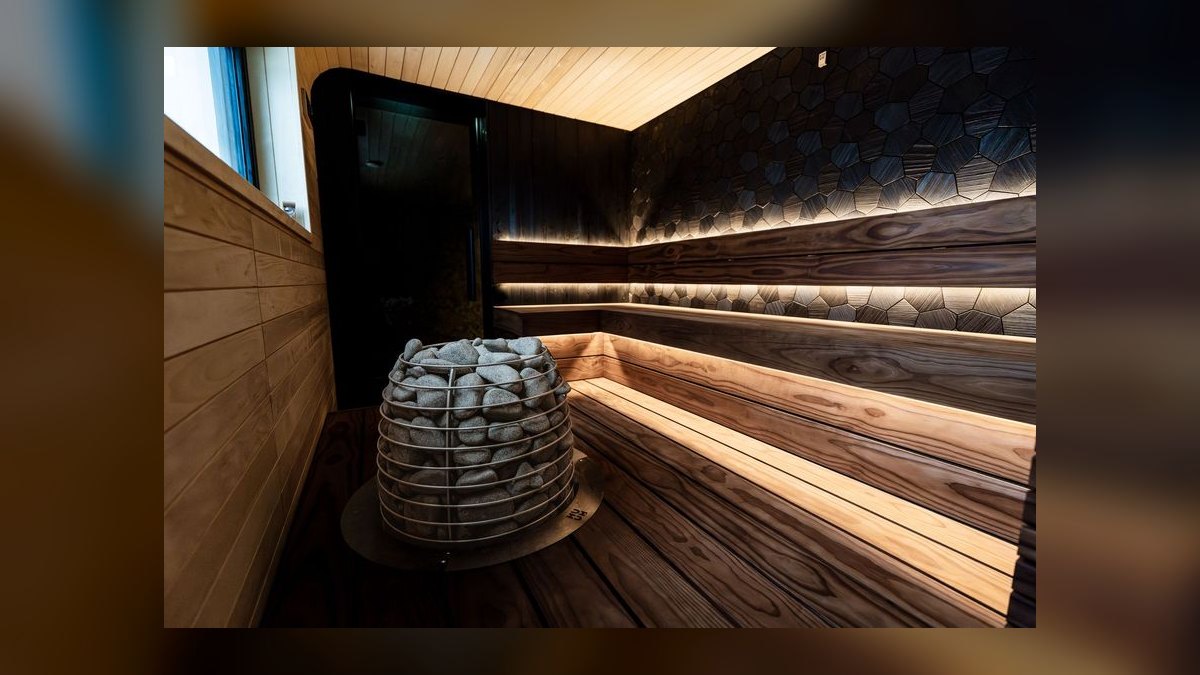
Choose a traditional sauna if you own your space, if multi-round sessions with cold exposure are the point, if you want to share the experience with other people, if you want the löyly and the humidity control, or if you are optimizing for the modality the long-term research base actually studied. Also choose it if you expect to use it for a decade or more — the per-session cost of a well-built room over fifteen years is far below a blanket replaced every three.
There is a middle option worth naming honestly: an infrared cabin. It is a room you sit in, so you get the posture freedom and the ability to bring a friend, but it heats by infrared panels at 110-150°F rather than by hot air and rocks, so it does not produce löyly and does not feel like a Finnish sauna. It typically runs on a standard 120V or a modest 240V circuit, which sidesteps the biggest electrical hurdle. If the blanket's immobility is the objection and the traditional room's electrical requirement is the obstacle, that is the shape of the compromise.
One more framing that helps: think about the *ritual* you want, not the *device*. Traditional sauna is a place you go — it has a threshold, a rhythm, other people, and a cooldown built into it. A blanket is a thing you do while lying on your bedroom floor with a podcast on. Both raise your core temperature. Only one of them restructures an hour of your evening into something that feels like an occasion. For some buyers that is the entire decision.
Related questions
Is an infrared sauna the same as a traditional sauna?
No. A traditional sauna heats the air to 160-200°F with a stove and rocks; an infrared sauna uses emitter panels at roughly 110-150°F to heat your body directly. Both are rooms you sit in, but the sensation, humidity, and löyly capability are entirely different.
Can you use a sauna blanket every day?
Many people do, typically 30-45 minutes at moderate settings. Hydration and electrolyte replacement matter more with daily use, and the interior needs wiping after every session. Anyone with cardiovascular conditions or on medications affecting blood pressure should check with a physician first.
Do you wear clothes in a sauna blanket?
Yes — this is nearly universal manufacturer guidance. Long sleeves and long pants, cotton or a dedicated liner, protect against contact burns from the hot interior surface and keep sweat off the liner. It is the opposite of traditional sauna etiquette, where a towel is the only layer.
Does a sauna blanket need a special outlet?
No. Blankets run on standard 120V household power at roughly 300-600 watts, similar to a space heater. Traditional electric sauna heaters commonly need a dedicated 240V circuit at 6-8 kW, which usually means an electrician and available panel capacity.
FAQ
What is the single biggest difference between a sauna blanket and a traditional sauna?
Where the heat lives. A traditional sauna heats a room of air that surrounds your whole body including your head and airways; a sauna blanket heats a surface pressed against your skin while your head stays out in room-temperature air. Everything else — cost, install, session length, cleanup, portability — follows from that one structural difference.
Do sauna blankets get as hot as traditional saunas?
Not in nominal air temperature, and the comparison is misleading anyway. Blankets typically top out around 160-175°F of contact surface, traditional saunas run 160-200°F of ambient air. Because the blanket's heat touches you directly, a lower setting can produce equal or heavier sweating.
Which one has better research behind it?
The traditional dry sauna, clearly. Long-running Finnish population studies on cardiovascular outcomes were conducted on conventional sauna bathing, typically 4-7 sessions weekly at high temperatures. Sauna blankets are a much newer category with far less direct study. Blanket marketing that cites sauna research is borrowing evidence from a different modality.
How long does a sauna blanket last compared to a traditional sauna?
A blanket is a consumer electronic with flexed heating elements in a sweat-exposed shell — two to five years of regular use is realistic, and failures usually are not worth repairing. A properly built and ventilated traditional sauna room lasts decades; heaters are replaceable, and the cedar assembly outlives them.
Can I get the multi-round cold-plunge experience with a blanket?
Practically, no. Getting out of a sweat-filled zipped envelope, cooling down, and climbing back in is unpleasant enough that almost nobody cycles rounds with a blanket. If contrast therapy with multiple hot-cold rounds is the goal, a room-based sauna is the right tool.
Is a sauna blanket a reasonable way to test whether I'd use a real sauna?
Yes, and it is one of the better arguments for buying one. For a few hundred dollars and no installation, you learn whether you will actually build a heat-exposure habit before committing thousands to a room and an electrical upgrade. Just do not conclude from disliking the blanket that you would dislike the room.
Sources
- https://www.health.harvard.edu/staying-healthy/saunas-and-your-health
- https://www.mayoclinic.org/healthy-lifestyle/consumer-health/expert-answers/infrared-sauna/faq-20057954
- https://www.hopkinsmedicine.org/health/wellness-and-prevention
- https://www.cdc.gov/niosh/topics/heatstress/
- https://www.nih.gov/news-events/nih-research-matters
- https://www.energy.gov/energysaver/electric-resistance-heating
- https://www.clevelandclinic.org/health
- https://www.nfpa.org/codes-and-standards
Related on PULSE
- How does an infrared sauna cabin compare to a barrel sauna?
- What does it actually cost to install a home sauna?
- How often should you use a sauna for cardiovascular benefit?
- What are the safety rules for heat therapy at home?
- Cold plunge versus sauna: which order and why?
This page will be disappearing soon. Save it to your device for $1 — or read it free while it is here.
@Kory-White- · if Venmo asks, the last 4 of my number are 2012
This page is gone.
This one is off the shelf now. $1 keeps it on your phone for good — the whole page, pictures and diagrams included.
 pulse-wellnessTop 10 Compression Socks 2027
 pulse-recentTop 10 Ways to Reduce Wellness Costs in 2027
 pulse-wellnessTop 10 L-Theanine Supplements 2027
 pulse-recentTop 10 Protein Powders 2026 — Best Overall + Best Value
 pulse-recentTop 10 Wellness Budgets for 2027
 pulse-wellnessTop 10 Multivitamins 2027
 pulse-wellnessTop 10 Yoga Mats 2027
 pulse-wellnessTop 10 Prebiotic Supplements 2027
 pulse-recentTop 10 Posture Corrector Wear Times in 2026
 pulse-recentTop 10 Ways to Save on Posture Correctors in 2027