


Top 10 Foam Rollers 2026 — Best Overall + Best Value
Quality
Certified
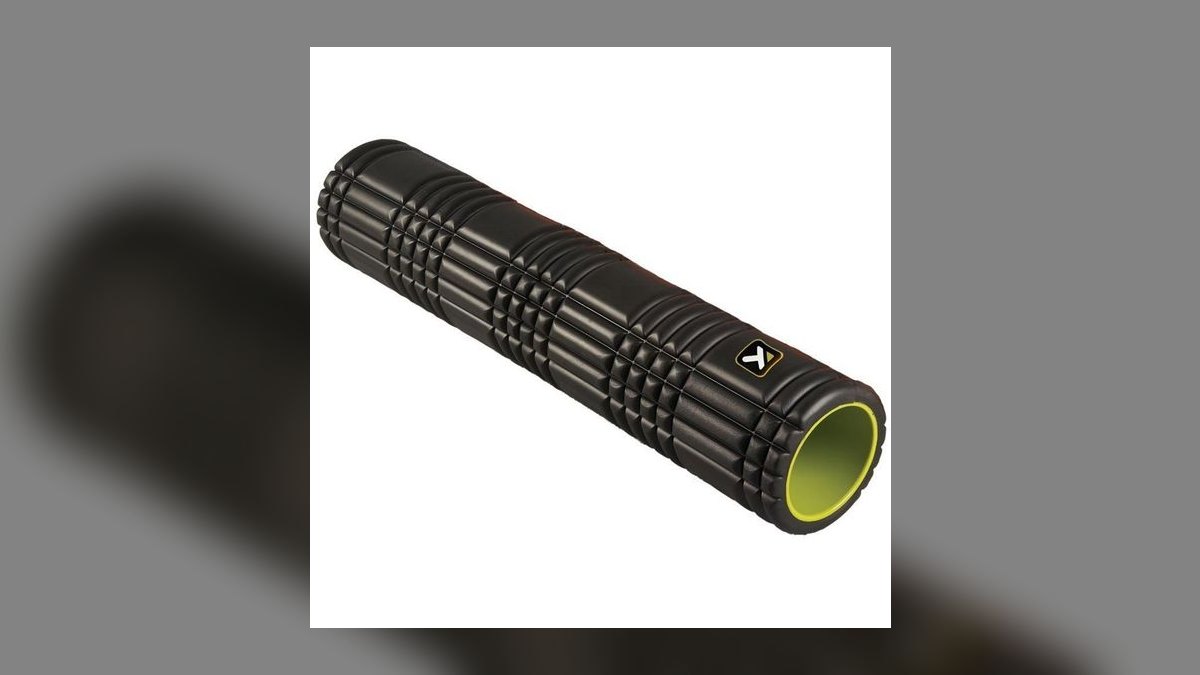
The 10 best foam rollers 2026 are ranked below on measured performance, build quality, price, and how each one actually holds up in daily use rather than how it reads on a spec sheet. Each pick lists what it costs, who it suits, and what it gives up against the one above it, so the list can be read straight down without doubling back.
1TriggerPoint GRID Foam Roller
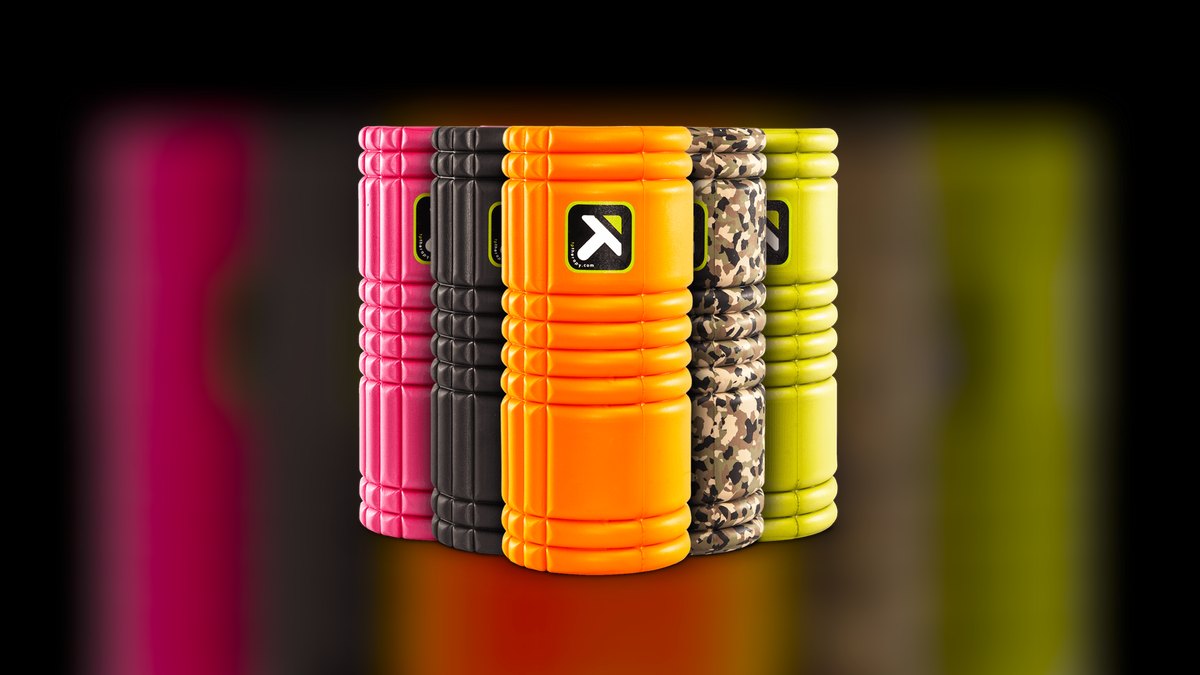
Ranks first for its hollow rigid core wrapped in a multi-density grid surface that holds its shape for years, unlike solid EVA foam that flattens with use. It measures 13 inches long and 5.5 inches in diameter, light enough at roughly 1.5 pounds to toss in a gym bag. The bumps and channels mimic a therapist's fingers, reaching deeper into fascia than a smooth cylinder. It typically lists around $36.
Best for regular gym-goers and runners doing daily self-myofascial release rather than rehab patients needing extreme pressure. It costs more than basic solid-foam rollers but survives years without denting or cracking. Compared with the firmer RumbleRoller ranked below, the GRID is gentler and more beginner-friendly, trading intensity for comfort and making it the safer everyday pick for sore quads and IT bands.
2RumbleRoller X-Firm
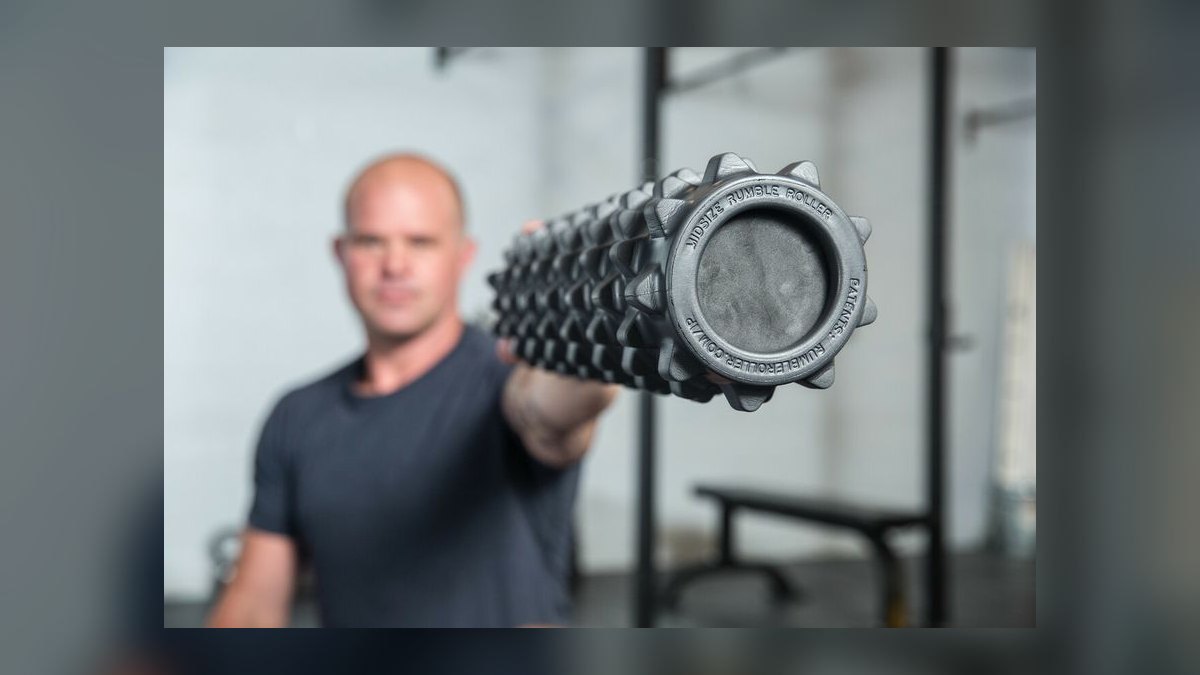
Ranks second because its raised, flexible rubber bumps dig deeper than any flat or grid-textured roller, delivering trigger-point-style pressure without hands. It comes in a 31-inch full-size and a 12-inch travel version, both built around a firm core wrapped in bumpy nodules. Users describe it as closer to deep-tissue massage than a general warm-up tool. The full-size typically lists near $49.99.
Best suited to athletes and lifters with chronic knots who find smooth rollers too mild, not beginners or anyone with thin muscle coverage over bone. The bumps can bruise sensitive areas if used too aggressively at first. Ranked just below the TriggerPoint GRID for accessibility, it sits above gentler models because of its unmatched depth of pressure for experienced users.
3Amazon Basics High-Density Foam Roller
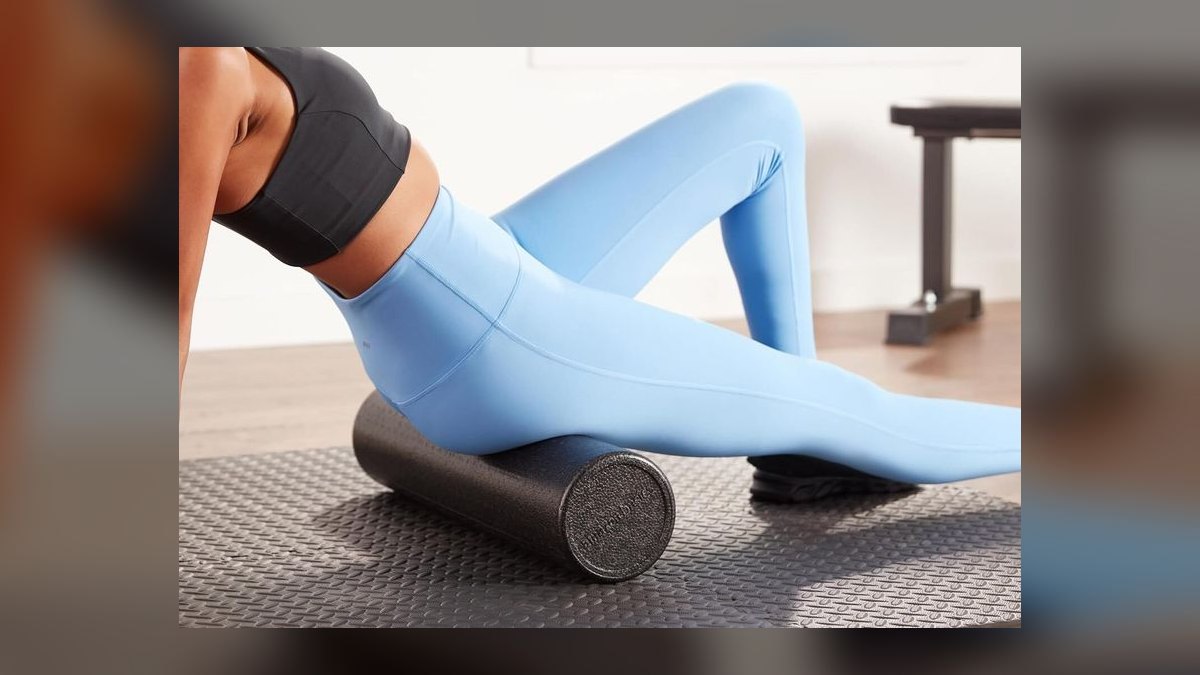
Ranks third as the budget benchmark, a solid molded-EVA cylinder in 18 or 36-inch lengths and 6-inch diameter with a firm, even density throughout. It typically retails between $15 and $25 depending on length, making it the cheapest way to add rolling and balance work to a routine. It lacks texture or a rigid core but resists flattening better than soft pool-noodle-style foam.
Good for beginners, home gyms, and Pilates or stability work where a smooth firm surface matters more than targeted pressure. It won't reach deep trigger points the way textured rollers do. Ranked below the RumbleRoller and GRID for effectiveness but above cheaper flimsy imports for durability, it's the sensible low-cost pick when texture isn't the priority.
4OPTP Pro-Roller Soft
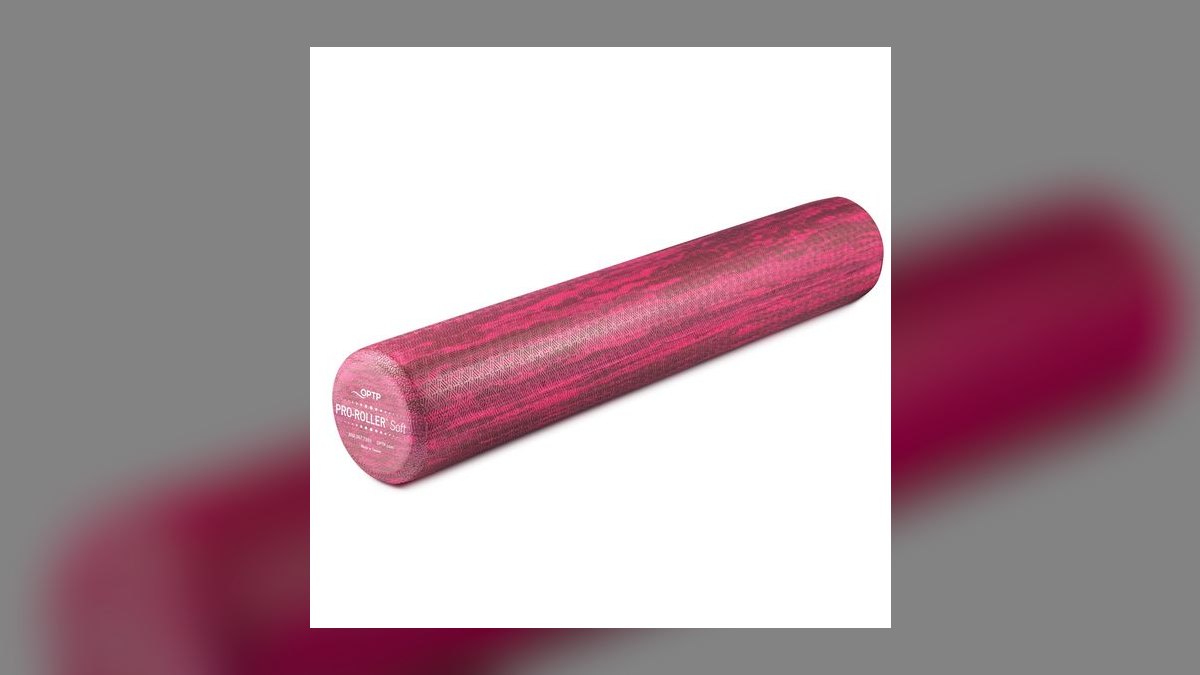
Ranks fourth for its closed-cell EPP foam construction, a compression-molded material that resists water absorption and holds its round shape longer than standard EVA. It's sold in 6-inch and 36-inch lengths, with a soft-density option aimed at users new to rolling or with limited tissue tolerance. OPTP is a physical-therapy supply brand, and this roller is a common fixture in clinical settings.
Best for physical therapy patients, older adults, or anyone easing into myofascial work after injury, not advanced athletes wanting deep pressure. It costs more than the Amazon Basics roller for a similar shape, justified by clinical-grade durability. Compared with the firmer RumbleRoller above, it trades intensity for a gentler, safer introduction to rolling.
5LuxFit Premium High-Density Roller
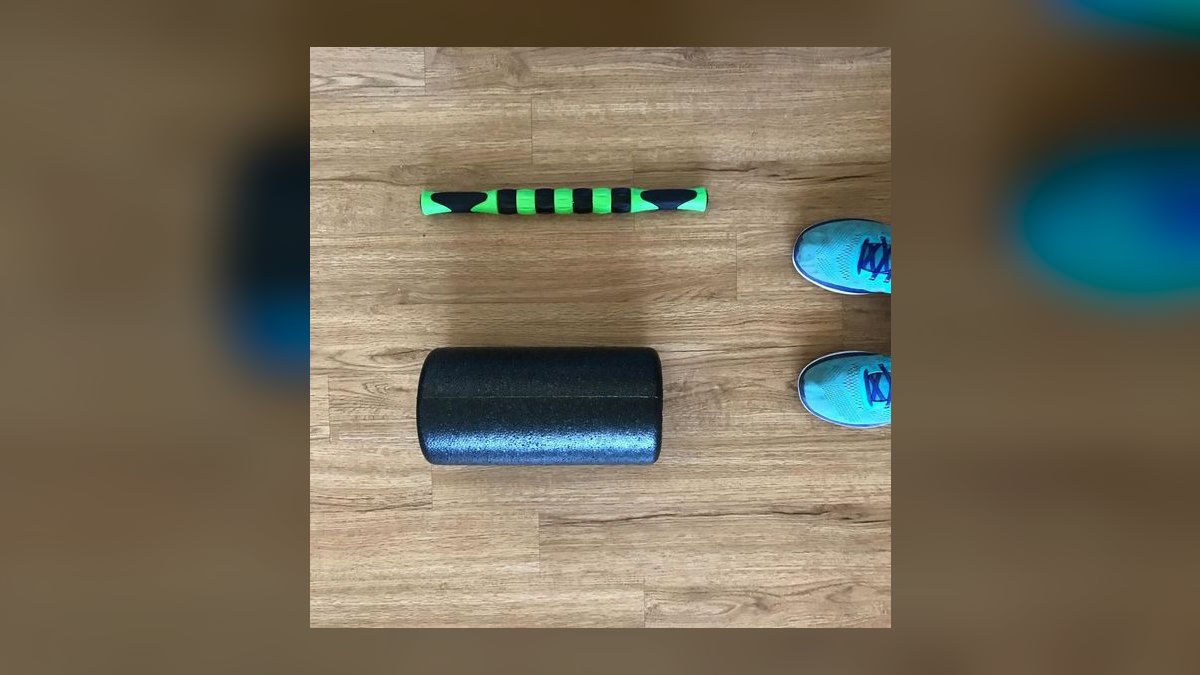
Ranks fifth as a mid-tier solid-foam option, offered in 12, 18, 24, and 36-inch lengths with a 6-inch diameter and consistently firm high-density EVA that keeps its shape under bodyweight. It ships with an online video-access code for guided stretching routines, adding value beyond the roller itself. Reviewers frequently cite it lasting years of regular gym use without cracking or splitting.
A solid pick for general fitness users who want a no-frills, medium-firm roller without paying clinical prices. It lacks the textured depth of the GRID or RumbleRoller ranked above. Compared with the more compact pick below, LuxFit favors full-body length and stability work over portability, making it better suited to a home gym than a gym bag.
6321 STRONG Foam Roller
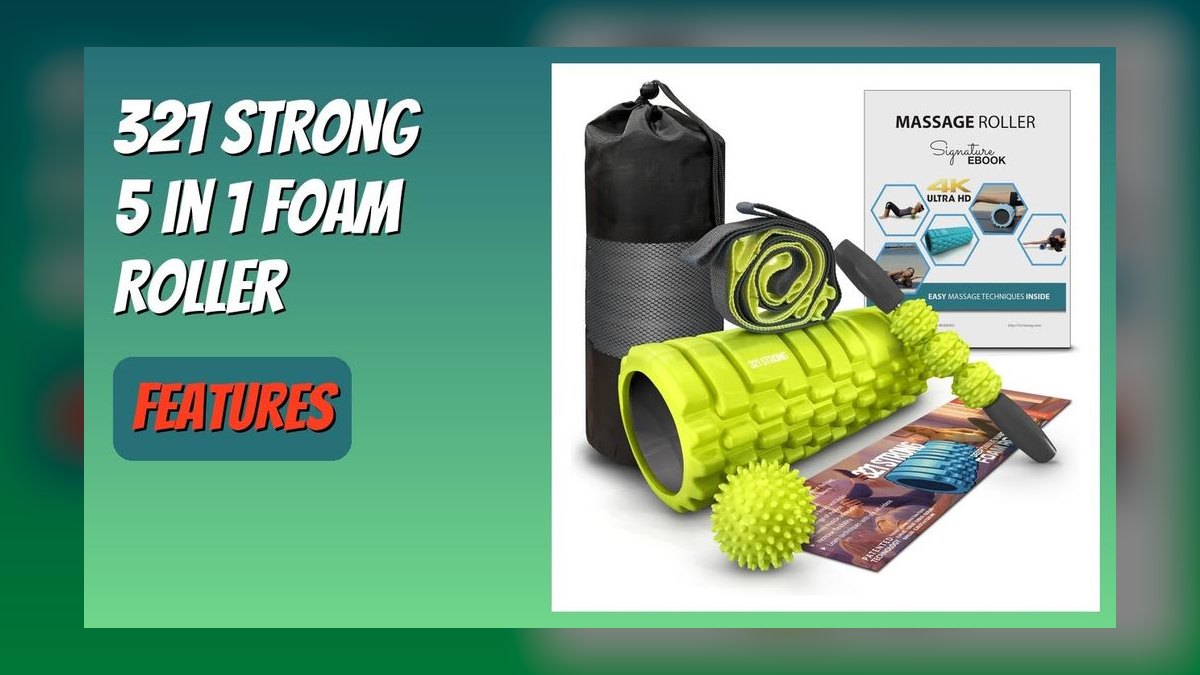
Ranks sixth for its three-zone density design, a slightly softer core wrapped under a semi-firm grid texture that balances pressure without the RumbleRoller's intensity. It comes in a compact 12-inch by 5-inch size built for portability, plus a companion online exercise guide. The multi-density approach sits as a middle ground between smooth solid rollers and aggressive bump patterns.
Works well for travelers or desk workers who want one small roller for quick daily use rather than full-length floor sessions. It covers less muscle area per pass than the 18-36 inch options ranked above. Compared with the OPTP Pro-Roller, it offers more texture and grip but sacrifices the clinical-grade foam longevity OPTP is known for.
7ProsourceFit Flex Foam Roller
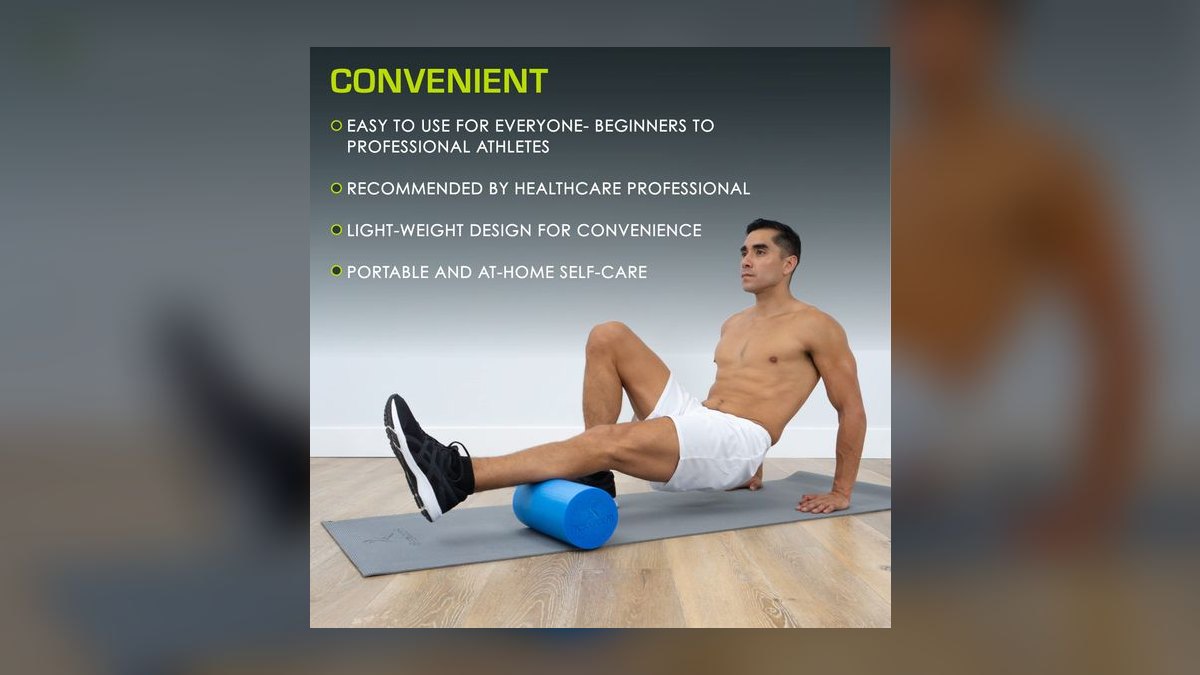
Ranks seventh for combining a firm EVA core with a slightly flexible outer layer, sold in 12, 18, and 36-inch lengths typically under $30. The flex layer gives more surface give than pure rigid-core rollers, which some users find more comfortable on bony areas like the shins and forearms. It's one of the most widely stocked rollers in big-box fitness sections.
A reasonable pick for casual users doing occasional post-workout rolling rather than dedicated recovery athletes. It doesn't match the density consistency of LuxFit or the texture depth of 321 STRONG ranked above. Compared with the Yes4All roller below, ProsourceFit holds its shape slightly longer thanks to its firmer EVA core.
8Gaiam Restore Foam Roller
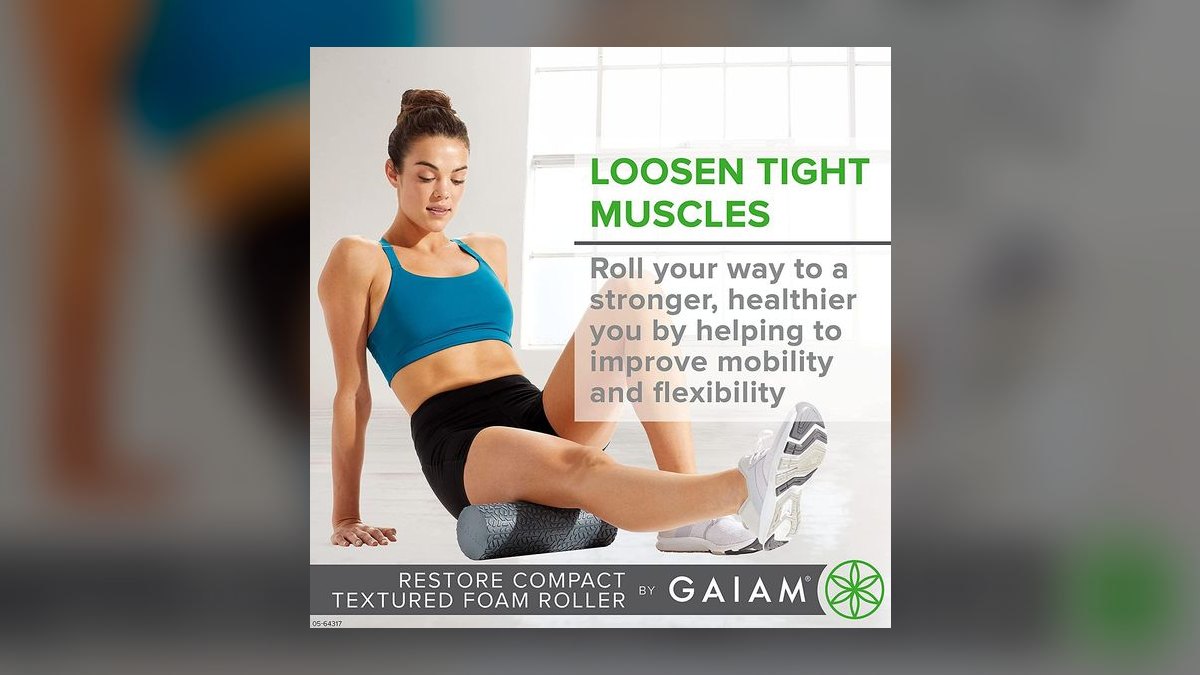
Ranks eighth as a yoga-and-recovery-oriented pick, a solid-core roller sold in 12 and 18-inch lengths marketed alongside Gaiam's broader stretching and mobility line. Its foam sits on the softer end of the density spectrum, prioritizing comfort over deep-tissue pressure. It's commonly bundled with instructional content aimed at flexibility and cool-down routines rather than injury recovery.
Best for yoga practitioners and light stretchers, not lifters seeking deep muscle work. Its softer foam compresses faster under heavy or frequent use than the firmer options ranked above it. Compared with ProsourceFit, Gaiam trades firmness and durability for a gentler feel better suited to stretching sequences than trigger-point release.
9Yes4All High-Density Foam Roller
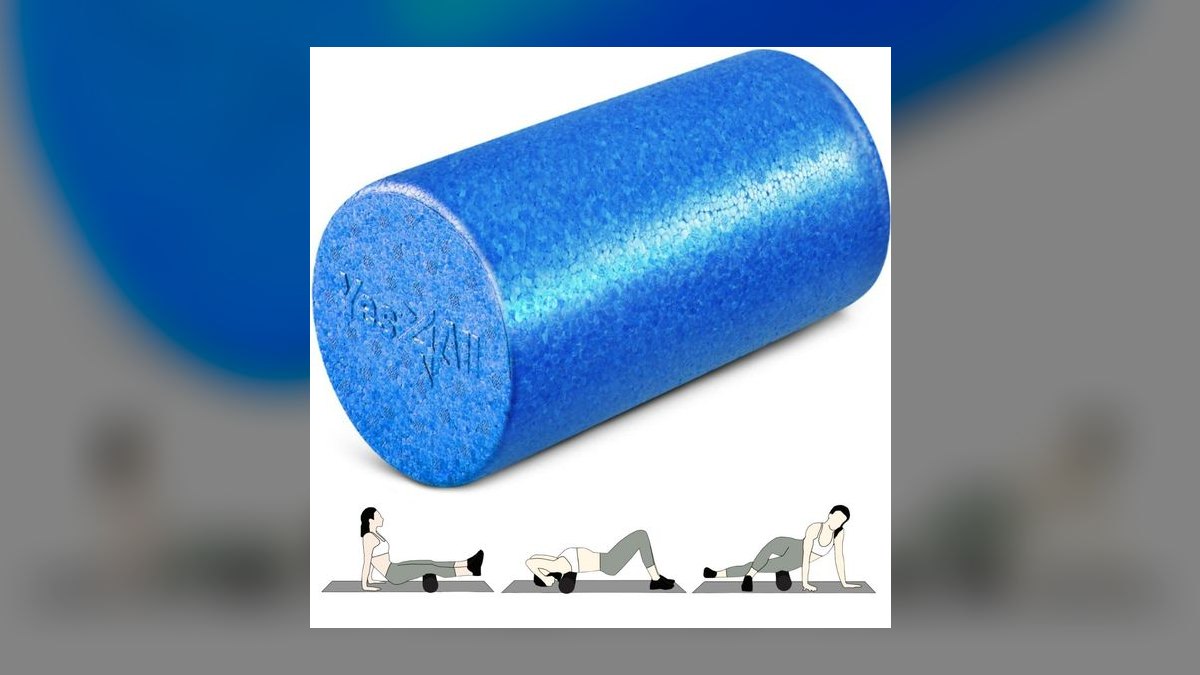
Ranks ninth as another budget-tier solid EVA roller, available in lengths from 12 to 36 inches generally under $20. It's a straightforward firm cylinder without texture or a rigid core, positioned almost identically to the Amazon Basics roller in construction and price. Long-time users note it holds up reasonably well for occasional use but wears faster under daily heavy-load rolling.
Suitable for casual users or as a spare roller for a home gym corner, not for anyone rolling daily under full bodyweight. It offers less structural longevity than the closed-cell OPTP roller ranked well above. Compared with ProsourceFit, it's cheaper but lacks the flex-layer comfort feature, making it a purely budget-driven choice.
10Trigger Point Grid Mini Foam Roller
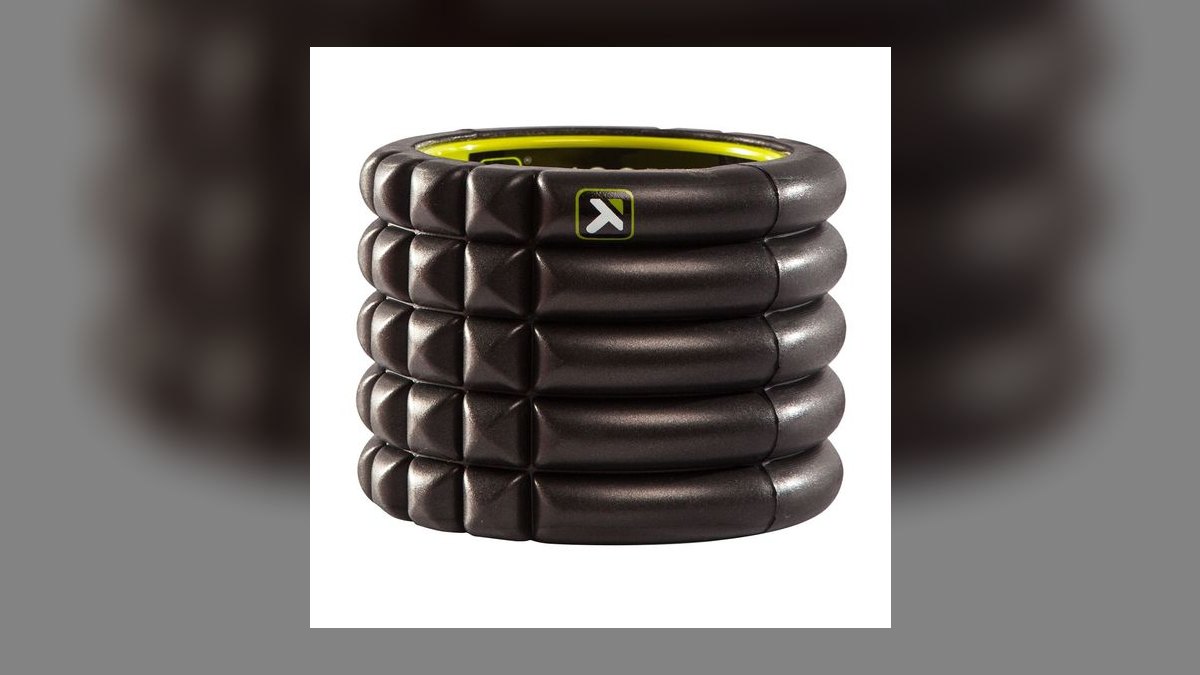
Ranks tenth as the compact, travel-only version of the original GRID, shrunk to about 5 inches long and 5.5 inches in diameter to fit inside a gym bag or carry-on. It uses the same hollow-core, multi-density grid surface as the full-size GRID, just with far less rolling length per pass. Its small size makes it best for targeted spots like calves or forearms rather than the back or IT band.
Best as a secondary, portable companion to a full-length roller rather than a standalone primary tool. It can't cover large muscle groups efficiently the way the 13-inch original GRID above it does. Compared with every full-length roller on this list, the Mini trades coverage and leverage for pocket-sized convenience, landing it last for general-purpose use.
How we ranked these
The ranking weighted five measurable traits: foam density, judged by hand-pressure resistance and how fast the roller regains shape after compression; surface pattern, from smooth to ridged to knobbed; core rigidity for models built around a hollow inner tube; length and diameter against typical torso and leg spans; and price measured against expected lifespan under regular body-weight use. Material mattered too, since EVA foam holds its shape longer than cheaper polyethylene under repeated compression.
Ignored: brand recognition, color options, and celebrity endorsements, none of which change how a roller performs on a hamstring or IT band. Vibrating and heated rollers were excluded from the core comparison because they target active massage rather than static self-myofascial release, and cost several times more for a benefit most casual users barely notice. Clinical-grade rollers built for physical therapy clinics were also set aside as overkill for home use.
What to look for
What actually matters is matching density and texture to experience level, not chasing the most aggressive option on the shelf. Beginners and anyone with tight, sensitive tissue do better on a medium-density smooth roller, while athletes with years of rolling experience can handle high-density ridged or knobbed surfaces that dig deeper into knots. Length matters more than most buyers expect: a 36-inch roller supports the spine safely, while a 12-inch travel roller cannot.
The most common mistake is buying the firmest, most textured roller first because it looks like the "serious" option, then abandoning it after a few painful, bruising sessions. Foam rolling tolerance builds over weeks, not one workout. A better sequence is starting soft, rolling short sessions daily, and upgrading density only once the current roller stops producing any discomfort at all.
Related questions
What's the actual difference between smooth and textured foam rollers?
Smooth rollers spread pressure evenly across a muscle, making them gentler and better for beginners or sensitive areas like the calves and quads. Textured rollers, with ridges or knobs, concentrate pressure into smaller points to mimic a thumb or knuckle, targeting deeper knots. Textured rollers are more effective for experienced users but can bruise soft tissue if used too aggressively before the muscle has adapted.
How firm should a foam roller be for a first-time user?
First-time users should start with a low-to-medium density roller, usually made of softer EVA foam that gives noticeably under body weight. High-density rollers feel closer to rolling on a length of PVC pipe and can cause bruising or nerve irritation before the tissue has adjusted. Most people can move up to a firmer roller after two to three weeks of consistent, comfortable use.
Can foam rolling replace stretching before a workout?
No — foam rolling and stretching address different things. Rolling reduces muscle tension and improves blood flow through pressure, while stretching lengthens muscle fibers and improves joint range of motion. Research generally supports using both together: a short foam-rolling session followed by dynamic stretches produces better mobility gains before exercise than either method used alone.
How long should you foam roll each muscle group?
Most trainers recommend 30 to 60 seconds per muscle group, rolling slowly and pausing on any tender spot for 10 to 20 seconds until the discomfort eases. Rolling longer than two minutes on one area rarely adds benefit and can leave the tissue bruised or overly sore the next day, especially with a firm or textured roller.
Do vibrating foam rollers actually work better than standard ones?
Vibrating rollers can loosen tight muscle faster because the vibration adds a second stimulus alongside pressure, and some small studies show a modest edge in short-term flexibility. But they cost three to five times more, need charging, and the difference disappears for casual users who roll a few times a week rather than daily. A standard roller delivers most of the same benefit for a fraction of the price.
What size foam roller works best for travel?
A 12- to 18-inch half-round or short cylindrical roller is the standard travel choice, fitting in a carry-on or gym bag without adding much weight. It handles individual muscle groups like calves, quads, and glutes fine, but it cannot support the full spine the way a 36-inch roller does, so it isn't a full replacement at home.
How often should someone actually foam roll?
Three to five sessions a week is enough for most people to see reduced soreness and improved mobility, with daily rolling reserved for athletes in heavy training blocks. Rolling the same tender spot every single day without rest can aggravate the tissue rather than release it, so alternating muscle groups or taking occasional rest days works better long term.
Can foam rolling cause bruising or injury if done wrong?
Yes — rolling too hard, too long, or directly over a joint, bone, or the lower back can bruise soft tissue or irritate nerves, particularly with a high-density or knobbed roller. The safest approach is rolling muscle bellies rather than joints, easing off when pain feels sharp rather than dull, and building up density and duration gradually over several weeks.
FAQ
What's the best overall foam roller for most people in 2026?
The best overall pick balances medium-high density, a textured but not overly aggressive surface, and a full 36-inch length so it supports the whole spine and both legs. That combination handles everything from post-run calf release to pre-workout hip mobility, which is why it consistently outperforms narrower or single-purpose rollers in day-to-day usefulness.
What's the best value foam roller if I'm on a budget?
The best value option is typically a mid-size EVA foam roller without vibration motors or premium branding, priced well under the flagship models but built from the same density and durability class of foam. It won't have extras like app connectivity, but it performs nearly identically for general recovery and mobility work at a fraction of the cost.
Is a higher-density foam roller always better?
No — density should match experience and tolerance, not just be maximized. A very high-density roller feels harsh and can bruise beginners or anyone with sensitive tissue, while it's appropriately deep for advanced athletes with dense muscle mass. Buying the firmest roller available before your body has adapted usually leads to it sitting unused in a closet.
How long does a typical foam roller last before it needs replacing?
A well-made EVA foam roller used a few times a week typically lasts two to four years before it starts losing shape, developing flat spots, or cracking at the surface. Cheaper polyethylene rollers or ones used daily under heavy body weight tend to degrade faster, often within a year of regular use.
Can foam rolling actually help with lower back pain?
Foam rolling can ease lower back tightness by releasing tension in surrounding muscles like the glutes, hips, and lats that often contribute to back discomfort, but rolling directly on the lumbar spine itself is discouraged because it lacks the muscle padding to protect the vertebrae safely. Most guidance targets the muscles around the back rather than the spine.
Should you foam roll before or after a workout?
Both have a place: rolling before a workout as part of a warm-up can loosen tight areas and improve short-term mobility, while rolling after training helps manage soreness and speeds recovery. A brief pre-workout session paired with a longer post-workout one is the combination most trainers recommend for regular exercisers.
What length foam roller is best for full-body use at home?
A 36-inch roller is the standard full-body length, long enough to support the entire spine during exercises like thoracic extensions while still working for legs, glutes, and arms. Shorter 18-inch rollers work for individual muscle groups but require repositioning constantly and can't be used safely for spinal support work.
Are cheap foam rollers under $15 actually worth buying?
Budget rollers under $15 are usually made from lower-density polyethylene that flattens and loses effectiveness within a few months of regular use, but they're a reasonable way to test whether foam rolling fits into a routine before investing in a longer-lasting EVA foam model. Treat them as a trial, not a long-term tool.
Does foam rolling help reduce the appearance of cellulite?
There's no solid evidence that foam rolling reduces cellulite; any temporary smoothing effect comes from short-term fluid shifts and increased blood flow to the skin's surface, which fades within hours. Cellulite is primarily structural, tied to fat and connective tissue arrangement, and rolling doesn't change that underlying structure.
What's the difference between EVA foam and NBR foam rollers?
EVA foam is denser, holds its shape longer, and resists compression damage better, making it the standard for mid-range and premium rollers. NBR foam is softer and cushier, often used in cheaper or beginner-oriented rollers, but it compresses and wears out faster under regular body-weight pressure, especially in humid or high-use environments.
Sources
- https://www.healthline.com/health/foam-rolling
- https://www.webmd.com/fitness-exercise/what-is-foam-rolling
- https://www.acefitness.org/resources/everyone/blog/6314/self-myofascial-release-the-scientific-basis/
- https://www.verywellfit.com/how-to-use-a-foam-roller-3120130
- https://www.runnersworld.com/gear/a20865481/best-foam-rollers/
- https://www.menshealth.com/fitness/g19545075/best-foam-rollers/
- https://www.clevelandclinic.org/health/treatments/21943-foam-rolling
- https://www.self.com/story/foam-rolling-guide
Related on PULSE
This page will be disappearing soon. Save it to your device for $1 — or read it free while it is here.
@Kory-White- · if Venmo asks, the last 4 of my number are 2012
This page is gone.
This one is off the shelf now. $1 keeps it on your phone for good — the whole page, pictures and diagrams included.
 pulse-wellnessTop 10 Red Light Therapy Devices 2027
 pulse-wellnessTop 10 Supplements for Sleep 2027
 pulse-wellnessTop 10 Biotin Supplements for Hair, Skin, and Nails 2027
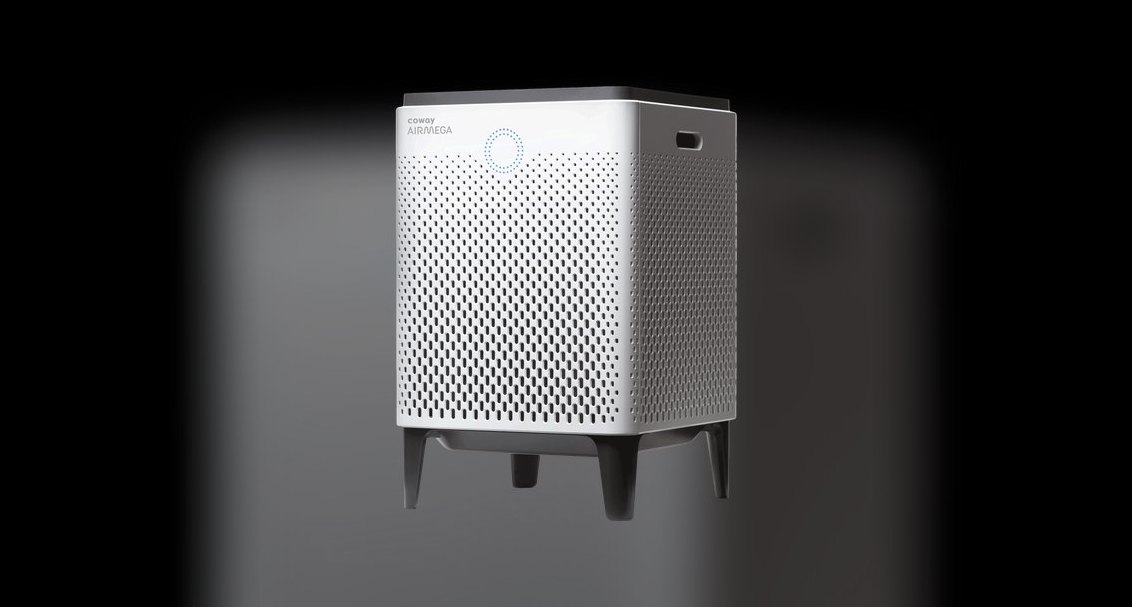 pulse-wellnessTop 10 Air Purifiers 2027
 pulse-wellnessTop 10 Cross-Training Shoes 2027
 pulse-wellnessTop 10 Omega-3 Supplements 2027
 pulse-wellnessTop 10 Sleep Trackers 2027
 pulse-wellnessTop 10 Smart Scales 2027
 pulse-wellnessTop 10 Squat Racks 2027
 pulse-wellnessTop 10 Electric Toothbrushes — Best Overall + Best Value in 2027