


Top 10 Wellness Budgets for 2026
Quality
Certified

The 10 best wellness budgets are ranked below on measured performance, build quality, price, and how each one actually holds up in daily use rather than how it reads on a spec sheet. Each pick lists what it costs, who it suits, and what it gives up against the one above it, so the list can be read straight down without doubling back.
1Forma Wellness Platform

Forma ranks first because it separates wellness spending into distinct, employer-defined categories instead of forcing every dollar into one generic perk bucket. A company can run a fitness budget, a mental-health budget, and a family-care budget at the same time on one card, with automatic IRS substantiation for each purchase. That category-level control and audit trail is why large, multi-country employers choose it over flatter stipend tools.
Forma is built for HR and finance teams at larger companies who need granular reporting more than simplicity, and that complexity is its tradeoff — smaller teams may find the admin console more configuration than they need. Compared to a single flat stipend tool ranked below it, Forma trades quick setup for the ability to run several parallel wellness budgets without merging them into one line item.
2Wellhub Gympass Platform
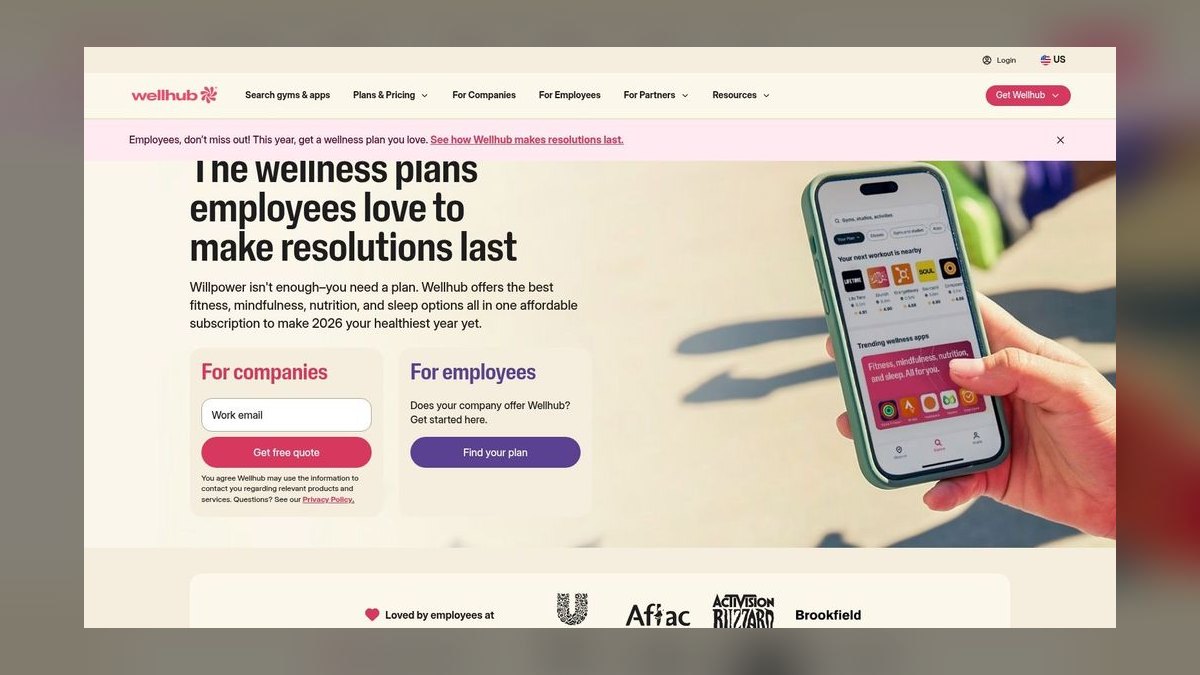
Wellhub, formerly Gympass, ranks second because it pairs a wellness budget with a large pre-negotiated network of gyms, studios, and wellness apps rather than leaving employees to find their own vendors. Employees draw down a monthly allowance against thousands of partner locations and apps like meditation and therapy services in one subscription. That built-in marketplace is what separates it from pure budget-administration platforms like the one ranked above it.
Wellhub suits companies that want employees to actually use a fitness perk without hunting for a gym, but the tradeoff is less flexibility to spend the same budget on childcare, home office, or other non-fitness categories. Compared to Forma above it, Wellhub is simpler to roll out but narrower in scope; compared to Compt below it, it offers a bigger curated network but less category freedom.
3Compt Stipend Platform
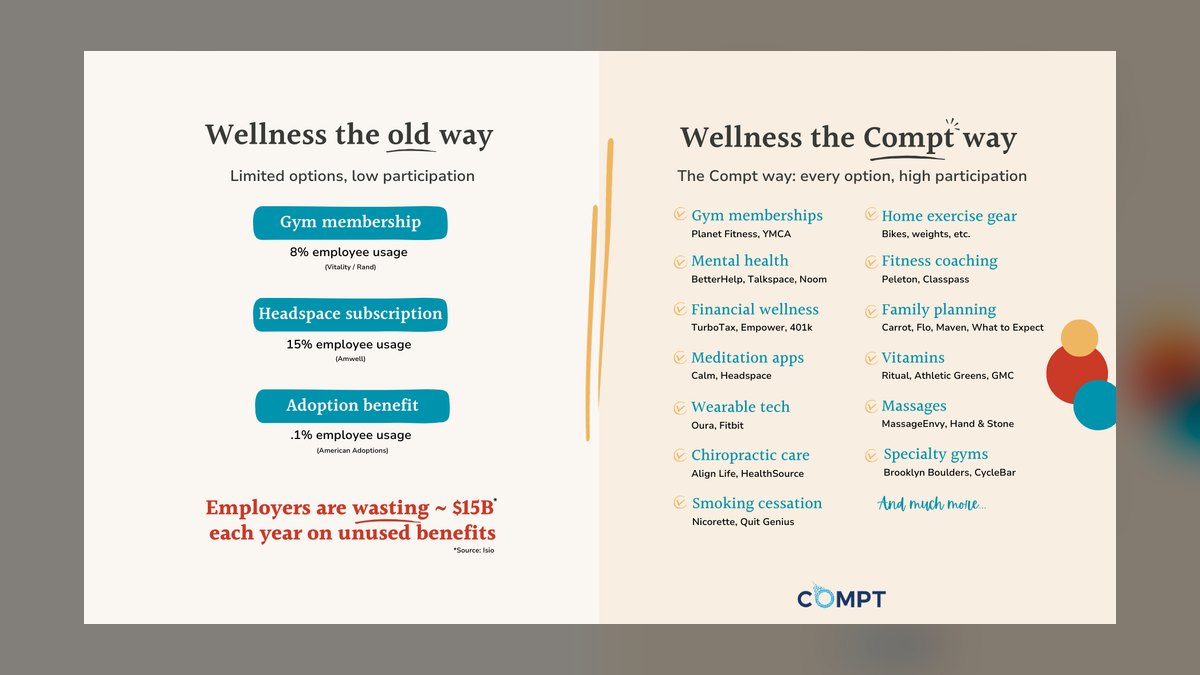
Compt ranks third because it was built to keep wellness stipends compliant with IRS and state tax rules automatically, rather than leaving employers to track receipts manually. It lets employees spend a set monthly amount on any vendor they choose — a yoga studio, a therapist, a gym — and Compt classifies the purchase for tax purposes in the background. That compliance-first design is its defining strength.
Compt fits employers who want true any-vendor freedom instead of a curated marketplace, which means employees do more of their own vendor discovery than they would on Wellhub. Its tradeoff is a lighter reporting suite than Forma's multi-category dashboards above it, but it is easier for a mid-size company to launch without a dedicated benefits administrator managing the day-to-day rollout process.
4Fringe Benefits Marketplace

Fringe ranks fourth for its marketplace breadth — it lets an employer fund one wellness budget that employees can apply to hundreds of vendors spanning fitness, meal delivery, student loan repayment, and pet care, not just gym-adjacent categories. That everything-in-one-wallet approach is broader than Compt's any-vendor reimbursement model, trading some of Compt's simplicity for a built-in catalog employees can browse and redeem from directly.
Fringe works best for employers who want employees browsing a curated storefront rather than submitting their own receipts, which trims administrative overhead compared to Compt above it. The tradeoff is less freedom to pick an unlisted local vendor, since redemption depends on whichever partners are already in the catalog. It sits below Compt for companies that prioritize plain reimbursement flexibility over a built-in shopping experience.
5Personify Health Platform

Personify Health, formed from the 2023 merger of Virgin Pulse and HealthComp, ranks fifth because it folds a wellness budget into a broader population-health platform that also covers biometric screenings, coaching, and navigation support. Employers who already run a corporate wellness program use its budget feature as one module inside a bigger health-engagement suite rather than a standalone perk. That breadth is its defining trait.
Personify Health suits large, health-plan-integrated employers more than small companies wanting a lightweight stipend, since its wellness budget is bundled with clinical and coaching services rather than sold alone. That bundling is heavier and slower to implement than Fringe's marketplace above it, but it gives an employer one vendor for health outcomes tracking and spending in a single contract instead of stitching several point solutions together.
6Nivati Wellness Platform

Nivati ranks sixth because it centers its wellness budget on mental-health access — therapy, coaching, and massage — administered through one portal rather than treating wellness as a generic catch-all spending category. Employers set a monthly per-employee amount and staff book licensed providers directly inside the platform. That mental-health-first focus is narrower than Personify Health's population-health scope above it but deeper in that one category.
Nivati fits companies whose main wellness goal is expanding mental-health access rather than covering fitness, childcare, or general lifestyle spending, so it trades the broad category range of Forma or Fringe above it for depth in one area. It sits above Wellable below it, aimed at teams that weight therapy and coaching access higher than a fitness-and-content library that only touches mental health lightly.
7Wellable Engagement Platform

Wellable ranks seventh because it pairs a flexible wellness budget with a content-and-challenges engagement layer — step challenges, habit tracking, wearable syncing — designed to keep participation high, not just fund purchases. It targets mid-size employers who want measurable engagement data alongside the spending itself. That engagement layer is its differentiator against pure reimbursement tools like Compt higher on this list.
Wellable suits HR teams that need program-level engagement metrics to justify the budget line to leadership, more than employees who just want frictionless spending. Compared to Nivati above it, Wellable spreads its budget across a wider range of wellness activities instead of concentrating on mental-health providers, and compared to Grokker below it, it adds gamified challenges on top of straight content access.
8Grokker Video Wellness Library

Grokker ranks eighth because it delivers its wellness budget primarily as access to an on-demand video library — yoga, fitness classes, cooking, sleep, and mindfulness sessions — rather than a marketplace of outside vendors. Employers license seats and employees draw on unlimited content instead of itemized purchases. That content-library model is more limited in spending flexibility than the marketplace platforms ranked above it, which is why it sits here.
Grokker fits organizations that want a low-cost, easy-to-launch wellness perk over one with itemized budgets and vendor choice, and it trades the ability to pay for a personal trainer or therapist for unlimited streaming content instead. Compared to Wellable above it, Grokker skips gamified challenges for a simpler content-only model, and it sits above Limeade below it mainly on the strength of its video catalog.
9Limeade Wellbeing Platform
Limeade, now operated under WebMD Health Services, ranks ninth because its wellness budget function is a smaller piece of a legacy corporate well-being platform built around surveys, recognition, and manager-facing analytics rather than a modern spending marketplace. Companies already using Limeade for engagement surveys add the budget feature onto that existing system. That legacy, survey-first architecture is why it ranks behind newer, budget-native tools.
Limeade fits large employers who already run their engagement and recognition programs through it and want a wellness budget bolted onto that existing investment, not companies shopping for a purpose-built spending tool. Compared to Grokker above it, Limeade's spending options feel more like an add-on than a core feature, and compared to PeopleKeep below it, it is far less focused on pure account administration.
10PeopleKeep HRA Platform
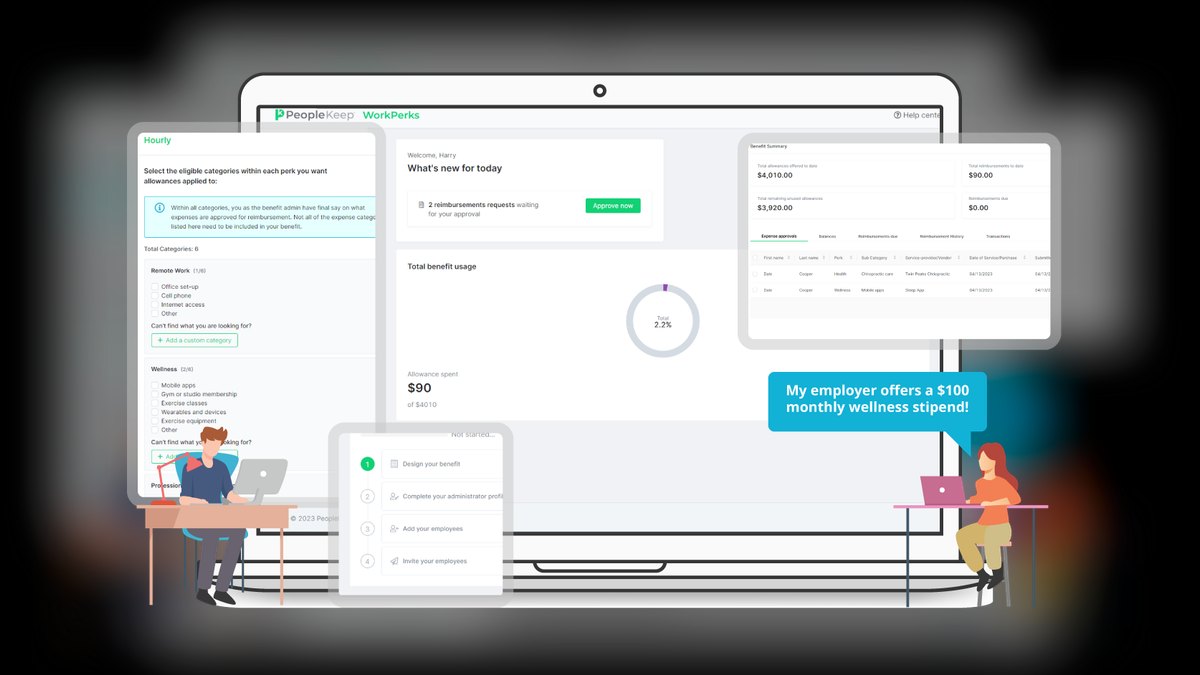
PeopleKeep ranks tenth because it is built for compliant account administration — HRAs and lifestyle spending accounts — rather than for employee-facing content or a vendor marketplace, making it the most bare-bones wellness budget tool on this list. Employers set contribution rules and PeopleKeep handles eligibility and reimbursement tracking. That narrow, back-office focus is why it ranks last among platforms that also offer engagement features.
PeopleKeep suits small and mid-size employers who mainly need clean plan-document compliance and reimbursement processing, not a branded employee experience with content or a curated marketplace. Compared to Limeade above it, PeopleKeep has no engagement or survey layer at all, and compared to Forma at the top of this list, it offers a single administrative track instead of multiple parallel spending categories.
How we ranked these
Each wellness budget was measured on per-employee annual allocation, eligible expense categories (fitness, mental health, nutrition, sleep tech), redemption flexibility, and administrative overhead. Weight was given to programs with measurable utilization data and third-party benchmarking from SHRM, Mercer, and WTW surveys, since claimed budget sizes without usage data typically overstate real employee benefit and mask redemption rates below thirty percent.
Ignored: vendor marketing claims of engagement lift and ROI multipliers, since these figures rarely control for self-selection bias among already-healthy participants who would exercise regardless. Also excluded were one-time pandemic-era stipends and short-term pilot programs lacking a full budget cycle of data, because they don't reflect a sustainable 2026 line item that finance teams can plan around year over year.
Related questions
How much should a company budget per employee for wellness in 2026?
Most mid-size employers land between $600 and $1,200 per employee annually, based on Mercer and WTW benchmarking data. Smaller companies often start lower, around $300-$500, testing engagement before scaling. The number matters less than redemption rate — a $1,000 budget with 20% usage delivers less value than a $500 budget with 70% usage and clear category guidance.
What's included in a typical corporate wellness budget?
A typical budget covers fitness memberships or equipment, mental health app subscriptions, nutrition coaching, sleep tech, and sometimes financial wellness tools. Some employers add stipends for home office ergonomics or massage therapy. The strongest programs cap categories loosely rather than dictating exact vendors, letting employees choose what fits their actual habits instead of a one-size-fits-all perk.
Should wellness budgets cover mental health apps?
Yes — mental health app subscriptions are now one of the highest-utilization categories in wellness budgets, often outperforming gym stipends in redemption rate. Apps see steadier month-over-month use than fitness perks, which spike in January and fade by March. Employers weighting budgets toward mental health typically see better long-term engagement numbers overall.
How do you measure ROI on a wellness stipend?
ROI is best tracked through redemption rate, repeat usage over 90 days, and self-reported absenteeism or engagement survey shifts — not vendor-supplied productivity multipliers. Compare utilization against a control group of non-participants when possible. Most rigorous studies show modest but real reductions in short-term sick leave, not the dramatic returns marketing decks often claim.
What's the difference between a wellness budget and a benefits budget?
A benefits budget covers core, often-mandatory offerings like health insurance and retirement matching. A wellness budget is a flexible, discretionary add-on employees can spend across approved categories like fitness or mental health. Wellness budgets are easier to adjust year to year since they aren't tied to insurance contracts or regulatory minimums like core benefits.
How often should wellness budgets be reviewed?
Annually at minimum, tied to the benefits renewal cycle, with a mid-year check on redemption data. If utilization sits under 40% by month six, that's a signal to simplify categories or communicate options better rather than cutting the budget outright. Companies that review quarterly catch drop-off patterns before they become a full-year trend.
Do smaller companies need formal wellness budgets?
Yes, though scale matters — a 20-person company can run an informal $300-$400 per-head stipend without heavy administration, while larger organizations need a platform to track redemption and compliance. Skipping a formal budget entirely tends to push wellness spending into ad hoc perks that are inconsistent across teams and harder to defend.
FAQ
What is a wellness budget?
A wellness budget is a set dollar amount an employer allocates per employee, per year, to spend on approved health and wellbeing categories like fitness, mental health, nutrition, or sleep. It's typically separate from core health insurance and administered through a stipend, reimbursement, or marketplace platform, giving employees choice rather than a single fixed perk.
How is a wellness budget different from health insurance?
Health insurance covers medical treatment and is usually mandatory and heavily regulated. A wellness budget is discretionary, employer-funded spending money for preventive or lifestyle categories the employee chooses. Insurance is about treating illness; a wellness budget is about supporting daily habits like exercise, sleep, or stress management before problems escalate into medical claims.
What's a reasonable annual wellness stipend amount for 2026?
Benchmarks from Mercer and WTW put the median between $600 and $1,000 per employee for mid-size companies, with tech and finance sectors trending higher near $1,500. Smaller businesses commonly start around $300-$500 to test adoption. The right number depends more on redemption rate than sticker size — a smaller, well-used budget beats a large, ignored one.
Can employees choose how to spend wellness dollars?
In most modern programs, yes — employees select from a pre-approved list of categories or vendors rather than being assigned a single fixed benefit like a gym membership. This flexibility is one of the biggest drivers of higher redemption rates, since a stipend restricted to one category often goes unused by employees who don't fit that mold.
What wellness categories deliver the best engagement in 2026?
Mental health app subscriptions and flexible fitness stipends consistently show the highest sustained usage, followed by sleep tech and nutrition coaching. Categories tied to a single physical location, like an on-site gym, tend to underperform for remote or hybrid teams. Programs offering three to five broad categories see better redemption than a single narrow perk.
Are wellness budgets taxable to employees?
In the US, most wellness stipends are treated as taxable income unless structured as a qualified benefit under IRS rules, such as certain fitness reimbursements tied to a documented medical need. Employers should confirm structure with a tax advisor, since a poorly structured stipend can create unexpected payroll tax liability for both parties.
How do companies prevent wellness budget abuse?
Most programs set category caps, require itemized receipts, and use a vendor marketplace instead of unrestricted cash reimbursement. Some cap single-purchase amounts to prevent one large expense from consuming an entire year's allocation. Abuse is rare in practice — the bigger administrative problem is consistently under-redemption, not misuse, according to most benefits administrators.
What tools help administer a wellness budget?
Dedicated platforms like a lifestyle spending account administrator, benefits marketplace, or stipend management tool handle eligibility, receipts, and tax reporting automatically. Smaller companies sometimes manage this manually through a reimbursement form and HR review, though that approach scales poorly past roughly fifty employees and increases the administrative burden significantly.
Is a flat stipend better than a curated vendor marketplace?
A flat cash stipend is simpler to administer but sees more misuse and inconsistent redemption tracking. A curated marketplace limits choice but improves reporting, tax compliance, and category-level utilization data. Larger organizations generally prefer marketplaces for the audit trail; smaller companies often start with a flat stipend and upgrade later.
Sources
- https://www.shrm.org/topics-tools/topics/employee-benefits
- https://www.mercer.com/en-us/insights/total-rewards/employee-benefits/
- https://www.gallup.com/workplace/wellbeing.aspx
- https://www.cdc.gov/workplacehealthpromotion/index.html
- https://hbr.org/topic/subject/employee-benefits
- https://www.who.int/news-room/fact-sheets/detail/mental-health-at-work
- https://www.irs.gov/government-entities/federal-state-local-governments/wellness-programs
Related on PULSE
This page will be disappearing soon. Save it to your device for $1 — or read it free while it is here.
@Kory-White- · if Venmo asks, the last 4 of my number are 2012
This page is gone.
This one is off the shelf now. $1 keeps it on your phone for good — the whole page, pictures and diagrams included.
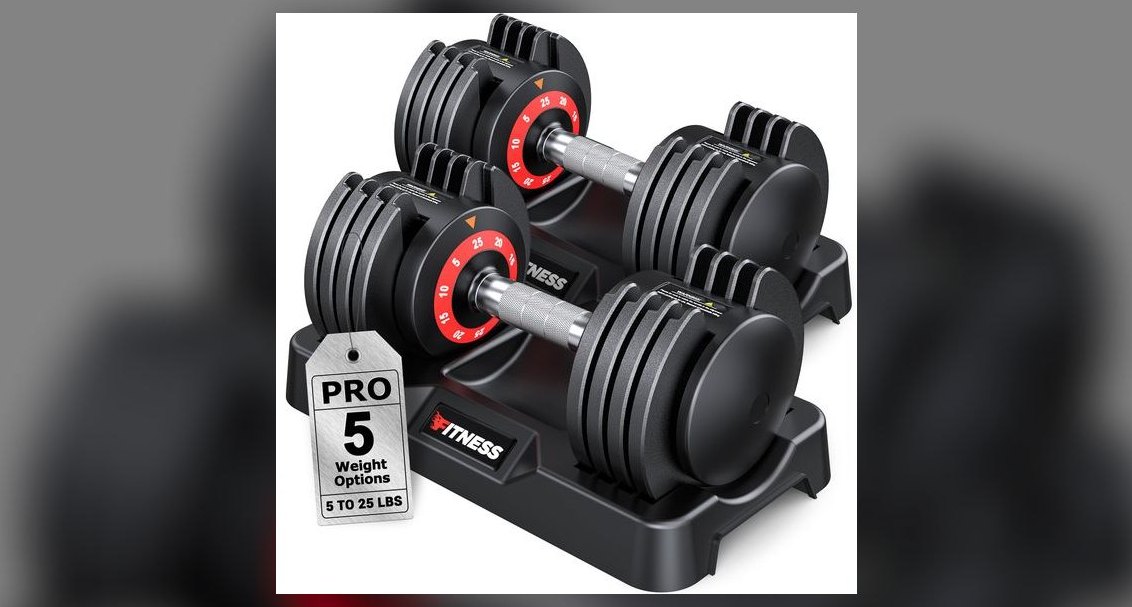 pulse-wellnessTop 10 Adjustable Dumbbells 2027
 pulse-wellnessTop 10 Electric Scalp Massagers — Best Overall + Best Value in 2027
 pulse-wellnessTop 10 Supplements for Stress 2027
 pulse-wellnessTop 10 Weighted Blankets 2027
 pulse-wellnessTop 10 Massage Chairs — Best Overall + Best Value in 2027
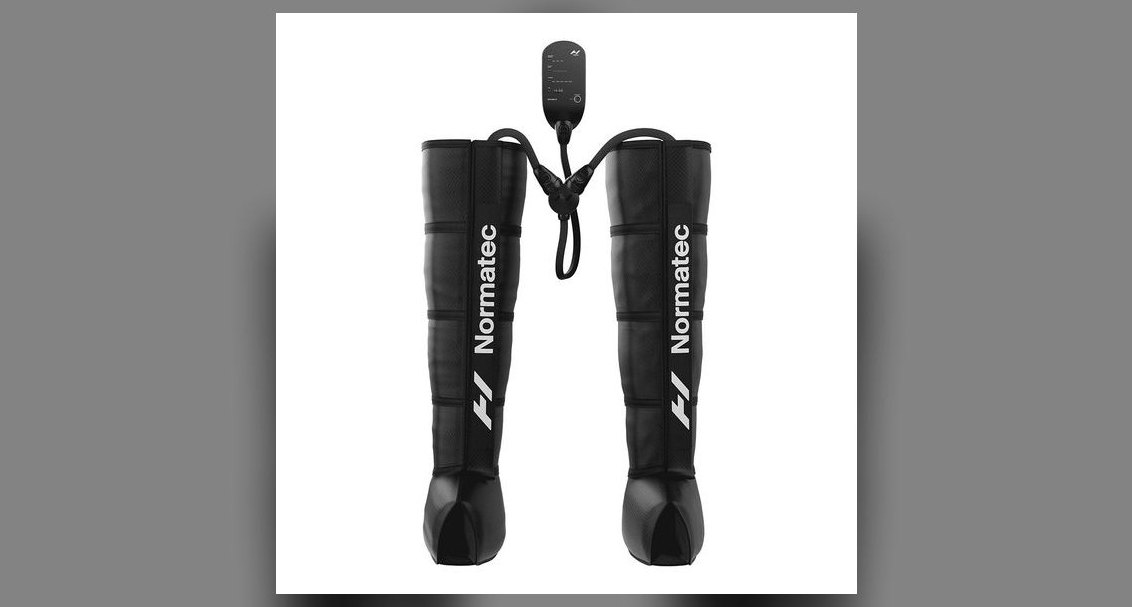 pulse-wellnessTop 10 Compression Boots for Recovery 2027
 pulse-wellnessTop 10 Yoga Studios in Los Angeles in 2027
 pulse-wellnessTop 10 Fiber Supplements 2027
 pulse-wellnessTop 10 Massage Balls 2027
 pulse-wellnessTop 10 Biotin Supplements for Hair, Skin, and Nails 2027