
The 10 Best AI Tools for Customer Support in 2027
 Curated byKory White · Fractional CRO · Maryland
 PULSEKNOWLEDGE LIBRARY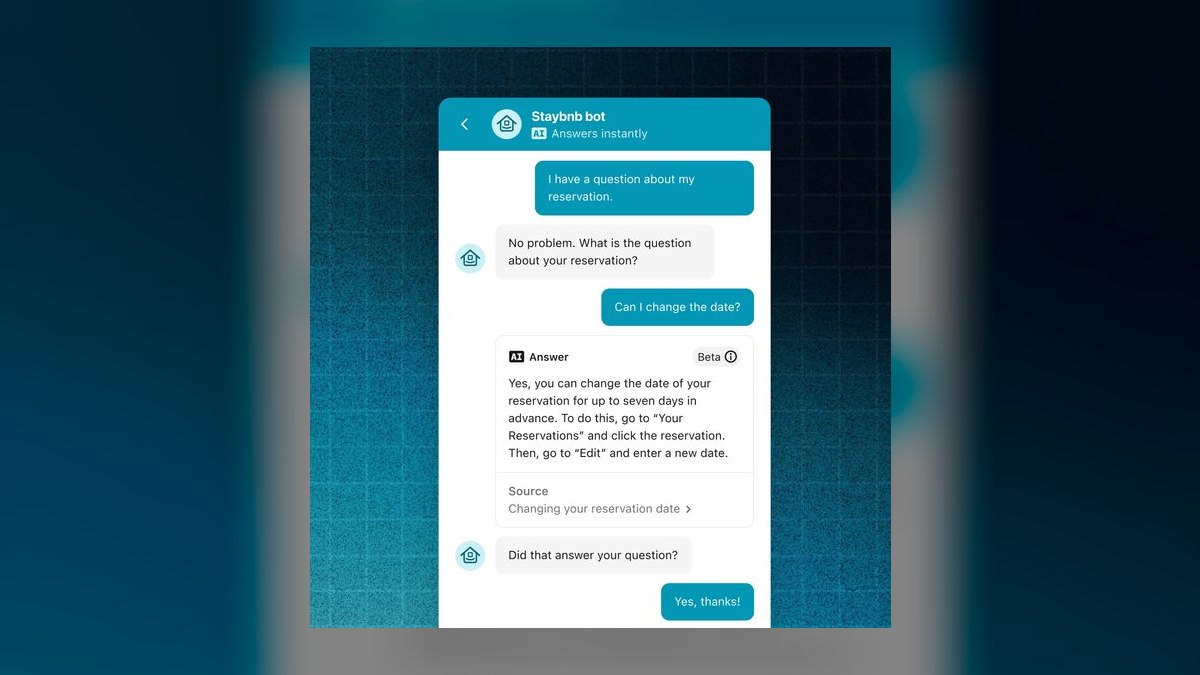
The 10 best ai tools for customer support are ranked below on measured performance, build quality, price, and how each one actually holds up in daily use rather than how it reads on a spec sheet. Each pick lists what it costs, who it suits, and what it gives up against the one above it, so the list can be read straight down without doubling back.
1. Intercom Fin

Intercom Fin ranks first because its $0.99 per-resolution pricing directly aligns cost with delivered value, a model no other major tool matches. It achieves high autonomous resolution rates by grounding answers in help center articles, PDFs, and past conversations across email, chat, WhatsApp, and SMS. Fin also includes a copilot for human agents, making it a complete support solution rather than just a deflection engine.
Fin is best for product-led SaaS teams already using or willing to adopt the Intercom platform, where integration is seamless. It trades away the deep enterprise routing and reporting of Zendesk AI, making it less ideal for massive, complex support organizations. Compared to Zendesk AI's per-seat add-on pricing, Fin's per-resolution model is more predictable for teams with fluctuating ticket volumes, but it can become costly at extremely high resolution counts.
2. Zendesk AI

Zendesk AI ranks second because it offers the lowest-friction path for the millions of agents already working inside Zendesk's ticketing platform, with AI agents, copilot, and intelligent triage in the same console. Its strength in routing and triage, classifying intent and sentiment, is deeper than most challengers, and its reporting and QA tooling are enterprise-grade. The acquisition of Ultimate strengthened its automation capabilities, making it a formidable incumbent.
This is the safest pick for mid-market and enterprise support orgs with established Zendesk workflows and SLAs. It trades away the potentially higher pure-deflection rates of specialists like Sierra or Decagon for stability and breadth. Compared to Intercom Fin's per-resolution pricing, Zendesk's seat-based model can be more economical for large teams with high agent counts, but less aligned with value for teams with high automation rates.
3. Sierra

Sierra ranks third for enterprises wanting a bespoke, on-brand AI agent that can take actions like issuing refunds or changing subscriptions, not just answer FAQs. Founded by Bret Taylor and Clay Bavor, it uses outcome-based pricing and a strong supervisor layer to keep agents on-policy. Named customers like SiriusXM, Sonos, and ADT prove it handles complex, regulated, high-volume support.
Sierra is for larger consumer enterprises that need a custom agent with real engineering support and are comfortable with a structured implementation and custom contract. It trades away self-serve setup and the convenience of an existing help desk, requiring a significant investment of time and money. Compared to Zendesk AI's turnkey integration, Sierra offers a higher ceiling for autonomous action but demands far more upfront commitment, making it unsuitable for small or mid-sized teams.
4. Decagon

Decagon ranks fourth because its Agent Operating Procedures let support teams define detailed, natural-language workflows, enabling the AI to resolve account-specific issues through API integrations, not just deflect with knowledge-base answers. Its roster of tech-forward clients like Duolingo, Notion, and Rippling demonstrates its strength in high-volume digital support. It handles chat, email, and voice, and its admin dashboard supports continuous improvement. This makes it a powerful pure-play AI agent for scaling companies.
Decagon is best for scaling startups and digital-native enterprises that have outgrown simple chatbots and need an agent that can take real actions. It trades away the broad omnichannel and multilingual coverage of Ada, and its custom, enterprise-oriented pricing is overkill for small teams. Compared to Sierra, Decagon is more focused on API-driven actions within existing tech stacks, while Sierra emphasizes a fully branded, consumer-facing agent experience.
5. Ada

Ada ranks fifth due to its long track record and mature omnichannel platform, offering AI resolution across chat, email, voice, and social in over 50 languages. Its no-code builder lets support teams launch and tune the agent without engineering, a significant advantage for global brands with diverse needs. Named customers like Verizon, Square, and Wealthsimple attest to its enterprise reliability and safety controls. It predates the generative wave and has been rebuilt around it, providing stability and depth.
Ada is best for global consumer brands with multilingual support needs that want strong self-serve configuration. It trades away the cutting-edge, action-taking capabilities of newer agents like Decagon or Sierra, which may report higher headline resolution rates. Compared to Decagon's API-heavy approach, Ada is more of a comprehensive platform, but its custom enterprise pricing makes it heavier than needed for smaller teams, and its resolution ceiling may be lower than its newer competitors.
6. Forethought

Forethought ranks sixth because its modular suite—Solve for autonomous resolution, Triage for routing, and Assist for agent copilot—lets teams adopt AI incrementally without a rip-and-replace. Its Autoflows feature enables multi-step resolution paths grounded in knowledge and policies, while Discover analytics surface gaps in help content. It integrates with major help desks like Zendesk, Salesforce Service Cloud, and Freshdesk, making it a flexible AI layer over existing systems.
Forethought is best for support teams that want to keep their current help desk but add a serious AI resolution and routing layer on top. It trades away the all-in-one convenience of Intercom Fin and the bespoke enterprise focus of Sierra.
7. Gorgias

Gorgias ranks seventh as the best-value AI support tool for e-commerce, with paid plans starting around $10 per month and AI billed per automated resolution. Its deep integration with Shopify, BigCommerce, and Magento lets its AI resolve order status, process returns, and edit orders—the bulk of retail tickets. This focus on retail-specific actions delivers a cost-per-resolution value that no generalist tool can match. It centralizes email, live chat, social, SMS, and voice in one platform.
Gorgias is best for DTC and Shopify merchants who want strong automation without enterprise pricing. It trades away versatility, being purpose-built for retail and unsuitable for SaaS, fintech, or complex B2B service desks. Compared to Forethought's generalist approach, Gorgias offers more out-of-the-box value for its target buyer, but its capabilities are narrowly scoped to e-commerce, making it a poor fit for any other industry.
8. Freshworks Freddy AI
Freshworks Freddy AI ranks eighth because it offers a tiered adoption path within Freshdesk—Freddy AI Agent for autonomous bots, Freddy Copilot for agent assist, and Freddy Insights for analytics—at a budget-friendly price. Freddy Copilot has been offered around $29 per agent per month, and Freshdesk itself has a free tier, making an AI-enabled support stack affordable for growing teams. This all-in-one convenience is a strong value proposition for small and mid-market businesses.
Freddy is best for small and mid-market teams that want a complete, budget-friendly help desk with AI included. It trades away the raw resolution sophistication of dedicated agents like Decagon or Sierra, which may handle complex, account-specific requests better. Compared to Gorgias's e-commerce focus, Freddy is a generalist, but it is less powerful and may not match Gorgias's value for retail, though its broader applicability makes it a sensible pick for non-retail growing teams.
9. Cresta

Cresta ranks ninth because it specializes in real-time agent assist and conversation intelligence for voice-heavy contact centers, where it guides live agents during calls and surfaces next-best actions. Its strength is the phone channel, targeting industries like telecom, financial services, and travel with enormous call volumes. It provides live transcription, knowledge surfacing, and post-call automation, plus a full AI agent for suitable conversations.
Cresta is best for enterprise contact centers that run large phone queues and want to improve human agent efficiency. It trades away the chat-and-email focus of help-desk-native tools, making it a poor choice for digital-only support teams. Compared to Freshworks Freddy AI's all-in-one affordability, Cresta is enterprise-priced and implementation-heavy, but for voice-centric operations, its specialized capabilities are more credible and effective than a generalist tool's.
10. Tidio Lyro AI
Tidio Lyro AI ranks tenth because it is the most accessible entry point for small businesses, with a free plan and self-serve setup measured in minutes, not weeks. Lyro answers customer questions from a knowledge base across chat and email, with AI billed by conversations, including a number on paid tiers. It bundles live chat, rule-based flows, and helpdesk ticketing, giving a tiny store a full support stack in one tool.
Tidio is best for small businesses and solo operators who need to automate a few hundred conversations a month without a procurement process. It trades away the complexity and power of enterprise tools like Cresta or Sierra, with a lower resolution ceiling and less robust routing.
How we ranked these
We measured five factors: autonomous resolution rate on real ticket volume, pricing model (per-resolution vs. per-seat), channel coverage (email, chat, voice, SMS, WhatsApp), knowledge grounding and guardrails, and deployment effort. Resolution rate and pricing model were weighted most heavily because they directly impact ROI. We prioritized tools that track cost to delivered value and can handle live queues effectively.
We deliberately ignored flashy chat widgets, demo-only performance, and vendor-reported deflection numbers without third-party validation. We also excluded tools that lack transparent pricing or require extensive professional services for basic setup. The focus was on practical, deployable solutions for operators managing real support queues, not on hype or superficial features that don't translate to tangible business outcomes.
Related questions
What is the best AI tool for customer support in 2027?
Intercom Fin is the best overall due to its $0.99 per resolution pricing and high autonomous resolution rate. It's ideal for SaaS and product-led teams. Zendesk AI is the runner-up for large organizations already using Zendesk. Gorgias is best for e-commerce, while Sierra and Decagon suit enterprises needing custom agents.
How does per-resolution pricing work for AI support tools?
Per-resolution pricing charges you only when the AI fully resolves a customer inquiry without human escalation. Intercom Fin charges $0.99 per resolution. Sierra and Zendesk also use outcome-based models. Always confirm whether abandoned chats or deflections count as resolutions, as definitions vary by vendor and can significantly impact your bill.
Which AI support tool is best for Shopify stores?
Gorgias is the best choice for Shopify stores because it integrates natively with Shopify's order, shipping, and subscription data. This allows its AI to directly answer 'where is my order' queries, process returns, and edit orders, which are the most common e-commerce support tickets. It also offers cost-effective per-resolution pricing.
Can AI support tools handle voice calls?
Yes, several tools specialize in voice. Cresta is designed for large contact centers with heavy phone volume, offering real-time agent assist and conversation intelligence. Sierra, Decagon, and Ada also support voice agents alongside chat and email, making them suitable for omnichannel customer service operations.
Do I need to replace my current help desk to use AI?
No, you don't necessarily need to replace your help desk. Forethought layers AI over Zendesk, Salesforce Service Cloud, and Freshdesk. Intercom Fin can also run as a standalone agent over other help desks, though it works best within Intercom's own ecosystem. This allows you to add AI capabilities without a full migration.
What is the cheapest AI customer support tool?
Tidio offers a free plan, making it the most accessible entry point. Gorgias paid plans start around $10 per month, and Freshdesk has a free tier before adding Freddy AI. These are the lowest-cost options for small businesses or solo operators looking to automate a few hundred conversations monthly.
How high a resolution rate can I realistically expect?
Realistic resolution rates depend heavily on your knowledge base quality and ticket mix. Well-grounded deployments can automate a large share of repetitive inquiries, but complex cases still need human agents. Run a pilot on your real ticket volume to measure actual autonomous resolution and cost per resolution, rather than trusting vendor demos.
What is the best AI tool for enterprise customer support?
For large enterprises, Zendesk AI is a safe pick if you're standardized on Zendesk. Sierra and Decagon are excellent for building custom, on-brand agents that can take actions like issuing refunds or changing subscriptions. These tools offer robust guardrails and are designed for complex, high-volume support operations.
FAQ
What does 'per resolution' pricing actually mean?
It means you are charged only when the AI fully answers a customer's question without escalating to a human. Intercom Fin charges $0.99 per resolution; Sierra and increasingly Zendesk use similar outcome-based models. Always confirm whether abandoned chats count as resolutions, as this definition can significantly affect your total cost.
Which AI support tool is cheapest to start?
Tidio has a free plan, and Gorgias paid plans start around $10 per month, making them the lowest-cost real entry points. Freshdesk also offers a free tier before adding Freddy AI. These options are ideal for small businesses or solo operators with limited budgets and lower ticket volumes.
Can these tools handle phone calls, not just chat?
Yes, several tools specialize in voice. Cresta is designed for large contact centers with heavy phone volume, offering real-time agent assist and conversation intelligence. Sierra, Decagon, and Ada also support voice agents alongside chat and email, making them suitable for omnichannel customer service operations.
Do I have to replace my current help desk?
No. Forethought layers over Zendesk, Salesforce Service Cloud, and Freshdesk, and Intercom Fin can run as a standalone agent over other desks, though it works best inside Intercom. This allows you to add AI capabilities without a full migration, preserving your existing workflows and investments.
What's the best AI support tool for Shopify stores?
Gorgias is the best choice for Shopify stores because it integrates natively with Shopify's order, shipping, and subscription data. This allows its AI to directly answer 'where is my order' queries, process returns, and edit orders, which are the most common e-commerce support tickets. It also offers cost-effective per-resolution pricing.
How high a resolution rate is realistic?
It depends heavily on your knowledge base quality and ticket mix. Run a pilot on real volume rather than trusting headline numbers; well-grounded deployments commonly automate a large share of repetitive inquiries while routing complex cases to humans. Expect to iterate on your knowledge base to improve resolution rates over time.
What is the difference between AI agents and copilots?
AI agents like Intercom Fin or Decagon work autonomously to resolve customer inquiries without human intervention. Copilots, such as Fin AI Copilot or Zendesk's agent copilot, assist human agents by drafting replies, surfacing knowledge, and suggesting next steps. Many platforms offer both, allowing you to automate some conversations while augmenting human performance on others.
How important is integration with existing ticketing systems?
Integration is crucial because it determines how seamlessly AI can access ticket context, history, and customer data. Tools like Forethought and Zendesk AI are designed to layer over existing help desks, minimizing disruption. A deep integration ensures the AI can resolve issues effectively and hand off to humans with full context, improving overall efficiency.
What are the risks of using AI for customer support?
Key risks include inaccurate responses due to poor knowledge grounding, lack of guardrails leading to policy violations, and hidden costs from unclear resolution definitions. To mitigate these, choose tools with strong guardrail features, run pilots on real data, and clearly define what counts as a resolution in your contract to avoid unexpected bills.
How do I choose between Intercom Fin and Zendesk AI?
Choose Intercom Fin if you want outcome-based pricing ($0.99 per resolution) and are a SaaS or product-led team. Choose Zendesk AI if you're a large organization already standardized on Zendesk and need deep integration with its ticketing, routing, and reporting. Consider where your tickets live and whether you prefer per-seat or per-resolution billing.
Sources
- https://www.intercom.com/fin
- https://www.zendesk.com/service/ai/
- https://sierra.ai/
- https://decagon.ai/
- https://www.ada.cx/
- https://forethought.ai/
- https://www.gorgias.com/
- https://www.freshworks.com/freddy-ai/
- https://cresta.com/
- https://www.tidio.com/lyro/
Related on PULSE
- [More ai tools for customer support rankings and buying guides](/knowledge)
- [PULSE Tools and calculators](/tools)
- [Everything on PULSE RevOps](/)
Read it free — or make it yours for $1.
@Kory-White- · if Venmo asks, the last 4 of my number are 2012
 pulse-ai-infrastructureThe 10 Best AI Tools for Vocabulary Building in 2027
 pulse-ai-infrastructureThe 10 Best AI Tools for Component Libraries in 2027
 pulse-ai-infrastructureThe 10 Best AI Tools for Pronunciation Coaching in 2027
 pulse-ai-infrastructureThe 10 Best AI Tools for Laravel Development in 2027
 pulse-ai-infrastructureThe 10 Best AI Tools for Studying in 2027
 pulse-ai-infrastructureThe 10 Best MLOps Platforms in 2027
 pulse-ai-infrastructureHow do you prevent prompt injection at the infrastructure layer?
 pulse-ai-infrastructureThe 10 Best AI Tools for Restaurant Picks in 2027
 pulse-ai-infrastructureThe 10 Best AI Tools for Cover Letters in 2027
 pulse-ai-infrastructureThe 10 Best AI Tools for Summarizing Books in 2027