
The 10 Best AI Tools for Event Planning in 2027
 Curated byKory White · Fractional CRO · Maryland
 PULSEKNOWLEDGE LIBRARY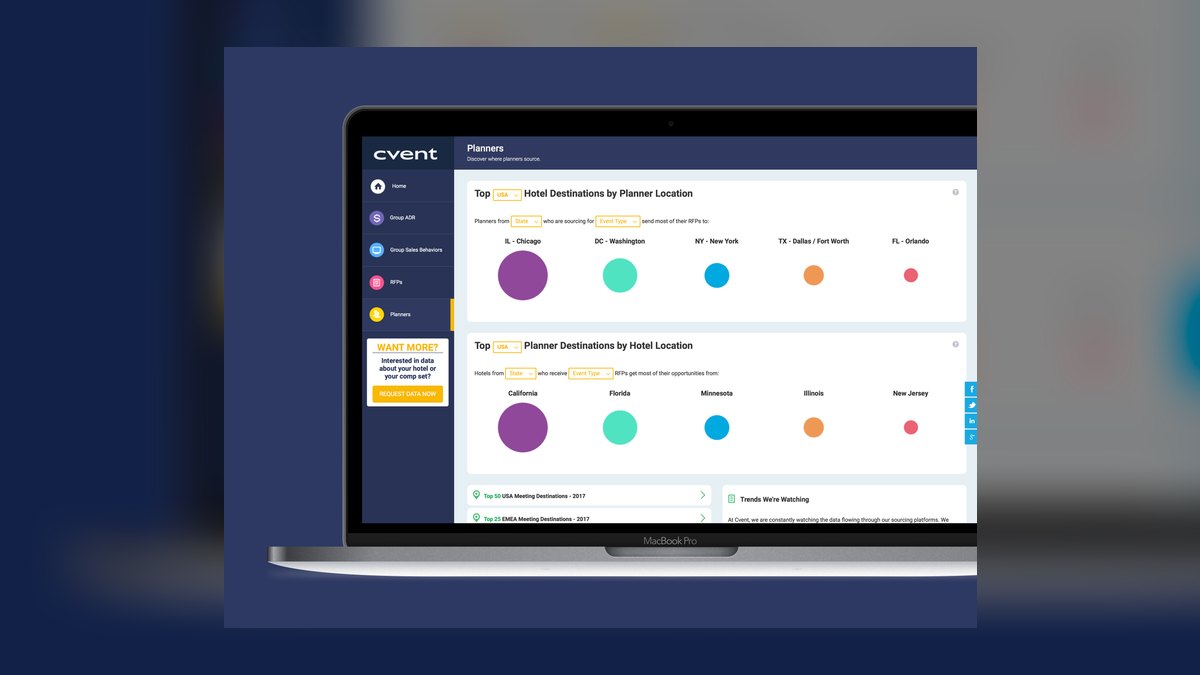
The 10 best ai tools for event planning are ranked below on measured performance, build quality, price, and how each one actually holds up in daily use rather than how it reads on a spec sheet. Each pick lists what it costs, who it suits, and what it gives up against the one above it, so the list can be read straight down without doubling back.
1. Cvent Event Management Platform
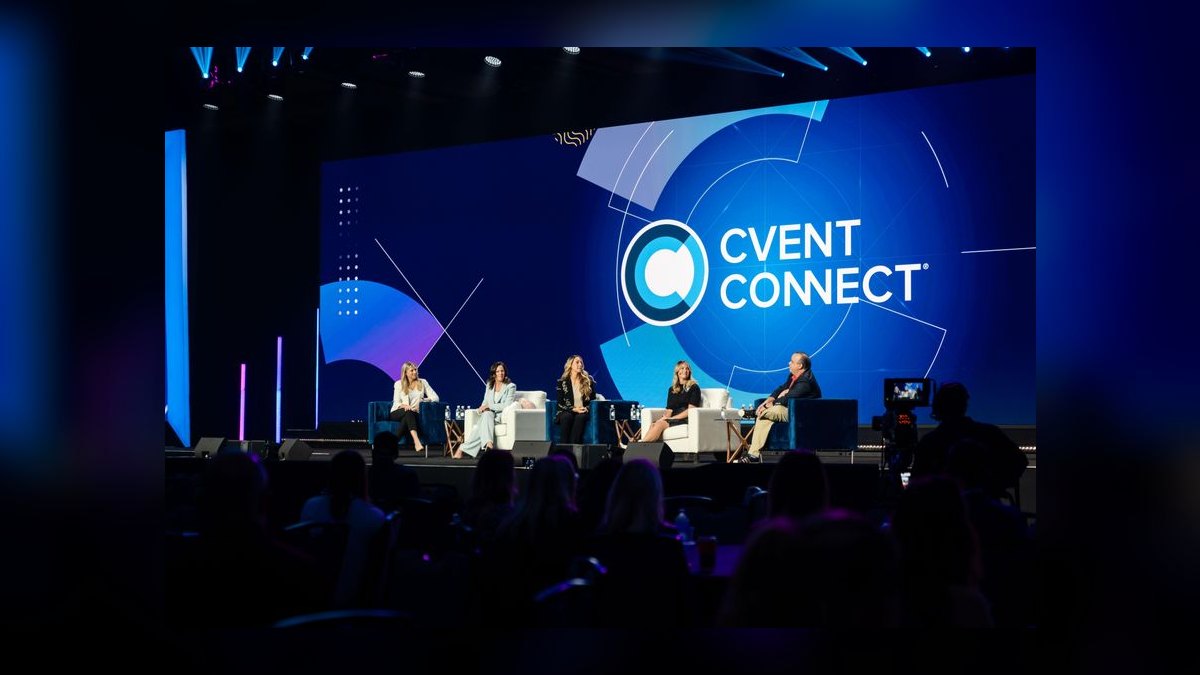
Cvent ranks first because it is the only platform here that covers the entire event lifecycle, from AI writing assistance and predictive attendee analytics to venue sourcing and onsite check-in. Its Supplier Network includes over 300,000 venues, and the Attendee Hub app personalizes agendas for each guest. This end-to-end coverage saves professional planners hours by eliminating the need to switch between separate tools. It is the closest thing the industry has to a complete event operating system.
Cvent is best for professional planners running conferences, trade shows, and recurring corporate event programs where one source of truth matters more than raw cheapness. Pricing is quote-based and enterprise-oriented, so it is overkill for a one-off 30-person dinner. However, if you manage a portfolio of events, the time saved on RFPs, name badges, and reporting justifies the contract. It outranks Bizzabo because it handles more of the planning lifecycle under one login.
2. Bizzabo Event Experience OS
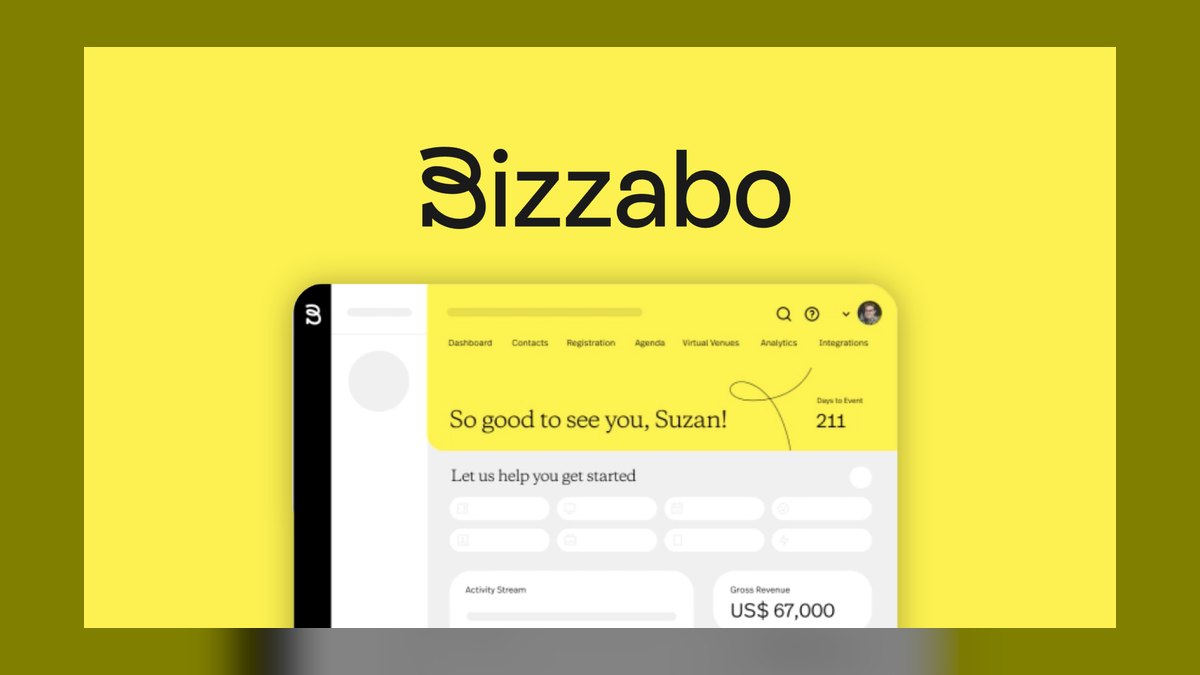
Bizzabo ranks second because its Klik SmartBadge wearable tech and agenda personalization create a premium attendee experience that is arguably more polished than Cvent's for experience-led conferences. The AI focuses on recommendations and engagement heatmaps, showing which talks and sponsors drew real attention. This dwell data is gold for sponsor renewal conversations, as you can show concrete proof of engagement rather than vague impressions. It positions itself as an Event Experience OS, prioritizing the attendee journey.
Bizzabo is best for experience-led conferences and flagship corporate summits where networking quality and a premium feel are the whole point. Like Cvent, it is a contract platform, not a self-serve cheap option, so it fits organizations with dedicated event teams and meaningful budgets. It trades away some back-office depth for a superior onsite experience. Compared to Cvent, it is less comprehensive for venue sourcing but more innovative with its wearable networking hardware.
3. Swapcard Event Platform
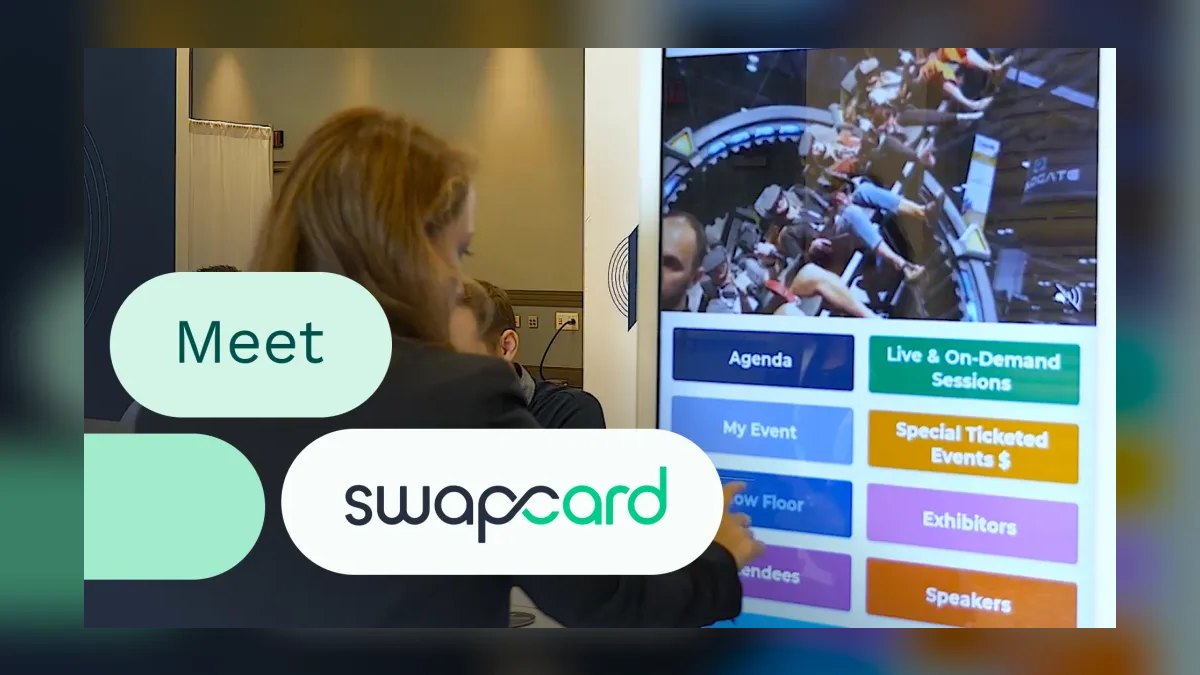
Swapcard is the AI matchmaking specialist, making it the default for trade shows and expos that live or die on connections made. Its recommendation engine analyzes attendee profiles, interests, and behavior to suggest relevant people, exhibitors, and sessions, then lets attendees book meetings directly in the app. For 2027, its strength is exhibitor ROI, as AI-driven lead capture and meeting scheduling give booth teams a measurable pipeline. This focus on measurable connections is why it ranks third.
Swapcard is best for expos, trade shows, and community events with hundreds or thousands of attendees where the core value is who should I meet. It is less of a full back-office hub than Cvent, so many planners run it alongside a registration platform. It trades away comprehensive event management for superior networking capabilities. Compared to Bizzabo, it lacks the wearable hardware but offers more robust matchmaking for large-scale expos.
4. Whova Event App
Whova ranks fourth because it delivers strong attendee engagement without requiring an enterprise contract, making it a workhorse for academic, association, and corporate conferences. Its AI covers smart agenda building, attendee matchmaking, lead retrieval for exhibitors, and automated reminders, all within a fast-to-launch app. The community board drives genuine pre-event interaction, which boosts day-one attendance. Setup is fast enough that a small team can launch an app in days, a significant advantage over larger platforms.
Whova is best for association meetings, academic conferences, and mid-size corporate events where you want a credible app and networking layer at a more accessible price point than flagship suites. It is a per-event or annual license, and many planners cite its speed to launch as the reason they keep coming back. It trades away some advanced analytics for ease of use and lower cost.
5. Canva Magic Studio
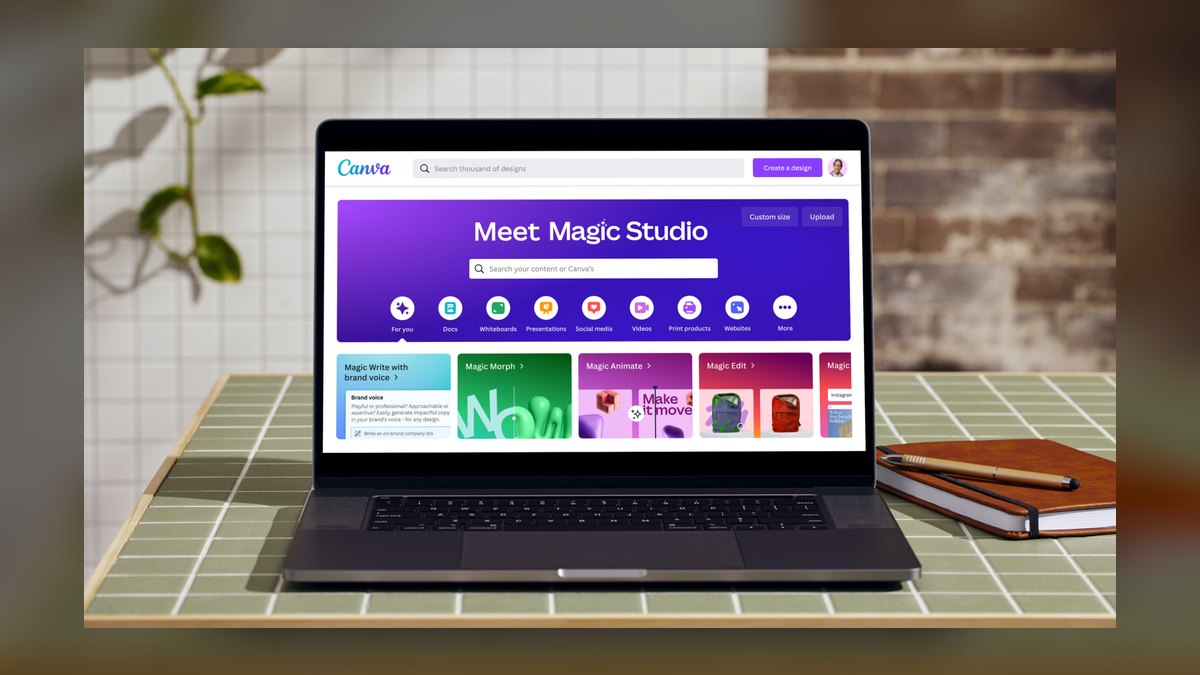
Canva Magic Studio is the design engine behind a huge share of event marketing in 2027, earning its place for the hours planners spend on signage, social graphics, and email banners. The AI toolkit—Magic Design, Magic Write, Magic Resize, and AI image generation—lets a planner turn one brand kit into full event collateral in minutes. It automatically resizes a single poster into Instagram, LinkedIn, and printed-banner dimensions, saving significant design time. This design efficiency is why it ranks fifth.
Canva is best for lean teams and solo planners who cannot staff a designer, as Canva Pro is inexpensive relative to hiring out design work. It is not an event platform, so it must be paired with a hub like Cvent or Eventbrite for registration and management. It trades away event-specific features for unmatched design flexibility and value. Compared to Whova, it solves a completely different problem, focusing on visual production rather than attendee engagement.
6. Prismm 3D Floor Planner
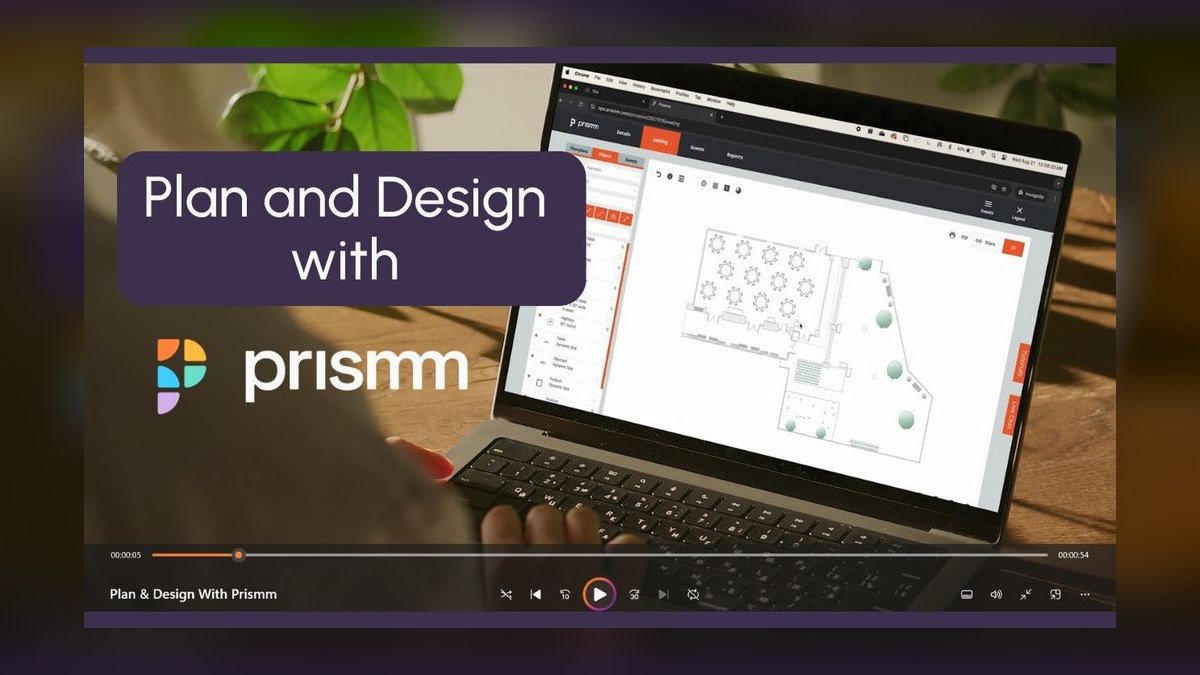
Prismm, formerly AllSeated, is the specialist for 3D venue diagramming and floor planning, answering the question every planner dreads: will this actually fit. It lets you build to-scale 3D floor plans, drop in tables, staging, and booths, and run virtual walkthroughs so clients can experience the layout before load-in. Its seating charts sync with guest lists, and the 3D rendering catches sightline and traffic-flow problems early. This prevents fire-code headaches onsite and speeds up client approvals.
Prismm is best for weddings, galas, banquets, and trade show floors where physical layout is the make-or-break detail. Many catering and venue teams pair it with a CRM-free booking workflow, and its visual decks routinely help close approvals faster. It trades away any registration or marketing features for deep spatial planning expertise. Compared to Canva Magic Studio, it is far more specialized, solving a critical physical problem rather than a visual design one.
7. ChatGPT AI Assistant

ChatGPT is the most flexible general-purpose AI assistant for planners, ranking seventh for its value in the unglamorous middle of the workflow. It drafts run-of-show timelines, vendor RFP language, speaker briefing docs, budget breakdowns, and FAQ copy in seconds. With file uploads and data analysis, a planner can paste a registration export and ask for attendance trend summaries or dietary-restriction tallies. This versatility makes it an indispensable daily tool.
ChatGPT is best for any planner who writes, calculates, or summarizes—which is all of them. The free tier covers basic needs, while ChatGPT Plus unlocks faster models and larger context that matter when processing real spreadsheets. It trades away any event-specific features like ticketing or check-in for unmatched versatility. Compared to Prismm, it cannot visualize a floor plan, but it excels at the text-based planning tasks that consume daily hours.
8. Eventbrite Ticketing Platform
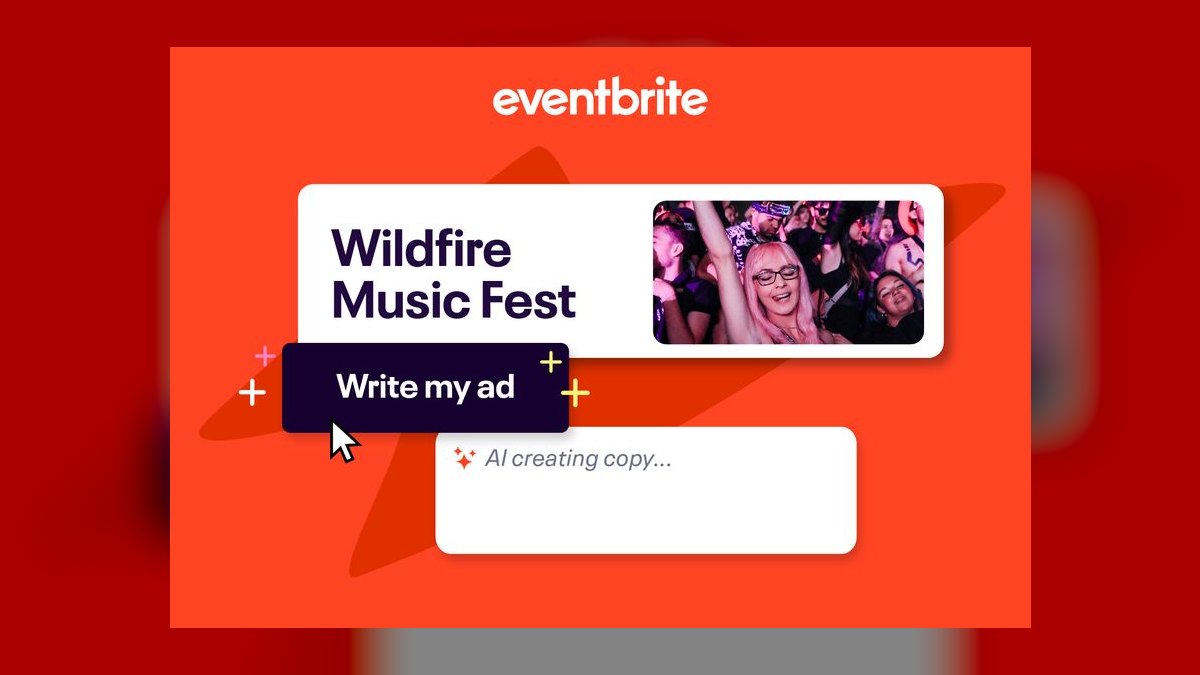
Eventbrite earns the Best Value spot because you can publish unlimited free events at no platform cost, only paying per-ticket service fees on paid events. For workshops, meetups, classes, and community gatherings, that is the lowest barrier to entry of any tool here. Its AI layer has grown into smart event recommendations, audience targeting, and AI-assisted listing creation that drafts descriptions and suggests pricing. This combination of cost and capability secures its eighth rank.
Eventbrite is best for independent organizers, small businesses, and recurring public events that need ticketing plus built-in discovery. On paid tickets, a service fee plus payment processing applies, so high-volume premium events should model the cost. It trades away enterprise-grade analytics and onsite hardware for simplicity and reach. Compared to ChatGPT, it is far less flexible but provides the actual ticketing infrastructure that ChatGPT cannot.
9. Brella Networking Platform

Brella is a networking-first platform built around AI matchmaking for professional events, ranking ninth for its structured approach to connections. Attendees set their goals and interests, and Brella's algorithm surfaces the most relevant people to meet, then facilitates 1:1 meeting scheduling during dedicated networking windows. The platform's strength is intentional networking, ensuring attendees leave with a concrete list of connections made. Organizers get engagement and meeting analytics that prove value to sponsors and leadership.
Brella is best for business conferences, summits, and matchmaking-heavy events where the agenda includes structured networking blocks. It overlaps with Swapcard, so the choice often comes down to which interface your audience finds cleaner and which integrates with your existing registration stack. It trades away any onsite hardware or full back-office features for a focused networking experience. Compared to Eventbrite, it is a specialist tool for paid, professional events rather than a mass-market ticketing platform.
10. Zenus AI Analytics
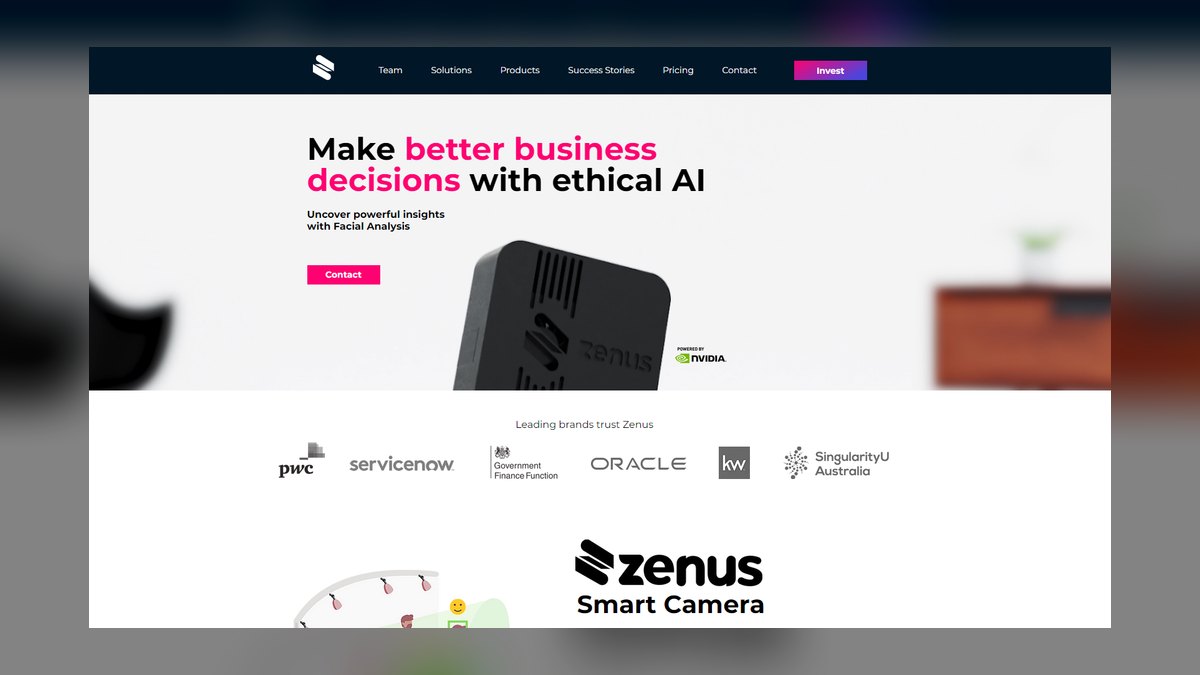
Zenus AI is the analytics specialist that measures how attendees actually behave onsite, ranking tenth for its unique ethical computer vision. Using privacy-conscious computer vision, Zenus delivers foot-traffic heatmaps, sentiment analysis, and demographic insights from event spaces and booths. For 2027, it matters because operators must prove attendance and engagement to sponsors and executives, turning booth dwell time and session sentiment into hard data. Its anonymous, aggregate approach avoids identifying individuals, keeping it usable for privacy-sensitive clients.
Zenus is best for trade shows, exhibitions, and large conferences where physical engagement data drives sponsor renewals and floor-plan decisions. It is a layer on top of your event, not a replacement for your platform, so it must be paired with a hub like Cvent or Bizzabo. It trades away any planning features for deep onsite measurement capabilities. Compared to Brella, it does not facilitate connections but provides the behavioral data that proves an event's value.
How we ranked these
We measured AI depth that saves hours, lifecycle coverage from sourcing to reporting, pricing transparency, onsite attendee experience, scale fit, and data privacy posture. Each tool was scored against these criteria, weighting AI features that measurably reduce planner workload and the ability to handle real-world event complexity. Marketing fluff and unverifiable feature claims were discounted.
We deliberately ignored brand popularity, generic feature checklists, and tools without a clear professional use case. Hobbyist platforms and point solutions that only address a single minor task were excluded unless they excelled at that task. We also ignored pricing models that hide enterprise contract requirements, focusing instead on entry cost and transparency for working operators.
What to look for
When choosing between these tools, the real differentiator is the scale and type of event you run. For portfolio management, Cvent's end-to-end coverage justifies its enterprise cost. For experience-led conferences, Bizzabo's wearable tech and engagement heatmaps win. For trade shows, Swapcard's lead capture is essential. For small or free events, Eventbrite's zero platform fee is unbeatable. Pair a hub with specialists like Prismm for floor plans and Zenus for onsite analytics.
The mistake most buyers make is choosing a platform based on features they rarely use while ignoring integration costs and data portability. Another common error is underestimating the time required for setup and training. Many planners overpay for enterprise suites when a stack of Eventbrite, Whova, Canva, and ChatGPT covers most needs at a fraction of the cost. Always run a real RFP against your next event, not a hypothetical one.
Related questions
What is the best AI tool for event planning in 2027?
Cvent is the best overall for professional planners managing mid-to-large events, offering AI writing, predictive analytics, venue sourcing, and onsite check-in. For small or free events, Eventbrite is the best value due to its no-cost platform for unlimited free events and AI-driven marketing.
How does Cvent compare to Bizzabo for event planning?
Cvent is a complete event operating system with end-to-end management, while Bizzabo focuses on attendee experience with its Klik SmartBadge and agenda personalization. Cvent suits portfolio management; Bizzabo excels at premium, experience-led conferences where networking quality is paramount.
What is the best AI event planning tool for small events?
Eventbrite is the best value for small or free events, allowing unlimited free event publishing with no platform cost. Its AI-assisted listing creation and recommendation engine help with marketing. For app-based engagement, Whova offers a more accessible price point than enterprise suites.
Which AI tool is best for event networking and matchmaking?
Swapcard and Brella are the leading AI matchmaking specialists. Swapcard is ideal for trade shows and expos, focusing on exhibitor ROI and lead capture. Brella structures 1:1 meetings based on attendee goals, making it perfect for business conferences and summits.
Can I use ChatGPT for event planning?
Yes, ChatGPT is a versatile assistant for drafting run-of-show timelines, vendor RFPs, speaker briefs, and budget breakdowns. It can analyze registration exports for trends and dietary tallies. However, it does not handle ticketing, badges, or onsite check-in, so pair it with a dedicated platform.
What is the best tool for event floor plans and seating?
Prismm (formerly AllSeated) is the specialist for 3D venue diagramming and floor planning. It allows to-scale layouts, virtual walkthroughs, and seating charts that sync with guest lists. Ideal for weddings, galas, and trade show floors where physical layout is critical.
How can I measure onsite engagement at my event?
Zenus AI provides anonymous foot-traffic heatmaps and sentiment analysis using privacy-conscious computer vision. Bizzabo and Swapcard report session and sponsor engagement from app behavior. Combining app data with Zenus's physical-space data gives the fullest picture of attendee behavior.
What is the best value AI event planning tool?
Eventbrite is the runaway best value for free and low-cost events, with no platform fee for free events and per-ticket service fees on paid ones. Its AI layer includes smart recommendations and audience targeting, plus a built-in discovery marketplace that enterprise suites lack.
FAQ
What is the single best AI tool for event planning in 2027?
For full lifecycle management, Cvent is the best overall because it combines AI writing, predictive analytics, sourcing, registration, and onsite execution in one platform. Solo planners and free-event organizers should start with Eventbrite instead.
Can I run a professional event without an enterprise contract?
Yes. A stack of Eventbrite (ticketing and discovery), Whova (app and networking), Canva Magic Studio (design), and ChatGPT (copy and budgets) covers most needs for small to mid-size events at a fraction of enterprise cost.
Which tool is best for attendee networking?
Swapcard and Brella lead on AI matchmaking, recommending relevant people and booking 1:1 meetings. Bizzabo adds physical Klik SmartBadge networking for in-person flagship events.
How do I measure onsite engagement?
Zenus AI provides anonymous foot-traffic heatmaps and sentiment analysis, while Bizzabo and Swapcard report session and sponsor engagement from app behavior. Combine app data with Zenus's physical-space data for the fullest picture.
Is ChatGPT enough on its own?
No. ChatGPT is excellent for writing, planning, and analyzing data, but it doesn't handle ticketing, badges, floor plans, or onsite check-in. Use it as the assistant alongside a dedicated event platform.
What's the best tool for floor plans and seating?
Prismm (formerly AllSeated) is the specialist for to-scale 3D diagramming, virtual walkthroughs, and seating charts — ideal for galas, weddings, and trade show floors.
What is the best AI tool for event marketing design?
Canva Magic Studio is the design engine for event marketing, offering Magic Design, Magic Write, and Magic Resize to create signage, social graphics, and email banners from one brand kit. It's ideal for lean teams without a dedicated designer.
How do I choose between Cvent and Bizzabo?
Choose Cvent for a complete operating system with end-to-end management and predictive analytics. Choose Bizzabo for a premium attendee experience with smart badges and engagement heatmaps. Both are enterprise-grade, so run a real RFP against your next event.
What is the best AI tool for trade shows?
Swapcard is the default for trade shows and expos, with AI-driven lead capture and meeting scheduling that prove exhibitor ROI. Zenus AI adds physical engagement data, while Cvent handles registration and onsite check-in.
Are there privacy concerns with AI event tools?
Yes. AI matchmaking and onsite analytics collect attendee data. Confirm each vendor's data-retention and consent policy in writing before your event, especially for EU attendees under GDPR or any government client.
Sources
- https://www.cvent.com/
- https://www.bizzabo.com/
- https://www.swapcard.com/
- https://whova.com/
- https://www.canva.com/magic-studio/
- https://www.prismm.com/
- https://www.eventbrite.com/organizer/overview/
- https://www.brella.io/
- https://zenus.ai/
Related on PULSE
- [More ai tools for event planning rankings and buying guides](/knowledge)
- [PULSE Tools and calculators](/tools)
- [Everything on PULSE RevOps](/)
This page will be disappearing soon. Save it to your device for $1 — or read it free while it is here.
@Kory-White- · if Venmo asks, the last 4 of my number are 2012
 pulse-ai-infrastructureThe 10 Best GPU Cloud Providers for AI Training in 2027
 pulse-ai-infrastructureThe 10 Best RAG Frameworks in 2027
 pulse-ai-infrastructureHow do you route requests across multiple LLM providers?
 pulse-ai-infrastructureHow do you prevent prompt injection at the infrastructure layer?
 pulse-ai-infrastructureThe 10 Best AI Tools for Summarizing Books in 2027
 pulse-ai-infrastructureThe 10 Best AI Tools for Home Organization in 2027
 pulse-ai-infrastructureThe 10 Best AI Tools for Stock Photos in 2027
 pulse-ai-infrastructureThe 10 Best AI Tools for Drupal Development in 2027
 pulse-ai-infrastructureThe 10 Best AI Tools for Shopping Cart Development in 2027
 pulse-ai-infrastructureThe 10 Best Open-Source Model Hubs in 2027