
Top 10 Aquarium Substrates 2027
 Curated byKory White · Fractional CRO · Maryland
 PULSEKNOWLEDGE LIBRARY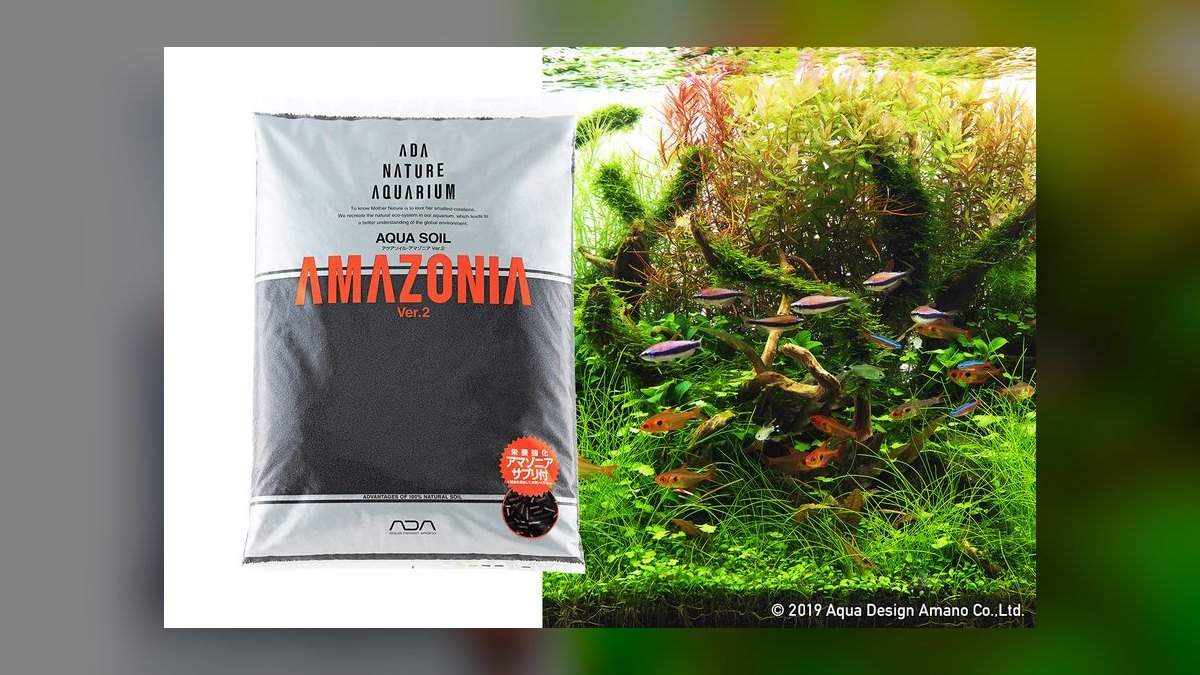
The substrate you pour in first quietly decides how every later choice plays out, from water chemistry to plant growth to whether your corydoras keep their barbels. This guide ranks the ten best aquarium substrates for 2027 across three jobs: inert decorative gravel and sand for community and fish-focused tanks, active aquasoils that buffer pH down and feed roots in planted setups, and reef sands that anchor a saltwater bed.
We judged each on plant performance, buffering behavior, grain shape and safety for bottom dwellers, clouding and rinsing effort, longevity before it breaks down, and price per liter or pound. Beginners, planted-tank aquascapers, and reefkeepers will each find a clear pick below.
The best overall substrate for 2027 is ADA Aqua Soil Amazonia Version 2 at roughly $35 for 9 liters, because it grows demanding plants harder than anything else while buffering soft, acidic water. The best value is CaribSea Eco-Complete Planted, a ready-to-use black volcanic substrate that needs no soil cap and rarely clouds. Active soils lower pH and leach ammonia for two to three weeks, so cycle fully before adding livestock.
How We Ranked
- Plant performance — root-zone nutrients and CEC (cation exchange capacity) decide whether stem plants and carpets thrive or stall.
- Buffering behavior — active soils pull pH and hardness down for soft-water fish and shrimp; inert substrates leave chemistry untouched, which some keepers want.
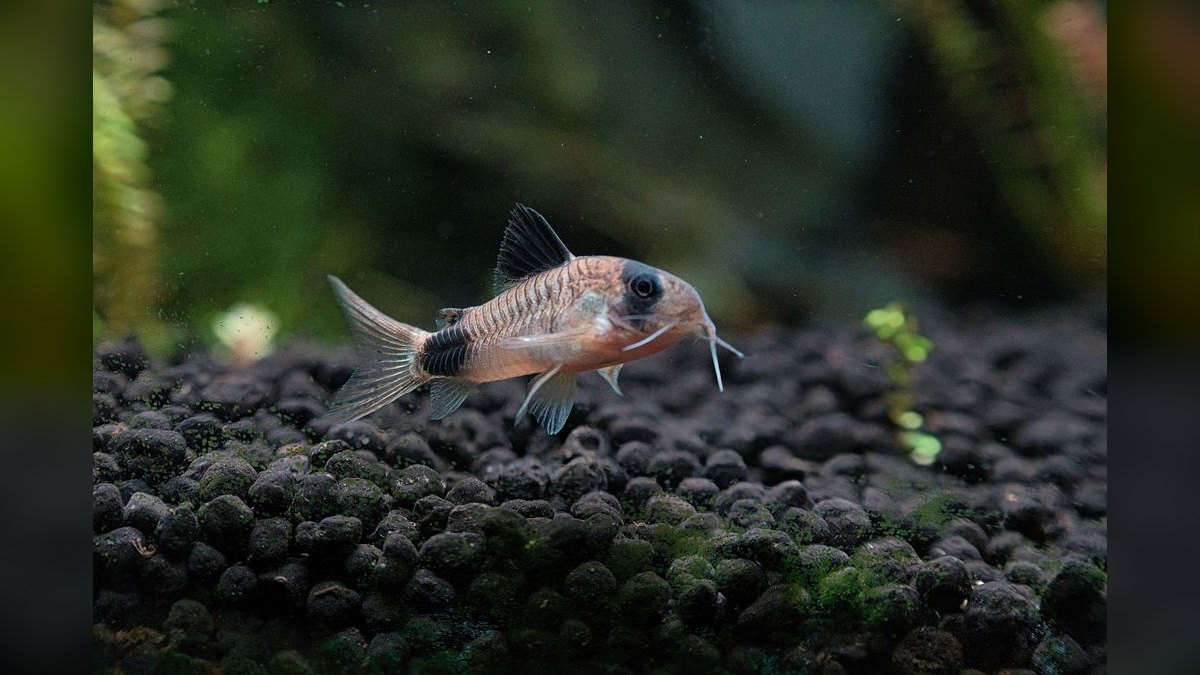
- Grain shape and safety — rounded, fine grains protect corydoras barbels and burrowing loaches; sharp gravel injures them.
- Clouding and rinsing — how much rinsing a bag needs and how long the water stays murky after a fill.
- Price and longevity — cost per liter or pound, plus how many years before the substrate compacts or exhausts.
1. ADA Aqua Soil Amazonia Version 2 🏆 BEST OVERALL
Aqua Soil Amazonia from Aqua Design Amano is the substrate serious aquascapers reach for when a tank has to win. The baked organic granules carry a very high cation exchange capacity, so they hold and release iron, potassium, and nitrogen directly into the root zone.
Carpets like *Monte Carlo* and *dwarf hairgrass* establish noticeably faster than over inert gravel, and red stem plants color up because the soil keeps nutrients available where roots feed.
Version 2 leaches less initial ammonia than the original, but you should still expect a heavy two-to-three week start-up where the soil drops pH toward 6.0-6.5 and softens the water. That acidity is a feature for *Caridina* shrimp and soft-water tetras and a warning for anyone keeping cichlids or hard-water livebearers.
Granules stay firm for roughly two to three years before they soften and compact, at which point a rescape is due.
- Price / Cost: ~$35 for 9 L
- Pros: Best-in-class plant growth, strong buffering to soft acidic water, low re-clouding once settled.
- Cons: Premium price, breaks down in a few years, leaches ammonia during start-up. Verdict: The benchmark planted substrate when results matter more than budget.
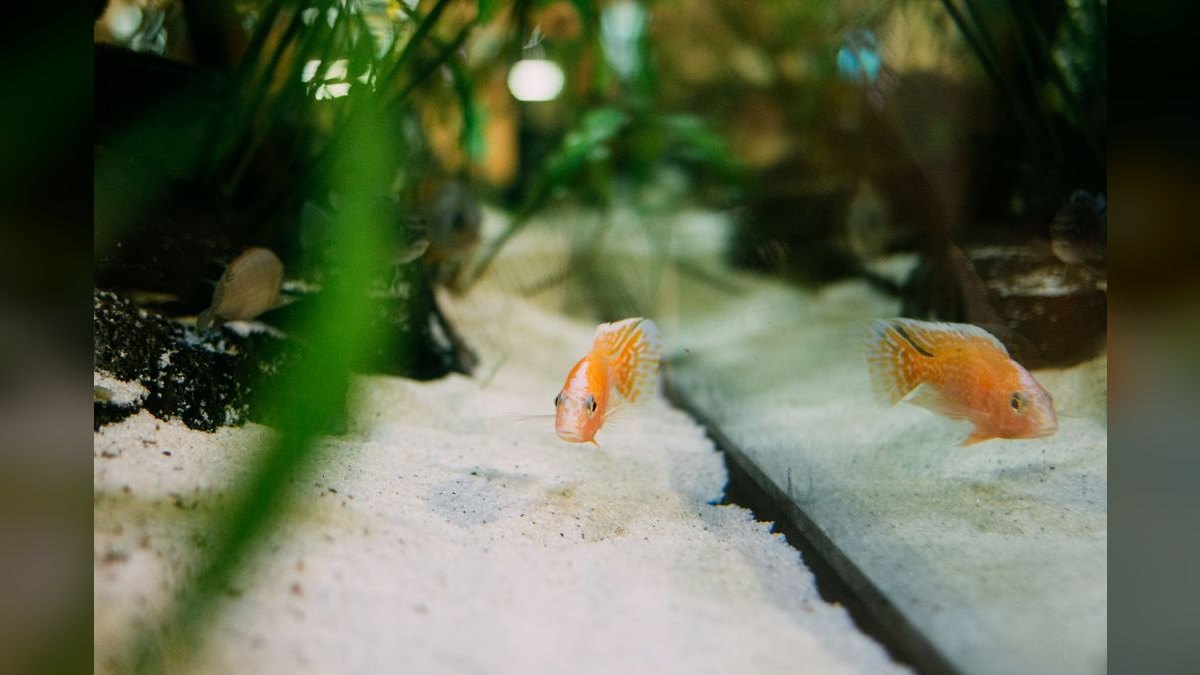
2. CaribSea Eco-Complete Planted 💎 BEST VALUE
Eco-Complete is the easiest path to a healthy planted tank without the fuss of an active soil. The black volcanic gravel ships wet in a bag of bacteria-laden liquid you pour straight in, so there is no rinsing and almost no clouding.
It is pH-neutral and inert, meaning it will not crash your chemistry or leach ammonia, which makes it forgiving for first planted builds.
Because it carries a usable CEC and a spread of trace minerals (iron, magnesium, calcium), root feeders do well, though heavy stem plants will want root tabs within a few months. Grain size is medium and slightly angular, so it suits most community fish; very delicate sand-sifters do better on a finer bed.
It never breaks down, so one purchase can outlast several rescapes.
- Price / Cost: ~$25 for 20 lb
- Pros: No rinse, inert and beginner-safe, permanent, includes trace minerals.
- Cons: Needs root tabs for heavy feeders, slightly angular grains, no pH buffering. Verdict: The smartest first planted substrate for the money.
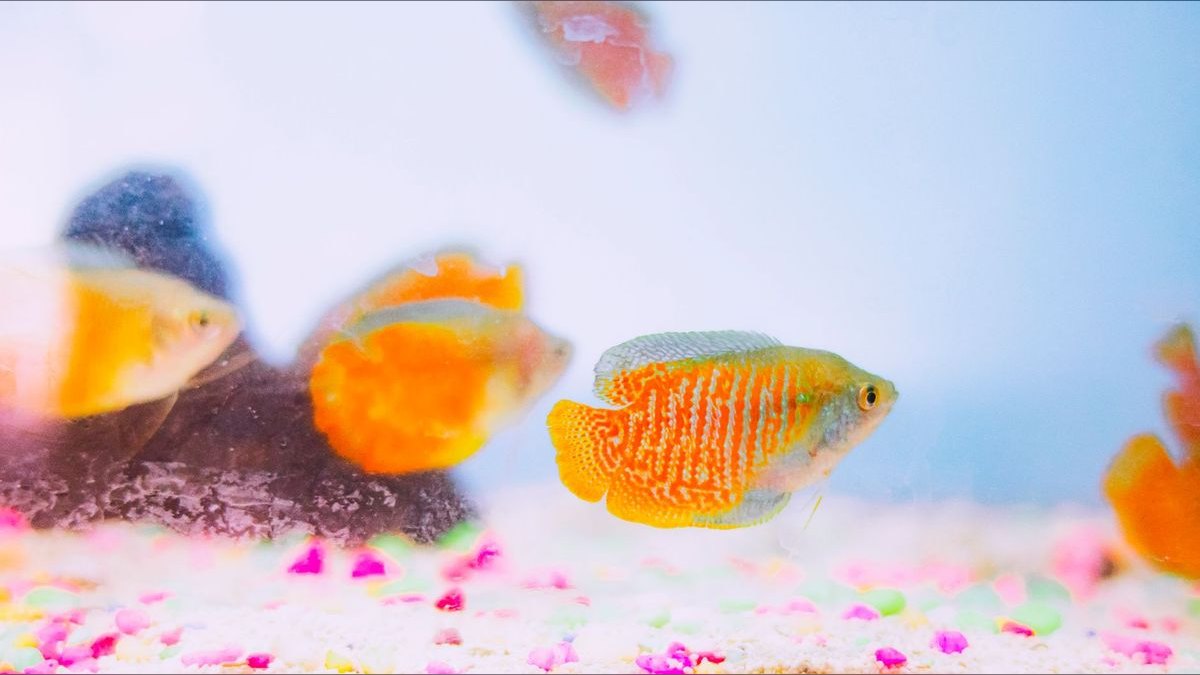
3. Seachem Flourite Black
Flourite is a fracted porous clay gravel that has anchored planted tanks for two decades. It is inert and permanent, so it never exhausts and never crashes pH, and its porous structure holds a high CEC that feeds roots over years. The trade-off is the dusty rinse: plan on ten minutes of bucket rinsing or your first fill turns to chocolate milk.
Once settled it is rock-stable, and the black grain makes fish colors pop. Like Eco-Complete it carries no starting nutrients beyond iron-rich clay, so root tabs help carpets.
Sharp-ish edges mean it is fine for most fish but not the gentlest choice for delicate corydoras; a fine sand cap fixes that.
- Price / Cost: ~$22 for 15.4 lb
- Pros: Permanent, high CEC, iron-rich, won't alter chemistry.
- Cons: Very dusty, needs heavy rinsing, benefits from root tabs. Verdict: A bulletproof lifetime substrate if you do not mind the rinse.
4. CaribSea Super Naturals Sand
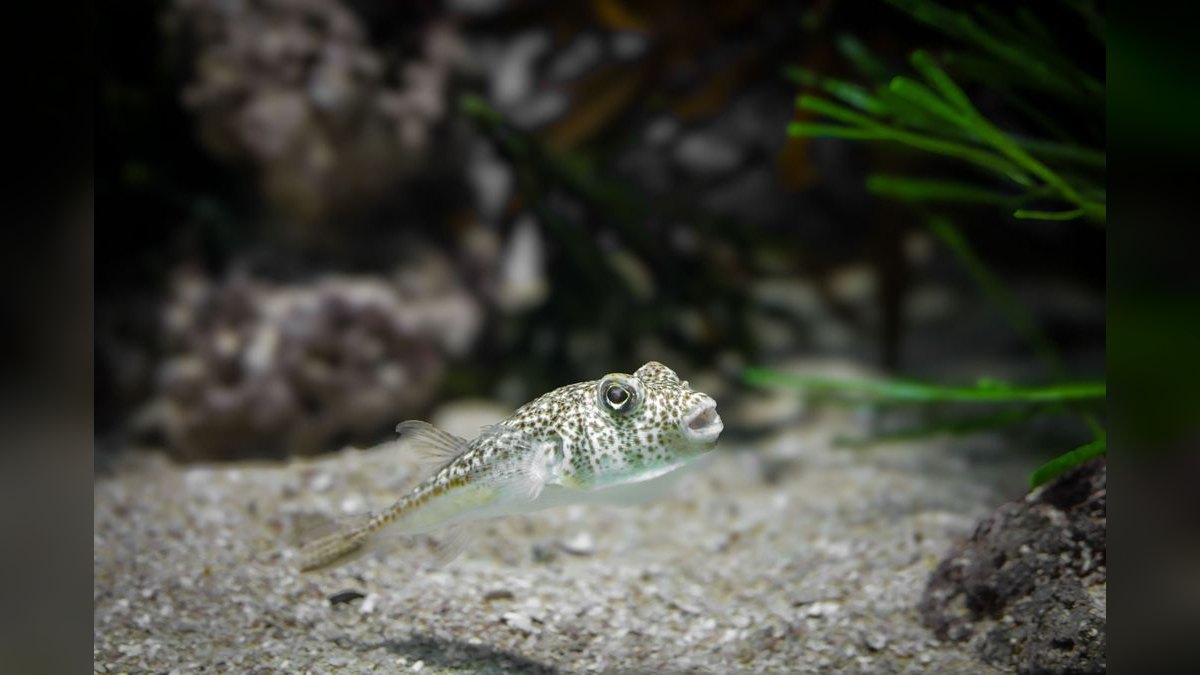
For a fish-focused or biotope tank, Super Naturals is a clean, natural-toned silica sand that is pH-neutral and inert. The fine rounded grains are gentle on corydoras barbels, kuhli loaches, and other diggers, and they let sand-sifting fish do their thing safely. Colors range from snowy *Sunset Gold* to *Moonlight Sand*, so you can match a biotope without resorting to dyed gravel.
It rinses fairly clean and settles quickly, though any fine sand will billow if you blast it with filter return; angle the flow up. It holds no nutrients, so plant only root-feeding rhizome or heavy-root species with tabs.
As an inert mineral it lasts forever and never compacts into anaerobic pockets if you keep it shallow or stir it gently.
- Price / Cost: ~$20 for 20 lb
- Pros: Gentle on bottom dwellers, natural look, inert and permanent.
- Cons: No nutrients, can billow with strong flow, needs stirring to avoid pockets. Verdict: The go-to natural sand for community and biotope tanks.
5. Tropica Aquarium Soil
Tropica's active clay-granule soil is the European aquascaper's answer to Aqua Soil and a strong rival on plant growth. It is packed with nutrients from the start, drives lush carpets, and buffers pH down toward soft, acidic water that stem plants and shrimp love. Out of the bag it leaches less ammonia than some rivals, but a fishless cycle is still mandatory.
The granules are a touch softer than ADA's, so they can mush sooner under heavy replanting, and the bag is pricey outside Europe. Where it shines is immediate, vigorous growth without dosing for the first months as the soil feeds roots directly.
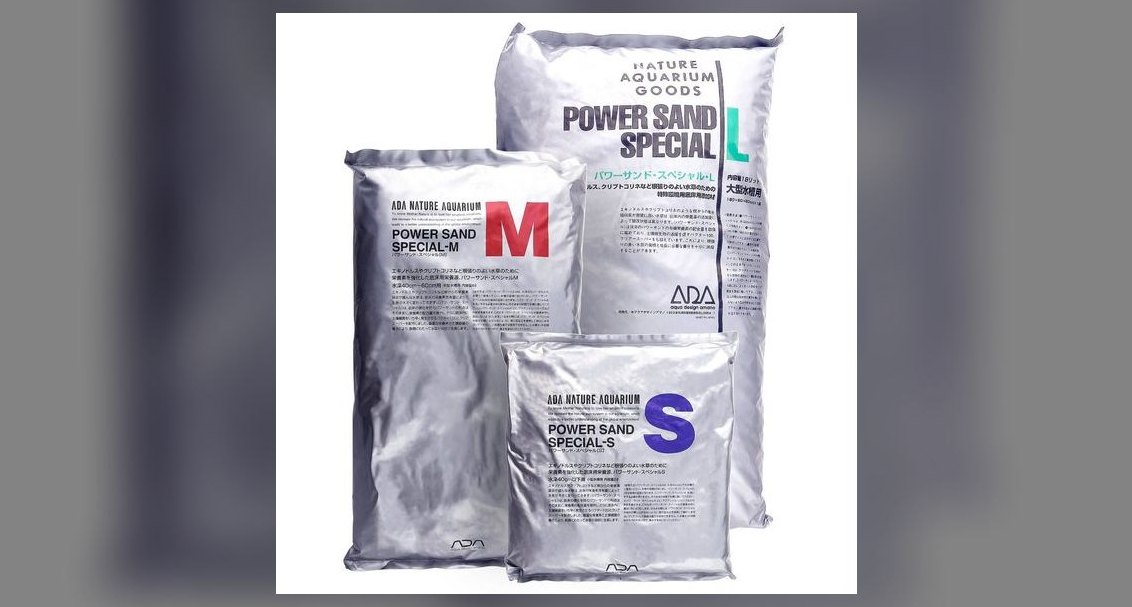
Pair it with a soil power-sand base for even longer-lived results.
- Price / Cost: ~$30 for 9 L
- Pros: Strong plant growth, buffers soft and acidic, pre-loaded nutrients.
- Cons: Granules soften with heavy replanting, pricier abroad, needs cycling. Verdict: An excellent active soil and a real alternative to ADA.
6. Fluval Stratum
Fluval Stratum is a lightweight volcanic soil mined from Mount Aso, and it is the favorite bed for shrimp keepers. It gently lowers pH and softens water toward the 6.0-6.8 range that *Caridina* and *Neocaridina* shrimp prefer, and the porous granules host massive beneficial bacteria colonies. Plants root well, though it is less nutrient-dense than ADA or Tropica.
Two cautions: the granules are soft and easily crushed, so plant gently and do not stir, and the buffering capacity fades after a year or two, after which pH drifts back up. Because it is so light, it clouds if disturbed and can shift under strong flow.
For a low-tech shrimp or nano planted tank it is hard to beat for the price.
- Price / Cost: ~$20 for 8 lb
- Pros: Great for shrimp, lowers pH, porous for bacteria, affordable.
- Cons: Soft granules crush easily, buffering fades, clouds when disturbed. Verdict: The default shrimp-tank soil at a friendly price.
7. UNS Controsoil
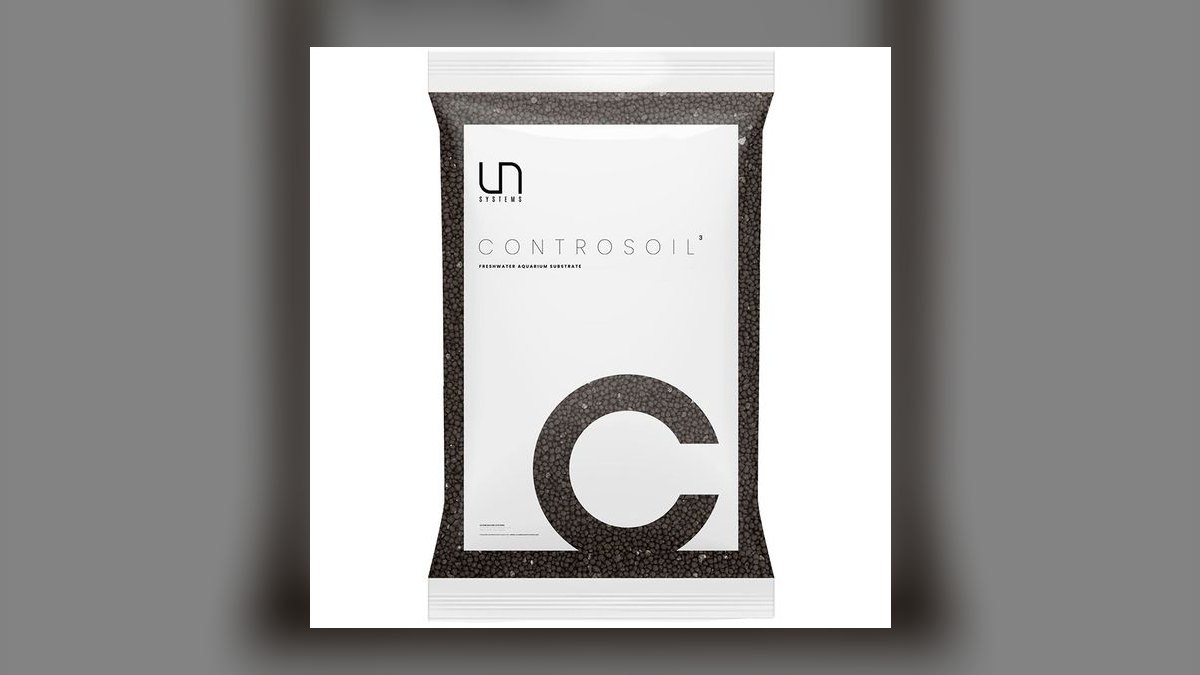
Ultum Nature Systems Controsoil has earned a following as a value active soil that performs near the ADA tier for less money. The hard-baked granules resist crushing better than Fluval Stratum, hold their shape through replanting, and buffer pH into the low 6s for soft-water plants and shrimp. It comes in normal and powder grain, so you can cap a base layer with fine grain for carpets.
Like all active soils it leaches ammonia early and demands a full cycle. Plant growth is strong out of the bag thanks to loaded nutrients, and many aquascapers rate its longevity above Stratum and close to Tropica.
Availability can be spotty depending on region, but when stocked it is one of the best dollar-per-result soils.
- Price / Cost: ~$23 for 9 L
- Pros: Hard durable granules, strong growth, buffers soft, two grain sizes.
- Cons: Leaches ammonia early, regional stock gaps, still needs cycling. Verdict: A budget active soil that punches well above its price.
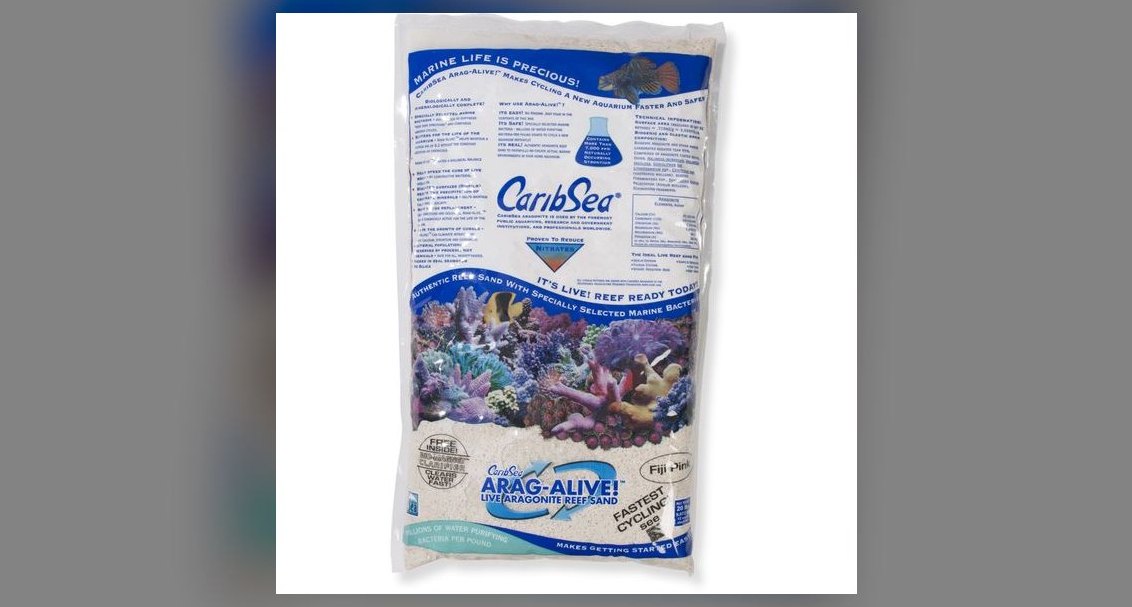
8. CaribSea Arag-Alive Special Grade Reef Sand
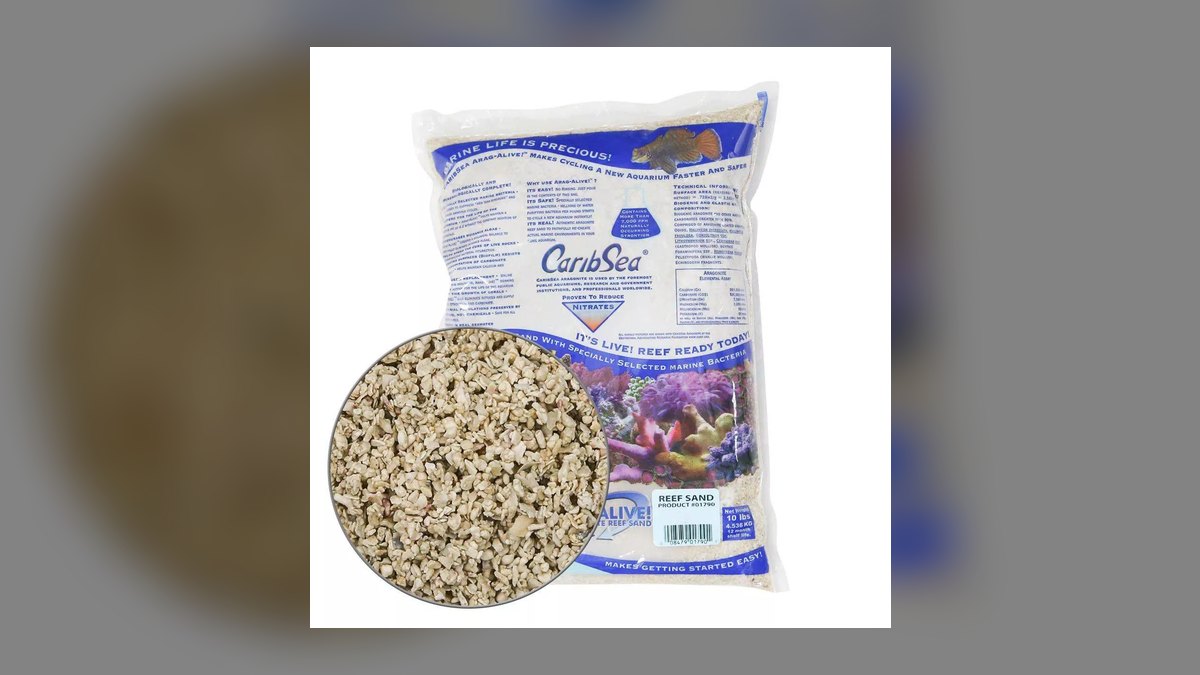
For saltwater, Arag-Alive is a live aragonite sand that ships moist with nitrifying bacteria to jump-start a reef cycle. Aragonite buffers pH and dKH upward and dissolves slowly to maintain calcium and carbonate for corals, which is exactly what a reef needs. The Special Grade at around 1-2 mm strikes a balance: heavy enough to resist a sandstorm under powerheads, fine enough for gobies and sand-sifting stars.
Because it is alive, it can leach a little ammonia if the bag has aged, so test before stocking. It will not buffer forever and should be topped up every few years as it dissolves, but that slow release is the point in a reef.
Rinsing is discouraged so you do not kill the bacteria; just pour and let it settle.
- Price / Cost: ~$30 for 20 lb
- Pros: Buffers reef pH and KH, includes live bacteria, ideal grain for sand sifters.
- Cons: Can leach ammonia if aged, dissolves over years, saltwater-only. Verdict: The standard reef bed for new and mature saltwater tanks.
9. Seachem Flourite Black Sand
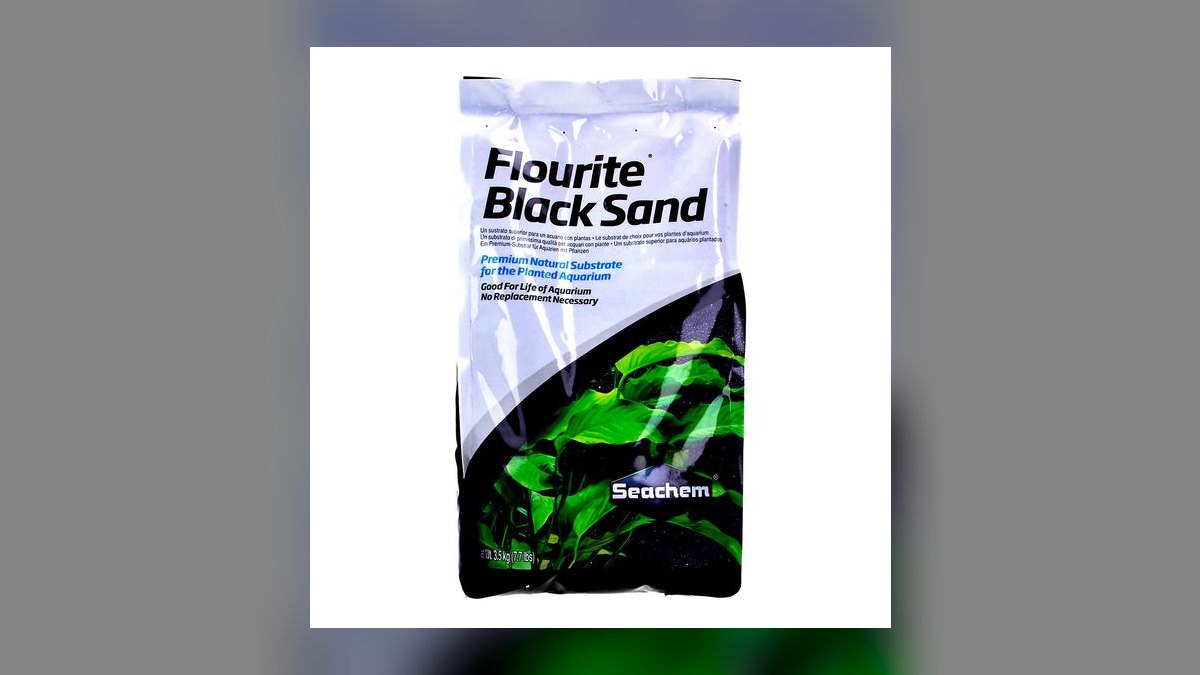
The sand-grain version of Flourite gives you the same inert iron-rich porous clay in a fine black grain that is gentle enough for corydoras and beautiful under planted aquascapes. It is permanent and pH-neutral, holds a useful CEC for roots, and the dark color makes both fish and plant greens vivid.
The catch is the same as its gravel sibling, only worse: it is extremely dusty and the fine grain takes patient rinsing and slow filling to avoid a long cloud. Once down it can compact, so keep it shallow or run Malaysian trumpet snails to stir it.
For a high-end planted look on a fine bed, few substrates match it.
- Price / Cost: ~$24 for 15.4 lb
- Pros: Fine and gentle, inert iron-rich clay, deep black aesthetic, permanent.
- Cons: Very dusty, compacts if deep, slow to clear after a fill. Verdict: A premium fine planted sand for patient aquascapers.
10. Aqueon Aquarium Gravel
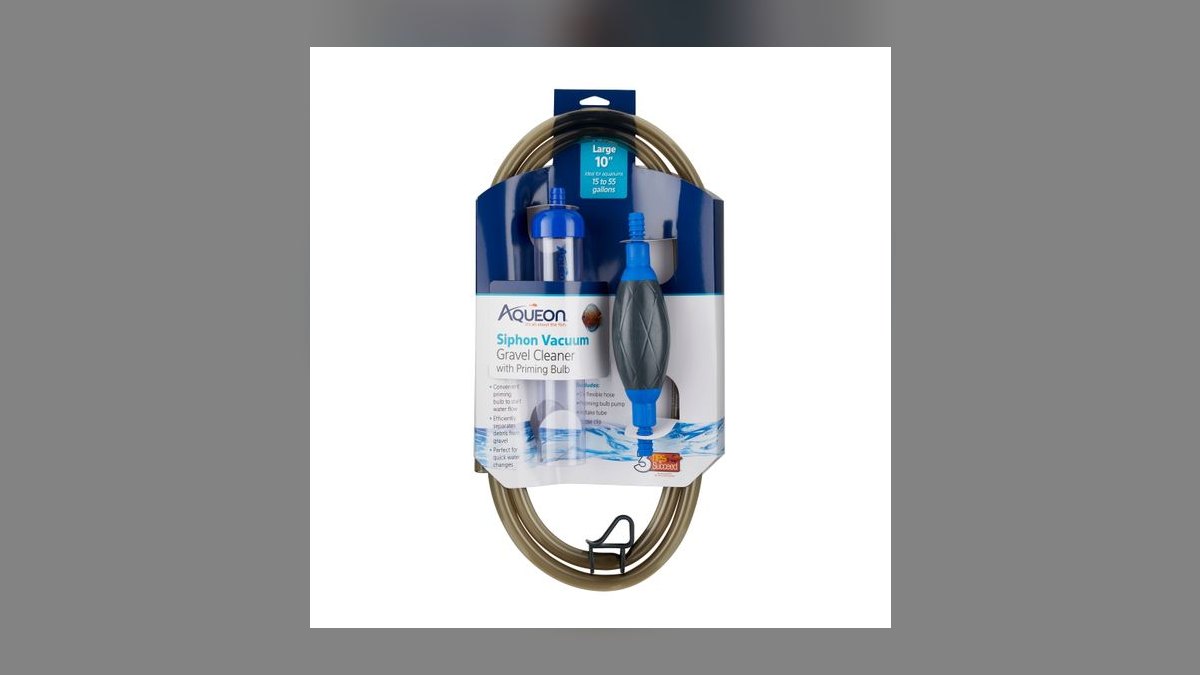
Sometimes you just want simple, cheap, inert gravel, and Aqueon's coated gravel is the honest budget pick. The acrylic-coated grains are non-toxic and color-stable, will not alter water chemistry, and rinse clean with a quick wash. For goldfish, cichlid grow-outs, or kids' first community tanks it does the job for a few dollars.
It carries no nutrients, so any plants need root tabs or are limited to anubias and java fern tied to hardscape. The grain is medium and slightly rounded, fine for most fish though not the softest for delicate bottom feeders.
It lasts forever and is the easiest substrate to source at any pet store.
- Price / Cost: ~$10 for 5 lb
- Pros: Cheapest option, inert and non-toxic, easy to find, simple to clean.
- Cons: No nutrients, plain look, not ideal for delicate diggers. Verdict: The reliable budget gravel for fish-only and starter tanks.
How to Choose
What to Look For
Match the substrate to the tank's job. For a planted aquascape with demanding plants, choose an active soil (ADA, Tropica, UNS) and accept a cycling period while it leaches ammonia. For a community or biotope tank focused on fish, an inert sand or gravel (Super Naturals, Aqueon) keeps chemistry stable. For a reef, only aragonite sand belongs in the tank because it buffers pH and KH. Always consider your bottom dwellers: corydoras and loaches need fine rounded grains, never sharp gravel. Keep beds shallow or stirred to prevent anaerobic pockets, rinse inert substrates well, and never rinse live or active products that carry bacteria.
FAQ
What is the difference between active aquasoil and inert gravel? Active aquasoil, like ADA Amazonia, buffers pH down and releases nutrients for plants, but it breaks down over a few years. Inert gravel or sand doesn’t alter water chemistry and lasts indefinitely, making it better for fish-only tanks or when you want stable, hard water.
How long does aquasoil last before it needs replacement? Most active soils maintain their buffering and structure for roughly 1.5 to 3 years, depending on water hardness and plant root activity. After that, they may compact or lose pH-lowering ability, though you can often top-dress with fresh soil rather than replace the entire bed.
Do I need to rinse aquarium sand before using it? Yes, even “pre-washed” sand often contains fine dust that can cloud the tank for days. Rinse in a bucket until the water runs mostly clear—usually 3 to 5 rinses—but avoid over-rinsing if the sand contains beneficial bacteria or additives.
Can I mix different substrates in the same tank? Yes, many aquascapers layer inert gravel over aquasoil to prevent nutrient leaching or use a sand cap for a natural look. Just ensure the grain sizes are compatible so the layers don’t mix over time, and avoid sharp edges that could harm bottom dwellers.
What grain size is safest for corydoras and other bottom fish? Smooth, rounded grains between 1 and 3 mm are ideal—anything larger or sharper can damage barbels. Fine sand under 0.5 mm may compact and trap waste, while coarse gravel over 5 mm can cause injury during foraging.
How much substrate do I need for a typical planted tank? A good rule is 1 to 2 inches (2.5–5 cm) for the front and 2 to 3 inches (5–7.5 cm) in the back to allow root growth. For a 20-gallon tank, that usually means 15 to 25 pounds (7–11 kg) of substrate, but always calculate based on your tank’s footprint.
Bottom Line
The strongest all-around substrate for 2027 is ADA Aqua Soil Amazonia Version 2, which grows plants harder and buffers softer than anything else, justifying its premium for serious aquascapers. The best value remains CaribSea Eco-Complete Planted: pour-and-go, inert, permanent, and forgiving. Reefkeepers should default to CaribSea Arag-Alive, and fish-focused builders to CaribSea Super Naturals sand. Match the bed to the tank's job and your livestock first, and the rest of the setup gets easier.
Related on PULSE
- [Top 10 Aquarium Sand Substrates for Saltwater Tanks in 2027](/knowledge/aq1100)
- [Top 10 Aquarium Substrates for African Cichlids](/knowledge/aq0861)
- [Top 10 Aquarium Vacuum Gravel Cleaners for Sand Substrates](/knowledge/aq0761)
- [Top 10 Aquarium Substrates for Caridina Shrimp Tanks](/knowledge/aq0726)
- [Top 10 Aquarium Substrates for Cichlid Tanks](/knowledge/aq0497)
- [Top 10 Planted Aquarium Substrates Compared 2027](/knowledge/aq0455)
Sources
- Seachem Flourite and Flourite Black Sand product documentation
- CaribSea Eco-Complete, Super Naturals, and Arag-Alive care sheets
- Aqua Design Amano (ADA) Aqua Soil Amazonia Version 2 specifications
- Tropica Aquarium Soil planting guides
- Aquarium Co-Op substrate comparison resources
- Fishlore and Seriously Fish community substrate threads
*Keywords: Top 10 Aquarium Substrates 2027 — review, reviews, rating, comparison, best of 2027.*
People also search for: best aquarium substrates 2027 · top aquarium substrates 2027 · top rated aquarium substrates 2027 · top ranked aquarium substrates 2027 · highest rated aquarium substrates 2027 · aquarium substrates reviews 2027
This page will be disappearing soon. Save it to your device for $1 — or read it free while it is here.
@Kory-White- · if Venmo asks, the last 4 of my number are 2012
 pulse-aquariumsTop 10 Dragon Stone Aquascaping 2027
 pulse-aquariumsTop 10 Aquarium Sand Substrates for Saltwater Tanks in 2027
 pulse-aquariumsTop 10 Wavemakers for Reef Aquariums in 2027
 pulse-aquariumsTop 10 Aquarium Heaters with External Controllers for Precision in 2027
 pulse-aquariumsTop 10 Nano Reef Tanks for Beginners in 2027
 pulse-aquariumsTop 10 swordtail care tips 2027
 pulse-aquariumsTop 10 Whiptail Catfish Peaceful Oddballs 2027
 pulse-aquariumsTop 10 iron supplements for plants 2027
 pulse-aquariumsTop 10 aquarium heater placement 2027
 pulse-aquariumsTop 10 Sponge Filters for Shrimp Tanks in 2027