
Top 10 Floating Aquarium Plants 2027
 Curated byKory White · Fractional CRO · Maryland
 PULSEKNOWLEDGE LIBRARY
Quality
Certified
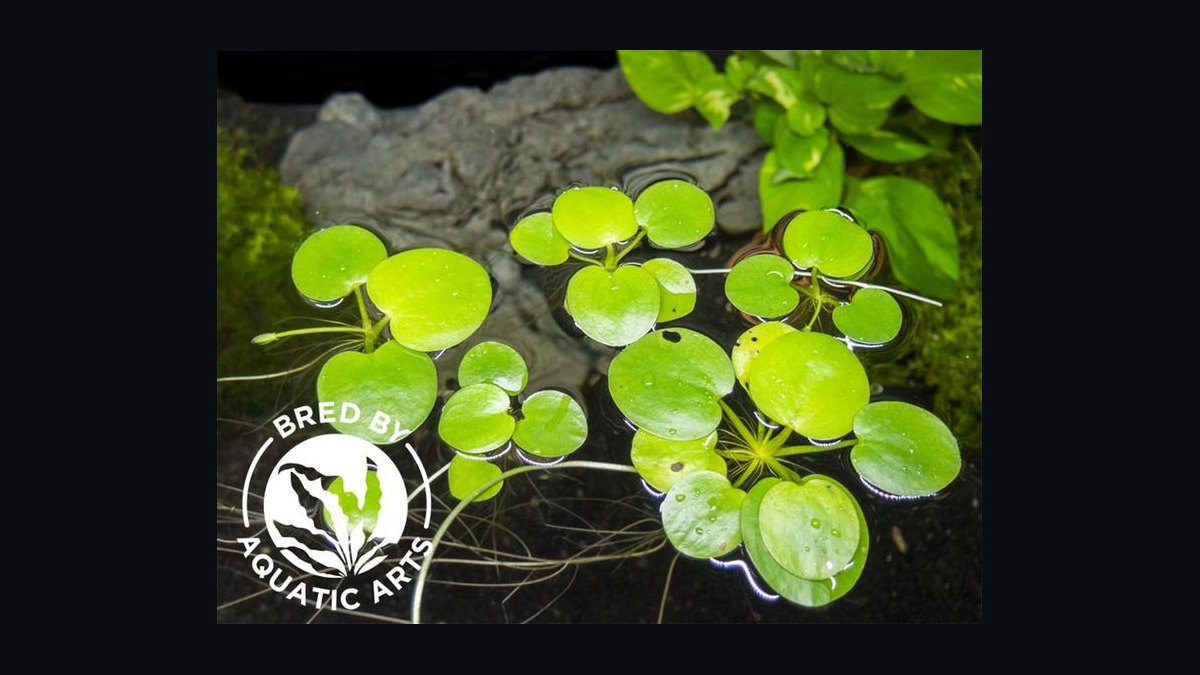
Floating aquarium plants earn their keep in three ways: they soak up nitrate and ammonia as a fast-growing nutrient sponge, they throw dappled shade that calms skittish fish and tames algae, and they give labyrinth fish like bettas and gouramis a place to build bubble nests. This ranking is built for beginner and intermediate planted-tank keepers who want low-tech, no-CO2 greenery that thrives under modest light. We judged the field on growth rate, hardiness, footprint at the surface, how much each plant draws from the water column, and how easy it is to keep one species from smothering your entire tank. Below are ten genuinely useful floaters, each with honest pros, cons, and a verdict.
The best overall floating plant is Amazon Frogbit (Limnobium laevigatum) at roughly $5 to $8 per small portion, because it balances heavy nutrient export with manageable, tidy growth. The best value pick is Common Duckweed (Lemna minor), often free from a fellow hobbyist and unmatched at nitrate stripping. One caution: every floater on this list needs a low-flow surface and good air circulation under the lid, or it will rot or get pushed underwater.
How We Ranked
- Nutrient uptake — how aggressively the plant pulls nitrate, phosphate, and ammonia from the water column, the core job of a floater.
- Hardiness — tolerance of imperfect light, fluctuating temperature, and beginner mistakes without melting.
- Footprint and spread — how fast it covers the surface and whether it can be thinned without a fight.
- Root structure — dangling roots that give fry and shrimp cover and act as a biological filter.
- Flow and lid tolerance — whether it survives surface agitation, condensation, and warm trapped air under a hood.
1. Amazon Frogbit 🏆 BEST OVERALL
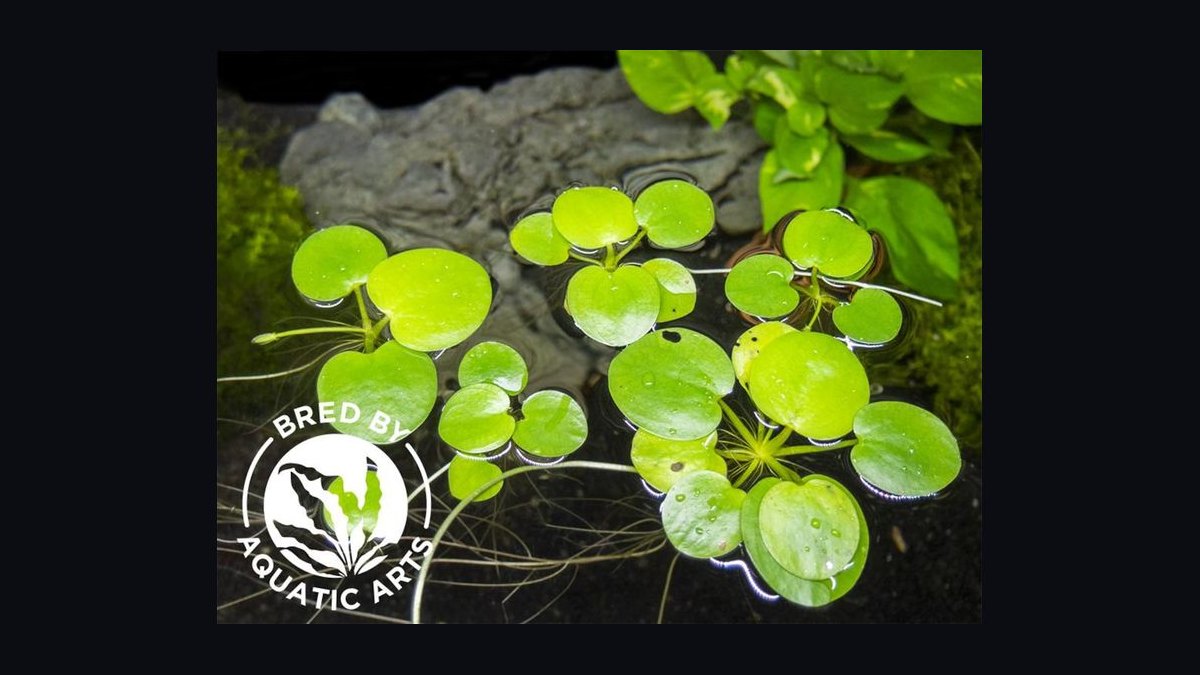
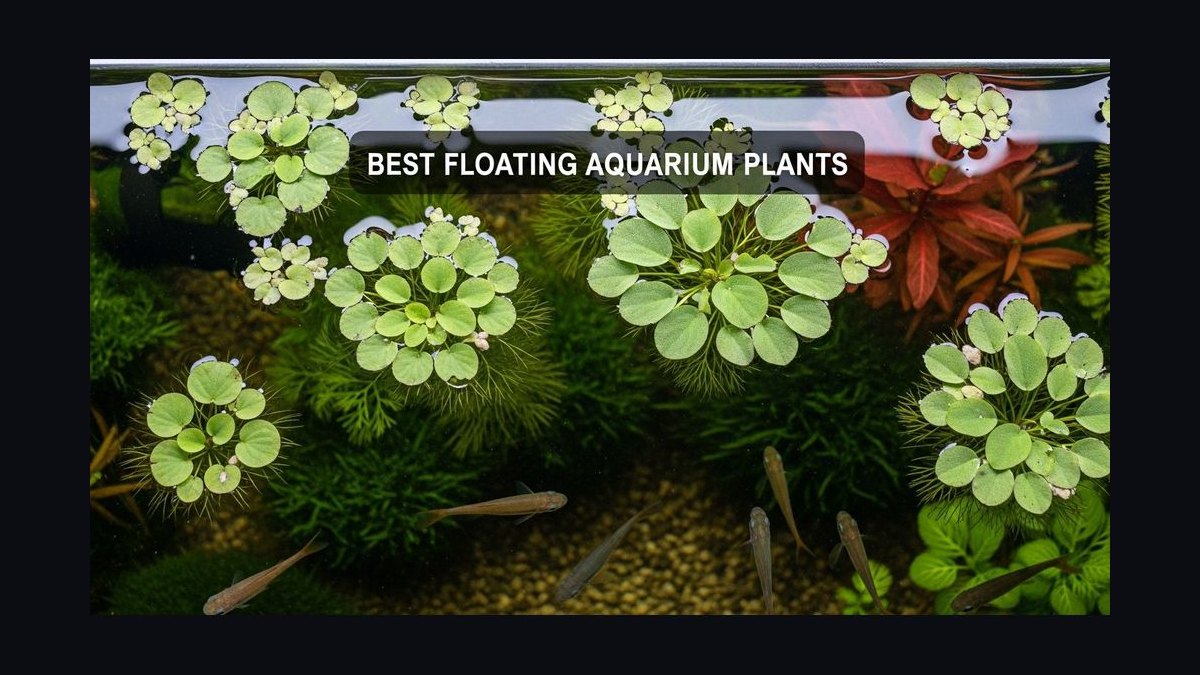
Amazon Frogbit (*Limnobium laevigatum*) is the floater most keepers settle on once they have tried the others. Each rosette of round, lily-pad-style leaves sits flat on the surface and trails a thick beard of white roots that can reach 4 to 8 inches long, giving shrimp and fry a forest to hide in.
It thrives between 68 and 82 degrees F, in pH 6.0 to 7.5, and asks for nothing more than a standard LED hood. Its nutrient draw is heavy, so it reliably pulls nitrate down in an overstocked tank.
The leaves grow large, roughly the size of a quarter to a half-dollar, which means it covers the surface without the suffocating density of duckweed. New plantlets break off the parent on runners, so thinning is a matter of scooping out the spares. Keep water droplets off the leaf tops, since trapped condensation under a tight lid causes the surface fuzz to rot.
A small gap in the lid or a glass cover with airflow keeps it pristine.
- Price / Cost: ~$5 to $8 per small portion
- Pros: Heavy nutrient export, easy to thin, long shrimp-friendly roots, large attractive leaves
- Cons: Melts under a sealed humid lid, needs decent light to stay compact
Verdict: The most balanced floater for nearly any freshwater tank.
2. Common Duckweed 💎 BEST VALUE

Common Duckweed (*Lemna minor*) is the cheapest and most effective nitrate remover you can put in a tank, frequently passed along free by other hobbyists.
Each plant is a tiny 2 to 4 millimeter frond with a single hair-like root, and it reproduces so fast it can double its coverage in two to three days under good light. For a heavily stocked goldfish or cichlid tank fighting algae, nothing strips the water column faster.
That speed is also its danger. Duckweed gets everywhere, hitchhikes on nets, and is nearly impossible to fully eradicate once established. It tolerates 60 to 85 degrees F and almost any pH from 5.0 to 9.0, making it functionally bulletproof.
Thin it weekly with a fine net or it will form a blanket thick enough to block gas exchange and shade out everything below.
- Price / Cost: ~$0 to $4 (usually free from other keepers)
- Pros: Unmatched nitrate export, free, eats algae's lunch, bulletproof hardiness
- Cons: Invasive, hard to remove, clogs filters and nets, can over-shade
Verdict: The value champion if you commit to regular thinning.
3. Water Lettuce
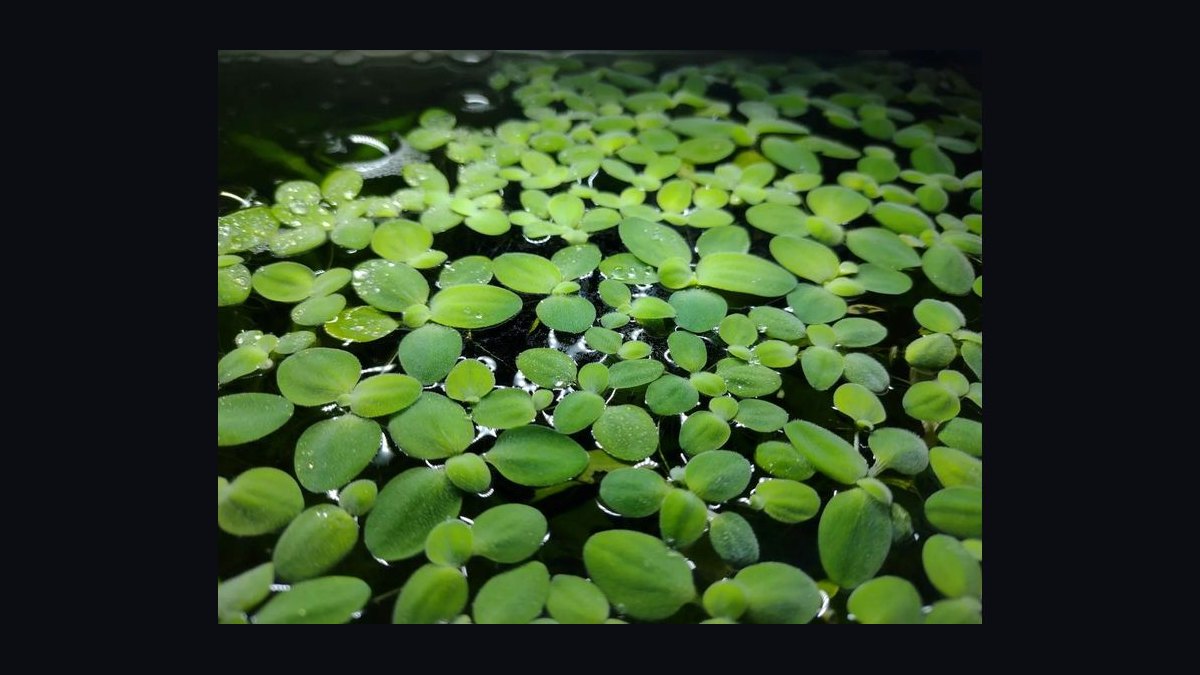
Water Lettuce (*Pistia stratiotes*) forms ruffled, velvety rosettes that look like floating heads of lettuce and trail dense, feathery roots up to 10 inches long. It is a strong nutrient exporter and a favorite for breeding setups because the root mass shelters fry. It prefers warm water, 70 to 80 degrees F, pH 6.5 to 7.2, and bright light.
The catch is size. Under strong light each rosette can grow to the diameter of a fist, so it suits tanks 20 gallons and up. The fuzzy leaves hate overhead condensation and will brown if water sits on them.
Note that it is a regulated noxious weed in several US states, so never release it into the wild.
- Price / Cost: ~$6 to $10 per plant
- Pros: Excellent fry cover, strong nutrient draw, striking appearance
- Cons: Gets large, melts under humid lids, restricted in some regions
Verdict: A standout for warm, larger, well-lit breeding tanks.
4. Red Root Floater
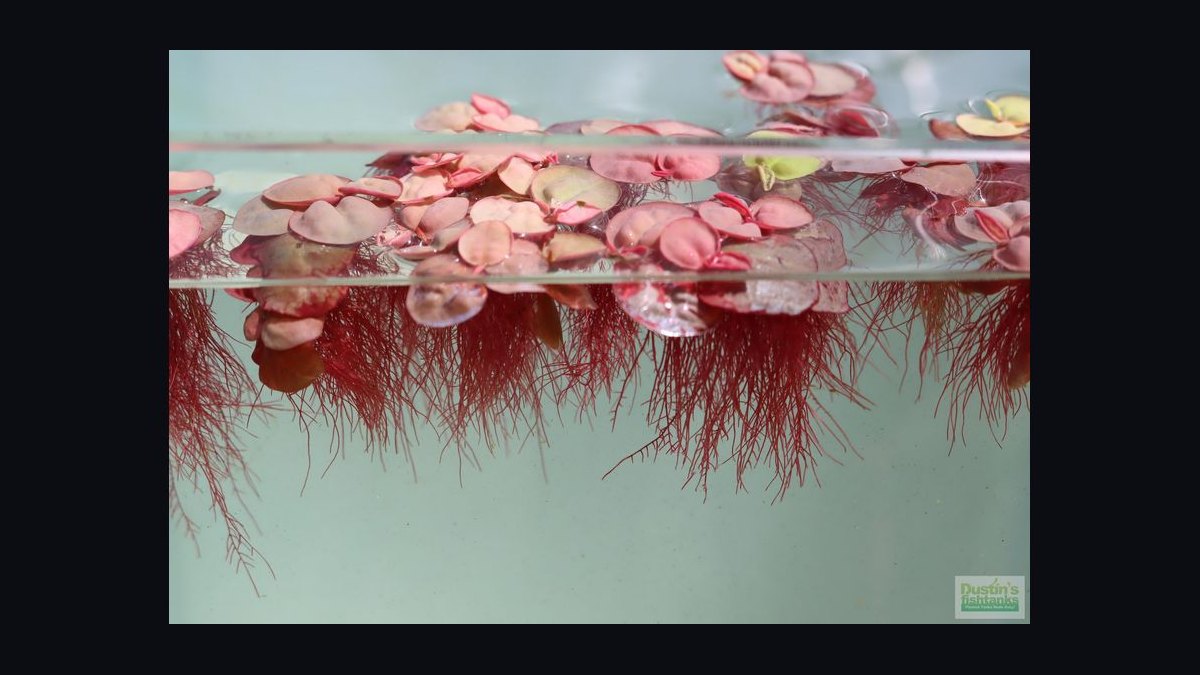
Red Root Floater (*Phyllanthus fluitans*) is the prettiest plant on this list. Under strong light its small round leaves blush deep red and burgundy and it sends down crimson roots, while in low light it stays plain green. Each rosette is small, around a half inch across, so it forms a fine carpet rather than big pads.
It rewards higher light and some iron supplementation, thriving at 72 to 82 degrees F and pH 6.0 to 7.0. Growth is moderate, neither explosive like duckweed nor slow, which makes it manageable.
It is sensitive to surface turbulence and will pile up or sink if your filter return churns the top, so dial the flow down.
- Price / Cost: ~$7 to $12 per portion
- Pros: Beautiful red coloration, moderate controllable growth, good nutrient uptake
- Cons: Needs strong light for color, intolerant of surface flow
Verdict: The top pick when looks matter as much as filtration.
5. Dwarf Water Lettuce
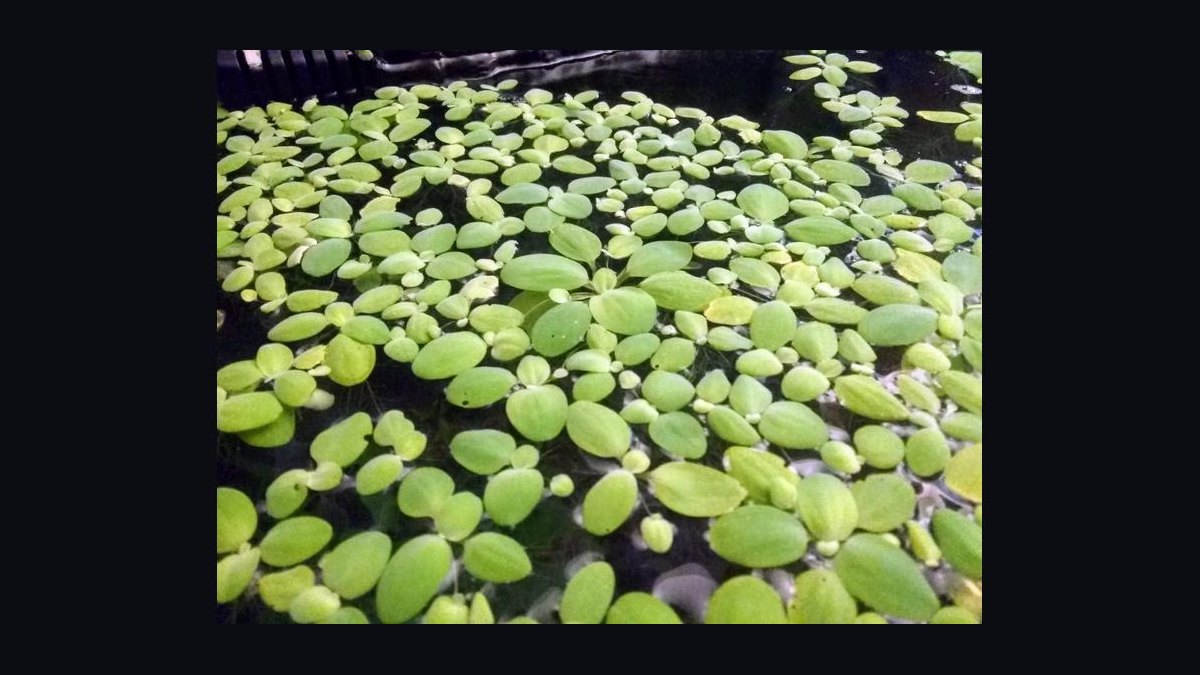
Dwarf Water Lettuce is the compact cultivar of *Pistia stratiotes*, staying around a half to one inch across instead of fist-sized. That makes it the practical choice for nano and 10-gallon tanks where full water lettuce would dominate. It keeps the same trailing roots and the same hungry nutrient appetite, just at a manageable scale.
It likes 72 to 82 degrees F and pH 6.0 to 7.5 with moderate to bright light. Like its larger sibling it resents condensation on the leaves, so leave an air gap. Because it spreads steadily, plan to scoop a handful out every week or two.
The dangling roots are a magnet for shrimplets and betta fry.
- Price / Cost: ~$5 to $9 per portion
- Pros: Compact, fry-friendly roots, strong filtration, suits small tanks
- Cons: Still spreads quickly, melts under humid sealed lids
Verdict: The water-lettuce experience scaled down for smaller tanks.
6. Salvinia (Floating Fern)
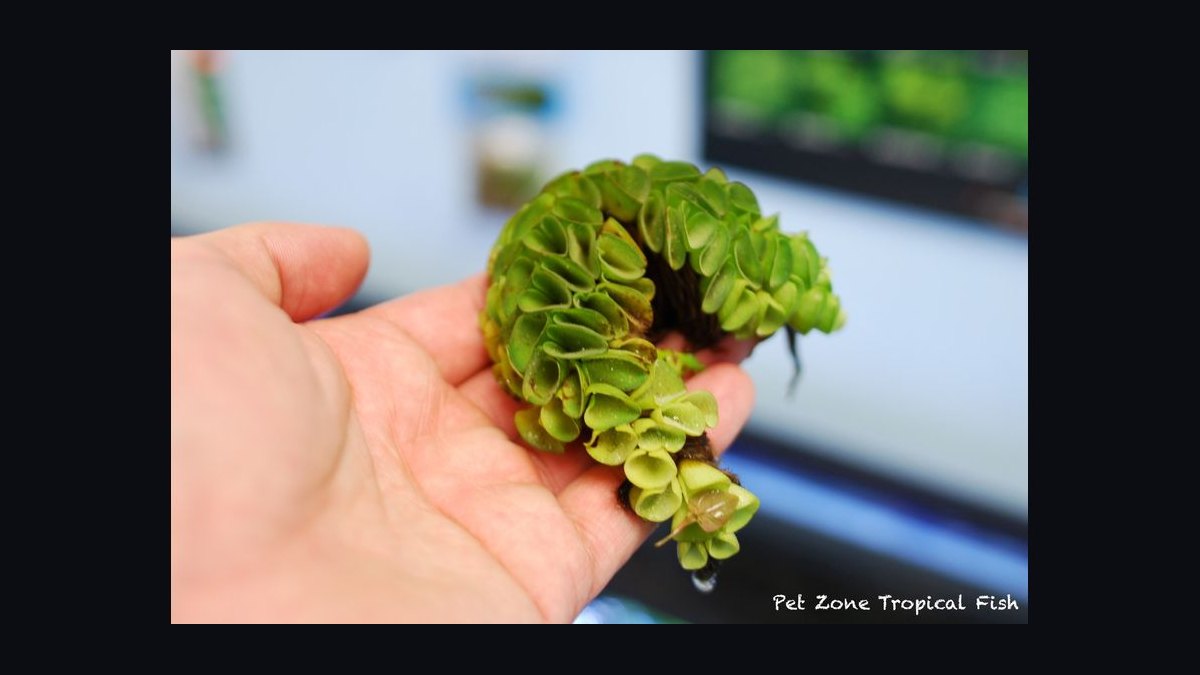
Salvinia (*Salvinia natans* and related species) is a floating fern with paired oval leaves covered in tiny water-repellent hairs that give it a quilted, velvet texture. It grows in branching chains rather than discrete rosettes, so it knits into an attractive mat. Its nutrient draw is solid and it tolerates a wide range, 64 to 86 degrees F and pH 6.0 to 8.0.
The water-resistant coating means Salvinia shrugs off light surface splash better than frogbit or water lettuce, a real advantage near a gentle filter return. Growth is moderate to fast depending on light.
Some species are listed as invasive aquatic weeds, so dispose of trimmings in the trash, never a waterway.
- Price / Cost: ~$5 to $9 per portion
- Pros: Handles light splash, attractive texture, wide temperature range
- Cons: Can be invasive, shorter roots than frogbit, needs thinning
Verdict: A tough, textured floater for tanks with mild surface movement.
7. Frogbit (Hydrocharis morsus-ranae)
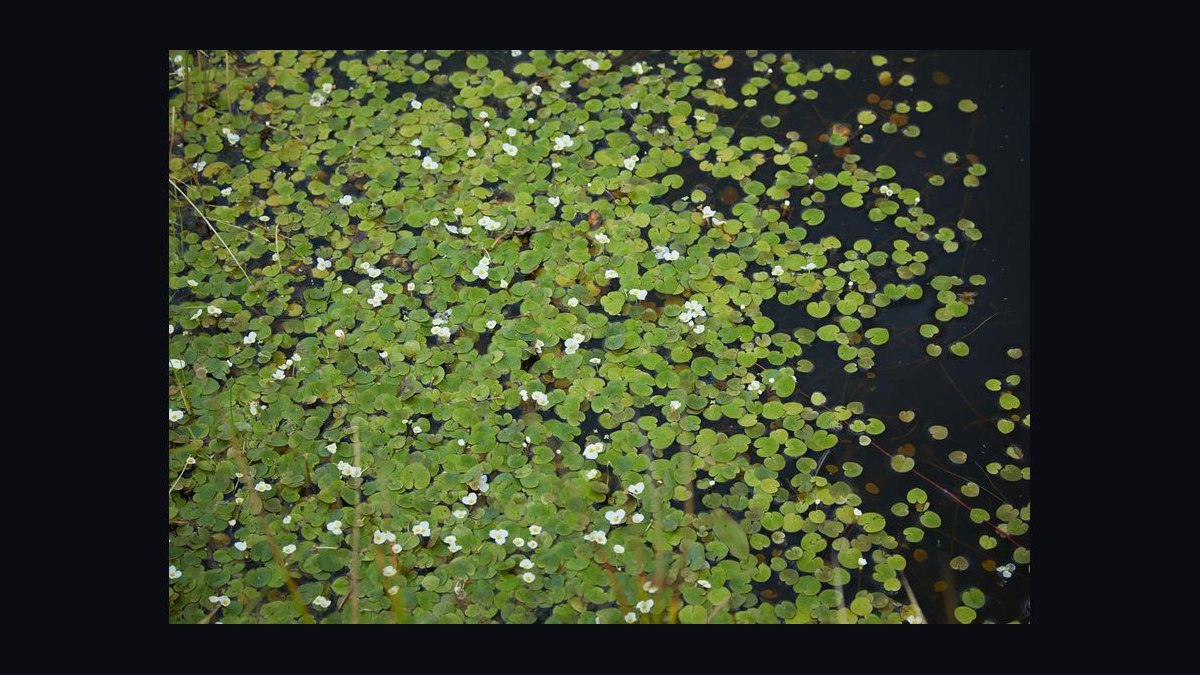
European Frogbit (*Hydrocharis morsus-ranae*) resembles Amazon Frogbit with round leaves and trailing roots but tolerates cooler water, down to the low 60s degrees F, which makes it a fit for unheated or coldwater setups. It exports nutrients well and provides the same shade and root cover.
It handles pH 6.5 to 8.0 and is hardy through temperature swings. In strong light it stays compact; in dim light leaves stretch and pale. Like all frogbits it dislikes water pooling on the leaf surface.
This species is considered invasive in parts of North America, so keep it contained and bin the trimmings.
- Price / Cost: ~$6 to $10 per portion
- Pros: Tolerates cooler water, good nutrient export, shrimp-friendly roots
- Cons: Invasive in some areas, melts under condensation
Verdict: The frogbit choice for coldwater and unheated tanks.
8. Water Sprite (Floating Form)
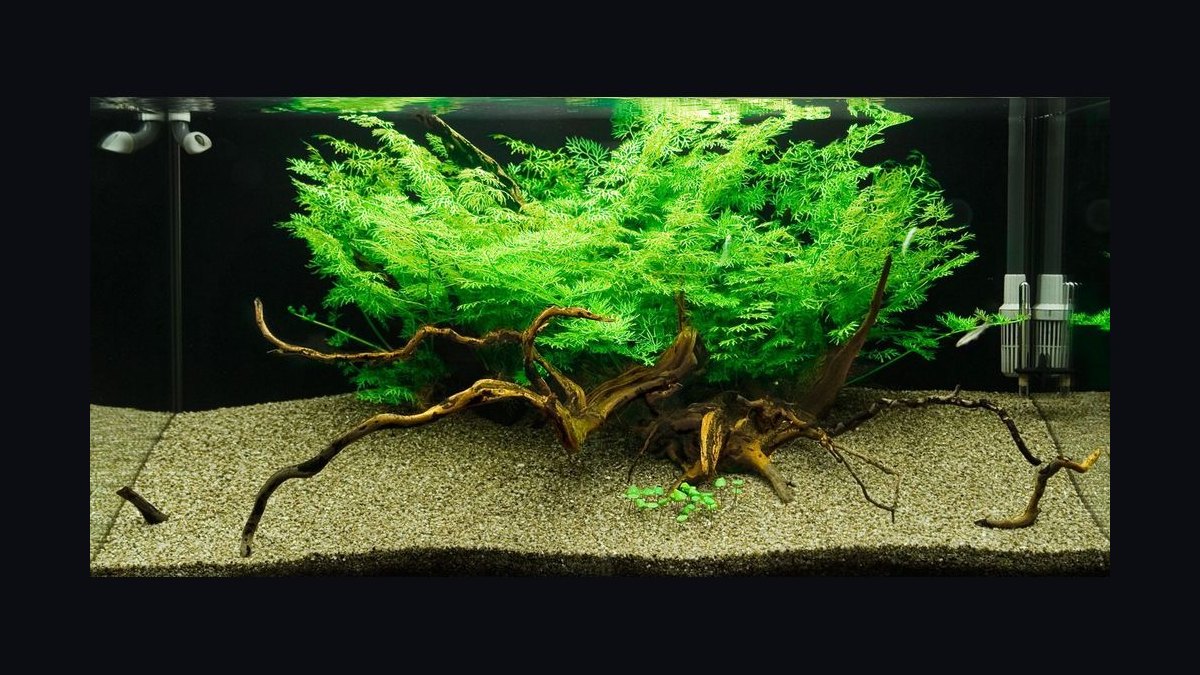
Water Sprite (*Ceratopteris thalictroides*) is a versatile fern that can be planted in substrate or left to float. Floating, it sends lacy fern-like fronds across the surface and dangles long roots, making superb fry cover for livebearers and bettas. It is a fast nutrient sponge that outcompetes algae.
It thrives at 68 to 82 degrees F and pH 6.0 to 7.5 under moderate light. Floating fronds grow large and bushy, so trim regularly to keep the surface from being fully roofed over.
It propagates by producing plantlets along mature leaf edges, which you simply pluck and let drift.
- Price / Cost: ~$5 to $9 per plant
- Pros: Excellent fry cover, fast nutrient uptake, can float or be planted
- Cons: Grows large and bushy, needs frequent trimming
Verdict: A flexible, fry-friendly fern that floats or roots.
9. Hornwort

Hornwort (*Ceratophyllum demersum*) is a rootless stem plant with whorls of stiff, bristly needles. It can be left to drift at the surface where it forms a dense underwater thicket, providing shade and shelter and pulling nutrients fast. It is famously bulletproof and tolerates 59 to 86 degrees F and pH 6.0 to 7.5, even in unheated tanks.
Its standout trait is allelopathy, releasing compounds that suppress algae, which makes it a go-to in green-water battles. The trade-off is that it sheds needles when it adjusts to new water or low light, leaving a mess for a week or two.
Once settled it grows quickly and needs trimming.
- Price / Cost: ~$4 to $7 per bunch
- Pros: Algae-suppressing, extremely hardy, fast nutrient uptake, coldwater safe
- Cons: Sheds needles when stressed, can grow rampant
Verdict: The toughest floating-or-drifting option for fighting algae.
10. Floating Anacharis (Elodea)
Anacharis (*Egeria densa*), also sold as Elodea, is a classic bunch plant that floats happily when left untethered. Its dense whorls of green leaves form a thick mass that fish graze and hide in, and it is a rapid nutrient consumer prized in goldfish tanks. It handles a wide swing of 60 to 82 degrees F and pH 6.5 to 7.5.
Floating, it grows toward the light and can lengthen quickly, so pinch and replant or discard the tips to keep it in check. Like hornwort it can shed lower leaves during acclimation.
It is a regulated species in some regions because of its invasiveness, so dispose of trimmings responsibly in the trash.
- Price / Cost: ~$4 to $7 per bunch
- Pros: Cheap, fast-growing, great for coldwater and goldfish, hardy
- Cons: Restricted in some states, sheds during acclimation, grows leggy
Verdict: A budget coldwater workhorse that doubles as a floater.
How to Choose
What to Look For
Footprint is the first decision: nano and 10-gallon tanks need compact rosettes like Dwarf Water Lettuce or Red Root Floater, while a 30-gallon-plus tank can carry full Water Lettuce or Frogbit. Flow is the second: most floaters hate surface turbulence, so aim your filter return downward or add a spray bar to calm the top, or choose flow-tolerant Salvinia and Hornwort. Watch your filtration load, since a thick floating mat reduces gas exchange and can starve the surface of oxygen overnight, so always leave open water. Finally, quarantine new plants for a week and inspect for snails, pest eggs, and duckweed hitchhikers, and never release any floater into local waterways.
FAQ
How fast do floating aquarium plants grow? Growth varies widely by species. Duckweed can double in days under good light, while Amazon Frogbit grows at a moderate pace, adding a new leaf every few days. Most floaters will need thinning every one to two weeks to prevent surface coverage from blocking light.
Do floating plants need special lighting? No, they thrive under standard aquarium LEDs or even moderate ambient room light. Too much intense light can cause algae on their leaves, while very low light slows growth. A typical 8- to 10-hour photoperiod works well for most species.
Can I keep floating plants with a strong filter? It’s tricky. Most floaters dislike turbulent water and will get pushed under or rot. A sponge filter or a gentle HOB with a pre-filter sponge is best. If your flow is strong, you can corral plants with a floating ring or airline tubing.
Will floating plants kill my other aquarium plants? They can, if allowed to cover the entire surface. Dense floater mats block light from reaching rooted plants below. Regular thinning and leaving some open areas prevents this. Many keepers use floaters specifically to shade out algae without harming hardy low-light plants.
Do I need to fertilize floating plants? Not usually, if your tank has fish waste. They are heavy feeders on nitrate and ammonia, so they often thrive on what fish produce. In very lightly stocked tanks, a small dose of liquid fertilizer every week or two can help maintain growth and color.
How do I prevent floating plants from taking over my tank? Scoop out excess plants weekly with a net or your hand. Duckweed needs the most frequent removal, while larger species like Water Lettuce are easier to control. Some hobbyists keep a separate bucket or tub for extra floaters to share or compost.
Bottom Line
For most freshwater keepers, Amazon Frogbit is the best overall floating plant, balancing strong nutrient export with tidy, easy-to-thin growth and shrimp-friendly roots. If budget is the priority, Common Duckweed is the best value, stripping nitrate faster than anything else for next to nothing, provided you commit to weekly thinning. Match the plant to your tank size and flow, leave open water for gas exchange, and never release floaters into the wild.
Related on PULSE
- [Top 10 Aquarium Carpeting Plants 2027](/knowledge/pt0200)
- [Top 10 Low-Light Aquarium Plants 2027](/knowledge/pt0147)
- [Top 10 red aquarium plants 2027](/knowledge/pt0136)
- [Top 10 par value for plants 2027](/knowledge/pt0319)
- [Top 10 iron supplements for plants 2027](/knowledge/pt0287)
- [Top 10 goldfish friendly plants 2027](/knowledge/pt0213)
Sources
- Aquarium Co-Op plant care guides
- Seriously Fish species profiles
- Buce Plant floating plant resources
- Fishlore aquarium plant forums
- The Planted Tank community care threads
- USDA and state aquatic invasive species lists
*Keywords: Top 10 Floating Aquarium Plants 2027 — review, reviews, rating, comparison, best of 2027.*
People also search for: best floating aquarium plants 2027 · top floating aquarium plants 2027 · top rated floating aquarium plants 2027 · top ranked floating aquarium plants 2027 · highest rated floating aquarium plants 2027 · floating aquarium plants reviews 2027
This page will be disappearing soon. Save it to your device for $1 — or read it free while it is here.
@Kory-White- · if Venmo asks, the last 4 of my number are 2012
This page is gone.
This one is off the shelf now. $1 keeps it on your phone for good — the whole page, pictures and diagrams included.
 pulse-petsTop 10 aquarium cycling methods 2027
 pulse-petsTop 10 desktop aquarium kits 2027
 pulse-petsTop 10 Algae-Eating Fish 2027
 pulse-petsTop 10 Aquarium Water Test Kits 2027
 pulse-petsTop 10 aquarium lighting systems 2027
 pulse-petsTop 10 Aquarium Gravel Vacuums 2027
 pulse-petsTop 10 best frozen fish foods 2027
 pulse-petsTop 10 Beginner Freshwater Fish 2027
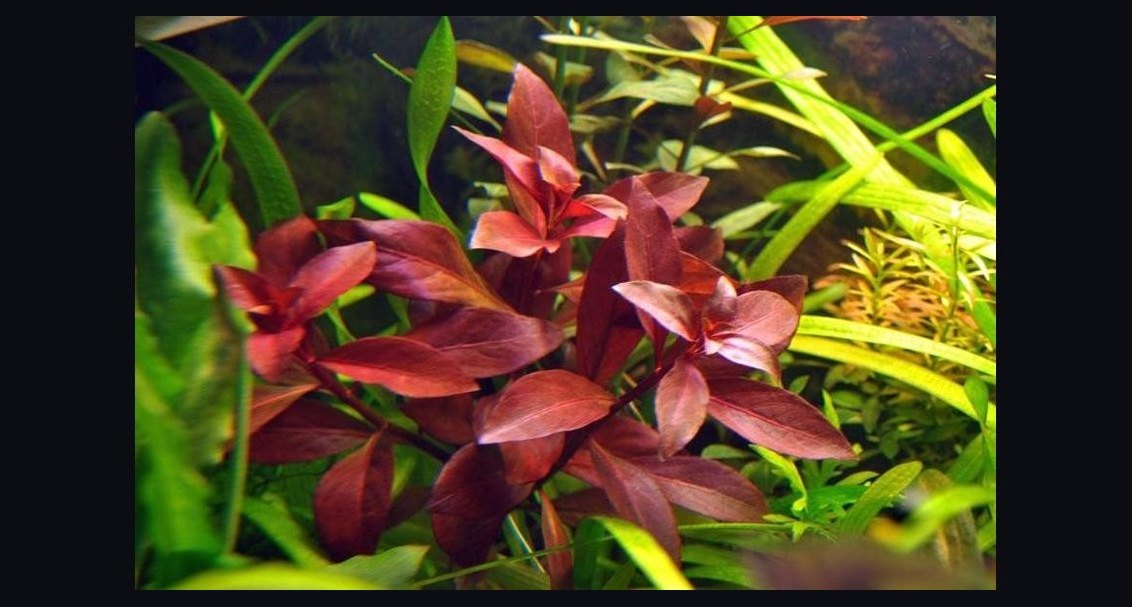 pulse-petsTop 10 red aquarium plants 2027
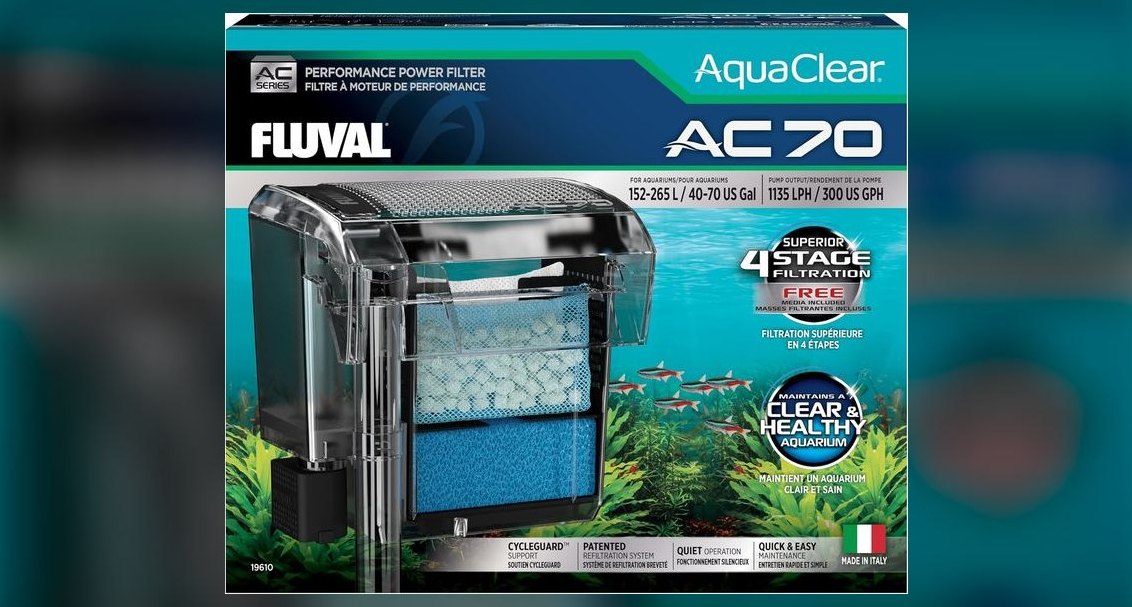 pulse-petsTop 10 Hang-On-Back Aquarium Filters 2027