 Pulse Reviews and Analysis
Top 10 Plecos for Aquariums 2027
 Curated by Kory White · Fractional CRO, CRO Syndicate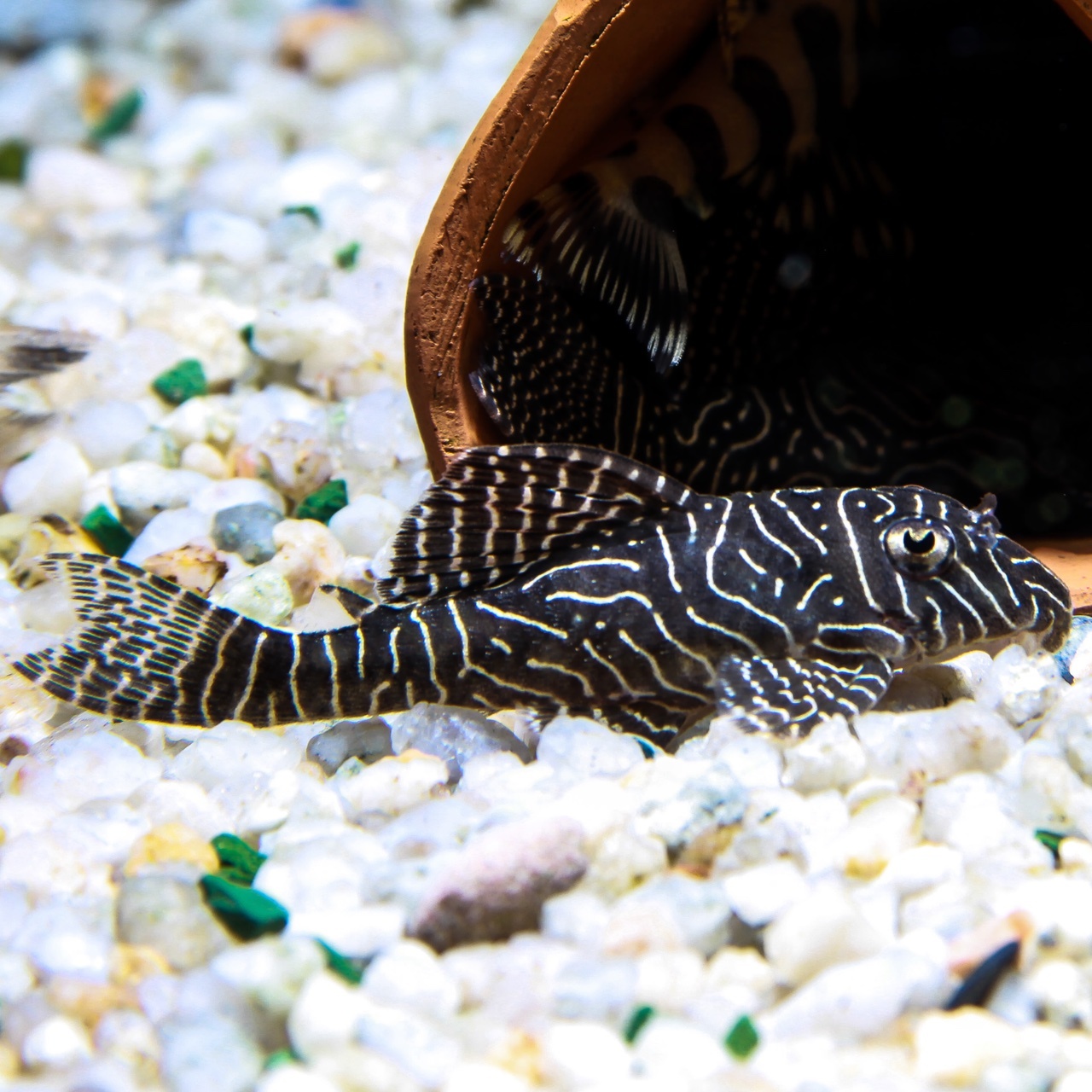
Top 10 Plecos for Aquariums 2027
The word "pleco" covers dozens of armored suckermouth catfish in the family Loricariidae, and they range from a polite three-inch algae nibbler to a bus-sized tank-buster that outgrows almost every home aquarium. This guide is built for freshwater keepers of every level: beginners who want a hardy clean-up crew, planted-tank owners who need wood-rasping help without uprooted carpets, and intermediate fishkeepers chasing colorful L-number display species.
We judged the field on adult size versus realistic tank footprint, bioload and waste output, temperament toward tankmates and plants, ease of feeding, and how forgiving each species is of typical water parameters. Prices reflect common 2027 US livestock-store ranges, not collector auctions.
Direct Answer
The best overall pleco for most home aquariums is the Bristlenose Pleco (Ancistrus sp.) — it maxes out near 4-5 inches, eats algae and biofilm reliably, and breeds easily, typically $8-$20 each. The best value is the Clown Pleco (Panaqolus maccus), a true wood-eating dwarf that stays under 4 inches and thrives in nano-friendly setups for around $10-$18.
Avoid the Common Pleco unless you own a stock-tank-sized aquarium; size, not price, is the trap most buyers fall into.
How We Ranked
- Adult size vs. Footprint — a pleco that fits the tank for a month but not for life is a failed purchase, so realistic adult length drove every score.
- Bioload and waste — large plecos are messy eaters and heavy waste producers, raising filtration and water-change demands.
- Temperament — sucking on slime-coated tankmates, plant damage, and male-on-male aggression were all penalized.
- Diet and feeding ease — species that take sinking wafers, vegetables, and driftwood readily scored over picky specialists.
- Hardiness and availability — forgiving water-parameter ranges and steady captive-bred supply rounded out the ranking.
1. Bristlenose Pleco (Ancistrus sp.) 🏆 BEST OVERALL

The Bristlenose earns the top spot because it does the job people actually buy a pleco for — eating algae — without becoming a monster. Adults top out around 4 to 5 inches, so a single fish is comfortable in a 20-gallon or larger tank with a footprint of roughly 24 by 12 inches.
They graze green and brown algae, biofilm, and blanched vegetables like zucchini and cucumber, and they rasp gently on driftwood for fiber.
Water chemistry is forgiving: 72-80 F, pH 6.5-7.5, and soft to moderately hard water all work. Males grow the namesake bushy snout tentacles; females stay smoother. They breed readily in caves, which keeps captive-bred stock cheap and plentiful.
Long-finned and albino color forms are widely sold. A bonus: they leave plants and tankmates alone, unlike many larger cousins.
- Price / Cost: ~$8-$20 each
- Pros: Stays small, genuinely eats algae, plant-safe, breeds easily, very hardy.
- Cons: Still a notable waste producer, needs driftwood, can be shy and nocturnal.
Verdict: The default correct pleco for nearly every community tank.
2. Clown Pleco (Panaqolus maccus) 💎 BEST VALUE

The Clown Pleco delivers the most fishkeeping value per dollar because it stays genuinely tiny — 3 to 4 inches — and is happy in a 15 to 20 gallon footprint. Its handsome tan-and-black banding looks great against dark substrate, and it is one of the true xylivores, meaning it must have driftwood to rasp; the wood fiber is a dietary requirement, not decoration.
Keep it at 73-82 F, pH 6.5-7.8, in well-oxygenated water with strong flow, since these fish come from fast streams. They are peaceful and reclusive, hiding in wood caves by day. Do not expect heavy algae control — their real job is wood-grazing and detritus cleanup. Provide at least one piece of soft driftwood per fish.
- Price / Cost: ~$10-$18 each
- Pros: Truly dwarf, attractive pattern, nano-compatible, peaceful, long-lived.
- Cons: Requires driftwood, modest algae eater, shy, prefers strong flow.
Verdict: The smartest small-tank pleco buy on the list.
3. Rubber Lip Pleco (Chaetostoma sp.)

The Rubber Lip is the cool-water specialist and one of the best dedicated algae grazers. Adults reach 4 to 5 inches and suit a 20-gallon long or larger. Unlike most plecos, they prefer cooler, oxygen-rich water — 68-78 F — making them excellent companions for White Cloud Mountain Minnows, danios, and unheated or lightly heated tanks.
They graze green spot algae and biofilm aggressively and are entirely plant-safe, which sets them apart from larger Hypostomus species. Provide pH 6.5-8.0 and good current. Their flatter, rubbery lips give them a distinct look, and they are far less prone to sucking on slow tankmates than some larger plecos.
- Price / Cost: ~$12-$25 each
- Pros: Strong algae eater, plant-safe, cool-water tolerant, stays small.
- Cons: Needs high oxygen, can be sensitive to poor water quality, sometimes picky.
Verdict: The best choice for cooler community tanks and serious algae problems.
4. Zebra Pleco (Hypancistrus zebra, L046)

The Zebra Pleco is the jewel of the hobby — a striking black-and-white L046 that stays only 3 to 4 inches. It is a display animal, not a cleaner, and it commands a high price because wild export from Brazil's Rio Xingu is restricted; nearly all stock is captive-bred.
These fish want warm, soft, very clean water: 79-86 F, pH 6.0-7.0, with strong flow and high oxygen. They are carnivorous, taking sinking carnivore wafers, bloodworms, and brine shrimp rather than algae. House them in groups with caves for breeding.
Patience and stable parameters are mandatory, so this is an intermediate-to-advanced pick.
- Price / Cost: ~$80-$200 each
- Pros: Stunning pattern, stays small, peaceful, breedable, high collector value.
- Cons: Expensive, carnivorous (eats no algae), warm/clean water demands.
Verdict: The best pleco when you want a centerpiece, not a janitor.
5. Common Pleco (Hypostomus plecostomus)

The Common Pleco is the most sold and most regretted pleco in the hobby, included here as the honest cautionary benchmark. It is a hardy, inexpensive algae eater as a juvenile, but it grows to 15 to 24 inches and demands a 125-gallon or larger tank with a footprint over 6 feet.
Buyers who keep it in a 29-gallon tank end up with a stunted, polluting giant.
For keepers with the space — large community tanks or stock tanks — it tolerates 72-86 F and pH 6.5-8.0 and devours algae and sinking food. As an adult it produces enormous waste and may suck on the slime coats of flat-bodied tankmates. Buy only with a true long-term plan.
- Price / Cost: ~$5-$15 each (juvenile)
- Pros: Cheap, extremely hardy, voracious algae eater while young.
- Cons: Grows huge, massive bioload, can harass tankmates, frequently rehomed.
Verdict: Only for owners of genuinely large tanks; otherwise the classic mistake.
6. Royal Pleco (Panaque nigrolineatus, L190)

The Royal Pleco is a spectacular large display fish with marbled gray-and-black striping and red eyes. It reaches 13 to 17 inches and needs a 125-gallon-plus tank, so it belongs to dedicated large-tank keepers. As a true wood-eater, it must have abundant driftwood, which it grinds down with spoon-shaped teeth.
Keep it at 73-82 F, pH 6.5-7.5, with powerful filtration and strong flow. Despite its size it is largely peaceful, though adult males can be territorial. Supplement wood-grazing with vegetables and sinking wafers. This is a long-term commitment fish that can live well over a decade.
- Price / Cost: ~$30-$80 each
- Pros: Gorgeous markings, peaceful, long-lived, true wood-eater.
- Cons: Very large, needs huge tank and heavy filtration, requires driftwood.
Verdict: A showpiece for committed big-tank fishkeepers.
7. Snowball Pleco (Hypancistrus inspector, L102)

The Snowball Pleco is a medium-sized L102 prized for its dark body dotted with crisp white spots. Adults reach 6 to 7 inches, fitting a 40 to 55 gallon tank. Like its Hypancistrus relatives it is carnivorous, favoring sinking pellets, bloodworms, and frozen foods over algae.
It wants warm, soft, clean water at 79-86 F, pH 5.5-7.0, with caves and steady flow. Temperament is peaceful and somewhat shy; provide hiding spots and it will become more confident over time. A great mid-tier display pleco that is more affordable than a Zebra while offering similar care needs and looks.
- Price / Cost: ~$40-$90 each
- Pros: Eye-catching spots, manageable size, peaceful, breedable.
- Cons: Carnivore (no algae control), warm/soft water needs, often hides.
Verdict: A beautiful, attainable alternative to the pricey Zebra.
8. Gold Nugget Pleco (Baryancistrus xanthellus, L018)

The Gold Nugget is one of the most popular display plecos thanks to its black body covered in bright yellow-gold spots and a yellow-edged fin trim. The L018 reaches 7 to 9 inches and needs a 55 to 75 gallon tank with strong current and pristine water, since it is sensitive to nitrate and low oxygen.
Keep it at 78-86 F, pH 6.5-7.5. Diet leans omnivorous-to-herbivorous, taking algae, blanched vegetables, and quality sinking foods. It can be territorial with its own kind, so give one fish per tank unless space is large. Demanding water-quality standards make this a fish for keepers who already nail their husbandry.
- Price / Cost: ~$40-$100 each
- Pros: Striking color, eats some algae, impressive display fish.
- Cons: Sensitive to water quality, needs high oxygen, can be territorial.
Verdict: A standout centerpiece for well-maintained warm tanks.
9. Sailfin Pleco (Pterygoplichthys gibbiceps, L083)

The Leopard Sailfin is the more attractive, slightly more manageable alternative to the Common Pleco. Its huge spotted dorsal fin and leopard pattern make it a genuine showpiece, but it still reaches 13 to 18 inches and requires a 125-gallon-plus tank. It is a strong algae and vegetable eater with a correspondingly large bioload.
Hardy and adaptable, it accepts 72-86 F and pH 6.5-8.0. Provide robust filtration, driftwood, and plenty of swimming room. It is generally peaceful but, like other big plecos, may occasionally rasp on flat-sided tankmates. Choose it over the Common Pleco for looks and a marginally smaller adult size.
- Price / Cost: ~$15-$40 each
- Pros: Beautiful sailfin, good algae eater, hardy and adaptable.
- Cons: Very large, heavy waste output, needs a big tank.
Verdict: The handsome big-tank workhorse if you have the gallons.
10. Candy Striped Pleco (Peckoltia compta, L015)

The Candy Striped Pleco, an L015 Peckoltia, closes the list as a compact, peaceful display fish with bold cream-and-dark zebra-like striping. It stays around 4 to 5 inches, comfortable in a 30-gallon footprint, making it far easier to house than the giant species.
It prefers warm, clean water — 77-84 F, pH 6.0-7.5 — with caves and good flow. Diet is omnivorous, leaning carnivore: sinking wafers, frozen bloodworms, and occasional vegetables. Calm and slow to emerge, it pairs well with peaceful community fish.
A reasonably priced way to enjoy an L-number look without the Zebra's expense or the Common's size.
- Price / Cost: ~$25-$50 each
- Pros: Small, striking stripes, peaceful, easy footprint, affordable L-number.
- Cons: Mostly carnivore (little algae help), shy, prefers warm soft water.
Verdict: A tidy, good-looking pleco for mid-size community tanks.
How to Choose
What to Look For
Match the adult size to your tank first; a pleco that needs a 6-foot footprint will never thrive in a 30-inch tank. Account for bioload — large plecos demand oversized filtration and frequent water changes. Decide whether you want an algae eater (Bristlenose, Rubber Lip, Sailfin) or a carnivorous display species (Zebra, Snowball, Candy Striped), because most jewel plecos ignore algae entirely.
Always provide driftwood for wood-eaters like Clown and Royal, keep water parameters stable, and quarantine new arrivals for two to four weeks to catch ich and internal parasites before adding them to the main tank.
FAQ
Do plecos really keep a tank clean? Only some do. Bristlenose, Rubber Lip, and Sailfin plecos eat algae well, but Zebra, Snowball, and most L-number jewels are carnivores that eat sinking foods and contribute waste rather than removing it. No pleco is a substitute for a filter and regular water changes.
How big do plecos get? It varies enormously. Dwarf species like the Clown stay under 4 inches, the popular Bristlenose tops out near 5 inches, while Common and Sailfin plecos can reach 15 to 24 inches and need 125-gallon-plus tanks.
What do plecos eat besides algae? Most take blanched zucchini, cucumber, and spinach, plus sinking algae wafers. Wood-eating species such as Clown and Royal plecos require driftwood to rasp, and carnivorous plecos need protein from bloodworms, brine shrimp, and carnivore pellets.
Can I keep a pleco in a small tank? Yes, if you choose a true dwarf. A Clown, Bristlenose, or Candy Striped pleco suits tanks from 15 to 30 gallons, but never put a Common or Sailfin pleco in a small tank — they will stunt, pollute, and suffer.
Bottom Line
For the great majority of home aquariums, the Bristlenose Pleco is the right answer: small, hardy, genuinely algae-eating, and inexpensive. If budget and tank size are tight, the Clown Pleco is the best value dwarf and the smartest small-tank buy. Reserve the giant Common, Sailfin, and Royal plecos for keepers with truly large tanks, and treat the Zebra and Snowball as carnivorous display jewels rather than cleanup crew.
Sources
- Seriously Fish — Loricariidae species profiles and water-parameter data
- PlanetCatfish — L-number catalog and Cat-eLog care sheets
- Aquarium Co-Op — Bristlenose and Clown Pleco care guides
- Fishlore — community pleco care and tank-size discussions
- Seachem and API — water-quality and aquarium husbandry references
- Practical Fishkeeping — suckermouth catfish husbandry articles
*Keywords: Top 10 Plecos for Aquariums 2027 — review, reviews, rating, comparison, best of 2027.*