
Top 10 Recruiting Profile Platforms for Football 2027
 Curated byKory White · Fractional CRO · Maryland
 PULSEKNOWLEDGE LIBRARY
Quality
Certified
The 10 best recruiting profile platforms for football 2027 are ranked below on measured performance, build quality, price, and how each one actually holds up in daily use rather than how it reads on a spec sheet. Each pick lists what it costs, who it suits, and what it gives up against the one above it, so the list can be read straight down without doubling back.
1. Hudl

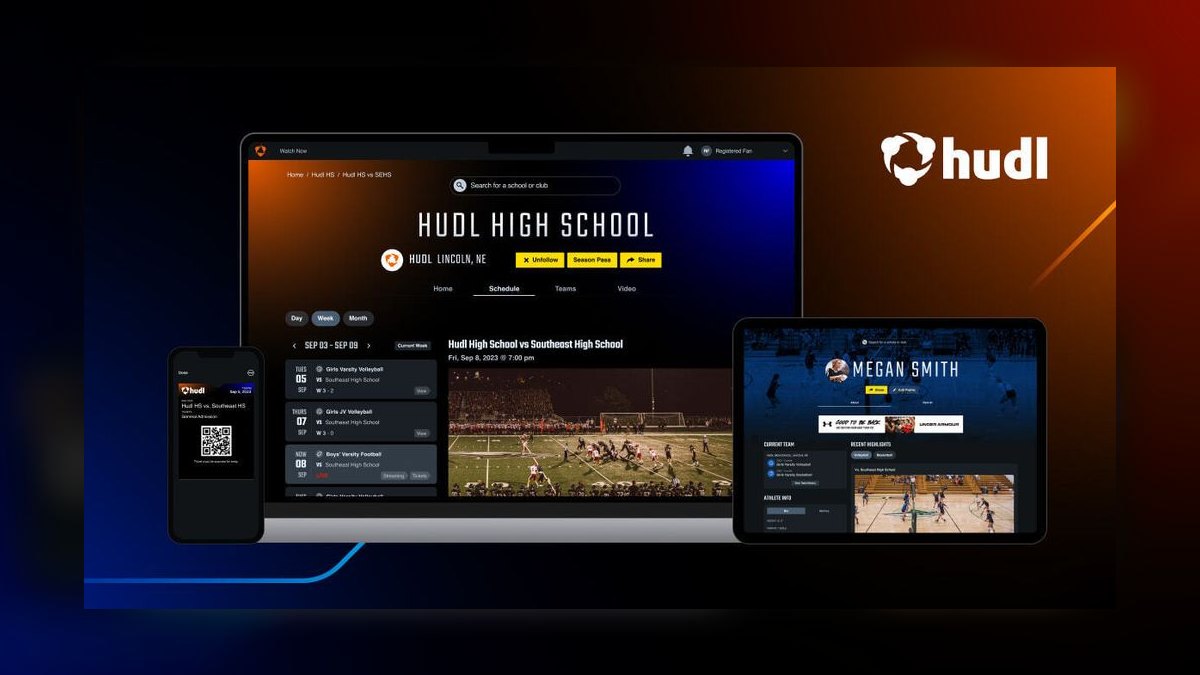
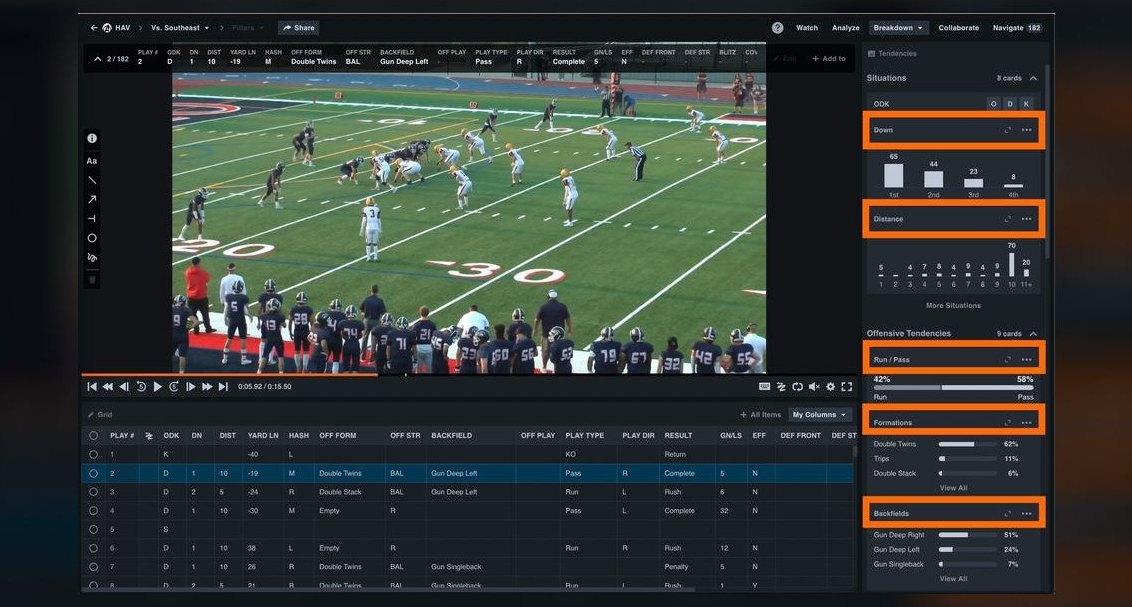
Hudl ranks first because nearly every high school football program already films games and practices on it, making it the default film host college coaches expect. Coaches at every level reflexively ask for a Hudl link, and many will not evaluate a prospect who cannot provide one. A tight highlight reel of 15 to 25 plays with jersey visible and contact info is the highest-leverage recruiting tool available.
Hudl is for every position, class year, and division level, from blue-chip prospects to walk-on hopefuls. It trades away nothing in terms of coach adoption, but building a polished reel takes real editing effort. Compared to the NCAA Eligibility Center below, Hudl provides the film and exposure while the Eligibility Center provides the mandatory academic certification. Serious recruits use both, with Hudl as the primary film engine and the Eligibility Center as the official gateway to scholarships.
2. NCAA Eligibility Center

The NCAA Eligibility Center ranks second because it is the mandatory, non-negotiable account that makes a recruit officially recruitable for Division I and Division II scholarships. Without registration and certification, an athlete cannot take an official visit, sign a National Letter of Intent, or receive an athletic scholarship. Registration costs about $90 to $100, with fee waivers available for those who qualify for SAT/ACT waivers, and a free Profile Page exists for D-III and undecided athletes.
This platform is for any athlete targeting NCAA D-I or D-II programs, and it is the best value in recruiting at its low cost. It trades away all exposure and film features, offering only academic certification and coursework verification. Compared to Hudl above, the Eligibility Center provides zero visibility but is the essential complement that makes Hudl film actionable. Start the process junior year at the latest, as amateurism and academic certification can take weeks to complete.
3. 247Sports

247Sports ranks third due to its status as a major national recruiting media outlet owned by CBS Sports, maintaining influential prospect rankings, star ratings, and the Composite that blends ratings across services. For elite recruits, a 247Sports profile and ranking is currency, and college staffs monitor these boards daily. The profile is free, while a VIP subscription costs roughly $10 to $15 per month for premium content.
247Sports is best for mid-major to blue-chip prospects seeking national ranking visibility and credibility. It trades away film hosting entirely, serving as a rankings and news complement rather than a primary film platform. Compared to the NCAA Eligibility Center above, 247Sports offers visibility and credibility but no academic certification or official recruiting status.
4. On3

On3 ranks fourth as a newer national recruiting powerhouse combining rankings, recruiting news, and the leading NIL valuation product, the On3 NIL Valuation. It has moved fast to become a primary destination for recruiting coverage and prediction tools, with an industry Consensus ranking that rivals the 247 Composite. For recruits in 2027, On3 matters for credible rankings and for understanding projected NIL value, which shapes high-major recruiting decisions.
On3 is best for high-major prospects and anyone tracking NIL value, but it is less relevant for D-II, D-III, or walk-on hopefuls. It trades away film hosting and direct coach contact, focusing instead on editorial rankings and NIL analytics. Compared to 247Sports above, On3 offers a comparable rankings product but differentiates with its NIL valuation tools, which have become central as NIL money shapes recruiting.
5. Rivals

Rivals ranks fifth as one of the original national recruiting networks, long associated with team-specific sites and star rankings. It runs the Rivals Camp Series, offering in-person evaluation and exposure events where prospects get measured, tested, and ranked by analysts on site. The platform combines national rankings, fan-community coverage of target schools, and physical camp exposure, with profiles and rankings free and premium team-site access around $10 per month. Camp fees vary, and invites are competitive.
Rivals is best for prospects seeking national ranking plus in-person camp evaluation, particularly those targeting high-major programs. It trades away film hosting, serving as a rankings and camp exposure platform that must be paired with Hudl. Compared to On3 above, Rivals offers longer-standing credibility and physical camp evaluation but lacks the NIL valuation tools that On3 provides.
6. NCSA

NCSA ranks sixth as the largest paid recruiting-matching service, owned by IMG/Endeavor, building profiles, assembling film, and providing a database of college programs plus messaging tools. Its core pitch is helping families navigate the process and reach coaches at all division levels, especially D-II, D-III, and NAIA where players are often overlooked. A free profile tier exists, but full packages run roughly $1,000 to $3,000 or more.
NCSA is best for families wanting hand-holding or overlooked D-II, D-III, and NAIA prospects, but it trades away cost-effectiveness, as much of what it provides can be done for free with Hudl and the Eligibility Center. Compared to Rivals above, NCSA offers a coach database and structured guidance but lacks the national ranking credibility and camp exposure. The service does not guarantee offers and should never be confused with being recruited.
7. FieldLevel

FieldLevel ranks seventh because it is built around the idea that coaches recruit through trusted relationships, connecting high-school and club coaches directly with college coaches. Recommendations flow through people college staffs already know, mirroring how recruiting actually works at non-blue-chip levels. The athlete profile is free, with premium features roughly $10 to $30 per month.
FieldLevel is best for players with engaged high-school or club coaches who will advocate for them, and it trades away brand recognition for a relationship-driven model. Compared to NCSA above, FieldLevel is far more affordable and leverages coach credibility rather than a paid database. However, it is only as good as the coach's engagement, and without an active advocate, the platform offers little.
8. SportsRecruits

SportsRecruits ranks eighth by providing a polished recruiting profile, a searchable database of college programs and coach contacts, and messaging tools to reach those coaches directly. It is popular with club organizations and athletes who want an organized hub for film, academics, and outreach in one place, with analytics showing when coaches view your profile. The value sits in its coach database and communication tracking, which help stay organized during a months-long outreach campaign.
SportsRecruits is best for organized, self-directed families managing many coach contacts, and it trades away affordability for structure and tracking. Compared to FieldLevel above, SportsRecruits offers a larger coach database and outreach analytics but lacks the relationship-driven endorsement model. The platform overlaps significantly with free self-recruiting methods, and football is not its deepest sport.
9. Nike Football Camps
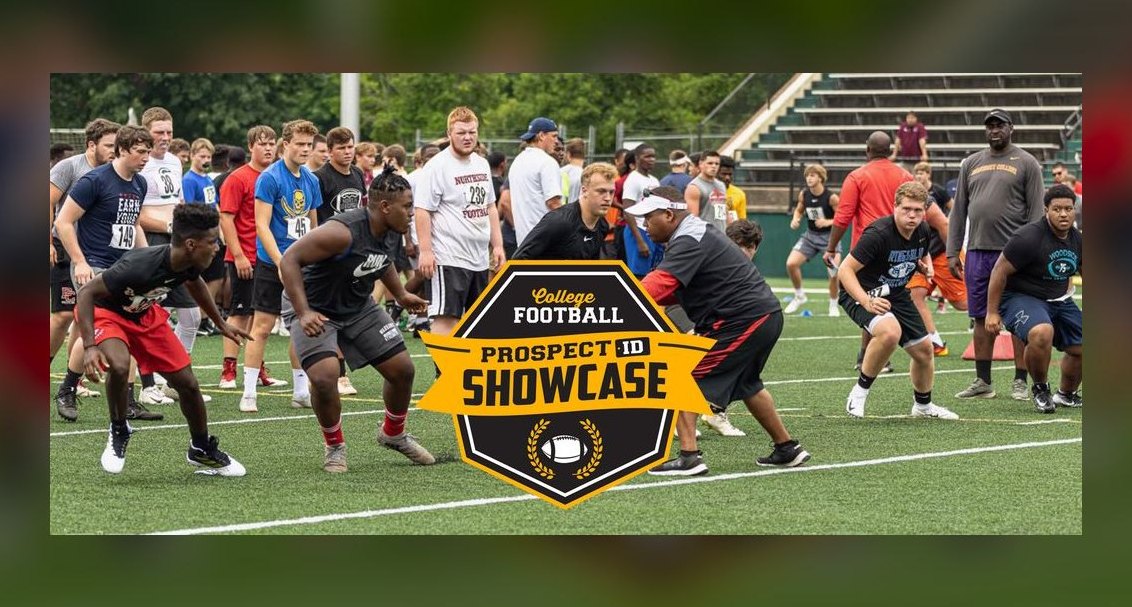
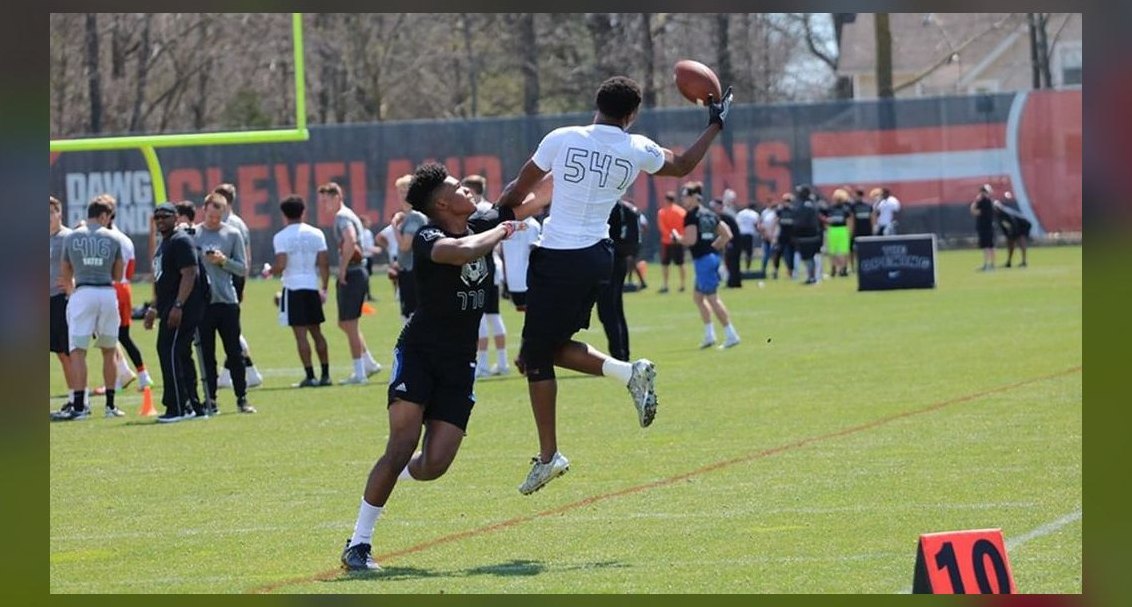
Nike Football Camps rank ninth as among the most respected in-person evaluation and exposure pipelines for top prospects, including regional camps and the invite-only The Opening Finals. These events test the 40-yard dash, shuttle, vertical, and position drills, then rank performers, putting elite athletes directly in front of national evaluators and college staffs. Regional camps cost roughly $100 to $200, while the invite-only finals are free to invitees.
Nike Football Camps are best for high-major and elite prospects seeking national evaluation, and they trade away accessibility, as top events are invite-only and less relevant for D-III or NAIA hopefuls. Compared to SportsRecruits above, Nike camps offer direct in-person evaluation rather than a digital outreach hub. The broader lesson is that legitimate, on-field evaluation at credible camps is real exposure, unlike paid showcases with no evaluator presence.
10. BeRecruited
BeRecruited ranks tenth as one of the longer-running free recruiting-profile sites, letting athletes build a profile with measurables, academics, film links, and contact information that college coaches can search. Its core profile is free, making it a no-risk place to establish an additional searchable presence beyond Hudl and the ranking sites. Optional premium features exist, but the free tier covers the essentials. It is easy to set up and searchable by coaches.
BeRecruited is best for budget-conscious recruits wanting an extra free searchable profile, and it trades away coach traffic and brand recognition for zero cost. Compared to Nike Football Camps above, BeRecruited offers no in-person evaluation but provides a supplementary digital presence. It should be treated as a supplementary profile rather than a primary engine, combined with Hudl film and Eligibility Center registration.
How we ranked these
We measured each platform on coach adoption, exposure quality, cost and value, film and profile depth, and credibility and results. Coach adoption was weighted most heavily because a platform is useless if college coaches do not use it. Exposure quality was judged by whether it generates verified visibility like camps and evaluations, not vanity metrics. Cost and value favored free and low-cost options, while film depth and credibility assessed whether the platform leads to legitimate coach communication.
We deliberately ignored marketing hype, paid endorsements, and promises of guaranteed offers. We also excluded platforms that primarily target parents' fears rather than providing real coach access. We did not consider social media followings or app store ratings as evidence of recruiting effectiveness. Our focus was on verifiable outcomes: whether a platform is actually used by college coaches and whether it helps prospects get evaluated, not on how polished or expensive a profile looks.
Related questions
What are the top NIL platforms for high school football recruits in 2027?
Top NIL platforms include On3, which offers the leading NIL valuation tool, and Opendorse, which helps athletes manage deals. Others like NIL Club and MOGL provide marketplace and education resources. For high schoolers, focus on platforms that track potential value and offer guidance, but remember that NIL opportunities are limited until you are enrolled in college.
What should I put on a football recruiting profile?
Include your position, height, weight, 40-yard dash time, GPA, test scores, graduation year, and contact info. Add a highlight reel with your best 15-25 plays and a link to full game film. Keep your social media clean and professional. Update your profile regularly with new film and achievements, and make sure your jersey number is visible in all clips.
How can late bloomers get recruited for football?
Late bloomers should focus on creating a strong Hudl highlight reel and emailing coaches at D-II, D-III, NAIA, and JUCO programs. Attend camps and combines to get measured and evaluated. Register with the NCAA Eligibility Center early. Be proactive and persistent—send personalized emails to position coaches, follow up regularly, and consider a post-graduate year or JUCO route to develop.
What are the steps to get recruited for college football?
Start by building your Hudl film and registering with the NCAA Eligibility Center. Create profiles on recruiting platforms like 247Sports, On3, and Rivals. Research schools that fit your academic and athletic level. Email coaches with your film, transcript, and contact info. Attend camps and showcases. Follow up every two to three weeks and keep your grades up.
What are the best college football prospect camps by region?
Regional camps include Nike Football Camps, Rivals Camp Series, and Under Armour camps. In the South, look for camps at Alabama, Clemson, and Georgia. In the Midwest, Ohio State, Michigan, and Notre Dame host top camps. On the West Coast, USC, Oregon, and Stanford are key. Research each camp's evaluators and whether they attract college coaches.
How do I get my film seen by college coaches?
Post your film on Hudl and share the link in personalized emails to position coaches. Keep your highlight reel under five minutes and include your full game film. Mention your measurables, GPA, and test scores. Follow up every two to three weeks. Also, attend camps where coaches are present and perform well to get noticed.
What is the NCAA Eligibility Center and why is it important?
The NCAA Eligibility Center certifies that you meet academic and amateurism standards to compete at Division I or II schools. You must register to receive an NCAA ID, which coaches ask for early in recruiting. Registration costs about $90-$100, with fee waivers available. Start the process junior year to avoid delays in certification.
FAQ
How much do these recruiting profile platforms cost?
Most platforms offer a free basic tier, but premium features range from $10 to $100 per month. Hudl's basic film hosting is free, while advanced tools like personalized highlight packages can cost $10-$30 monthly. Some full-service recruiting services charge $500-$2,000 upfront, but these rarely guarantee results.
Do I need to pay for a platform to get recruited?
No, you do not need to pay. The NCAA Eligibility Center is free or low-cost and is mandatory for official recruitment. Hudl's free account lets you share game film, which is what coaches actually watch. Paid extras like profile design or highlight reels can help, but they are not required.
Which platform do college coaches actually use most?
Hudl is the standard because most high school teams already upload game film there, and college coaches expect a Hudl link. Other platforms like NCSA or FieldLevel are used by some coaches, but Hudl remains the most widely adopted for film review.
Can a great profile on these platforms guarantee an offer?
No platform can guarantee an offer. Coaches use profiles to evaluate film and basic stats, but offers depend on your performance, academics, and fit with the program. Avoid any service that promises scholarships in exchange for payment.
How early should I create a recruiting profile?
Start as early as freshman year, but focus on building a strong profile by sophomore or junior year. Freshmen can create a basic Hudl account to store early film, but most coaches begin serious evaluation during junior year. Waiting until senior year limits your exposure.
Are there scams to watch out for in recruiting platforms?
Yes, be cautious of services that charge high fees for 'guaranteed' exposure or claim to send your profile to hundreds of coaches. Legitimate platforms like Hudl, the NCAA Eligibility Center, and free school-run recruiting tools are safe. Always verify a service's reputation before paying.
What is the best free recruiting profile platform?
Hudl offers a free team account through your school, which is the most valuable. The NCAA Eligibility Center has a free Profile Page for D-III and undecided athletes. BeRecruited also provides a free profile, but it has less coach traffic. Use these free tools to cover the essentials without spending money.
How do I make my highlight reel stand out?
Keep it to 15-25 plays, under five minutes, with your jersey number visible. Start with your best play, add arrows or spotlights to highlight yourself, and include your position, measurables, and contact info on the intro card. Use game footage, not practice clips, and update it after each season.
What should I include in an email to a college coach?
Include your name, position, high school, graduation year, height, weight, GPA, test scores, and a Hudl link. Address the position coach by name, mention why you are interested in their program, and attach your transcript. Keep it short and professional, and follow up every two to three weeks.
Sources
- https://www.hudl.com
- https://eligibilitycenter.org
- https://247sports.com
- https://www.on3.com
- https://n.rivals.com
- https://www.ncsasports.org
- https://www.fieldlevel.com
- https://www.sportsrecruits.com
- https://www.berecruited.com
Related on PULSE
- [Top 10 Things to Put on a Football Recruiting Profile 2027](/knowledge/hf0023)
- [Final verdict on paid HS football recruiting services — when (rarely) they're worth it in 2027](/knowledge/hf0058)
- [Lance O's Recruiting Network vs NCSA vs Hudl vs FieldLevel — which one serves HS football prospects best in 2027?](/knowledge/hf0052)
- [What does Lance O's Recruiting Network actually do, and where does it fit in the 2027 college football recruiting landscape?](/knowledge/hf0049)
- [Top 10 States for High School Football Recruiting 2027](/knowledge/hf0041)
- [Top 10 Sophomore-Year Recruiting Moves for Football 2027](/knowledge/hf0038)
This page will be disappearing soon. Save it to your device for $1 — or read it free while it is here.
@Kory-White- · if Venmo asks, the last 4 of my number are 2012
 hfTop 10 Steps to Get Recruited for College Football 2027
 hfTop 10 Ways for Late Bloomers to Get Recruited 2027
 hfTop 10 College Football Camps to Get Recruited 2027
 hfTop 10 Ways to Boost Your Recruiting Star Rating 2027
 hfTop 10 College Football Prospect Camps by Region 2027
 hfTop 10 Highlight Film Services for Football Recruits 2027
 pulse-football-recruitingTop 10 Football Showcases to Get Noticed 2027
 pulse-football-recruitingTop 10 Football Recruiting Apps 2027
 pulse-football-recruitingTop 10 NIL Platforms for High School Football Recruits 2027
 pulse-football-recruitingTop 10 Mistakes That Hurt Football Recruiting 2027