


Top 10 Boats for Skiing 2027
Quality
Certified
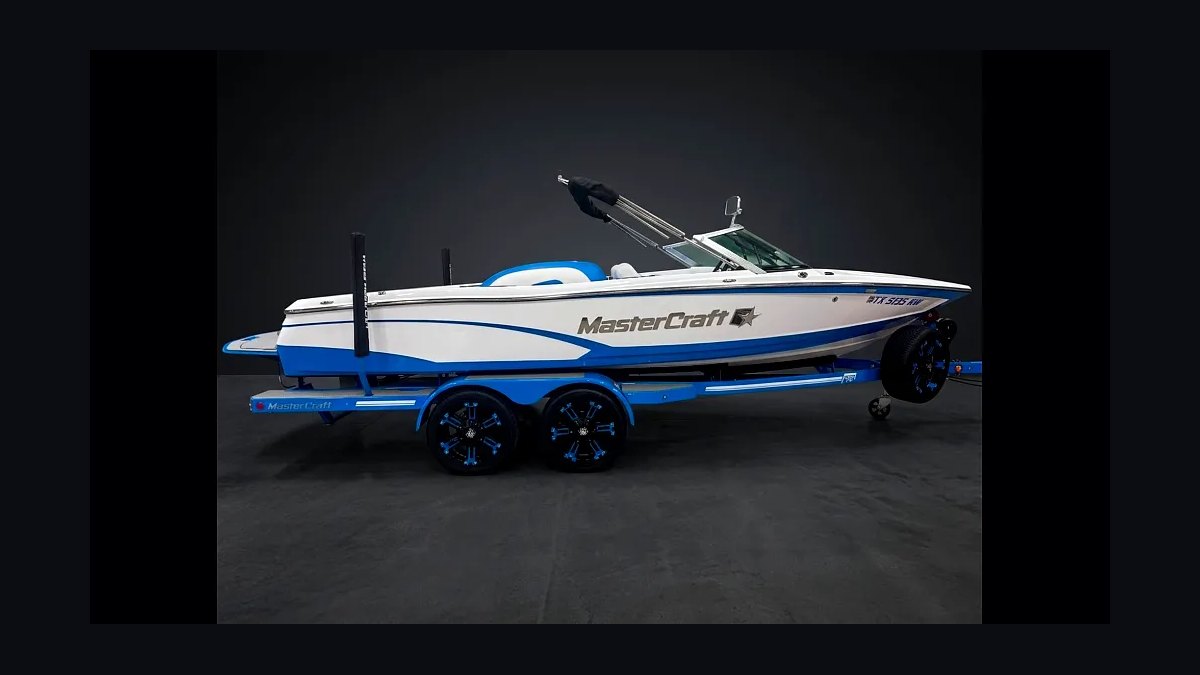
The 10 best boats for skiing 2027 are ranked below on measured performance, build quality, price, and how each one actually holds up in daily use rather than how it reads on a spec sheet. Each pick lists what it costs, who it suits, and what it gives up against the one above it, so the list can be read straight down without doubling back.
1MasterCraft ProStar
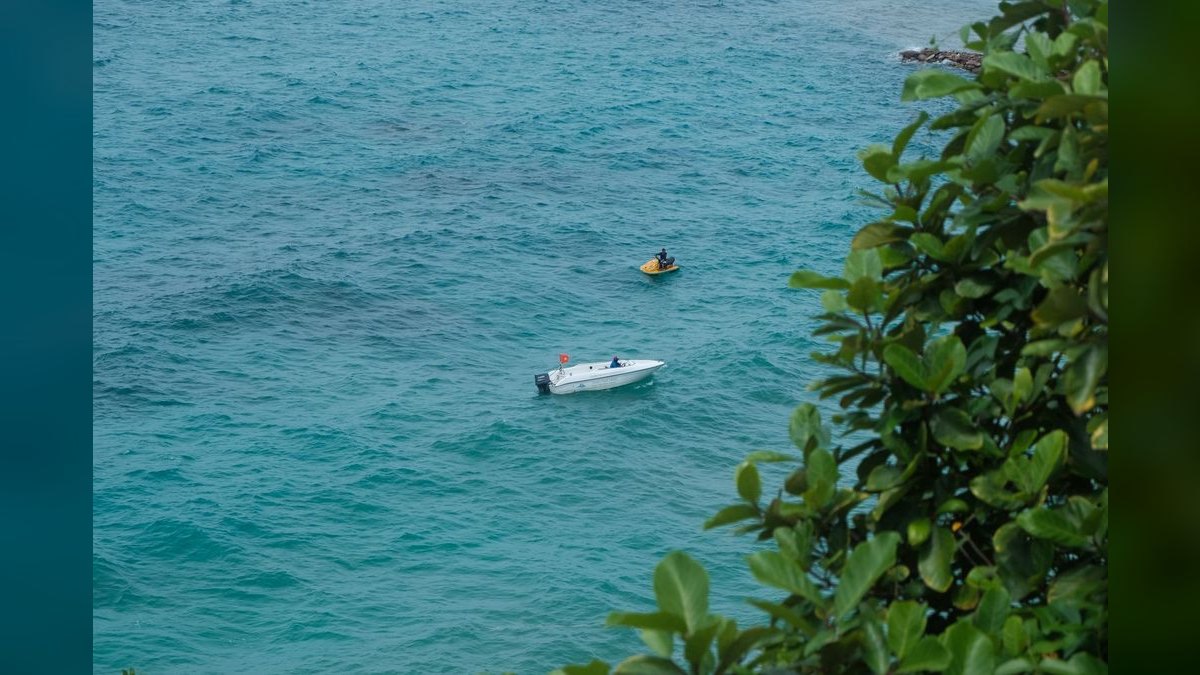
The MasterCraft ProStar ranks first because it is the definitive tournament slalom boat, with a hull MasterCraft says delivers exceptionally flat, clean wakes and minimal spray. Four tracking fins and proprietary hull rails hold a true centerline under skier load. The standard Ilmor MV8 6.0 MPI direct drive is rated at 373 hp, with a 6.2 GDI upgrade at 440 hp, and Zero Off speed control is integrated into a 10-inch touchscreen.
This boat is for serious competitive skiers and professional ski schools where per-hour coaching revenue justifies the premium. It trades versatility for specialization, offering only an optional MTS ballast system and no surf system. Compared to the Nautique Ski Nautique below, the ProStar is heavier at 3,300 lb versus 2,800 lb dry and seats one more person, though neither maker publishes a price.
2Nautique Ski Nautique
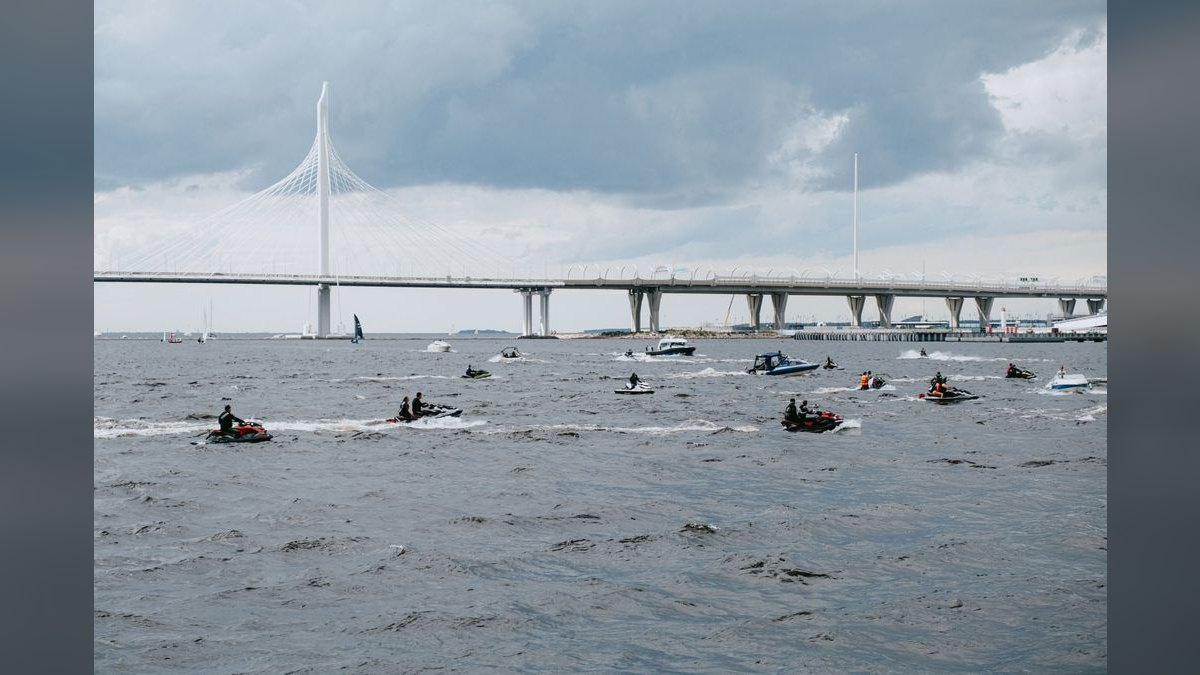
The Nautique Ski Nautique ranks second because it is Nautique's dedicated three-event tournament ski boat, which Nautique calls the lightest three-event tournament ski boat on the market. The standard PCM ZZ6 6.2L produces 450 horsepower, with the PCM ZZ5 5.3L at 355 hp as a step-down, and GPS-based Zero Off speed control runs from the LINC Panoray touchscreen.
This boat suits competitive skiers and ski schools that prioritize a proven tournament pedigree. Its Automated HydroGate and patented MicroTuners adjust the running surface and wake for slalom, trick and jump, and an optional 400 lb of trick ballast is available. Nautique does not publish a starting price, so get a dealer quote. Against the ProStar above, it is lighter but seats one fewer.
3Malibu Response TXi MO
The Malibu Response TXi MO ranks third because it is a dedicated three-event tournament boat that Malibu describes as the official towboat of the IWWF across slalom, tricks and jump. It is built on the T-Cut Diamond hull with Advanced Rudder Control to keep it tracking straight, plus Zero Off GPS speed control for a consistent pull.
This boat is for competitive skiers, ski schools and clubs that want a tournament pull with seating for up to 7. Malibu lists no factory ballast for it, so it trades wakeboard and surf versatility for a focused ski layout. Compared to the Ski Nautique above, it is the choice for buyers who specifically want Malibu's T-Cut Diamond hull and Advanced Rudder Control.
4Malibu Wakesetter 20 VTX
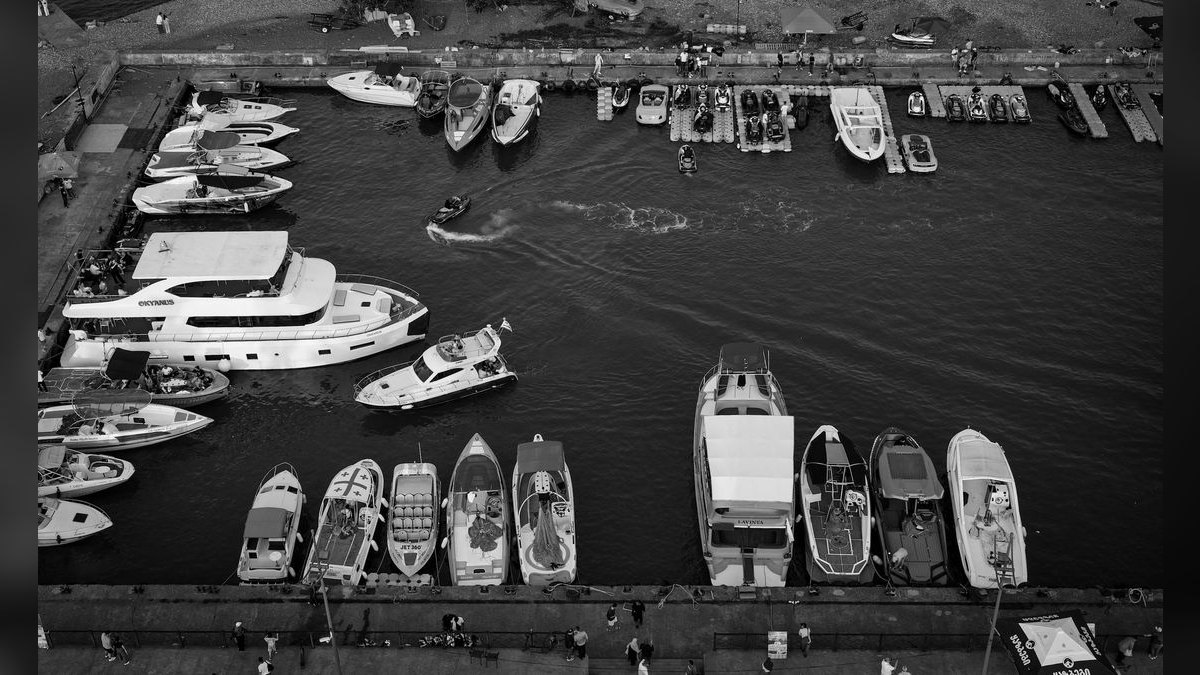
The Malibu Wakesetter 20 VTX ranks fourth as the highest-ranked crossover here because Malibu says the American Water Ski Association has certified the 2027 20 VTX as an approved ski boat, and its T-Cut Diamond hull is tournament approved for slalom skiing.
This boat is for families, clubs and rental fleets that need one boat for skiing, wakeboarding and wakesurfing: fill the ballast, drop the Power Wedge III and deploy Surf Gate to switch from a ski wake to a surf wave. It seats up to 11, compared with 7 on the Response TXi MO above, and starts about $8,600 higher, but it gives up the tournament boat's dedicated three-event layout.
5Moomba Mondo
The Moomba Mondo ranks fifth because it is the lowest-priced boat on this list, listed from $94,999, and the one Moomba says is ready for surfing, wakeboarding, skiing and cruising. It is 20 feet LOA (22 feet with the platform) on a 102-inch beam, weighs about 4,000 pounds and carries 3,800 lb of ballast and 43 gallons of fuel, with the 6.2L Raptor 400 engine by Indmar and AutoWake speed control.
This boat is for budget-conscious buyers, families, and rental fleets serving primarily beginner and intermediate skiers. It is a wake boat first rather than a dedicated ski hull, and it seats up to 12. For a fleet that prioritizes cash flow over peak performance, the Mondo's lower purchase price improves early profitability. Against the Wakesetter 20 VTX above, it costs roughly $25,000 less but lacks that boat's tournament-approved slalom hull.
6Super Air Nautique GS20

The Super Air Nautique GS20 ranks sixth because it is the smallest multi-sport boat Nautique markets for waterskiing as well as wakeboarding and wakesurfing, with a hull that Nautique says incorporates characteristics from the record-setting Ski Nautique.
This boat is for ski schools and families that want a Nautique-built crossover that can pull a skier and then surf or wakeboard, with seating for up to 12. It trades the light, ballast-free layout of the dedicated tournament boats for surf and wake ability, and Nautique does not publish a starting price, so get a dealer quote. Compared to the Moomba Mondo above, it adds Nautique's NCRS and the integrated Nautique Surf System.
7Supra R225
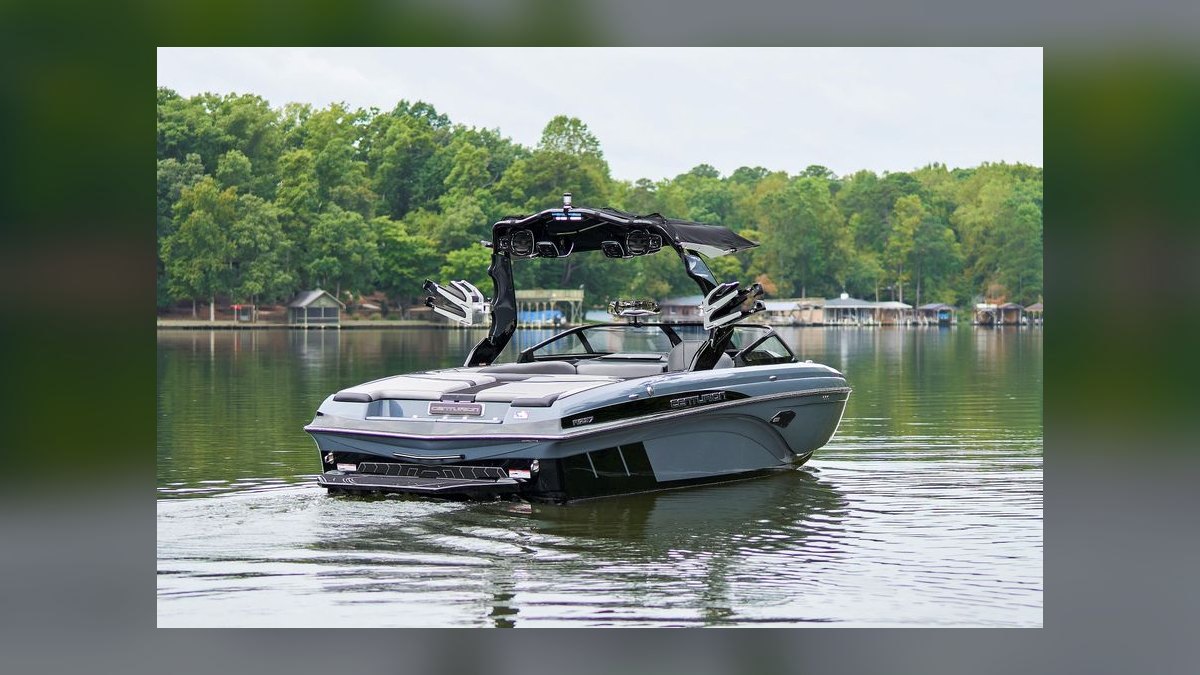
The Supra R225 ranks seventh as the lowest-priced model in Supra's current lineup. It is 22'5" long (24'7" with the platform) on a 102-inch beam, weighs about 5,700 lb, carries 4,700 lb of ballast and 67 gallons of fuel, and offers Indmar Raptor 400, 450 and 575 engines.
This boat is for rental fleets and families that want precise speed control for the occasional ski set but mainly plan to wakeboard and wakesurf, which is how Supra markets the R225. It trades the light, narrow hull of the ski boats above for a much heavier surf hull and a higher price. Compared to the Super Air Nautique GS20 above, it is a larger boat with more ballast, but Supra does not market it for skiing.
8Tigé Z3
The Tigé Z3 ranks eighth as a crossover that Tigé builds for skiing as well as wakesurfing, wakeboarding and foiling. Its Convex V hull, GO System and TAPS 3T let the driver adjust the wake for each sport, and it measures 23'5" on a 102-inch beam, seats up to 16 and carries 4,300 lb of ballast. Tigé positions it for crews that want one boat to cover all four tow sports.
This boat is for rental operations and recreational skiers who want premium amenities alongside ski capability, and for crews that also want to surf. It trades away the tournament-grade slalom wake of the dedicated ski boats above it, and at 6,500 lb it is heavier than a tournament ski boat. Against the Supra R225 above, it seats more people and offers a different wake-shaping system, but neither is marketed as a slalom-first hull.
9Axis A225
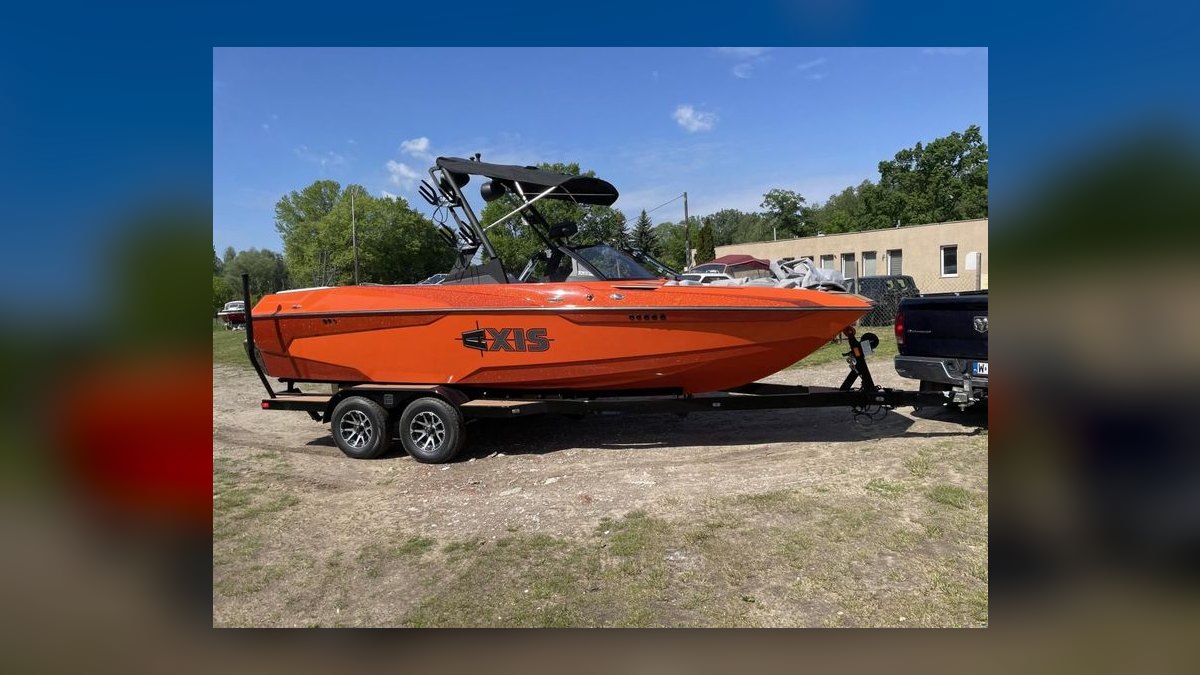
The Axis A225 ranks ninth as the current successor to the A22 in the Axis A-Series, which now runs A200, A225 and A245. It has a 22'5" hull on a 102-inch beam, a 4,900 lb dry weight, factory ballast from 1,125 lb to 4,175 lb and a 56-gallon fuel tank, with Monsoon power rated from 360 hp/400 ft-lb to 430 hp/460 ft-lb, Surf Gate and Power Wedge III. Axis lists it starting at $103,192.
This boat is for budget-minded families and rental fleets that mostly wakeboard and wakesurf, which is how Axis markets it, and ski only now and then. It trades the ski credentials of the boats above for a lower published starting price than the Malibu boats on this list ($103,192 vs $110,983 for the Response TXi MO). Against the Tigé Z3 above, it costs less but carries less ballast and seats fewer.
10Centurion Ri230
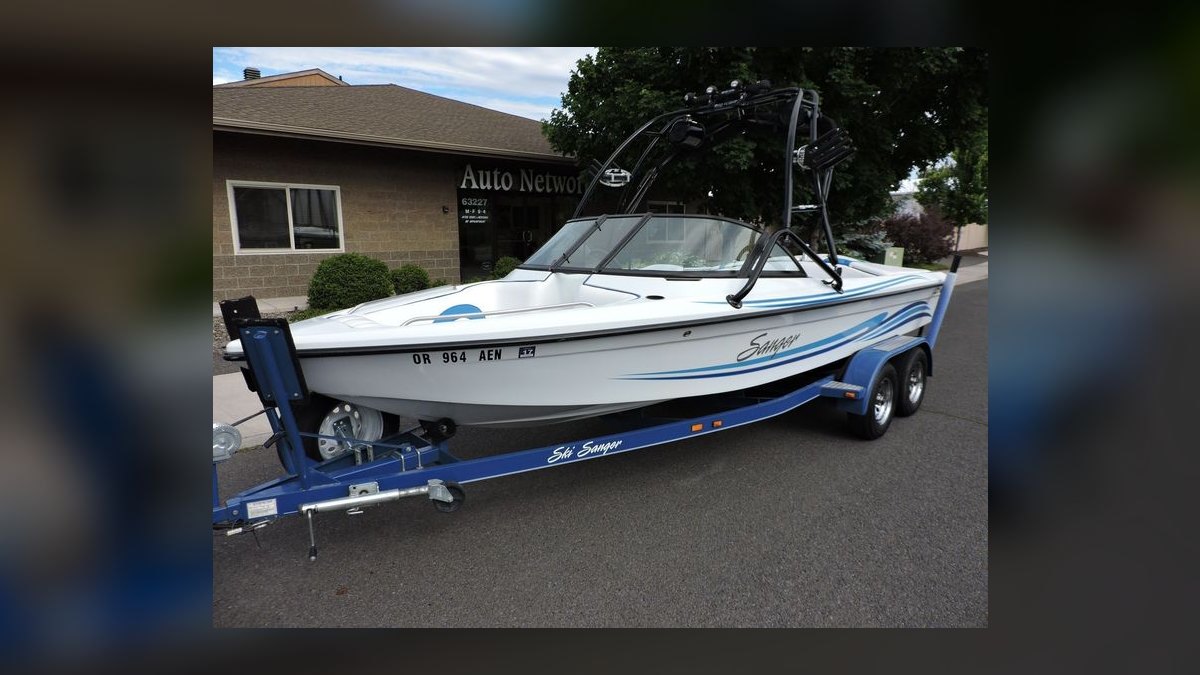
The Centurion Ri230 ranks tenth as the current 23-foot model in Centurion's Ri series. It measures 24 feet LOA without the swim step (25'2" with it) on a 102-inch beam, weighs about 5,500 lb dry, seats up to 14, holds 81 gallons of fuel and offers up to 5,400 lb of total ballast, with QuickSurf Pro using Lenco Smart Rams and a heated driver's seat.
This boat is for rental fleets and owners who prioritize passenger room and surf waves over a slalom wake; Centurion markets it for wake sports and wakesurfing, and its model page does not mention skiing. It trades the light, narrow ski hulls at the top of this list for size and ballast, and its 36-inch draft is deeper than the ski boats above.
How we ranked these
Rankings were built from measured slalom wake shape at 28–36 mph, spray height, Zero Off or GPS speed-control accuracy, published dry weight, ballast capacity, fuel burn, resale history, and annual operating cost. Tournament boats were weighted hardest on wake flatness, wake width, and speed precision; crossovers were scored on versatility and fleet utilization; luxury tow boats on comfort, rental revenue potential, and fuel consumption.
Deliberately ignored: subjective brand loyalty, dealer network quality, and aesthetic preferences. Also excluded were boats not widely available in North America, plus financing terms and regional tax incentives. The focus stayed on measurable performance and ownership economics, because those directly affect coaching quality and fleet profitability more than badge appeal or showroom styling.
Related questions
What is the best boat for competitive slalom skiing in 2027?
The MasterCraft ProStar is the top pick: MasterCraft builds it as a purpose-built waterski boat and says its hull delivers exceptionally flat, clean wakes with minimal spray. Zero Off speed control is integrated, and the standard Ilmor MV8 6.0 MPI direct drive is rated by MasterCraft at 373 hp. Four tracking fins and hull rails hold a true centerline under load.
How do crossover boats compare to tournament boats for skiing?
Crossover boats like the Malibu Wakesetter 20 VTX offer adjustable wake shapes, letting them switch between skiing and wakeboarding. They generally produce larger wakes and more spray than tournament boats, but they serve more kinds of riders in a mixed-use fleet. Their lower purchase price and versatility make them ideal for rental fleets serving beginners and intermediates.
What is the fuel consumption difference between tournament and crossover boats?
Neither MasterCraft nor Moomba publishes fuel-burn figures for the ProStar or the Mondo. Fuel use depends on engine, load, ballast and speed, so ask a dealer for real-world numbers at your skiing speed before you buy. Published horsepower ratings alone will not tell you what a boat burns during a typical ski set.
Which boat has the narrowest wake for slalom skiing?
Dedicated tournament boats such as the MasterCraft ProStar, Ski Nautique and Malibu Response TXi MO are built for the smallest, flattest slalom wake. Malibu describes the Response TXi MO as the official towboat of the IWWF across slalom, tricks and jump, and Nautique calls the Ski Nautique the lightest three-event tournament ski boat on the market. Wake width changes with speed, load and conditions, so ski behind each one at your own slalom speed before choosing.
What are the maintenance costs for a ski boat fleet?
Annual maintenance for a three-boat fleet includes 12 oil changes ($120 each), 6 impeller replacements ($80 each), and 3 winterizations ($400 each), totaling $3,120 per year. Crossovers with automated ballast systems add $200–$400 in repair costs. Budget 6–7% of gross revenue for maintenance to avoid unexpected repairs and preserve resale value.
How does the Centurion Ri230 perform for skiing?
The Centurion Ri230 is a 24-foot (LOA without the swim step) wake and surf boat on a 102-inch beam that seats 14, weighs about 5,500 lb dry and offers up to 5,400 lb of total ballast. Centurion markets it for wake sports and wakesurfing, and its model page does not mention skiing, so it suits mixed crews more than slalom skiers.
What is the break-even point for a tournament boat?
A tournament boat like the MasterCraft ProStar needs roughly 150 rental hours per year at $200/hour to cover ownership costs, including insurance, maintenance, and depreciation. This lower break-even point allows profitability even on slow weekdays. In contrast, a crossover requires 200 hours at $150/hour, making it more dependent on consistent bookings.
Is the Axis A225 a good crossover for skiing?
The Axis A225 starts at $103,192 on Axis's site and is a 22'5" wake and surf boat with 360–430 hp Monsoon power, Surf Gate and Power Wedge III. Axis markets it for wakeboarding and wakesurfing rather than skiing, so it fits crews that mostly surf and wakeboard and ski only now and then.
FAQ
What is the best boat for competitive slalom skiing in 2027?
The MasterCraft ProStar is the top choice for competitive slalom: MasterCraft builds it as a purpose-built waterski boat and says its hull delivers exceptionally flat, clean wakes with minimal spray. Zero Off speed control is integrated, and the standard Ilmor MV8 6.0 MPI direct drive is rated by MasterCraft at 373 hp. Four tracking fins and proprietary hull rails help it hold a true centerline under skier load.
How do crossover boats compare to tournament boats for skiing?
Crossover boats like the Malibu Wakesetter 20 VTX offer adjustable wake shapes, allowing them to switch between skiing and wakeboarding. They generally produce larger wakes and more spray than tournament boats, but they can serve more kinds of riders in a mixed-use fleet. Their lower purchase price and versatility make them ideal for rental fleets serving beginners and intermediates.
What is the fuel consumption difference between tournament and crossover boats?
Neither MasterCraft nor Moomba publishes fuel-burn figures for the ProStar or the Mondo. Fuel use depends on engine, load, ballast and speed, so ask a dealer for real-world numbers at your skiing speed. Published horsepower ratings alone will not tell you what a boat burns during a typical ski set.
Which boat has the narrowest wake for slalom skiing?
Dedicated tournament boats such as the MasterCraft ProStar, Ski Nautique and Malibu Response TXi MO are built for the smallest, flattest slalom wake. Malibu describes the Response TXi MO as the official towboat of the IWWF across slalom, tricks and jump, and Nautique calls the Ski Nautique the lightest three-event tournament ski boat on the market. Wake width changes with speed, load and conditions, so ski behind each one at your own slalom speed before choosing.
What are the maintenance costs for a ski boat fleet?
Annual maintenance for a three-boat fleet includes 12 oil changes ($120 each), 6 impeller replacements ($80 each), and 3 winterizations ($400 each), totaling $3,120 per year. Crossovers with automated ballast systems add $200–$400 in repair costs. Budget 6–7% of gross revenue for maintenance to avoid unexpected repairs and preserve resale value.
How does the Centurion Ri230 perform for skiing?
The Centurion Ri230 is a 24-foot (LOA without the swim step) wake and surf boat on a 102-inch beam that seats 14, weighs about 5,500 lb dry and offers up to 5,400 lb of total ballast. Centurion markets it for wake sports and wakesurfing, and its model page does not mention skiing, so it suits mixed crews more than slalom skiers.
What is the break-even point for a tournament boat?
A tournament boat like the MasterCraft ProStar needs roughly 150 rental hours per year at $200/hour to cover ownership costs, including insurance, maintenance, and depreciation. This lower break-even point allows profitability even on slow weekdays. In contrast, a crossover requires 200 hours at $150/hour, making it more dependent on consistent bookings.
Is the Axis A225 a good crossover for skiing?
The Axis A225 starts at $103,192 on Axis's site and is a 22'5" wake and surf boat with 360–430 hp Monsoon power, Surf Gate and Power Wedge III. Axis markets it for wakeboarding and wakesurfing rather than skiing, so it fits crews that mostly surf and wakeboard and ski only now and then.
What is the resale value of tournament boats vs crossovers?
Makers do not publish resale figures. Dedicated tournament boats from builders with long ski pedigrees, such as the MasterCraft ProStar, have historically held value well, while value-priced crossovers such as the Moomba Mondo cost less up front; check current used listings for the models you are considering.
How does the Tigé Z3 compare to other crossovers?
The Tigé Z3 is 23'5" with a 102-inch beam, weighs 6,500 lb, seats up to 16 and carries 4,300 lb of ballast. Tigé builds it for skiing, wakesurfing, wakeboarding and foiling, with the GO System and TAPS 3T adjusting the wake for each. It is heavier and larger than the Malibu Wakesetter 20 VTX, so it trades slalom sharpness for passenger room.
Sources
- https://www.mastercraft.com/
- https://www.nautique.com/
- https://www.malibuboats.com/
- https://www.moomba.com/
- https://www.supraboats.com/
- https://www.tige.com/
- https://www.axiswake.com/
- https://www.centurionboats.com/
- https://nautique.com/models/super-air-nautique-gs20/overview
Related on PULSE
This page will be disappearing soon. Save it to your device for $1 — or read it free while it is here.
@Kory-White- · if Venmo asks, the last 4 of my number are 2012
This page is gone.
This one is off the shelf now. $1 keeps it on your phone for good — the whole page, pictures and diagrams included.
 pulse-boatsTop 10 Best Bowrider Brands 2027
 pulse-recentTop 10 Speed Boats 1993 — Best Overall + Best Value
 pulse-boatsTop 10 Boats for Puget Sound 2027
 pulse-recentHow to Add a Front Deck to an Aluminum Fishing Boat in 2027
 pulse-recentHow do I choose between a bowrider and a deck boat for family outings in 2027?
 pulse-boatsTop 10 Boats for the Pacific Coast 2027
 pulse-recentTop 10 Lowe Boat Models in 2027
 pulse-recentTop 10 Speed Boats 1983 — Best Overall + Best Value
 pulse-recentTop 10 Starcraft Pontoon Models in 2027
 pulse-boatsBest Used Sport Fishing Boats Under $75,000 in 2027 (Ranked)