


Top 10 Skiff Boats for Shallow Water 2027
Quality
Certified

The 10 best skiff boats for shallow water 2027 are ranked below on measured performance, build quality, price, and how each one actually holds up in daily use rather than how it reads on a spec sheet. Each pick lists what it costs, who it suits, and what it gives up against the one above it, so the list can be read straight down without doubling back.
1Hell's Bay Professional 18
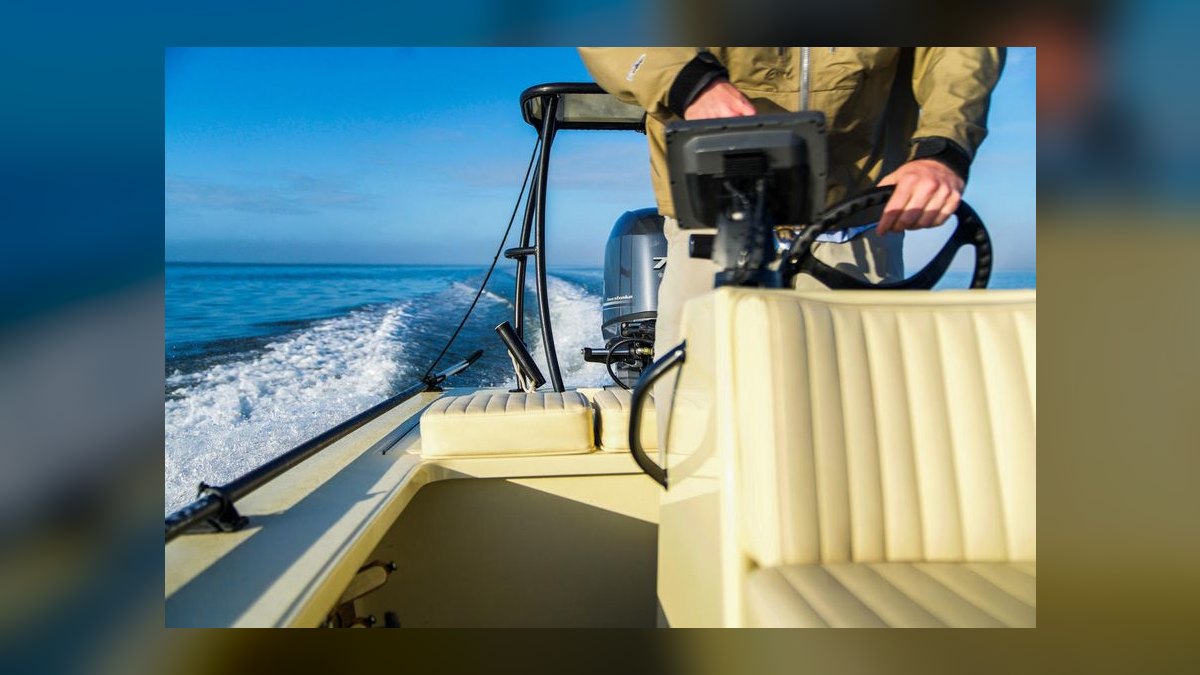
This ranks first because it sits at the exact center of the technical-skiff sweet spot: a 17'8" foam-cored, vacuum-infused hull that floats in roughly 7 to 9 inches with a real fishing load, rigged in the $70,000-plus range. Kevlar-reinforced construction keeps hull weight low without giving up stiffness. The bow chine profile releases water instead of trapping it, so the boat stays quiet drifting broadside in light chop.
This is the guide's boat — someone running 180 to 220 trips a year who treats draft as a booking input and cannot afford a hull that quits at low tide. It trades money, plainly: you pay a premium over comparable 17-footers and wait months for a build slot. Against a lighter micro skiff it gives up two inches of draft, and buys back a ride you can take home across an open bay.
2Maverick Mirage HPX-V
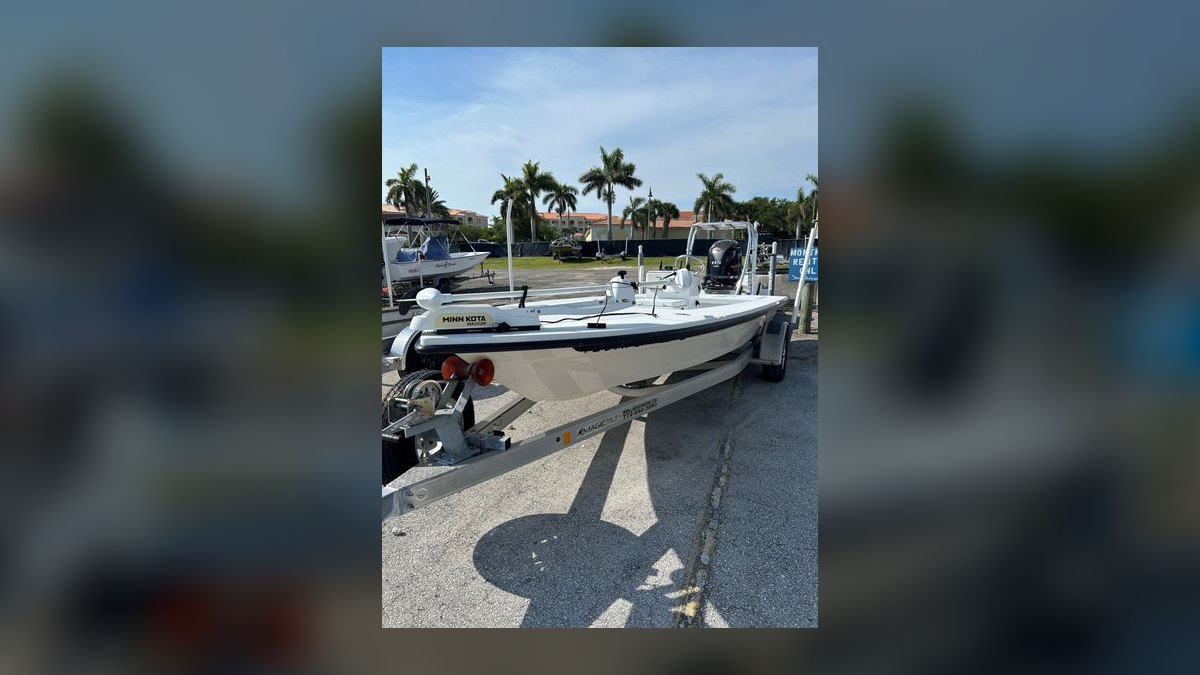
Second place goes to the hull that best solves the ride problem without abandoning the flats. The HPX-V carries meaningful transom deadrise for a technical skiff, which lets it slice a two-foot bay chop that flatter-bottomed competitors pound through. Loaded draft lands in the 9-to-10-inch band rather than the 7-inch band, and it is properly matched at 70 to 90 horsepower rather than needing more.
Buy this if your access route crosses open water before it reaches the flats — the common Florida and Texas pattern. The trade is explicit: those extra inches of draft close off the skinniest backcountry that the Professional 18 above still reaches. Compared with a hybrid bay-skiff it stays a genuine one-or-two-angler poling platform, not a family boat wearing flats-boat clothing.
3Beavertail Strike

Third because it delivers technical-skiff performance at a rigged price closer to the mid-forties than the eighties, which is where most of this list's value actually lives. The composite hull runs well on 50 to 70 horsepower, keeping stern weight down where it matters most on a shallow-draft boat. Deck layout is deliberately spare, which fly anglers care about and which also keeps total displacement — the real driver of draft — under control.
This suits the serious amateur who fishes 30 to 60 days a year and cannot justify a five-figure premium for the last inch. What it gives up against the two picks above is finish detail and, at resale, the pricing power of the marquee names. Against the micro skiffs below, it carries two anglers plus gear without becoming an overloaded, cramped boat.
4East Cape Vantage
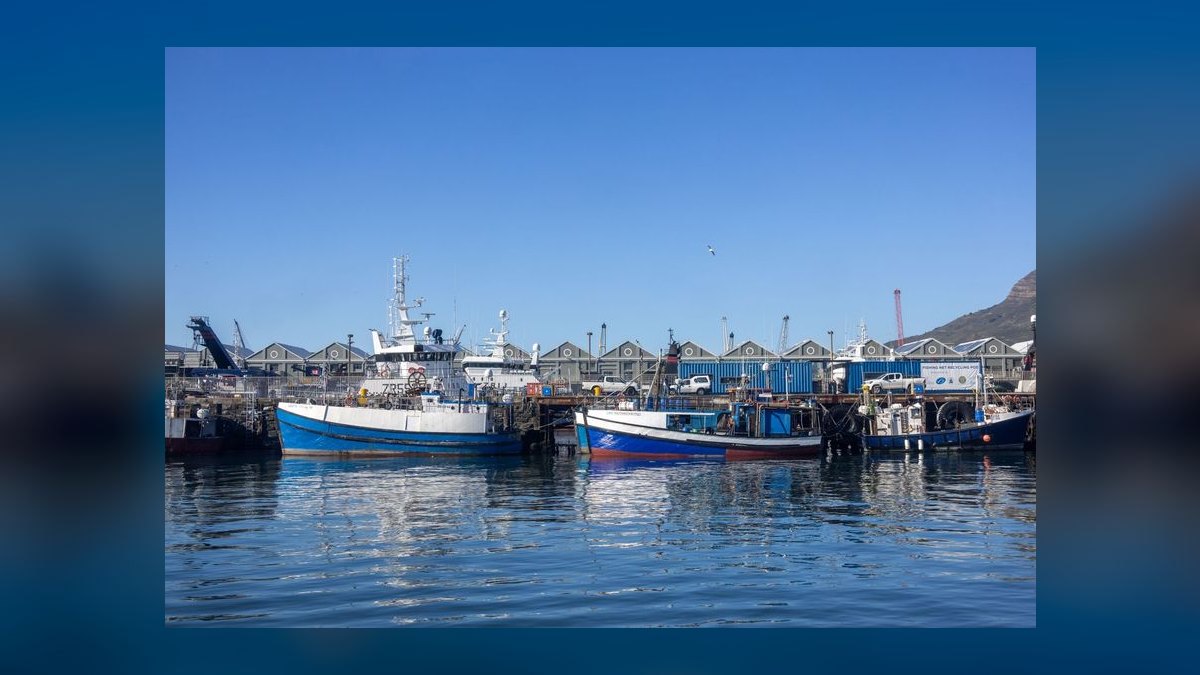
Fourth on strength of poling balance, the trait that only reveals itself on the water and never on a spec sheet. The Vantage tracks straight and pivots predictably with the platform occupied and an angler forward, rather than weathervaning in wind and forcing the poler to fight the boat. Foam-cored hull sides keep it quiet at anchor. Loaded draft sits in the 8-to-10-inch range with two anglers and fuel aboard.
This is the boat for sight fishermen who spend more hours on the pole than on plane. It trades outright top-end speed and some rough-water composure for that control. Compared to the Beavertail Strike, pricing runs higher for comparable rigging; compared to the Maverick, you give up deadrise and accept a firmer ride crossing a windy bay.
5Chittum Islamorada 18

Fifth because it is the clearest expression of the carbon arms race: a full carbon-and-foam build that pushes hull weight far below conventional glass at the same length, buying draft directly through displacement rather than hull shape. On a small hull every 100 pounds removed is worth roughly half an inch to an inch of draft, so the weight savings translate into measurable skinny-water access. Rigged pricing pushes past the eighties into six figures.
This is for the buyer who ranks minimum draft first and has the budget to buy it outright. The trade is cost and repairability — carbon damage is expensive to fix properly. It floats shallower than the Vantage or the Strike above it, but the price gap is large enough that most anglers get more boat per dollar one or two rungs up this list.
6Hewes Redfisher 18

Sixth as the capacity answer within a still-shallow package. The Redfisher carries three anglers and gear without the crowded, overloaded feel of a technical skiff pressed into duty it was not designed for, and it holds enough freeboard for open-bay work. Draft climbs accordingly, into the low-teens inches loaded, and it typically runs 115 horsepower or more where the picks above sit at 50 to 90.
This fits the angler who fishes with two friends or wants the boat to double as a family platform on non-fishing weekends. You are explicitly buying out of the skinniest water — six-inch flats are off the table. Against the Maverick HPX-V above, you gain a passenger and lose the ability to follow fish into the backcountry at low tide.
7Ankona Shadowcast 16
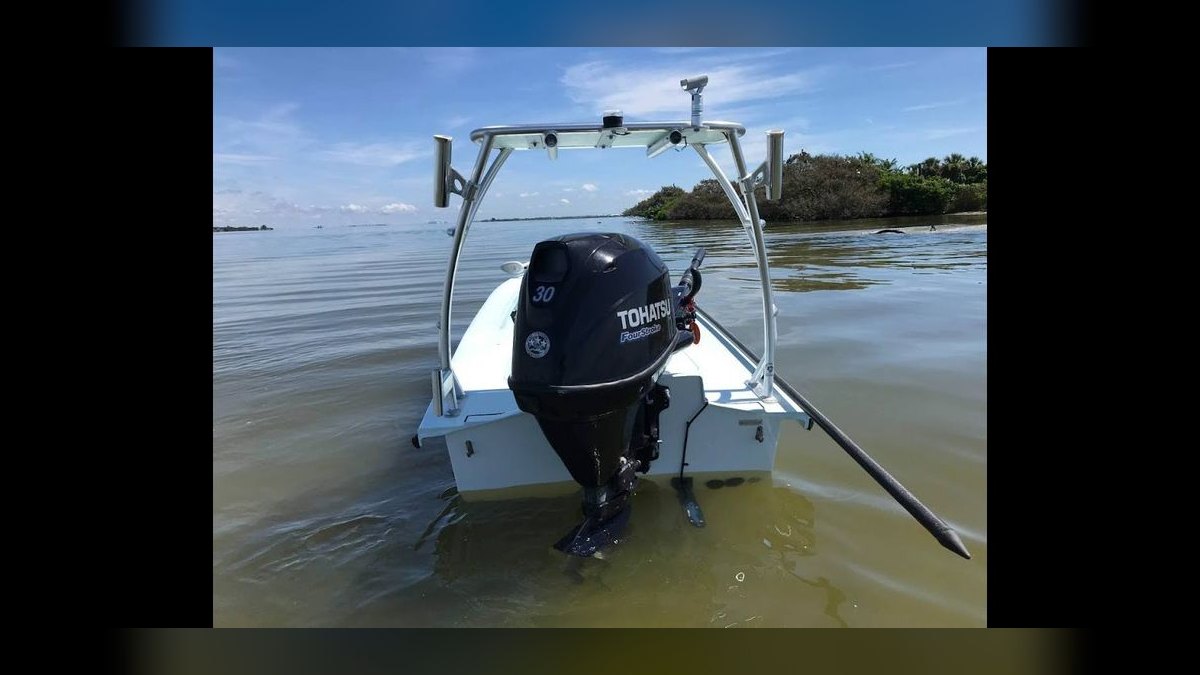
Seventh because it is the honest micro-skiff pick: a lightweight 16-footer under 350 pounds bare, rated for modest power in the 20-to-40-horsepower range, with rigged pricing that lands in the high teens to low thirties rather than the mid-forties and up. That weight buys genuinely 4-to-6-inch draft loaded light. One person can launch it at a ramp and tow it behind a four-cylinder vehicle.
This is for the solo backcountry and marsh angler who fishes hard bottom where the fish sit in six inches. The trade is severe and should not be minimized: a wet, firm ride, a short weather window, and days you simply wait out wind. Everything above it on this list rides better; nothing above it floats shallower for the money.
8Salt Marsh Heron 16
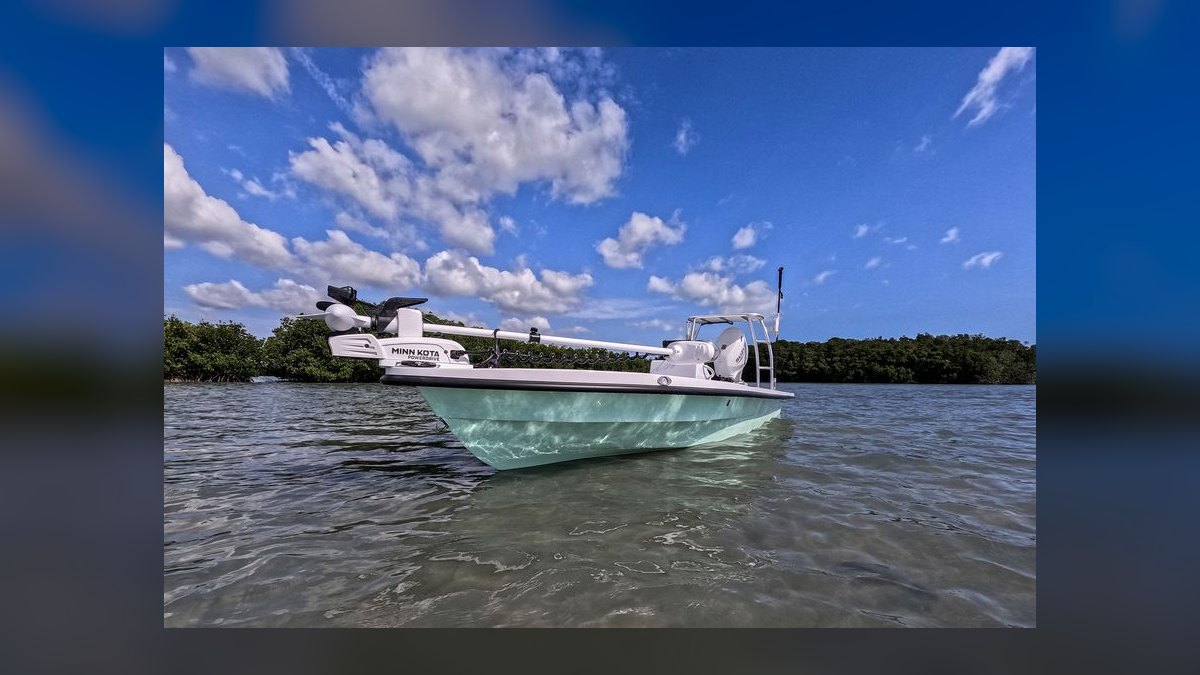
Eighth on value density — a lightweight composite 16-footer priced well below technical-skiff territory that still reaches water most boats cannot. Keeping the engine small, running a single battery, and staying disciplined about load-out is what makes the draft number real on a hull this size. It tows easily and stores in a standard garage, though poling-platform height should be confirmed before purchase since that surprise catches buyers every season.
This suits a first skiff or a second boat for skinny days. It trades the fit, finish, and resale strength of the marquee builders above, and the used market treats it accordingly. Against the Ankona Shadowcast, the two are close competitors; the choice usually comes down to deck layout and which builder has an available slot.
9Gheenoe LT25
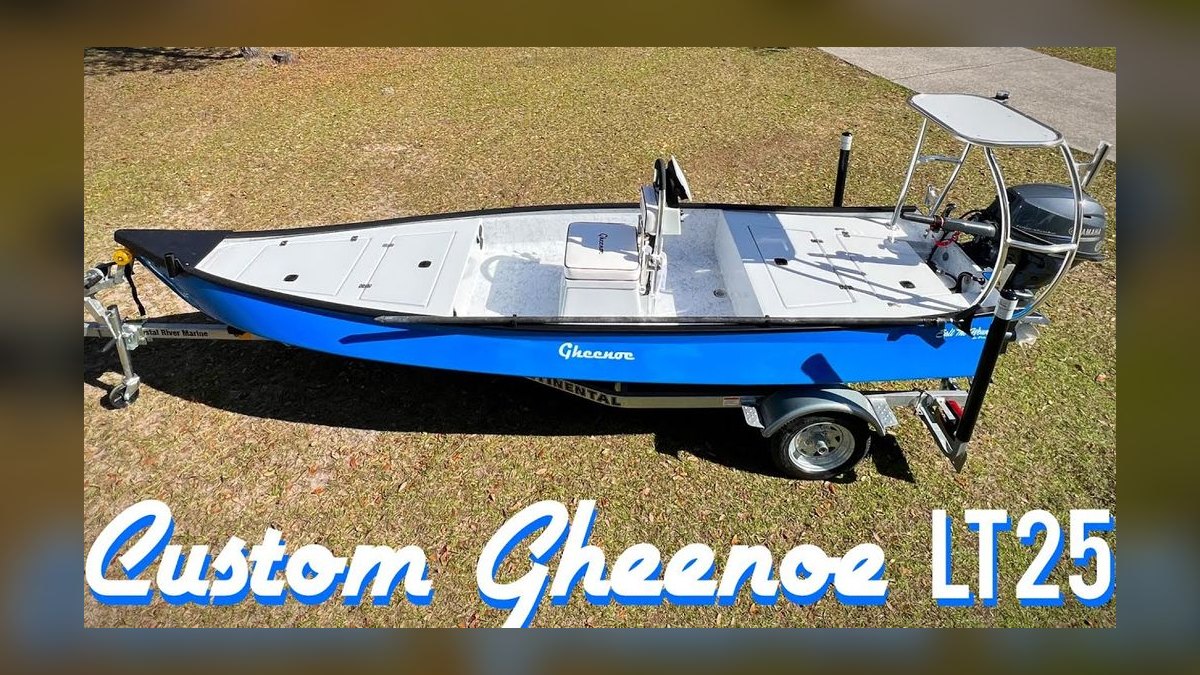
Ninth because it is the cheapest legitimate entry into skinny water — a tiller-friendly, very light hull often rigged for well under the price of a used technical skiff, floating in single-digit inches with one angler aboard. It launches from a bank as easily as a ramp and tows behind almost anything. For marsh, creeks, and protected backwater, the depth capability is real and not a marketing number.
This fits the budget buyer, the second-boat owner, and anglers fishing sheltered water exclusively. It gives up nearly everything the picks above offer: stability under a standing angler, dry ride, storage, and open-water safety margin. Compared to the Salt Marsh Heron, it is meaningfully less boat and meaningfully less money, and it should never be run across an open bay.
10Alumacraft Jon Boat 1436
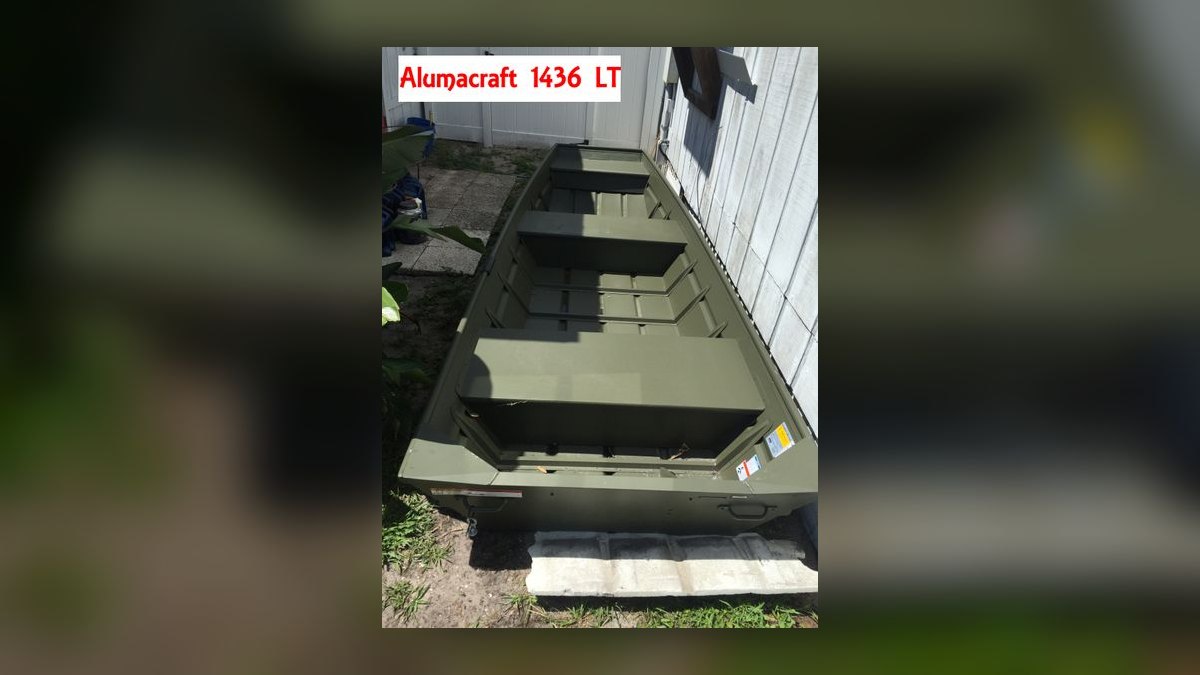
Tenth as the aluminum alternative, which earns a place for rocky and oyster-heavy water where hull damage is likely rather than hypothetical. Aluminum takes impacts a composite hull would not survive, and repairs are cheap and locally available. The hull is light, shallow, and cheap enough that the tow vehicle and trailer often cost more than the boat itself.
This is for the oyster-bar and rock-bottom angler who values disposability over refinement. The trade-offs are decisive in sight fishing: aluminum hulls are noticeably louder at anchor, and hull slap spooks tailing fish from surprising distances. The ride is harsher than any composite hull above it. Choose it when you expect to hit bottom, not when you expect to stalk fish quietly.
How we ranked these
Draft was measured as a loaded number, not a brochure number: hull weight plus a 50-to-90-horsepower four-stroke, twelve gallons of fuel, two anglers, batteries, and gear. We weighted transom deadrise against that draft, poling balance with the platform occupied and an angler forward, hull-slap behavior drifting broadside with the engine off, and rigged out-the-door pricing rather than base hull price.
We ignored bare-hull draft claims, because every builder quotes them in a favorable condition nobody fishes in. We ignored top speed, since a hull rated for 60 that someone hung a 90 on runs faster and poles worse. We ignored electronics packages and cosmetic options, which are adjustable after purchase. We ignored builder tenure alone, since several strong small shops are under five years old.
What to look for
Match draft to your access route, not the flat itself. If the creek you must cross bottoms out at ten inches on a mean low tide, a five-inch hull buys nothing your nine-inch hull could not already do. Fix the engine at the low end of the builder's rating — every 100 pounds at the transom costs roughly half an inch to an inch of draft and permanently shifts poling balance in wind.
The mistake is buying for the worst day. Buyers spec a twenty-foot hybrid because it rides better on the one windy morning a month, then find it will not float where they actually fish and will not clear the garage door with the platform installed. Buy for the median day. Also: drift the boat broadside with the engine off and listen — hull slap never appears on a spec sheet.
Related questions
How shallow can a skiff really float?
Purpose-built technical poling skiffs commonly float in four to eight inches with a light load. Add two anglers, full fuel, batteries, and gear and realistic draft moves to seven to eleven inches. Builder-quoted numbers almost always reflect a bare hull with minimal fuel and one person aboard, so ask for draft at a stated, realistic load before you commit.
Is a poling platform worth the weight?
For sight fishing, yes. Elevation dramatically extends how far you spot fish before they spot you, and it gives the poler leverage over the boat. The costs are real: added weight, added windage that affects handling in a breeze, and height clearance. Confirm your garage door before you buy — platforms that do not fold or unbolt catch people every season.
Can one skiff cover both flats and open bay?
Only partially. Hybrid bay-skiffs compromise toward eleven to sixteen inches of draft with meaningful transom deadrise, which covers most bay chop and moderately shallow flats. They will not reach genuinely skinny backcountry water. Anglers who need both usually end up owning the hybrid and borrowing or chartering for the handful of extreme low-tide days each season.
What size outboard belongs on a seventeen-foot skiff?
Typically fifty to ninety horsepower in four-stroke form, matched to the builder's rating. Lean toward the lower end if draft and poling balance matter more to you than top speed. Moving from sixty to ninety horsepower can hang an extra hundred to a hundred fifty pounds off the stern, sinking the transom and raising the bow in a headwind.
How long does a new skiff order take to deliver?
Four to twelve months is normal for semi-custom builders, and popular shops run longer. Get the delivery estimate, the change-order cutoff date, and the deposit terms in writing, including what happens if the schedule slips. If a dealer has a discounted stock boat on the floor, ask why — it is usually a cancelled order with someone else's layout.
Why does hull slap matter so much?
Hull slap is the sharp knock of a chine hitting small waves at anchor or under pole, and it spooks tailing redfish and bonefish from surprising distances. Builders fight it with rounded bow chine profiles, chine flats that release water instead of trapping it, and foam coring in the hull sides. It is invisible on a spec sheet and decisive on the water.
What separates a micro skiff from a technical poling skiff?
Weight and intent. Micro skiffs run thirteen to sixteen feet, often under 350 pounds bare, rated for twenty to forty horsepower or tiller steering, and float in four to six inches loaded light. Technical skiffs run sixteen to eighteen feet with foam-cored composite hulls, fifty to ninety horsepower, and seven to ten inches loaded — trading two inches of draft for a far better ride home.
Do skiffs hold their resale value?
Better than general-purpose fiberglass boats, because supply is constrained and the used market is national. A clean five-year-old technical skiff with a low-hour engine and a conventional layout often trades for a substantial fraction of its original rigged price. Odd colors, unusual custom layouts, and an oversized engine all hurt resale, and informed buyers know exactly what an overpowered transom means.
FAQ
What is the single most important spec on a shallow-water skiff?
Loaded draft, measured with a realistic fishing load rather than a bare hull. It determines where you can fish, which determines whether the boat actually solves your problem. Every other spec — speed, storage, electronics — is secondary and adjustable after purchase. Draft is fixed by the hull shape and the total weight you put on it, and you cannot buy your way out of it later.
Why do skiffs cost so much for their size?
Because they are low-volume, semi-custom, hand-laid composite boats built by small shops rather than mass-produced hulls. Foam coring, vacuum infusion, marine-grade hardware, and hand-finished nonskid all cost labor hours. A skiff builder may produce a few dozen to a few hundred hulls a year, so there is very little scale over which to spread tooling and overhead costs.
Do I need a trolling motor if I already have a push pole?
Not strictly. A push pole is quieter and more precise in genuinely shallow water over hard bottom, where both motor noise and the wake off the shaft carry. A trolling motor is far less tiring over distance, works in deeper water and current, and holds position with spot-lock. Most serious flats anglers carry both and switch based on the situation.
Are aluminum skiffs a reasonable alternative to composite?
They can be, for budget-conscious buyers and for rocky or oyster-heavy water where hull damage is likely. Aluminum forgives impacts and is cheaper to repair. The trade-offs are noise — aluminum hulls tend to be louder at anchor — and a generally harsher ride. Both of those matter directly in sight-fishing situations where a spooked fish ends the shot.
How much does gear weight actually affect draft?
Meaningfully. On a small hull, roughly every additional hundred pounds costs somewhere between half an inch and a full inch of draft, depending on waterline beam. Two anglers, full fuel, batteries, and a loaded cooler easily add six to seven hundred pounds over a bare hull. That gap is exactly why real-world draft rarely matches the brochure number.
Is buying used a good idea in this category?
Often yes. Well-built composite skiffs from established builders age well and hold value, and the used market is national. Inspect transom corners and poling platform mounts for stress cracking, check the deck for soft spots, pull the bilge hatch and look for standing water, and get an engine compression test plus a scan of the ECU hours before committing.
What is the cheapest way to reduce my draft?
Unload the boat. Most owners accumulate a hundred to two hundred pounds of gear they never actually use — two anchors, three tackle bags, four rods they do not fish, a spare battery. Once a season, take everything off, put back only what you used, and weigh the difference. It costs nothing and buys an inch you would otherwise pay thousands for.
What should a sea trial include?
A rough crossing, not just a calm-morning flats run. Insist on chop. Then pole the boat for fifteen minutes with a second person on the bow — balance under pole is where hulls reveal themselves, and a poorly balanced boat weathervanes in wind and fights the poler. Finally, drift broadside with the engine off and listen for hull slap.
How much should I budget beyond the hull price?
The hull is roughly sixty to seventy percent of the out-the-door number. Add trailer, engine rigging, a trolling motor if you want one, a push pole, safety gear, sales tax, and registration. A new technical poling skiff in 2027 typically lands between $45,000 and $90,000 rigged, and hitting the low end means a smaller engine, one battery, and modest electronics.
Does the trailer really need an upgrade?
Yes. The trailer is not an accessory, and saltwater eats trailers. Galvanized or aluminum frames, sealed LED lighting, and quality bearing protection are worth the upcharge, because a failed bearing on the interstate strands you and your boat. The upside is that a seventeen-foot skiff on an aluminum trailer often comes in well under two thousand pounds all-in.
Sources
- https://www.boatus.org/study-guide/
- https://www.uscgboating.org/
- https://www.nmma.org/
- https://myfwc.com/fishing/saltwater/
- https://tpwd.texas.gov/fishboat/boat/
- https://tidesandcurrents.noaa.gov/
- https://www.abycinc.org/
Related on PULSE
This page will be disappearing soon. Save it to your device for $1 — or read it free while it is here.
@Kory-White- · if Venmo asks, the last 4 of my number are 2012
This page is gone.
This one is off the shelf now. $1 keeps it on your phone for good — the whole page, pictures and diagrams included.
 boatTop 10 Boats for Lake Erie 2027
 pulse-recentTop 10 Airboats for Swamp Fishing in 2027
 pulse-recentWhat is the step-by-step process to inspect a used deck boat before buying it in 2027?
 pulse-recentTop 10 Catalina Sailboat Models 2018
 pulse-recentTop 10 Aluminum Jon Boat Brands for Budget Anglers in 2027
 pulse-recentTop 10 Catalina Sailboat Models 2012
 pulse-recentTop 10 Speed Boats 2007 — Best Overall + Best Value
 pulse-recentHow do I choose between a bowrider and a deck boat for family outings in 2027?
 pulse-recentTop 10 Xpress Boat Models in 2027
 pulse-recentTop 10 Alumacraft Models in 2027