
How Do I Budget a Distillery Buildout?
 Curated byKory White · Fractional CRO · Maryland
 PULSEKNOWLEDGE LIBRARY
Budget a distillery buildout at $200,000 to $1.5 million, or roughly $100 to $400 per square foot for a 3,000–10,000 sq ft space. The still costs $50,000 to $500,000 separately, and a steam boiler another $40,000 to $150,000. Confirm zoning, fire-code H-occupancy, and your TTB permit path before signing any lease.
Where the money actually goes
A distillery is a small chemical plant with a tasting room bolted on, and an honest budget reflects exactly that. The single largest line is the still package at $50,000 to $500,000, entirely separate from the buildout itself — pot stills, column stills, or a hybrid, priced by capacity and copper content. A 100–300 gallon craft still lands nearer $15,000 to $60,000; a full production column pushes the top of the range. Right behind it sits the steam boiler plus its room, gas feed, and soft-water supply at $40,000 to $150,000. The boiler drives the still, and it is the item first-time operators most often forget entirely, which is how a "$300,000 build" quietly becomes a $450,000 one.
From there the invisible systems stack up fast. Fire and NFPA 30 compliance runs $30,000 to $200,000 — explosion-proof electrical in the still area, hazmat ventilation, alcohol-rated fire suppression, and secondary spill containment around tanks. Electrical service is $20,000 to $80,000, frequently a 400- to 800-amp three-phase upgrade to feed the boiler, glycol chillers, pumps, and a bottling line. Floor drains, trench drains, and slab work cost $15,000 to $60,000, because distilling is a wet process that demands sloped, sealed, chemical-resistant flooring rather than a bare warehouse slab.
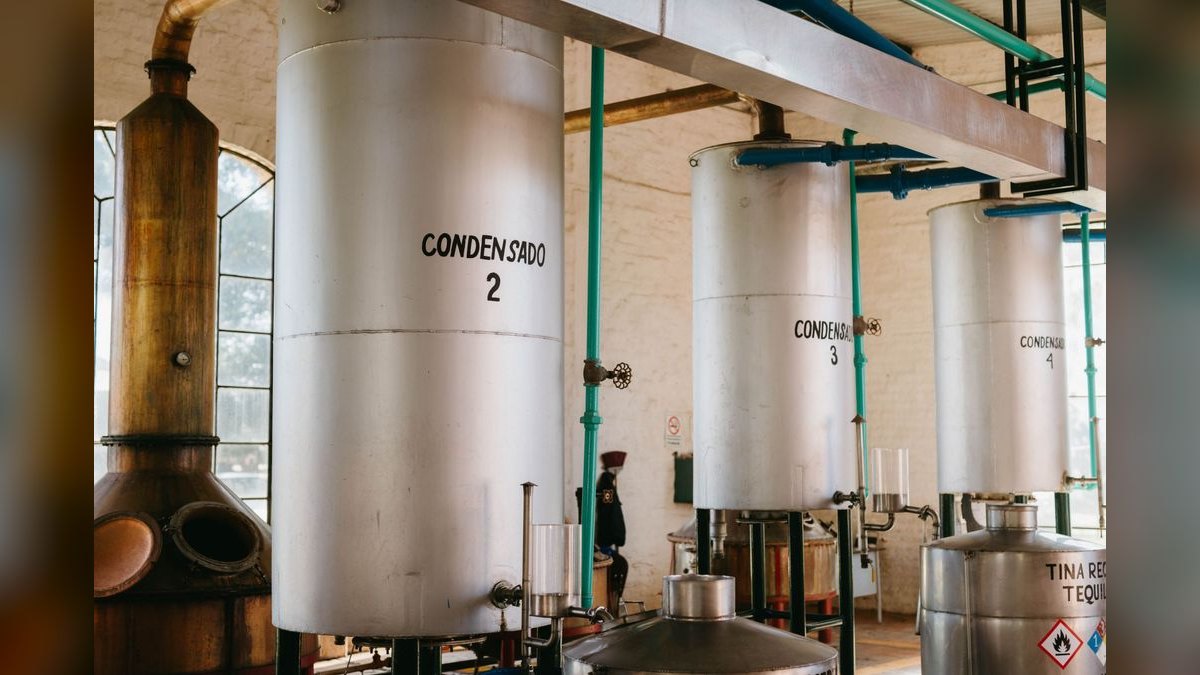
HVAC and process ventilation add $15,000 to $60,000, since ethanol-vapor management is a code requirement, not a comfort item. Bonded barrel and spirits storage runs $20,000 to $100,000 for racking, climate control, and a TTB-secured area. Finally, the tasting-room finish-out lands between $50,000 and $250,000 for the bar, restrooms, ADA compliance, seating, and retail fixtures. Add these together and even a modest craft build clears six figures before you buy a single sack of grain. The practical takeaway: build your budget bottom-up from these line items, not top-down from a per-square-foot rule of thumb, because the rule of thumb hides the two most expensive surprises — the boiler and the fire-code package.
The still, boiler, and fire-code triangle
Three interdependent systems drive both your cost and your permit review, and none can be specced in isolation. Get a mechanical engineer and your still vendor to design them together *before* you sign, because a building that cannot be classified for a hazardous occupancy, or cannot physically host the boiler and its gas load, is the wrong building at any rent.
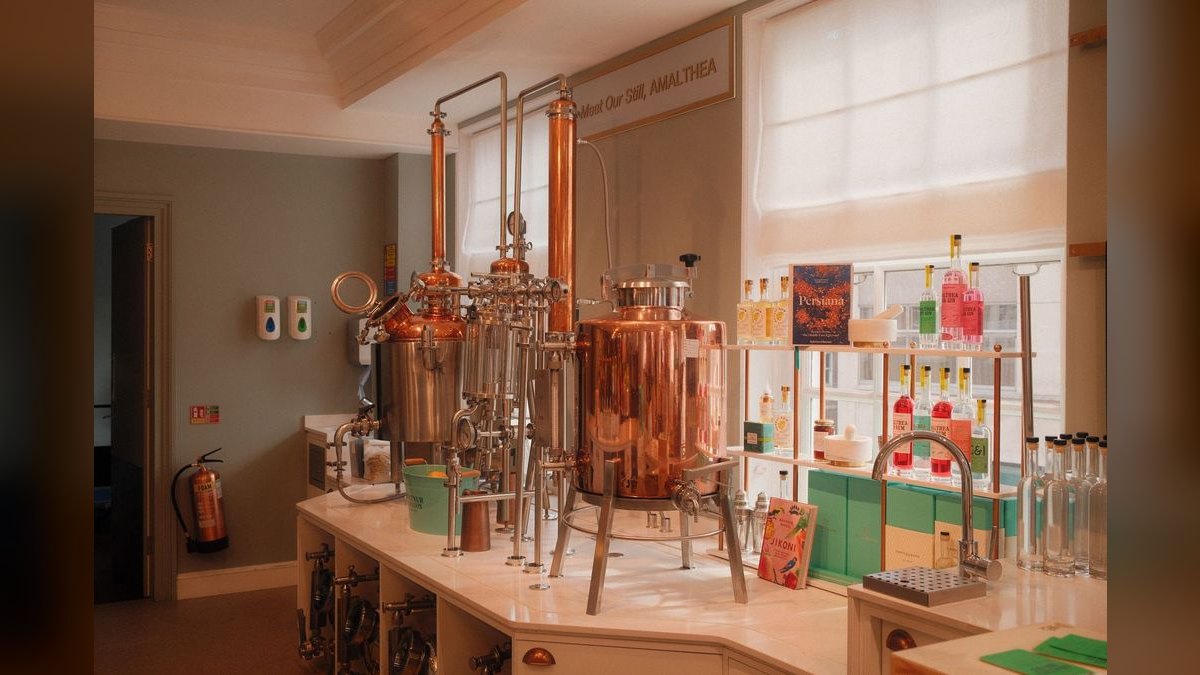
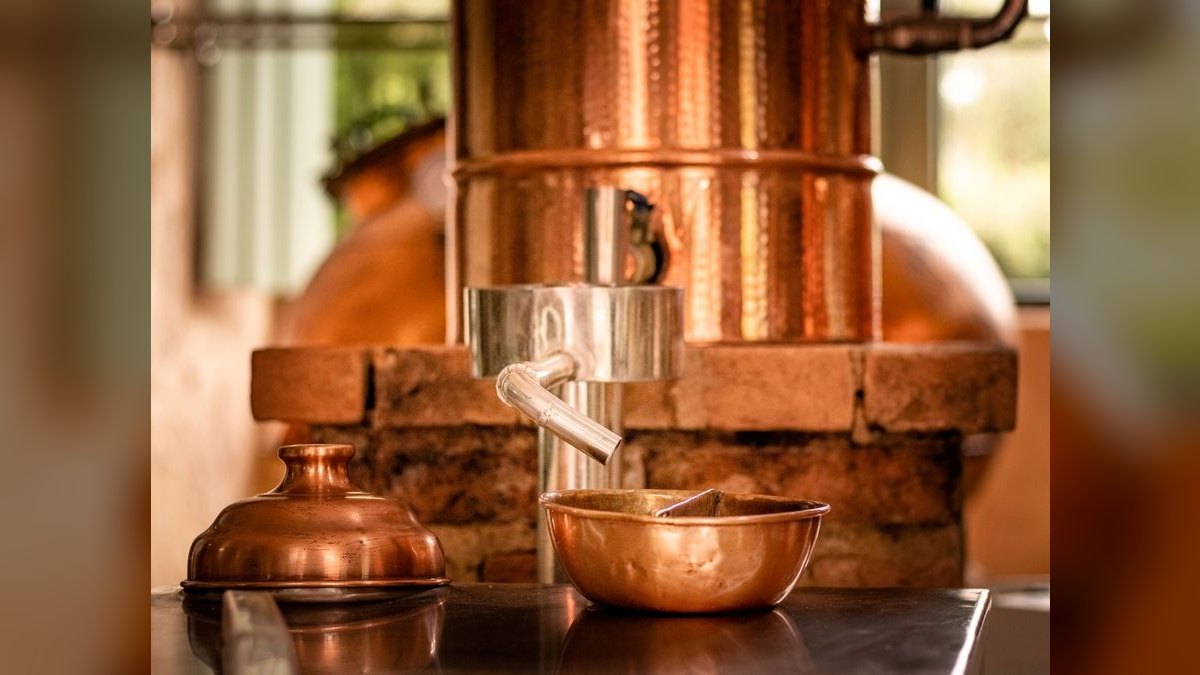
The still and its heat source. Most production stills run on steam from a boiler rather than direct fire, both for fine temperature control and for safety around high-proof vapor. The boiler is a major capital and code item in its own right: it needs a dedicated room, a 300,000 to 1,000,000+ BTU gas line, softened water, and often a state boiler inspection plus a licensed operator on the certificate. Budget $40,000 to $150,000 all-in for a production setup, or $5,000 to $20,000 for a small craft electric or gas unit feeding a 100–300 gallon still. Skipping this line is the most common budgeting mistake in the entire category.
NFPA 30 and the fire marshal. High-proof ethanol is a flammable liquid, so the production area is typically a regulated hazardous (H) occupancy under NFPA 30 and the IBC/IFC. That classification triggers explosion-proof electrical fixtures and wiring — Class I, Division 1 or 2 — near the still, ethanol-vapor ventilation, fire suppression, and secondary containment around tanks. This package alone runs $30,000 to $200,000, and the fire marshal's occupancy determination dictates how far up that range you land. Book a pre-lease meeting to lock the classification early, because discovering it after you sign converts a conversation into a demolition.
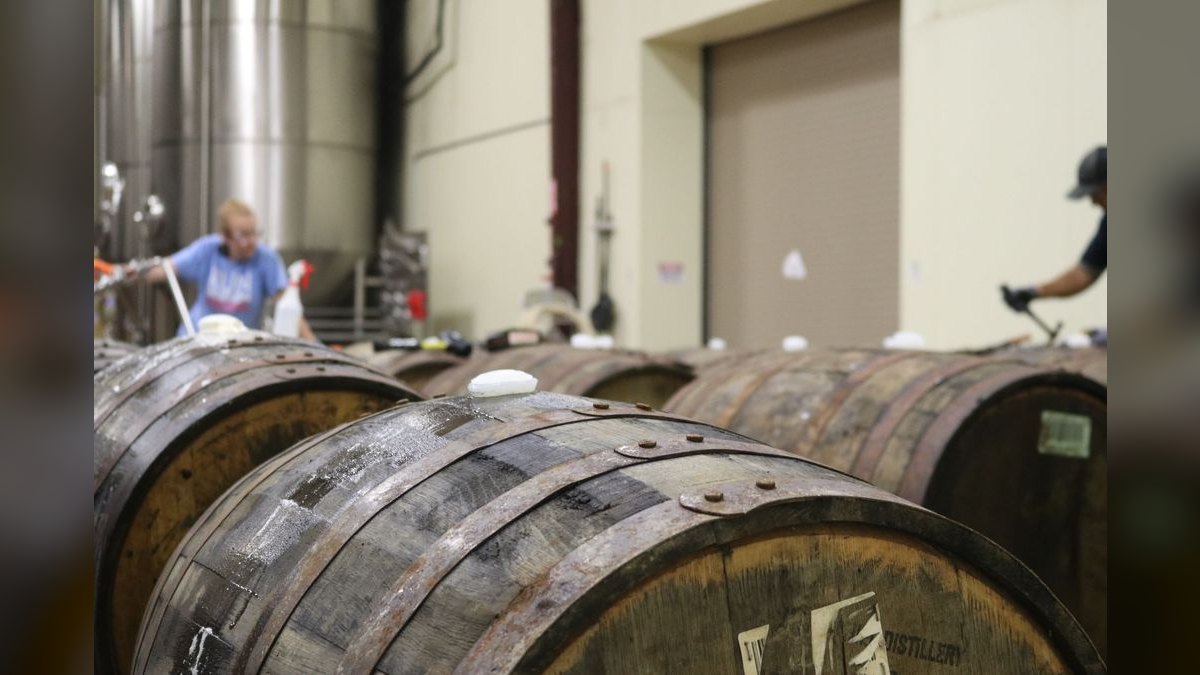
Process water, chilling, and drains. Distilling both consumes and discharges significant water. You will need glycol chillers or a cooling-water loop, sloped trench drains, and a sealed, chemical-resistant floor that can shrug off acid and alcohol spills without degrading. These are permanent, building-altering systems — which is precisely why they matter so much in the lease negotiation covered below.
Hidden infrastructure costs that break budgets
Most first-time budgets fixate on the still and the fermentation tanks, but the real budget-busters are the invisible systems mandated by law and safety code. Ventilation and explosion-proof electrical alone can run $30,000 to $80,000 for a small craft operation, because any room where ethanol vapors accumulate — fermentation, distillation, and storage — must carry spark-proof fixtures, explosion-proof motors, and continuous air exchange rated for a flammable environment. A fire suppression system, often a foam or water-mist design specific to alcohol fires, adds $15,000 to $50,000 on top of that.
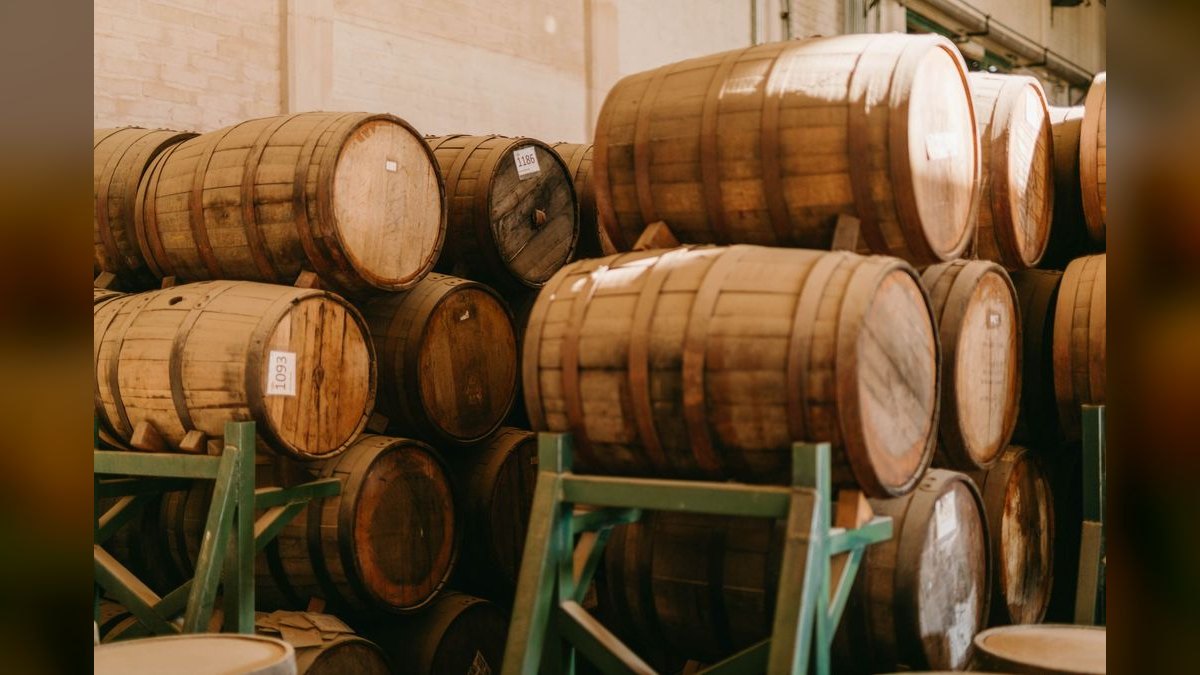
The floor drains must slope to a flammable-liquid-rated containment system, costing $5,000 to $20,000 depending on the concrete work involved. The bonded storage room for high-proof spirits must meet TTB security rules — a lockable, ventilated, fire-rated enclosure that runs $10,000 to $30,000. If the existing concrete floor needs grinding, sealing, or an acid- and alcohol-resistant coating, budget $3 to $8 per square foot for that alone; across a 5,000 sq ft space that is another $15,000 to $40,000 hiding in plain sight.
Collectively these "invisible" costs typically add 20% to 35% to the total buildout, and they are non-negotiable: the fire marshal and TTB will not issue permits without them. Treat every one of them as a hard line item from day one, not an optimistic afterthought you hope to value-engineer away later. The operators who blow their budgets are almost never the ones who overspent on a beautiful still — they are the ones who penciled in $20,000 for "misc code stuff" and got a $90,000 invoice.
How not to get crushed by the landlord
A distillery sinks enormous money into permanent, hazard-rated systems, and the federal permit chains you to one physical address — both facts hand leverage to the landlord. Defend yourself deliberately on each front, in writing, before the lease is signed.
The shell-as-is dump. A bare shell with no boiler-grade gas, single-phase power, no drains, and no roof venting can force $150,000+ of building work onto you. Negotiate a written base-building definition that puts heavy three-phase power, gas capacity, water service, floor drains, and roof-venting rights on the landlord's side of the line.
The restoration clause. Standard leases demand you "restore to base building" at exit, which would force you to rip out the boiler room, explosion-proof wiring, drains, and containment — a six-figure exit cost. Strike it outright, cap it at a fixed dollar figure, or limit removal to non-permanent equipment only.
The zoning and fire bait-and-switch. A landlord may soft-pedal that the address cannot host an H-occupancy or does not permit manufacturing. Get a written use-and-zoning representation in the lease, and make a fire-marshal pre-classification a signing contingency rather than a post-signing catastrophe.
No runway for the TTB clock. The federal DSP permit takes 90 to 180+ days, and you must hold the premises to even file. Negotiate 6 to 12 months of free or reduced rent plus a lease contingency on obtaining the TTB permit, so you are not paying full rent on a space you legally cannot operate. Also push the tenant-improvement allowance toward $50 to $150 per square foot — a distillery costs far more to build than ordinary flex space — and if you sit in a retail center, cap any percentage rent to tasting-room retail sales only, never your wholesale production shipped to distributors.
The lease, TI, and NNN math
Your lease is the single biggest financial decision in the whole project, and most operators get crushed on two clauses: the tenant-improvement (TI) allowance and triple-net (NNN) expenses. A typical commercial landlord offers a $20 to $60 per square foot TI allowance, but a distillery buildout runs $100 to $400 per square foot — you either cover the gap out of pocket or grind the allowance up. Never accept a lease that does not explicitly permit distillery operations, including grain storage, fermentation odors, noise, and truck deliveries. Demand a use clause covering "manufacturing of alcoholic beverages" and "on-site tasting-room sales."
The NNN expenses — property tax, insurance, and common-area maintenance — run $5 to $15 per square foot annually on top of base rent, and a distillery's heavy equipment and utility draw can trigger extra HVAC surcharges or electrical-demand fees the landlord passes through. Always negotiate a rent-abatement period of 3 to 6 months during construction, and try for a right of first refusal on adjacent space for future expansion, since distilleries almost always outgrow their first footprint. The biggest trap remains signing before you hold zoning approval and fire-marshal sign-off on your occupancy classification. If the space is zoned only for retail or light assembly, you can be forced to relocate after sinking hundreds of thousands into buildout — the single most expensive mistake in this whole category.
The TTB permit timeline and cash buffer
The federal permit is not merely a paperwork hurdle; it is a cash-flow killer that deserves its own budget line. The application for a Distilled Spirits Plant (DSP) permit takes roughly 90 to 180+ days — and can stretch toward a year — during which you cannot legally produce or sell a single drop. Budget $5,000 to $15,000 in legal and consulting fees to prepare a clean application, plus the modest federal permit and registration costs themselves.
More critically, you need 3 to 6 months of operating capital — rent, utilities, loan payments, and payroll — running through that waiting period, easily $30,000 to $100,000 depending on your burn rate. Many distillers also overlook the bond requirement: a $10,000 to $50,000 bond or cash deposit covering federal excise taxes on spirits produced before sale. State and local permits — the liquor license, health department, and fire marshal — add another $2,000 to $10,000 and take 2 to 4 months of their own. Carry a 20% contingency on top of your total buildout specifically for permit delays and unexpected compliance upgrades. Permit slippage is the most common reason distillery projects blow their budgets, and it is entirely predictable, so fund it deliberately rather than discovering it mid-build.
A budget sequence that saves money
Order of operations is itself a cost-control tool, because the cheapest problems to fix are the ones you catch before signing anything. Work the sequence deliberately. First, confirm zoning, fire H-occupancy, and the TTB path before leasing — all three are outright deal-killers and cheap to verify with a phone call and a pre-lease meeting. Second, spec the still, boiler, and NFPA 30 package together with an engineer and your still vendor so the three interdependent systems are priced as one unit and no surprise utility upgrade appears mid-build. Third, build the TTB clock into the lease with free rent and a permit contingency, protecting you from paying full rent on a space you cannot yet operate. Fourth, make the landlord deliver utilities and venting as base building, and grind the TI allowance upward toward real distillery numbers. Fifth, phase the tasting room if cash is tight — get production and federal compliance live first, then finish the public-facing space once revenue starts flowing. Following this order routinely trims a six-figure slice off the total by moving deal-killers to the front, where they cost a meeting instead of a demolition.
Related questions
How much does a small craft distillery cost to build?
A modest craft distillery of 500–1,000 sq ft can be built out for $100,000 to $300,000 including equipment, permits, and leasehold improvements. Larger or more automated operations easily exceed $500,000, driven mostly by still size and the scope of fire-code compliance the fire marshal requires.
How long does the TTB DSP permit take?
Expect 90 to 180+ days, occasionally stretching toward a full year. You must hold a leased, secured premises to file, so structure your lease with a long free-rent runway and a permit contingency to avoid paying full rent on a space you cannot legally operate yet.
Do I really need a steam boiler for a distillery?
Most production stills run on steam for control and safety rather than direct flame, so a boiler is standard — budget $40,000 to $150,000 all-in, or $5,000 to $20,000 for a small craft unit. Leaving the boiler off your budget is the most common and costly first-timer mistake.
What triggers explosion-proof electrical requirements?
Any room where ethanol vapor accumulates — fermentation, distillation, and high-proof storage — is a regulated hazardous (H) occupancy under NFPA 30, requiring Class I, Division 1 or 2 fixtures, vapor ventilation, and containment. The fire marshal's classification, not your still size, sets your exact scope and cost.
How much operating capital do I need during permitting?
Plan for 3 to 6 months of rent, utilities, payroll, and loan payments — commonly $30,000 to $100,000 — plus a $10,000 to $50,000 federal bond. You cannot sell during the wait, so this buffer is pure runway, not revenue-offset, and underfunding it strands otherwise-complete builds.
FAQ
What is the typical cost range for a distillery still and boiler? A small craft still of 100–300 gallons runs $15,000 to $60,000, while a boiler for steam or hot water often lands at $5,000 to $20,000 at the small end and up to $150,000 for a full production setup. These are the two largest equipment expenses, and refurbished units can meaningfully lower the upfront cost.
How much should I budget for federal and state permitting? Federal TTB permit costs are modest, but the real expense is the legal and consulting help to navigate the application, typically $5,000 to $15,000. State and local permits add another $2,000 to $10,000 depending on jurisdiction, plus a federal bond of $10,000 to $50,000 covering excise taxes on spirits produced before sale.
What are the biggest hidden costs in a distillery buildout? Fire-code compliance — explosion-proof electrical, vapor ventilation, and alcohol-rated suppression — can add $30,000 to $80,000 or more. Zoning and occupancy-classification changes may also force expensive shell upgrades, while flammable-liquid floor containment and a TTB-secured bonded storage room each add five figures on their own.
How much does leasehold improvement typically cost per square foot? For a distillery, TI commonly ranges from $100 to $400 per square foot, depending on the shell's condition and buildout complexity — far above the $20 to $60 a standard commercial landlord will fund. A negotiated TI allowance usually covers only a fraction, so plan to cover the gap.
What is a realistic total budget for a distillery startup? A modest craft distillery can be built out for $100,000 to $300,000 including equipment, permits, and improvements. Mid-size operations typically land $200,000 to $1.5 million, and larger or highly automated builds exceed $500,000 quickly once fire-code and utility upgrades stack onto the base construction.
How long does it take to break even on a distillery buildout? Most small distilleries aim to break even within 2 to 4 years, but the timeline depends heavily on sales volume, distribution reach, and tasting-room revenue. Operations relying solely on wholesale, with its thinner margins, frequently take longer, which is why a public-facing tasting room is such a common priority.
Sources
- Alcohol and Tobacco Tax and Trade Bureau (TTB) — Distilled Spirits Plant (DSP) permit requirements and bond rules.
- National Fire Protection Association (NFPA) — NFPA 30 Flammable and Combustible Liquids Code.
- American Craft Spirits Association (ACSA) — distillery facility planning and compliance guidance.
- CBRE — U.S. industrial and manufacturing leasing reports and construction-cost trends.
- JLL — specialty manufacturing and food & beverage tenant build-out cost guides.
- Cushman & Wakefield — industrial and flex-space tenant-improvement advisory.
- RSMeans by Gordian — industrial mechanical, electrical, and process-plant unit cost data.
- NAIOP — commercial real estate industrial development pro forma research.
Related on PULSE
- [How Do I Budget a Funeral Home Buildout?](/knowledge/bo0220)
- [How Do I Budget an Ambulatory Surgery Center Buildout?](/knowledge/bo0219)
- [How Do I Budget an Imaging Center (MRI/CT) Buildout?](/knowledge/bo0218)
- [How Do I Budget a Dialysis or Infusion Center Buildout?](/knowledge/bo0217)
- [How Do I Budget a Physical Therapy Clinic Buildout?](/knowledge/bo0216)
- [How Do I Budget a Chiropractic Clinic Buildout?](/knowledge/bo0215)
This page will be disappearing soon. Save it to your device for $1 — or read it free while it is here.
@Kory-White- · if Venmo asks, the last 4 of my number are 2012
 buildoutsHow Do I Budget a Bakery Buildout?
 buildoutsWhat Is a Go-Dark Clause and Should I Fight for One?
 buildoutsHow Do I Budget a Print or Sign Shop Buildout?
 buildoutsHow Do I Negotiate a Lease and Buildout for a Vape or Smoke Shop?
 buildoutsHow Do I Budget a Call Center or BPO Office Buildout?
 buildoutsHow Do I Budget and Site a Self-Storage Facility?
 buildoutsHow Do I Negotiate a Food Hall Stall Lease and Buildout?
 buildoutsHow Do I Budget a Commissary or Shared Kitchen Buildout?
 buildoutsHow Do I Budget a VR Arcade or Laser Tag Buildout?
 buildoutsHow Do I Budget a Trampoline Park Buildout?