
How Do I Budget a Print or Sign Shop Buildout?
 Curated byKory White · Fractional CRO · Maryland
 PULSEKNOWLEDGE LIBRARY
Quality
Certified
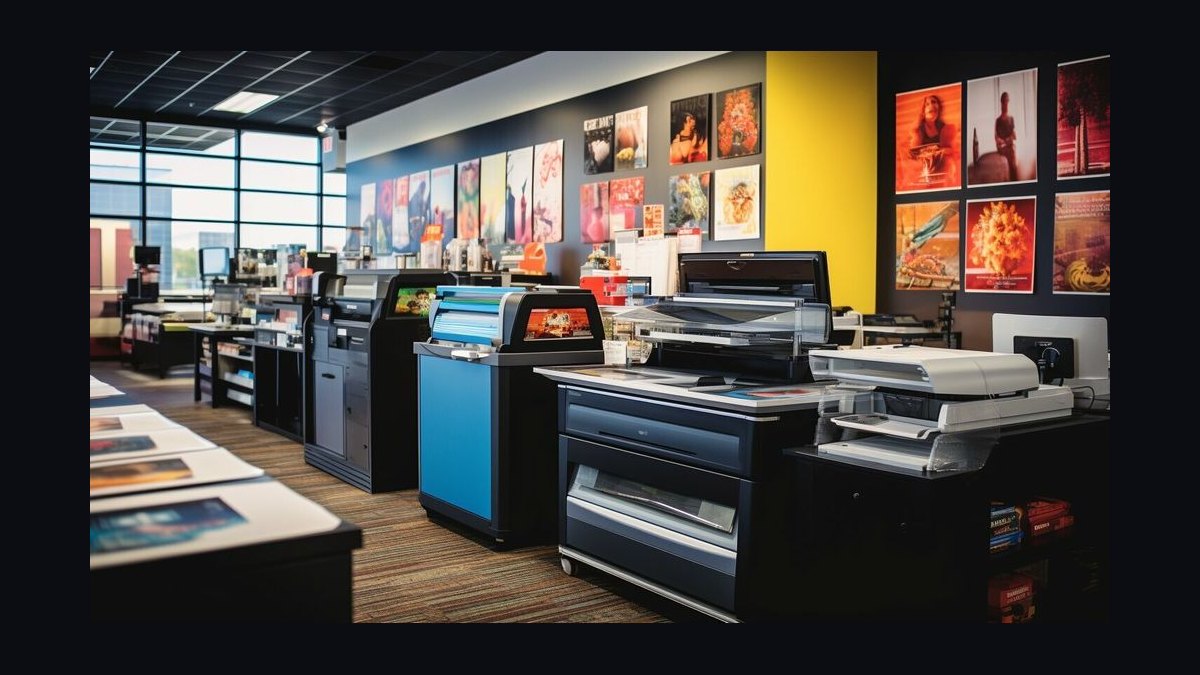
Budget roughly $45–$110 per square foot for a print or sign shop buildout — about $90,000–$180,000 all-in for a 2,000-square-foot bay. Power and ventilation drive the cost, not finishes, so negotiate the electrical service upgrade and solvent-exhaust path into landlord work or a named tenant-improvement allowance before you sign.
What actually drives the number
Print and sign shops are deceptively expensive because the equipment hides the cost. A flex bay rents cheap per square foot, but the back-of-house requirements look closer to light manufacturing than retail, and that is where the money goes. Understanding the real cost drivers before you tour a single space keeps you from anchoring on a per-square-foot finish number that has almost nothing to do with your actual spend.
The electrical service upgrade is usually the single largest line. Most retail bays arrive with only 100–150 amp service. A wide-format latex or eco-solvent printer pulls 20–30 amps on a dedicated 220V line; a UV flatbed or a CNC router can pull 40–60 amps. Bringing service up to 200–400 amps runs $8,000–$35,000 depending on whether the utility transformer itself needs upsizing. Request the utility's load letter early, because a transformer upgrade can add six to twelve weeks to your timeline and is entirely outside your contractor's control.
On top of the service, you pay for dedicated circuits — budget $600–$1,500 per circuit and plan on six to twelve of them for a real production shop. Then comes ventilation and make-up air: solvent and UV-cure printers need source-capture exhaust, laser engravers need a fume extractor at $1,500–$6,000 per unit, and a proper exhaust plus make-up air system lands at $12,000–$40,000. Compressed air for flatbeds, laminators, and pneumatic tools means a 5–10 HP compressor at $2,500–$7,000 plus piped drops.
Rounding out the mechanicals, you will spend on flooring (sealed concrete or epoxy at $3–$8 per square foot — never carpet near ink and solvent), climate control to keep vinyl and ink stable via a dedicated mini-split or rooftop unit at $6,000–$18,000, and plumbing for a utility sink and floor drain at $2,500–$6,000 if you run screen printing or eco-solvent flushing. Against all of this, the finishes are the cheap part: a retail counter, signage, and a small customer waiting area for a sign shop is often under $20,000 of the total.
Real cost ranges by shop size
The cleanest way to sanity-check a bid is to bracket your number against typical ranges by square footage and by how much production capacity you are building on day one. A "light" shop running signs and vinyl only carries far less mechanical load than a "full production" shop with large-format, UV, and laser equipment all drawing power and venting fumes at once.
| Shop size | Light (signs / vinyl only) | Full production (large-format + UV + laser) |
|---|---|---|
| 1,200 sq ft | $55,000–$95,000 | $110,000–$160,000 |
| 2,000 sq ft | $90,000–$140,000 | $150,000–$230,000 |
| 3,500 sq ft | $130,000–$200,000 | $230,000–$380,000 |
The pattern that surprises most first-time owners is the ratio inside those numbers. On a print-shop fit-out, mechanical, electrical, and plumbing (MEP) is usually the majority of the spend — often well more than half — the inverse of a typical retail fit-out where finishes dominate. So when you set your contingency, weight it onto the MEP scope, not the paint and millwork. A 10–15% reserve is reasonable, but a dollar of contingency on the electrical panel or the roof exhaust is worth far more than a dollar held against countertop overruns.
RSMeans unit-cost data and broker fit-out guides from CBRE, JLL, and Cushman & Wakefield are useful gut-checks on the electrical, ventilation, and TI lines, but treat them as directional. Get firm local bids before you commit, because labor rates and utility-upgrade costs swing widely by market — a panel upgrade that costs $10,000 in one metro can cost $28,000 forty miles away because a different utility owns the transformer.
Don't get screwed by the landlord
This is where print shops quietly bleed the most money, and almost all of it is negotiated — or lost — before the lease is signed. There are five recurring traps, and each has a specific counter you should write into the lease rather than assume.
The first is the "as-is" bay with undersized power. Landlords happily lease a bay as-is knowing the next tenant will pay for the panel upgrade. Demand a turnkey delivery or a TI allowance that explicitly names the electrical service upgrade to your required amperage, and put the amperage number in the lease text — not "adequate power," but "200-amp, 208V three-phase service delivered to the demising wall." The second trap is a vague TI allowance with no schedule: a $40-per-square-foot allowance is worthless if you front the cash and wait nine months for reimbursement. Negotiate progress draws or a rent-credit structure so you are not financing the landlord's building improvement out of your working capital.
The third trap can kill the deal entirely: no exhaust or roof-penetration rights. Solvent exhaust has to vent through the roof, and if the lease bans roof penetrations, your shop is physically impossible in that space. Get written roof-penetration and rooftop-equipment rights before you sign. The fourth is the restoration or surrender clause — landlords often require you to remove all equipment and restore the bay to vanilla shell at lease end, which can be a $15,000–$50,000 surprise. Negotiate to leave the electrical and HVAC upgrades in place, since they are improvements that benefit the landlord, and cap your restoration obligation in writing. The fifth is CAM creep: in flex parks, uncapped common area maintenance can climb several points a year, so negotiate a cap on controllable CAM at 3–5% annually.
The single biggest dollar move underneath all five: make the electrical service and the exhaust path landlord work, delivered before your rent commencement date, with a free-rent buildout period of at least 60–90 days so you are not paying rent on a bay you cannot yet produce in.
A buildout timeline that protects cash
Sequencing is what keeps you from paying double rent, and it is the part first-time owners most often get backwards. The goal is a rent commencement date that starts after the landlord's work is done, with a free-rent window carved out for your equipment install and power-up testing. Get that order wrong and you spend eight weeks paying full rent on an empty shell while a transformer sits on backorder.
The reason timing matters so much is long-lead equipment. Utility transformer upgrades and rooftop HVAC units commonly carry 8–14 week lead times, and permitting for a space that straddles retail and light industrial can add weeks on top of that. If you wait until after the lease is signed to start those conversations, every week of lead time is a week of rent you did not have to pay. Order the long-lead items — the transformer, the rooftop unit, the make-up air handler — first, before finish work even begins.
In practice, most print or sign shop buildouts run 8 to 16 weeks from lease signing to opening, but that range assumes the load letter and permit conversations started during the letter-of-intent stage. A useful discipline is to treat the utility and the building department as vendors with their own lead times that you book early, exactly like you would book the printer itself.
Three hidden costs that wreck first budgets
Beyond the visible MEP lines, three costs consistently ambush first-time owners because they do not show up on a standard fit-out spreadsheet. The first is the floor slab and vibration control. Industrial flex spaces are rarely poured to the flatness tolerance that wide-format flatbeds and roll-to-roll printers need. A slab off by even a quarter inch across eight feet can cause banding, misregistration, and premature printhead-carriage wear. Budget $2,500–$7,500 for a concrete floor survey and, if needed, a self-leveling overlay or targeted grinding. For a flatbed over five feet wide, plan $3,000–$6,000 for a vibration-isolation pad or a floating slab section, since vibration from roll-up doors, compressors, or forklifts transmits through the slab and degrades fine detail. A rubber-cork isolation mat runs about $1.50–$3.00 per square foot — far cheaper than a service call for a misaligned gantry — and $1,200–$2,800 covers laser leveling of the printer footprint at install. Get a flatness report in writing before you sign and push slab prep into the TI allowance; many landlords split or cover it because it is a structural condition, not a cosmetic upgrade.
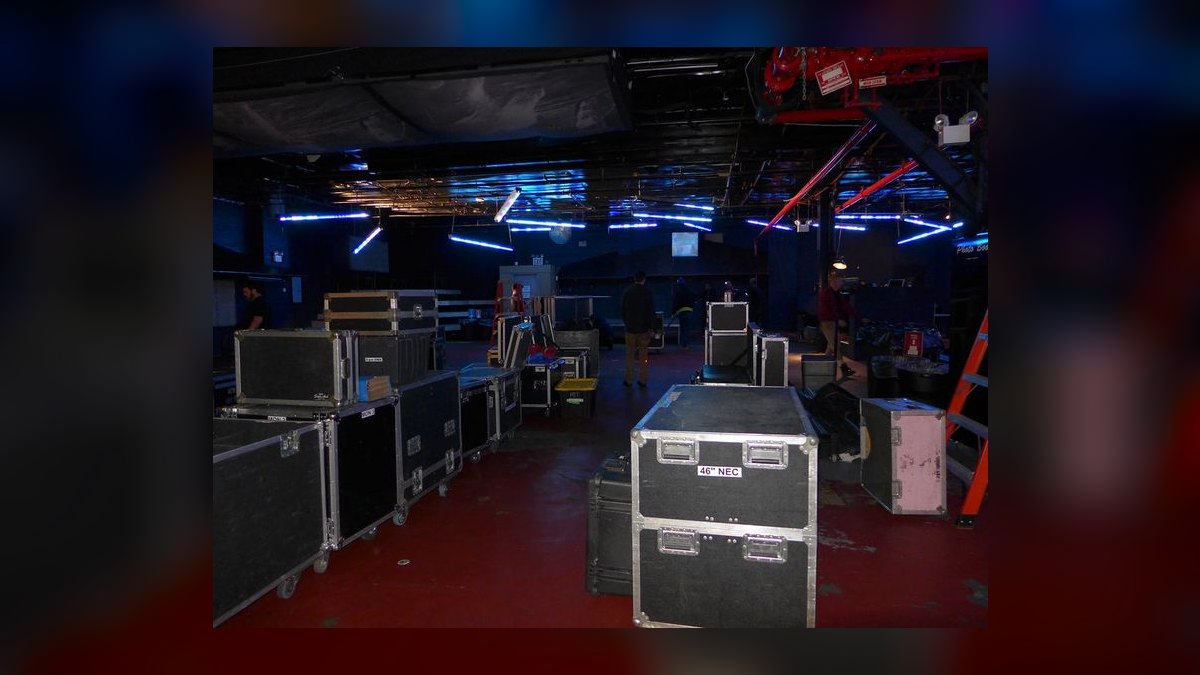
The second hidden cost is solvent exhaust and make-up air done to code. A single solvent-based printer or laminator can off-gas volatile organic compounds fast enough to approach OSHA exposure limits and trigger local fire and mechanical code requirements. The small roof fan a landlord offers for a "light manufacturing" space is almost never enough. Budget $4,000–$9,500 for a properly rated exhaust fan, ductwork, and a flashed, warrantied roof penetration, plus $3,000–$7,000 for a make-up air unit if the space runs over 1,500 square feet or several printers at once. Some jurisdictions require fire-protection provisions around solvent storage, adding $2,000–$5,000. The cheapest workaround is to run only latex or UV-curable inks, but that limits your substrates and clientele. If you plan eco-solvent or true solvent, pay a mechanical engineer a few hundred dollars for a code review before you lease — it can save you a five-figure retrofit after move-in.
The third is permitting and phased inspections. Print and sign shops fall into a gray zone between retail and light industrial, and that ambiguity often triggers a conditional-use or special-use review that adds 4–12 weeks and $1,500–$4,500 in fees and expediting. Plan $800–$2,000 in building permit fees based on construction value, plus $1,000–$3,000 for a licensed architect or designer to stamp your floor plan and electrical layout, and another $500–$1,200 where third-party plan review is required for industrial ventilation. The real budget-buster is sequencing: pull the electrical and mechanical permits first because they are the long-lead items, keep finish work under a separate faster permit, and never start demo before the permit is issued or you risk a stop-work order and double fees. On a tight timeline, a permit expediter at $1,500–$3,000 typically cuts review time meaningfully.
How to cut the budget without cutting corners
There are legitimate ways to bring the number down that do not compromise your ability to produce, and they mostly involve phasing and space selection rather than buying cheaper systems. The most effective single move is to buy one fewer machine to start. A second wide-format printer adds $15,000–$60,000 in equipment plus its own dedicated circuit and its own exhaust run, so phasing it to year two removes cost from three budget lines at once, not just the equipment line.
Beyond phasing machines, lease the equipment and reserve your cash for the buildout. Equipment financing preserves working capital, and the buildout is the thing you cannot repossess — which is exactly why you want it covered by a TI allowance rather than out of pocket. If you can find one, take a second-generation print space: a former print or sign shop may already have the power, exhaust, and floor drains in place, saving $30,000–$70,000. Verify that the prior equipment was removed cleanly and the electrical was de-rated correctly so you are not inheriting a fire-marshal problem. Smaller levers add up too — sealed concrete over epoxy in low-traffic zones saves $2–$4 per square foot, and right-sizing the compressor avoids paying up front for capacity you will never use while also dodging later noise-abatement cost.
One last piece of discipline ties the whole budget together: unless you have real commercial-construction and permitting experience, hire a general contractor who specializes in industrial or retail fit-outs. Coordinating electricians, HVAC contractors, and inspectors is precisely where self-managed projects lose time and money — usually more than the GC's fee — and on a build where MEP is the majority of the spend, coordination is the thing you most need to get right.
Related questions
How much of the budget is MEP versus finishes?
On a print or sign shop fit-out, mechanical, electrical, and plumbing typically consume more than half the total — the reverse of a normal retail build where finishes dominate. Weight both your bids and your contingency toward power and ventilation, not paint and millwork.
What amperage should I demand in the lease?
Write the exact number, not "adequate power." Most production shops need 200–400 amp service; a single UV flatbed or CNC router can draw 40–60 amps alone. Specify amperage, voltage, and phase delivered to the demising wall as landlord work.
Can I run a print shop without roof-penetration rights?
Generally no if you use solvent or UV inks — that exhaust must vent through the roof. Confirm written roof-penetration and rooftop-equipment rights before signing, or the space is physically unusable for your shop regardless of price.
How long before opening should I contact the utility?
At the letter-of-intent stage, well before signing. Request the load letter immediately, because a transformer upgrade can add six to twelve weeks entirely outside your contractor's control and is a common cause of paying rent on an empty bay.
FAQ
What is the typical cost per square foot for a print or sign shop buildout?
Budget roughly $45 to $110 per square foot for a standard retail or flex-industrial bay. The final number depends heavily on your electrical and ventilation needs, local labor rates, and whether you are starting from a raw shell or a second-generation space that already has power and exhaust in place.
How can I make the landlord cover part of the buildout costs?
Negotiate a turnkey delivery or a TI allowance that specifically names the electrical and ventilation scope — and the exact amperage. Those systems are the most expensive and most disruptive to install later, so getting them into landlord work is the single most effective way to protect your budget.
What are the biggest hidden costs I should plan for?
Expect surprises from upgraded electrical panels, source-capture exhaust and make-up air for solvents, floor flatness and vibration control, and end-of-lease restoration clauses. Set aside 10–15% of the total as contingency, weighted toward the MEP scope rather than finishes.
How long does a typical buildout take from lease signing to opening?
Most print or sign shop buildouts run 8 to 16 weeks, depending on permit timelines and contractor availability. Utility transformer upgrades and rooftop HVAC are the usual long-lead bottlenecks, so start that planning with your landlord and utility before the lease is signed.
Should I hire a general contractor or manage the buildout myself?
Unless you have real experience with commercial construction and permitting, hire a GC who specializes in industrial or retail fit-outs. Coordinating electricians, HVAC contractors, and inspectors is where self-managed projects lose the most time and money — usually more than the GC's fee.
What lease terms matter most for a print or sign shop?
Prioritize a term long enough to amortize the buildout (often five years or more), a cap on controllable CAM, written roof-penetration and rooftop-equipment rights, and explicit permission for your equipment's power and ventilation demands. Short terms or vague operating clauses leave you paying for improvements you cannot fully use.
Sources
- RSMeans / Gordian — Building Construction Cost Data
- CBRE Research — fit-out cost guides and market reports
- Cushman & Wakefield — Industrial & Logistics MarketBeat
- NAIOP — Commercial Real Estate Development Association
- BOMA International — operating-expense and CAM benchmarking
- International Code Council — International Mechanical Code
- OSHA — Ventilation and Air Contaminants Standards, 29 CFR 1910
- PRINTING United Alliance — wide-format and UV facility resources
Related on PULSE
- [Should I Sign a Personal Guarantee on a Commercial Lease?](/knowledge/bo0009)
- [How Do I Budget a Florist Shop With a Walk-In Cooler Buildout?](/knowledge/bo0201)
- [How Do I Budget a Makerspace or Woodworking Shop Buildout?](/knowledge/bo0180)
- [How Do I Budget a Pizza Shop Buildout?](/knowledge/bo0164)
- [How Do I Budget an Ice Cream or Gelato Shop Buildout?](/knowledge/bo0162)
- [How Do I Budget a Butcher Shop or Meat Market Buildout?](/knowledge/bo0161)
This page will be disappearing soon. Save it to your device for $1 — or read it free while it is here.
@Kory-White- · if Venmo asks, the last 4 of my number are 2012
This page is gone.
This one is off the shelf now. $1 keeps it on your phone for good — the whole page, pictures and diagrams included.
 buildoutsHow Do I Negotiate a Lease and Buildout for a Private or Charter School in 2026?
 buildoutsHow Do I Budget and Site a Self-Storage Facility in 2026?
 buildoutsHow Do I Budget a Vertical Farm or Indoor Ag Buildout in 2026?
 buildoutsHow Do I Budget an Optometry Office With an On-Site Lab in 2026?
 buildoutsHow Do I Budget a Data Center or Colocation Buildout in 2026?
 buildoutsHow Do I Budget a Sushi Restaurant Buildout in 2027?
 buildoutsHow Do I Negotiate a Lease and Buildout for an Urgent Care in 2026?
 buildoutsHow Do I Negotiate a Lease and Buildout for a Pharmacy in 2026?
 buildoutsHow Do I Budget a Distillery Buildout in 2026?
 buildoutsHow Do I Budget an IV Therapy or Wellness Clinic Buildout in 2026?