
How Do I Budget a Hotel Renovation or PIP?
 Curated byKory White · Fractional CRO · Maryland
 PULSEKNOWLEDGE LIBRARY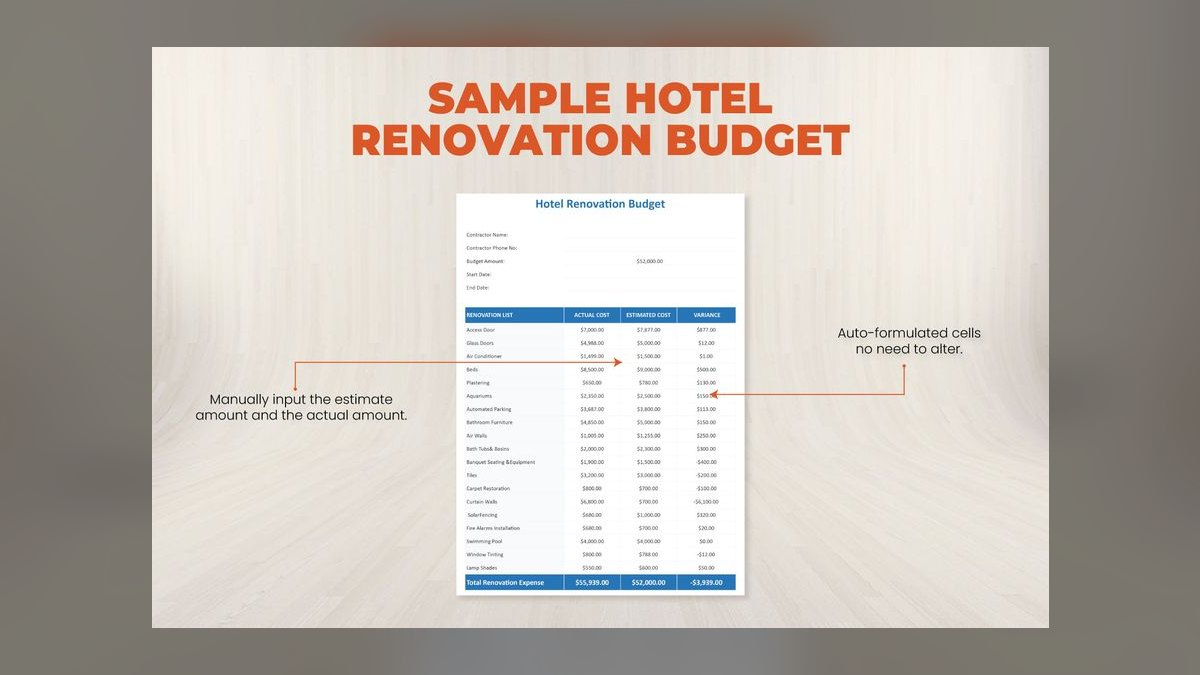
Budget a hotel renovation by treating the Property Improvement Plan (PIP) as a negotiation, not a bill: get the scope and a per-key cost estimate before you close, phase the work over time, and carry a real contingency. The PIP is the brand's required scope of work when you buy, convert, or renew a flag, and it is far more negotiable than most first-time owners assume. Costs are typically expressed per key (per guest room) and vary widely with the depth of the work — a light soft-goods refresh sits at the low end, a full renovation in the middle, and a brand conversion or repositioning at the top. The single most valuable move is to make the PIP scope and estimate a closing condition, because your leverage evaporates the moment you sign the franchise agreement.
Hotel renovation budgeting fails when owners accept a lump-sum number and a verbal "this is roughly what it'll cost." The right approach breaks the project into recognizable cost buckets, sizes each one against the brand's actual written standards, and layers in the two lines first-timers forget: contingency and lost revenue from rooms taken offline. Do that before you're contractually locked in, and the brand negotiates with you. Do it after, and every change order runs through the brand and your contractor on their terms.
What Is a Hotel PIP and What Does It Cover?
A PIP (Property Improvement Plan) is the scope of work a brand — Marriott, Hilton, Hyatt, IHG, and the rest — requires when you acquire a hotel, convert a flag, or renew a franchise agreement. It is essentially the brand's wish list for bringing the property up to current prototype standards, and it arrives looking like law. It isn't law; it's an opening position. Brands typically issue a preliminary PIP before you close and a final PIP after, and the gap between those two documents is where a disciplined owner protects real money.
The PIP is organized into categories, and knowing them lets you push back intelligently instead of paying full retail on the whole list. Guestroom FF&E (furniture, fixtures, and equipment — casegoods, soft seating, mattresses, lighting, TVs) is usually the single largest line. Guest bathrooms (vanities, tile, fixtures) are the most disruptive to occupancy. Public spaces (lobby, breakfast area, fitness room, corridors) carry the brand's identity. Building systems cover HVAC, elevators, roofing, and life safety. Technology includes brand-mandated property-management systems, Wi-Fi, locks, and mobile check-in. Exterior and signage covers the porte-cochère, paint, parking, and the brand sign package. And ADA and life-safety items are code-triggered and genuinely non-negotiable. The same category logic shows up across specialized commercial buildouts — the discipline of scoping by system rather than by lump sum is exactly what we walk through in budgeting a physical therapy clinic buildout, where mechanical and code items dominate the surprises the same way they do in hotels.
How Much Does a Hotel Renovation Cost Per Key?
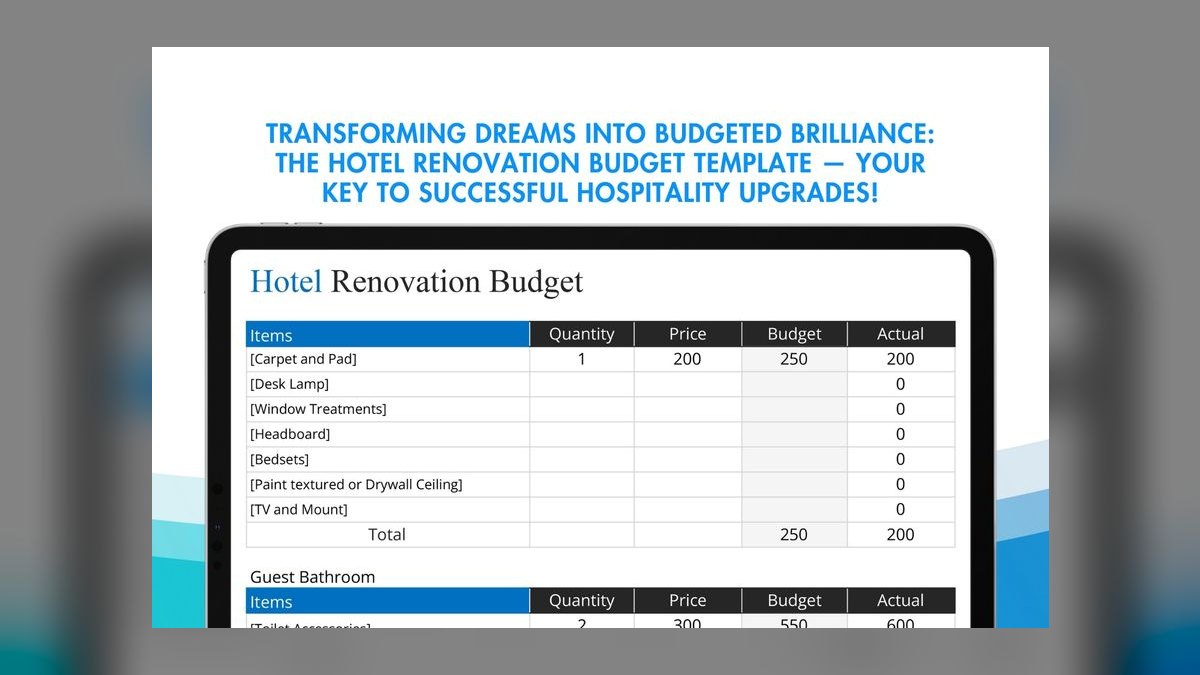
Hotel renovation costs are almost always quoted per key, because it lets you compare a 90-room select-service property against a 300-room full-service asset on the same axis. Published cost surveys from firms like HVS and CBRE consistently show three broad tiers, and the depth of the work — not the size of the hotel — drives which tier you land in. A soft-goods refresh (carpet, paint, bedding, drapes, artwork) sits at the low end. A full renovation that opens bathrooms, replaces FF&E, and touches building systems lands in the middle. A brand conversion or repositioning to a higher chain scale sits at the top, because you're not just refreshing — you're changing what the building is.
Whatever range a survey quotes, treat it as directional and demand an itemized estimate specific to your property's actual condition. Soft costs — design, brand-approved architect fees, permits, project management, and the brand's own PIP administration charges — commonly add a further layer on top of hard cost, so a "per-key hard cost" number understates the real all-in figure. The mistake that blows budgets is anchoring on a single headline number and skipping the line-by-line. This is the same trap that appears in higher-intensity medical buildouts like an ambulatory surgery center, where the specialized systems make a lump-sum number nearly meaningless.

How Do You Negotiate a PIP Before Closing?
This is the part most owners leave on the table. The PIP is negotiable, and your leverage is highest during the transaction window — before you've signed the franchise agreement and while the deal still hinges on brand approval. The foundational move is to make a clean PIP scope and cost estimate a closing condition in your purchase agreement. If the seller or brand can't deliver it, that uncertainty becomes leverage on price. Once you close, the brand inspector can "discover" new requirements and every change runs on their timeline.
Walk the property with your designer and a contractor before you sign off, and challenge every line with one question: *is this a brand standard, or a preference?* Standards — life safety, ADA, current signage, mattress spec — are fixed. Preferences — a specific approved vendor, a "recommended" lobby reconfiguration, an upgrade beyond the current prototype — frequently are not. Three tactics reliably trim scope: ask to substitute brand-approved alternates at lower cost; request a phased timeline so big-ticket items fall in a later year of the agreement; and document the property's actual condition with photos so you aren't paying to replace items that already meet standard. Bring the brand's PIP coordinator a written counter-scope rather than arguing verbally. And on conversions specifically, ask about key money — a cash or fee-relief incentive brands sometimes contribute to win a flag. It's rarely advertised; you have to ask, and you have more leverage on a conversion than a renewal.
How Do You Build the Renovation Budget Line by Line?
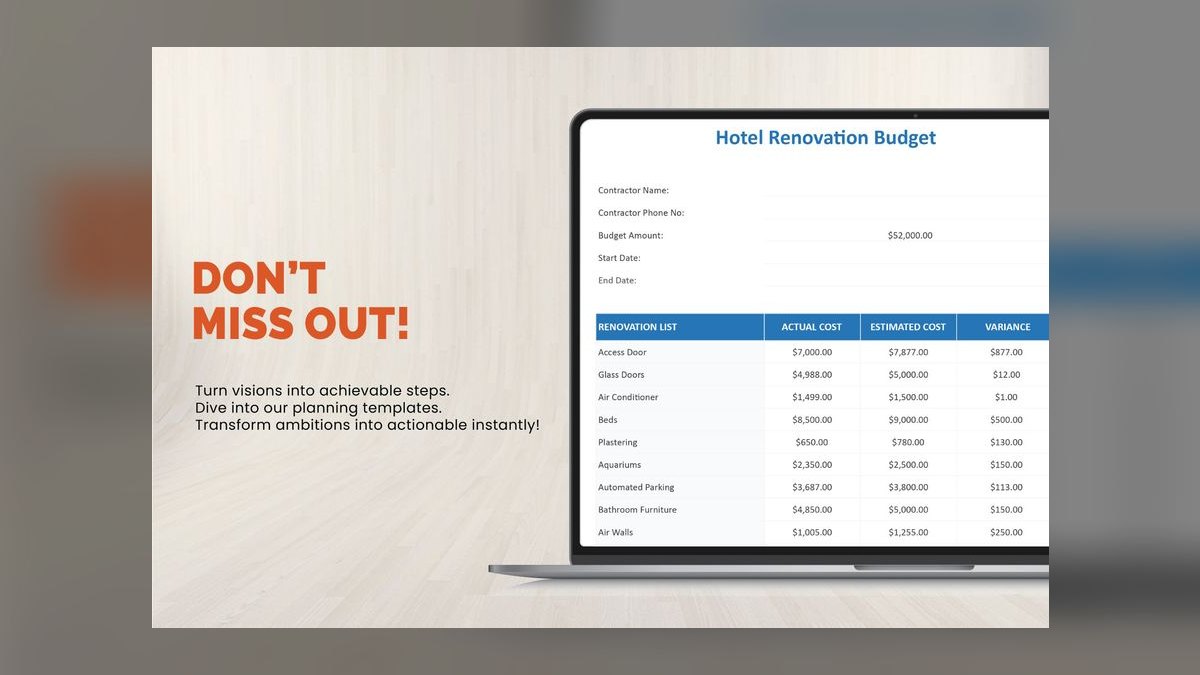
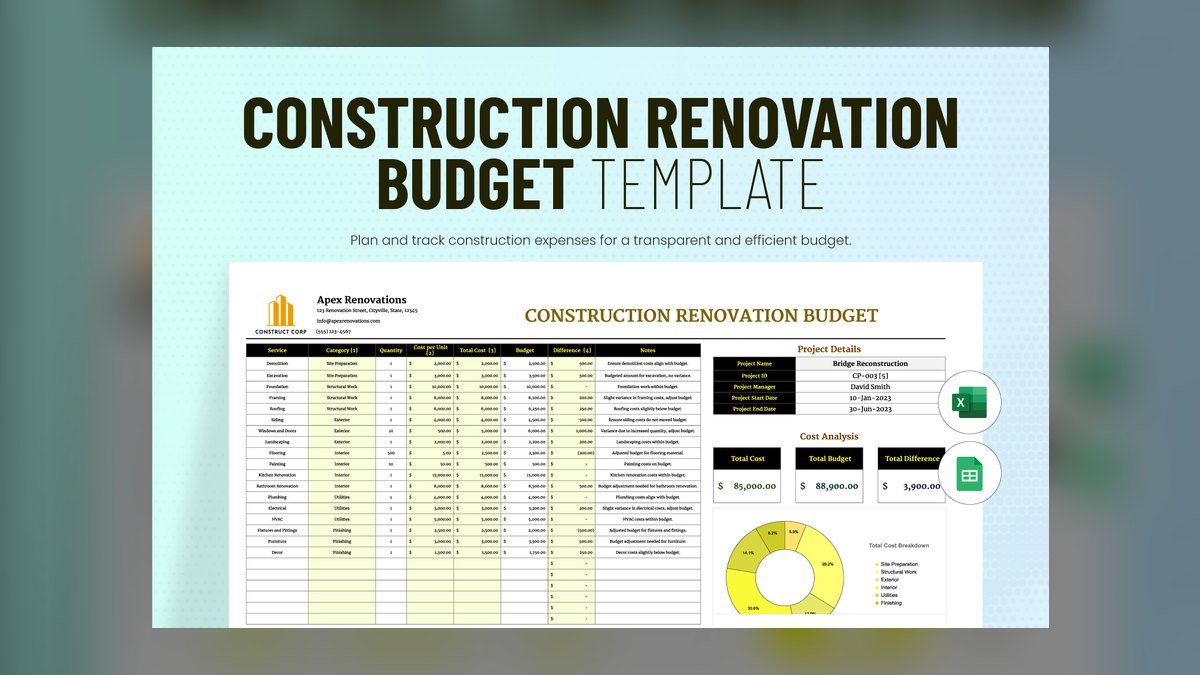
Don't budget a renovation as one lump number — that's how owners get blindsided. Break it into the four buckets a lender and a general contractor will both recognize. FF&E (furniture, fixtures, and equipment) covers casegoods, soft seating, mattresses, TVs, and lighting; it's usually the biggest line and the one brands spec most tightly. OS&E (operating supplies and equipment) covers linens, glassware, and in-room collateral — small per item, large in aggregate across every key. Construction and hard costs cover bathrooms, flooring, HVAC, life safety, ADA, and structural work; this is the line most likely to blow up once walls open. Soft costs cover the architect, designer, permits, brand review fees, project management, and the brand's PIP administration charge.
Then layer in the two lines first-timers forget. Contingency should be a real, sized reserve, because hidden conditions — asbestos, failed plumbing risers, rotten subfloor — surface only after demolition; seasoned operators carry a meaningful percentage on any full renovation for exactly this reason. And lost revenue from displacement: every room out of service is a room you can't sell. A phased renovation that closes a floor at a time protects cash flow but stretches the timeline; a full shutdown is faster but means an extended period of zero income while debt service continues. Model both scenarios before you commit, because the "cheaper" construction bid is often the more expensive path once you price the dark rooms. A pre-renovation existing-conditions survey is cheap insurance here — it catches the surprises behind the walls before they become change orders.
How Do You Finance a PIP Without Draining Your Cash?
Because the PIP is often negotiated at purchase, you can frequently finance it instead of paying out of pocket. The cleanest move is to roll the PIP into your acquisition loan so it's part of the financed basis rather than a post-close cash call. SBA 504 and 7(a) loans are widely used by independent and franchised hotel owners precisely because renovation and FF&E qualify as eligible uses, and the longer amortization keeps monthly payments manageable. If you already own the asset, a PACE loan (Property Assessed Clean Energy) can fund the energy-related slice — HVAC, windows, lighting, roofing — repaid through a property-tax assessment, which keeps it off your conventional debt and often carries long terms.
Two underused levers round out the financing picture. First, brand key-money or renovation incentives: when you convert a flag or sign a long franchise term, the brand sometimes contributes cash or fee relief toward the PIP — ask, because it's rarely offered unprompted. Second, the FF&E reserve: most franchise and management agreements already require you to set aside a percentage of gross revenue into a reserve fund. If you've been funding it, that account is your first source for soft-goods cycles — use it before you borrow. If you're buying, ask the seller for the reserve balance; a funded reserve is real value that belongs in your negotiation. A practical sequencing rule: finance the long-life hard costs and structural work with long-term debt, and pay for fast-cycling soft goods (carpet, bedding, paint) from reserves or cash, since you'll replace them again within several years anyway.
How Do You Avoid Getting Screwed by the Brand or Contractor?
The PIP process has predictable traps on both sides, and each one has a defense. The post-close scope creep — where the inspector adds requirements after you've signed — is defeated by locking the scope in a signed scope letter with a defined completion list. The mandated-vendor markup, where brand-approved FF&E and technology vendors price above market, is defeated by insisting on competitive bids among approved vendors and the right to use equivalent alternates. The change-order profit center, where a general contractor bids low and profits on changes, is defeated by a guaranteed maximum price (GMP) contract with published unit prices for the likely changes.
Three more traps round out the list. The hidden-condition surprise — failed risers, mold, outdated wiring behind finished walls — is caught by that pre-renovation existing-conditions survey before it becomes a change order. The displacement-revenue trap is managed by budgeting for rooms out of order and negotiating the brand's tolerance for keeping a share of inventory offline during the work. And the default clause — franchise agreements let the brand terminate and charge liquidated damages if the PIP runs late — is managed by negotiating realistic deadlines and cure periods up front. The through-line is simple: itemize everything, get it in writing, and never accept a verbal number. Owners who treat the PIP as a negotiation routinely trim it meaningfully; owners who treat it as a bill pay full freight.
Related questions
What is a PIP in the hotel industry?
A Property Improvement Plan is the brand-required scope of work to bring a hotel to current standards when you buy it, convert the flag, or renew the franchise agreement.
Is a hotel PIP negotiable?
Yes — scope, timing, and vendor substitutions are all negotiable, especially before closing when the deal depends on brand approval. Standards like life safety and ADA are fixed; many preferences are not.
What does "per key" mean in hotel renovation costs?
"Per key" means per guest room. Renovation budgets are quoted per key so properties of different sizes can be compared on the same cost basis.
Can I roll a PIP into my acquisition loan?
Often yes. Financing the PIP as part of the acquisition basis — frequently via SBA or conventional lending — avoids a post-close cash call and keeps working capital intact.
What is key money in a hotel conversion?
Key money is a cash or fee-relief incentive a brand may contribute to win a conversion or a long franchise term. You typically have to ask for it, and leverage is highest on conversions.
FAQ
Can you really negotiate a PIP before you buy a hotel? Yes, and it's the single biggest lever you have. The PIP is the brand's wish list, not a fixed code, so scope, timing, and substitutions are all on the table — especially when the deal hinges on franchise approval. Once you close, your leverage drops sharply, so push hard during the transaction window and make the scope and estimate a closing condition.
What's the difference between a renovation and a PIP? A renovation is any upgrade you choose to make; a PIP is the specific scope of work a brand requires to keep or grant the flag. You can renovate without a PIP, but you can't skip a required PIP and keep the brand. Many owners bundle both so they're not opening walls twice and paying mobilization costs on separate projects.
How long do I have to complete a PIP? Timing is one of the most negotiable parts of the agreement, and brands will often phase work over months or years rather than demand it all at once. The right schedule depends on your capital, occupancy patterns, and which items are guest-facing versus back-of-house. Get the timeline and any cure periods in writing before you sign.
Should I budget a contingency, and how much? Always carry a contingency, because hidden conditions behind walls and in mechanical systems are the norm in older hotels, not the exception. A meaningful reserve on a full renovation protects you from change orders that would otherwise blow the budget. Treat the contractor's first number as a starting point, not the ceiling.
Can I substitute brand-specified finishes for cheaper options? Often yes — brands care about meeting standards, and there's usually more than one approved product that qualifies. Ask for the full approved-vendor list and price alternates rather than accepting the first spec handed to you. Document every approved substitution in writing so there's no dispute at final inspection.
What's the most common budgeting mistake owners make? Treating the PIP as non-negotiable and pricing it at full retail without challenging scope or timing. Franchisees routinely leave money on the table because they assume the brand's list is fixed. Going in informed — and negotiating before close — is what keeps the project from getting away from you.
How do I account for lost revenue during the renovation? Add a displacement line to the budget for every room taken out of order. Compare a phased renovation, which protects cash flow but runs longer, against a full shutdown, which is faster but eliminates income while debt service continues. Model both before committing.
Sources
- HVS — Hotel Development Cost and Renovation Surveys
- CBRE Hotels — Capital Expenditure and Renovation Research
- JLL Hotels & Hospitality — Brand Conversion and PIP Advisory
- American Hotel & Lodging Association (AHLA)
- International Society of Hospitality Consultants (ISHC) — CapEx Studies
- U.S. Small Business Administration — 504 and 7(a) Loan Programs
- U.S. Department of Energy — PACE Financing Overview
- ADA.gov — Americans with Disabilities Act Standards for Accessible Design
Related on PULSE
- [How much does a 10,000 sq ft cold storage warehouse buildout cost in 2027?](/knowledge/bo348)
- [How does the semantic field of the word "bo" in Old English reveal the Anglo-Saxon conceptualization of dwelling as a site of both physical shelter and social obligation?](/knowledge/bo0339)
- [Can I get the landlord to reimburse my moving and storage costs during the buildout](/knowledge/bo0332)
- [What’s the cheapest way to add a kitchenette to a raw shell office without triggering new fire sprinklers](/knowledge/bo0328)
Recently Added — Related
- [How Do I Budget a Dry Cleaner Buildout?](/knowledge/bo0170)
This page will be disappearing soon. Save it to your device for $1 — or read it free while it is here.
@Kory-White- · if Venmo asks, the last 4 of my number are 2012
 buildoutsHow Do I Budget a Physical Therapy Clinic Buildout?
 buildoutsHow Do I Budget a Makerspace or Woodworking Shop Buildout?
 buildoutsHow Do I Budget a Florist Shop With a Walk-In Cooler Buildout?
 buildoutsHow Do I Negotiate a Lease and Buildout for Doggy Daycare or Boarding?
 buildoutsHow Do I Budget a Warehouse or Industrial Buildout?
 buildoutsHow Do I Budget a Chiropractic Clinic Buildout?
 buildoutsHow Do I Budget a Martial Arts Dojo Buildout?
 buildoutsHow Do I Budget an Imaging Center (MRI/CT) Buildout?
 buildoutsHow Do I Budget a Garden Center or Nursery Buildout?
 buildoutsHow Do I Negotiate a Lease and Buildout for a Cigar or Hookah Lounge?