 Pulse Reviews and Analysis
How Do I Budget a Hotel Renovation or PIP?
 Curated by Kory White · Fractional CRO, CRO Syndicate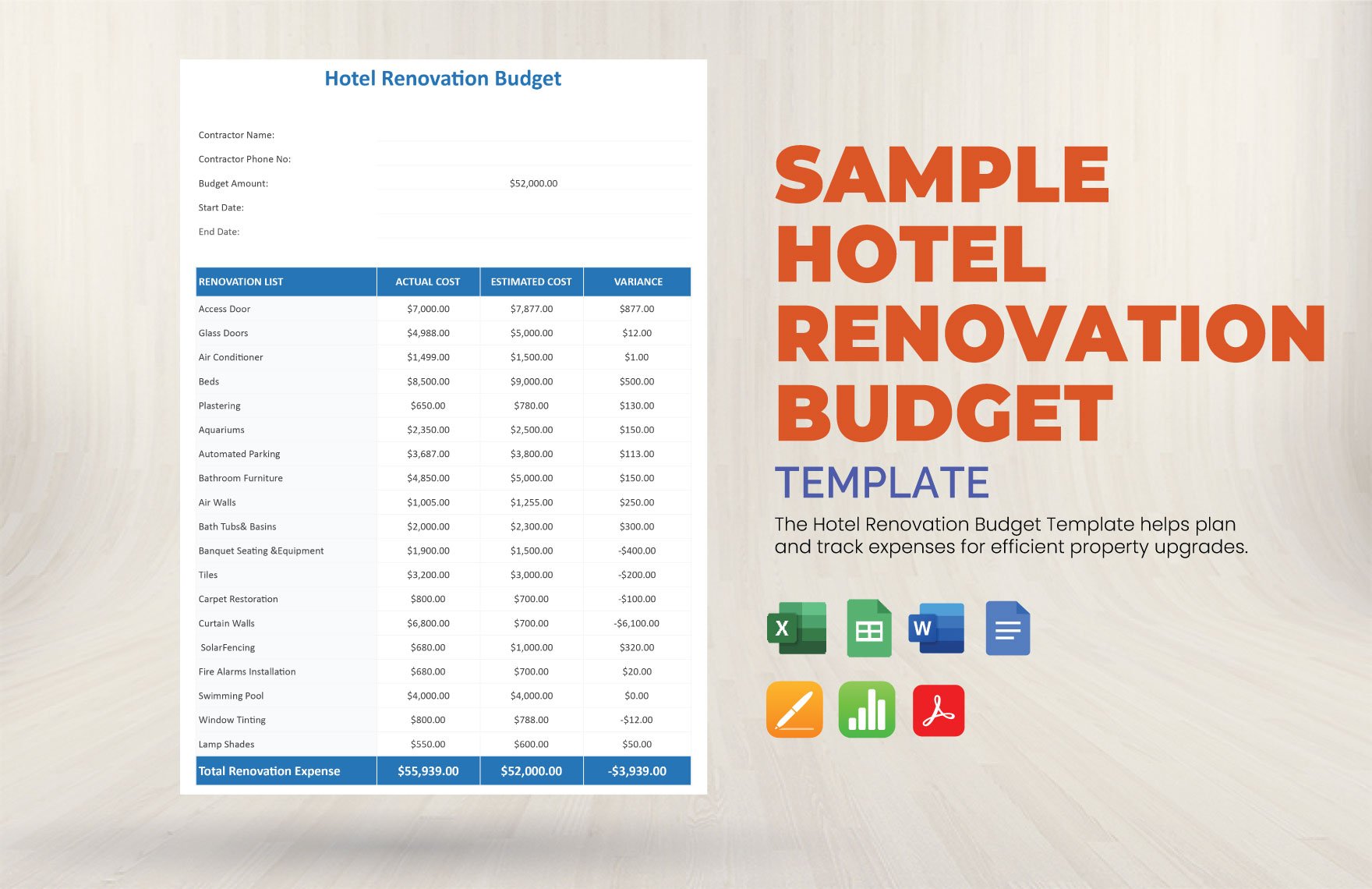
<svg xmlns="http://www.w3.org/2000/svg" viewBox="0 0 1200 340" role="img" aria-label="How Do I Budget a Hotel Renovation or PIP? — PULSE Buildouts"><rect width="1200" height="340" fill="#EBE9DE"/><rect width="14" height="340" fill="#C0531F"/><text x="58" y="116" font-family="Arial,Helvetica,sans-serif" font-size="32" font-weight="800" letter-spacing="3" fill="#C0531F">PULSE BUILDOUTS · COMMERCIAL REAL ESTATE</text><text x="56" y="198" font-family="Arial,Helvetica,sans-serif" font-size="60" font-weight="800" fill="#2b2b2b">Save money.
Don’t get screwed.</text><text x="58" y="258" font-family="Arial,Helvetica,sans-serif" font-size="30" font-weight="600" fill="#6b5b4d">Hotel renovations & brand PIPs — negotiated in your favor</text><g transform="translate(1010,86)" fill="none" stroke="#C0531F" stroke-width="9" stroke-linejoin="round"><rect x="20" y="40" width="150" height="130"/><line x1="20" y1="40" x2="95" y2="6"/><line x1="170" y1="40" x2="95" y2="6"/><rect x="50" y="80" width="36" height="36"/><rect x="104" y="80" width="36" height="36"/><rect x="74" y="128" width="42" height="42"/></g></svg>
How Do I Budget a Hotel Renovation or PIP?
Direct Answer
The money move in a hotel renovation is to negotiate the Property Improvement Plan (PIP) before you close, because the PIP is the brand's wish list and it's far more negotiable than franchisees believe. A PIP is the scope of work a brand like Marriott, Hilton, Hyatt, or IHG requires when you buy a hotel, renew a franchise, or convert a flag — and it's where the brand quietly pushes costs onto you.
A typical PIP runs $10,000–$40,000 per key ($key = guest room), so a 120-room hotel can face a $1.2 million to $4.8 million renovation. A soft-goods refresh (carpet, paint, bedding, drapes, artwork) is the cheap end at $5,000–$15,000 per key; a full renovation with FF&E, bathrooms, and case goods runs $25,000–$60,000 per key; a brand conversion or repositioning to upscale can hit $60,000–$120,000+ per key.
The single biggest savings lever: get the PIP scope and a cost estimate as a closing condition, then negotiate line items, deferral timelines, and the brand's required vendors *before* you're contractually locked in. Once you've signed the franchise agreement, the brand holds all the leverage and every change order is at their mercy.
Budget a 15–20% contingency — hotels are full of hidden conditions behind finished walls — and never accept a verbal "this is roughly what it'll cost." Make the brand itemize.
What's Actually In A PIP
The PIP is divided into categories, and knowing them lets you push back intelligently:
- Guestrooms (FF&E): carpet, case goods, soft seating, bedding, lighting, TVs. The biggest single line — $8,000–$25,000 per key.
- Guest bathrooms: vanities, tile, fixtures, often the most disruptive. $5,000–$15,000 per key.
- Public spaces: lobby, breakfast area, fitness room, corridors. A brand-defining cost.
- Building systems (MEP): HVAC (often PTAC replacements at $1,500–$3,000 per unit), elevators, roofing, life safety.
- Technology: brand-mandated PMS, Wi-Fi, locks, and mobile check-in integration.
- Exterior and signage: porte-cochère, paint, parking, and the brand sign package.
- ADA and life safety: sprinklers, accessibility upgrades — code-triggered and non-negotiable.
Soft costs (design, brand-approved architect, permits, financing carry) run 15–25% on top of hard cost.
The PIP Negotiation Playbook
This is the part most owners leave on the table:
- Demand the PIP before closing. Make a clean PIP estimate a closing condition in your purchase agreement. If the seller can't deliver it, that's your leverage on price.
- Negotiate the timeline. Brands often allow phased deferral — soft goods in year one, building systems in year two or three. Spreading the spend protects cash flow.
- Challenge brand-mandated vendors. Brands push approved vendor programs (FF&E, locks, PMS) that can be marked up. Ask whether you may value-engineer with equivalent approved alternates or competitively bid.
- Push back on "nice-to-haves." Distinguish brand-standard requirements from aesthetic preferences of the local brand inspector. Get the actual written standard.
- Use the franchise renewal as leverage. At renewal, you can negotiate a reduced PIP, key-money credits, or a fee abatement in exchange for re-signing. Brands want to keep you flagged.
- Get key money on conversions. Brands routinely pay key money (a cash incentive, often $2,000–$10,000+ per key) to win a conversion — ask for it in writing.
How Not To Get Screwed By The Brand Or Contractor
The PIP process has predictable traps on both sides:
- The post-close scope creep. Once you've signed, the brand inspector can "discover" new requirements. Lock the PIP scope in a signed scope letter with a defined completion list.
- The mandated-vendor markup. Brand-approved FF&E and technology vendors often price above market. Always ask for competitive bids among approved vendors and the right to use equivalent alternates.
- The change-order profit center. General contractors bid low and profit on changes. Demand a GMP (guaranteed maximum price) contract with published unit prices for likely changes.
- The hidden-condition surprise. Behind hotel walls lurk failed plumbing risers, mold, and outdated wiring. A pre-renovation existing-conditions survey ($10,000–$30,000) catches these before they become change orders.
- The displacement-revenue trap. Renovating occupied floors means lost room revenue. Budget for rooms out of order (OOO) and negotiate the brand's tolerance for keeping a percentage offline during the work.
- The default clause. Franchise agreements let the brand terminate and charge liquidated damages if the PIP isn't completed on time. Negotiate realistic deadlines and cure periods.
A Quick Budgeting Framework
- Get the PIP and per-key estimate before you close — it's your strongest leverage point.
- Order an existing-conditions survey so hidden defects don't blow the budget.
- Negotiate phasing, alternates, and key money with the brand in writing.
- Use a GMP contract with published unit prices to cap contractor exposure.
- Hold a 15–20% contingency plus a displacement-revenue line.
FAQ
How much does a hotel PIP cost per room? A soft-goods refresh runs $5,000–$15,000 per key, a full renovation $25,000–$60,000 per key, and a brand conversion or upscale repositioning $60,000–$120,000+ per key. For a 120-room hotel that's a range from roughly $600,000 to over $7 million depending on scope.
Can you negotiate a PIP with the brand? Yes — far more than owners assume. You can negotiate the timeline (phased deferral), approved-vendor alternates, key money on conversions, and reduced scope at franchise renewal. The leverage is highest before you sign the franchise agreement, so get the PIP as a closing condition.
What is key money in a hotel deal? Key money is a cash incentive a brand pays an owner to win or keep a flag, often $2,000–$10,000+ per key, used to offset PIP costs on conversions. Brands rarely volunteer it, so ask for it explicitly and get it in the franchise agreement.
What happens if I don't complete the PIP on time? The franchise agreement typically allows the brand to terminate the license and charge liquidated damages, and you lose the reservation system and loyalty program overnight. Negotiate realistic completion deadlines, phasing milestones, and cure periods before signing.
How big a contingency should I budget for a hotel renovation? Plan 15–20% on top of hard costs because hotels hide failed risers, mold, and outdated MEP behind finished walls. A pre-renovation existing-conditions survey at $10,000–$30,000 is the cheapest way to shrink that contingency risk.
Sources
- CBRE Hotels — U.S. Hotel renovation and capital-expenditure trend reports.
- JLL Hotels & Hospitality — PIP, valuation, and brand-conversion advisory research.
- Cushman & Wakefield — Hospitality capital markets and asset-management briefs.
- RSMeans (Gordian) — Commercial construction unit-cost data for hospitality.
- AHLA (American Hotel & Lodging Association) — industry capital-expenditure and renovation benchmarks.
- HVS — Hotel renovation cost surveys and PIP cost-per-key studies.
- ISHC (International Society of Hospitality Consultants) — CapEx and FF&E reserve research.
- NAIOP — hospitality development pro forma and financing research.