
How Do I Budget a Comedy Club or Live-Music Venue Buildout?
 Curated byKory White · Fractional CRO · Maryland
 PULSEKNOWLEDGE LIBRARY
Budgeting a comedy club or live-music venue buildout requires accounting for specialized infrastructure that far exceeds standard commercial fit-out costs, so plan for roughly $150 to $350 per square foot — an all-in budget of $400,000 to $1.5 million for a 3,000-to-8,000 sq ft space holding 150 to 450 people. The single most effective cost-saving strategy is securing a space that previously operated as an A-2 assembly occupancy (a former club, theater, banquet hall, or restaurant with an existing bar and high occupant load), because it avoids roughly $80,000 to $250,000 in code-mandated upgrades for fire sprinklers, multiple exits, panic hardware, and ADA compliance. Your budget will be dominated by three critical line items: the stage and sound system, the bar and draft system, and acoustic treatment plus soundproofing.
Getting a live-entertainment venue open is less about picking finishes and more about staging capital against risk. The wrong lease clause, an overlooked occupancy classification, or an under-spec'd HVAC system can each move your budget by six figures. This guide walks through the major cost drivers, the lease and code traps that catch first-time operators, and the practical differences between budgeting for laughs versus budgeting for a headliner — so you can build a number you can actually defend to a lender or an investor.
What Are the Three Most Expensive Line Items in a Venue Buildout?
The stage and sound system represent the largest capital investment for any live performance venue, typically consuming 25% to 35% of the total buildout budget. For comedy clubs, a simple 12-to-16-foot deep stage with minimal rigging runs $15,000 to $45,000, paired with a vocal-focused point-source PA system costing $25,000 to $60,000. Live-music venues require a deeper stage (20–30 feet) with wing space, a loading dock, and a full line-array system with subs and monitors, pushing the combined cost to $80,000–$250,000. The gap between the two formats is not vanity — a music room that under-invests in low-frequency reproduction and monitoring will lose touring acts and the ticket revenue that follows them.
The bar and draft system is the second-largest expense because it drives the majority of ongoing revenue — a 12-to-24-tap glycol-cooled system with walk-in cooler, sinks, and POS hardware costs $50,000–$180,000. Acoustic treatment and soundproofing run $40,000–$150,000 and are non-negotiable: STC 55–60 demising walls, bass traps, broadband absorbers, and a sound-lock vestibule prevent noise complaints and ensure the room sounds professional. Treat these three lines as a system, not silos — a beautiful stage in an untreated shell will sound amateur, and a great PA behind a thin demising wall will generate the neighbor complaints that shut venues down. For a deeper dive on budgeting specific venue types, see How Do I Budget an Event Venue Buildout?.
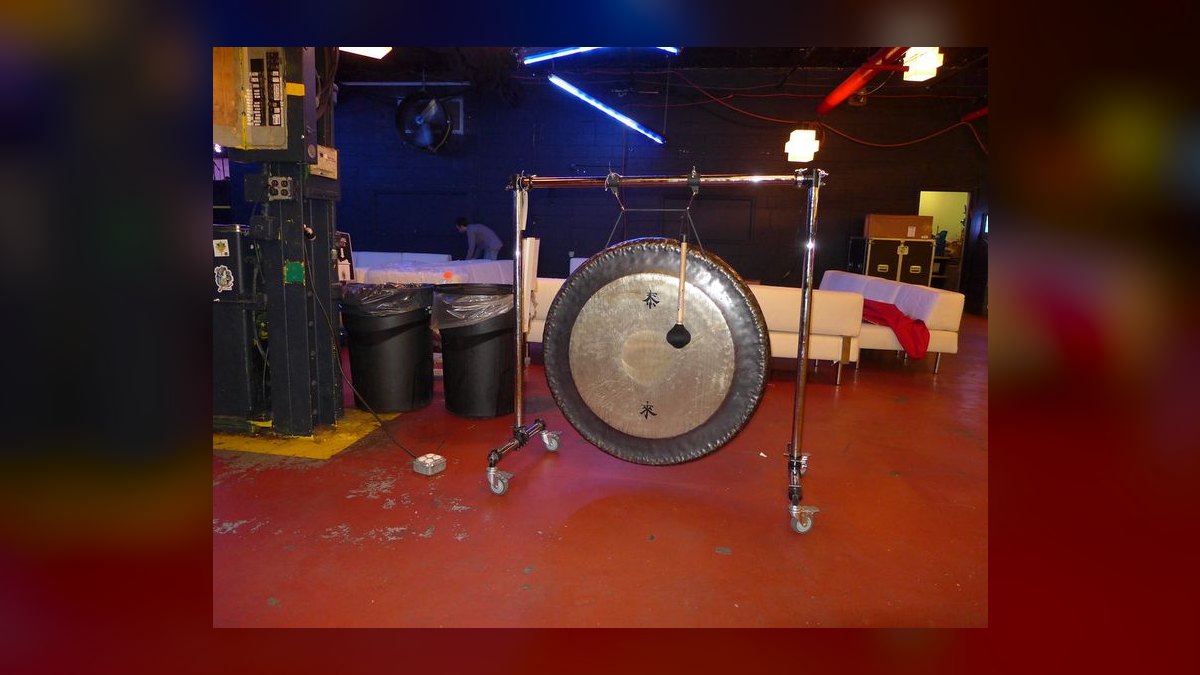
The table below shows how the three anchor line items typically scale between the two formats for a mid-size room.
| Line Item | Comedy Club (150–250 cap) | Live-Music Venue (200–450 cap) | Share of Budget |
|---|---|---|---|
| Stage + rigging | $15,000–$45,000 | $25,000–$80,000 | 8–15% |
| Sound / PA system | $25,000–$60,000 | $80,000–$250,000 | 10–20% |
| Bar + draft system | $50,000–$120,000 | $80,000–$180,000 | 12–18% |
| Acoustic treatment | $20,000–$50,000 | $40,000–$150,000 | 8–14% |
| Lighting | $12,000–$25,000 | $30,000–$80,000 | 4–8% |
How Much Should I Allocate for HVAC, Electrical, and Plumbing?
HVAC for assembly spaces costs 30% to 50% more than standard office HVAC because each occupant generates approximately 400 BTUs of body heat per hour, requiring higher tonnage and dedicated makeup-air systems. Expect $25,000 to $60,000 for a 3,000 sq ft venue, rising to $80,000+ for 8,000 sq ft with a kitchen. A packed room on a hot night is a genuine engineering load, not a rounding error — undersizing the system produces a miserable audience and a reputation problem you can't fix cheaply after opening.
Electrical service upgrades to handle lighting rigs, sound systems, and bar equipment often require a 400–800 amp panel; upgrading from a standard 200-amp service runs $15,000 to $45,000 including the panel, feeder cable, and city permit fees. Plumbing costs for the bar area — including a three-compartment sink, grease interceptor, ice machine drain, and floor drains — add $10,000 to $30,000. A hidden cost is the grease interceptor for any venue serving food: health departments typically require a 1,000-to-2,000-gallon unit, which can cost $5,000–$15,000 to install. Confirm the service capacity and any utility upgrade fees during due diligence, because a transformer or service-lateral upgrade from the utility can add both cost and months to your timeline.
What Lease Terms Protect My Venue Buildout Investment?
The most critical lease term for a comedy club or live-music venue is the noise and operating-hours clause: you must have written confirmation allowing amplified sound until 2 a.m. A use restriction that limits hours or sound levels can kill a music venue's viability. Negotiate a TI allowance of $35–$75 per square foot, disbursed in monthly draws against G702/G703 forms, and demand 4–8 months of free rent to cover the buildout period — a dark venue earns nothing.
Include a force majeure clause covering construction delays from permitting, fire marshal reviews, or health department requirements, so you're not paying rent on an empty space while waiting for approvals. Also secure exclusive live-entertainment use if you're in a district, preventing the landlord from leasing adjacent space to a competing venue. Just as important, negotiate ownership and removal rights on your trade fixtures — the draft system, sound rig, and stage represent hundreds of thousands of dollars, and you want the right to remove or amortize them, not surrender them as landlord improvements at lease end. For strategies on negotiating these terms, refer to How Do I Negotiate a Lease and Buildout for an Axe-Throwing Venue?.
How Do I Budget for Code Compliance and Permitting?
Code compliance is the most underestimated cost in venue buildouts, often adding $80,000 to $250,000 when a space requires a use-group change to A-2 assembly occupancy. The International Building Code requires A-2 spaces to have fire sprinklers, two or more exits with panic hardware, accessible routes, and increased restroom fixture counts. For a 300-capacity room, you'll need 6–10 toilets by code, compared to 2–4 for retail. These are not negotiable line items — the fire marshal and building official gate your certificate of occupancy, and without it you cannot legally admit a paying crowd.
Pay a code consultant $2,000–$5,000 during lease due diligence to confirm the occupant load and required exits — this is the cheapest insurance you can buy. Permitting fees vary by jurisdiction but typically run $5,000 to $25,000 for a venue of this size. Liquor license costs are separate and can exceed $100,000 in some markets, so research local fees early in your planning and factor licensing lead time into your opening date, since a delayed liquor license can push a launch by months even after construction finishes.
What's the Difference in Budget Between a Comedy Club and a Live-Music Venue?
Comedy clubs and live-music venues diverge sharply in their budget allocations despite looking similar on paper. Comedy clubs prioritize sightlines with raked seating or tiered platforms, a minimal stage depth of 12–16 feet, and a tight, intimate room where every seat has an unobstructed view. Lighting is simpler — a few front washes and a spotlight — so the lighting budget runs $12,000–$25,000. Sound is modest: a basic PA, 4–6 wireless mics, and room tuning; budget $8,000–$18,000. The floor plan requires a green room and backstage area isolated from the bar.
Live-music venues need a deeper stage (20–30 feet), wing space for bands, a loading dock or roll-up door, and heavier electrical systems. Lighting becomes a production with moving heads, trusses, and DMX controls; budget $30,000–$80,000 for a 200-capacity room. Sound is the single biggest cost — line arrays, subs, monitors, and acoustic treatment; expect $25,000–$60,000 for a decent system, and $80,000–$150,000 for touring-level quality. If you try to serve both comedy and music, you'll need a flexible stage, removable seating, and acoustic drapes, adding $15,000–$30,000 in modular elements.
The comparison table below summarizes where the two formats pull apart most.
| Design Element | Comedy Club Priority | Live-Music Priority |
|---|---|---|
| Stage depth | 12–16 ft, minimal rigging | 20–30 ft, wing space + load-in |
| Sightlines | Critical — raked/tiered seating | Secondary — standing room common |
| Sound focus | Vocal clarity, point-source PA | Full-range line array + subs |
| Lighting | Simple wash + spotlight | Moving heads, truss, DMX |
| Seating | Fixed, intimate | Flexible / removable |
| Low-freq isolation | Moderate | Maximum — bass containment |
How Do I Avoid Cost Overruns from Change Orders?
Venue buildouts typically run 10–18% in change orders because of surprises behind old walls — outdated wiring, structural deficiencies, or unexpected fire-code requirements. To control this, demand a GMP (Guaranteed Maximum Price) contract from your general contractor, not a cost-plus arrangement. Require written approval on any change over $2,500 and cap the GC's change-order markup at 12–15%. Hold 10% retainage until the fire marshal signs off on the certificate of occupancy.
Get two competing bids for specialized work like draft systems and sound installation, as integrators often over-spec equipment. For the draft system, a 16-tap glycol-cooled system should cost $20,000–$35,000 installed, not $60,000. Always include a contingency fund of 15% to 25% of the total budget — for a $1 million buildout, that's $150,000 to $250,000 in reserve for structural issues, HVAC upgrades, or fire-code changes. Treat the contingency as untouchable until a real surprise arises; operators who spend it on upgrades during construction have nothing left when the wall opens up and the wiring is worse than expected. For related buildout budgeting frameworks, see How Do I Budget an Event Venue Buildout?.
Related questions
What is the typical TI allowance for a venue buildout?
Landlords typically offer $30–$60 per square foot for basic finishes, but your actual buildout costs $150–$350/sq ft, leaving a gap of $90–$290/sq ft you must cover. Negotiate a larger TI allowance or rent abatement to offset out-of-pocket costs.
Can I use a former retail space for a comedy club?
Former retail spaces usually have retail or office occupancy, requiring a full use-group change to A-2 assembly. This triggers sprinklers, exits, panic hardware, and ADA upgrades costing $80,000–$250,000, making them more expensive than repurposing an existing assembly space.
How long does a venue buildout take?
From lease signing to opening, expect 4 to 8 months for a 3,000-to-8,000 sq ft space. Delays come from permitting, contractor availability, and custom millwork. Adding 2 months of buffer is a common safety net.
What permits do I need for a live-music venue?
You'll need building permits for construction, a certificate of occupancy from the fire marshal, a liquor license (which can exceed $100,000 in some markets), and potentially a public assembly permit. Budget $5,000–$25,000 for permitting fees.
Should I buy used equipment for my venue?
Used sound systems, seating, and bar equipment can cut 20%–40% off retail, but budget 10%–15% of the equipment cost for repairs and installation. Be cautious with used sound gear — touring-grade equipment may have hidden wear.
FAQ
What's the biggest cost I'll face in a comedy club buildout? The largest single expense is usually soundproofing and acoustic treatment, which can run $30,000 to $80,000 depending on room size and local noise ordinances. After that, lighting and AV systems often cost $50,000 to $150,000 for a professional setup.
Can I save money by finding a space that was already a venue? Yes — this is the single best cost-saving strategy. A space that was previously an A-2 assembly occupancy (club, theater, banquet hall) already has fire sprinklers, multiple exits, and high occupant load, saving you $80,000–$250,000 in code-mandated upgrades.
How much should I set aside for permits and licenses? Permits, zoning approvals, and liquor licenses typically cost $5,000 to $25,000, but this varies widely by city. In some areas, a liquor license alone can exceed $100,000. Always research local fees early in your planning.
What's the typical timeline for a venue buildout? From lease signing to opening, expect 4 to 8 months for a 3,000-to-8,000 sq ft space. Delays often come from permitting, contractor availability, and custom millwork. Adding 2 months of buffer is a common safety net.
Should I hire a general contractor or manage subs myself? A general contractor adds 10% to 20% to costs but saves you headaches with scheduling and code compliance. Managing subs yourself can cut overhead, but only if you have construction experience — otherwise, mistakes can double your budget.
What's a realistic contingency fund for surprises? Set aside 15% to 25% of your total budget for unexpected costs like structural issues, HVAC upgrades, or fire-code changes. For a $1 million buildout, that's $150,000 to $250,000 in reserve.
How do I negotiate a TI allowance for a venue? Demand $35–$75 per square foot in TI allowance, disbursed in monthly draws against G702/G703 forms. If the landlord balks, negotiate a longer rent abatement period (6–12 months free rent) to offset your out-of-pocket buildout costs.
What code requirements apply to a 300-capacity venue? A 300-capacity A-2 assembly space requires fire sprinklers, at least two exits with panic hardware, ADA-accessible routes and restrooms, and 6–10 toilets by code. The fire marshal will also require a certificate of occupancy before you can open.
Sources
- CBRE, *U.S. Construction Cost Trends*
- JLL, *Retail and Restaurant Fit-Out Cost Guide*
- Cushman & Wakefield, *Tenant Improvement and Work Letter Benchmarks*
- RSMeans (Gordian), *Building Construction Cost Data*
- NAIOP, *Lease Negotiation and TI Allowance Best Practices*
- BOMA International, *Operating Expense and CAM Standards*
- National Independent Venue Association (NIVA), *Independent Venue Operating Benchmarks*
- International Code Council (ICC), *International Building Code — Group A-2 Assembly Occupancy Requirements*
- U.S. Small Business Administration, *Commercial Lease Negotiation Guide*
- National Restaurant Association, *Bar and Draft System Cost Benchmarks*
Related on PULSE
- [How Do I Budget an Event Venue Buildout?](/knowledge/bo0149)
- [How Do I Budget an Ambulatory Surgery Center Buildout?](/knowledge/bo0219)
- [How Do I Budget a Dry Cleaner Buildout?](/knowledge/bo0170)
- [How Do I Budget a Senior Living or Assisted Living Buildout?](/knowledge/bo0188)
- [How Do I Budget a Sports Bar Buildout?](/knowledge/bo0209)
- [How Do Change Orders Blow Up a Buildout Budget, and How Do I Cap Them?](/knowledge/bo0040)
This page will be disappearing soon. Save it to your device for $1 — or read it free while it is here.
@Kory-White- · if Venmo asks, the last 4 of my number are 2012
 buildoutsHow Do I Budget a Sushi Restaurant Buildout?
 buildoutsHow Do I Budget an Escape Room Buildout?
 buildoutsHow Do I Budget an Industrial Laundry Buildout?
 buildoutsHow Do I Budget a Medical or Dental Office Buildout?
 buildoutsHow Do I Budget a Dance Studio Buildout?
 buildoutsHow Do I Budget a Dialysis or Infusion Center Buildout?
 buildoutsHow Do I Budget a Nightclub Buildout?
 buildoutsHow Do I Budget a Print or Sign Shop Buildout?
 buildoutsHow Do I Budget an Ice Cream or Gelato Shop Buildout?
 buildoutsHow Do I Budget a Church or Worship Space Buildout?