
How Do I Budget a Bookstore-Cafe Buildout?
 Curated byKory White · Fractional CRO · Maryland
 PULSEKNOWLEDGE LIBRARY
The single biggest money decision in a bookstore-cafe is how serious the cafe is, because the kitchen drives 70–80% of your buildout cost while books drive most of your floor space. Run the cafe as a service-only espresso-and-pastry bar (no cooking, no grease hood) and your buildout stays at $80–$160 per sq ft; turn it into a full kitchen with a Type I hood, grease trap, and three-compartment sink and you jump to $200–$450 per sq ft for the cafe portion alone. For a 2,500–4,000 sq ft store, that's the difference between a $180,000 project and a $500,000+ one. The money move: take second-generation restaurant or cafe space if you want to cook (the hood, grease trap, and grease interceptor are already in — each costs $15,000–$50,000 to add new), or commit to a no-hood cafe and put the savings into books and seating. The biggest landlord-negotiation lever is tenant improvement allowance (TI): on a multi-year lease push for $40–$80 per sq ft of TI, because cafe infrastructure is exactly the kind of capital improvement that increases the landlord's property value and re-let appeal. Keep total occupancy cost (rent + NNN) under 8–10% of sales, get 4–8 months free rent to cover the long buildout, and never sign before a licensed kitchen designer confirms the existing utilities (gas, water, electrical, grease) can carry your equipment — a surprise service upgrade can add $20,000–$60,000.
What Is the Optimal Cost Breakdown for a Bookstore-Cafe Buildout?
The two halves of the project have wildly different costs per square foot. Plan them separately to avoid budget shock. The cafe portion, even if only 20–30% of your floor space, will consume the majority of your capital because of commercial-grade equipment, ventilation, plumbing, and fire suppression. The bookstore side is far cheaper per square foot, dominated by shelving, lighting, and finishes.
The cafe (the expensive half):
- Espresso machine and grinders: $8,000–$25,000 for a commercial 2-3 group machine plus grinders. This is non-negotiable quality — a cheap machine costs you in downtime.
- Refrigeration (under-counter, display, walk-in if needed): $6,000–$30,000.
- Type I grease hood + make-up air (only if cooking): $15,000–$40,000 installed, plus fire suppression at $3,000–$8,000.
- Grease trap / interceptor: $3,000–$15,000 depending on size and whether it's interior or an exterior in-ground unit.
- Three-compartment sink, hand sinks, mop sink: $4,000–$10,000 with plumbing.
- Counter, millwork, and pastry case: $15,000–$40,000.
- Plumbing and electrical upgrades: $15,000–$50,000 if the panel or water service needs upsizing.
The bookstore (the cheap half):
- Shelving: $12,000–$35,000. Custom wood casework is pricey; commercial library/retail shelving or quality used fixtures cut this 40–60%.
- Seating and reading nooks: $8,000–$20,000. This is what makes people linger and buy coffee — fund it.
- Lighting: $10,000–$25,000. Warm, layered lighting; brighter at the cafe, softer in stacks.
- Flooring and paint: $10,000–$30,000.
A key principle of commercial real estate budgeting is that the cafe's infrastructure costs are not optional. Skimping on a grease trap or electrical panel upgrade will fail health and building inspections, forcing costly retrofits.
How Do Hidden Infrastructure Costs Derail a Bookstore-Cafe Budget?
Beyond the obvious line items—shelving, counters, espresso machines—a bookstore-cafe buildout has three infrastructure categories that routinely blow budgets by 15–30% if not planned for upfront. These costs are invisible in a first draft of the budget but become unavoidable during permitting and construction.
- MEP (Mechanical, Electrical, Plumbing) upgrades. A typical retail shell provides 100–200 amps of power. A cafe with a commercial espresso machine, refrigeration, and lighting needs 300–600 amps. Upgrading the electrical panel and running new circuits costs $8,000–$25,000 depending on distance from the main. Similarly, adding a grease trap for a full kitchen runs $3,000–$12,000 installed, and a dedicated water line for an espresso machine with a filtration system adds $1,500–$4,000.
- Fire suppression and alarm system modifications. If you install a commercial kitchen with a Type I hood, you must add a hood suppression system (Ansul) at $4,000–$8,000. That triggers a fire alarm panel upgrade or new pull stations, adding $2,000–$5,000. Even a pastry-only cafe often requires a Class K fire extinguisher and signage, but the real cost is when the landlord's existing fire system doesn't cover the new layout—re-running sprinkler heads costs $500–$1,200 per head.
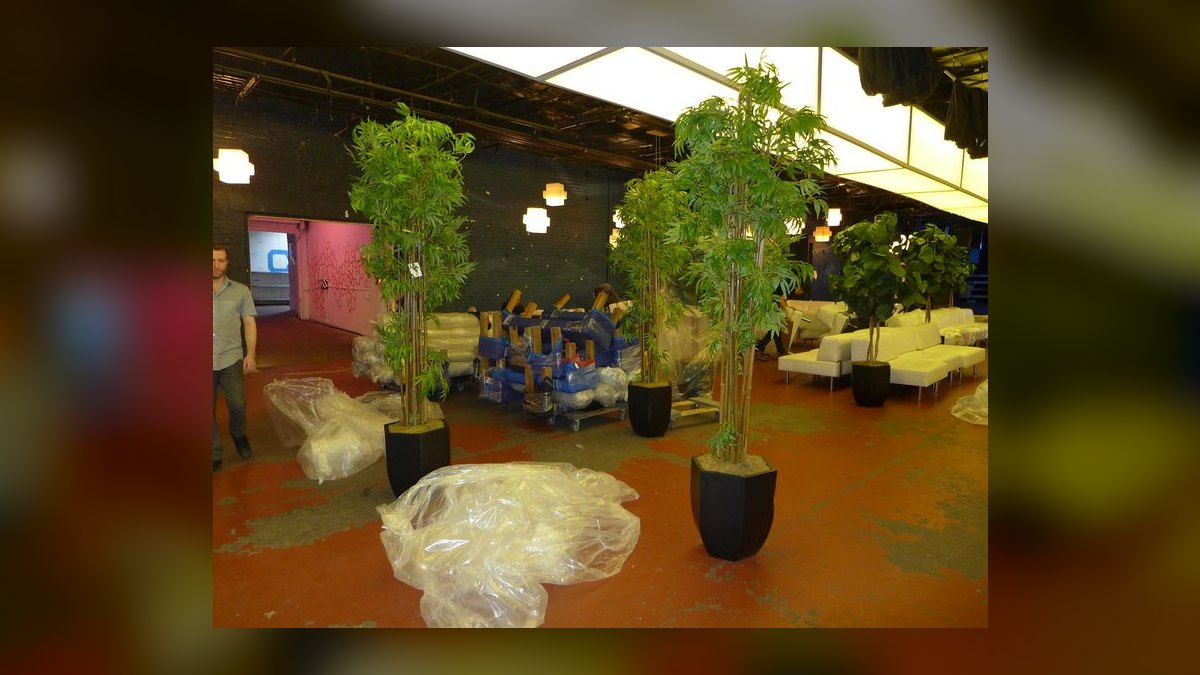
- HVAC balancing for mixed-use zones. Bookstores need stable humidity (40–50% RH) to protect paper stock; cafes need high ventilation for heat and steam. A single HVAC zone can't do both well. Adding a dedicated exhaust fan for the cafe area or a split-system AC for the book section runs $6,000–$18,000. Without this, you risk mold in the books or a stuffy cafe that drives customers out.
Budget rule: Set aside 20–25% of your total buildout contingency specifically for MEP and fire-safety overruns—not for finishes or furniture. As emphasized in ambulatory surgery center budgeting, infrastructure surprises are the fastest way to kill a project's return.
What Lease Negotiation Levers Fund the Cafe Buildout?
Cafe infrastructure is the most fundable buildout in retail because it physically improves the landlord's box. Use that leverage aggressively during lease negotiation. The landlord benefits from a higher-value asset after you install a kitchen, so they should share the cost.
- Tenant improvement allowance: On a 5–10 year lease, ask for $40–$80 per sq ft. A landlord who funds $60/sq ft on a 3,000 sq ft store is putting in $180,000 that you'd otherwise borrow at interest. Get the allowance paid on a clear draw schedule tied to completed work, not held until the very end where landlords stall.
- Free rent: A cafe-bookstore takes 3–5 months to permit and build. Negotiate 4–8 months abatement so you're not paying rent on a dark construction site.
- Trade higher base rent for more TI only if the math works — every dollar of TI you take is roughly amortized back into your rent at the landlord's cap rate, so understand the effective cost before trading.
- Lock unit prices and scope in the LOI before legal fees pile up, so the lease just papers a deal you already agreed on.
What Are the Most Common Bookstore-Cafe Lease Traps?
Avoid these six lease traps that disproportionately affect mixed-use food-and-retail tenants. Each one can cost you tens of thousands of dollars if not addressed in the lease negotiation.
- The grease/utility surprise. The deadliest one. If the existing space can't carry a grease hood or the water/gas/electrical service is undersized, you eat $20,000–$60,000 in upgrades the landlord won't cover unless you negotiated it. Counter: make the lease contingent on a kitchen designer's feasibility sign-off, and put base-building utility capacity on the landlord in writing.
- TI clawback / held allowance. Landlords stall the final TI draw or attach conditions. Counter: define exactly what completes each draw and add a clause that unpaid TI offsets your rent.
- Restoration / grease-trap removal. Some leases make you remove the hood and remediate at the end — six figures. Cap restoration or strike it; argue the kitchen *adds* value for the next tenant.
- Uncapped NNN/CAM. A cafe pulls heavy water and trash; landlords may load utility pass-throughs. Cap controllable CAM at 5%/year with audit rights, and put your own water/trash on a direct meter so you're not subsidizing neighbors.
- Percentage rent on a thin-margin model. Books are low-margin; refuse percentage rent or set a high breakpoint.
- Short free-rent period. Permitting a food use takes longer than retail. Anything under 4 months abatement on a cooking cafe puts you behind before you open.
How Do Permitting and Timeline Traps Affect the Budget?
Permitting a bookstore-cafe is rarely a single-stop process. You're combining a retail occupancy (books) with a food-service occupancy (cafe) , which means two sets of inspections and often two different city departments. Expect these hard costs and delays:
- Building permit fees: Typically 1–3% of your total buildout cost. On a $300,000 project, that's $3,000–$9,000. Some cities charge per trade (plumbing, electrical, mechanical) separately, adding $500–$2,000 each.
- Health department plan review: A cafe with any food prep requires a plan review fee of $200–$800, plus a $150–$500 annual permit. If you're cooking, you'll need a HACCP plan (often $500–$1,500 from a consultant) and a grease trap inspection.
- Zoning and signage permits: If your bookstore-cafe is in a historic district or has a specific signage code, expect $200–$1,000 for sign permits and $300–$800 for zoning compliance reviews. Some cities require a conditional use permit for cafes in retail zones, which can cost $1,000–$5,000 and take 4–12 weeks to process.
- Timeline risk: A straightforward retail buildout (no cafe) takes 6–10 weeks for permitting. Adding a cafe kitchen pushes that to 12–20 weeks because of health department and fire marshal reviews. Plan for at least 2–3 months of rent payments before you open—that's $8,000–$18,000 in dead rent for a 2,500 sq ft space at $25–$45 NNN.
Money move: Apply for all permits simultaneously (building, health, fire) and pay for expediting if your city offers it—typically $500–$2,000 but can cut timeline by 30–40%.
Related questions
What is the typical return on investment for a bookstore-cafe buildout?
A well-executed bookstore-cafe can see a 15–25% annual return on the total buildout investment within 3–5 years, driven by higher per-customer spend from the cafe ($12–$18 vs $8–$12 for books alone) and increased foot traffic and dwell time.
How do I choose between an espresso-only bar and a full kitchen?
Choose espresso-only if your primary revenue driver is books and you want lower risk ($80–$160/sq ft buildout), or a full kitchen if you plan to generate 50%+ of revenue from food and can absorb the higher buildout cost ($200–$450/sq ft) and operating complexity.
What are the best ways to reduce buildout costs for the bookstore side?
Source used commercial library shelving (40–60% savings), use LED strip lighting instead of track lights, paint walls yourself or with a small crew, and install laminate flooring instead of hardwood to cut the bookstore portion by 20–30%.
How do I calculate the right tenant improvement allowance for my lease?
Target TI of $40–$80/sq ft based on a 5–10 year lease term, then back-calculate the rent impact: every $10/sq ft of TI typically adds $0.60–$1.00/sq ft/year to your base rent, so ensure total occupancy cost stays under 8–10% of projected sales.
What permits do I need specifically for the cafe portion?
You need a health department permit, fire marshal approval (including hood suppression system), building permit for plumbing and electrical, and often a conditional use permit if zoning restricts food service in retail areas. Budget $3,000–$10,000 total for permit fees.
FAQ
What’s the typical total cost range for a bookstore-cafe buildout? For a service-only espresso-and-pastry bar with no cooking, expect $150–$300 per square foot. If you add a full kitchen with a grease hood, that jumps to $350–$600 per square foot. The final number depends heavily on your local labor rates, existing shell condition, and whether you need new HVAC or electrical upgrades.
How much of the budget should go to the cafe versus the bookstore? Plan for the cafe to consume 70–80% of your buildout budget, even though it may only take up 20–30% of your floor space. The bookstore side is mostly shelving, lighting, and finishes—far cheaper per square foot than plumbing, ventilation, and commercial-grade flooring required for the cafe.
What are the biggest hidden costs I might miss? Permit and plan-check fees can run $5,000–$20,000 depending on your city, and health department approvals for the cafe add another $2,000–$8,000. Also budget for a fire-suppression system ($3,000–$10,000) if you have any cooking equipment, and for a grease interceptor ($1,500–$5,000) even with a simple coffee bar.
Should I expect to pay for landlord improvements or can I negotiate? Landlords often offer tenant improvement allowances of $30–$80 per square foot for a 5–10 year lease, but that rarely covers a full cafe buildout. You can negotiate for more TI by offering a longer lease term or higher rent, but expect to cover 30–60% of costs out of pocket unless the space is already built out for food service.
What’s a realistic timeline and how does it affect my budget? A typical buildout takes 4–8 months from lease signing to opening. Delays from permits, inspections, or material shortages can add 20–40% to soft costs like rent during construction and temporary staffing. Always add a 10–15% contingency to your hard costs and plan for 2–3 months of rent with no revenue.
Can I save money by doing some work myself or using used equipment? Yes, but only on non-structural items. You can save 20–40% on shelving, furniture, and decor by sourcing used or building your own. For the cafe, buying a refurbished espresso machine or used refrigeration can cut equipment costs by 30–50%. Never DIY electrical, plumbing, or hood installation—those require licensed pros and will fail inspection otherwise.
How do I know if second-generation restaurant space is a good fit? Second-generation space is ideal if the existing hood, grease trap, and ventilation meet your planned equipment load. Have a kitchen designer inspect the existing infrastructure before signing a lease; if the hood is undersized or the grease trap too small, you may still face $15,000–$30,000 in replacement costs.
What is the minimum square footage for a profitable bookstore-cafe? A profitable bookstore-cafe typically requires at least 1,500–2,000 sq ft to accommodate both seating and retail inventory. Below that, you risk insufficient cafe revenue to cover the buildout cost and insufficient book selection to attract regular customers.
Sources
- CBRE — Retail and food-service Tenant Improvement cost benchmarks
- JLL — Restaurant and retail build-out cost trend reports
- Cushman & Wakefield — Food-and-beverage Advisory and TI-allowance guidance
- RSMeans (Gordian) — Commercial kitchen and retail construction unit cost data
- BOMA International — CAM, utility pass-through, and operating-expense standards
- National Restaurant Association — Foodservice equipment and kitchen build-out cost guidance
- ICSC — Retail lease and occupancy-cost benchmarks
- International Code Council / NFPA 96 — Commercial kitchen ventilation and grease-hood requirements
Related on PULSE
- [How Do I Budget a Coffee Shop or Cafe Buildout?](/knowledge/bo0109)
- [How Do I Budget an Ambulatory Surgery Center Buildout?](/knowledge/bo0219)
- [How Do I Budget a Dry Cleaner Buildout?](/knowledge/bo0170)
- [How Do I Budget a Senior Living or Assisted Living Buildout?](/knowledge/bo0188)
- [How Do I Budget a Sports Bar Buildout?](/knowledge/bo0209)
- [How Do Change Orders Blow Up a Buildout Budget, and How Do I Cap Them?](/knowledge/bo0040)
This page will be disappearing soon. Save it to your device for $1 — or read it free while it is here.
@Kory-White- · if Venmo asks, the last 4 of my number are 2012
 buildoutsHow Do I Budget a Vertical Farm or Indoor Ag Buildout?
 buildoutsHow Do I Budget a Comedy Club or Live-Music Venue Buildout?
 buildoutsHow Do I Budget a Bakery Buildout?
 buildoutsHow Do I Budget a Pet Grooming Buildout?
 buildoutsHow Do I Budget a Makerspace or Woodworking Shop Buildout?
 buildoutsHow Do I Negotiate a Lease and Buildout for a Private or Charter School?
 buildoutsHow Do I Negotiate a Lease and Buildout for a Cigar or Hookah Lounge?
 buildoutsHow Do I Budget a Butcher Shop or Meat Market Buildout?
 buildoutsHow Do I Budget a Barbershop Buildout?
 buildoutsHow Do I Budget a Garden Center or Nursery Buildout?